
Photo Album by Darcy Plant and Animal Cells

Photo Album by Darcy
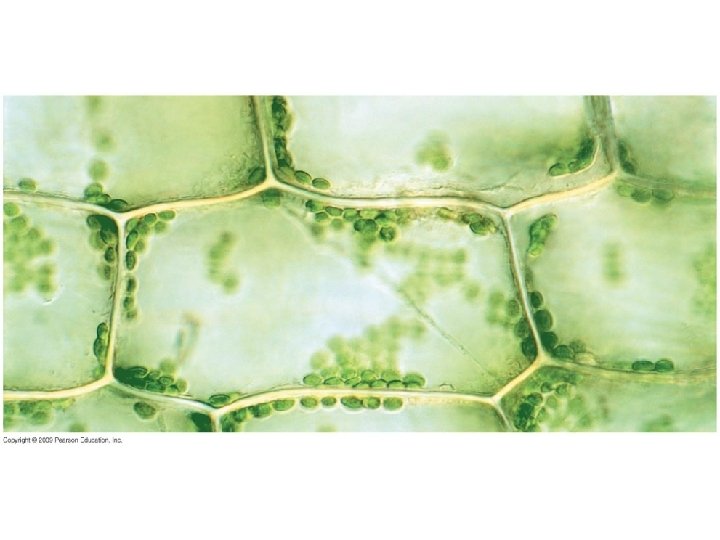
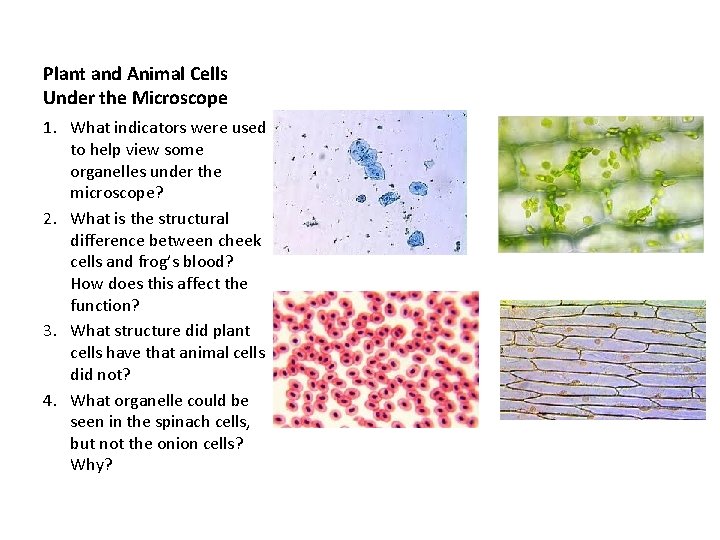
Plant and Animal Cells Under the Microscope 1. What indicators were used to help view some organelles under the microscope? 2. What is the structural difference between cheek cells and frog’s blood? How does this affect the function? 3. What structure did plant cells have that animal cells did not? 4. What organelle could be seen in the spinach cells, but not the onion cells? Why?
Cell characteristics • All cells: – surrounded by a plasma membrane – have cytosol • semi-fluid substance within the membrane • cytoplasm = cytosol + organelles – contain chromosomes which have genes in the form of DNA – have ribosomes • tiny “organelles” that make proteins using instructions contained in genes
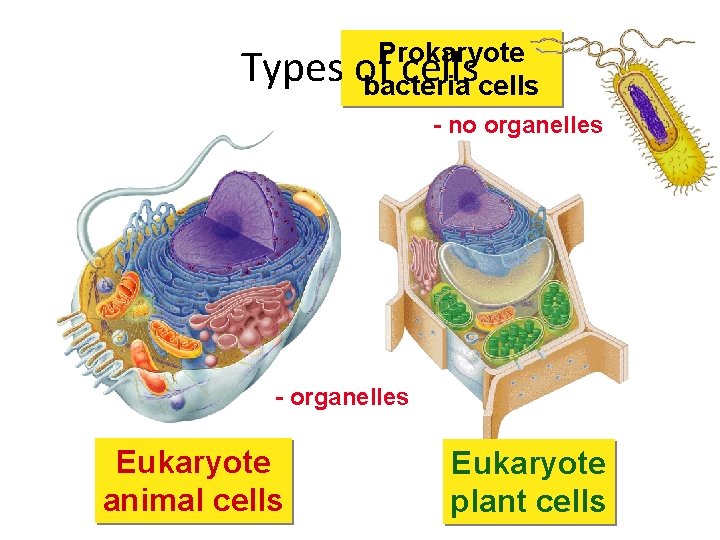
Types Prokaryote of cells bacteria - no organelles - organelles Eukaryote animal cells Eukaryote plant cells
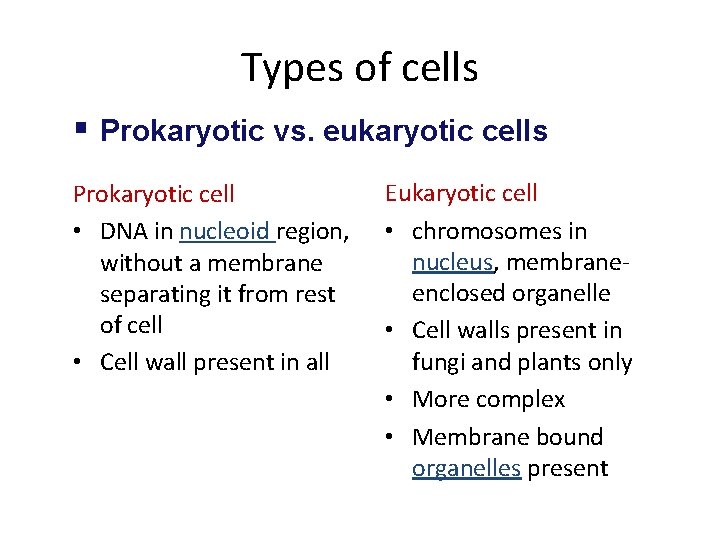
Types of cells § Prokaryotic vs. eukaryotic cells Prokaryotic cell • DNA in nucleoid region, without a membrane separating it from rest of cell • Cell wall present in all Eukaryotic cell • chromosomes in nucleus, membraneenclosed organelle • Cell walls present in fungi and plants only • More complex • Membrane bound organelles present
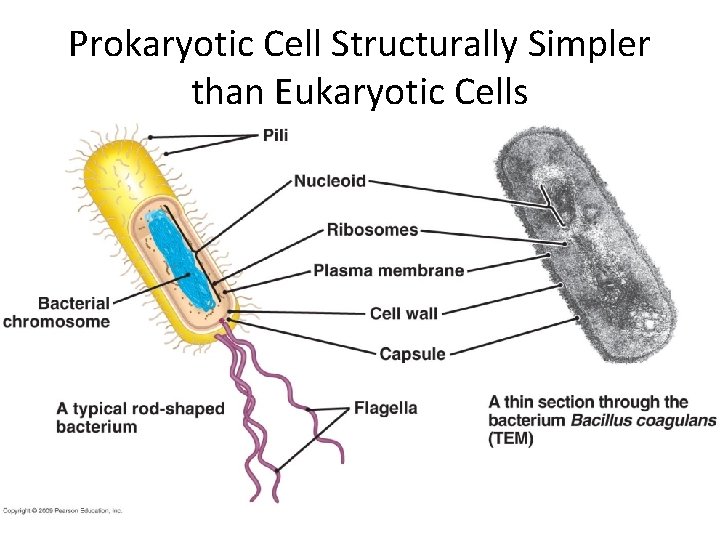
Prokaryotic Cell Structurally Simpler than Eukaryotic Cells
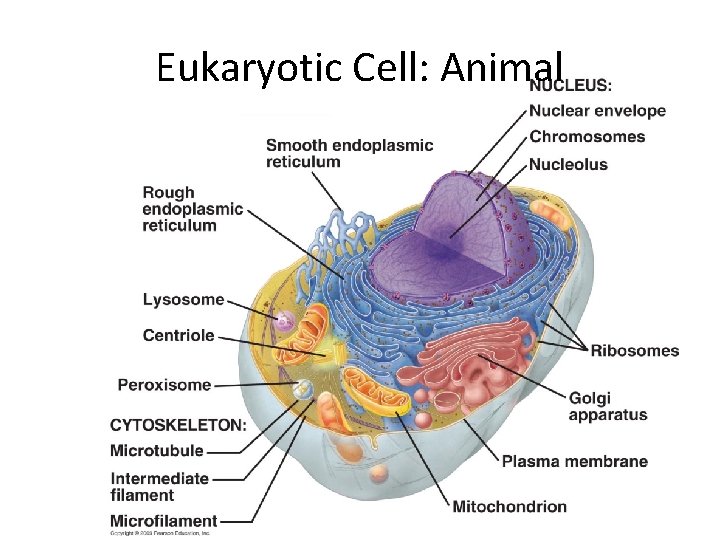
Eukaryotic Cell: Animal
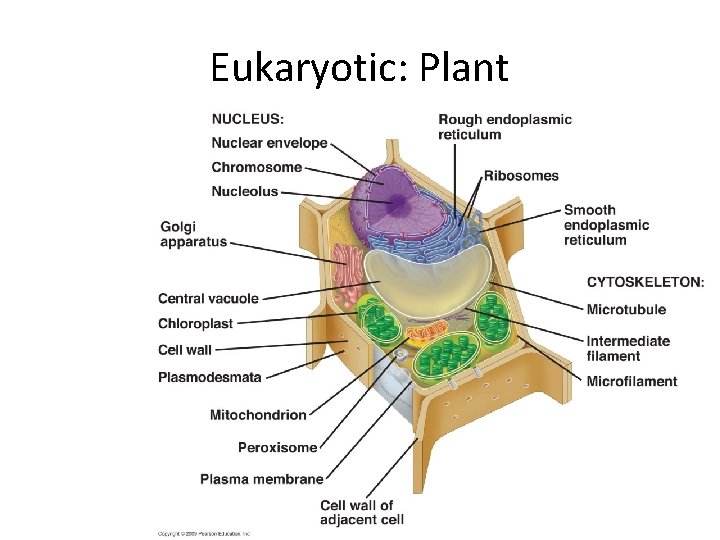
Eukaryotic: Plant
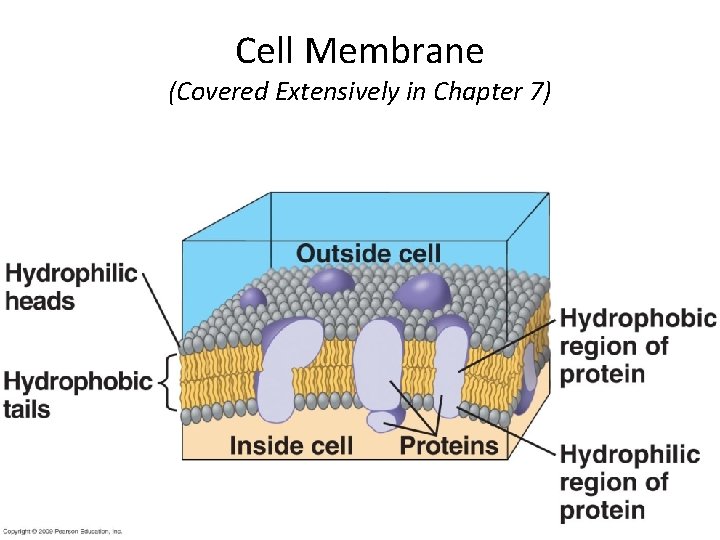
Cell Membrane (Covered Extensively in Chapter 7)
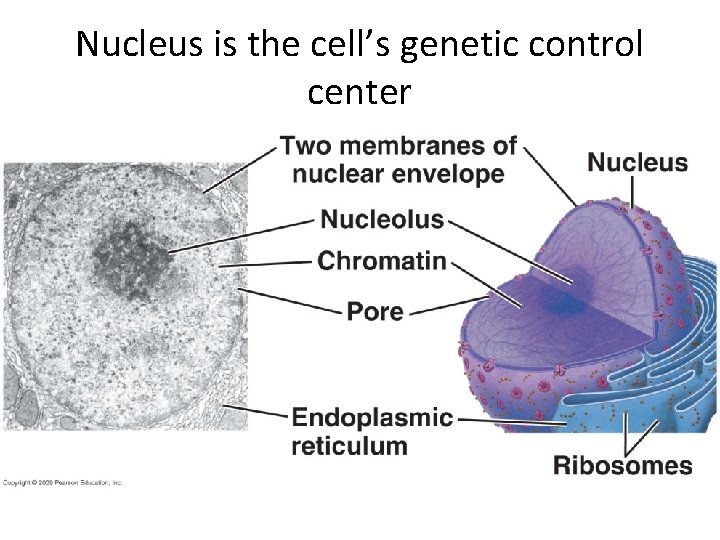
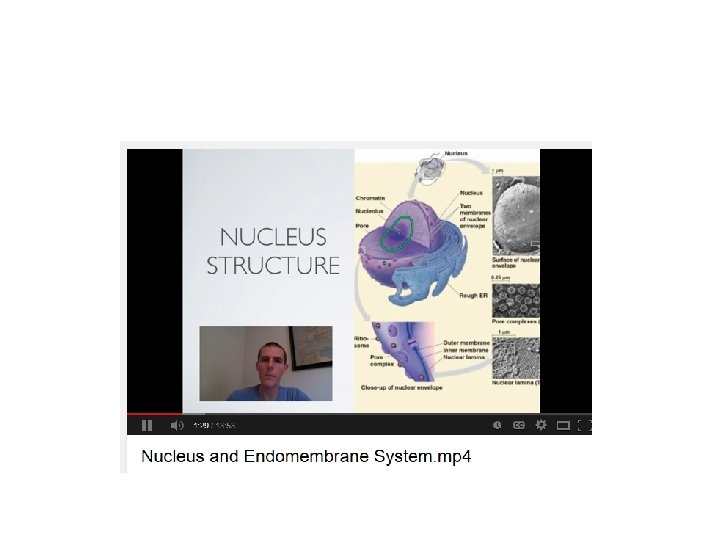
Nucleus is the cell’s genetic control center
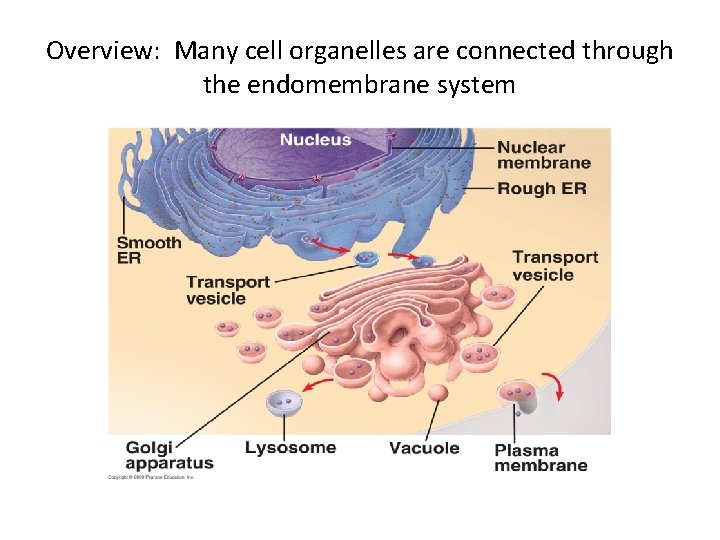
Overview: Many cell organelles are connected through the endomembrane system
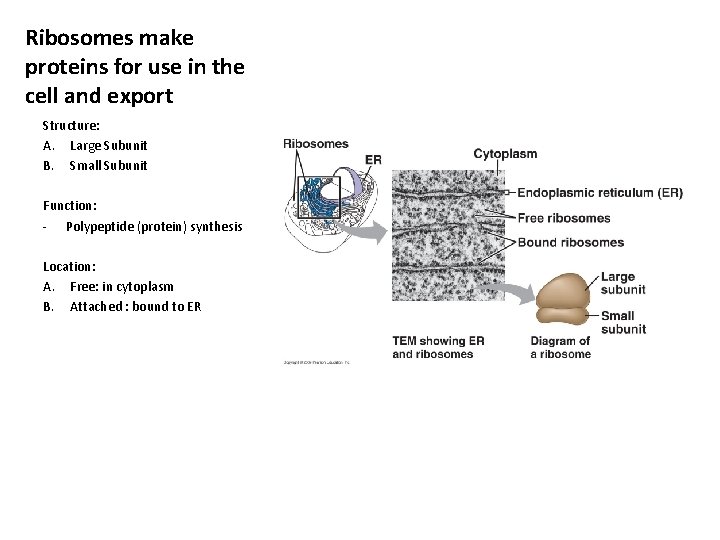
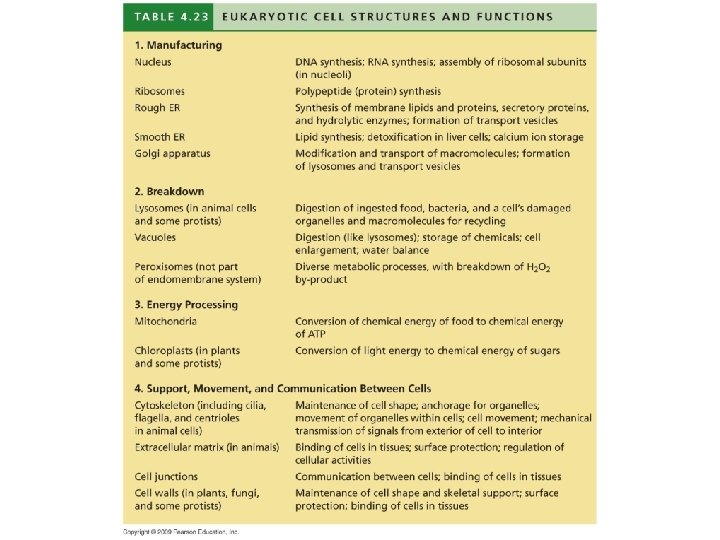
Ribosomes make proteins for use in the cell and export Structure: A. Large Subunit B. Small Subunit Function: - Polypeptide (protein) synthesis Location: A. Free: in cytoplasm B. Attached : bound to ER
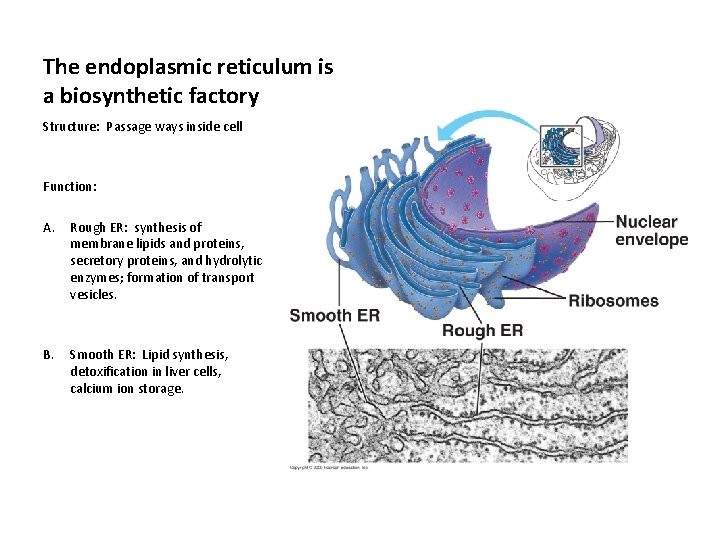
The endoplasmic reticulum is a biosynthetic factory Structure: Passage ways inside cell Function: A. Rough ER: synthesis of membrane lipids and proteins, secretory proteins, and hydrolytic enzymes; formation of transport vesicles. B. Smooth ER: Lipid synthesis, detoxification in liver cells, calcium ion storage.
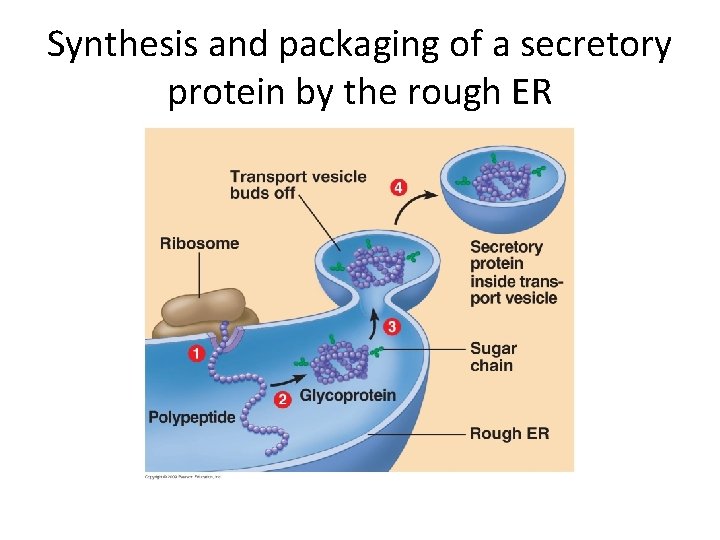
Synthesis and packaging of a secretory protein by the rough ER
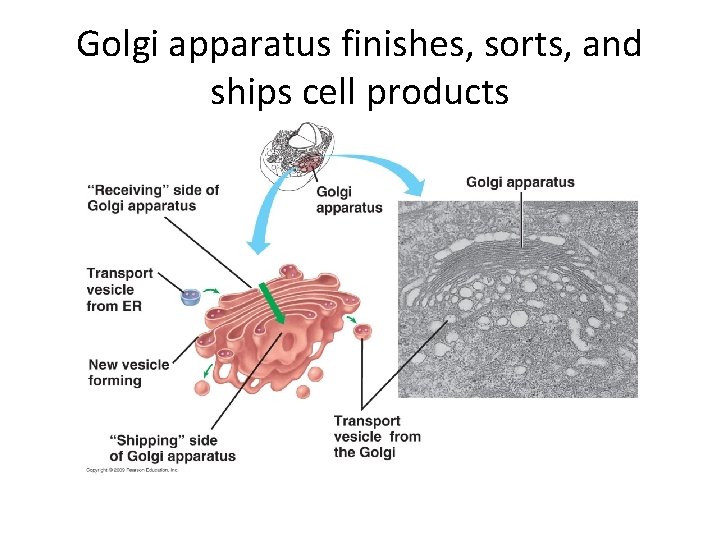
Golgi apparatus finishes, sorts, and ships cell products
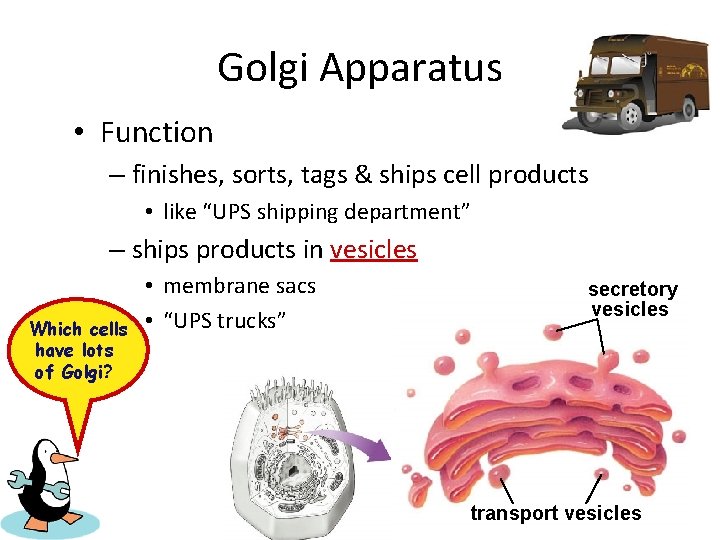
Golgi Apparatus • Function – finishes, sorts, tags & ships cell products • like “UPS shipping department” – ships products in vesicles Which cells have lots of Golgi? • membrane sacs • “UPS trucks” secretory vesicles transport vesicles
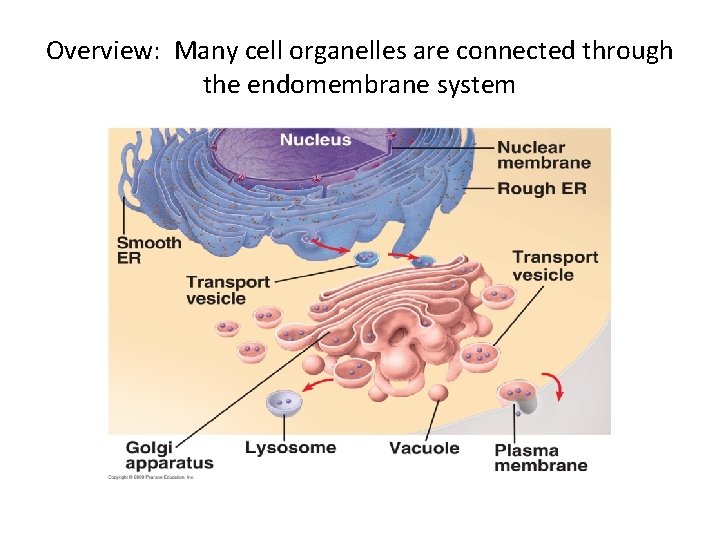
Overview: Many cell organelles are connected through the endomembrane system
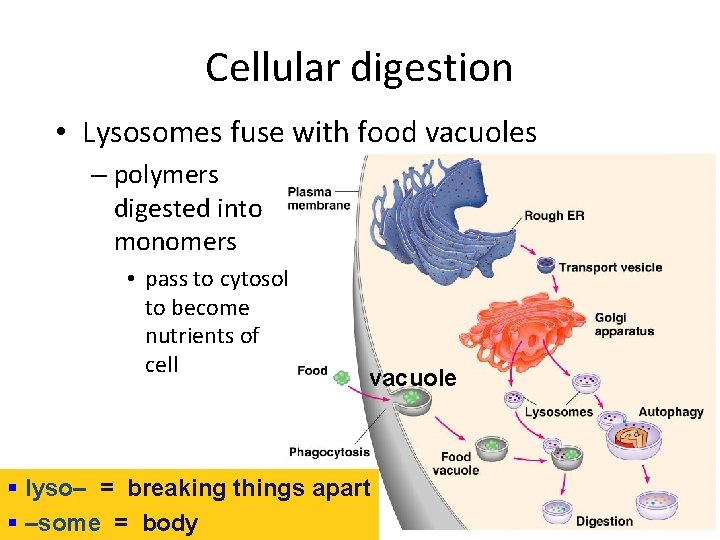
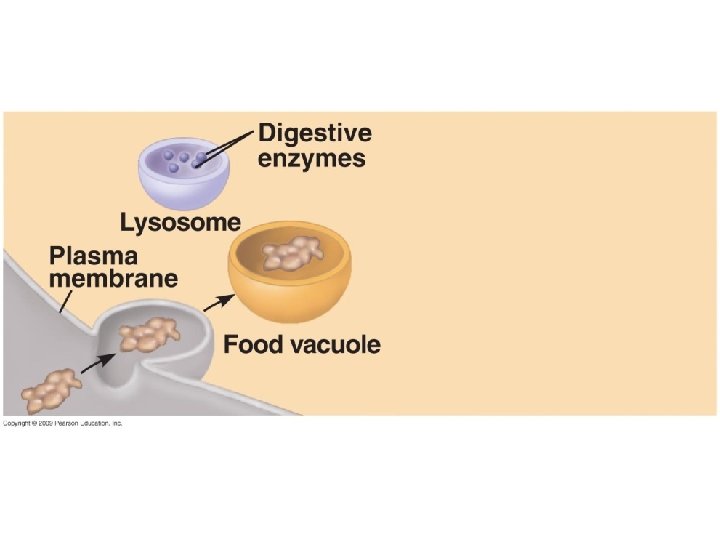
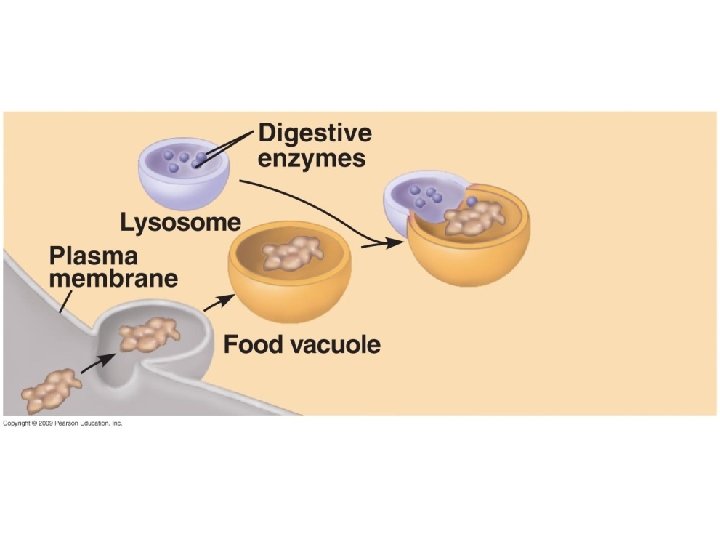
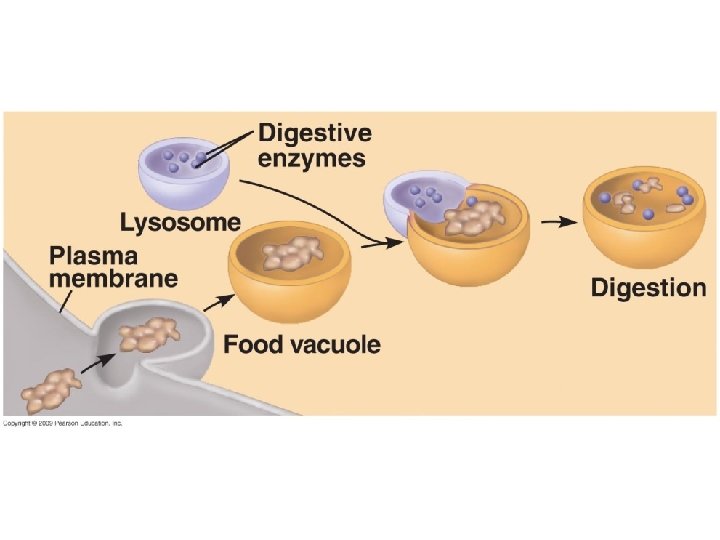
Cellular digestion • Lysosomes fuse with food vacuoles – polymers digested into monomers • pass to cytosol to become nutrients of cell vacuole § lyso– = breaking things apart § –some = body
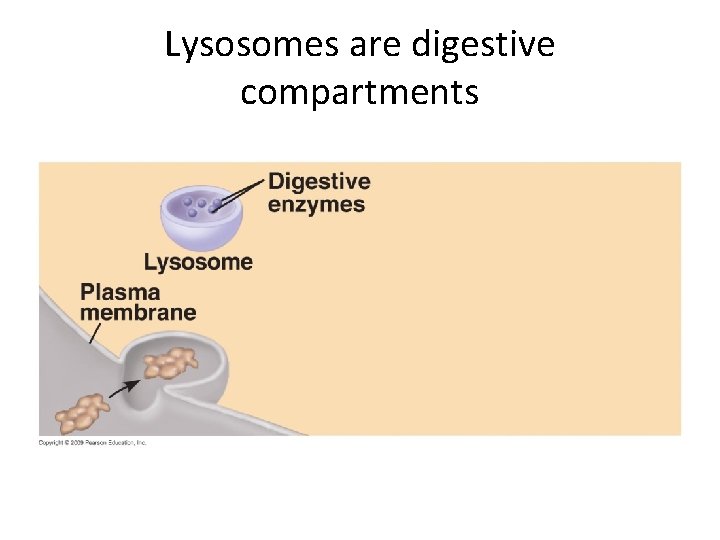
Lysosomes are digestive compartments
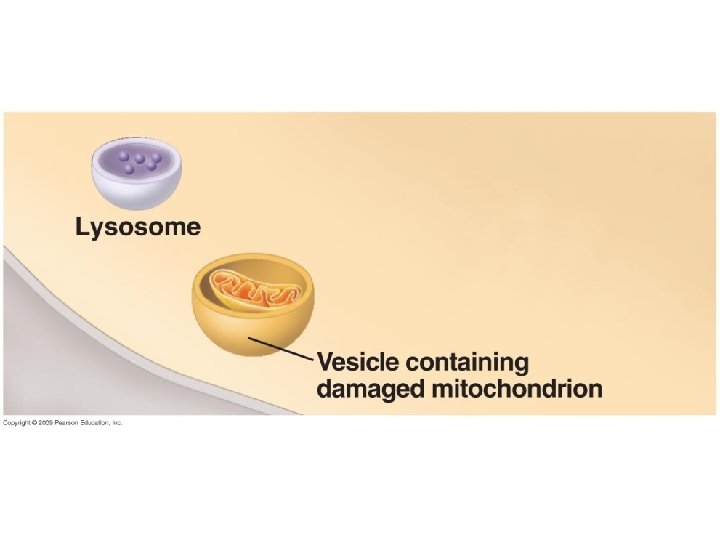
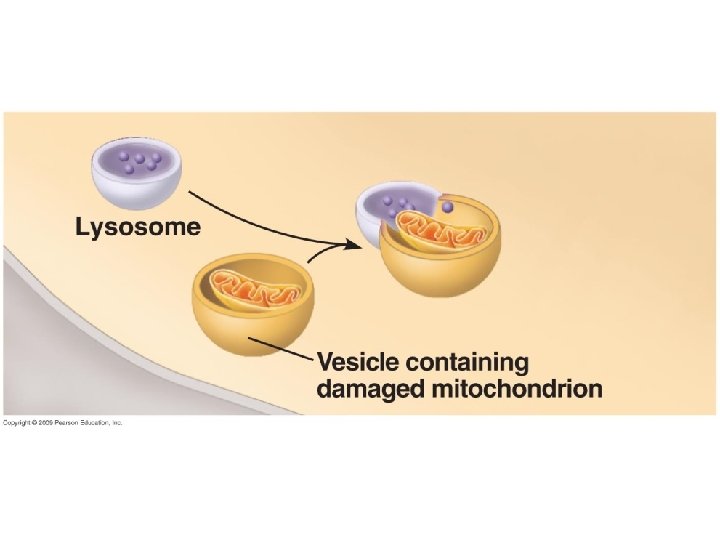
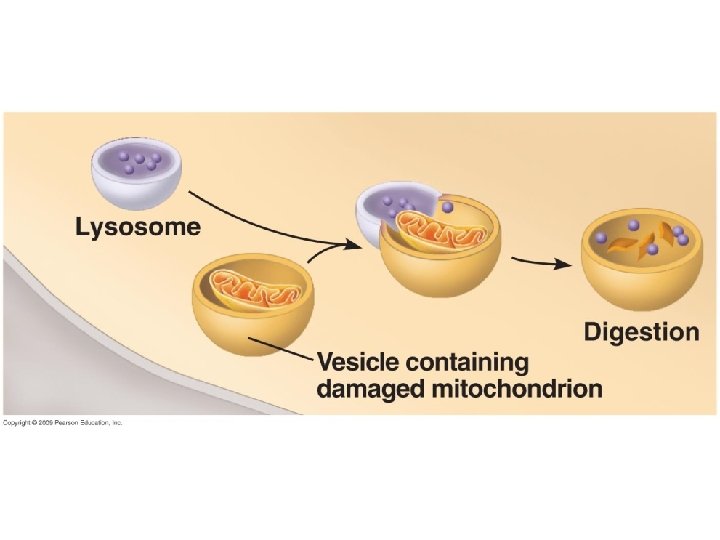
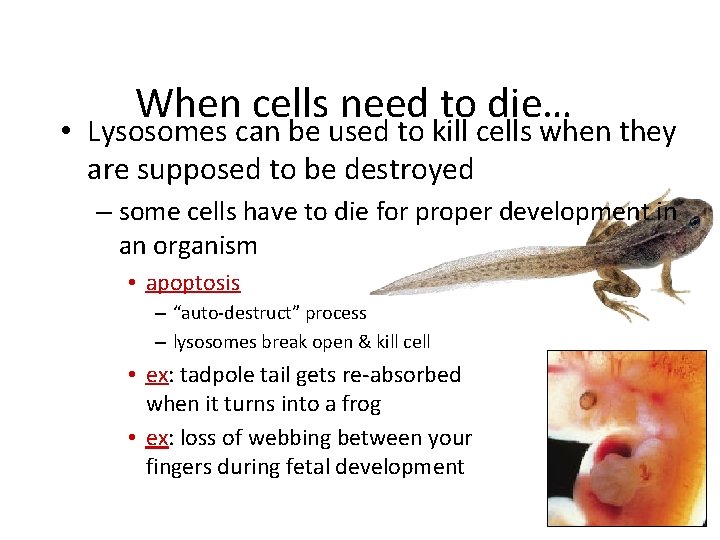
When cells need to die… • Lysosomes can be used to kill cells when they are supposed to be destroyed – some cells have to die for proper development in an organism • apoptosis – “auto-destruct” process – lysosomes break open & kill cell • ex: tadpole tail gets re-absorbed when it turns into a frog • ex: loss of webbing between your fingers during fetal development
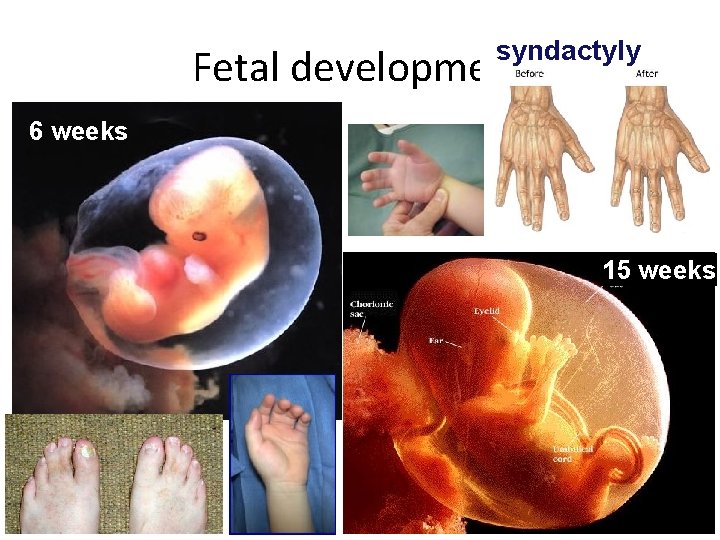
syndactyly Fetal development 6 weeks 15 weeks
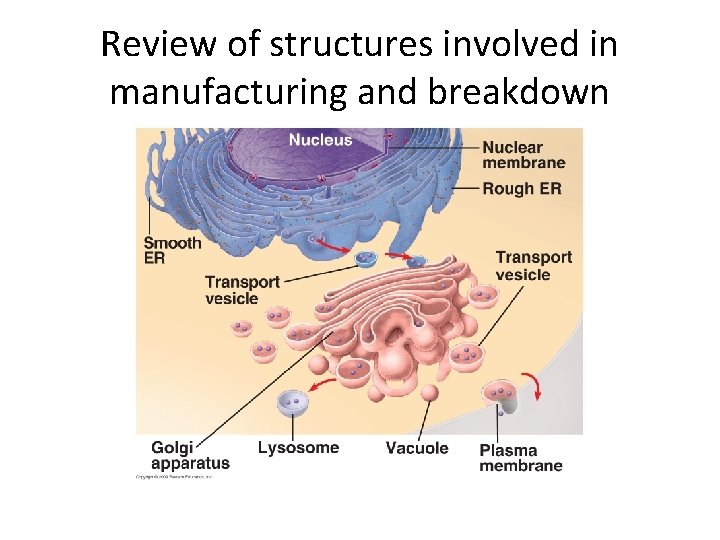
Review of structures involved in manufacturing and breakdown
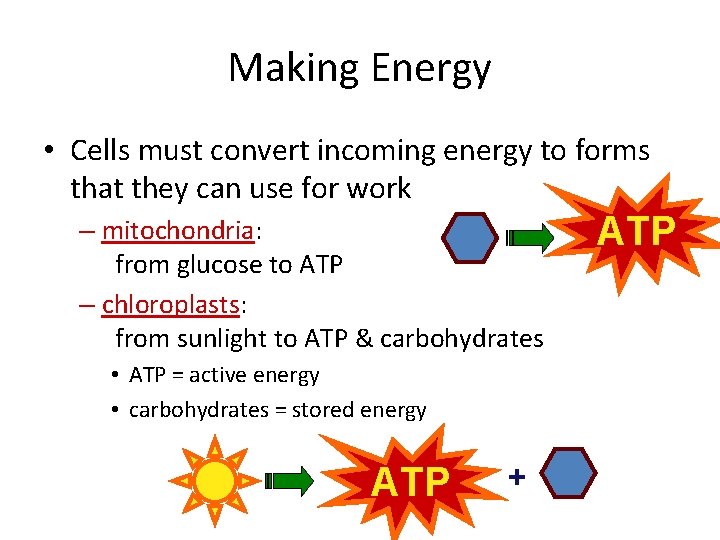
Making Energy • Cells must convert incoming energy to forms that they can use for work – mitochondria: from glucose to ATP – chloroplasts: from sunlight to ATP & carbohydrates • ATP = active energy • carbohydrates = stored energy ATP + ATP
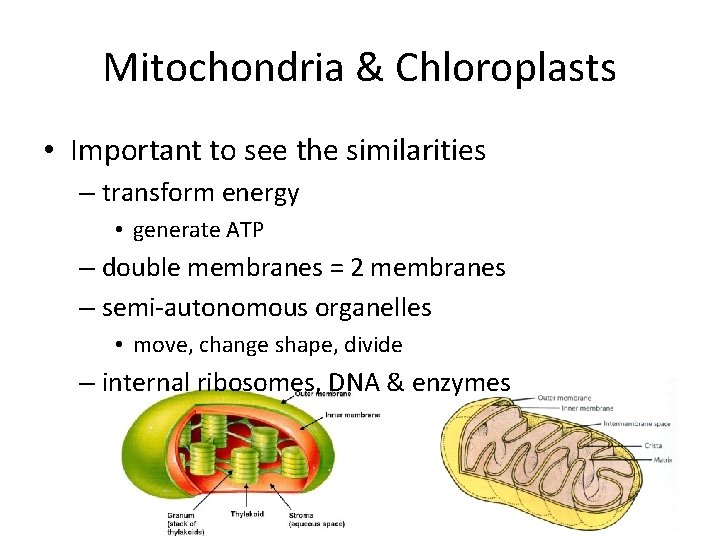
Mitochondria & Chloroplasts • Important to see the similarities – transform energy • generate ATP – double membranes = 2 membranes – semi-autonomous organelles • move, change shape, divide – internal ribosomes, DNA & enzymes
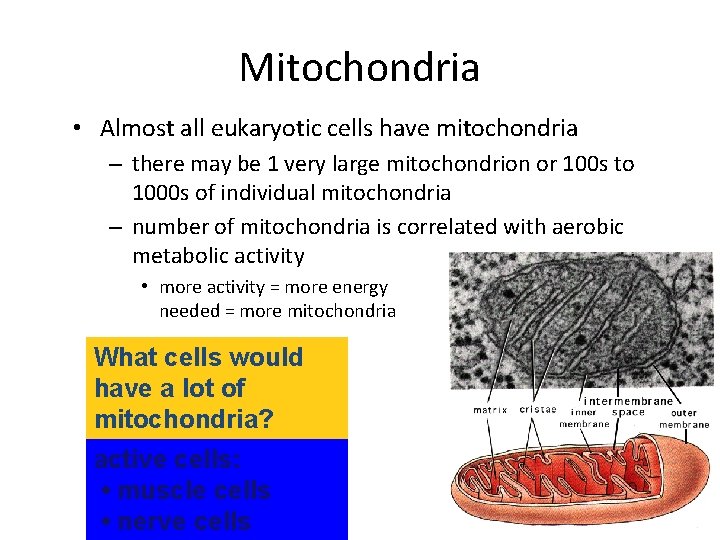
Mitochondria • Almost all eukaryotic cells have mitochondria – there may be 1 very large mitochondrion or 100 s to 1000 s of individual mitochondria – number of mitochondria is correlated with aerobic metabolic activity • more activity = more energy needed = more mitochondria What cells would have a lot of mitochondria? active cells: • muscle cells • nerve cells
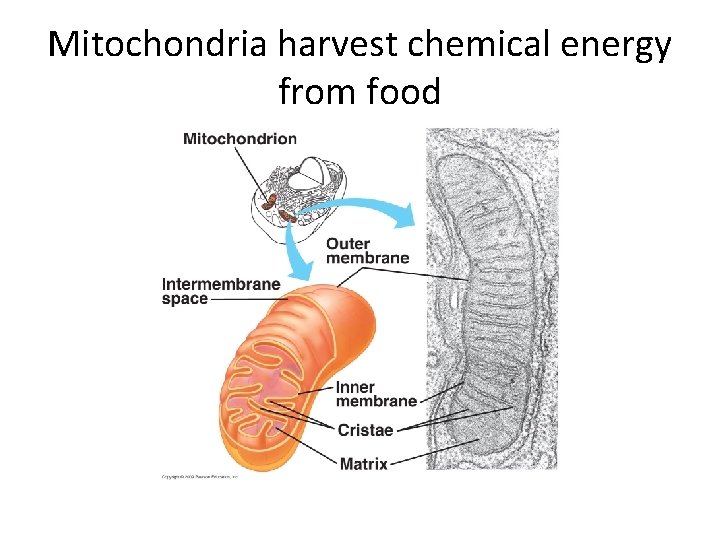
Mitochondria harvest chemical energy from food
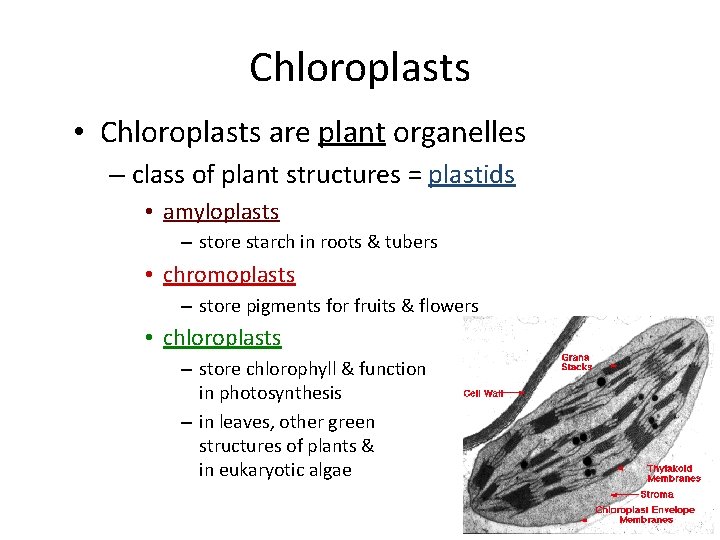
Chloroplasts • Chloroplasts are plant organelles – class of plant structures = plastids • amyloplasts – store starch in roots & tubers • chromoplasts – store pigments for fruits & flowers • chloroplasts – store chlorophyll & function in photosynthesis – in leaves, other green structures of plants & in eukaryotic algae
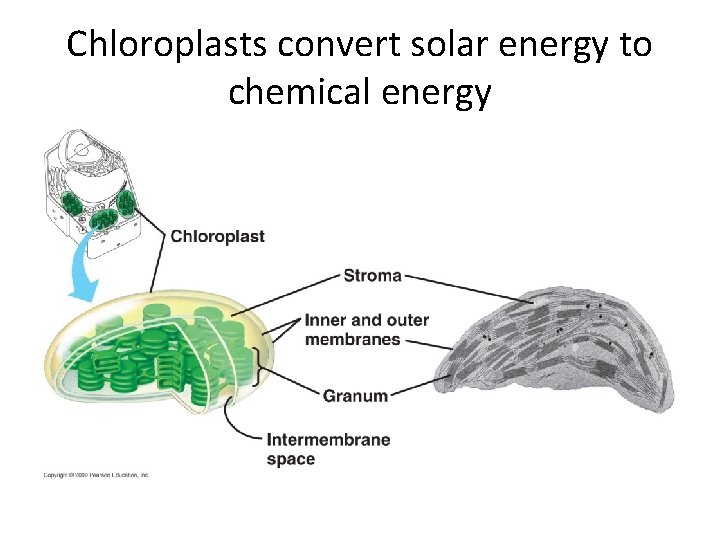
Chloroplasts convert solar energy to chemical energy
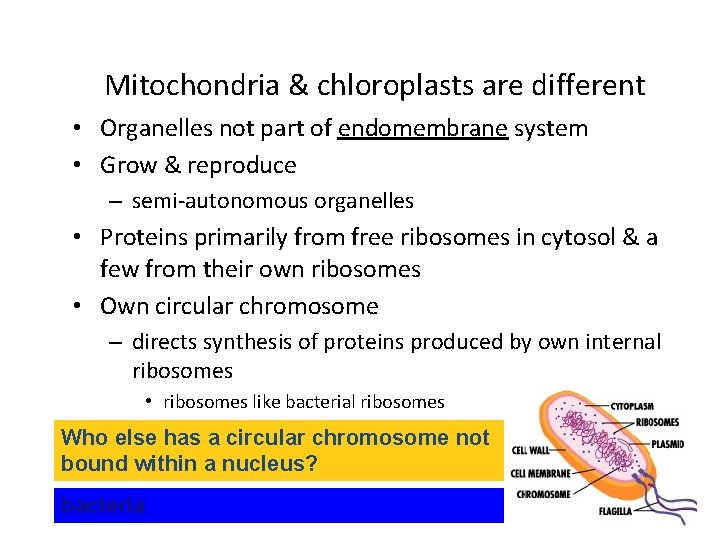
Mitochondria & chloroplasts are different • Organelles not part of endomembrane system • Grow & reproduce – semi-autonomous organelles • Proteins primarily from free ribosomes in cytosol & a few from their own ribosomes • Own circular chromosome – directs synthesis of proteins produced by own internal ribosomes • ribosomes like bacterial ribosomes Who else has a circular chromosome not bound within a nucleus? bacteria
Endosymbiosis theory 1981 | ? ? • Mitochondria & chloroplasts were once free living bacteria – engulfed by ancestral eukaryote • Endosymbiont – cell that lives within another cell (host) • as a partnership • evolutionary advantage for both – one supplies energy – the other supplies raw materials & protection Lynn Margulis U of M, Amherst
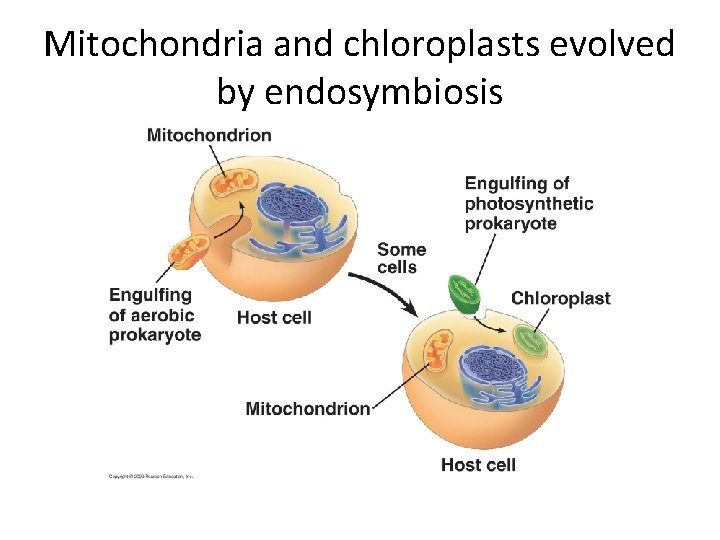
Mitochondria and chloroplasts evolved by endosymbiosis
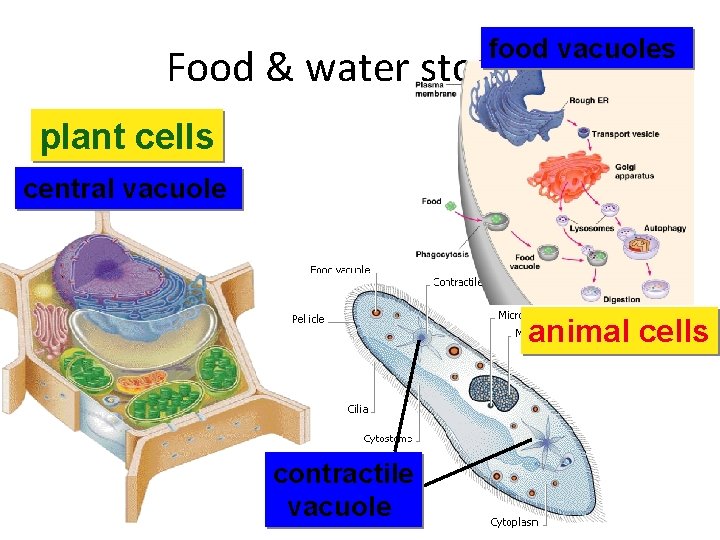
food vacuoles Food & water storage plant cells central vacuole animal cells contractile vacuole
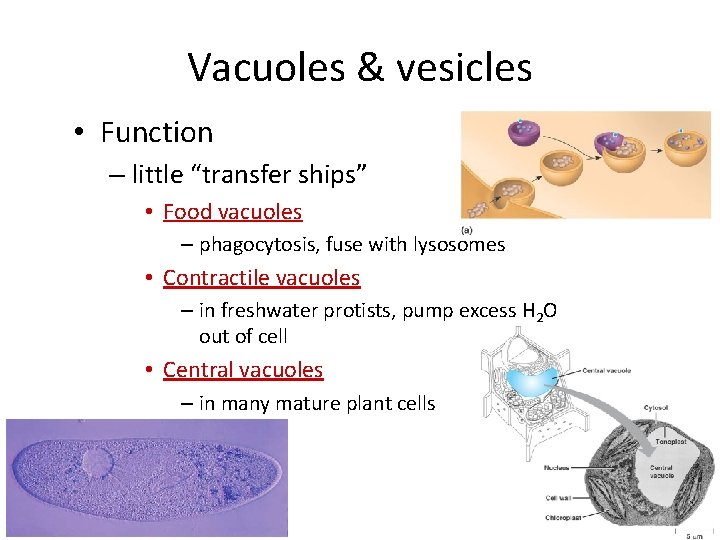
Vacuoles & vesicles • Function – little “transfer ships” • Food vacuoles – phagocytosis, fuse with lysosomes • Contractile vacuoles – in freshwater protists, pump excess H 2 O out of cell • Central vacuoles – in many mature plant cells
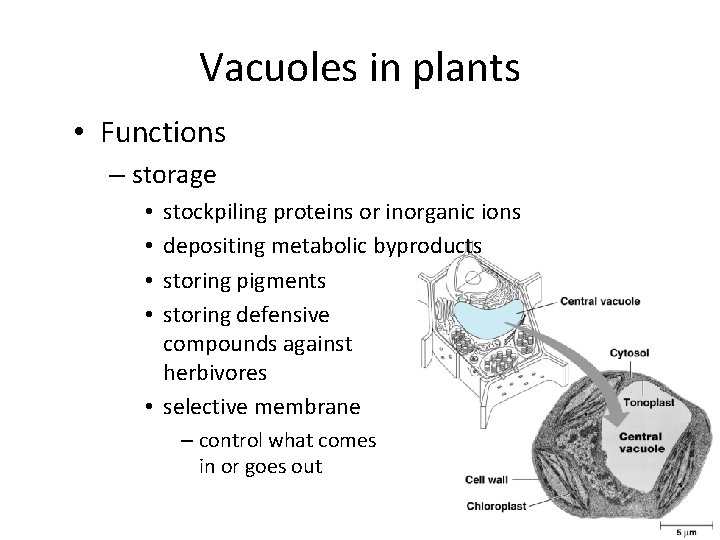
Vacuoles in plants • Functions – storage stockpiling proteins or inorganic ions depositing metabolic byproducts storing pigments storing defensive compounds against herbivores • selective membrane • • – control what comes in or goes out
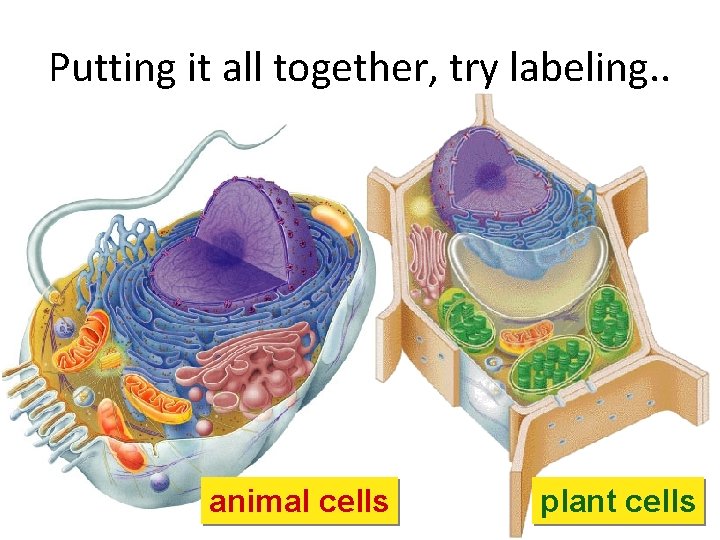
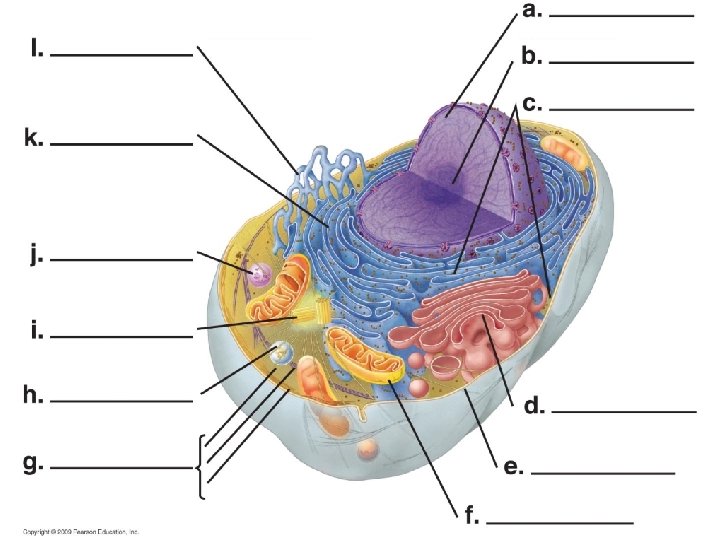
Putting it all together, try labeling. . animal cells plant cells
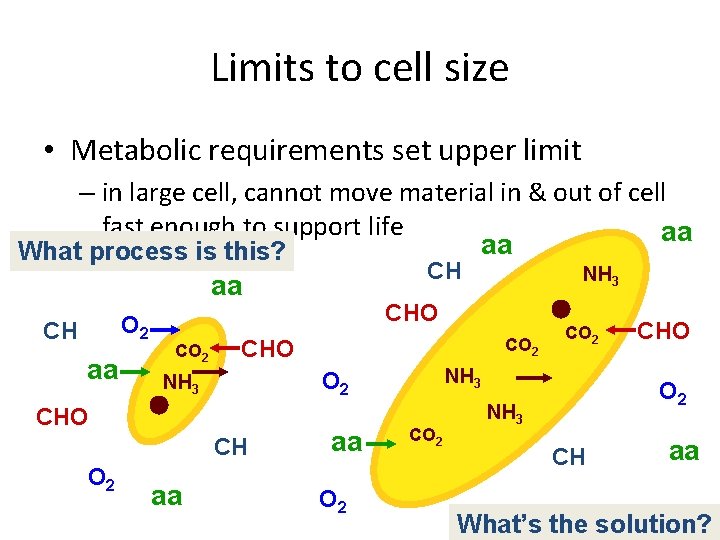
Limits to cell size • Metabolic requirements set upper limit – in large cell, cannot move material in & out of cell fast enough to support life aa aa What process is this? CH aa O 2 CH aa CO 2 aa O 2 CHO NH 3 O 2 CHO CHO NH 3 CO 2 NH 3 CH 2005 -2006 aa What’s the solution?
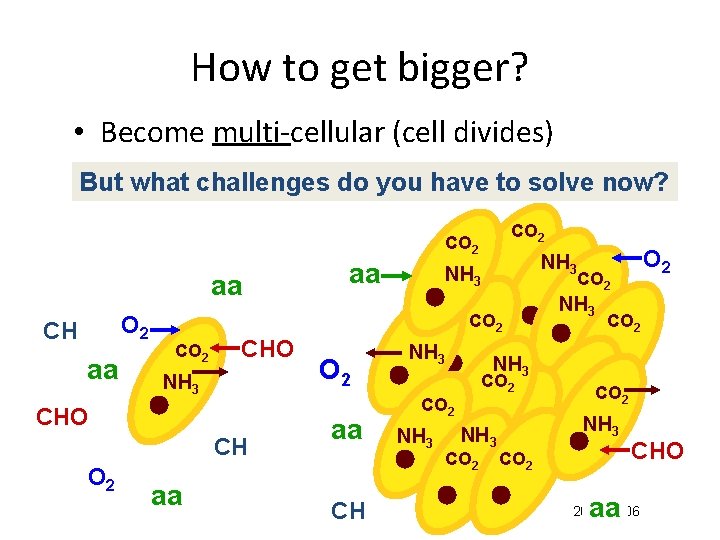
How to get bigger? • Become multi-cellular (cell divides) But what challenges do you have to solve now? CO 2 aa O 2 CH aa NH 3 CO 2 CHO NH 3 CHO CH O 2 aa aa O 2 aa CH NH 3 CO 2 NH 3 O 2 NH 3 CO 2 aa CHO 2005 -2006
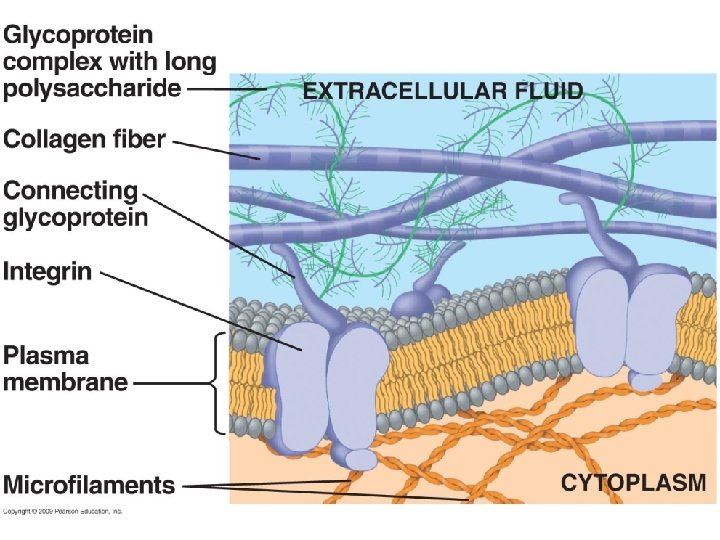
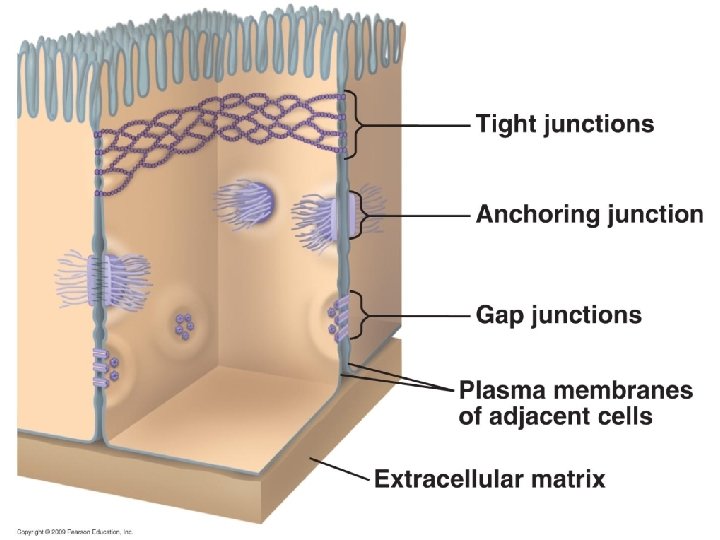
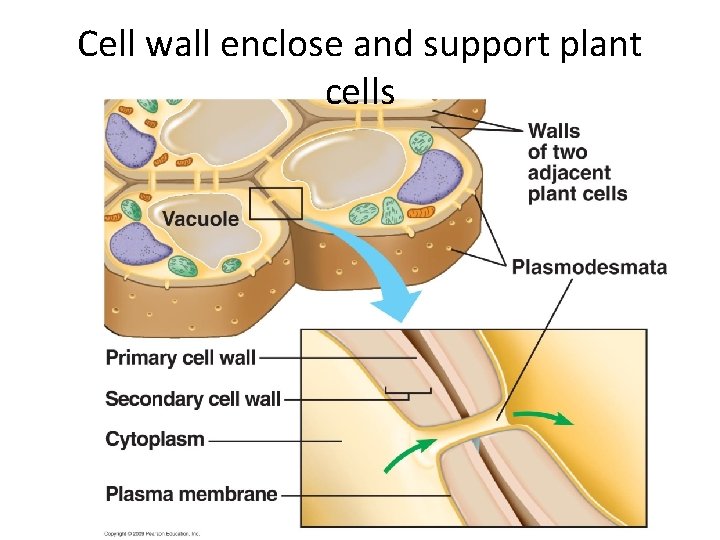
Cell wall enclose and support plant cells
- Slides: 51