
Phonics Workshop What is phonics Phonics is a
- Slides: 23
Phonics Workshop
What is phonics? • • Phonics is a way of teaching children how to read quickly and skilfully. Children are taught to read by breaking down words into separate sounds or ‘phonemes’. They are then taught how to blend these sounds together to read the whole word.
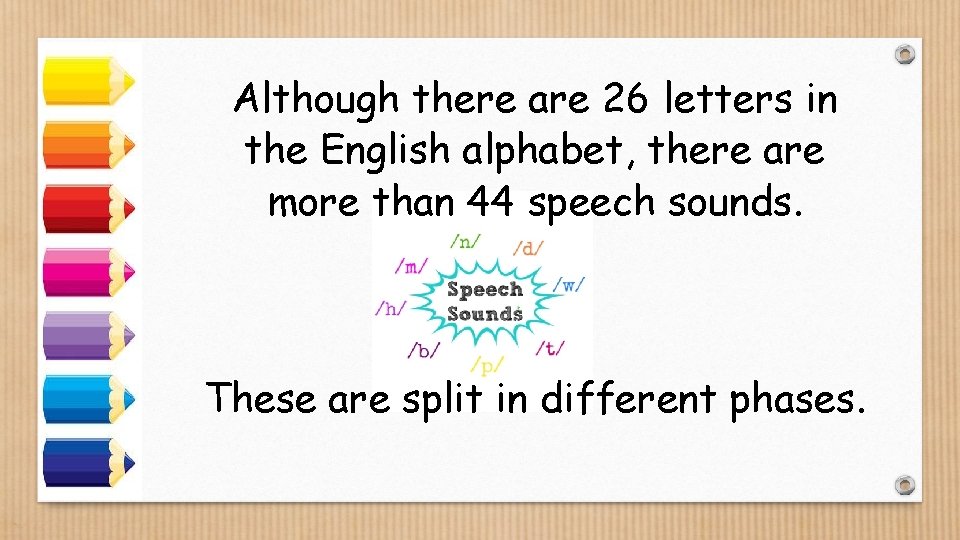
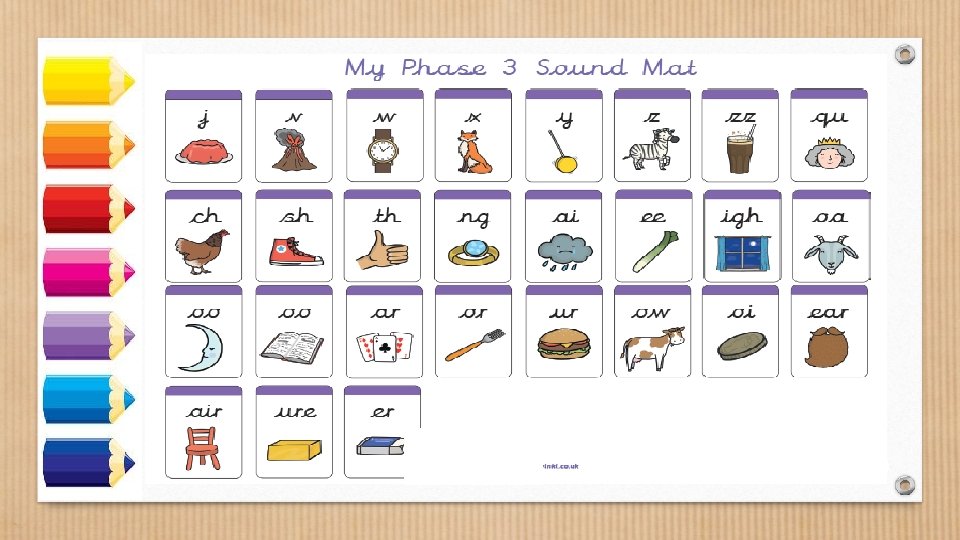
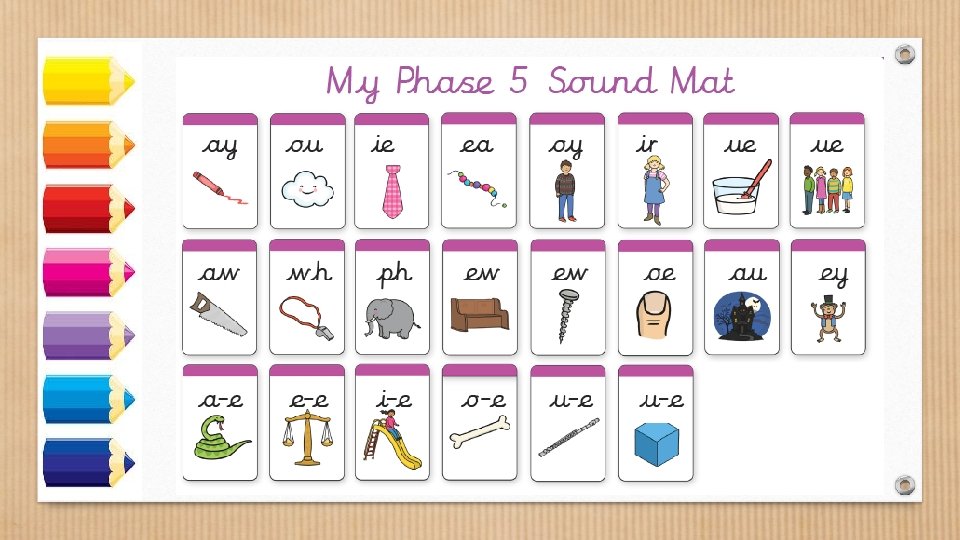
Although there are 26 letters in the English alphabet, there are more than 44 speech sounds. These are split in different phases.
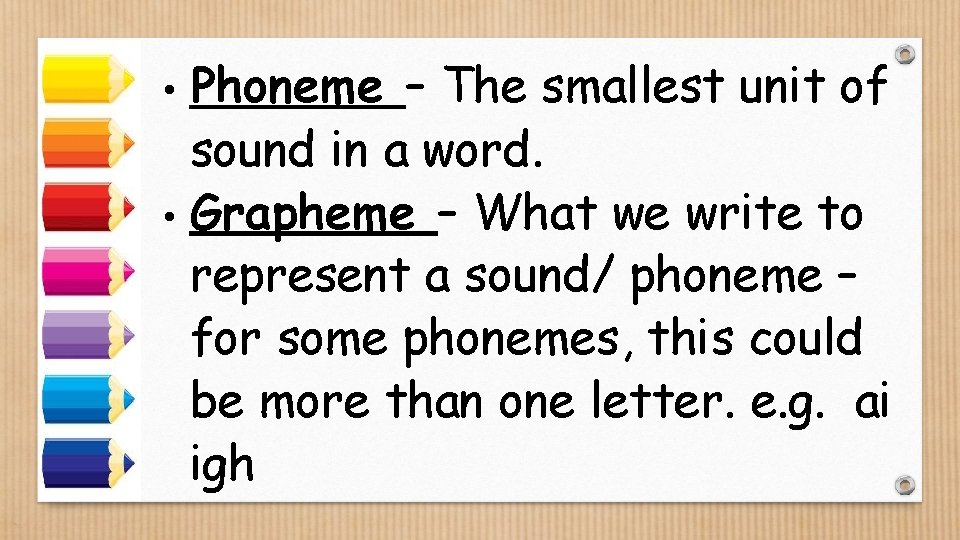
• • Phoneme – The smallest unit of sound in a word. Grapheme – What we write to represent a sound/ phoneme – for some phonemes, this could be more than one letter. e. g. ai igh
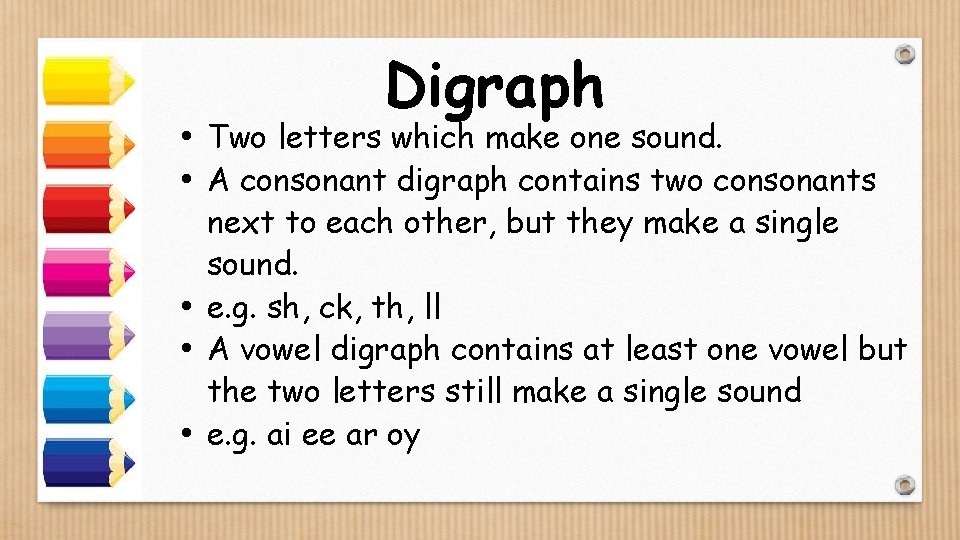
Digraph • Two letters which make one sound. • A consonant digraph contains two consonants next to each other, but they make a single sound. • e. g. sh, ck, th, ll • A vowel digraph contains at least one vowel but the two letters still make a single sound • e. g. ai ee ar oy
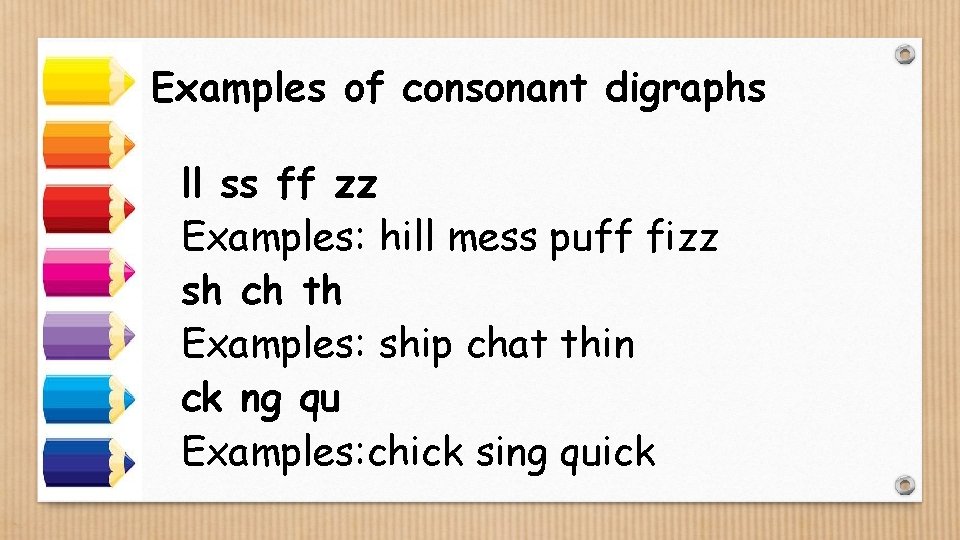
Examples of consonant digraphs ll ss ff zz Examples: hill mess puff fizz sh ch th Examples: ship chat thin ck ng qu Examples: chick sing quick
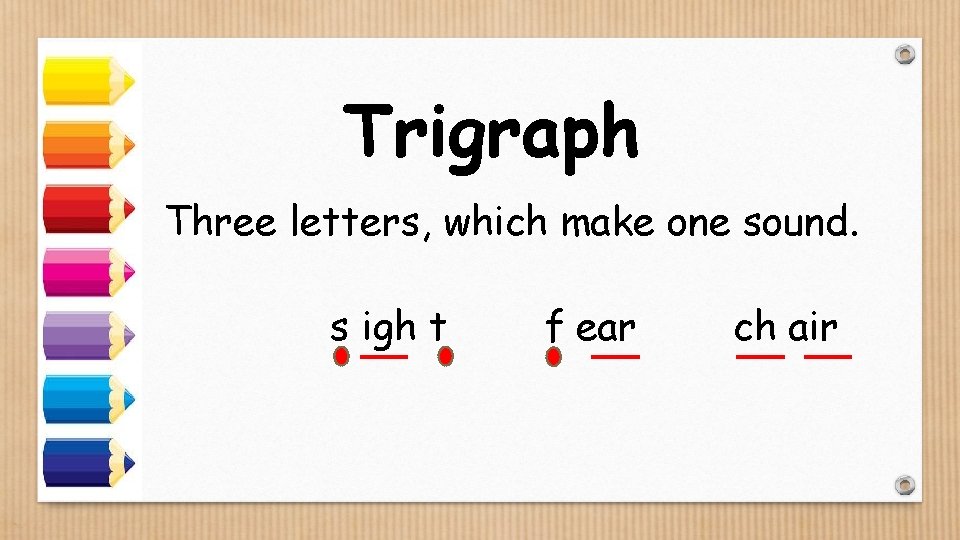
Trigraph Three letters, which make one sound. . s igh t f ear ch air
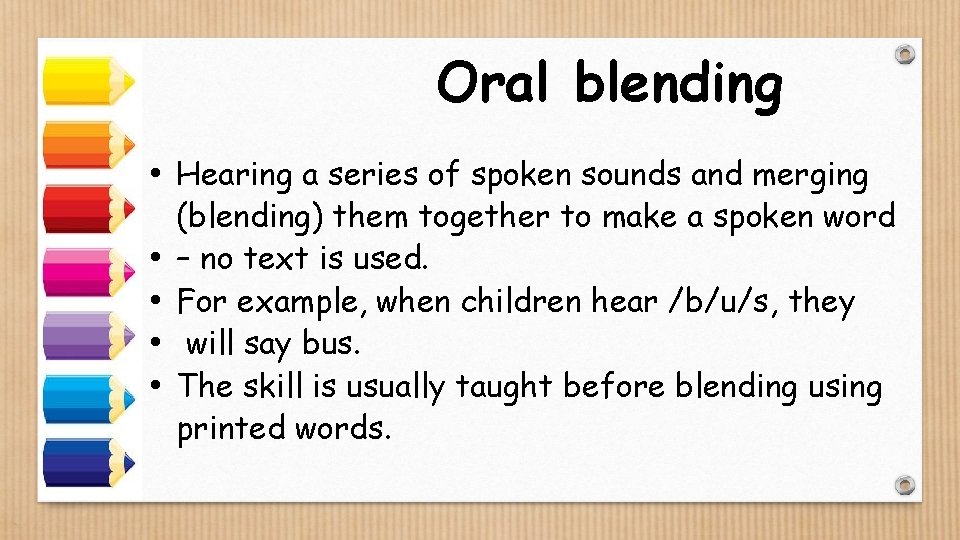
Oral blending • Hearing a series of spoken sounds and merging • • (blending) them together to make a spoken word – no text is used. For example, when children hear /b/u/s, they will say bus. The skill is usually taught before blending using printed words.
Blending • • • Recognising the letter sounds in a written word, for example c- u- p, and blending them in the order which they are written, to read the word ‘cup’. Using pure sounds Sound out and blend ‘alien’ word
Each Phonics session follows the same 4 part format. Revisit and Review Teach Practise Apply
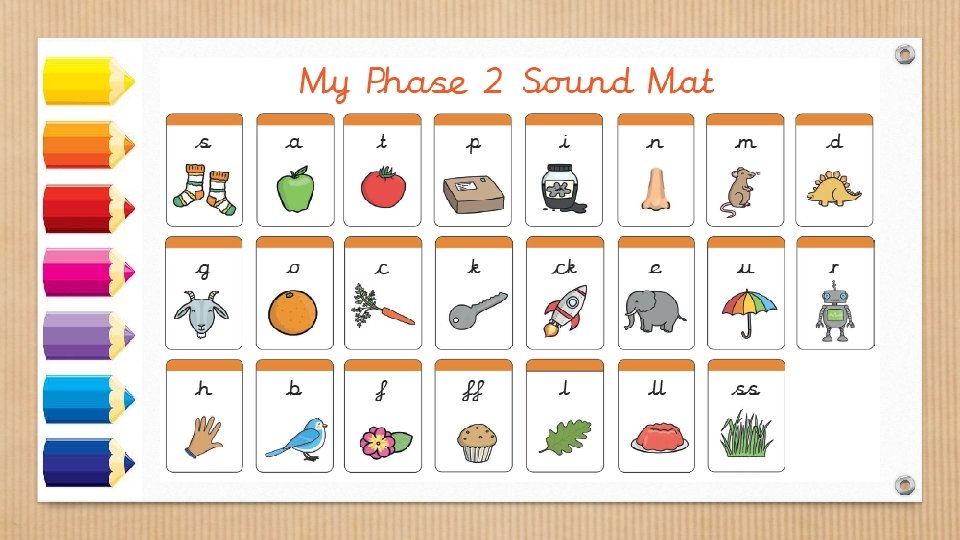
Phase Two- Up to 6 weeks • By the end of phase two children should be able to read some vc and cvc words. • Children will also learn to read the words ‘the, to, go, I and no. ’ Five sets of letters are introduced – one set per week.
Phase Three -12 weeks • Children are taught another 25 graphemes. • Children continue to blend and segment CVC words for reading and spelling. • Children will then use this knowledge to blend and segment two syllable words.
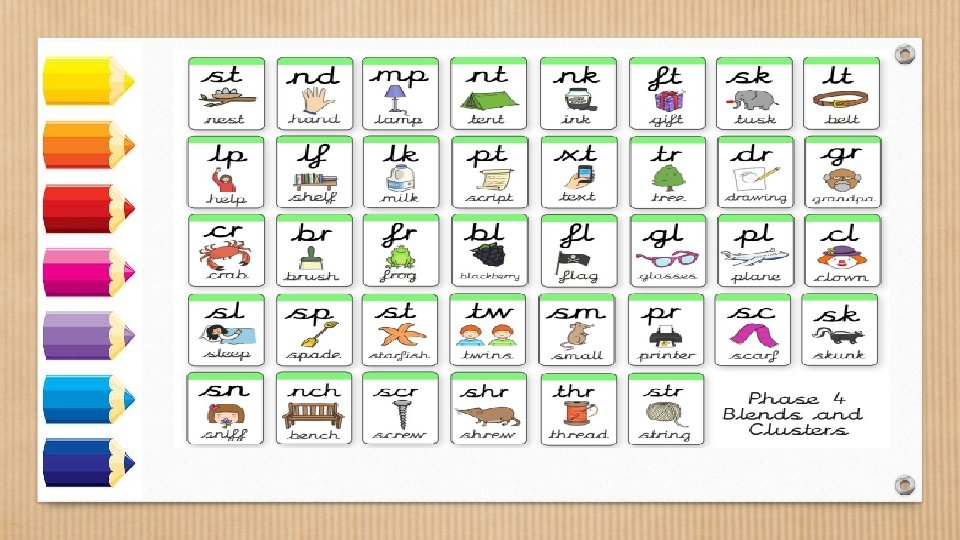
Phase Four 4 – 6 weeks • By Phase 4 children are able to represent each of 42 phonemes by a grapheme. Children will be able to blend and segment CVC words for reading and spelling. • Phase 4 is consolidation of children’s knowledge. Children are encouraged to practice blending for reading and segmenting for spelling of adjacent consonants.
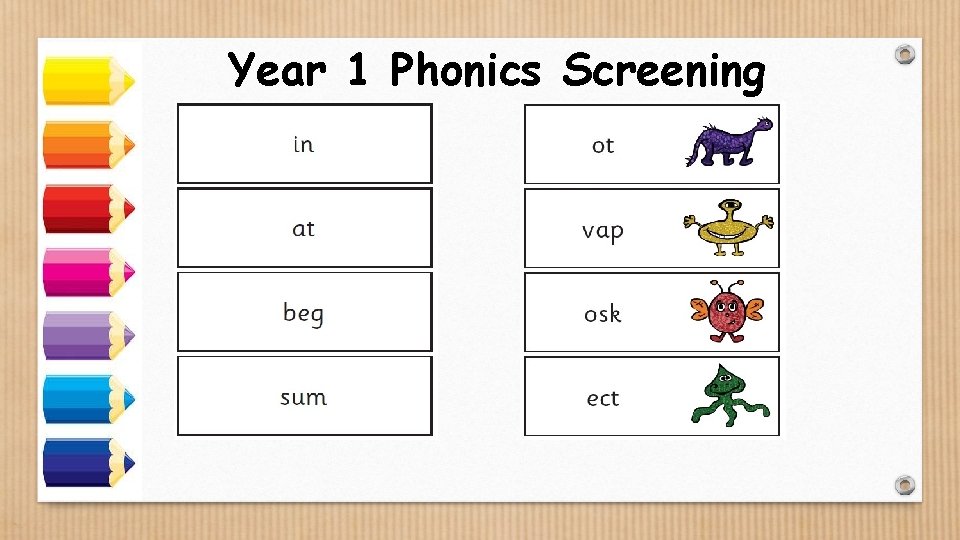
What will the children be expected to do? • Your child will be sat with their teacher and will be asked to read 40 words aloud. • There will be 2 sections with 20 words in each section. 20 words are real words and 20 are alien words. • Your child may have read some of the words before, while others will be completely new. • Your child can use sound buttons to help them to read and blend the words • The check normally takes between 5 and 10 minutes to complete however there is no time limit. If your child is struggling, the teacher will stop the check. The check is carefully designed not to be in any way stressful for your child.
Year 1 Phonics Screening
After the check We will tell you about your child’s progress in phonics and how he or she has done in the screening check in the final half term of Year 1. Children will be scored against a national standard (threshold yet to be determined by Df. E) Though last few years it was 32 correct words out of 40. If your child’s score falls below the national standard they re-take the Phonics Screening Check in year 2.
Phonics Interventions
Any Questions?