
Phonics Parent Boot Camp How did you learn
Phonics Parent Boot Camp
How did you learn to read?
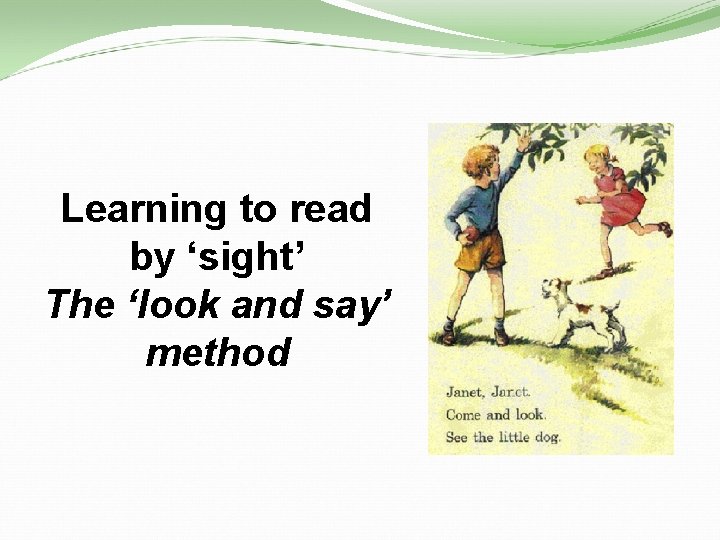
Learning to read by ‘sight’ The ‘look and say’ method
Being a successful reader Two main skills: Phonics – decoding by blending the sounds in words to read them Language comprehension- understand what the word means within the context it appears Language development and phonics working together supports reading development.
What is phonics? • Children are taught to break down words into separate sounds or ‘phonemes’. They are then taught how to blend these sounds together to read the whole word. • Children have a 20 minutes phonics lesson each day. • Phonic strategies taught are then used to read and write in other lessons. • There about 40 different sounds.
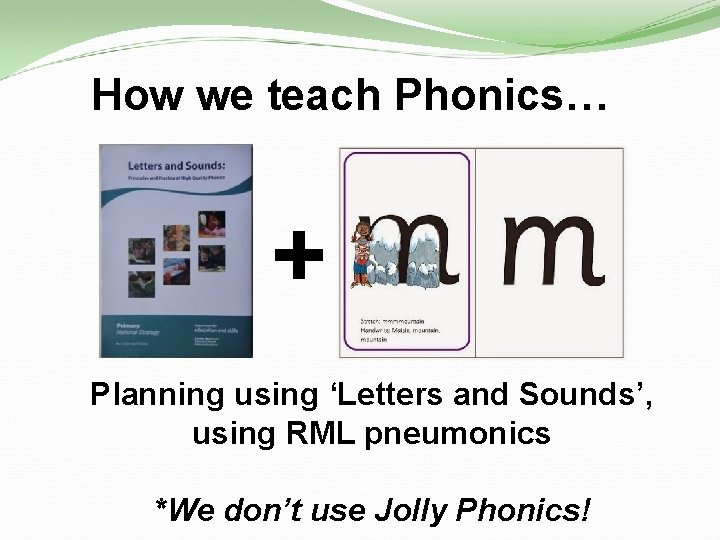
How we teach Phonics… + Planning using ‘Letters and Sounds’, using RML pneumonics *We don’t use Jolly Phonics!
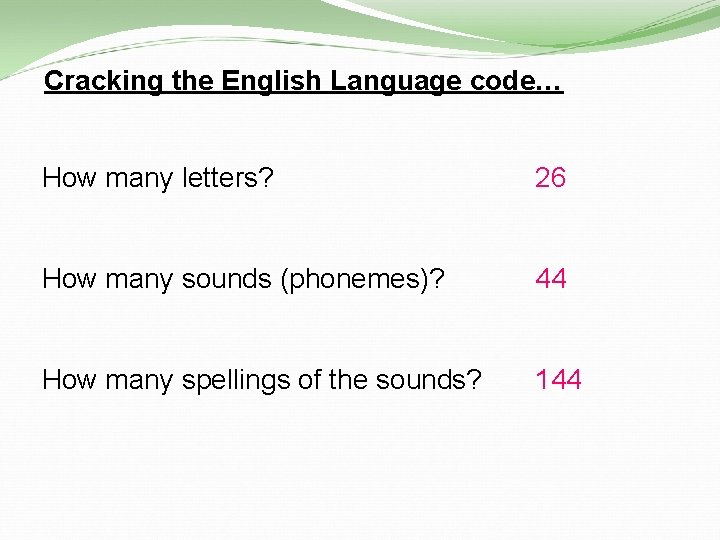
Cracking the English Language code… How many letters? 26 How many sounds (phonemes)? 44 How many spellings of the sounds? 144
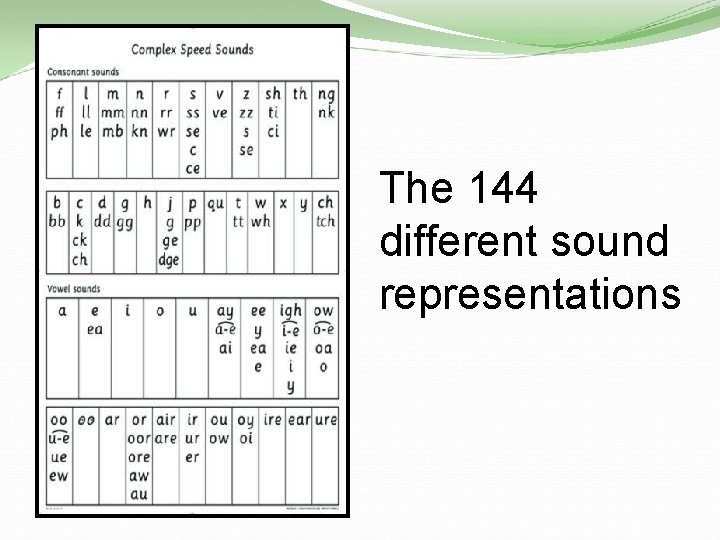
The 144 different sound representations
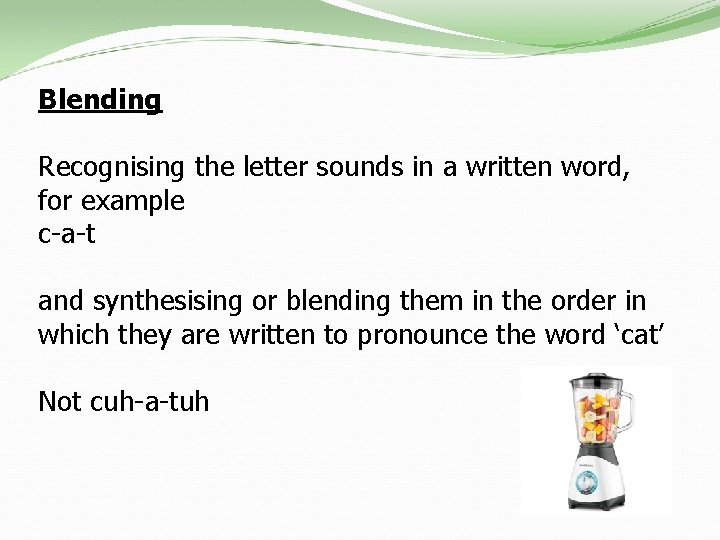
Blending Recognising the letter sounds in a written word, for example c-a-t and synthesising or blending them in the order in which they are written to pronounce the word ‘cat’ Not cuh-a-tuh
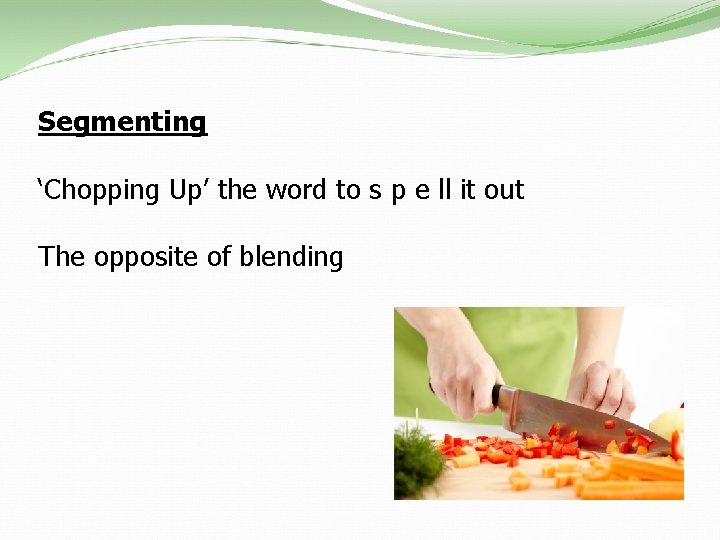
Segmenting ‘Chopping Up’ the word to s p e ll it out The opposite of blending
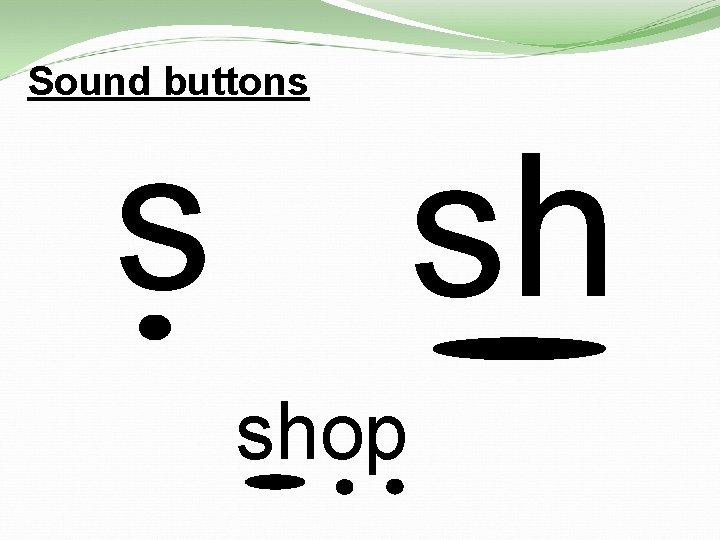
Sound buttons s sh shop
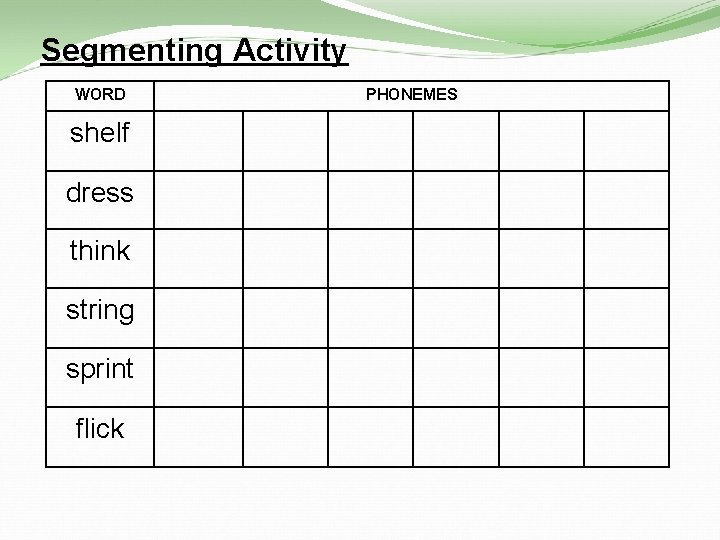
Segmenting Activity WORD shelf dress think string sprint flick PHONEMES
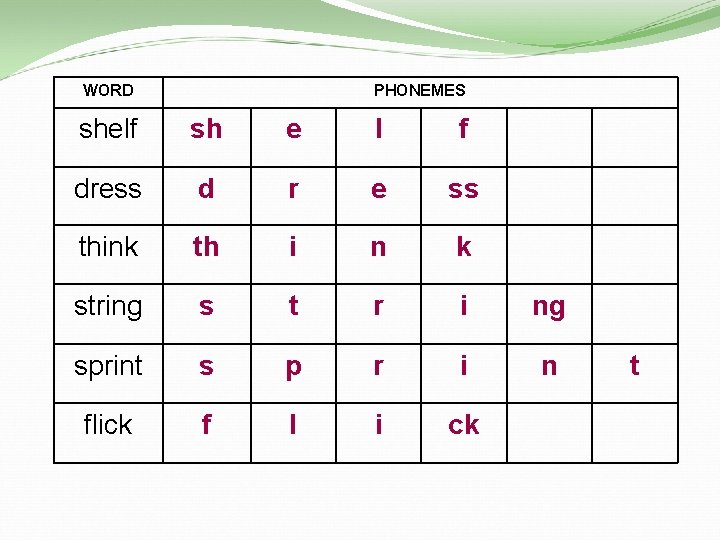
WORD PHONEMES shelf sh e l f dress d r e ss think th i n k string s t r i ng sprint s p r i n flick f l i ck t
Phonics Screening Check • Every Year 1 child in the country will be take the phonic screening check in June. • The phonics screening check is a quick and easy check of your child’s phonic knowledge. • This check will ensure that teachers have a clear understanding of what the children need to learn in year 2.
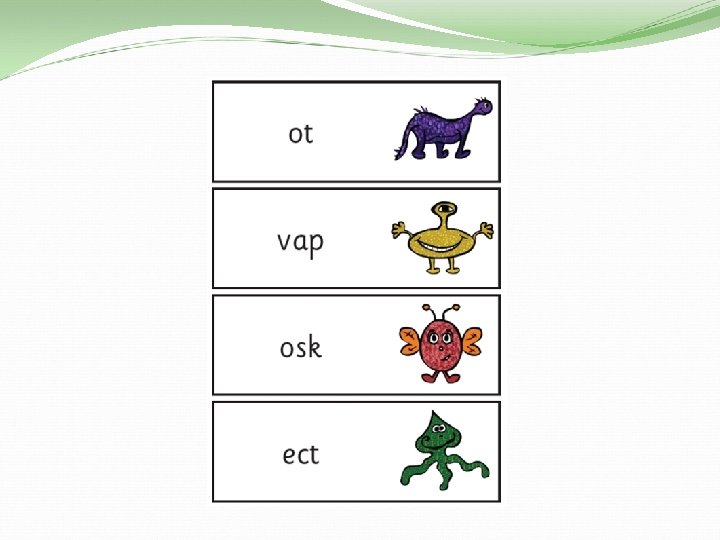
What will the children be expected to do? • The check is very similar to tasks the children already complete during phonics lessons. • Children will be asked to ‘sound out’ a word and blend the sounds together. E. g. d-o-g - dog • The focus of the check is to see which sounds the children know and therefore the children will be asked to read made up ‘nonsense’ words. • Your child will be asked to read 20 ‘real’ words and 20 made up words. • The pass mark was 32/40. • THIS IS NOT A READING TEST
Helping your child with decoding unfamiliar words • Say each sound in the word from left to right. • Blend the sounds by pointing to each letter, i. e. /b/ in bat, or letter group, i. e. /igh/ in sigh, as you say the sound, then run your finger under the whole word as you say it. • Try to ensure that you enunciate the sound accurately. • Talk about the meaning if your child does not understand the word they have read. • Work at your child’s pace. • Always be positive and give lots of praise and encouragement.
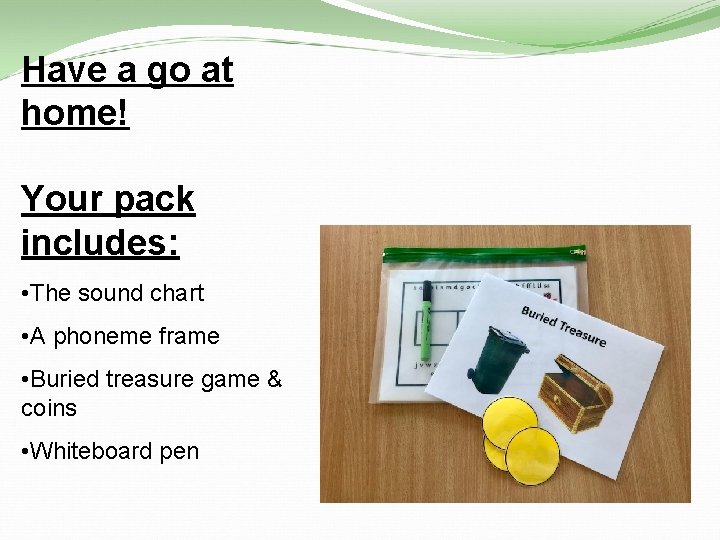
Have a go at home! Your pack includes: • The sound chart • A phoneme frame • Buried treasure game & coins • Whiteboard pen
- Slides: 18