
Phloem I Components of the Phloem Sieve Elements
- Slides: 36
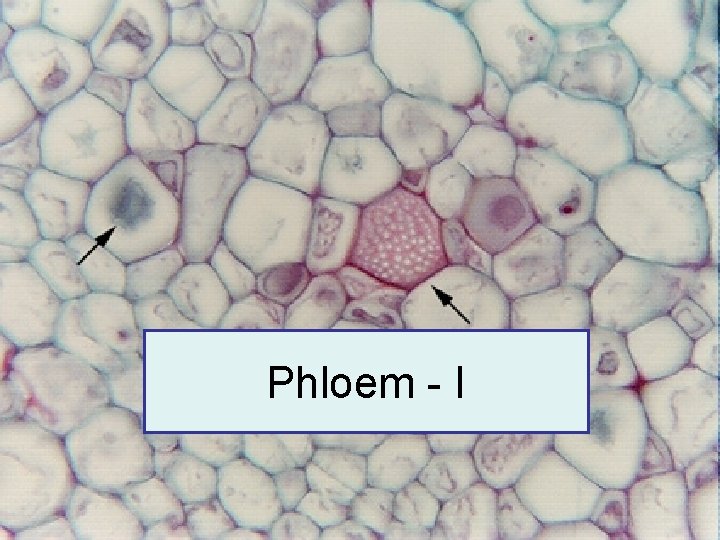
Phloem - I
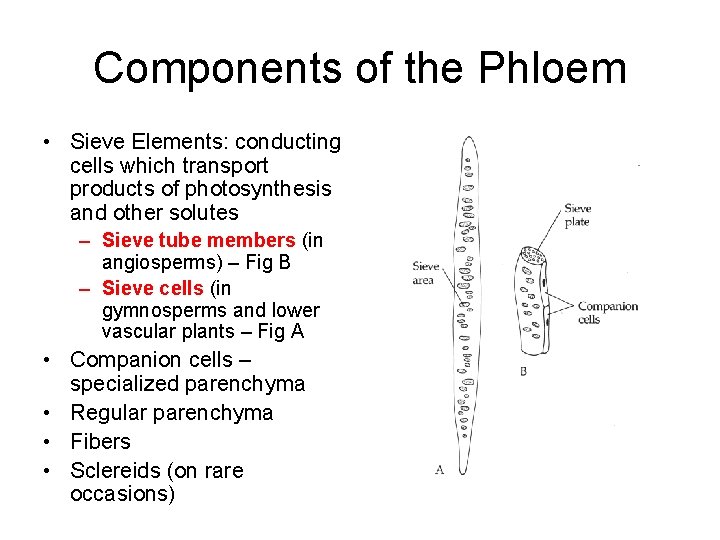
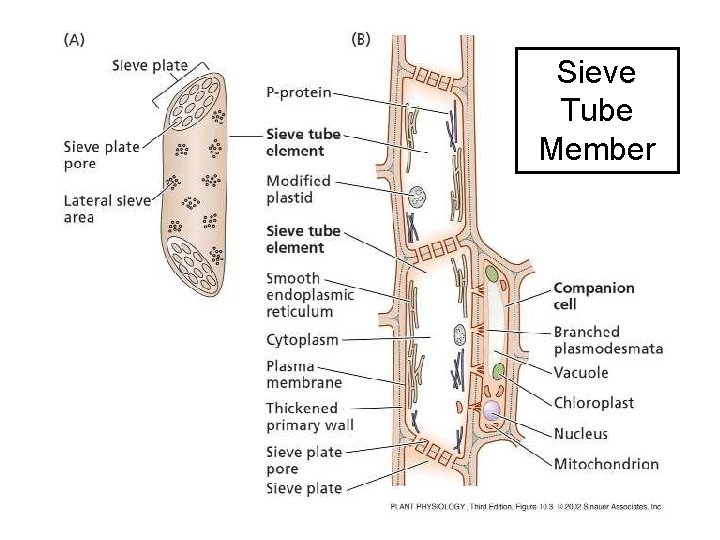
Components of the Phloem • Sieve Elements: conducting cells which transport products of photosynthesis and other solutes – Sieve tube members (in angiosperms) – Fig B – Sieve cells (in gymnosperms and lower vascular plants – Fig A • Companion cells – specialized parenchyma • Regular parenchyma • Fibers • Sclereids (on rare occasions)
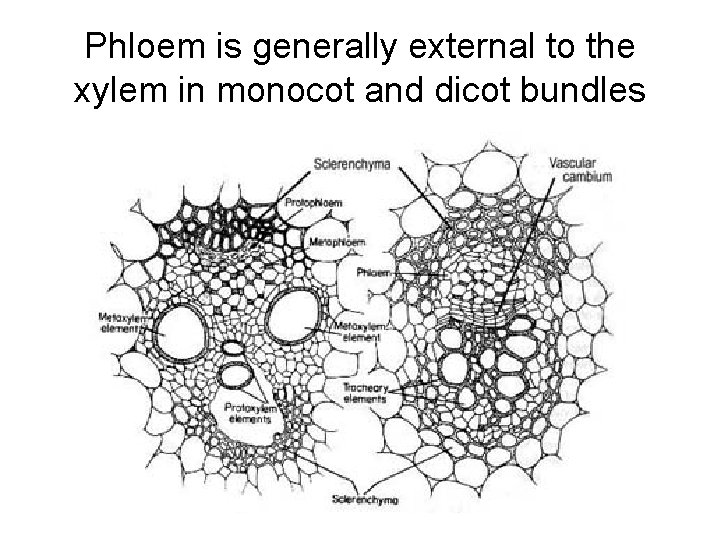
Phloem is generally external to the xylem in monocot and dicot bundles
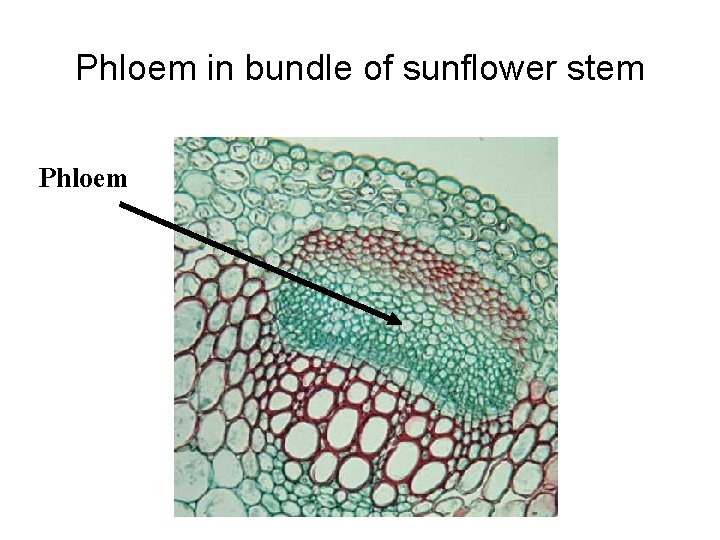
Phloem in bundle of sunflower stem Phloem
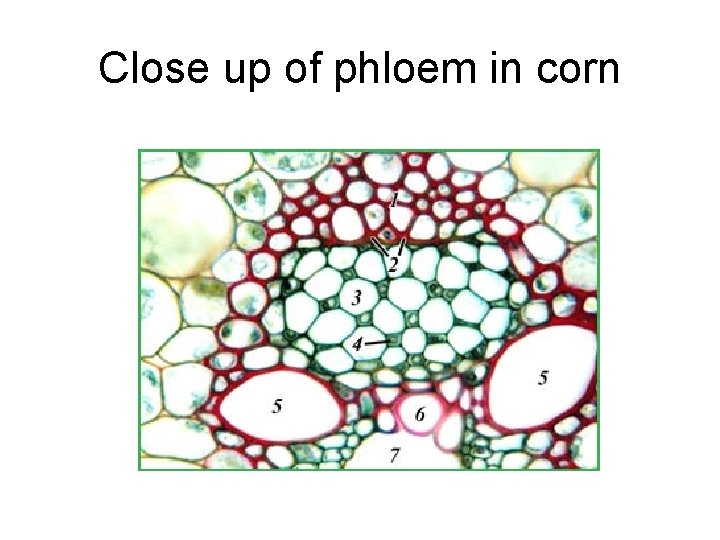
Close up of phloem in corn
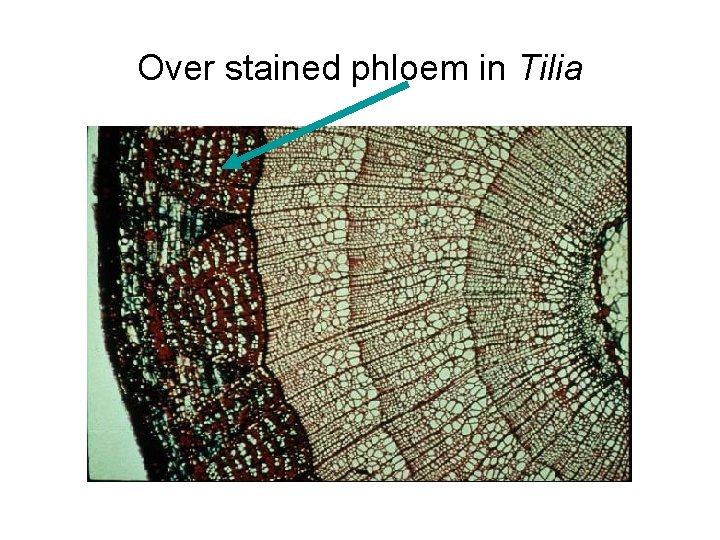
Over stained phloem in Tilia
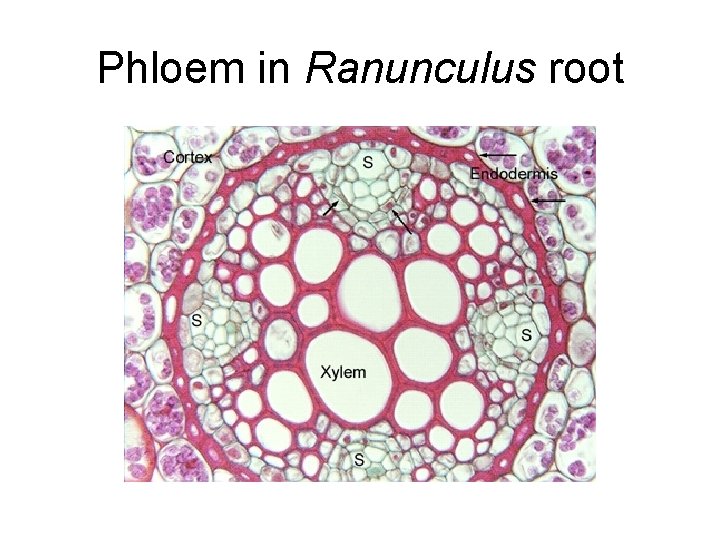
Phloem in Ranunculus root
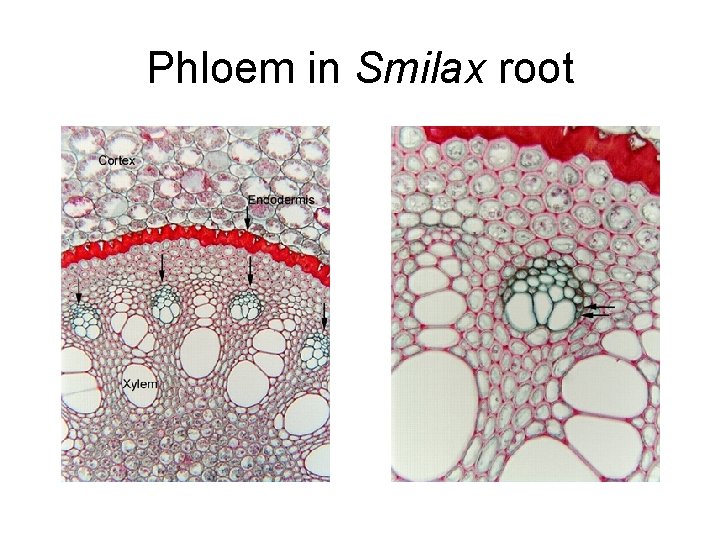
Phloem in Smilax root
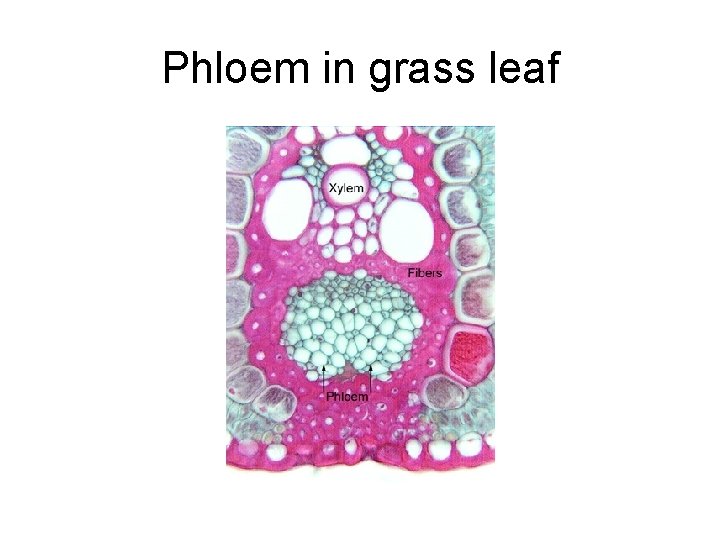
Phloem in grass leaf
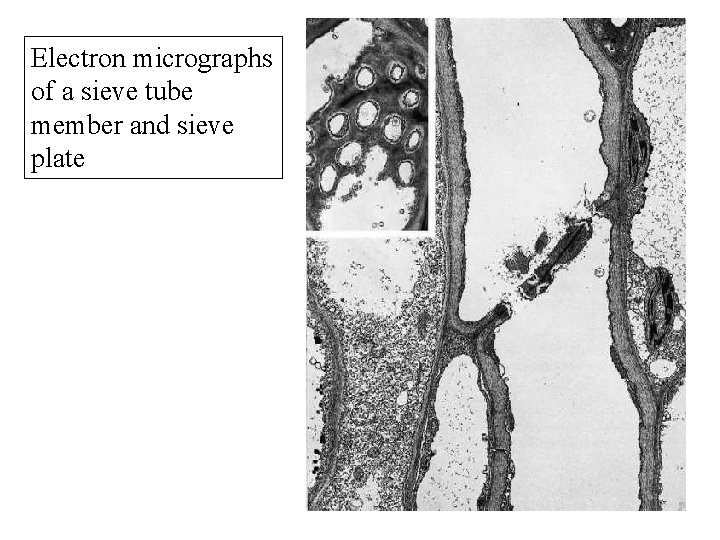
Sieve Tube Member
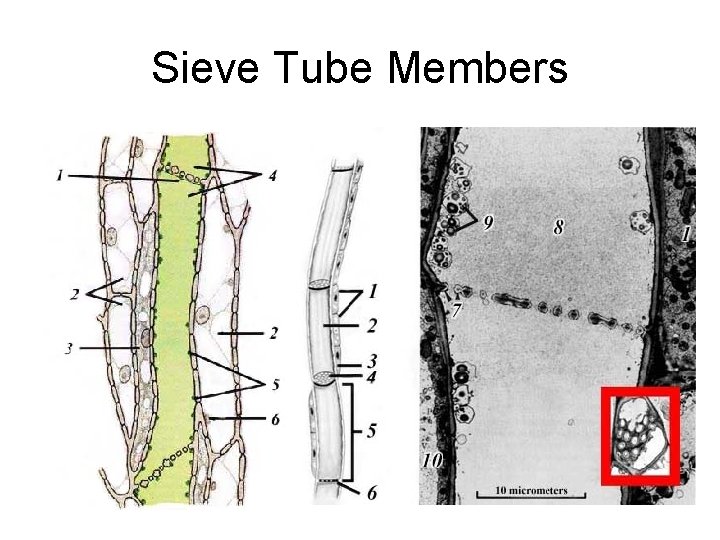
Sieve Tube Members
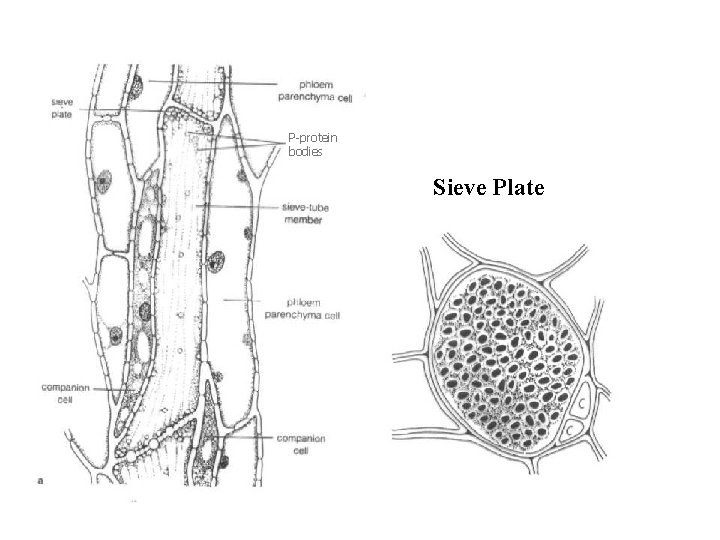
P-protein bodies Sieve Plate
Electron micrographs of a sieve tube member and sieve plate
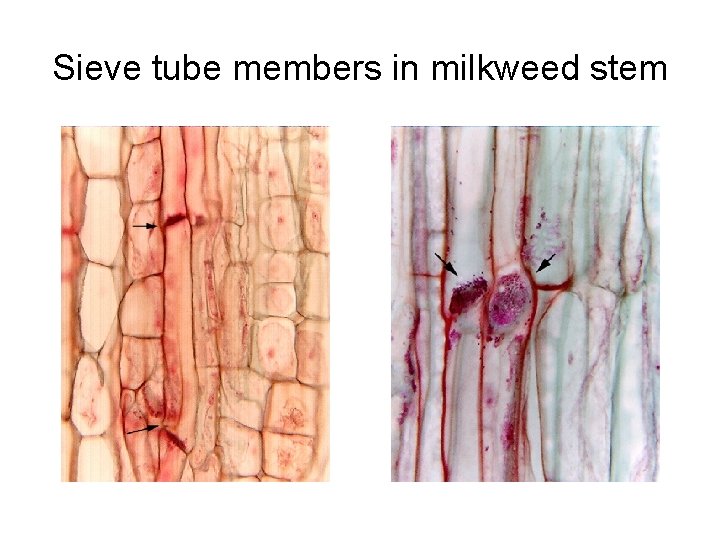
Sieve tube members in milkweed stem
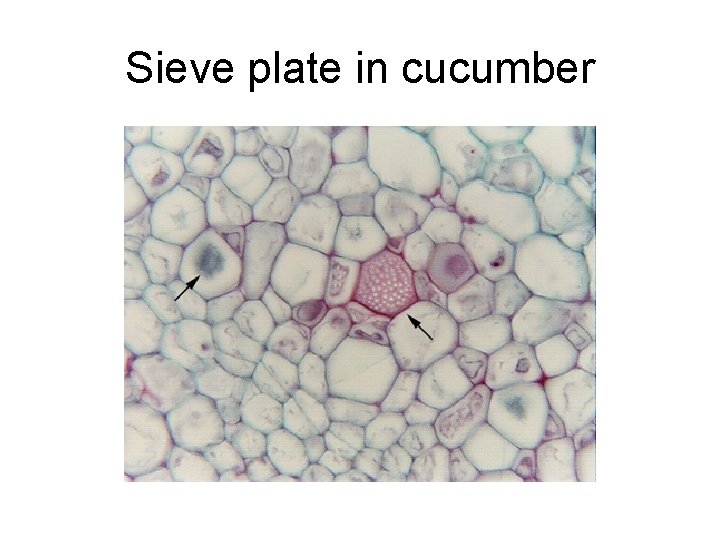
Sieve plate in cucumber
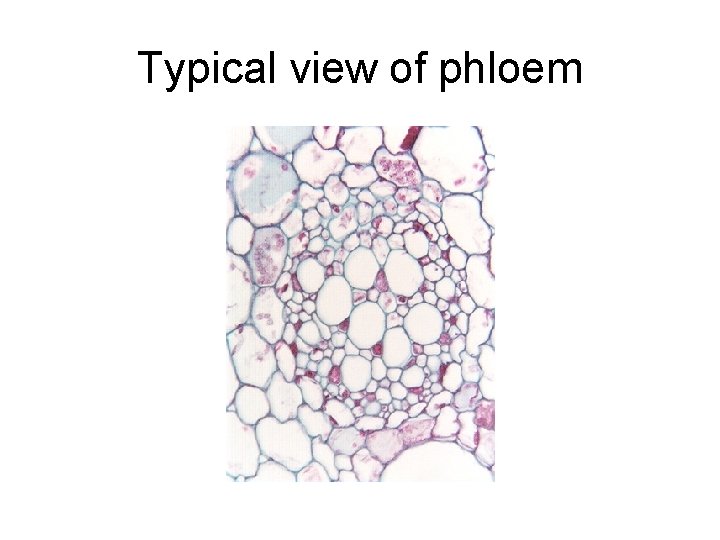
Typical view of phloem
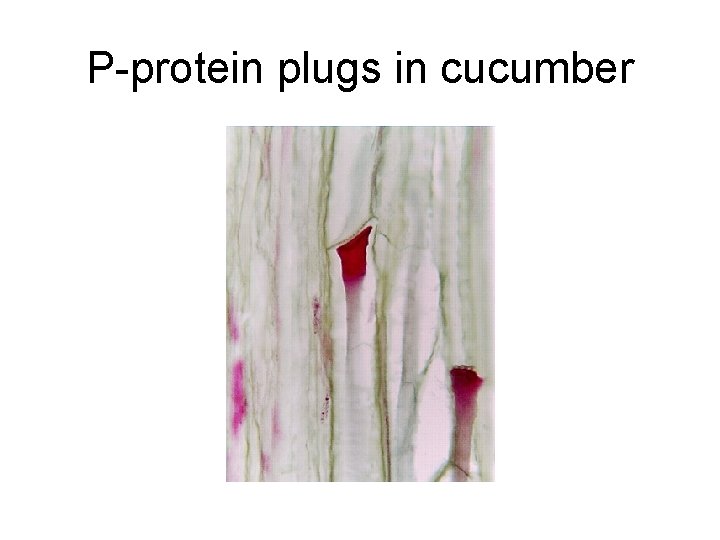
P-protein plugs in cucumber
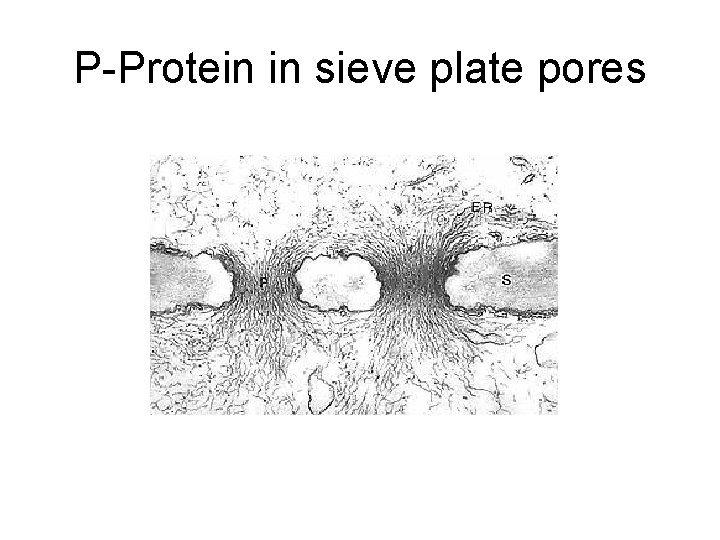
P-Protein in sieve plate pores
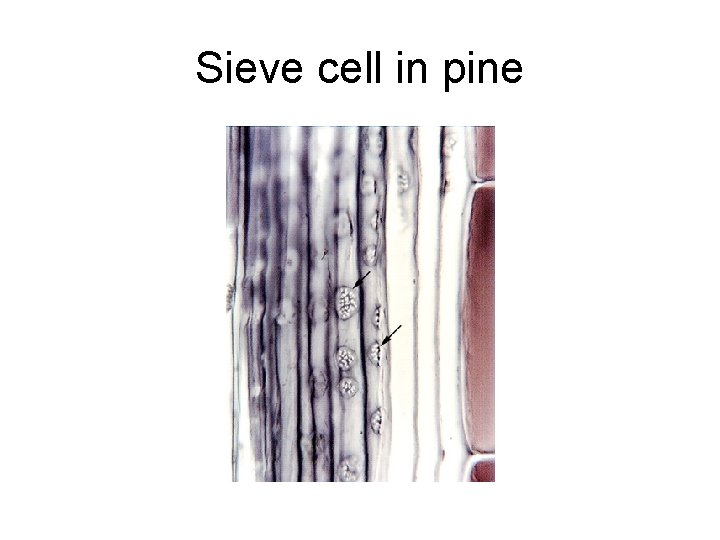
Sieve cell in pine
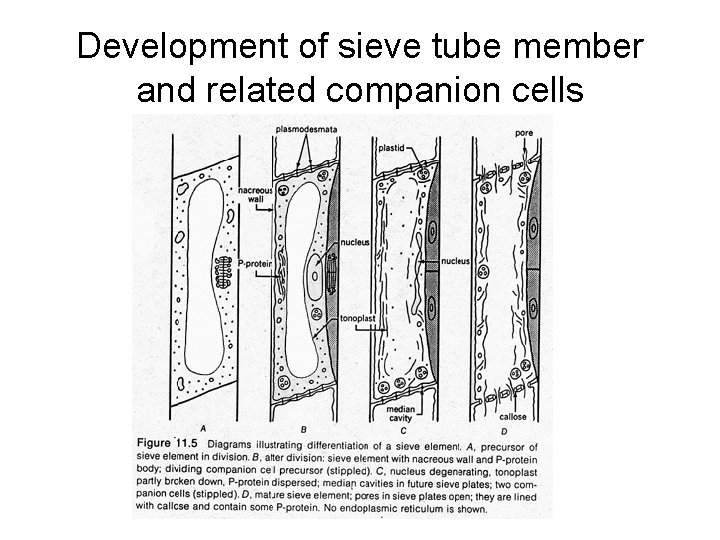
Development of sieve tube member and related companion cells
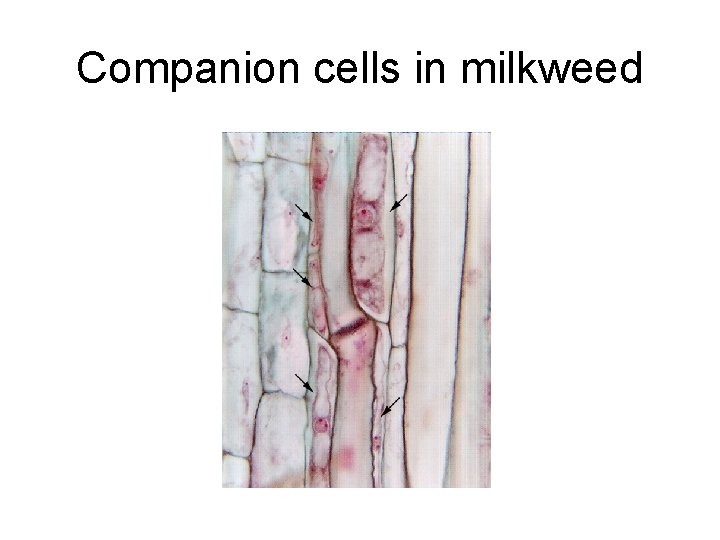
Companion cells in milkweed
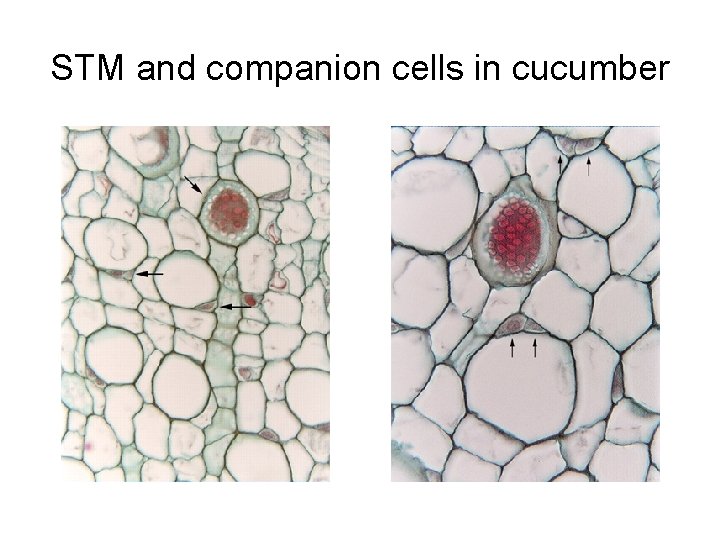
STM and companion cells in cucumber
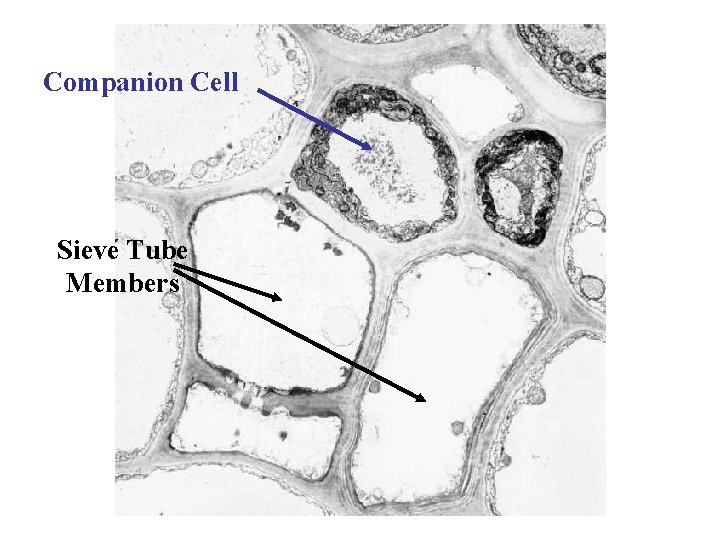
Companion Cell Sieve Tube Members
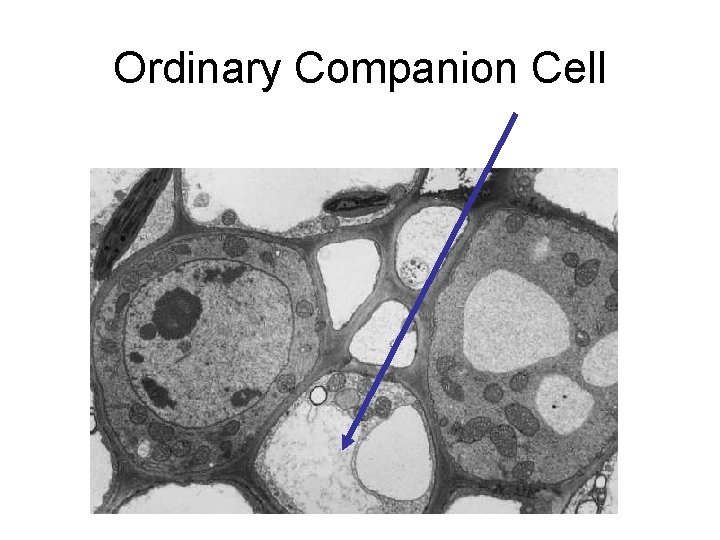
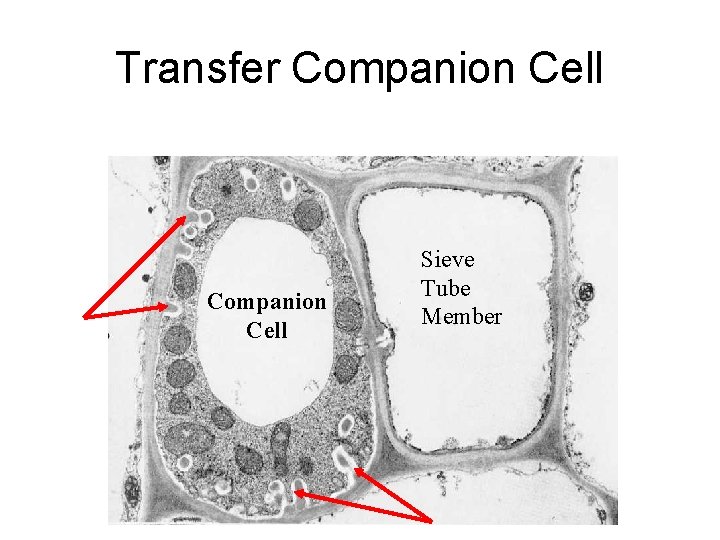
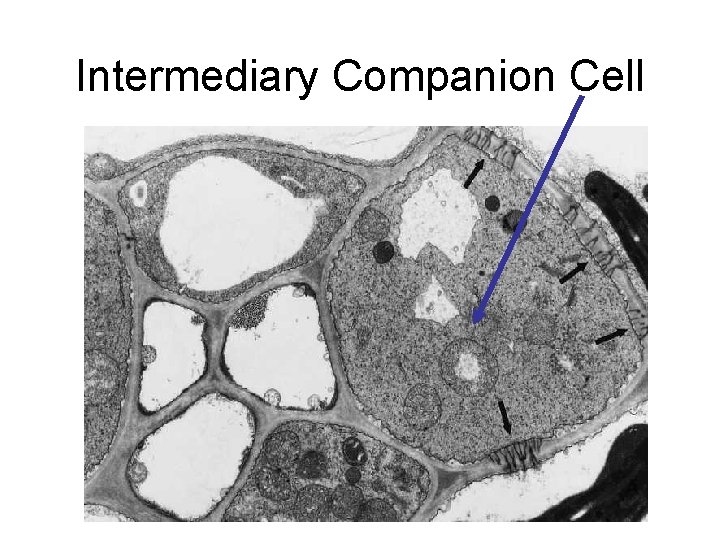
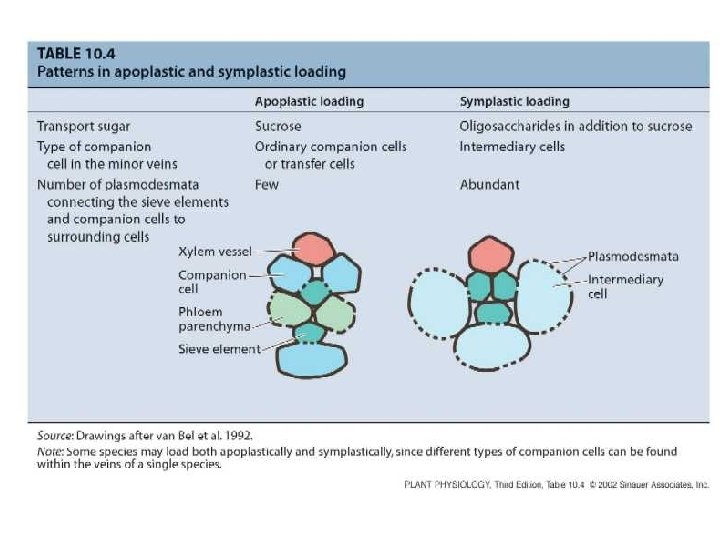
Companion cells in leaf veins • Ordinary companion cells • Transfer cells • Intermediary companion cells
Ordinary Companion Cell
Transfer Companion Cell Sieve Tube Member
Intermediary Companion Cell
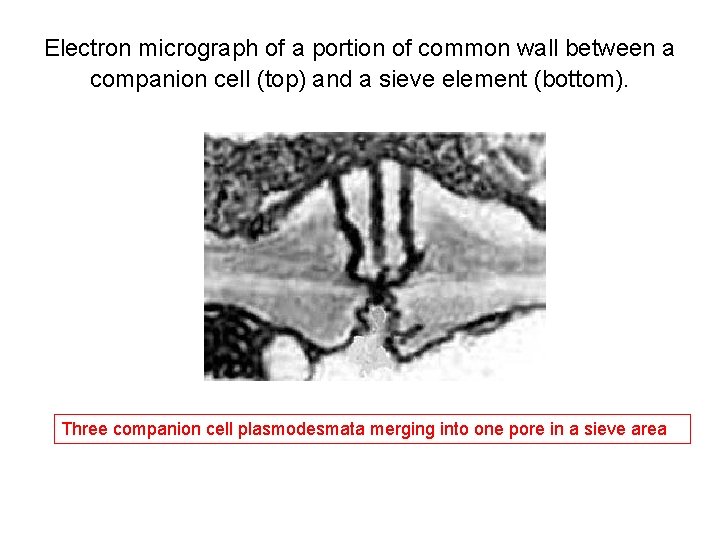
Electron micrograph of a portion of common wall between a companion cell (top) and a sieve element (bottom). Three companion cell plasmodesmata merging into one pore in a sieve area
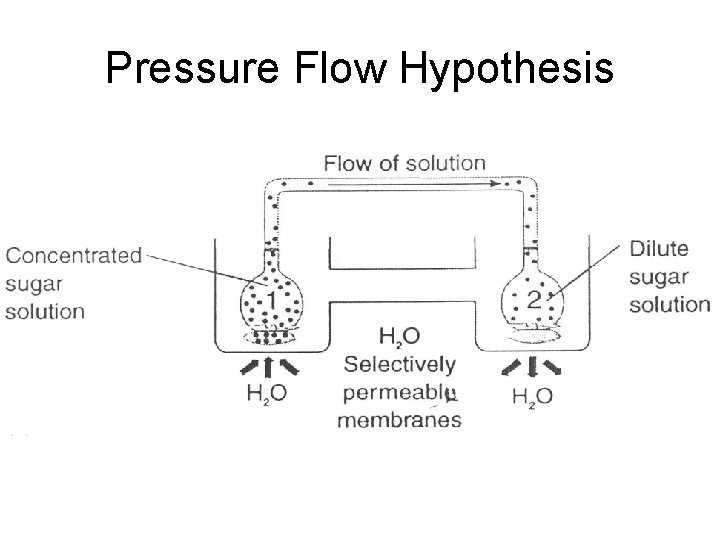
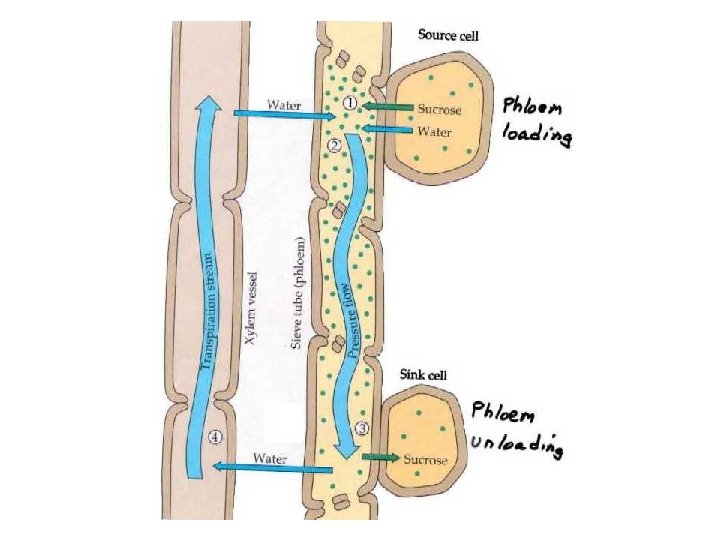
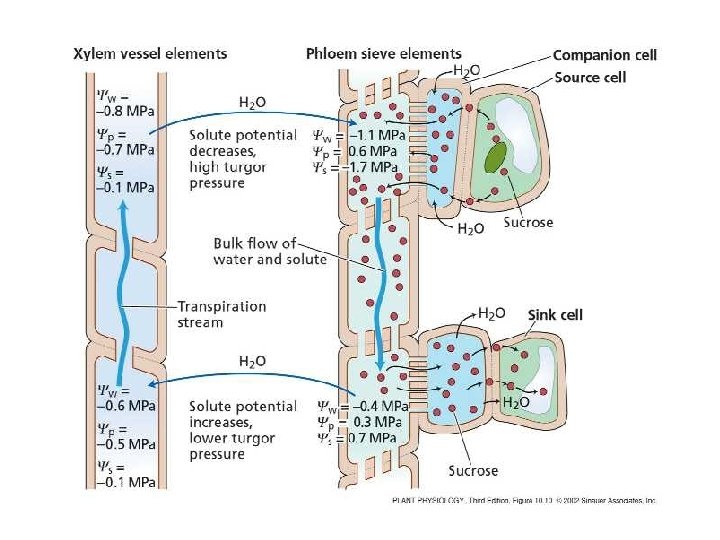
Pressure Flow Hypothesis
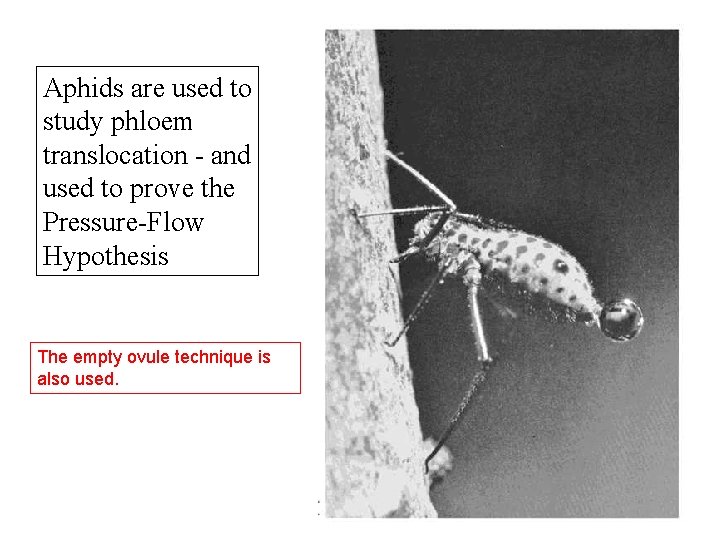
Aphids are used to study phloem translocation - and used to prove the Pressure-Flow Hypothesis The empty ovule technique is also used.
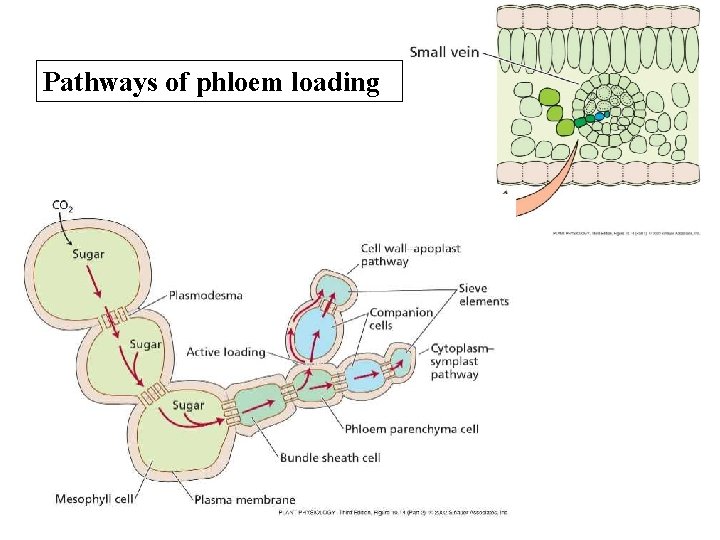
Pathways of phloem loading
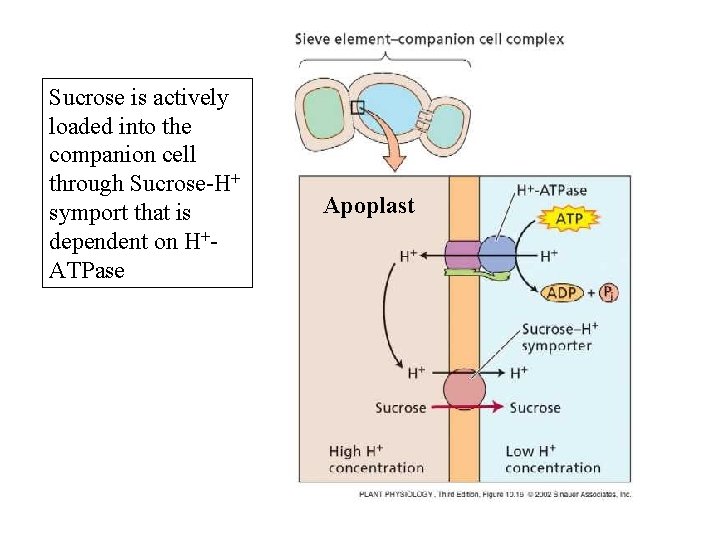
Sucrose is actively loaded into the companion cell through Sucrose-H+ symport that is dependent on H+ATPase Apoplast
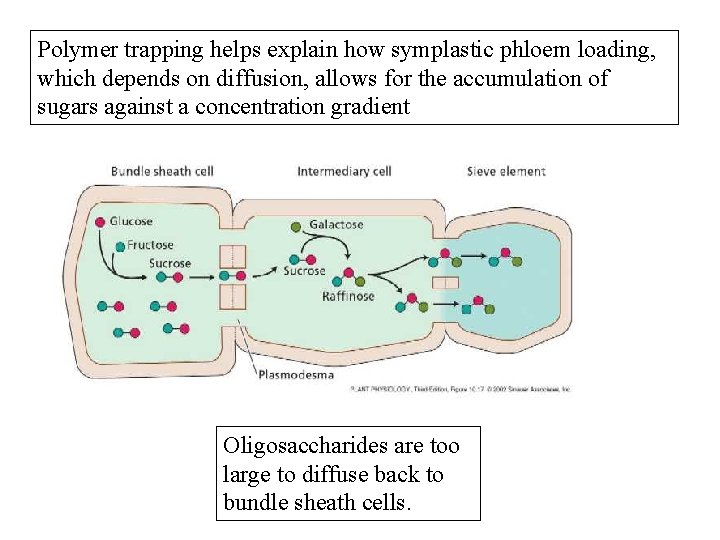
Polymer trapping helps explain how symplastic phloem loading, which depends on diffusion, allows for the accumulation of sugars against a concentration gradient Oligosaccharides are too large to diffuse back to bundle sheath cells.