
Phase 2 Design Options Phase 2 design issues

- Slides: 24
Phase 2 Design Options
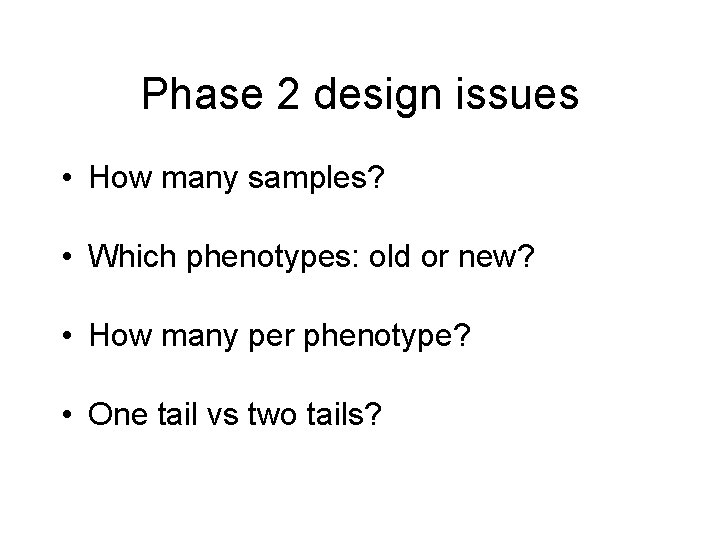
Phase 2 design issues • How many samples? • Which phenotypes: old or new? • How many per phenotype? • One tail vs two tails?
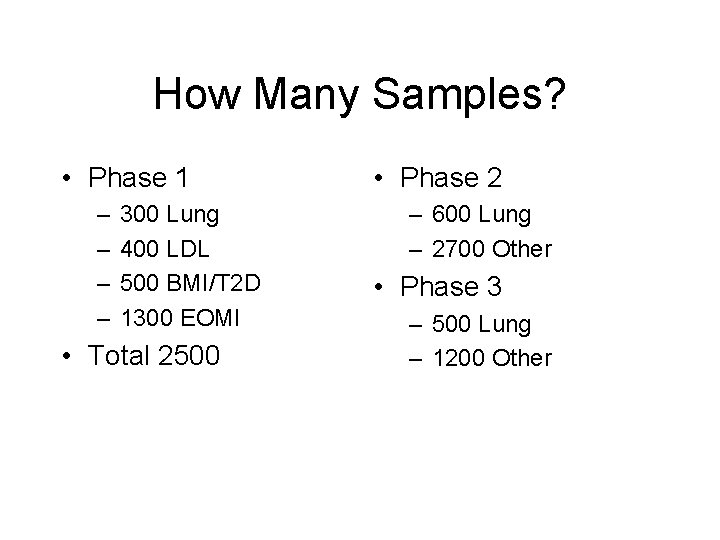
How Many Samples? • Phase 1 – – 300 Lung 400 LDL 500 BMI/T 2 D 1300 EOMI • Total 2500 • Phase 2 – 600 Lung – 2700 Other • Phase 3 – 500 Lung – 1200 Other
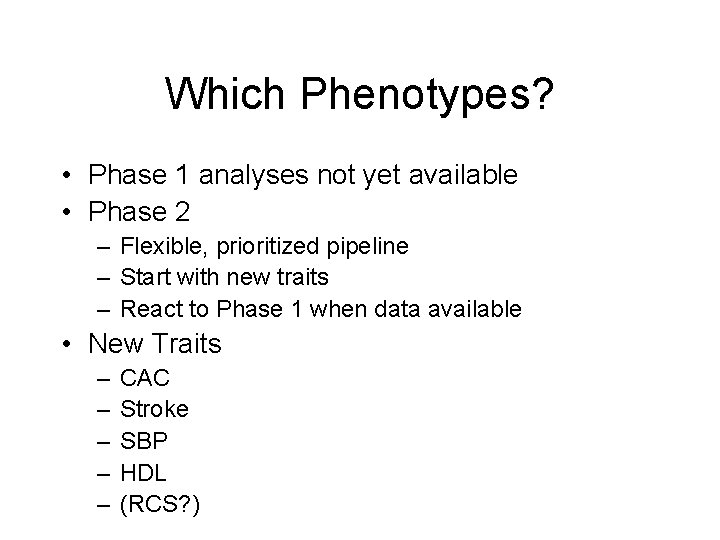
Which Phenotypes? • Phase 1 analyses not yet available • Phase 2 – Flexible, prioritized pipeline – Start with new traits – React to Phase 1 when data available • New Traits – – – CAC Stroke SBP HDL (RCS? )
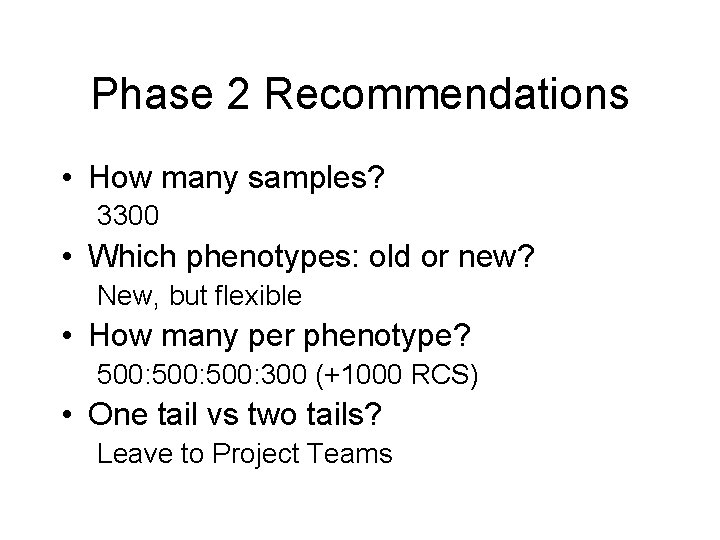
Phase 2 Recommendations • How many samples? 3300 • Which phenotypes: old or new? New, but flexible • How many per phenotype? • One tail vs two tails?
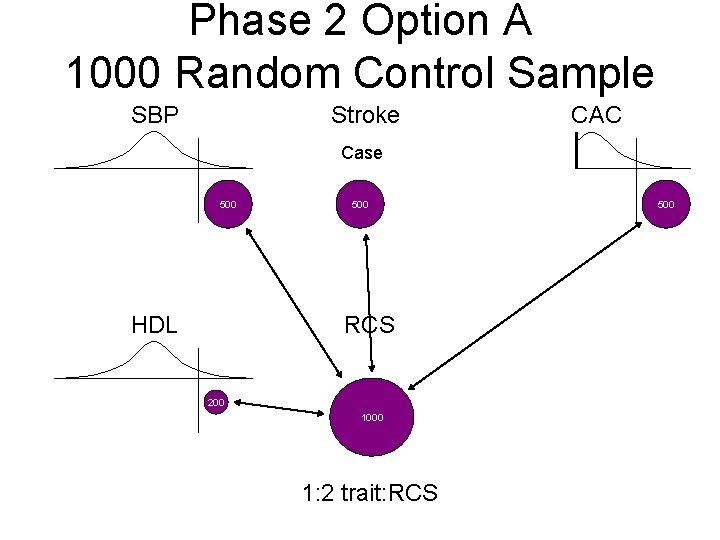
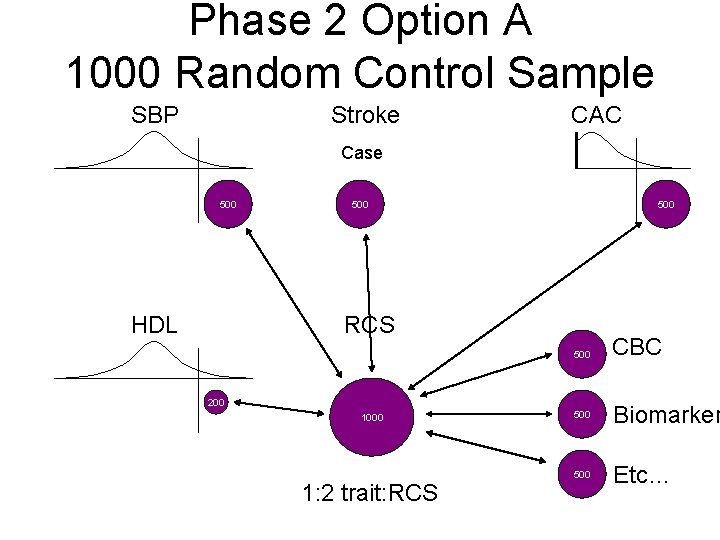
Phase 2 Option A 1000 Random Control Sample SBP Stroke CAC Case 500 HDL 500 RCS 200 1000 1: 2 trait: RCS 500
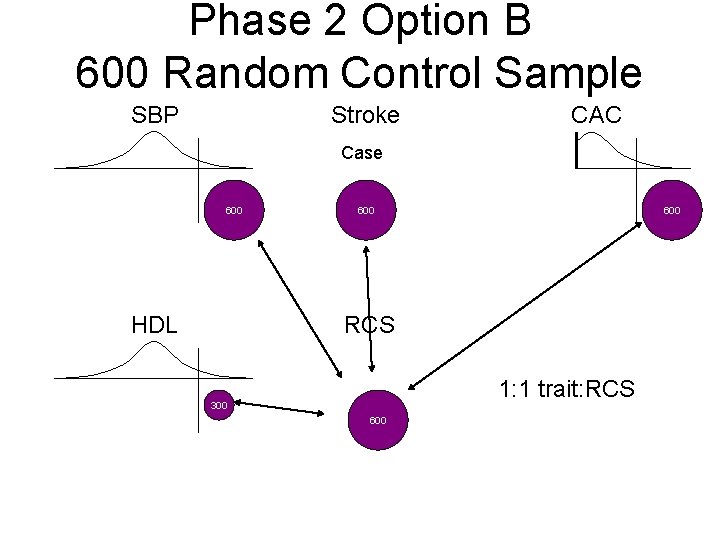
Phase 2 Option B 600 Random Control Sample SBP Stroke CAC Case 600 HDL 600 RCS 1: 1 trait: RCS 300 600
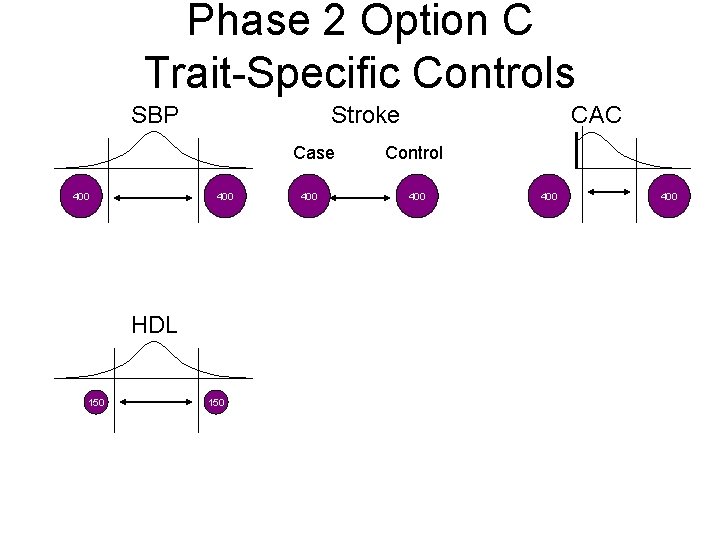
Phase 2 Option C Trait-Specific Controls SBP Stroke Case 400 HDL 150 400 CAC Control 400 400
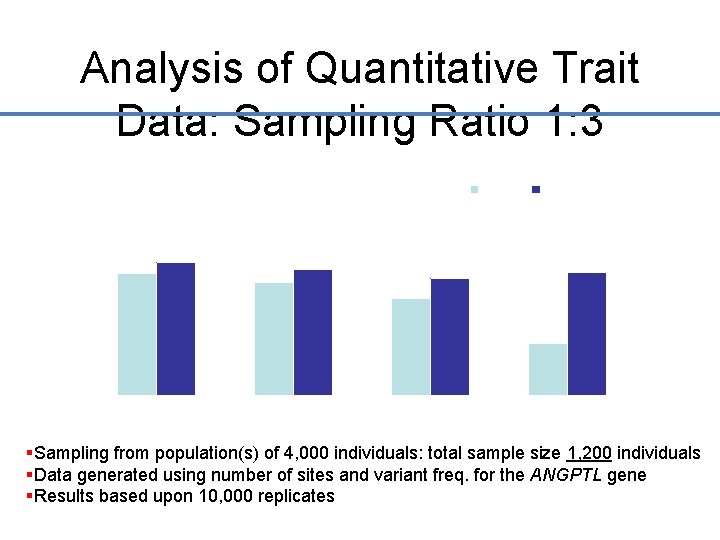
Comparing Power • (Power estimation courtesy of Shamil and Gregory Kryukov)
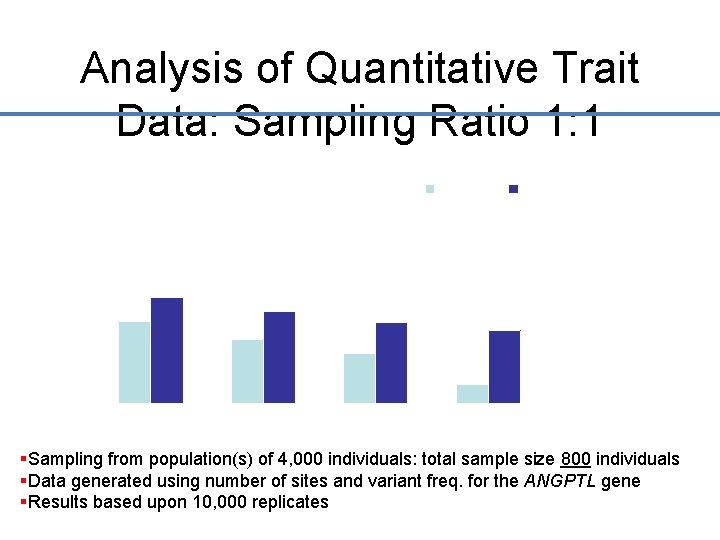
Analysis of Quantitative Trait Data: Sampling Ratio 1: 1 1 0, 9 0, 8 Binary Quantitative 0, 7 0, 6 0, 5 0, 4 0, 3 0, 2 0, 1 0 10% from top/10% from bottom 10% bottom 50% 75 th percentile and below entire cohort §Sampling from population(s) of 4, 000 individuals: total sample size 800 individuals §Data generated using number of sites and variant freq. for the ANGPTL gene §Results based upon 10, 000 replicates
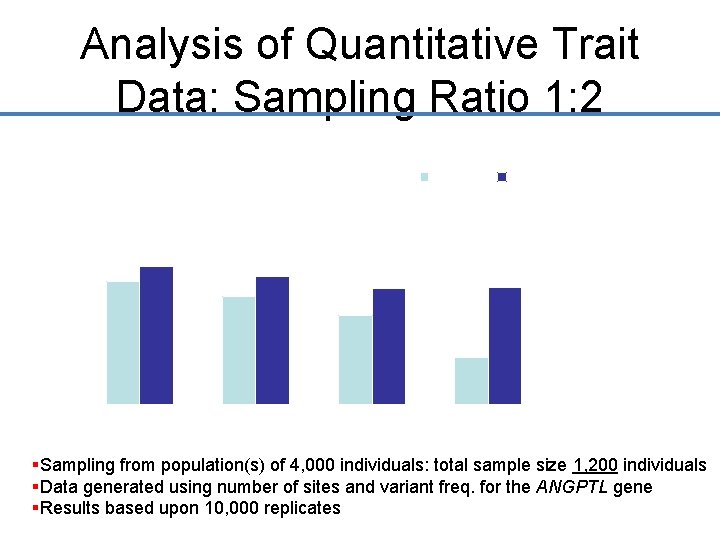
Analysis of Quantitative Trait Data: Sampling Ratio 1: 2 1 0, 9 Binary 0, 8 Quantitative 0, 7 0, 6 0, 5 0, 4 0, 3 0, 2 0, 1 0 10% from top/20% from bottom 20% 10% from top/20% from bottom 50% 75 th percentile and below entire cohort §Sampling from population(s) of 4, 000 individuals: total sample size 1, 200 individuals §Data generated using number of sites and variant freq. for the ANGPTL gene §Results based upon 10, 000 replicates
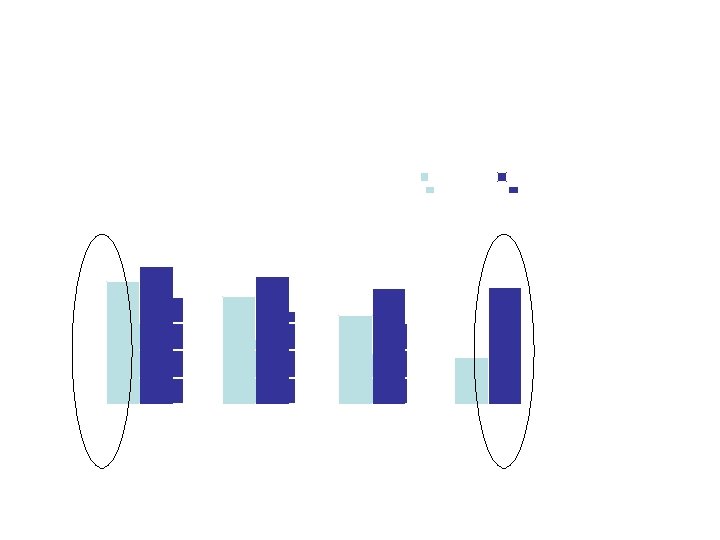
1 1 0, 9 0, 8 Binary Quantitative 0, 7 0, 6 0, 5 0, 4 0, 3 0, 2 0, 1 0 0 10% from top/10% from 10% 10%fromtop/20% top/10%from 10% from top/20% top/10% from top/20% from bottom 10% bottom 50% 75 thpercentileand andbelow bottom 20% bottom 75 th entire cohort
Analysis of Quantitative Trait Data: Sampling Ratio 1: 3 1 0, 9 0, 8 Binary Quantitative 0, 7 0, 6 0, 5 0, 4 0, 3 0, 2 0, 1 0 10% from top/30% from bottom 10% from top/30% from 75 th 10% from top/30% from entire 30% 50% percentile and below cohort §Sampling from population(s) of 4, 000 individuals: total sample size 1, 200 individuals §Data generated using number of sites and variant freq. for the ANGPTL gene §Results based upon 10, 000 replicates
Phase 2 Option A 1000 Random Control Sample SBP Stroke CAC Case 500 HDL 500 RCS 500 200 1000 1: 2 trait: RCS CBC 500 Biomarker 500 Etc…
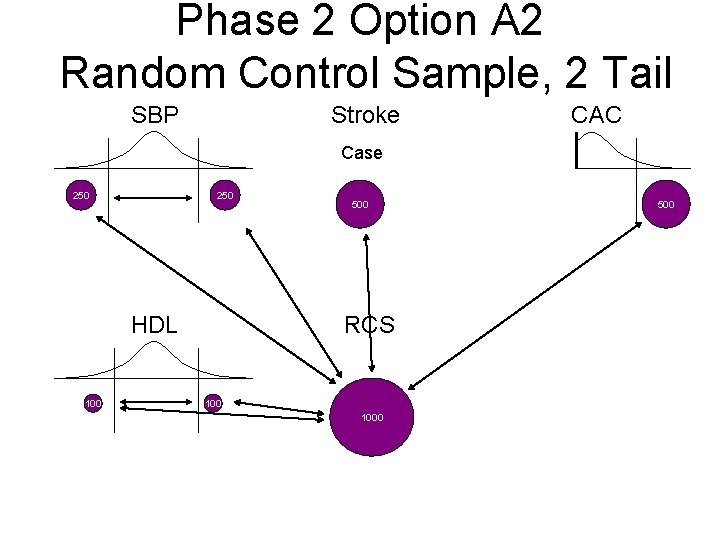
Phase 2 Option A 2 Random Control Sample, 2 Tail SBP Stroke CAC Case 250 HDL 100 500 RCS 1000 500
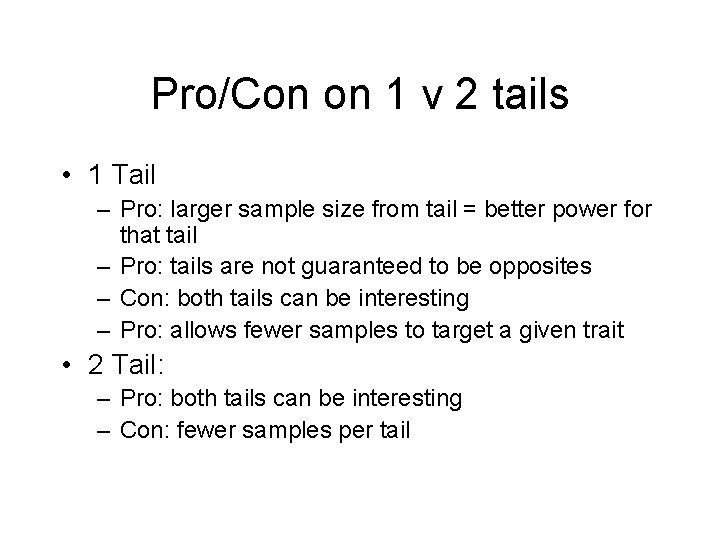
Pro/Con on 1 v 2 tails • 1 Tail – Pro: larger sample size from tail = better power for that tail – Pro: tails are not guaranteed to be opposites – Con: both tails can be interesting – Pro: allows fewer samples to target a given trait • 2 Tail: – Pro: both tails can be interesting – Con: fewer samples per tail
Phase 2 Recommendations • How many samples? 3300 • Which phenotypes: old or new? New, but flexible • How many per phenotype? 500: 300 (+1000 RCS) • One tail vs two tails? Leave to Project Teams
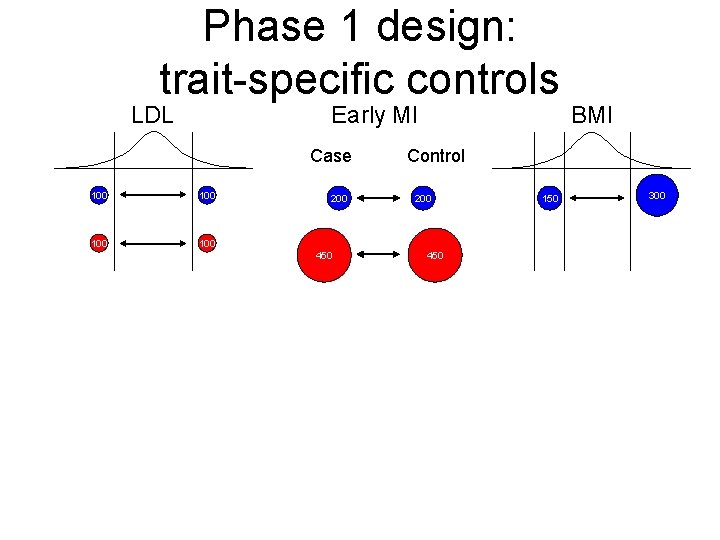
Phase 1 design: trait-specific controls LDL Early MI Case 100 100 200 450 BMI Control 200 450 150 300
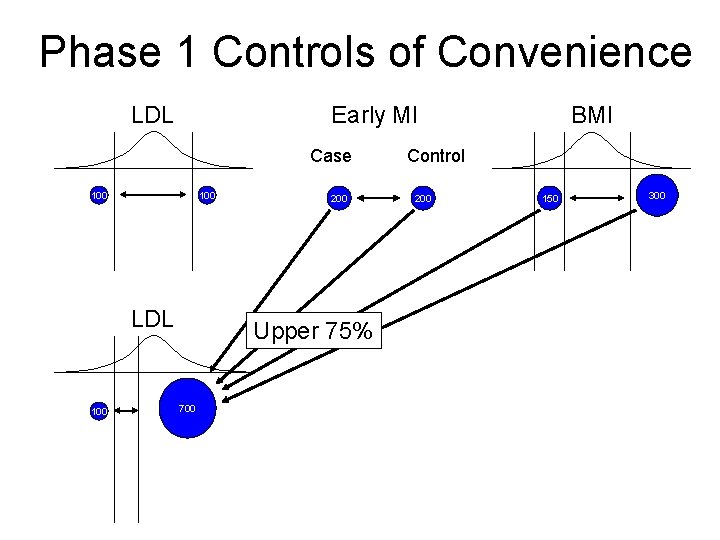
Phase 1 Controls of Convenience LDL Early MI Case 100 LDL 100 200 Upper 75% 700 BMI Control 200 150 300
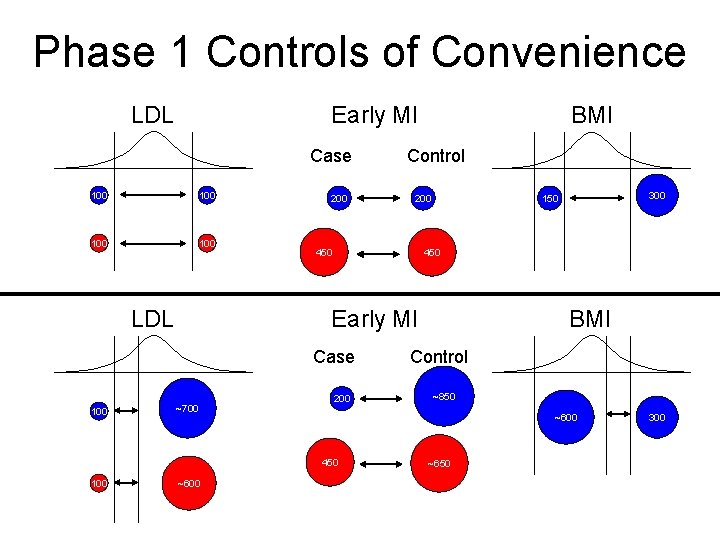
Phase 1 Controls of Convenience LDL Early MI Case 100 100 LDL 200 Early MI ~700 ~600 300 150 450 200 BMI Control ~850 ~600 450 100 Control 450 Case 100 BMI ~650 300
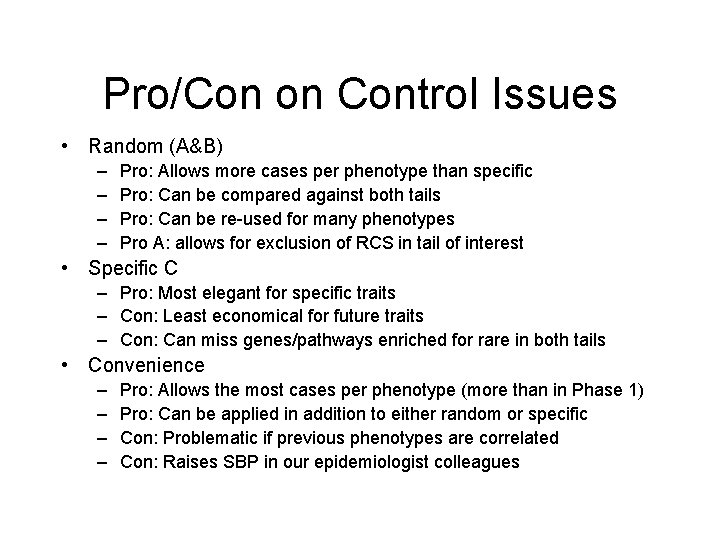
Pro/Con on Control Issues • Random (A&B) – – Pro: Allows more cases per phenotype than specific Pro: Can be compared against both tails Pro: Can be re-used for many phenotypes Pro A: allows for exclusion of RCS in tail of interest • Specific C – Pro: Most elegant for specific traits – Con: Least economical for future traits – Con: Can miss genes/pathways enriched for rare in both tails • Convenience – – Pro: Allows the most cases per phenotype (more than in Phase 1) Pro: Can be applied in addition to either random or specific Con: Problematic if previous phenotypes are correlated Con: Raises SBP in our epidemiologist colleagues
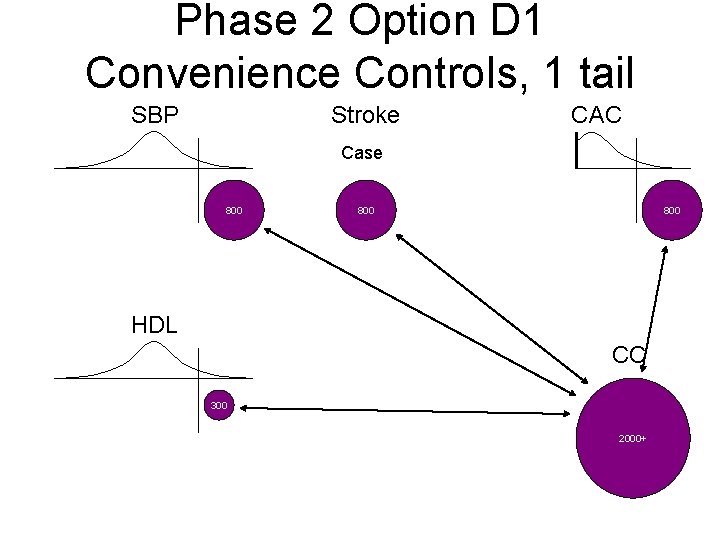
Phase 2 Option D 1 Convenience Controls, 1 tail SBP Stroke CAC Case 800 800 HDL CC 300 2000+
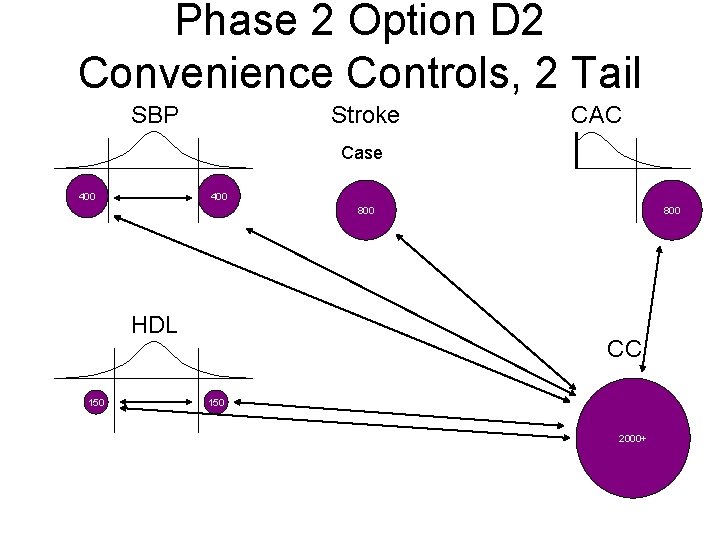
Phase 2 Option D 2 Convenience Controls, 2 Tail SBP Stroke CAC Case 400 800 HDL 150 800 CC 150 2000+