
Pharynx PHARYNX n Passage way for food and
- Slides: 57
Pharynx
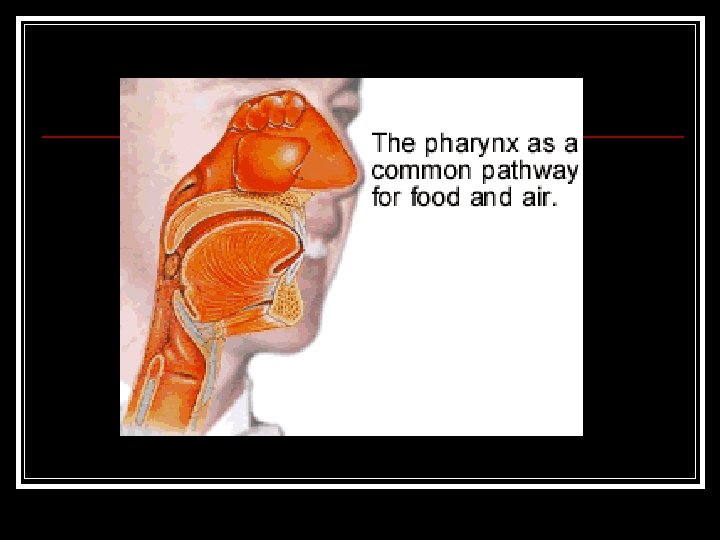
PHARYNX n. Passage way for food and liquid. n. In both digestive and respiratory systems.
PHARYNX n. Palatopharyngeal arch: When food touches it, swallowing initiates.
PHARYNX n. Tonsils: Lymph tissue (mouth defense) n. Tonsilitis, tonsilectomy
Cracker vs. Water n. Follow the directions in this mini-lab. Answer the questions in your lab book.
Esophagus
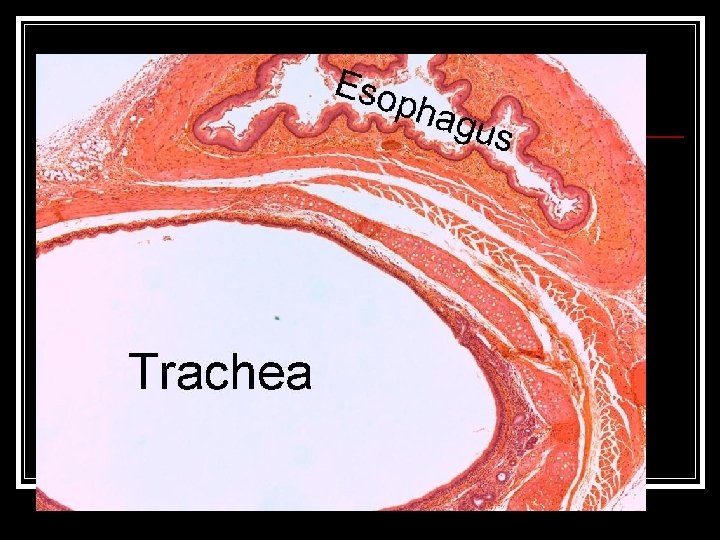
Esophagus n. Leads the pharynx to the stomach. n. Tube of muscle
Esophagus n. Deglutition: swallowing n. Under autonomic control (no control)
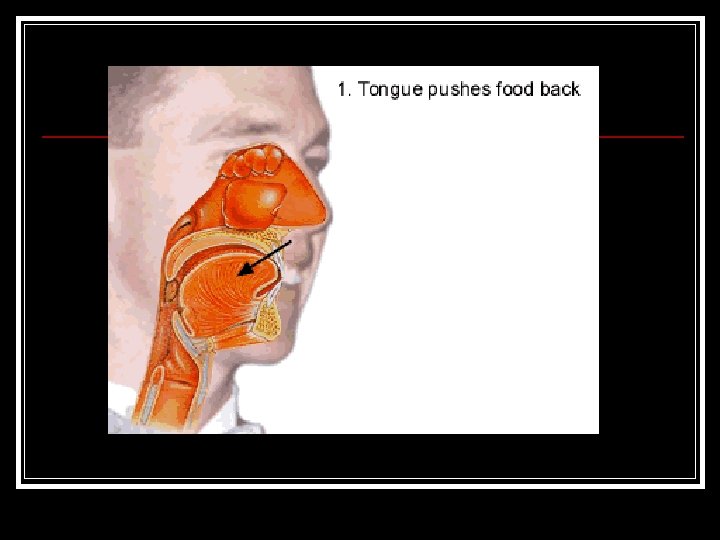
Deglutition n 1. Uvula moves up, covers nasal passage n 2. Pharynx moves up and the epiglottis covers respiratory system.
Peristalsis n. Bolus pushed through by a rhythmic smooth muscle contraction. n. Reverse peristalsis? ? ?
n http: //health. howstuffworks. com/adam 200088. htm
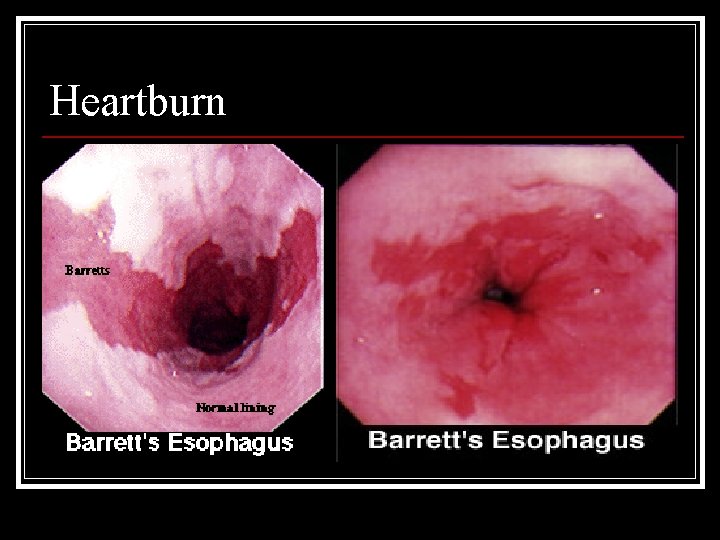
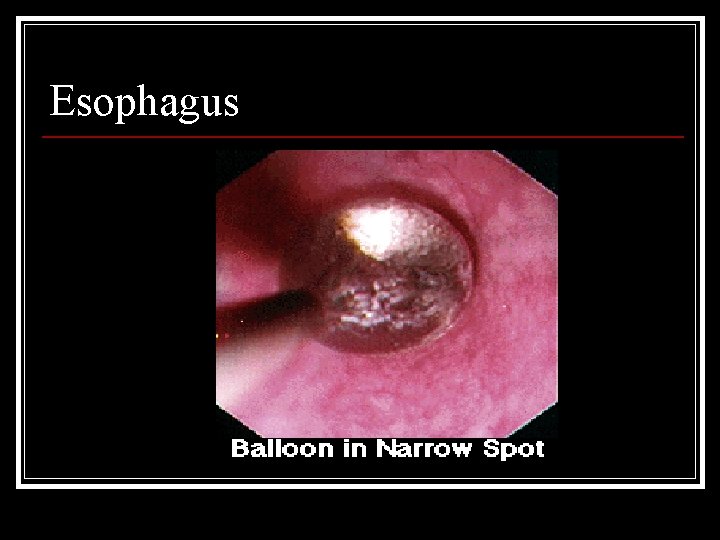
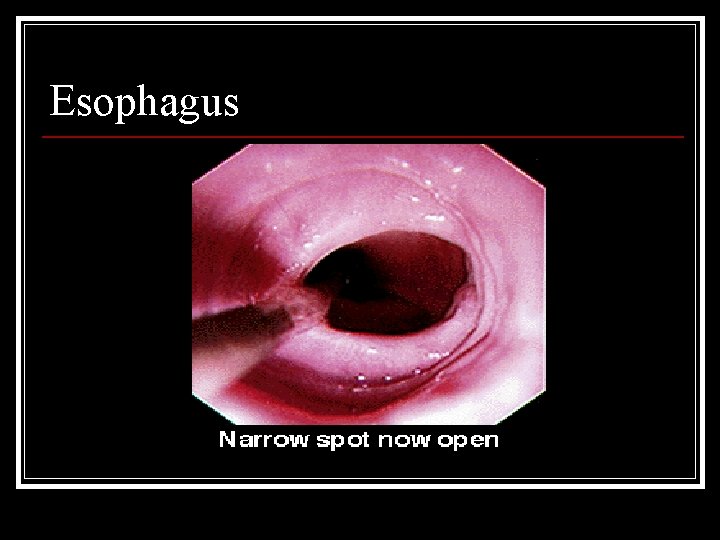
Heartburn n. Stomach acid bubbles up into esophagus and burns layers of esophagus.
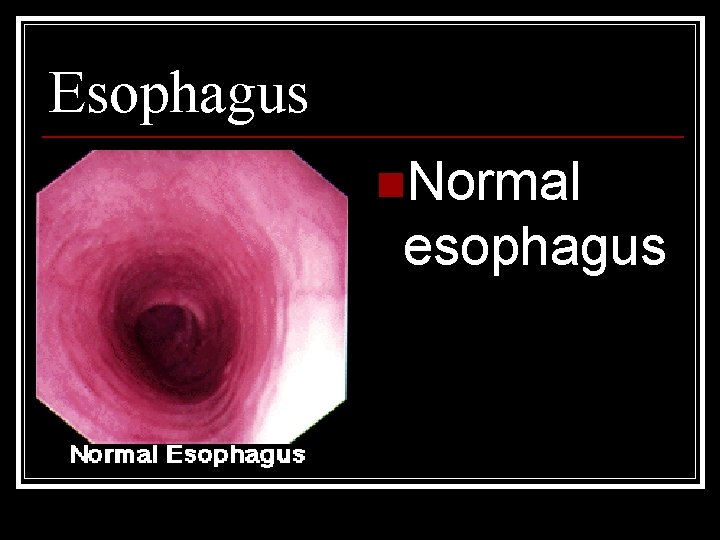
Esophagus n. Normal esophagus
Heartburn
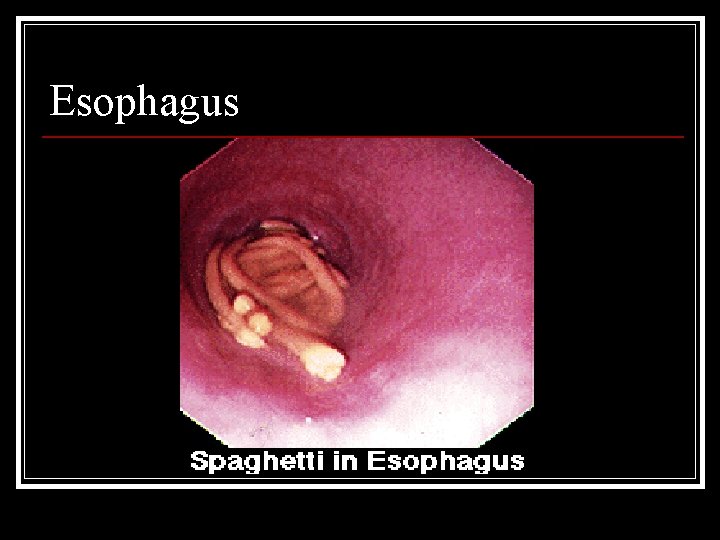
Esophagus
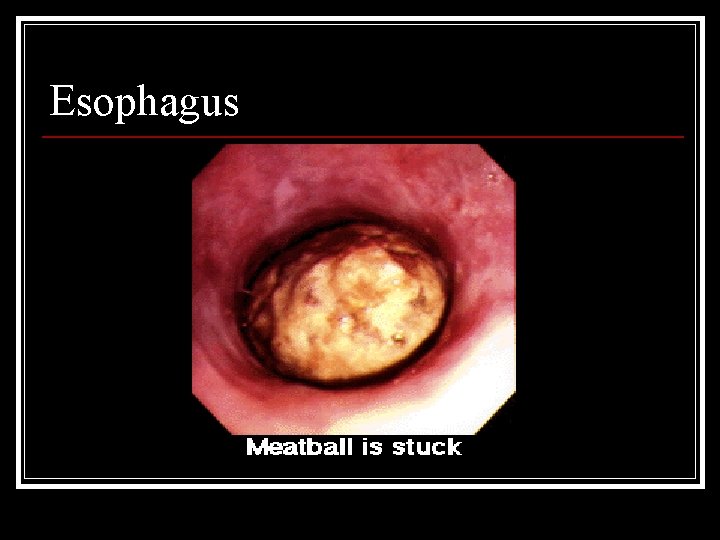
Esophagus
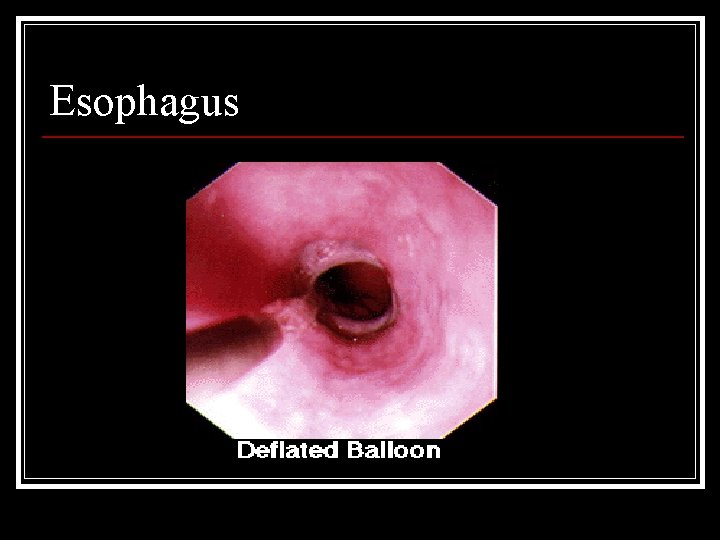
Esophagus
Esophagus
Esophagus
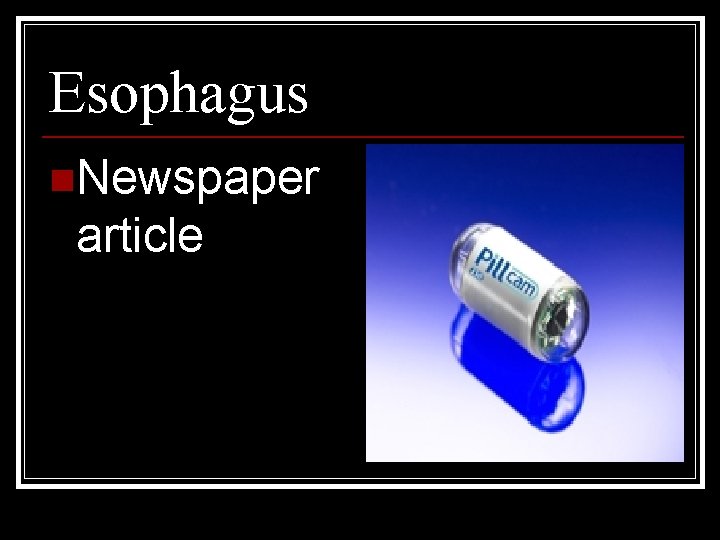
Esophagus n. Newspaper article
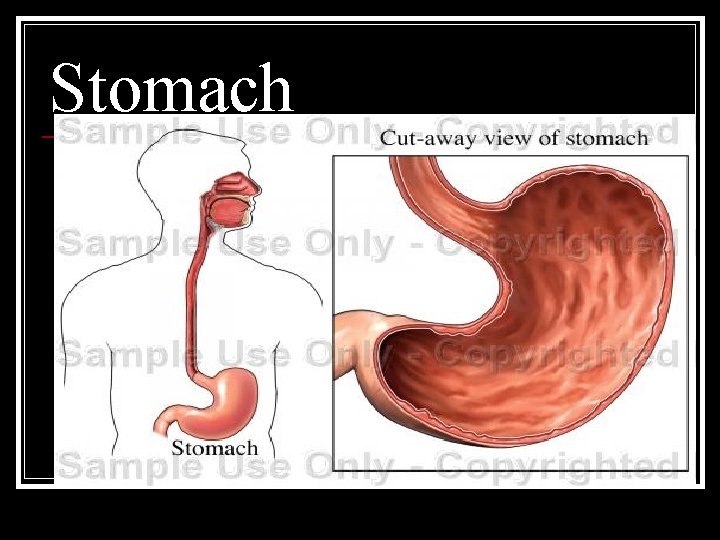
Stomach
Stomach: COLOR n. A. Fundus B. Body n. C. Pylorus n. D. Pyloric sphincter n. E. Cardia
Stomach n. J-shaped n. Slightly on left side of the body
Stomach n. Functions: n 1. Physical breakdown (Muscular) 3 layers of powerful muscle
Stomach n 2. Chemical breakdown (acid/enzyme)
Stomach n 3. Storage (holds about 1. 5 liters) n. Like….
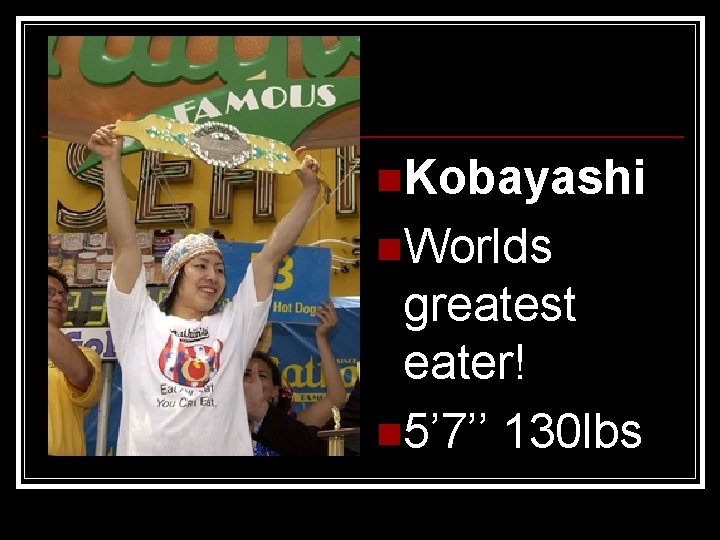
n. Kobayashi n. Worlds greatest eater! n 5’ 7’’ 130 lbs
Kobayashi n 18 pounds of cow brains in 15 min n 53 hot dogs and buns in 12 min n 20 pounds of rice in 30 min
Kobayashi n. Once at a all you can eat buffet and gained 26 pounds at one sitting!!
Stomach n. Parts: n. Fundus n. Body n. Pylorus “ gate guard”
Stomach n. Openings: n. Sphincter: muscular ring that contracts to close the entrance or exit of an internal passageway.
STOMACH n. Cardia (e): Connects esophagus to stomach n. Near ? ?
Stomach n. Pyloric Sphincter (d): Regulates flow of chyme between stomach and S. I. n. Autonomic control
Stomach n. Gastric Mucosa: n. Epithelial cells full of mucosa cells n. Lining of the stomach n. Stretch receptors
Stomach n. Gastric Mucosa: n. Secretes a protective mucous (protects from acid, enzymes, abrasive material)
Stomach n. Color code the lining of the stomach. n. Figure 1 = g n. Figure 2 = h, i, j
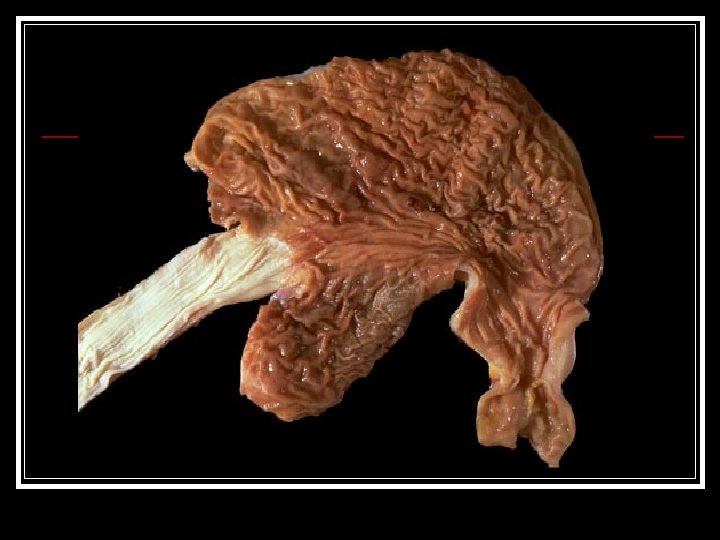
Stomach n. Rugae (ROO-ge) n. Wrinkles, very folded
Stomach
Stomach n. Gastrin: Hormone released when food enters stomach. n. Stretch receptors in the stomach wall trigger gastrin.
Stomach n. Gastrin: Stimulates the gastric gland
Stomach n. Chyme: A soupy mixture of food + gastric juices after they are combined n. Vomit
Stomach n. Gastric Glands: Responsible for secreting gastric juices. n 1. 5 liters per day
Gastric Gland n. Contain 2 types of secreting cells n. Parietal and Chief
Parietal cells 1. Releases HCl for breakdown n 2. killing microorganisms
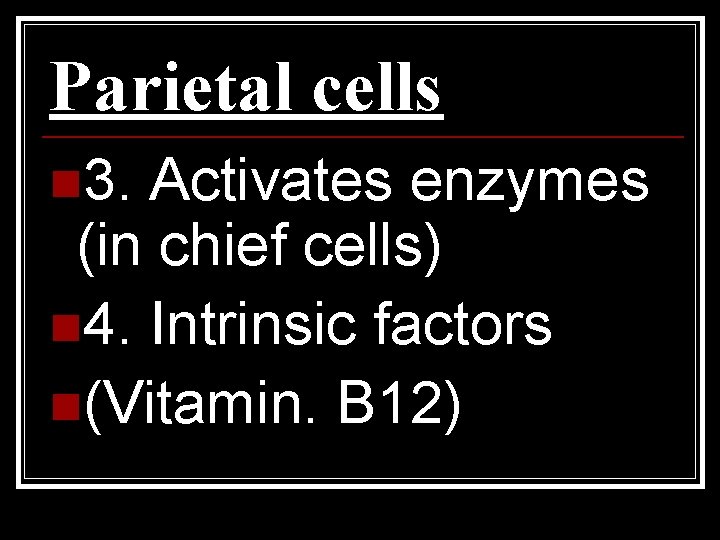
Parietal cells n 3. Activates enzymes (in chief cells) n 4. Intrinsic factors n(Vitamin. B 12)
Chief cells n. Releases pepsinogen (pre-enzyme)
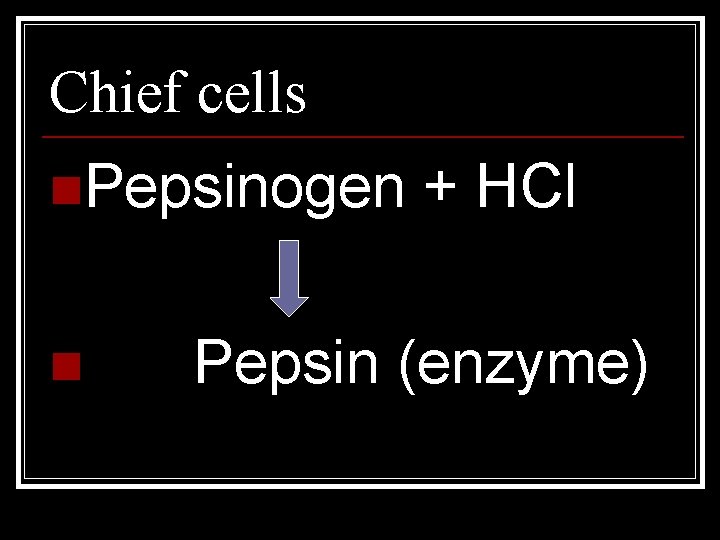
Chief cells n. Pepsinogen n + HCl Pepsin (enzyme)
Chief cells n. Pepsin: splitter Protein
Gastric pits n. Depressions or “pits” where the glands are located in. Gastric pit communicates with gastric glands.
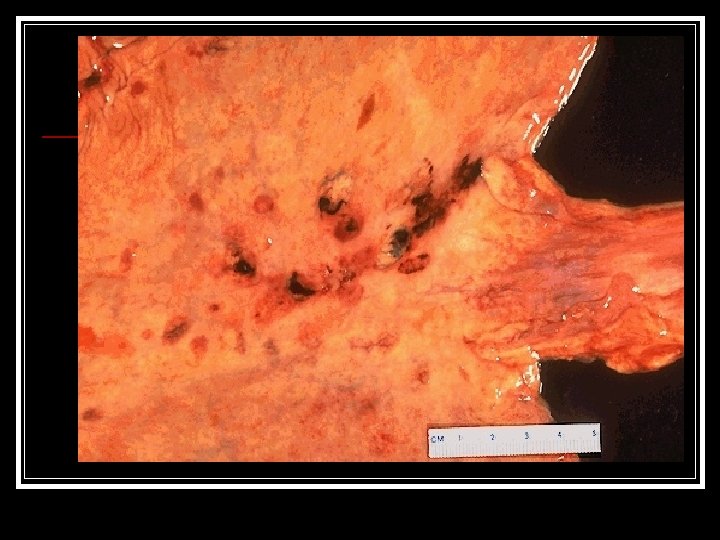
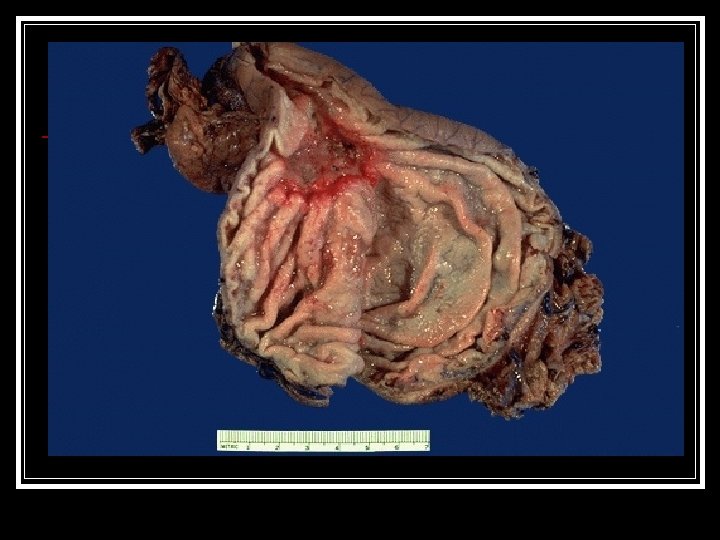
Disorders: n. Ulcers: open sore in the wall of the stomach