
PHARYNGOTYMPANIC TUBE Eustachian TubeAuditory Tube Presented by Dr
![PHARYNGO-TYMPANIC TUBE [Eustachian Tube/Auditory Tube] Presented by : - Dr. Sushma Tomar Associate Professor](https://slidetodoc.com/presentation_image_h2/d8256dd7bfcc8b82cdc4dea0678b376f/image-1.jpg "PHARYNGO-TYMPANIC TUBE [Eustachian Tube/Auditory Tube] Presented by : - Dr. Sushma Tomar Associate Professor")
PHARYNGO-TYMPANIC TUBE [Eustachian Tube/Auditory Tube] Presented by : - Dr. Sushma Tomar Associate Professor Department of
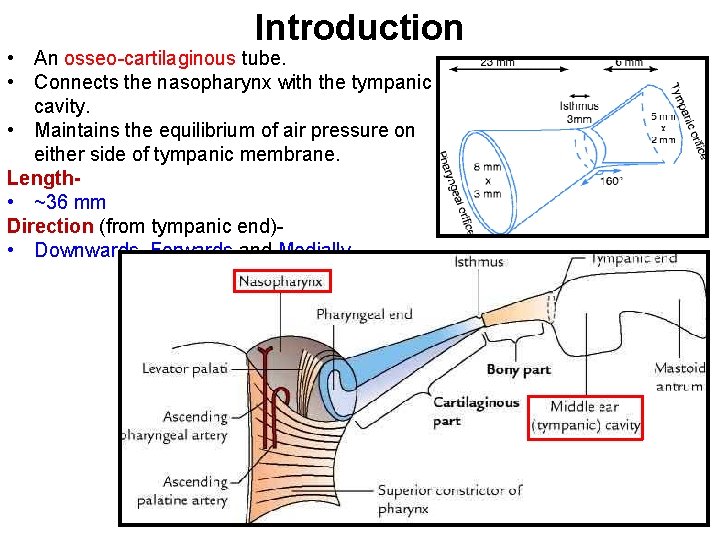
Introduction • An osseo-cartilaginous tube. • Connects the nasopharynx with the tympanic cavity. • Maintains the equilibrium of air pressure on either side of tympanic membrane. Length • ~36 mm Direction (from tympanic end) • Downwards, Forwards and Medially.
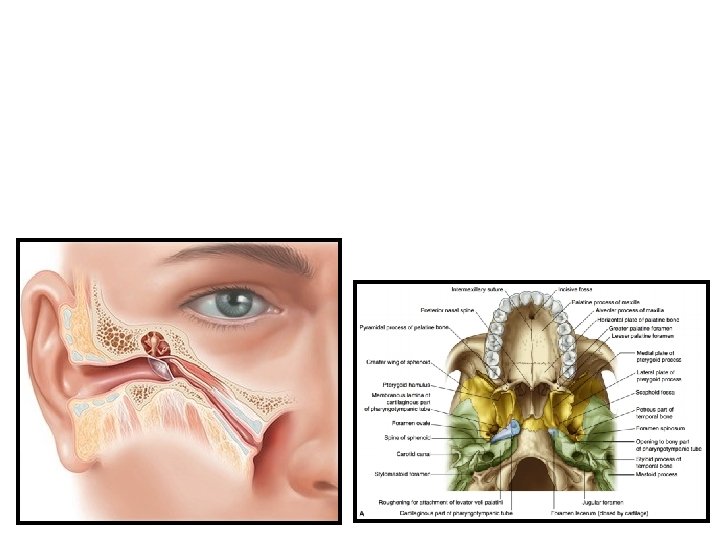
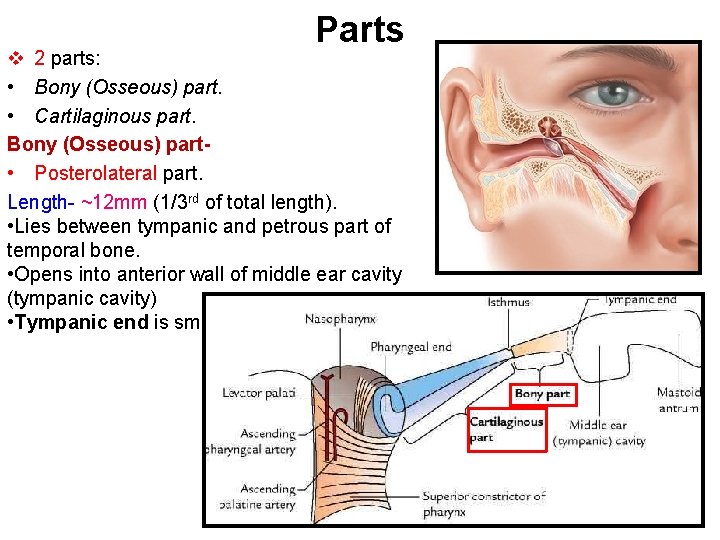
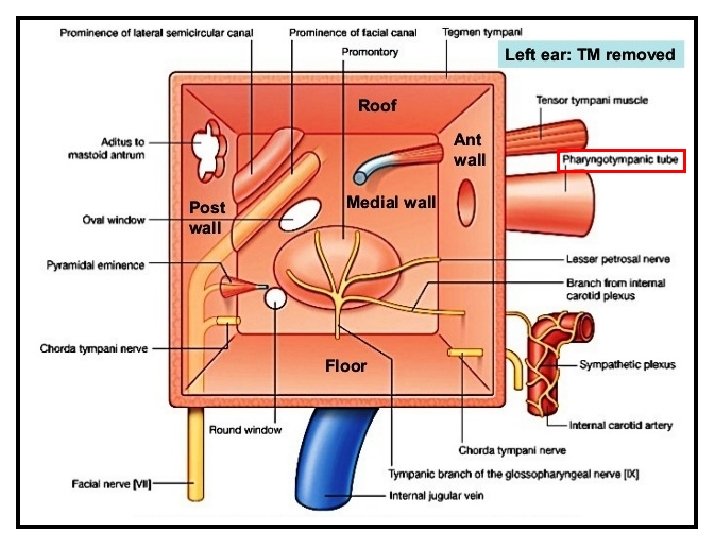
Parts v 2 parts: • Bony (Osseous) part. • Cartilaginous part. Bony (Osseous) part • Posterolateral part. Length- ~12 mm (1/3 rd of total length). • Lies between tympanic and petrous part of temporal bone. • Opens into anterior wall of middle ear cavity (tympanic cavity) • Tympanic end is small.
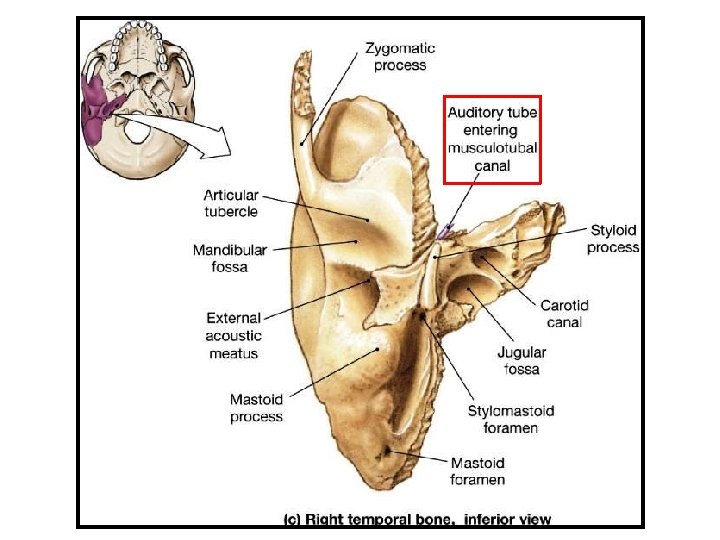
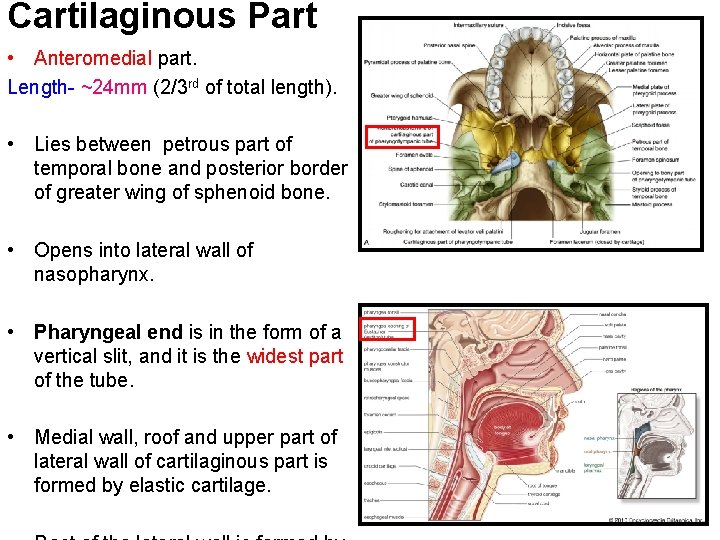
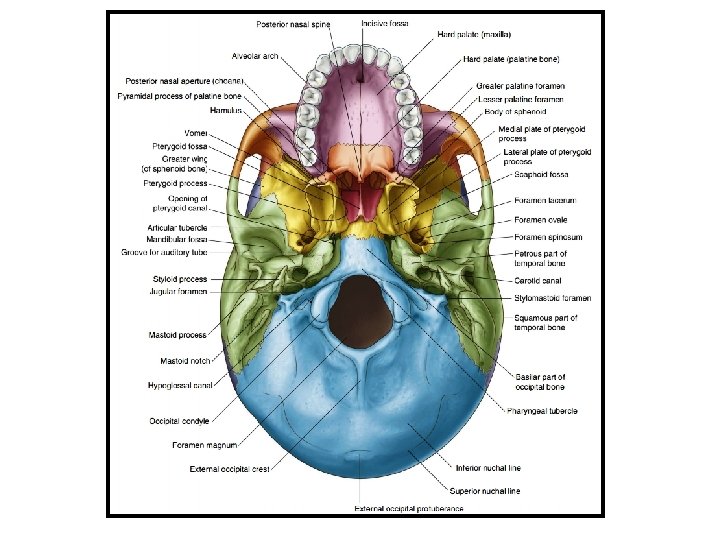
Cartilaginous Part • Anteromedial part. Length- ~24 mm (2/3 rd of total length). • Lies between petrous part of temporal bone and posterior border of greater wing of sphenoid bone. • Opens into lateral wall of nasopharynx. • Pharyngeal end is in the form of a vertical slit, and it is the widest part of the tube. • Medial wall, roof and upper part of lateral wall of cartilaginous part is formed by elastic cartilage.
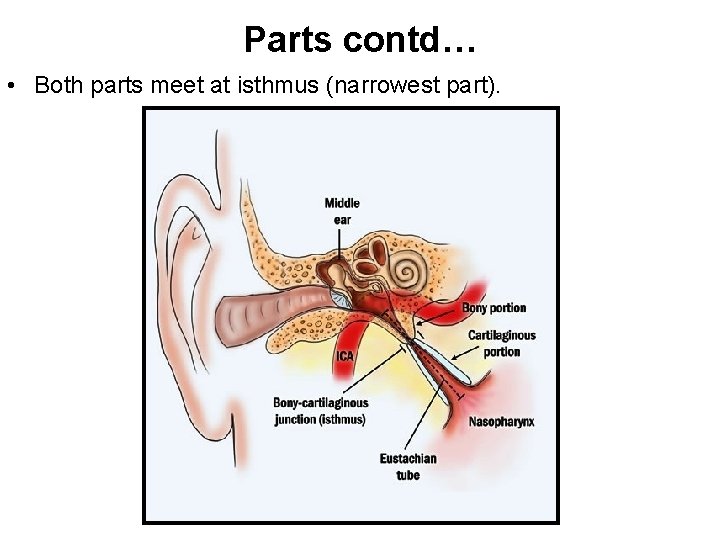
Parts contd… • Both parts meet at isthmus (narrowest part).
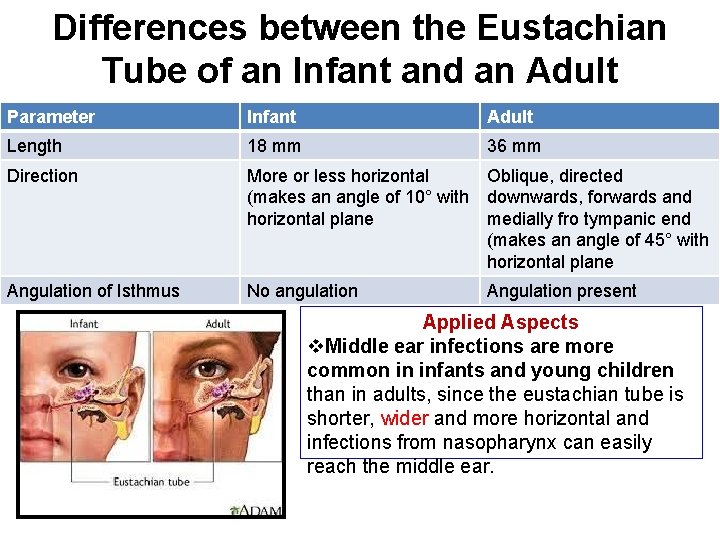
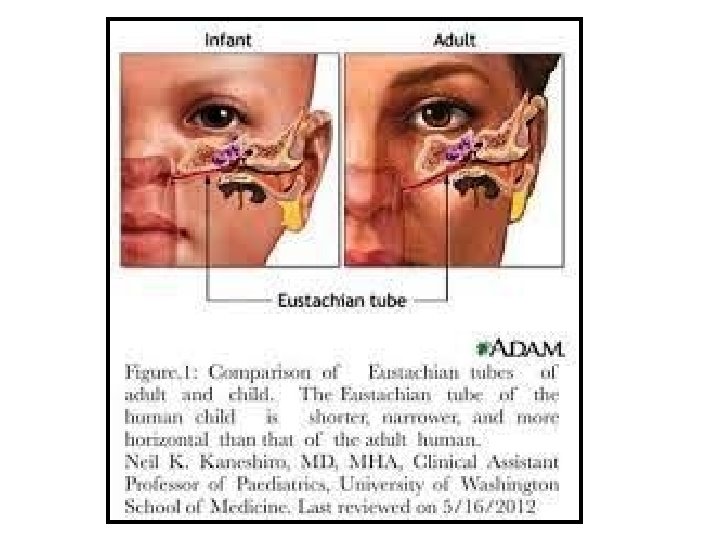
Differences between the Eustachian Tube of an Infant and an Adult Parameter Infant Adult Length 18 mm 36 mm Direction More or less horizontal Oblique, directed (makes an angle of 10° with downwards, forwards and horizontal plane medially fro tympanic end (makes an angle of 45° with horizontal plane Angulation of Isthmus No angulation Angulation present Applied Aspects v. Middle ear infections are more common in infants and young children than in adults, since the eustachian tube is shorter, wider and more horizontal and infections from nasopharynx can easily reach the middle ear.
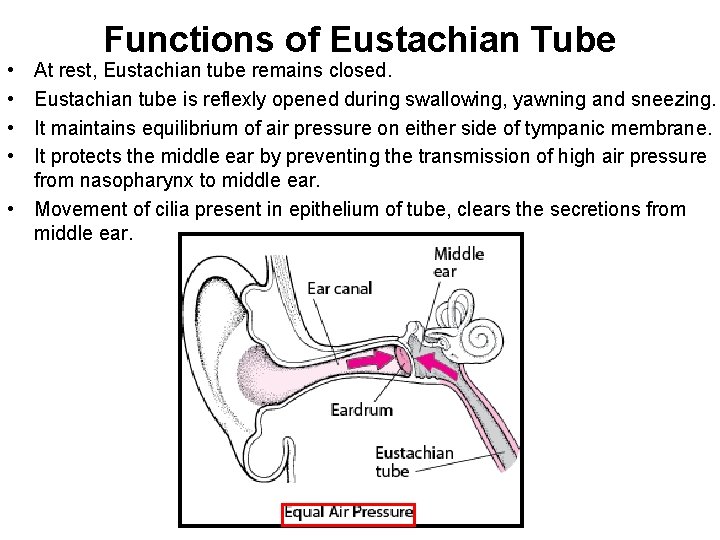
• • Functions of Eustachian Tube At rest, Eustachian tube remains closed. Eustachian tube is reflexly opened during swallowing, yawning and sneezing. It maintains equilibrium of air pressure on either side of tympanic membrane. It protects the middle ear by preventing the transmission of high air pressure from nasopharynx to middle ear. • Movement of cilia present in epithelium of tube, clears the secretions from middle ear.
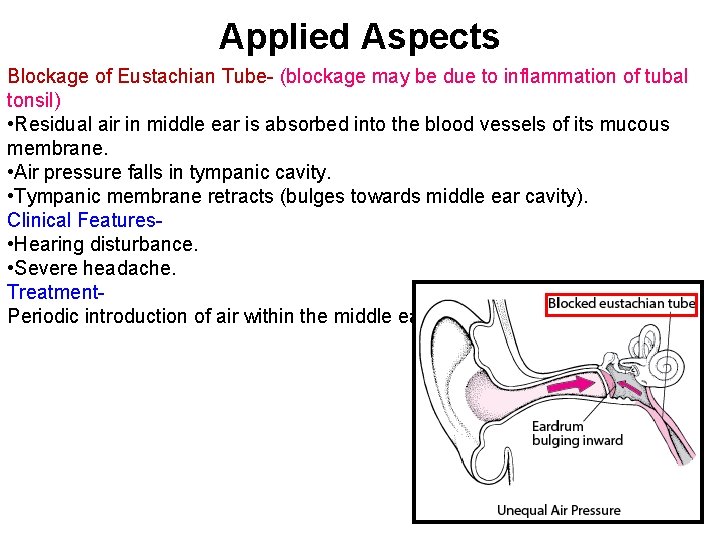
Applied Aspects Blockage of Eustachian Tube- (blockage may be due to inflammation of tubal tonsil) • Residual air in middle ear is absorbed into the blood vessels of its mucous membrane. • Air pressure falls in tympanic cavity. • Tympanic membrane retracts (bulges towards middle ear cavity). Clinical Features • Hearing disturbance. • Severe headache. Treatment. Periodic introduction of air within the middle ear by Eustachian catheter.

- Slides: 14