
Pharmacology of drugs affecting GIT Peptic Ulcer Disease
- Slides: 43
Pharmacology of drugs affecting GIT
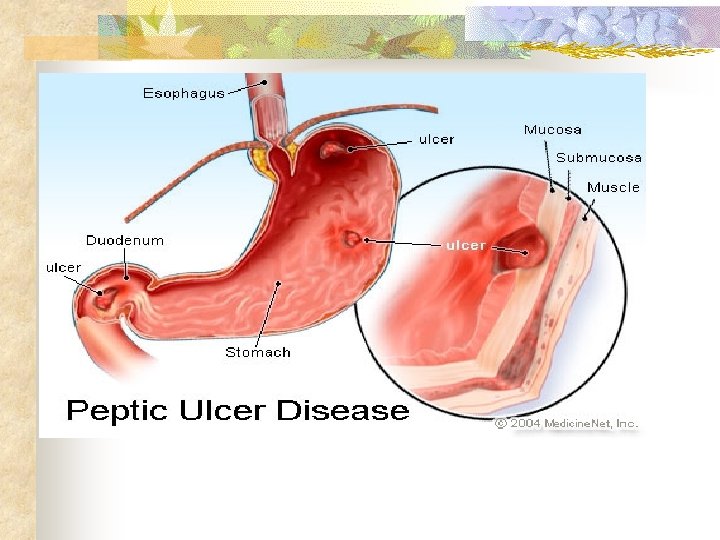
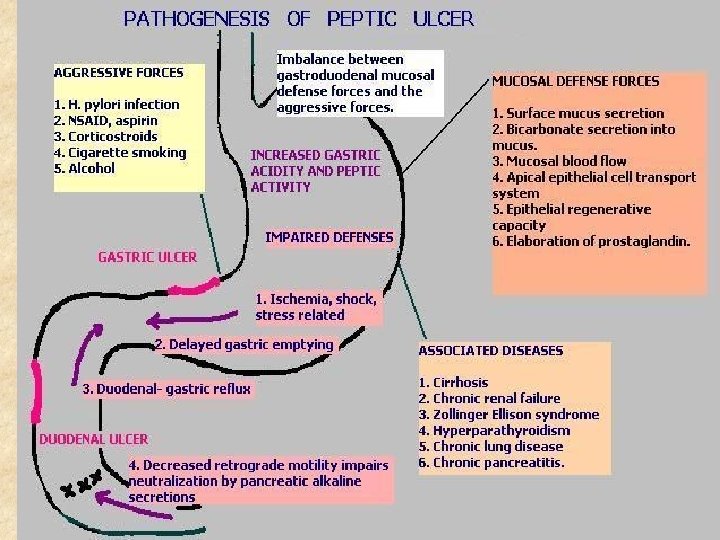
Peptic Ulcer Disease n n n Imbalance between mucosal defensive factors and aggressive factors Major defensive – mucus and bicarbonate Major aggressive – gastric acid, H. pylori, nonsteroidal anti-inflammatory drugs, pepsin
Defensive factors n n n Prevent the stomach and duodenum from being harmed (self-digestion). Mucus – continually secreted, protective effect Bicarb – secreted from endothelial cells, neutralized hydrogen ions Blood flow – good blood flow helps to maintain mucosal integrity Prostaglandins – stimulate secretion of bicarb and mucus and help promote blood flow, suppress secretion of gastric acid
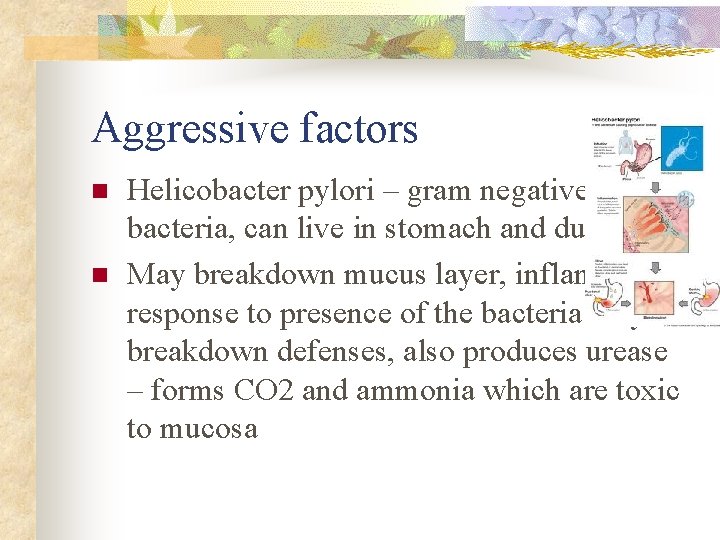
Aggressive factors n n Helicobacter pylori – gram negative bacteria, can live in stomach and duodenum May breakdown mucus layer, inflammatory response to presence of the bacteria may breakdown defenses, also produces urease – forms CO 2 and ammonia which are toxic to mucosa
Pepsin Smoking n n n NSAIDS – inhibit the production of prostaglandins Decrease blood flow, decrease mucus production and bicarb synthesis, promote gastric acid secretion Gastric Acid – also needs to be present for ulcer to form – activates pepsin and injures mucosa
Nondrug therapy n n Diet – change in eating pattern, 5 -6 small meals a day Smoking cessation, NSAID and ASA should be avoided whenever possible, avoid alcohol
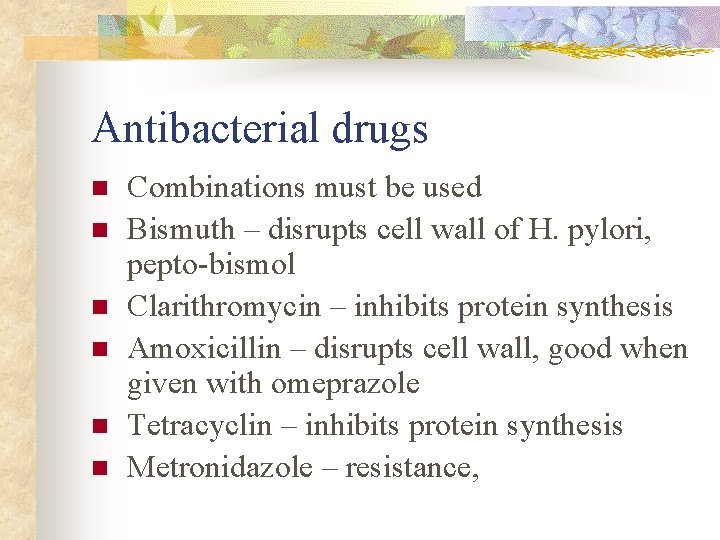
Antibacterial drugs n n n Combinations must be used Bismuth – disrupts cell wall of H. pylori, pepto-bismol Clarithromycin – inhibits protein synthesis Amoxicillin – disrupts cell wall, good when given with omeprazole Tetracyclin – inhibits protein synthesis Metronidazole – resistance,
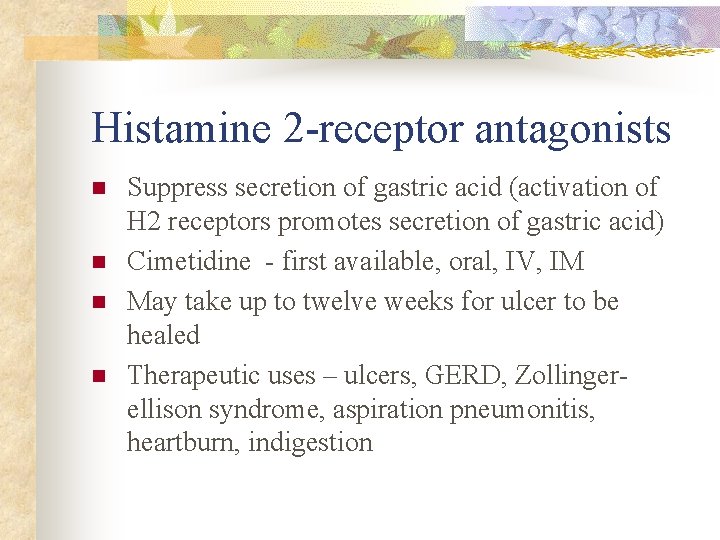
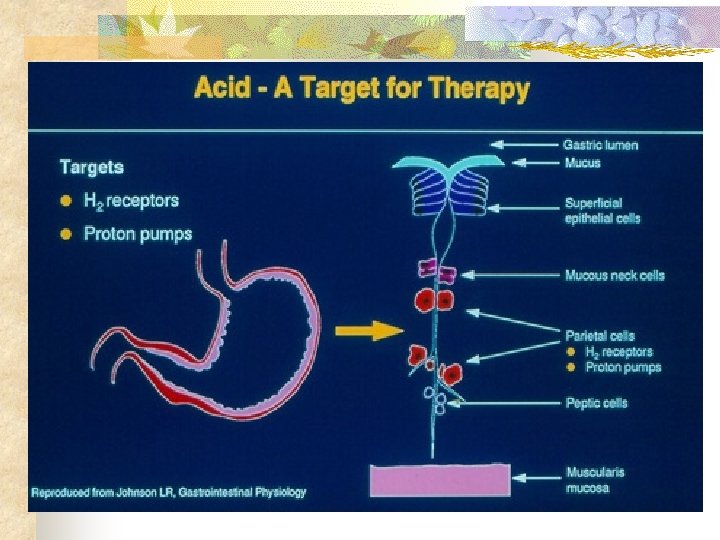
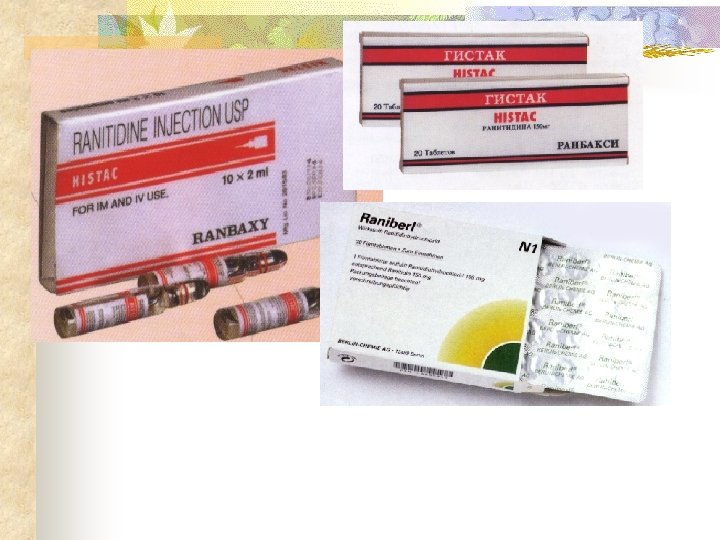
Histamine 2 -receptor antagonists n n Suppress secretion of gastric acid (activation of H 2 receptors promotes secretion of gastric acid) Cimetidine - first available, oral, IV, IM May take up to twelve weeks for ulcer to be healed Therapeutic uses – ulcers, GERD, Zollingerellison syndrome, aspiration pneumonitis, heartburn, indigestion
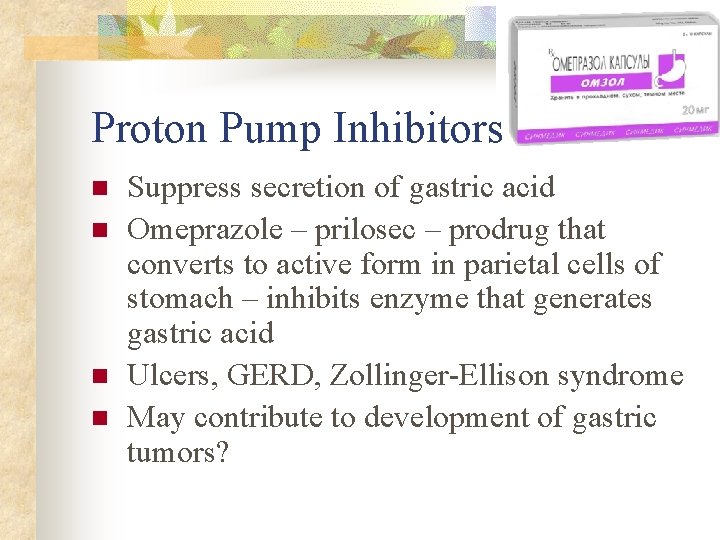
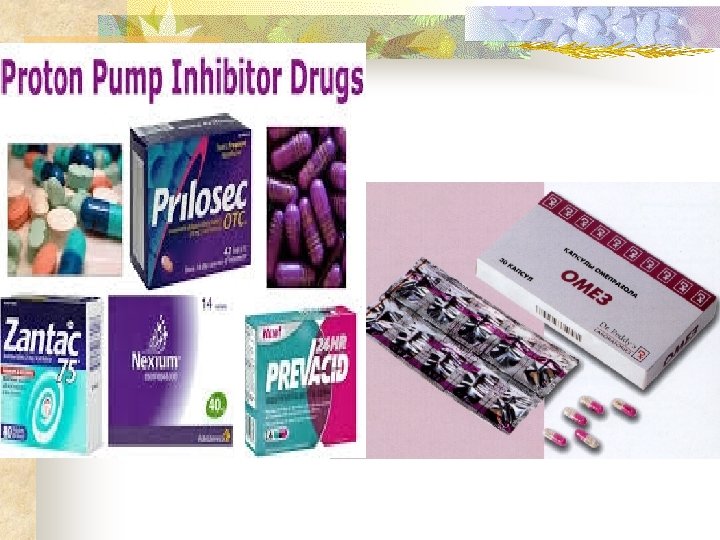
Proton Pump Inhibitors n n Suppress secretion of gastric acid Omeprazole – prilosec – prodrug that converts to active form in parietal cells of stomach – inhibits enzyme that generates gastric acid Ulcers, GERD, Zollinger-Ellison syndrome May contribute to development of gastric tumors?
Sucralfate n n Creates a protective barrier against acid and pepsin Form sticky gel that coats ulcer portion Given every 6 hours Very few side effects – minimal systemic absorption
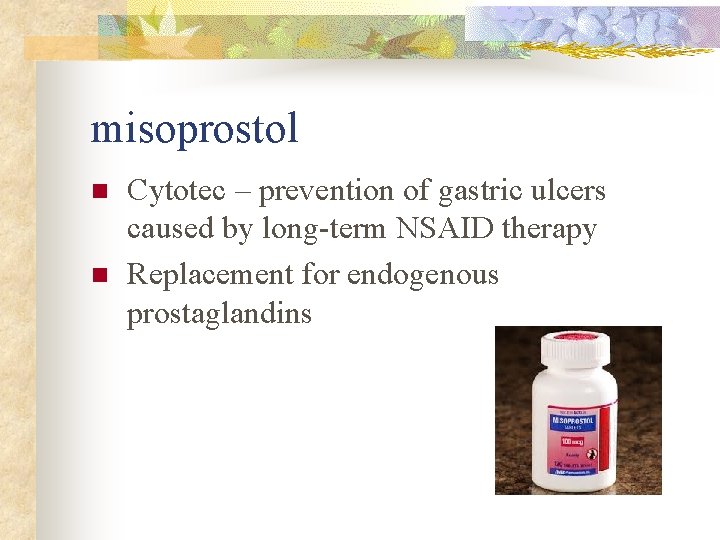
misoprostol n n Cytotec – prevention of gastric ulcers caused by long-term NSAID therapy Replacement for endogenous prostaglandins
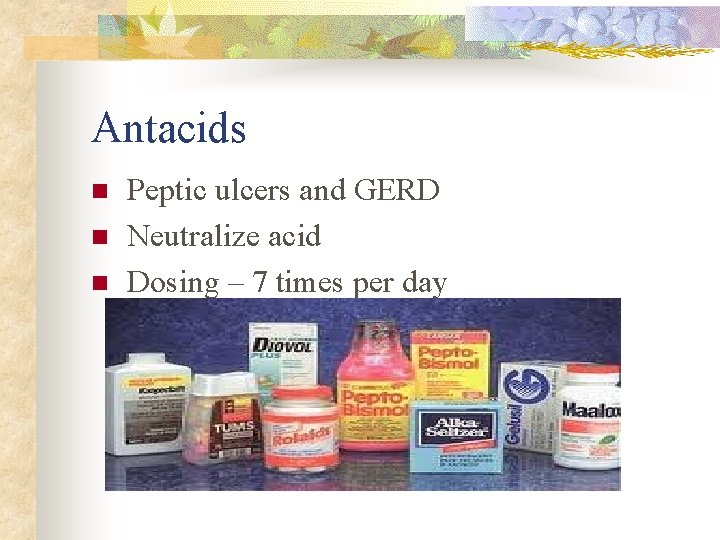
Antacids n n n Peptic ulcers and GERD Neutralize acid Dosing – 7 times per day
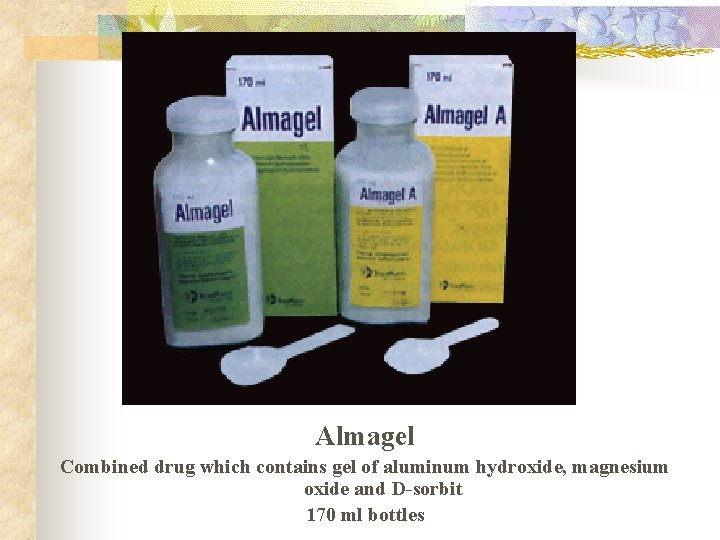
Almagel Combined drug which contains gel of aluminum hydroxide, magnesium oxide and D-sorbit 170 ml bottles
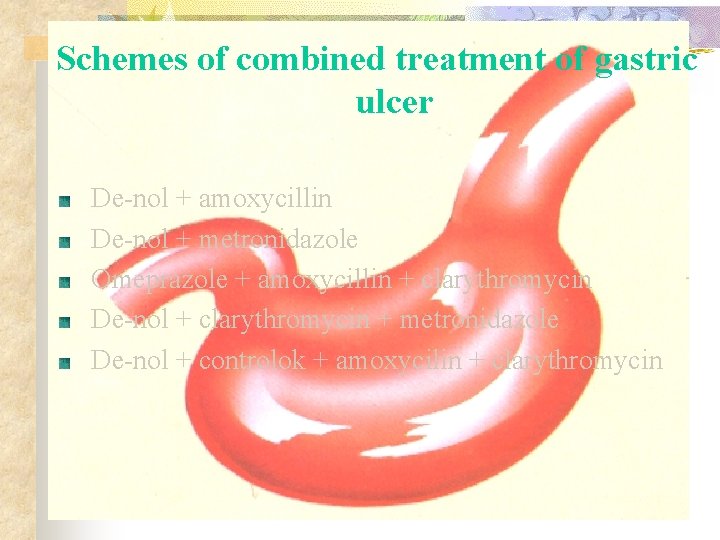
Schemes of combined treatment of gastric ulcer De-nol + amoxycillin De-nol + metronidazole Omeprazole + amoxycillin + clarythromycin De-nol + clarythromycin + metronidazole De-nol + controlok + amoxycilin + clarythromycin
Laxatives n n n Laxative effect – production of a soft formed stool over a period of 1 or more days Catharsis – prompt, fluid evacuation of the bowel, more intense Function of the colon – water and electrolyte absorption Bowel evacuation – individual Dietary fiber
Indications for laxative use n n n Pain associated with bowel movements To decrease amount of strain under certain conditions Evacuate bowel prior to procedures or examinations Remove poisons To relieve constipation caused by pregnancy or drugs
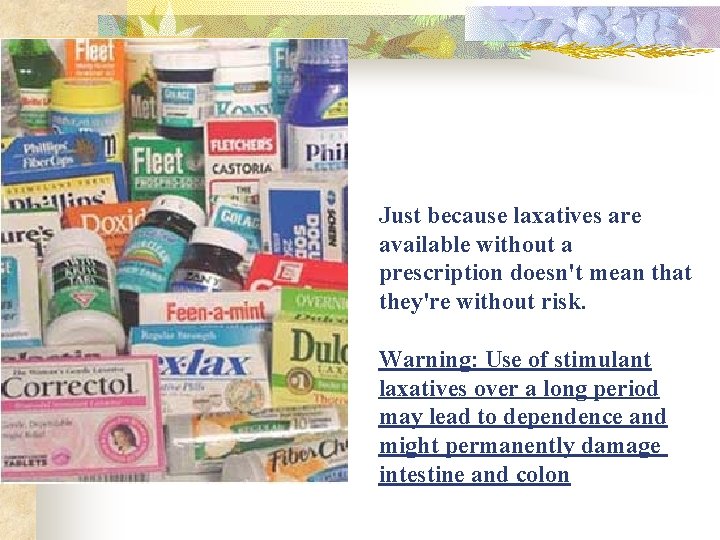
Just because laxatives are available without a prescription doesn't mean that they're without risk. Warning: Use of stimulant laxatives over a long period may lead to dependence and might permanently damage intestine and colon
Classifications n n n I – osmotic (high doses) II – osmotic (low doses), stimulant except castor oil – most frequently abused III – bulk-forming, surfactant
Bulk-forming n n n Identical to fiber – soften fecal mass, increasing bulk Temporary treatment of constipation, preferred for patients with inflammatory bowel diseases May help with diarrhea
Adverse reactions n n Not absorbed – no systemic effects Must take with sufficient water Intestinal, esophageal obstruction Metamucil, citrucel
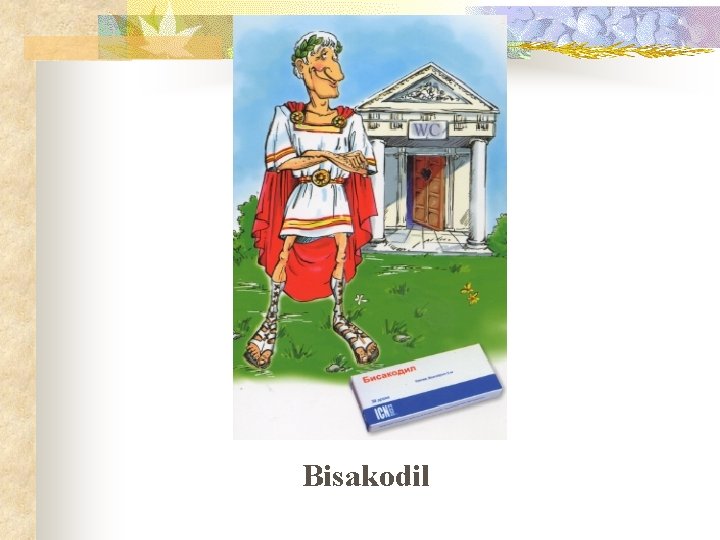
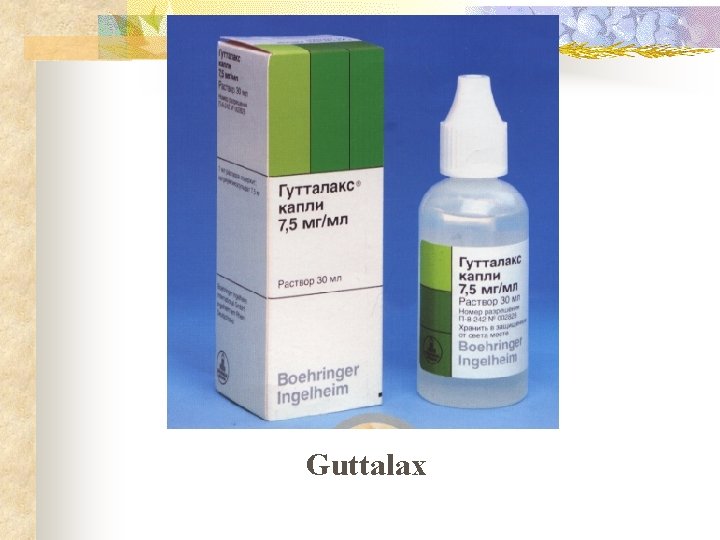
Surfactant laxatives n n Bisacodyl, castor oil Stimulate intestinal motility Increase water and electrolytes in intestinal lumen Produce stool within 6 -12 hours
Bisakodil
Guttalax
Miscellaneous laxatives n n Mineral oil Lactulose Glycerin suppository Polyethylene glycol-electrolyte solutions
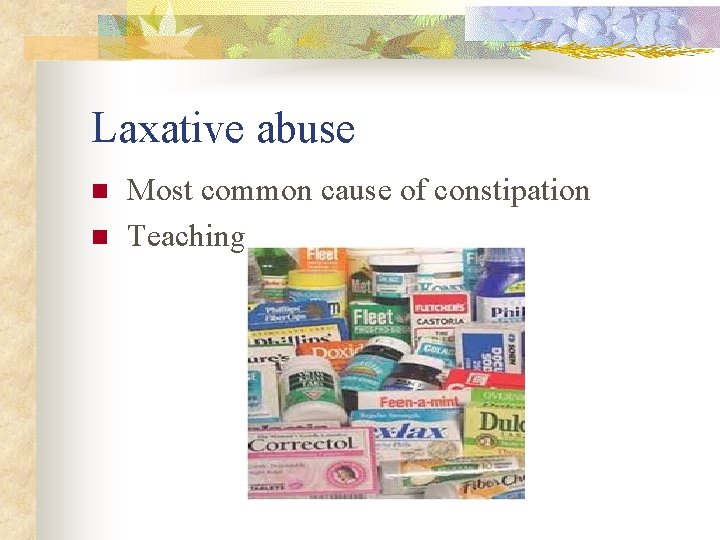
Laxative abuse n n Most common cause of constipation Teaching
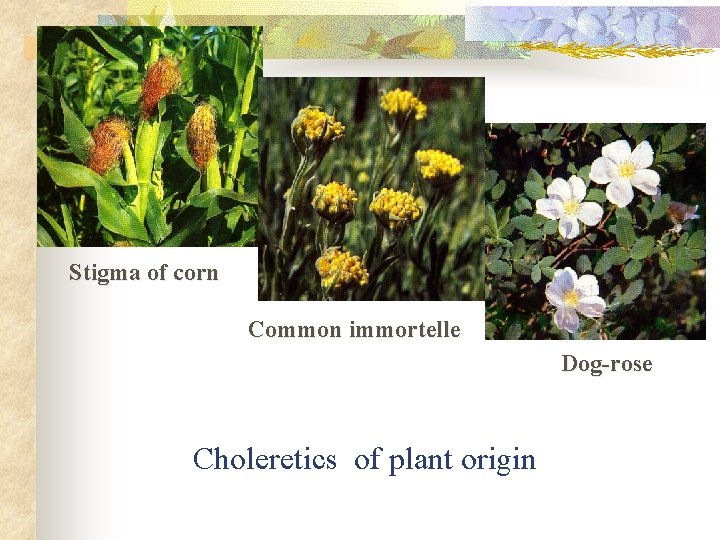
Stigma of corn Common immortelle Dog-rose Choleretics of plant origin
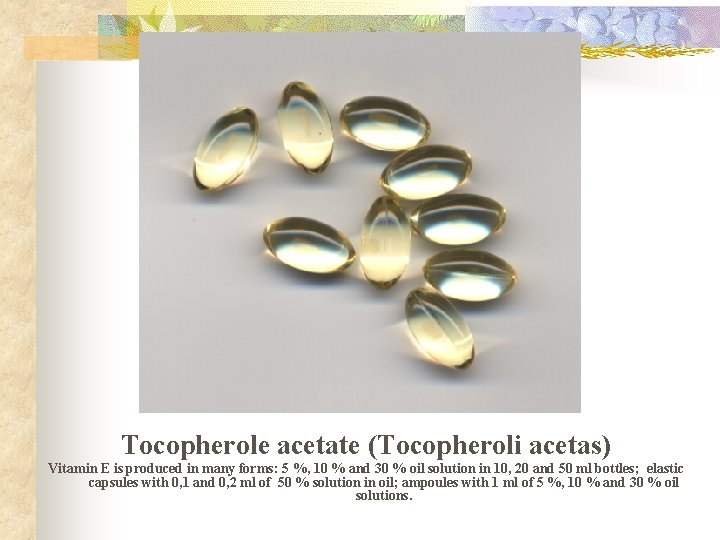
Tocopherole acetate (Tocopheroli acetas) Vitamin E is produced in many forms: 5 %, 10 % and 30 % oil solution in 10, 20 and 50 ml bottles; elastic capsules with 0, 1 and 0, 2 ml of 50 % solution in oil; ampoules with 1 ml of 5 %, 10 % and 30 % oil solutions.
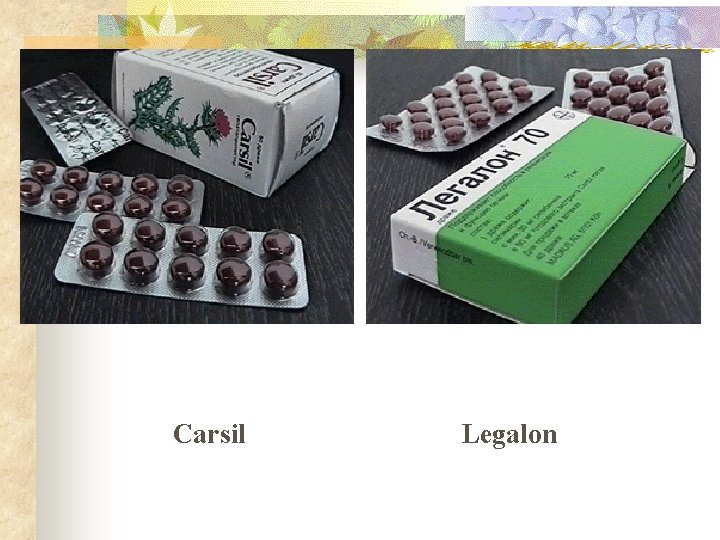
Carsil Legalon
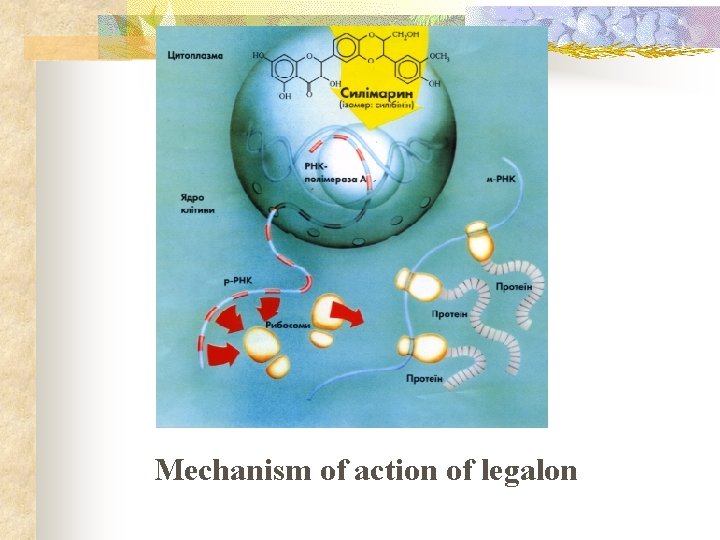
Mechanism of action of legalon
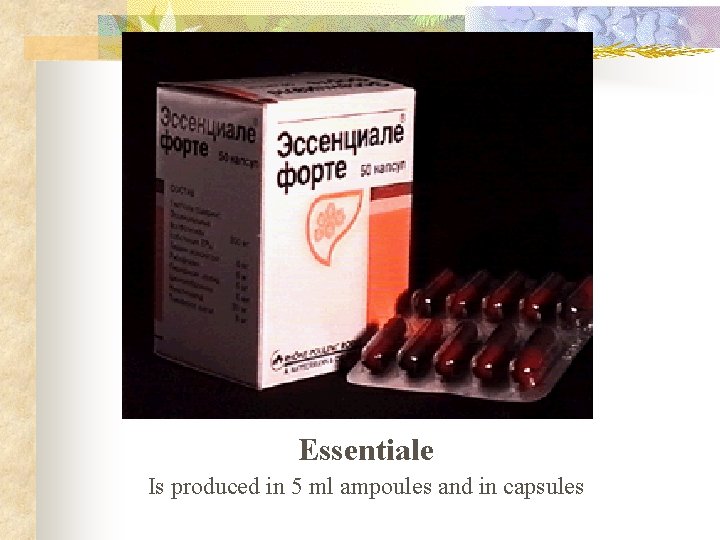
Essentiale Is produced in 5 ml ampoules and in capsules
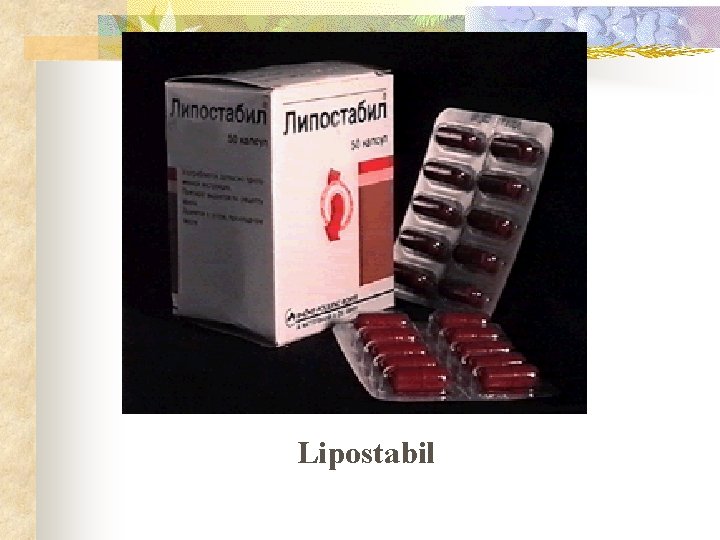
Lipostabil
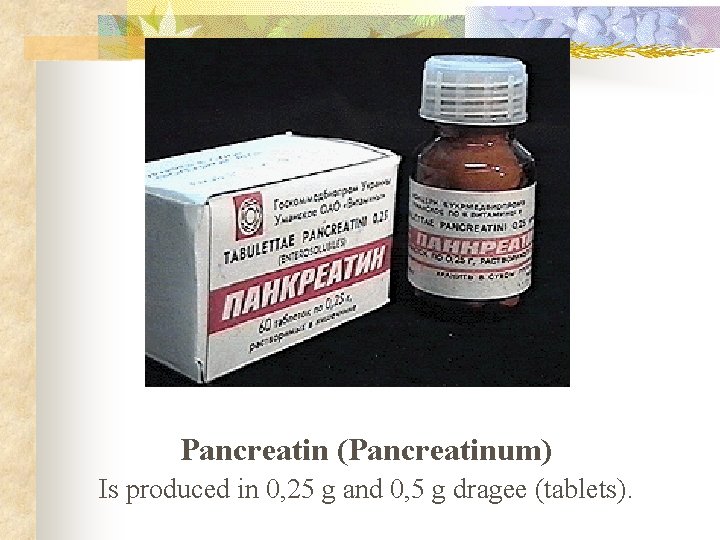
Pancreatin (Panсreatinum) Is produced in 0, 25 g and 0, 5 g dragee (tablets).
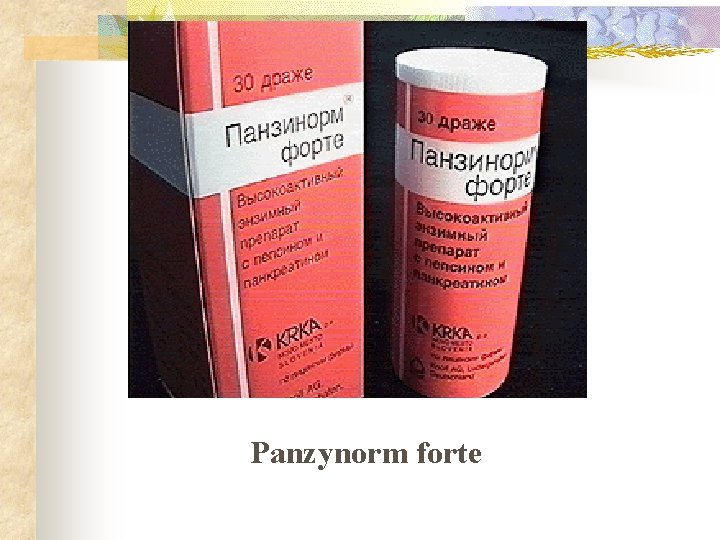
Panzynorm forte
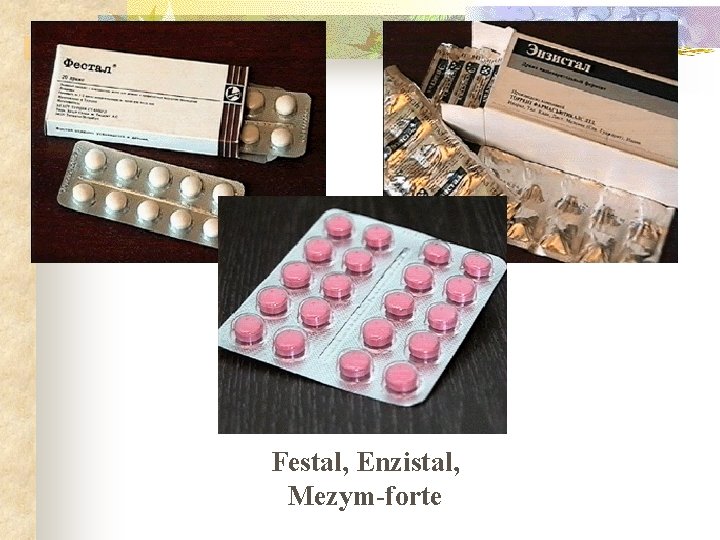
Festal, Enzistal, Mezym-forte
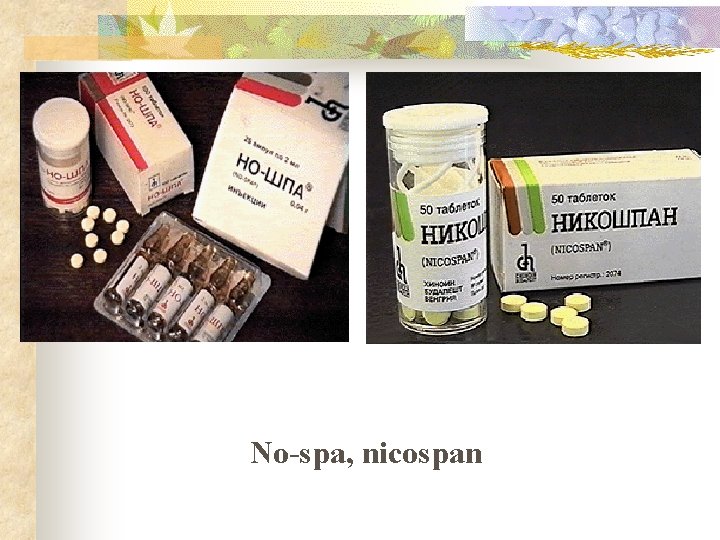
No-spa, nicospan
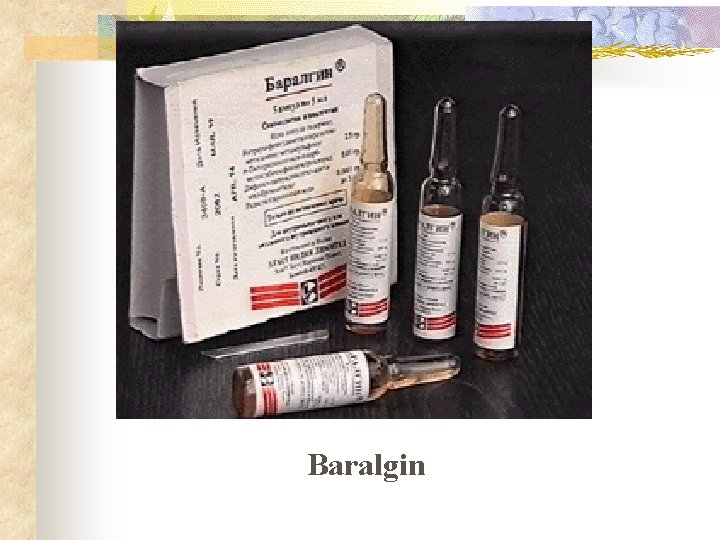
Baralgin
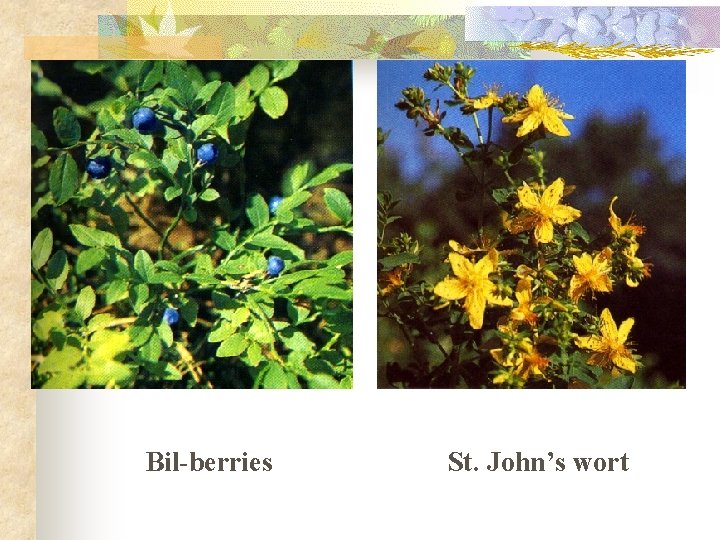
Bil-berries St. John’s wort
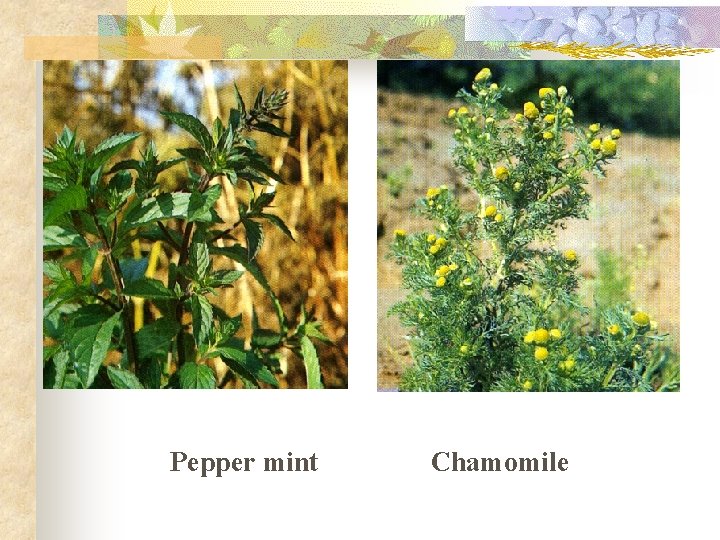
Pepper mint Chamomile