
Pharmacology in Nursing Thyroid and Antithyroid Drugs Thyroid
- Slides: 27
Pharmacology in Nursing Thyroid and Antithyroid Drugs
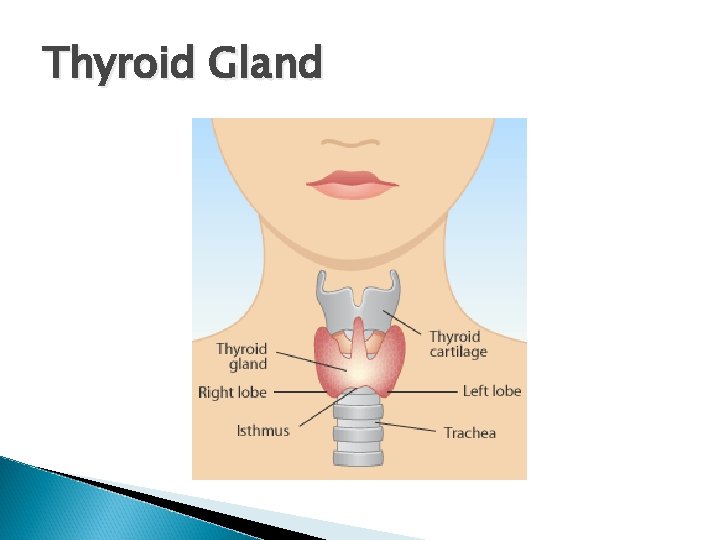
Thyroid Gland � Secretes three hormones essential for proper regulation of metabolism ◦ Thyroxine (T 4) ◦ Triiodothyronine (T 3) ◦ Calcitonin � Located near the parathyroid gland ◦ Which is responsible for maintaining adequate levels of calcium in the extracellular fluid
Thyroid Gland
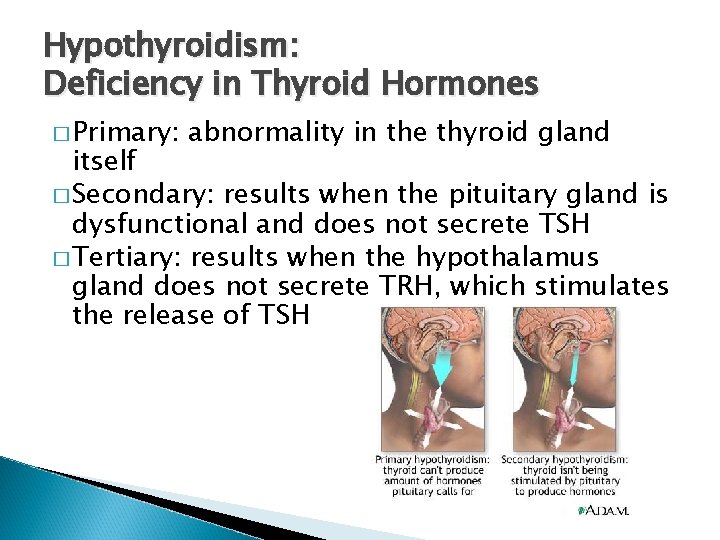
Hypothyroidism: Deficiency in Thyroid Hormones � Primary: abnormality in the thyroid gland itself � Secondary: results when the pituitary gland is dysfunctional and does not secrete TSH � Tertiary: results when the hypothalamus gland does not secrete TRH, which stimulates the release of TSH
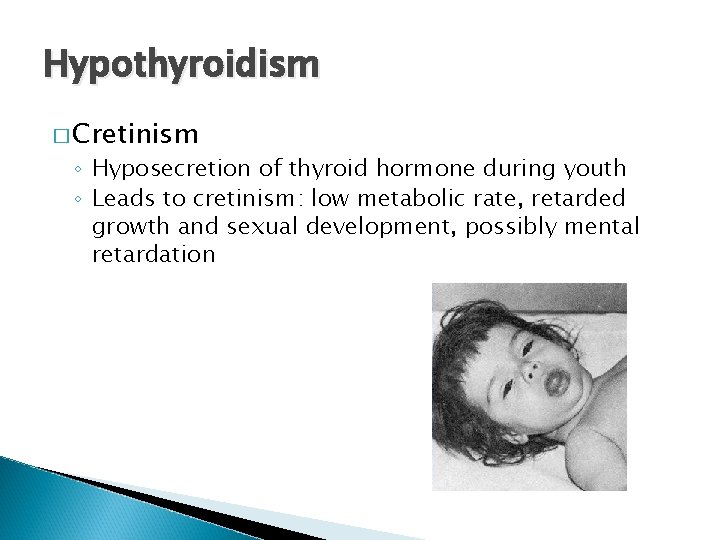
Hypothyroidism � Cretinism ◦ Hyposecretion of thyroid hormone during youth ◦ Leads to cretinism: low metabolic rate, retarded growth and sexual development, possibly mental retardation
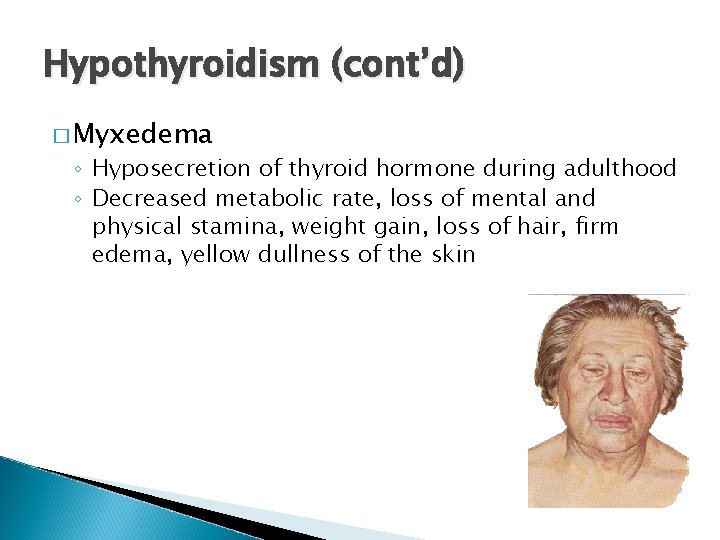
Hypothyroidism (cont’d) � Myxedema ◦ Hyposecretion of thyroid hormone during adulthood ◦ Decreased metabolic rate, loss of mental and physical stamina, weight gain, loss of hair, firm edema, yellow dullness of the skin
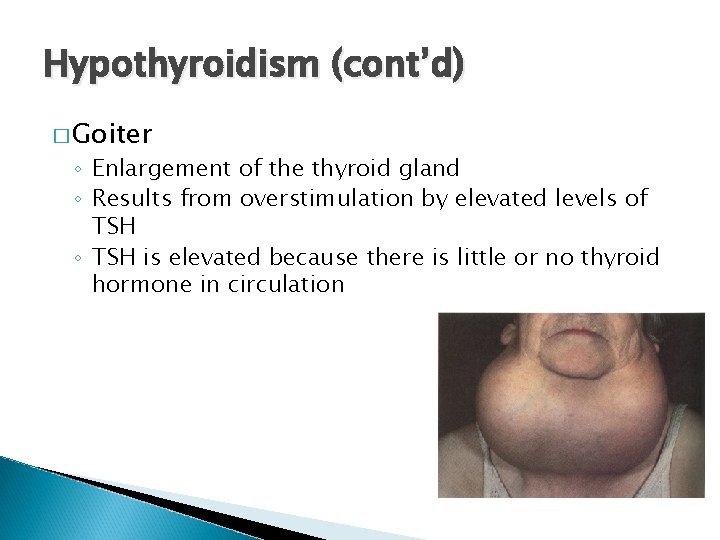
Hypothyroidism (cont’d) � Goiter ◦ Enlargement of the thyroid gland ◦ Results from overstimulation by elevated levels of TSH ◦ TSH is elevated because there is little or no thyroid hormone in circulation
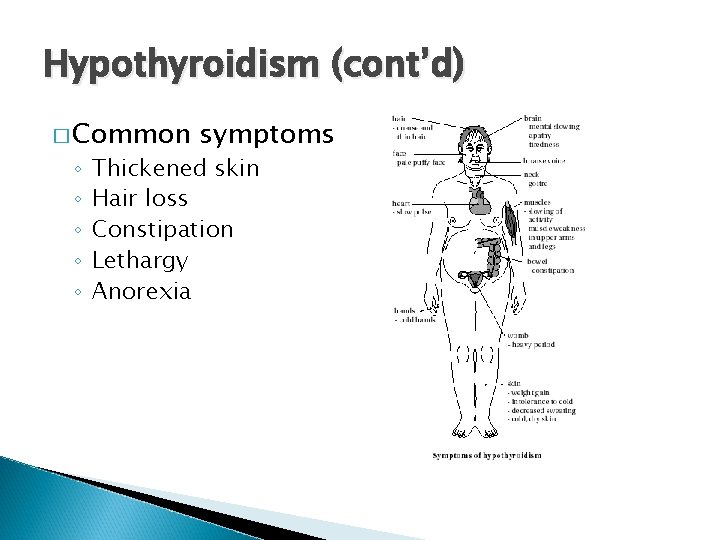
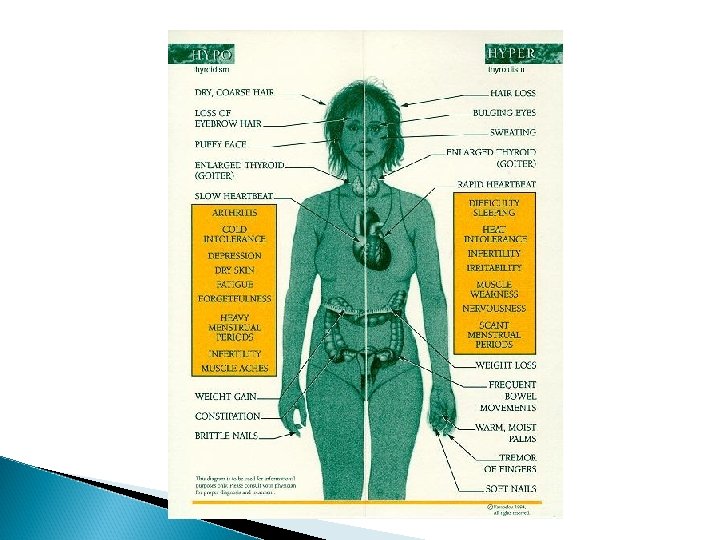
Hypothyroidism (cont’d) � Common ◦ ◦ ◦ symptoms Thickened skin Hair loss Constipation Lethargy Anorexia
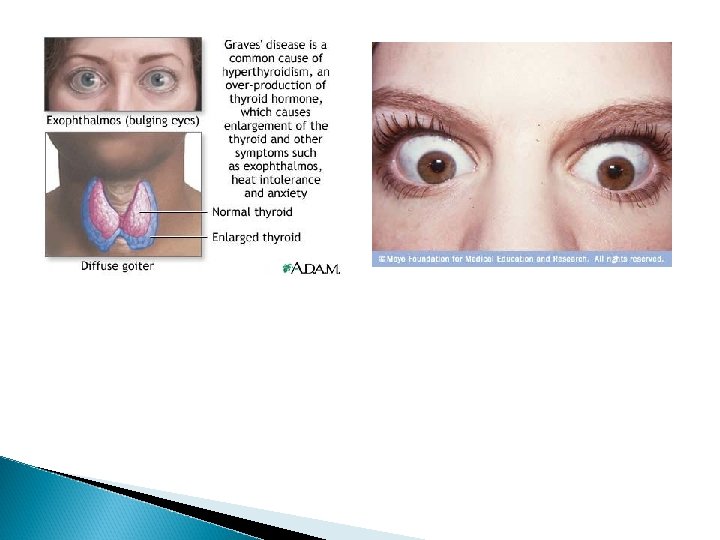
Hyperthyroidism: Excessive Thyroid Hormones � Caused ◦ ◦ by several diseases Graves’ disease Plummer’s disease (toxic nodular disease) Multinodular disease Thyroid storm (induced by stress or infection)
Hyperthyroidism � Affects multiple body systems, resulting in an overall increase in metabolism ◦ ◦ ◦ Diarrhea Flushing Increased appetite Muscle weakness Sleep disorders Altered menstrual flow Ø Fatigue Ø Palpitations Ø Nervousness Ø Heat intolerance Ø Irritability
Thyroid Preparations � levothyroxine (Synthroid, Levothyroidl) ◦ Synthetic thyroid hormone T 4 � liothyronine (Cytomel) ◦ Synthetic thyroid hormone T 3 � liotrix (Thyrolar) ◦ Synthetic thyroid hormone T 3 -T 4 combined � Thyroid ◦ Desiccated (dried) animal thyroid gland
Mechanism of Action � Thyroid preparations are given to replace what the thyroid gland cannot produce to achieve normal thyroid levels (euthyroid) � Thyroid drugs work the same way as thyroid hormones
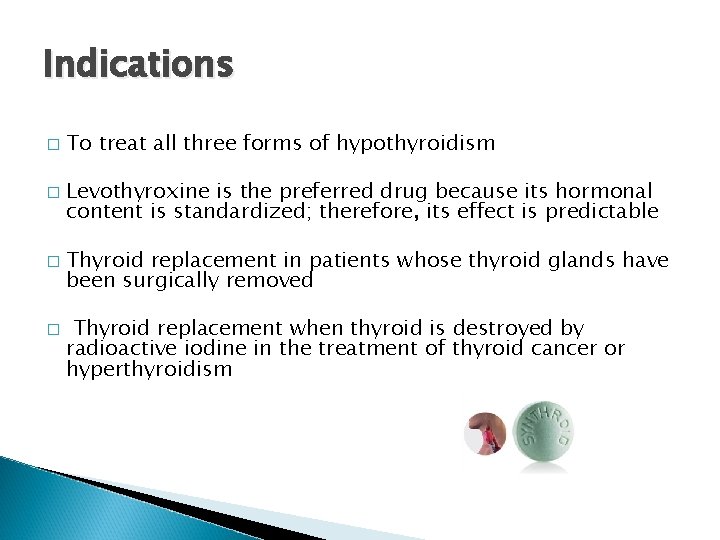
Indications � � To treat all three forms of hypothyroidism Levothyroxine is the preferred drug because its hormonal content is standardized; therefore, its effect is predictable Thyroid replacement in patients whose thyroid glands have been surgically removed Thyroid replacement when thyroid is destroyed by radioactive iodine in the treatment of thyroid cancer or hyperthyroidism
Adverse Effects � Cardiac dysrhythmias are the most significant adverse effect � May also cause: ◦ Tachycardia, palpitations, angina, hypertension, insomnia, tremors, headache, anxiety, nausea, diarrhea, menstrual irregularities, weight loss, appetite changes, sweating, heat intolerance, others
Treatment of Hyperthyroidism � Radioactive iodine (I 131) works by destroying the thyroid gland � Surgery gland to remove all or part of the thyroid ◦ Lifelong thyroid hormone replacement will be needed
Treatment of Hyperthyroidism (cont’d) � Antithyroid drugs: thioamide derivatives ◦ methimazole (Tapazole) ◦ propylthiouracil (PTU)
Antithyroid Drugs � Used to palliate hyperthyroidism and to prevent the surge in thyroid hormones that occurs after the surgical treatment or during radioactive iodine treatment for hyperthyroidism � May cause liver and bone marrow toxicity
Nursing Implications � Assess for drug allergies, contraindications, potential drug interactions � Obtain baseline vital signs, weight � Cautious use advised for those with cardiac disease, hypertension, and pregnant women
Nursing Implications (cont’d) � During pregnancy, treatment for hypothyroidism should continue � Fetal growth may be retarded if maternal hypothyroidism is untreated during pregnancy ◦ Adjust dosage every 4 weeks to keep TSH at the lower end of the normal range
Nursing Implications (cont’d) � Teach patient to take thyroid drugs once daily in the morning to decrease the likelihood of insomnia if taken later in the day � Teach patient to take the medications at the same time every day and not to switch brands without physician approval
Nursing Implications (cont’d) � Teach patients to report any unusual symptoms, chest pain, or heart palpitations � Teach patients not to take OTC medications without physician approval � Teach patients that therapeutic effects may take several months to occur
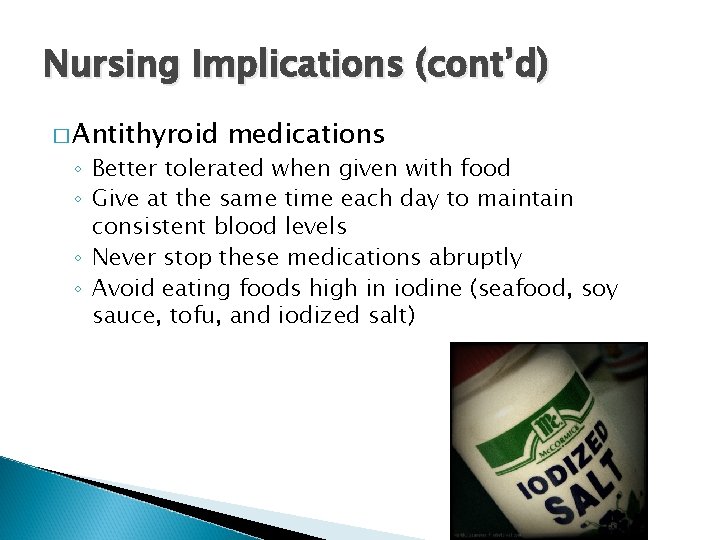
Nursing Implications (cont’d) � Antithyroid medications ◦ Better tolerated when given with food ◦ Give at the same time each day to maintain consistent blood levels ◦ Never stop these medications abruptly ◦ Avoid eating foods high in iodine (seafood, soy sauce, tofu, and iodized salt)
Nursing Implications (cont’d) � Monitor for therapeutic response � Monitor for adverse effects
Review � When assessing the older patient, the nurse keeps in mind that certain non-specfiic symptoms may represent hypothyroidism n older patients, such as: � A. Cold intolerance, depression. � B. Leukopenia, anemia. � C. Loss of appetite, polyuria. � D. Weight loss, dry cough.
Review � When teaching a patient who has a new prescription for thyroid hormone, the nurse should instruct the patient to notify the physician when which adverse effects are noted? � A. Anxiety. � B. Appetite changes � C. Headache. � D. Palpitations