
Pharmacogenetics Learning objectives 1 Definition of pharmacogenetics 2
Pharmacogenetics Learning objectives 1. Definition of pharmacogenetics 2. Examples of genetic polymorphism affecting pharmacokinetic & pharmacodynamic aspects of drugs 3. Slow and fast acetylation 4. G 6 PDdeficiency and drugs that cause hemolysis in G 6 PD deficient individuals
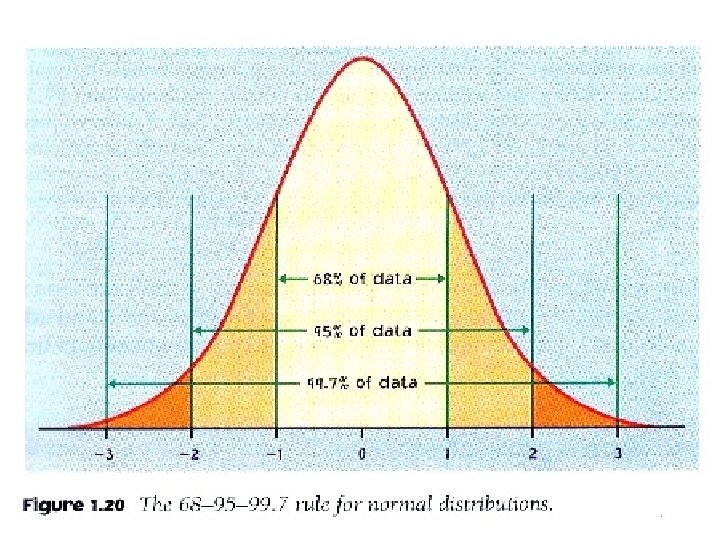
PHARMACOGENETICS Human beings are 99. 9% genetically identical. The remaining 0. 1%will determine our reactions to environment including drugs. Individuals in a population respond to a fixed dose of a drug as follows: 1)Continuous variation Some will show less than usual response, most will show the usual response and some will show more than the usual response, this is presented graphically as a normal or Guassian (bell shaped) distribution curve
Factors affecting this curve are: 1. Genetic factors (multiple genes) 2. Environmental factors including: race, sex, diet, weight, environmental & body temperature, circadian rhythm, pharmacokinetics and receptor density. Note no single factor has a prominent effect.
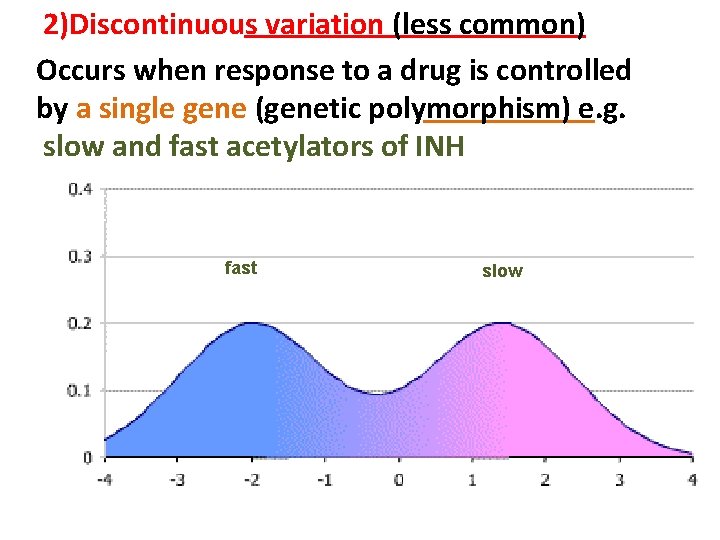
2)Discontinuous variation (less common) Occurs when response to a drug is controlled by a single gene (genetic polymorphism) e. g. slow and fast acetylators of INH fast slow
Pharmacogenetics Is the study of genetically determined variation in response to drugs. Single genes encode for particular enzymes and variant alleles produce enzymes of differing metabolic capacity that induce increased, decreased and bizarre (idiosyncratic) responses to drugs i. e. pharmacogenetic polymorphism.
Heritable conditions affecting metabolism A)Acetylation Is an important route of metabolism for many drugs that possess an amide (-NH 2 ) group. Most individuals are either rapid or slow acetylators but the proportion varies greatly between races e. g. 90% of Japanese are rapid acetylators, 50% or less of Western populations are rapid acetylators
1. INH is a drug used in TB, it is inactivated by conjugation with an acetyl group and the rate of the reaction is bimodally distributed. In slow acetylators the patient will develop peripheral neuropathy with numbness and tingling of the hands and feet. INH is a structural analogue to pyridoxine and facilitates its excretion, so pyridoxine deficiency occurs more in slow acetylators, therefore it should be added to anti. TB regimen.
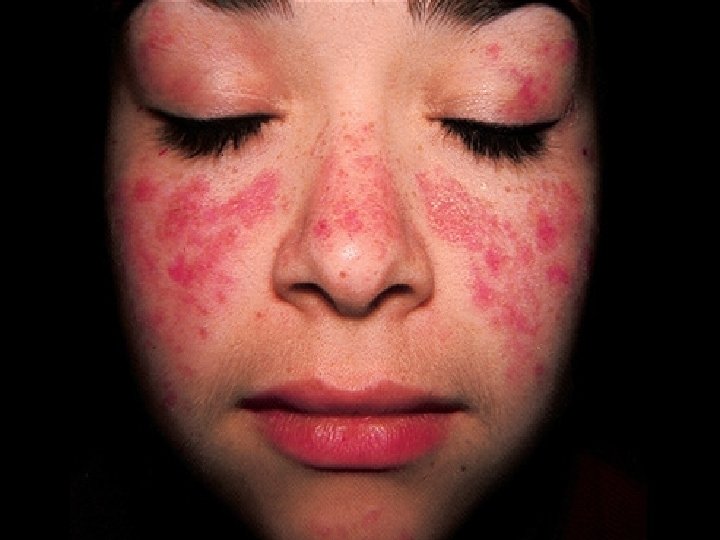
In rapid acetylators it causes acute hepatocellular necrosis because they more readily form hepatotoxic metabolite (acetyl hydrazine). 2. Hydralazine & procainamide Cause antinuclear Abs in plasma of slow acetylators and some proceed to SLE.
3. Sulfasalazine causes adverse effects more commonly in slow acetylators because of the sulfapyridine component(which is inactivated by acetylation )causing red cell damage and mild haemolysis. 4. Dapsone causes red cell haemolysis in slow acetylators,
B)Pseudo cholinesterase deficiency (suxamethonium sensitivity) Plasma pseudo cholinesterase is responsible for termination of activity of suxamethonium (neuromuscular blocking agent). Affected individuals form so little plasma pseudo cholinesterase that the metabolism of suxamethonium is seriously reduced. So the patient fails to breathe spontaneously after surgical anesthesia and requires assisted ventilation for hours.
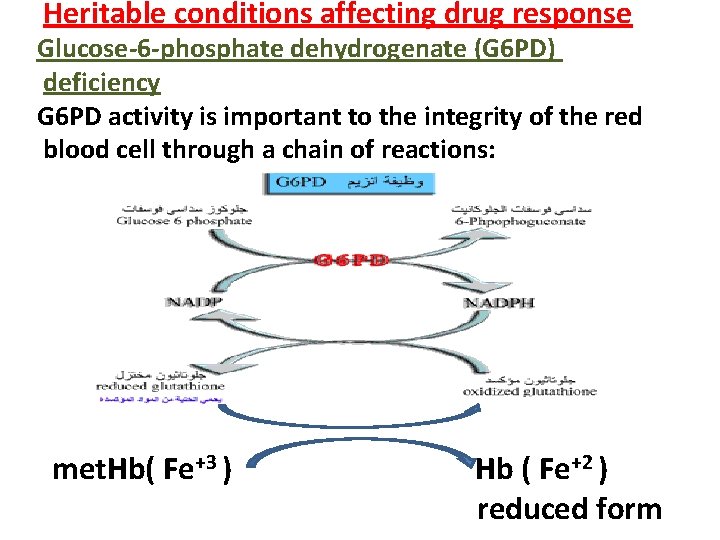
Heritable conditions affecting drug response Glucose-6 -phosphate dehydrogenate (G 6 PD) deficiency G 6 PD activity is important to the integrity of the red blood cell through a chain of reactions: met. Hb( Fe+3 ) Hb ( Fe+2 ) reduced form
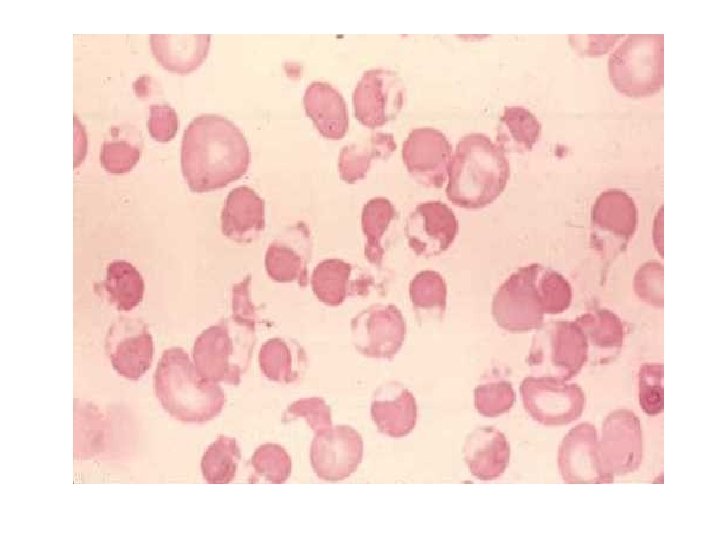
2. Reduced glutathione is necessary to keep Hb in reduced(Fe+2) rather (Fe+3) oxidized (met. Hb) which is useless for O 2 carriage. 3. Build up of met. Hb in erythrocytes impairs the function of sulfhydryl group especially those associated with the stability of the cell membrane.
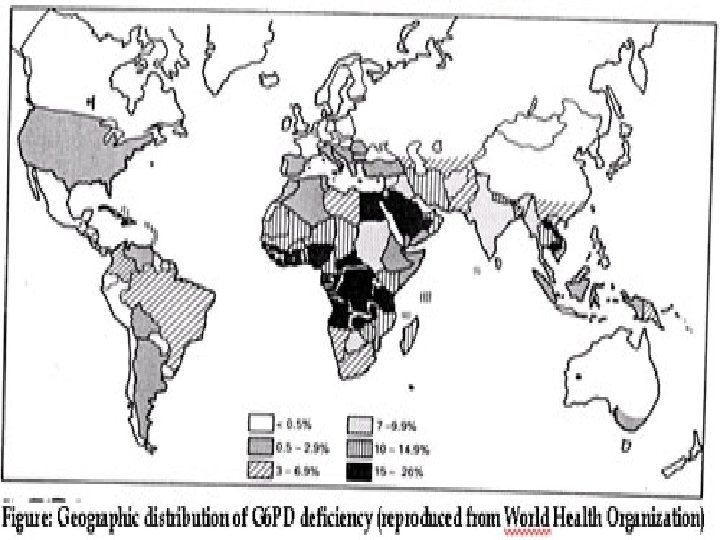
*G 6 PD deficiency is determined by sex-linked gene carried on x-chromosome. *G 6 PD deficiency is said to be the most common enzyme deficiency in the world affecting almost 400 million people globally. *African, Middle Eastern and South Asian population are affected the most
Haemolysis occurs in G 6 PD-deficient subjects if they are exposed to certain oxidant substances which include: 1. Drugs are of 2 types: a)Those that carry definite risk of haemolysis including: dapsone, methylene blue, nitrofurantoin, pamaquine, primaquine, quinolone antimicrobials, some sulfonamides.
b)Those that carry possible risk of haemolysis including: aspirin (dose>1 g/day), menadione, probenecid, quinidine, chloroquine, quinine, chloramphenicol. 2. Chemical substances including: Nitrates, anilines, naphthalenes (found in moth balls).
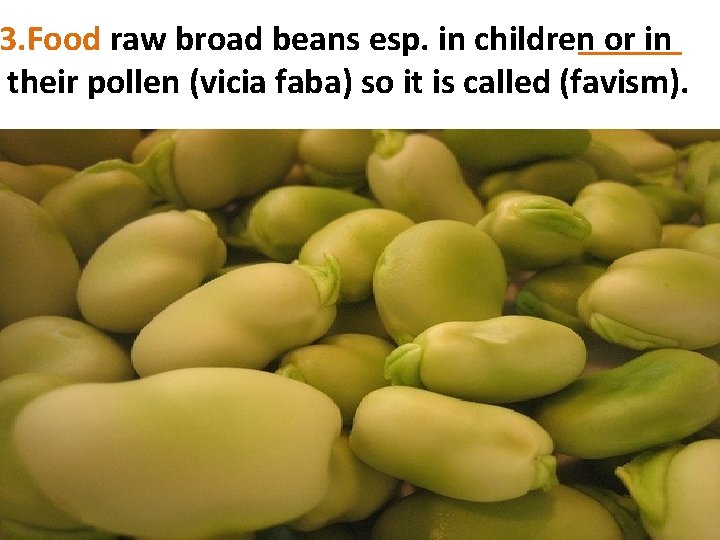
3. Food raw broad beans esp. in children or in their pollen (vicia faba) so it is called (favism).
Note *Haemolysis occurs 2 -3 days after using the drug and is self limiting *only older cells with least enzymes are affected
- Slides: 21