
Pharmaceutical RD Process Why do Clinical Trials Fail
- Slides: 13
Pharmaceutical R&D Process – Why do Clinical Trials Fail? Erika Buonansegna, Ph. D Student DTU Management Engineering Supervisors: Søren Salomo, DTU Management Engineering Anja Maier, DTU Management Engineering Jason Li-Ying, DTU Management Engineering Carsten Schultz, Kiel University, Germany Collaborating partner: Medidata Solutions, Inc. , New York 1
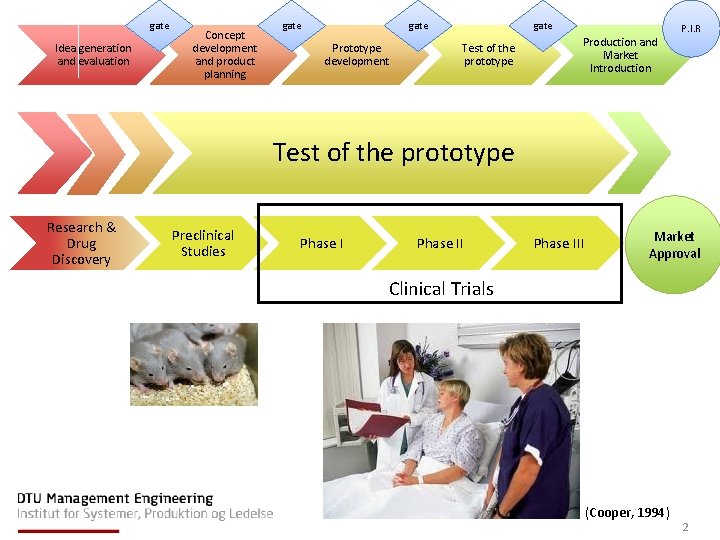
gate Idea generation and evaluation Concept development and product planning gate Prototype development gate Test of the prototype Production and Market Introduction P. I. R Test of the prototype Research & Drug Discovery Preclinical Studies Phase III Market Approval Clinical Trials (Cooper, 1994) 2
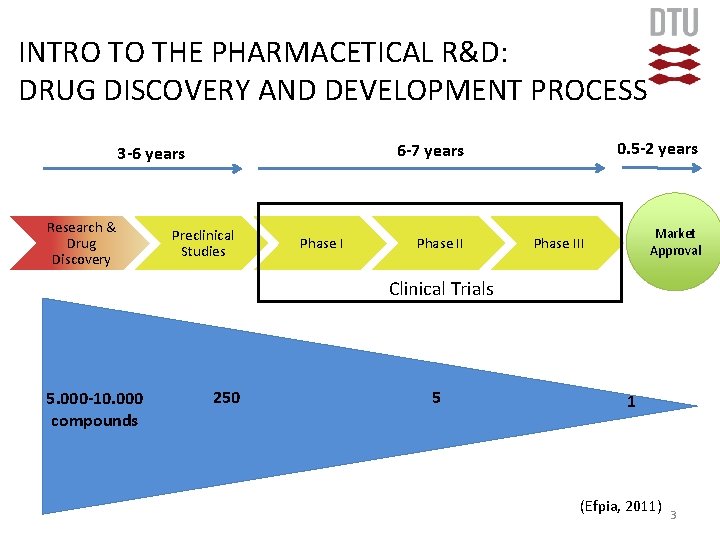
INTRO TO THE PHARMACETICAL R&D: DRUG DISCOVERY AND DEVELOPMENT PROCESS Research & Drug Discovery 0. 5 -2 years 6 -7 years 3 -6 years Preclinical Studies Phase II Market Approval Phase III Clinical Trials 5. 000 -10. 000 compounds 250 5 1 (Efpia, 2011) 3
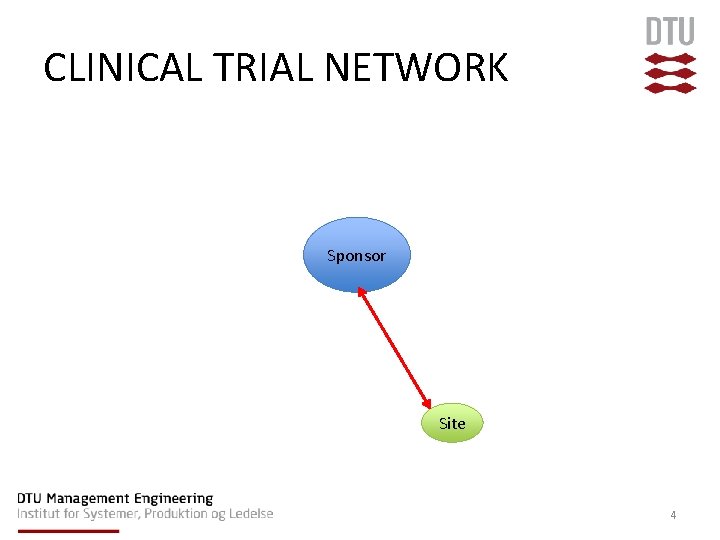
CLINICAL TRIAL NETWORK Sponsor Site 4
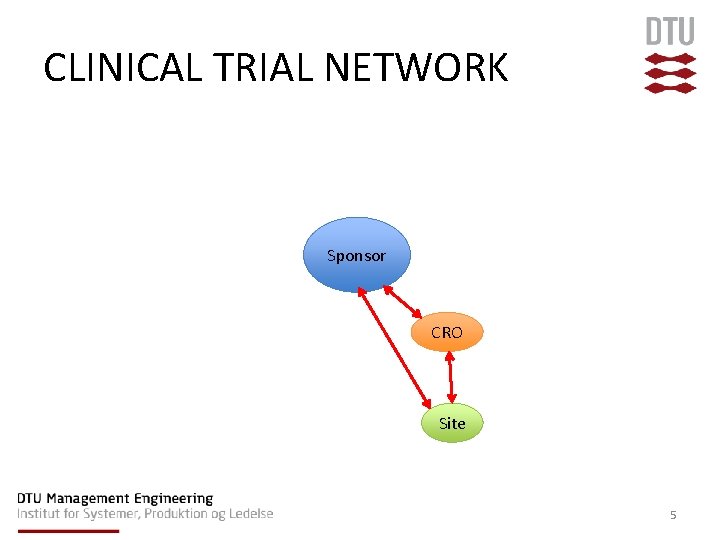
CLINICAL TRIAL NETWORK Sponsor CRO Site 5
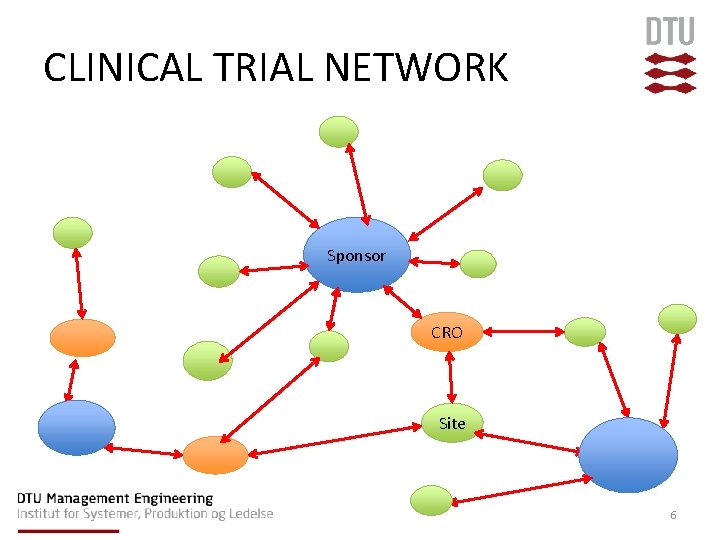
CLINICAL TRIAL NETWORK Sponsor CRO Site 6
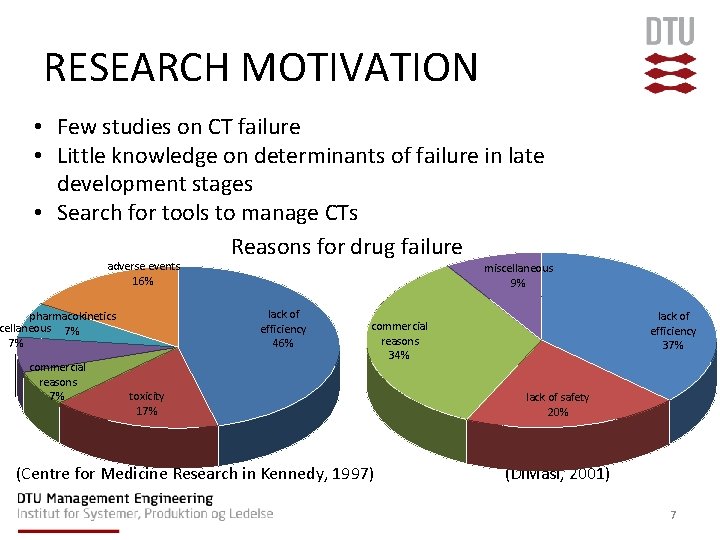
RESEARCH MOTIVATION • Few studies on CT failure • Little knowledge on determinants of failure in late development stages • Search for tools to manage CTs Reasons for drug failure adverse events 16% lack of efficiency 46% pharmacokinetics cellaneous 7% 7% commercial reasons 7% miscellaneous 9% lack of efficiency 37% commercial reasons 34% toxicity 17% (Centre for Medicine Research in Kennedy, 1997) lack of safety 20% (Di. Masi, 2001) 7
RESEARCH AIM AND QUESTIONS Refine the understanding on failures in clinical trials as a late development stage. Research Questions: (1) “What causes failure of clinical trials? ” (2) “Can such causes be systematically mapped? ” (3) “Does the assessment of clinical trial failures provide insights into a more general concept of NPD failure during later stages of the development process? ” 8
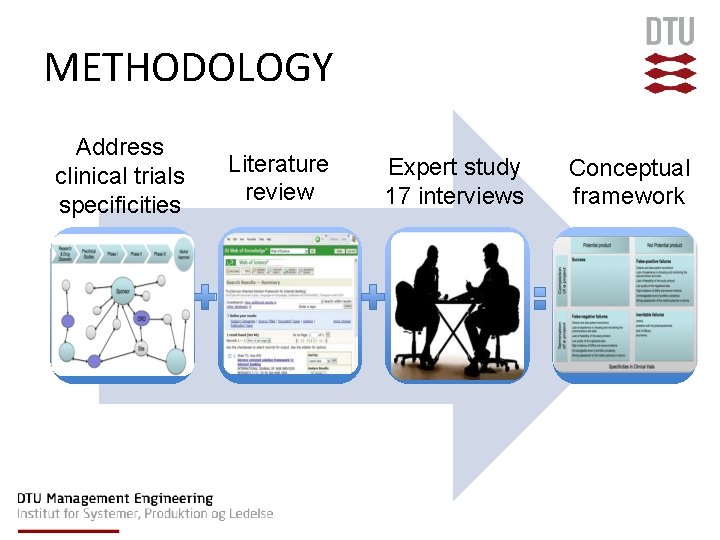
METHODOLOGY Address clinical trials specificities 9 Literature review Expert study 17 interviews Conceptual framework
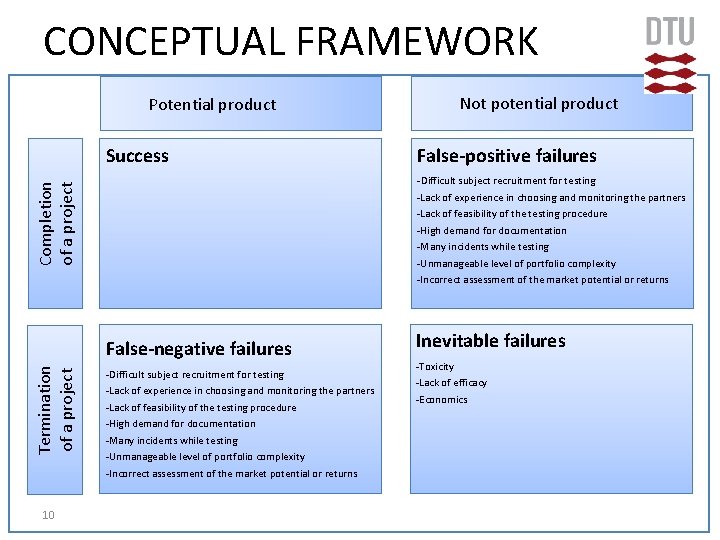
CONCEPTUAL FRAMEWORK Potential product Success Completion of a project Termination of a project False-positive failures -Difficult subject recruitment for testing -Lack of experience in choosing and monitoring the partners -Lack of feasibility of the testing procedure -High demand for documentation -Many incidents while testing -Unmanageable level of portfolio complexity -Incorrect assessment of the market potential or returns False-negative failures 10 Not potential product -Difficult subject recruitment for testing -Lack of experience in choosing and monitoring the partners -Lack of feasibility of the testing procedure -High demand for documentation -Many incidents while testing -Unmanageable level of portfolio complexity -Incorrect assessment of the market potential or returns Inevitable failures -Toxicity -Lack of efficacy -Economics
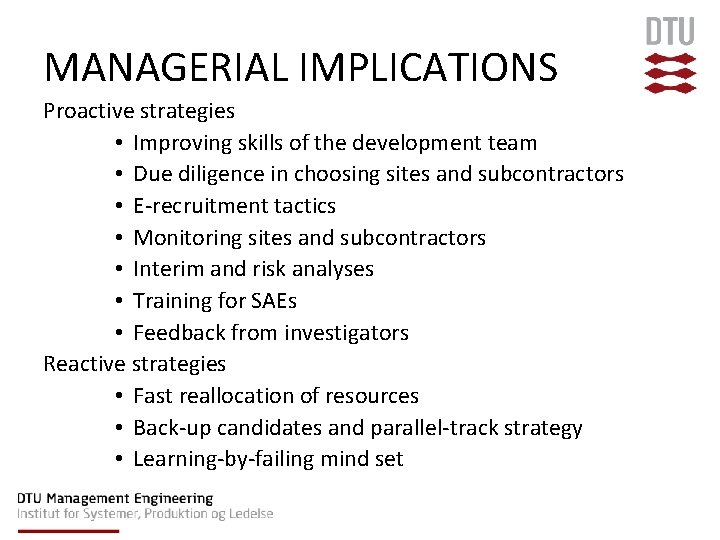
MANAGERIAL IMPLICATIONS Proactive strategies • Improving skills of the development team • Due diligence in choosing sites and subcontractors • E-recruitment tactics • Monitoring sites and subcontractors • Interim and risk analyses • Training for SAEs • Feedback from investigators Reactive strategies • Fast reallocation of resources • Back-up candidates and parallel-track strategy • Learning-by-failing mind set 11
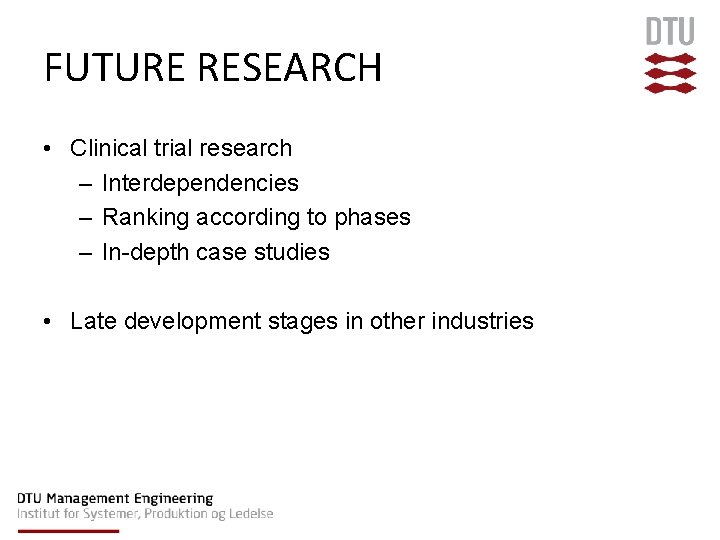
FUTURE RESEARCH • Clinical trial research – Interdependencies – Ranking according to phases – In-depth case studies • Late development stages in other industries 12
Erika Buonansegna Ph. D Student Technical University of Denmark DTU Management Engineering Produktionstorvet, Bygning 426 2800 Kgs. Lyngby Denmark erbou@dtu. dk 13