
PGT 320 Chapter 8 INVERTERS converting ac to
- Slides: 55
PGT 320 Chapter 8 INVERTERS (converting ac to dc) Prepared by: Khairul Affendi Rosli, Msc Copyright © The Mc. Graw-Hill Companies, Inc. Permission required for reproduction or display.
INVERTERS q q q q FULL-BRIDGE CONVERTER SQUARE-WAVE INVERTER FOURIER SERIES ANALYSIS TOTAL HARMONIC DISTORTION PSPICE SIMULATION OF SQUARE-WAVE INVERTERS AMPLITUDE AND HARMONIC CONTROL HALF-BRIDGE INVERTER MULTILEVEL INVERTERS PULSE-WIDTH-MODULATED OUTPUT PWM DEFINITIONS AND CONSIDERATIONS PWM HARMONICS CLASS D AUDIO AMPLIFIERS SIMULATION OF PULSE-WIDTH-MODULATED INVERTERS THREE-PHASE INVERTERS PSPICE SIMULATION OF THREE-PHASE INVERTERS INDUCTION MOTOR SPEED CONTROL Copyright © The Mc. Graw-Hill Companies, Inc. Permission required for reproduction or display.
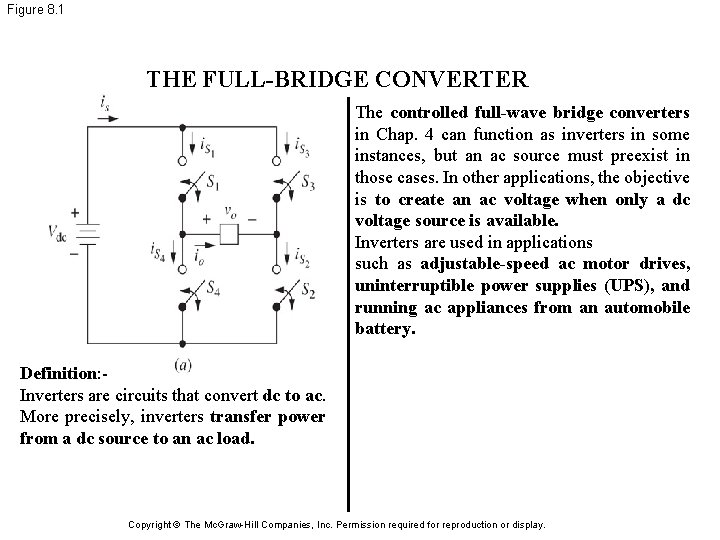
Figure 8. 1 THE FULL-BRIDGE CONVERTER The controlled full-wave bridge converters in Chap. 4 can function as inverters in some instances, but an ac source must preexist in those cases. In other applications, the objective is to create an ac voltage when only a dc voltage source is available. Inverters are used in applications such as adjustable-speed ac motor drives, uninterruptible power supplies (UPS), and running ac appliances from an automobile battery. Definition: Inverters are circuits that convert dc to ac. More precisely, inverters transfer power from a dc source to an ac load. Copyright © The Mc. Graw-Hill Companies, Inc. Permission required for reproduction or display.
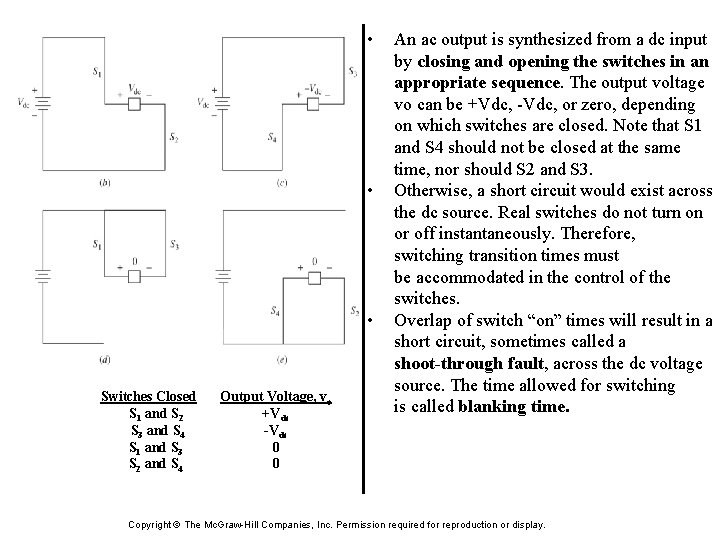
• • • Switches Closed S 1 and S 2 S 3 and S 4 S 1 and S 3 S 2 and S 4 Output Voltage, vo +Vdc -Vdc 0 0 An ac output is synthesized from a dc input by closing and opening the switches in an appropriate sequence. The output voltage vo can be +Vdc, -Vdc, or zero, depending on which switches are closed. Note that S 1 and S 4 should not be closed at the same time, nor should S 2 and S 3. Otherwise, a short circuit would exist across the dc source. Real switches do not turn on or off instantaneously. Therefore, switching transition times must be accommodated in the control of the switches. Overlap of switch “on” times will result in a short circuit, sometimes called a shoot-through fault, across the dc voltage source. The time allowed for switching is called blanking time. Copyright © The Mc. Graw-Hill Companies, Inc. Permission required for reproduction or display.
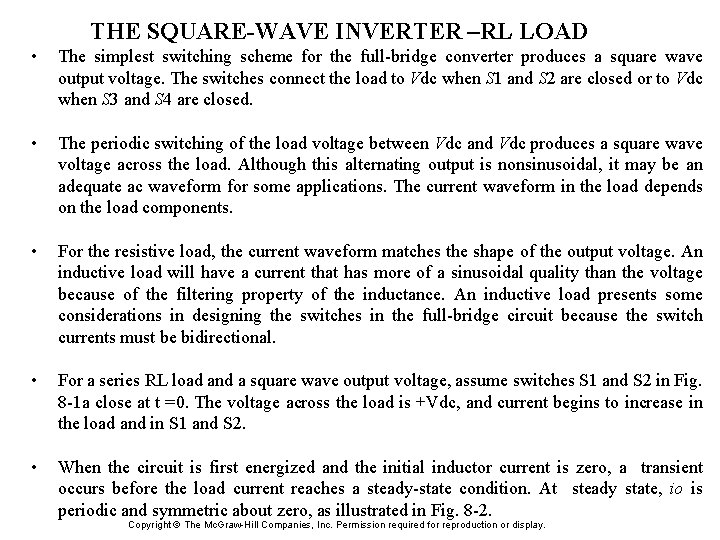
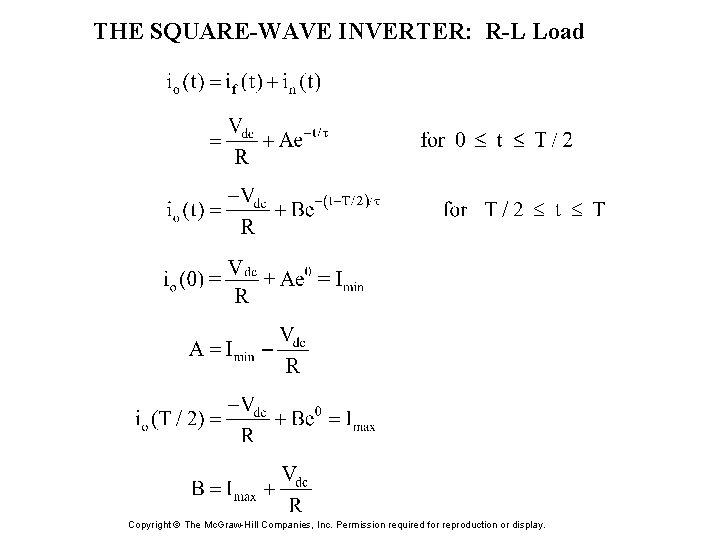
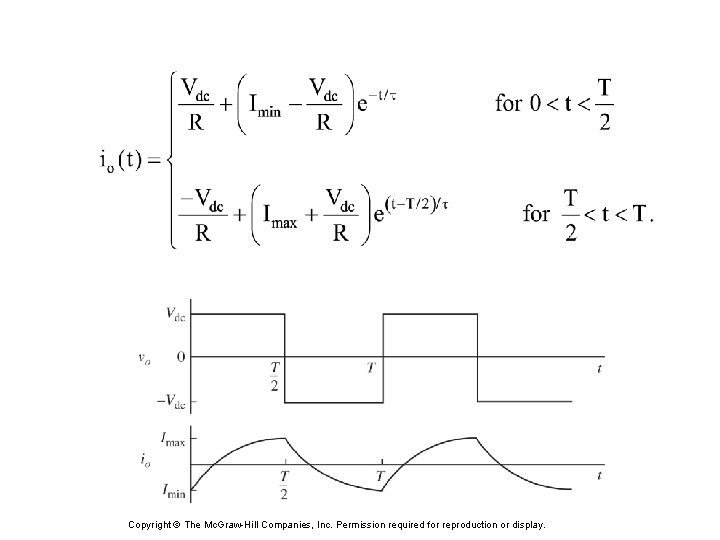
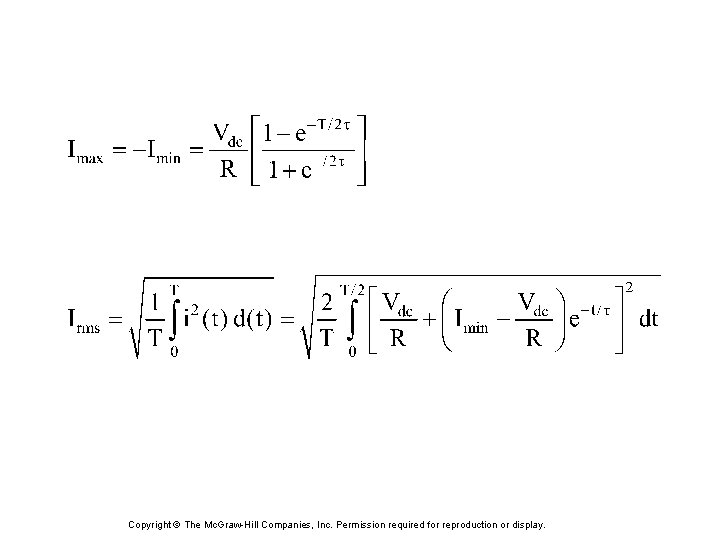
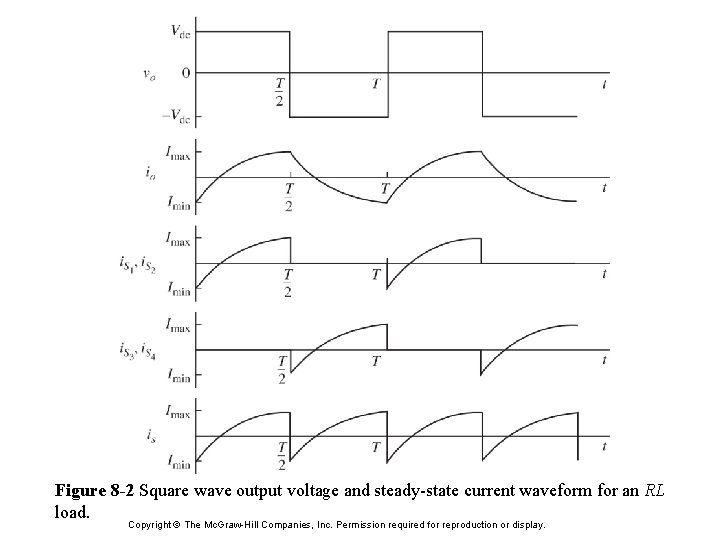
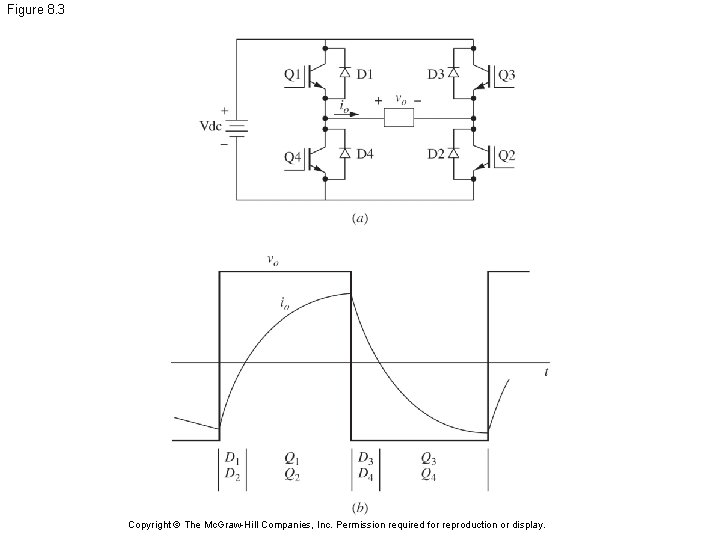
THE SQUARE-WAVE INVERTER –RL LOAD • The simplest switching scheme for the full-bridge converter produces a square wave output voltage. The switches connect the load to Vdc when S 1 and S 2 are closed or to Vdc when S 3 and S 4 are closed. • The periodic switching of the load voltage between Vdc and Vdc produces a square wave voltage across the load. Although this alternating output is nonsinusoidal, it may be an adequate ac waveform for some applications. The current waveform in the load depends on the load components. • For the resistive load, the current waveform matches the shape of the output voltage. An inductive load will have a current that has more of a sinusoidal quality than the voltage because of the filtering property of the inductance. An inductive load presents some considerations in designing the switches in the full-bridge circuit because the switch currents must be bidirectional. • For a series RL load and a square wave output voltage, assume switches S 1 and S 2 in Fig. 8 -1 a close at t =0. The voltage across the load is +Vdc, and current begins to increase in the load and in S 1 and S 2. • When the circuit is first energized and the initial inductor current is zero, a transient occurs before the load current reaches a steady-state condition. At steady state, io is periodic and symmetric about zero, as illustrated in Fig. 8 -2. Copyright © The Mc. Graw-Hill Companies, Inc. Permission required for reproduction or display.
THE SQUARE-WAVE INVERTER: R-L Load Copyright © The Mc. Graw-Hill Companies, Inc. Permission required for reproduction or display.
Copyright © The Mc. Graw-Hill Companies, Inc. Permission required for reproduction or display.
Copyright © The Mc. Graw-Hill Companies, Inc. Permission required for reproduction or display.
Figure 8 -2 Square wave output voltage and steady-state current waveform for an RL load. Copyright © The Mc. Graw-Hill Companies, Inc. Permission required for reproduction or display.
Figure 8. 3 Copyright © The Mc. Graw-Hill Companies, Inc. Permission required for reproduction or display.
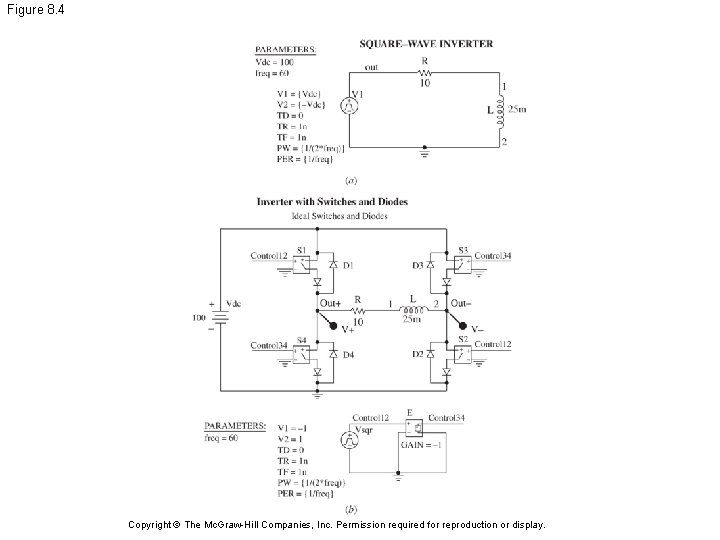
Figure 8. 4 Copyright © The Mc. Graw-Hill Companies, Inc. Permission required for reproduction or display.
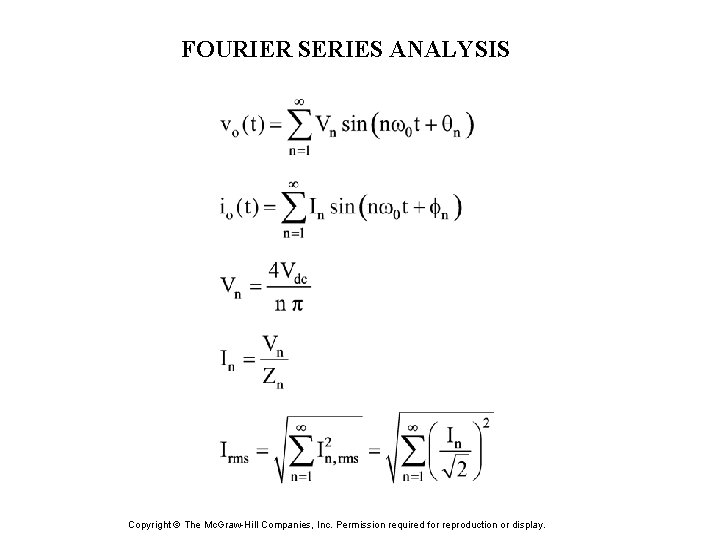
FOURIER SERIES ANALYSIS Copyright © The Mc. Graw-Hill Companies, Inc. Permission required for reproduction or display.
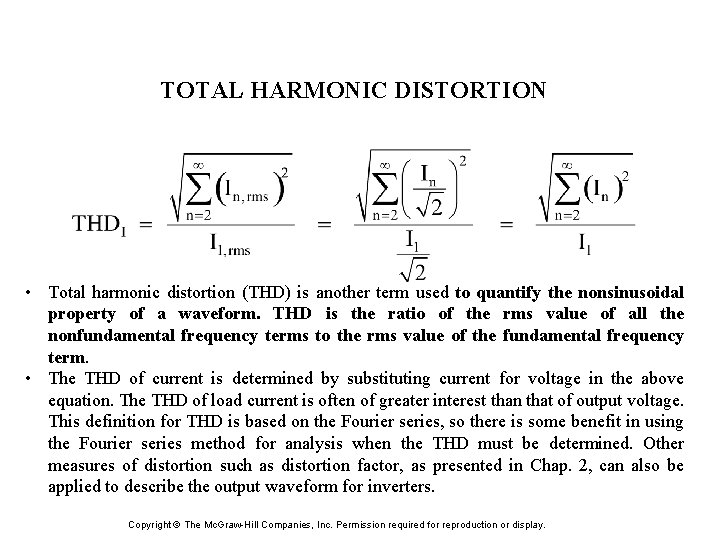
TOTAL HARMONIC DISTORTION • Total harmonic distortion (THD) is another term used to quantify the nonsinusoidal property of a waveform. THD is the ratio of the rms value of all the nonfundamental frequency terms to the rms value of the fundamental frequency term. • The THD of current is determined by substituting current for voltage in the above equation. The THD of load current is often of greater interest than that of output voltage. This definition for THD is based on the Fourier series, so there is some benefit in using the Fourier series method for analysis when the THD must be determined. Other measures of distortion such as distortion factor, as presented in Chap. 2, can also be applied to describe the output waveform for inverters. Copyright © The Mc. Graw-Hill Companies, Inc. Permission required for reproduction or display.
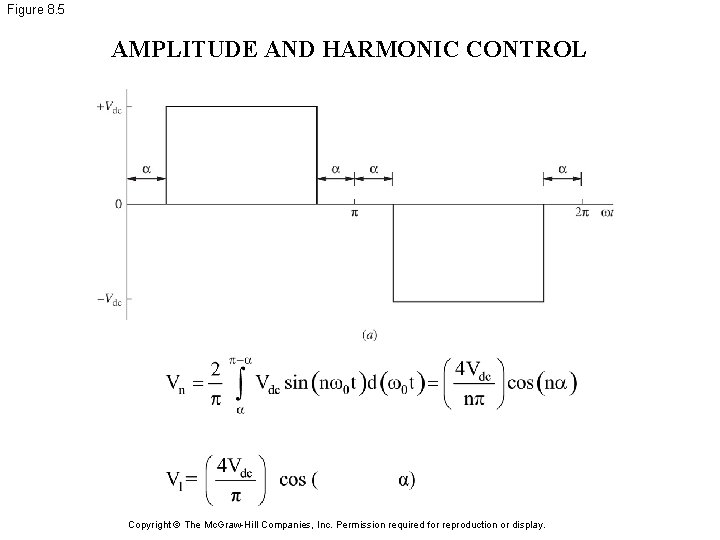
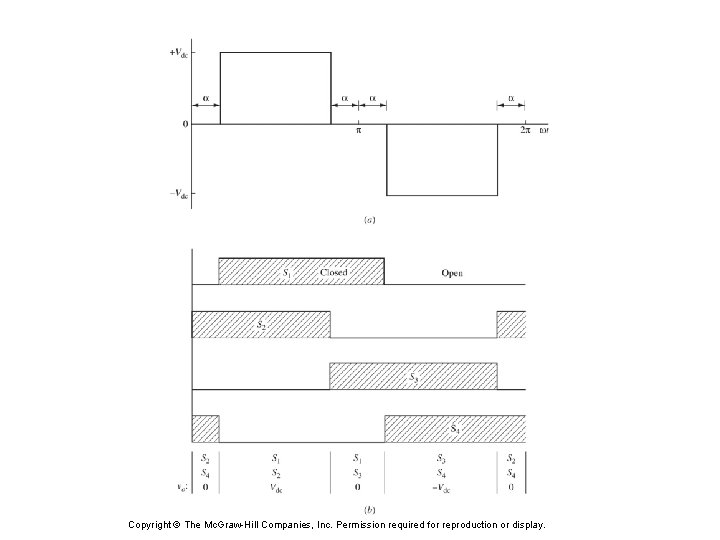
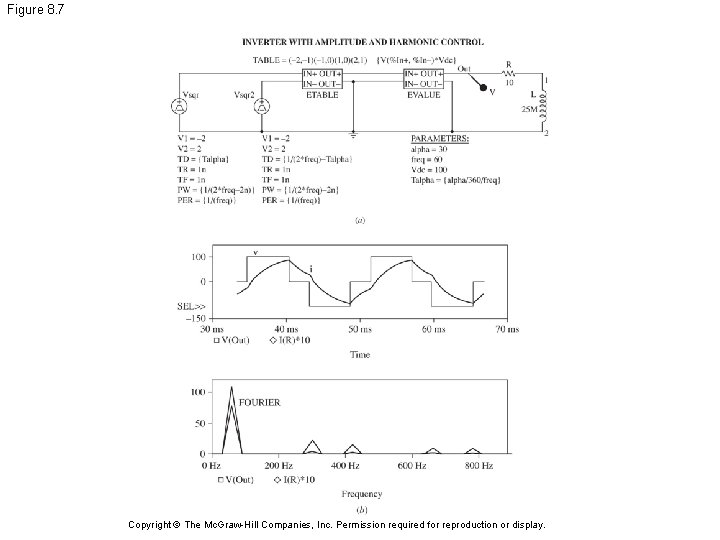
Figure 8. 5 AMPLITUDE AND HARMONIC CONTROL Copyright © The Mc. Graw-Hill Companies, Inc. Permission required for reproduction or display.
Copyright © The Mc. Graw-Hill Companies, Inc. Permission required for reproduction or display.
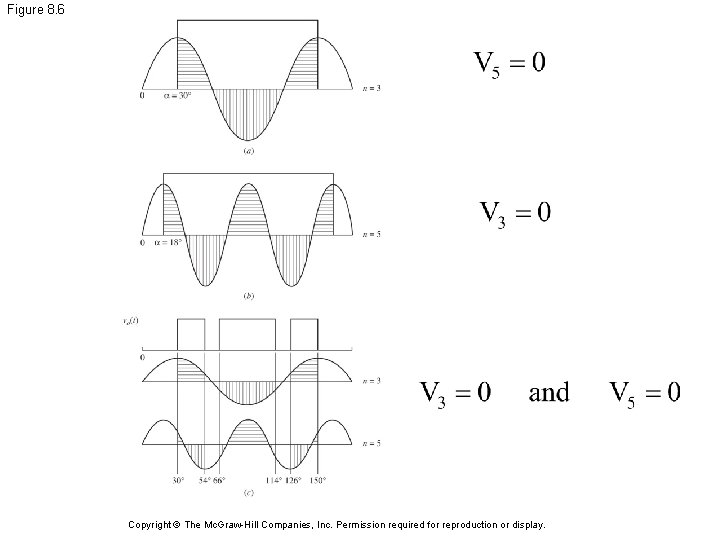
Figure 8. 6 Copyright © The Mc. Graw-Hill Companies, Inc. Permission required for reproduction or display.
Figure 8. 7 Copyright © The Mc. Graw-Hill Companies, Inc. Permission required for reproduction or display.
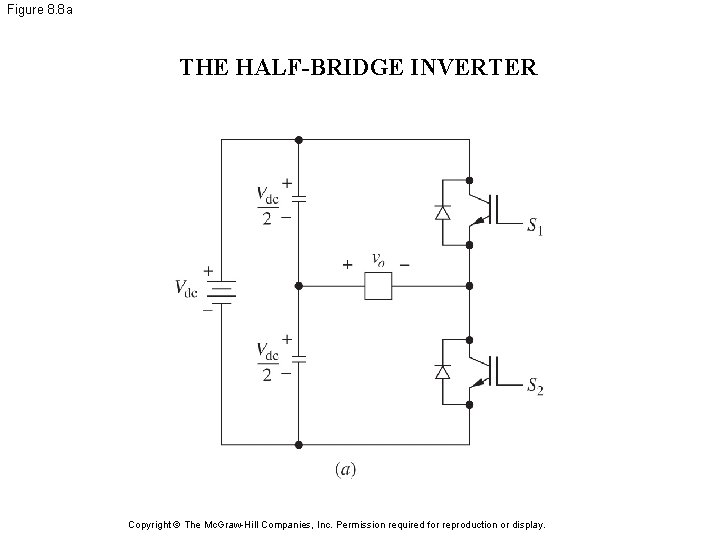
Figure 8. 8 a THE HALF-BRIDGE INVERTER Copyright © The Mc. Graw-Hill Companies, Inc. Permission required for reproduction or display.
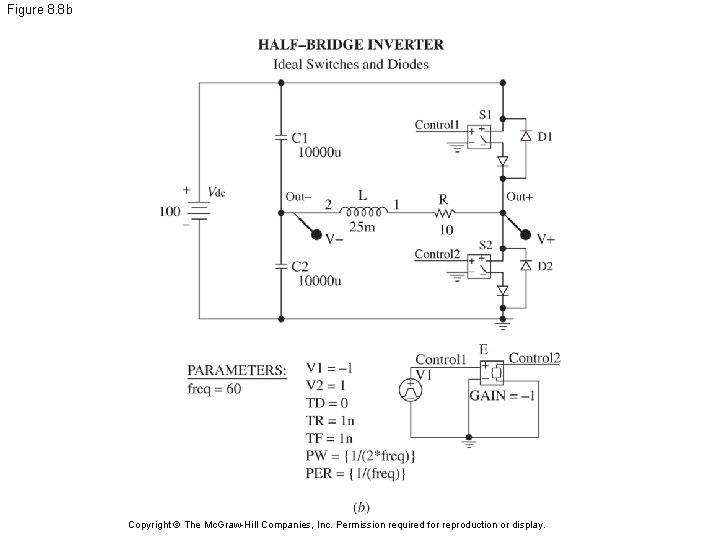
Figure 8. 8 b Copyright © The Mc. Graw-Hill Companies, Inc. Permission required for reproduction or display.
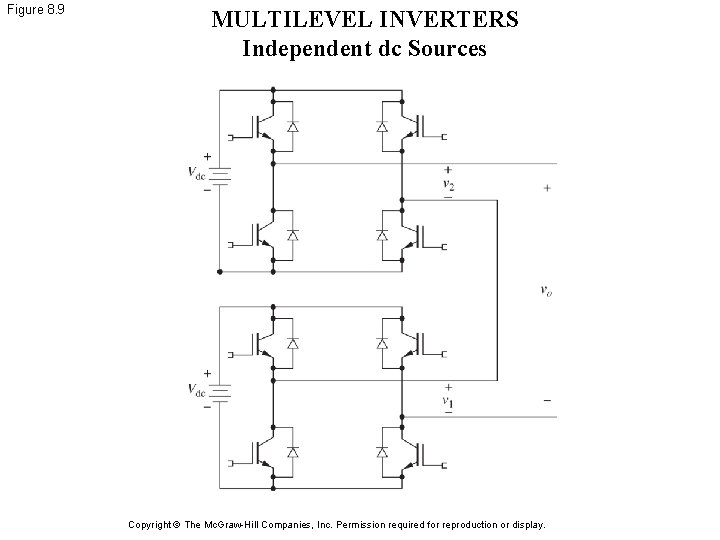
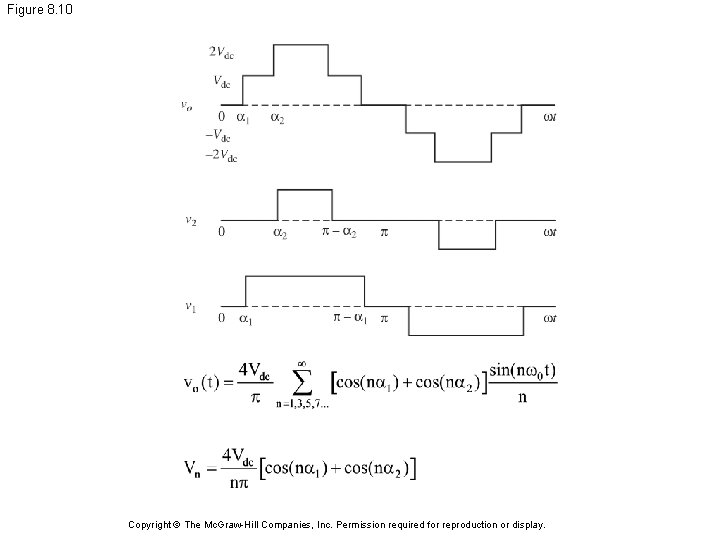
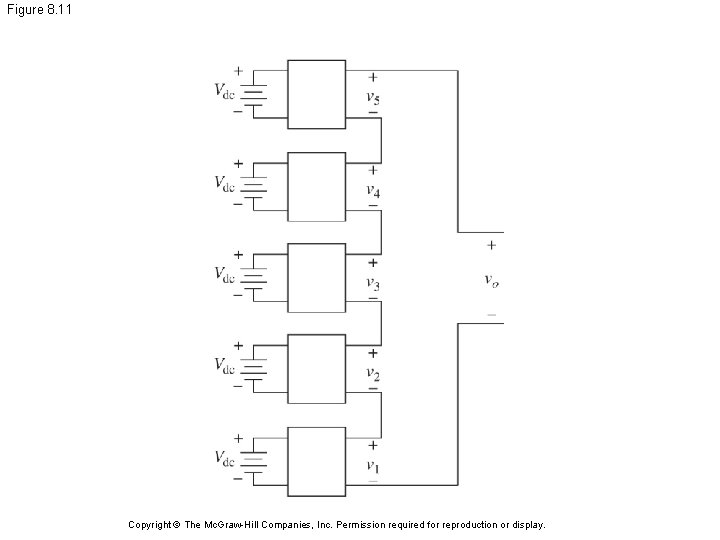
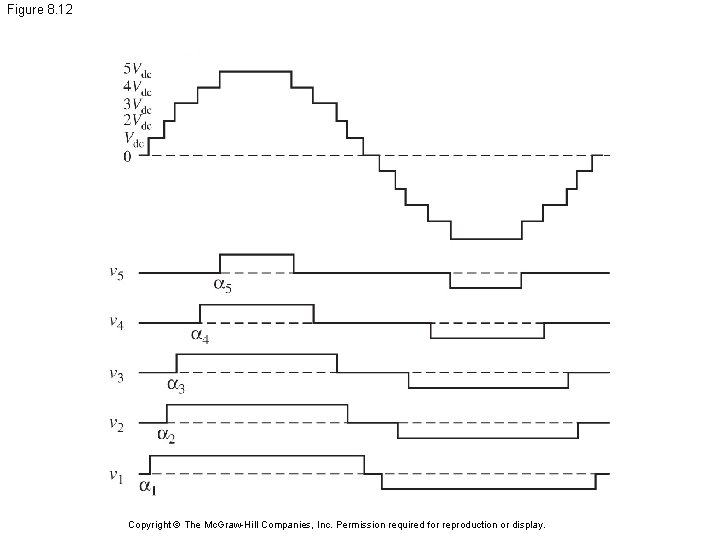
Figure 8. 9 MULTILEVEL INVERTERS Independent dc Sources Copyright © The Mc. Graw-Hill Companies, Inc. Permission required for reproduction or display.
Figure 8. 10 Copyright © The Mc. Graw-Hill Companies, Inc. Permission required for reproduction or display.
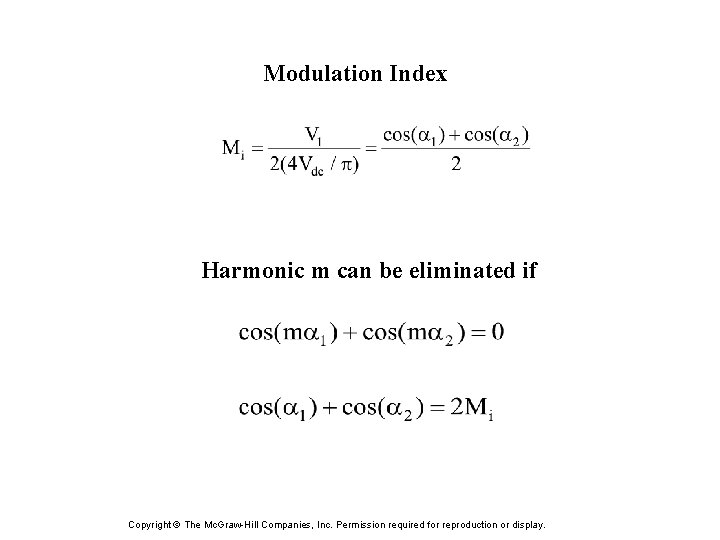
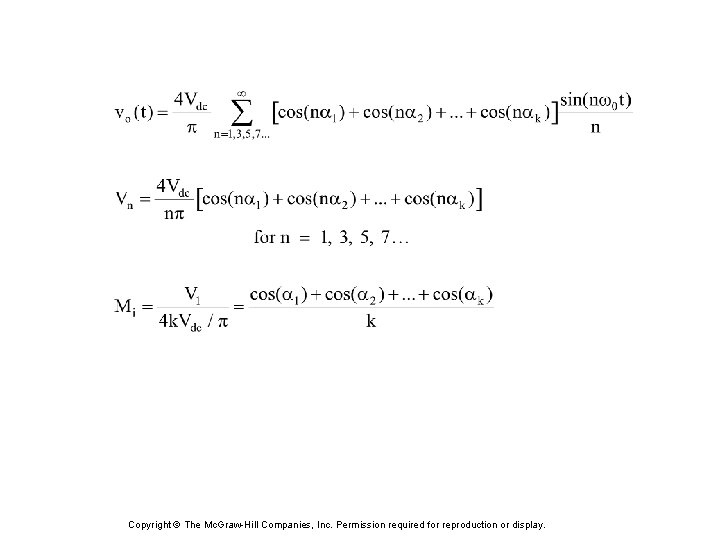
Modulation Index Harmonic m can be eliminated if Copyright © The Mc. Graw-Hill Companies, Inc. Permission required for reproduction or display.
Figure 8. 11 Copyright © The Mc. Graw-Hill Companies, Inc. Permission required for reproduction or display.
Figure 8. 12 Copyright © The Mc. Graw-Hill Companies, Inc. Permission required for reproduction or display.
Copyright © The Mc. Graw-Hill Companies, Inc. Permission required for reproduction or display.
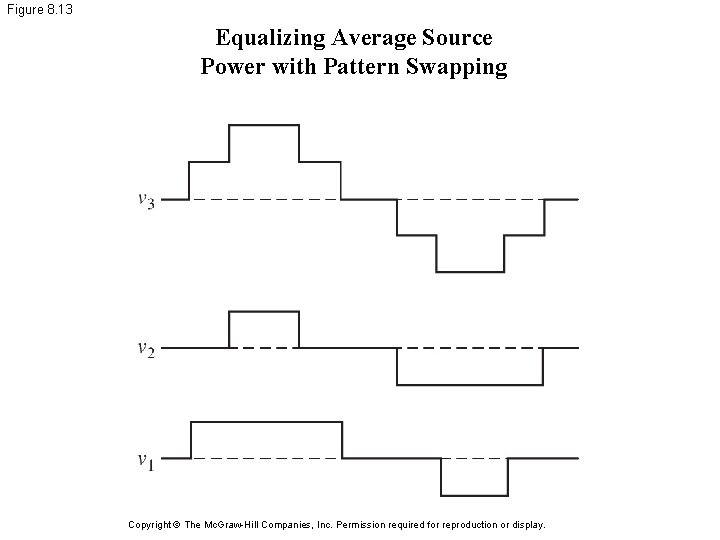
Figure 8. 13 Equalizing Average Source Power with Pattern Swapping Copyright © The Mc. Graw-Hill Companies, Inc. Permission required for reproduction or display.
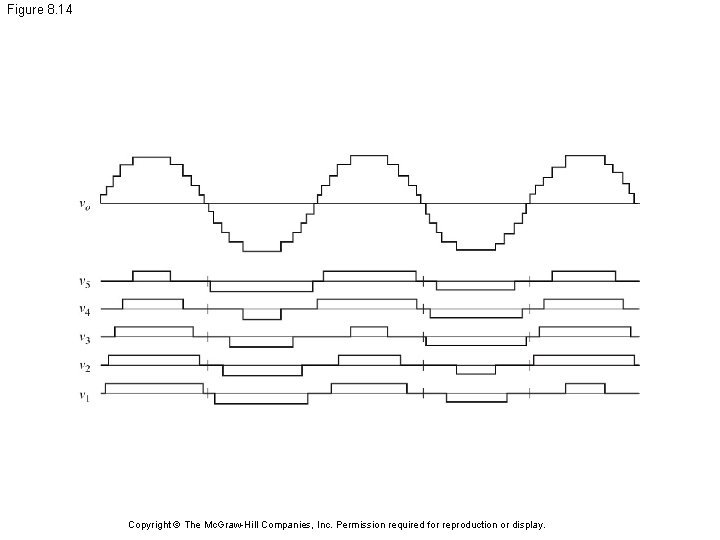
Figure 8. 14 Copyright © The Mc. Graw-Hill Companies, Inc. Permission required for reproduction or display.
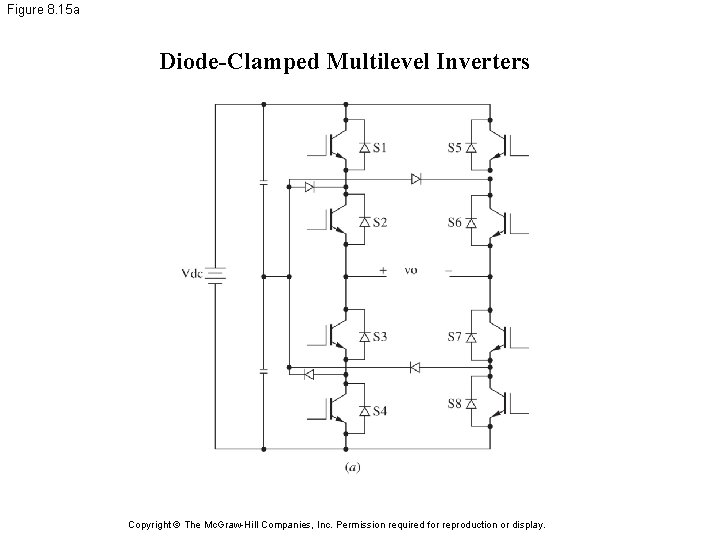
Figure 8. 15 a Diode-Clamped Multilevel Inverters Copyright © The Mc. Graw-Hill Companies, Inc. Permission required for reproduction or display.
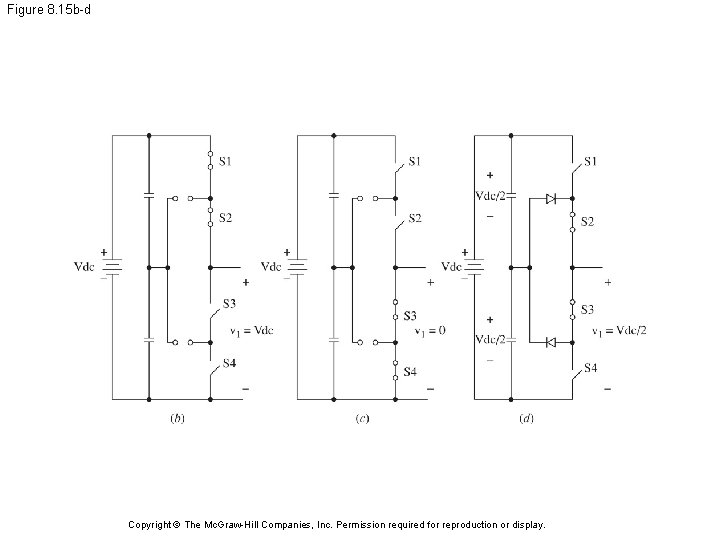
Figure 8. 15 b-d Copyright © The Mc. Graw-Hill Companies, Inc. Permission required for reproduction or display.
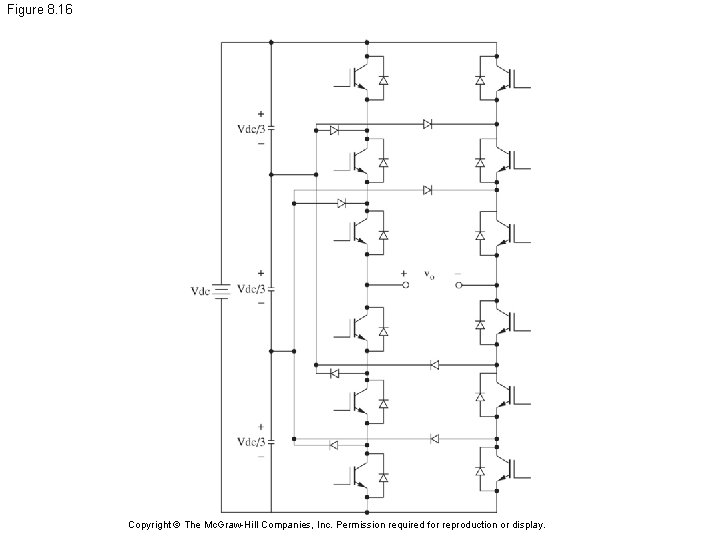
Figure 8. 16 Copyright © The Mc. Graw-Hill Companies, Inc. Permission required for reproduction or display.
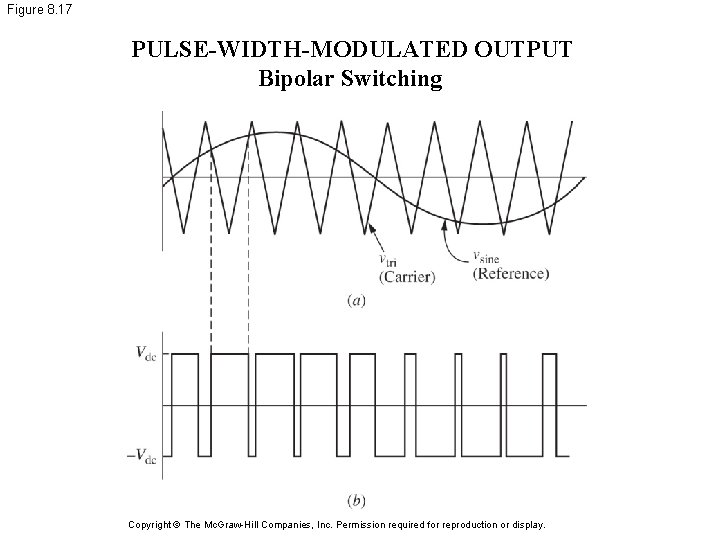
Figure 8. 17 PULSE-WIDTH-MODULATED OUTPUT Bipolar Switching Copyright © The Mc. Graw-Hill Companies, Inc. Permission required for reproduction or display.
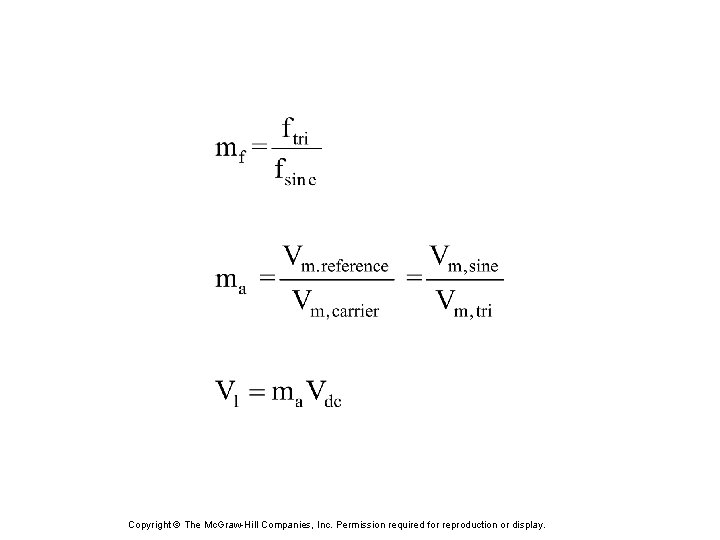
Copyright © The Mc. Graw-Hill Companies, Inc. Permission required for reproduction or display.
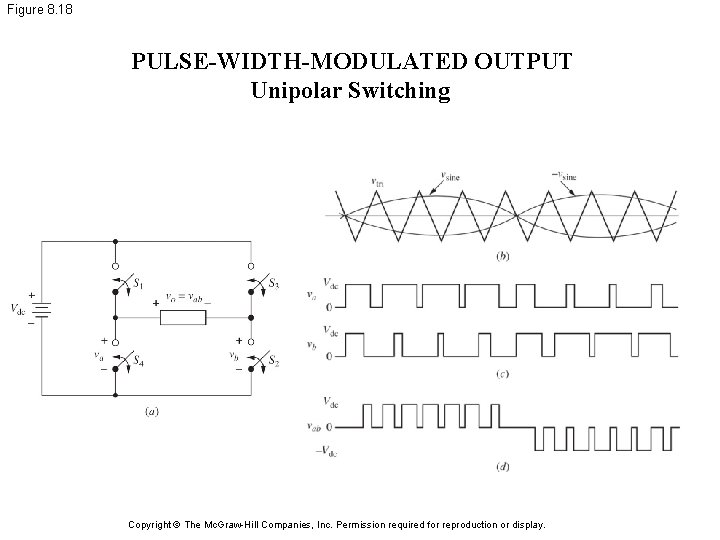
Figure 8. 18 PULSE-WIDTH-MODULATED OUTPUT Unipolar Switching Copyright © The Mc. Graw-Hill Companies, Inc. Permission required for reproduction or display.
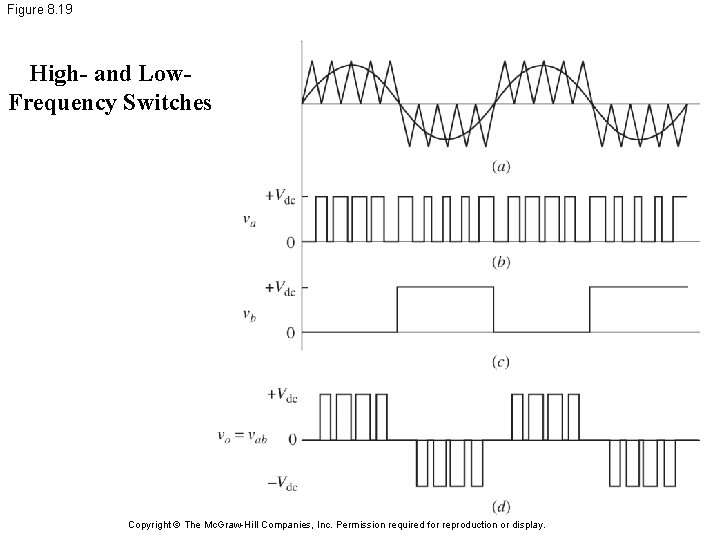
Figure 8. 19 High- and Low. Frequency Switches Copyright © The Mc. Graw-Hill Companies, Inc. Permission required for reproduction or display.
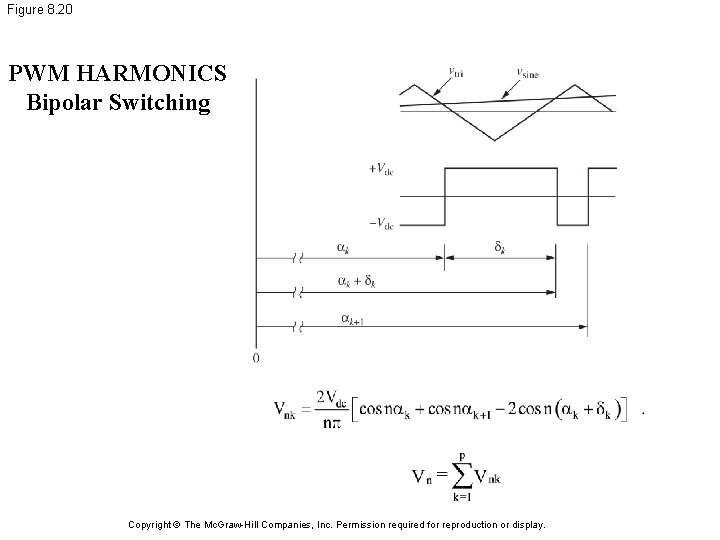
Figure 8. 20 PWM HARMONICS Bipolar Switching Copyright © The Mc. Graw-Hill Companies, Inc. Permission required for reproduction or display.
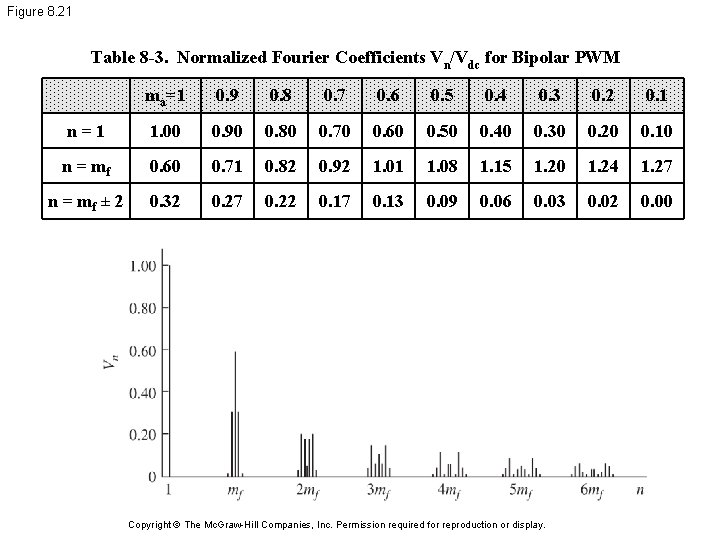
Figure 8. 21 Table 8 -3. Normalized Fourier Coefficients Vn/Vdc for Bipolar PWM ma=1 0. 9 0. 8 0. 7 0. 6 0. 5 0. 4 0. 3 0. 2 0. 1 n=1 1. 00 0. 90 0. 80 0. 70 0. 60 0. 50 0. 40 0. 30 0. 20 0. 10 n = mf 0. 60 0. 71 0. 82 0. 92 1. 01 1. 08 1. 15 1. 20 1. 24 1. 27 n = mf ± 2 0. 32 0. 27 0. 22 0. 17 0. 13 0. 09 0. 06 0. 03 0. 02 0. 00 Copyright © The Mc. Graw-Hill Companies, Inc. Permission required for reproduction or display.
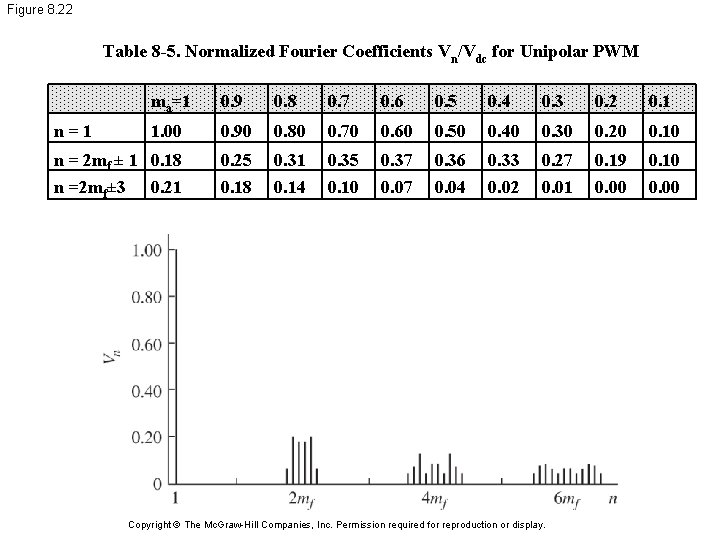
Figure 8. 22 Table 8 -5. Normalized Fourier Coefficients Vn/Vdc for Unipolar PWM ma=1 0. 9 0. 8 0. 7 0. 6 0. 5 0. 4 0. 3 0. 2 0. 1 1. 00 0. 90 0. 80 0. 70 0. 60 0. 50 0. 40 0. 30 0. 20 0. 10 n = 2 mf ± 1 0. 18 0. 25 0. 31 0. 35 0. 37 0. 36 0. 33 0. 27 0. 19 0. 10 n =2 mf± 3 0. 18 0. 14 0. 10 0. 07 0. 04 0. 02 0. 01 0. 00 n=1 0. 21 Copyright © The Mc. Graw-Hill Companies, Inc. Permission required for reproduction or display.
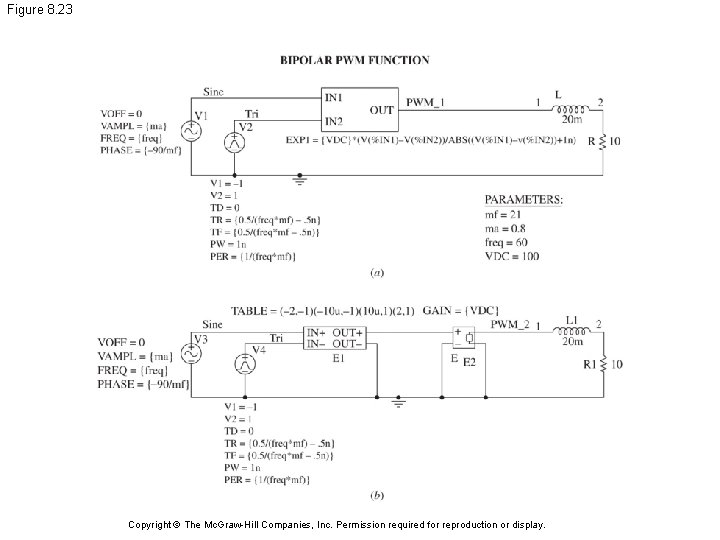
Figure 8. 23 Copyright © The Mc. Graw-Hill Companies, Inc. Permission required for reproduction or display.
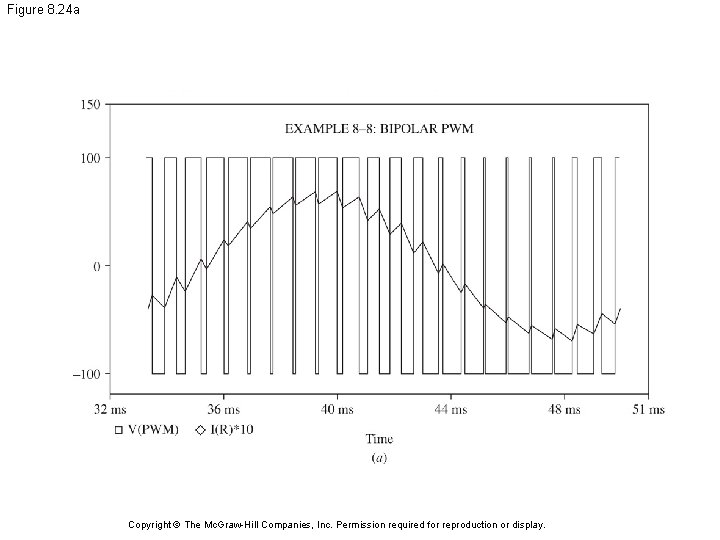
Figure 8. 24 a Copyright © The Mc. Graw-Hill Companies, Inc. Permission required for reproduction or display.
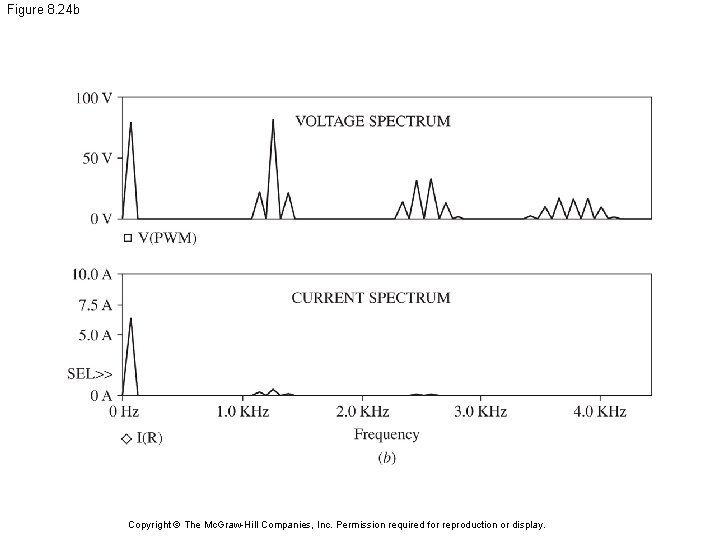
Figure 8. 24 b Copyright © The Mc. Graw-Hill Companies, Inc. Permission required for reproduction or display.
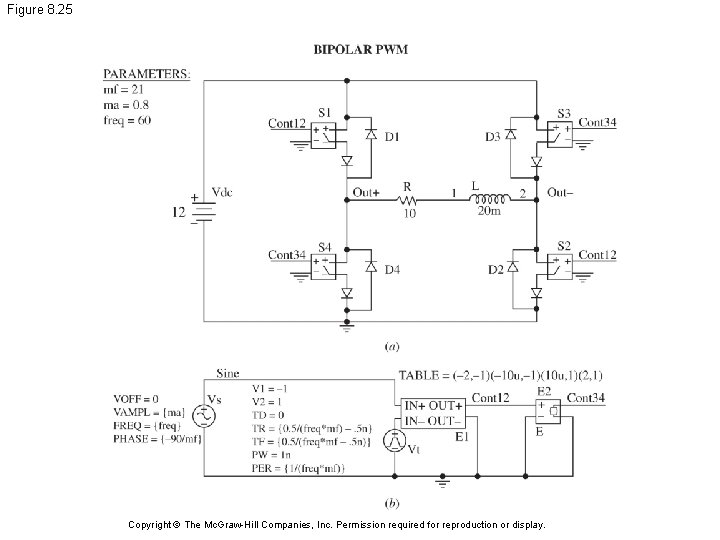
Figure 8. 25 Copyright © The Mc. Graw-Hill Companies, Inc. Permission required for reproduction or display.
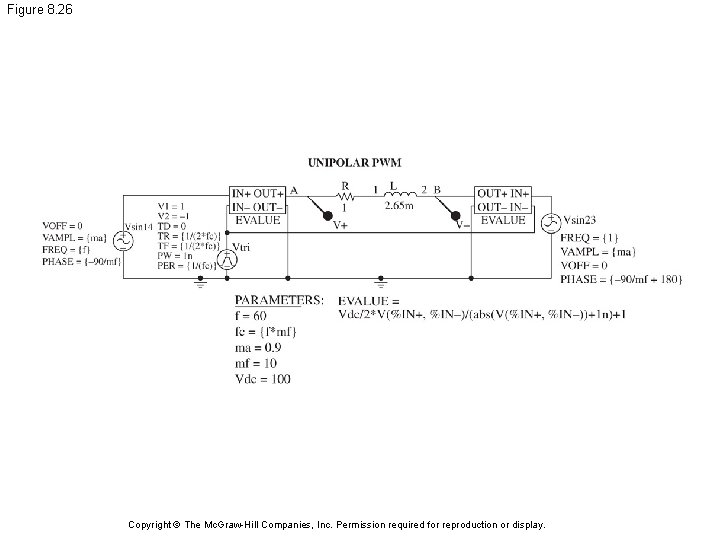
Figure 8. 26 Copyright © The Mc. Graw-Hill Companies, Inc. Permission required for reproduction or display.
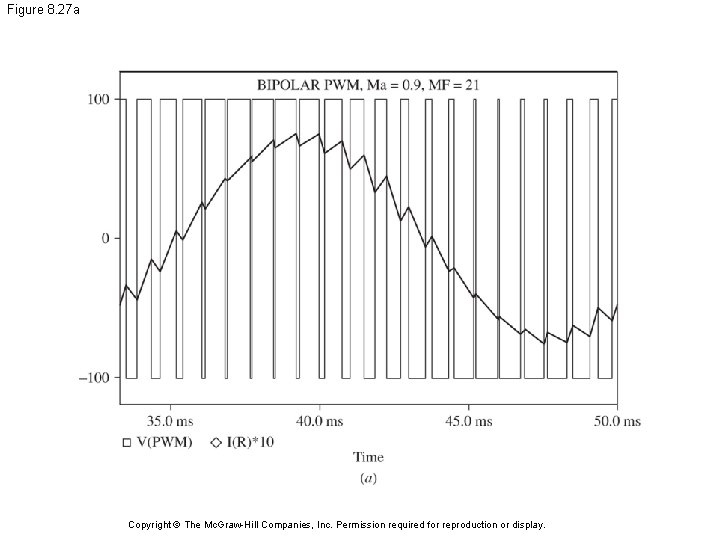
Figure 8. 27 a Copyright © The Mc. Graw-Hill Companies, Inc. Permission required for reproduction or display.
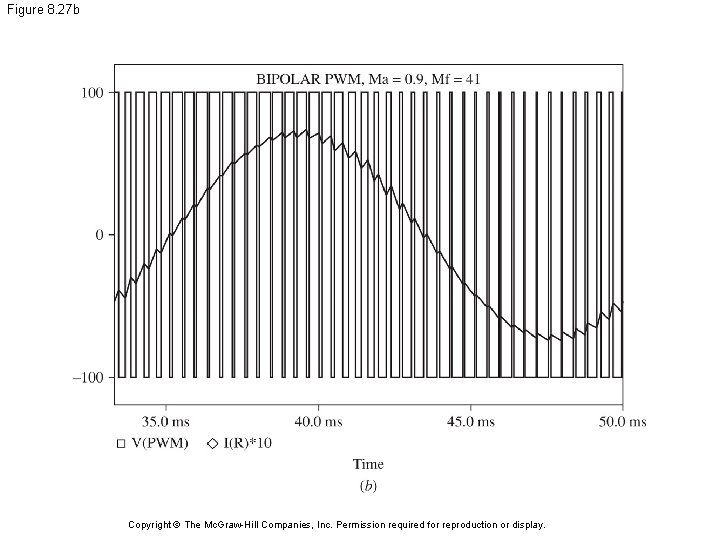
Figure 8. 27 b Copyright © The Mc. Graw-Hill Companies, Inc. Permission required for reproduction or display.
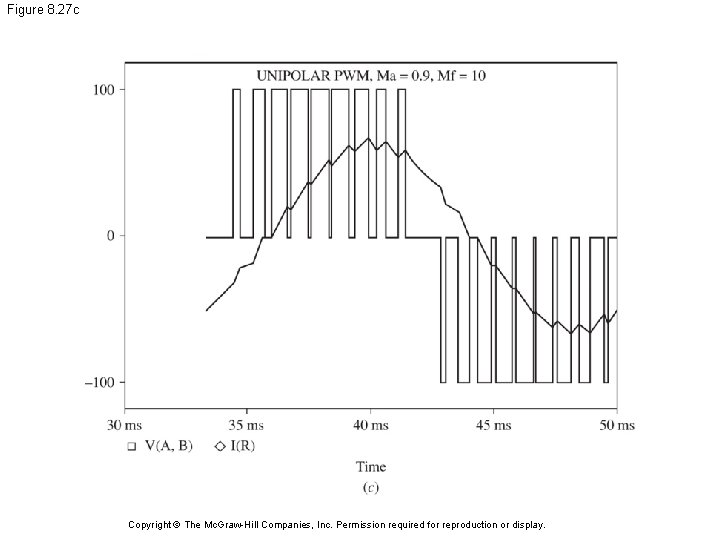
Figure 8. 27 c Copyright © The Mc. Graw-Hill Companies, Inc. Permission required for reproduction or display.
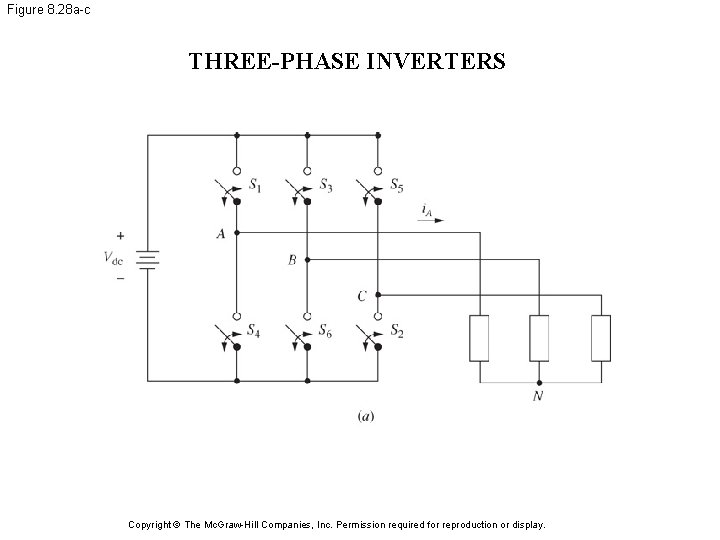
Figure 8. 28 a-c THREE-PHASE INVERTERS Copyright © The Mc. Graw-Hill Companies, Inc. Permission required for reproduction or display.
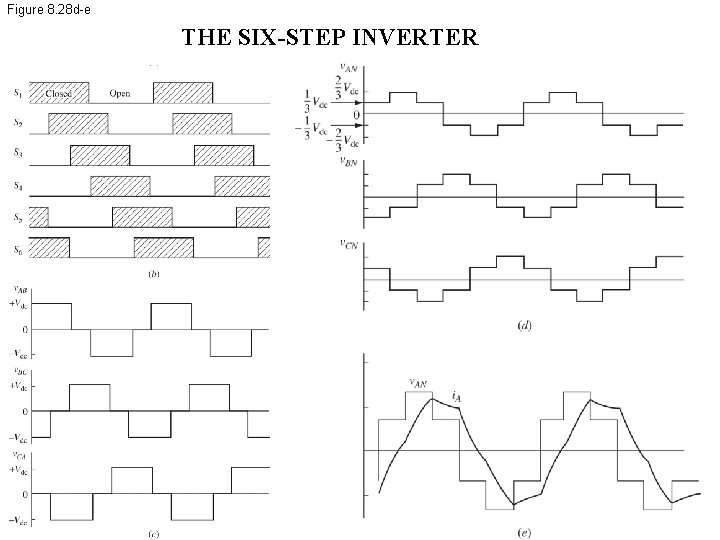
Figure 8. 28 d-e THE SIX-STEP INVERTER
Copyright © The Mc. Graw-Hill Companies, Inc. Permission required for reproduction or display.
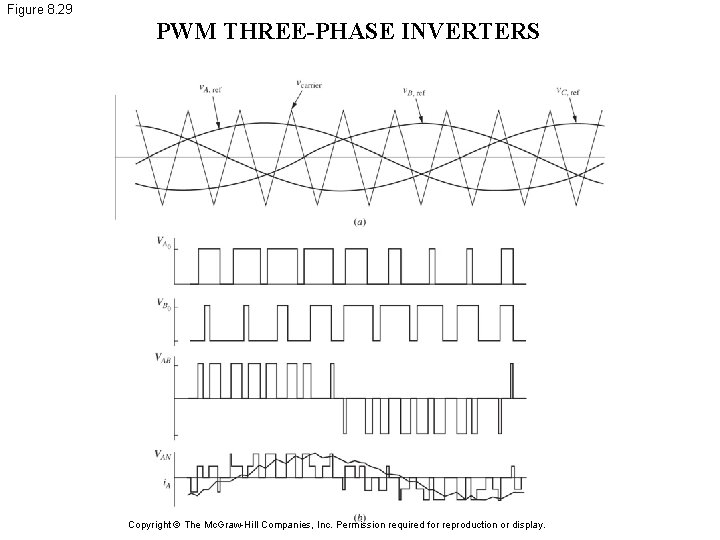
Figure 8. 29 PWM THREE-PHASE INVERTERS Copyright © The Mc. Graw-Hill Companies, Inc. Permission required for reproduction or display.
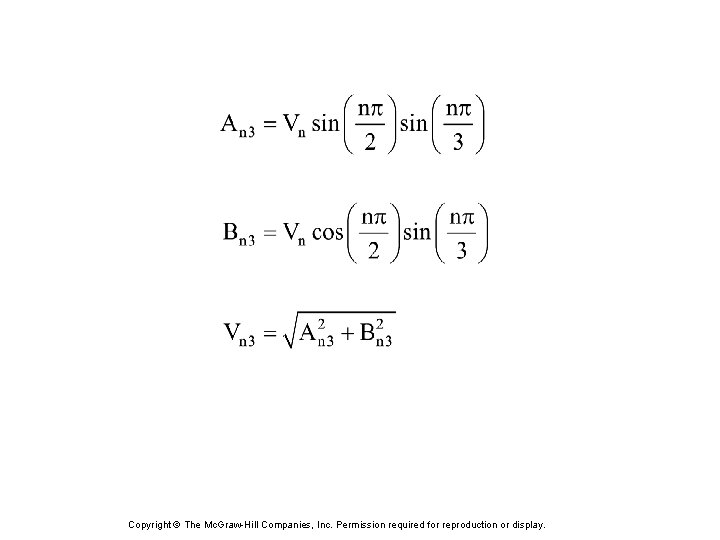
Copyright © The Mc. Graw-Hill Companies, Inc. Permission required for reproduction or display.
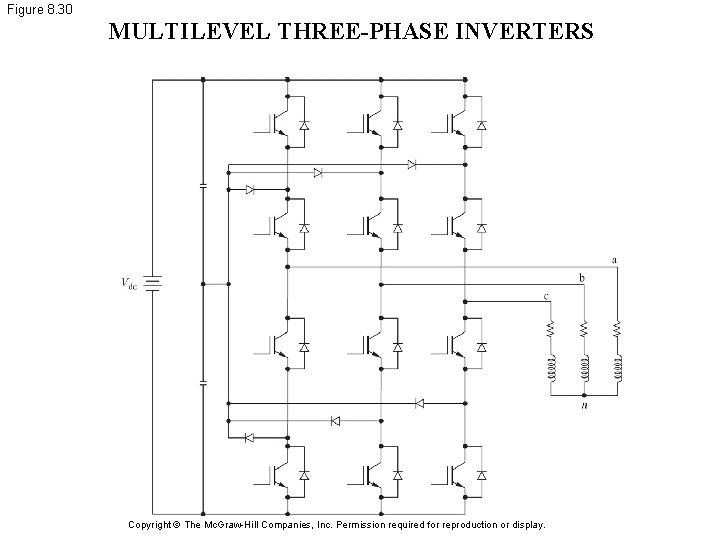
Figure 8. 30 MULTILEVEL THREE-PHASE INVERTERS Copyright © The Mc. Graw-Hill Companies, Inc. Permission required for reproduction or display.
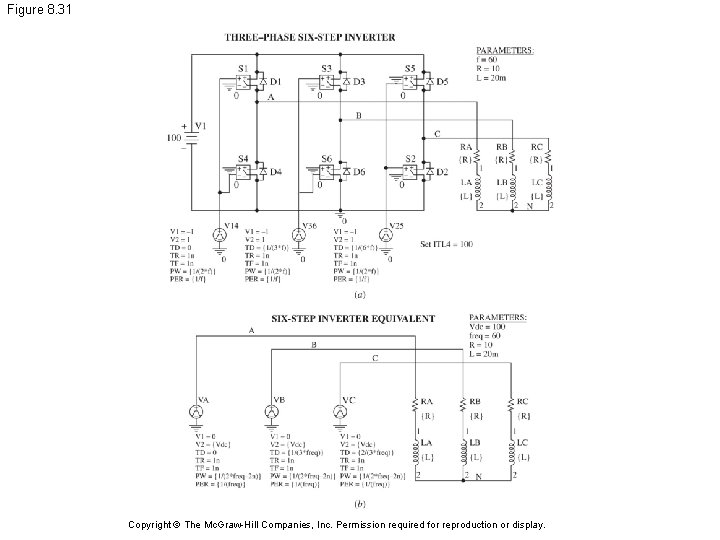
Figure 8. 31 Copyright © The Mc. Graw-Hill Companies, Inc. Permission required for reproduction or display.
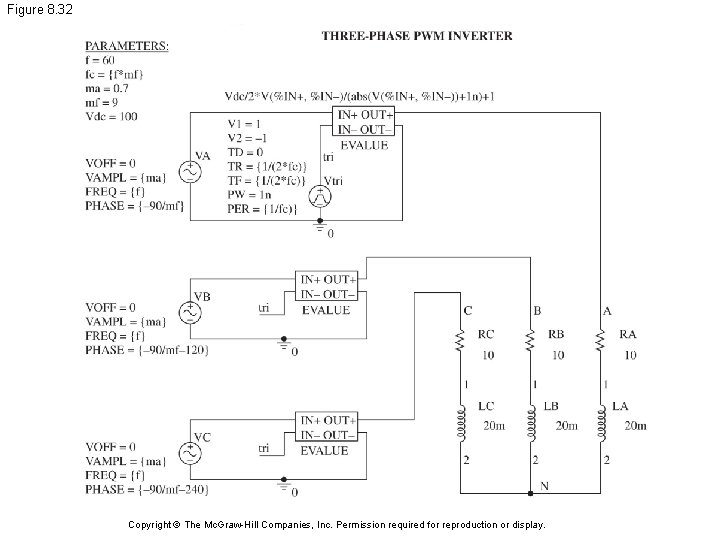
Figure 8. 32 Copyright © The Mc. Graw-Hill Companies, Inc. Permission required for reproduction or display.
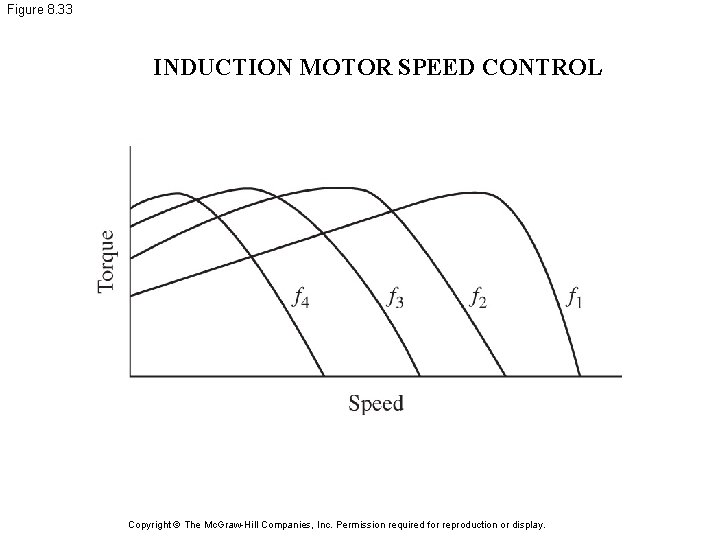
Figure 8. 33 INDUCTION MOTOR SPEED CONTROL Copyright © The Mc. Graw-Hill Companies, Inc. Permission required for reproduction or display.
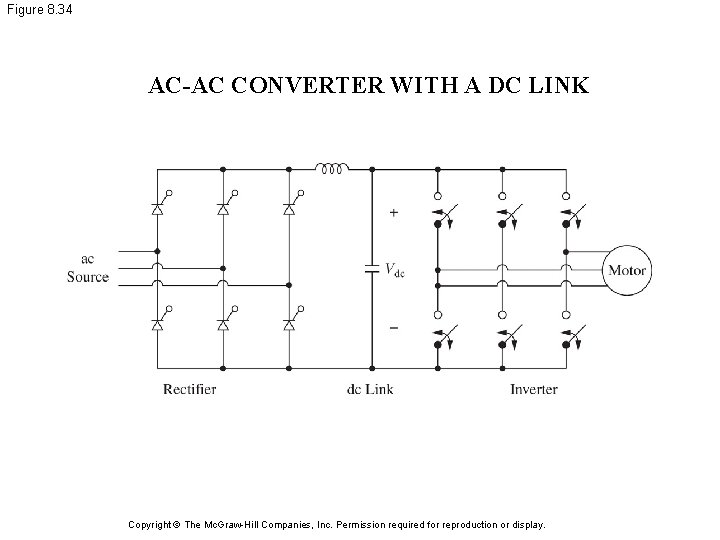
Figure 8. 34 AC-AC CONVERTER WITH A DC LINK Copyright © The Mc. Graw-Hill Companies, Inc. Permission required for reproduction or display.