
PersonCentered Decision Making Part 1 Modified from an

- Slides: 19
Person-Centered Decision Making Part 1 Modified from an Interprofessional module created by the University of British Columbia Birth Place Lab and adapted by the University of California at San Francisco
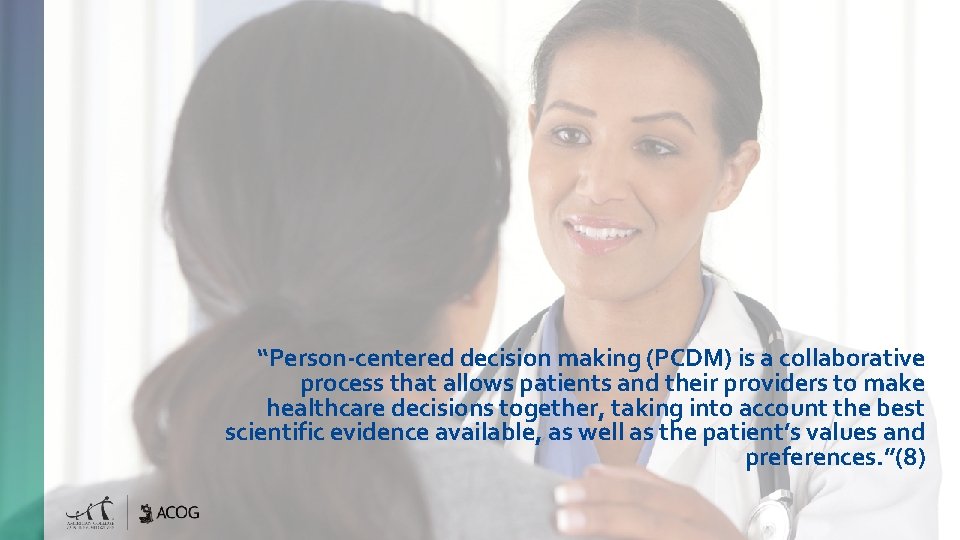
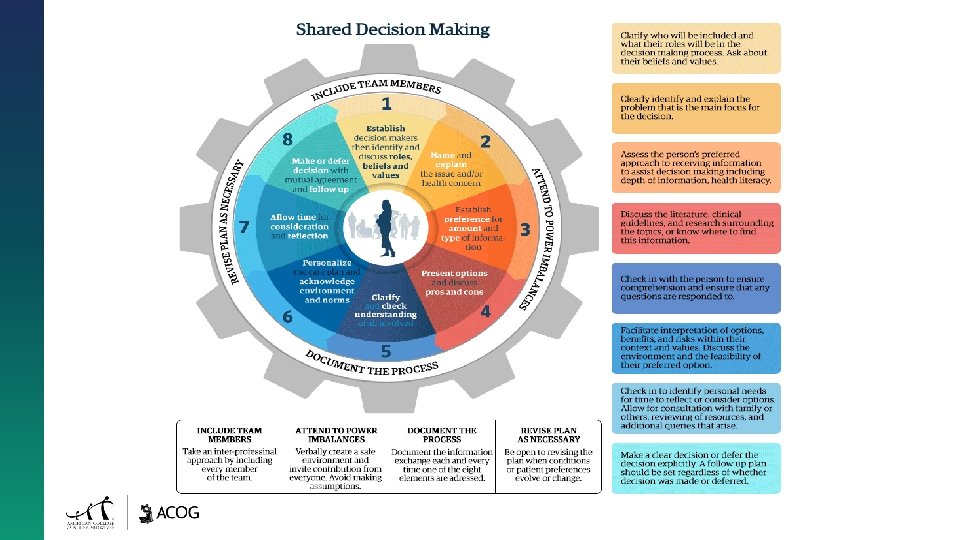
“Person-centered decision making (PCDM) is a collaborative process that allows patients and their providers to make healthcare decisions together, taking into account the best scientific evidence available, as well as the patient’s values and preferences. ”(8)
By the end of this module, participants will be able to: Person-Centered Care: Learning Objectives 1. Define Person-Centered Decision Making (PCDM) and describe a model for incorporating it into practice. 2. Discuss the context for maternity care in the United States. 3. Identify the options for people birthing in the US, including providers, their scope of practice and the limitation of services at each birth site. 4. Discuss factors that influence birth site selection, including patient preferences, and risk assessment
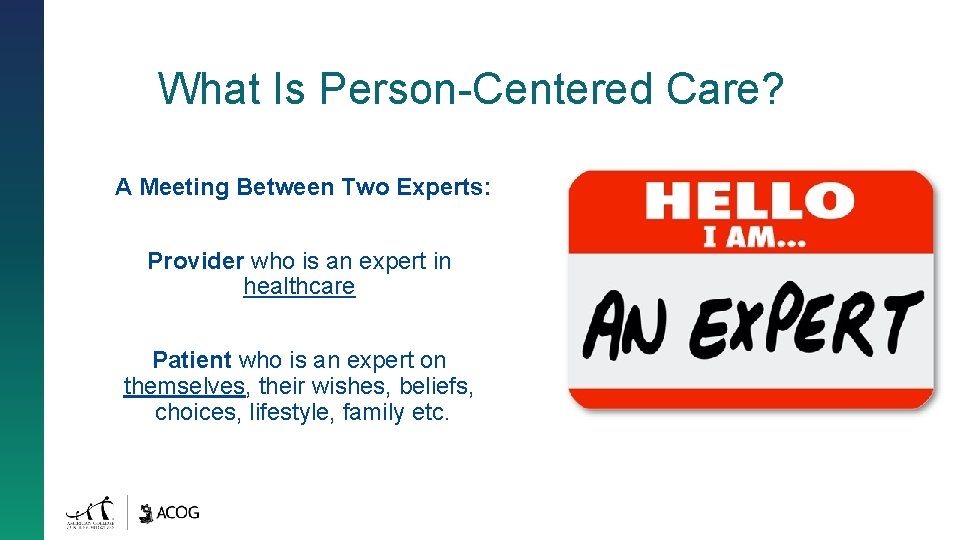
What Is Person-Centered Care? A Meeting Between Two Experts: Provider who is an expert in healthcare Patient who is an expert on themselves, their wishes, beliefs, choices, lifestyle, family etc.
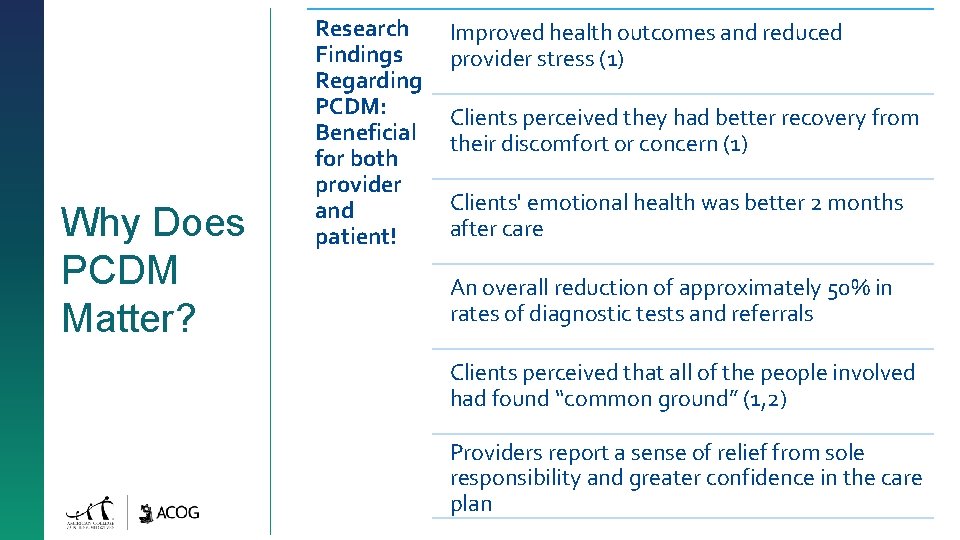
Why Does PCDM Matter? Research Findings Regarding PCDM: Beneficial for both provider and patient! Improved health outcomes and reduced provider stress (1) Clients perceived they had better recovery from their discomfort or concern (1) Clients' emotional health was better 2 months after care An overall reduction of approximately 50% in rates of diagnostic tests and referrals Clients perceived that all of the people involved had found “common ground” (1, 2) Providers report a sense of relief from sole responsibility and greater confidence in the care plan
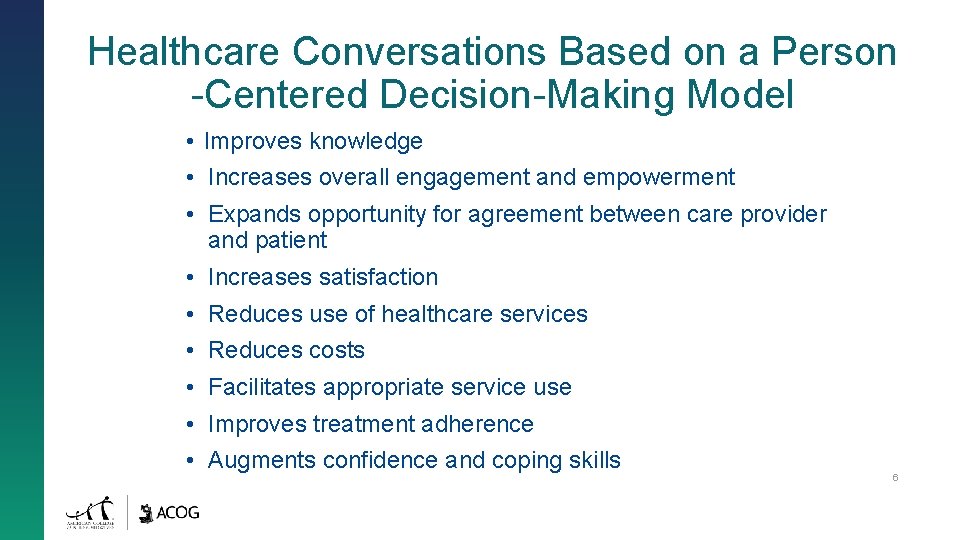
Healthcare Conversations Based on a Person -Centered Decision-Making Model • Improves knowledge • Increases overall engagement and empowerment • Expands opportunity for agreement between care provider and patient • Increases satisfaction • Reduces use of healthcare services • Reduces costs • Facilitates appropriate service use • Improves treatment adherence • Augments confidence and coping skills 6
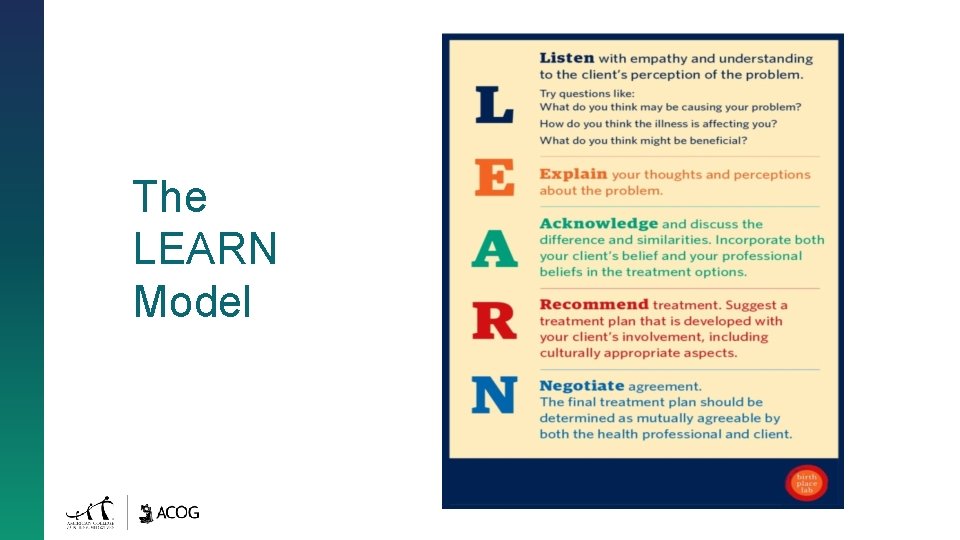
The LEARN Model
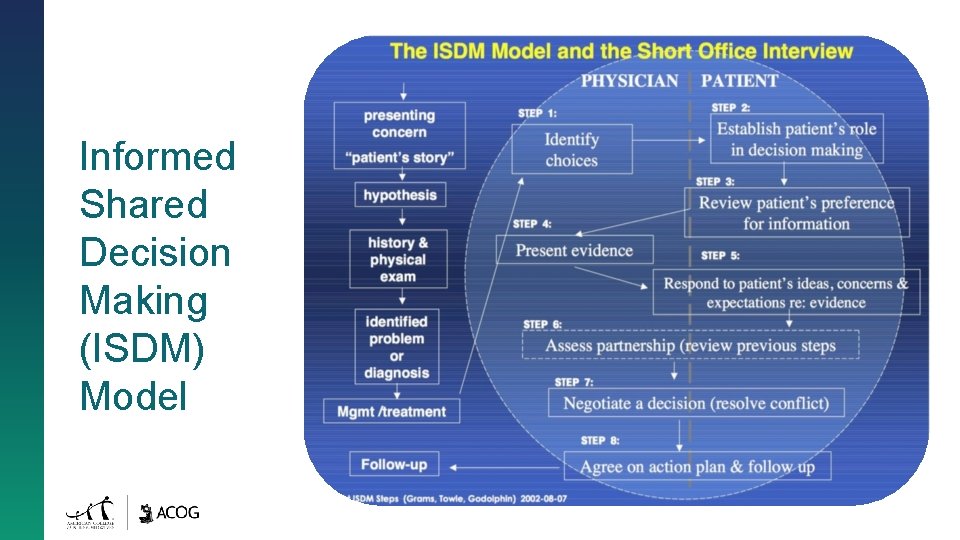
Informed Shared Decision Making (ISDM) Model
Culturally Responsive Care 10
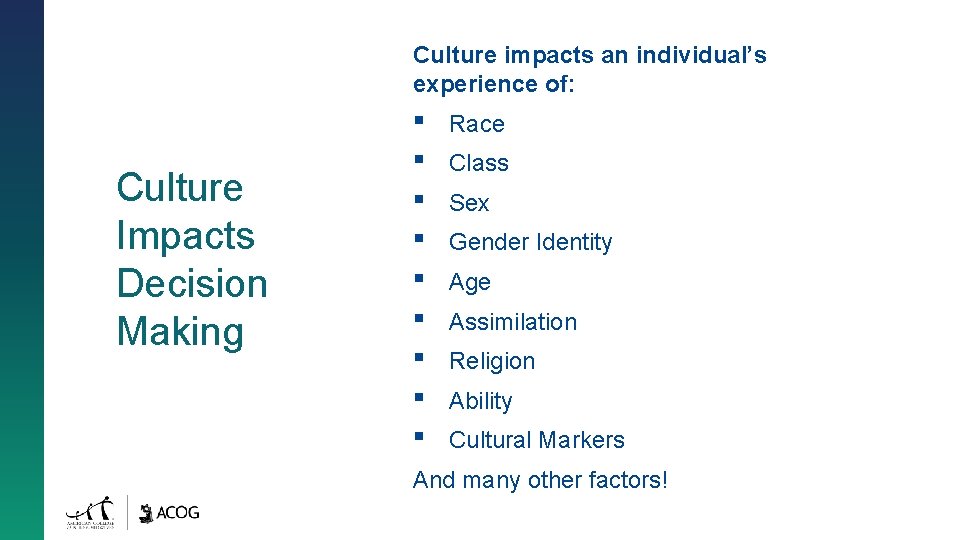
Culture impacts an individual’s experience of: Culture Impacts Decision Making ▪ ▪ ▪ ▪ ▪ Race Class Sex Gender Identity Age Assimilation Religion Ability Cultural Markers And many other factors!
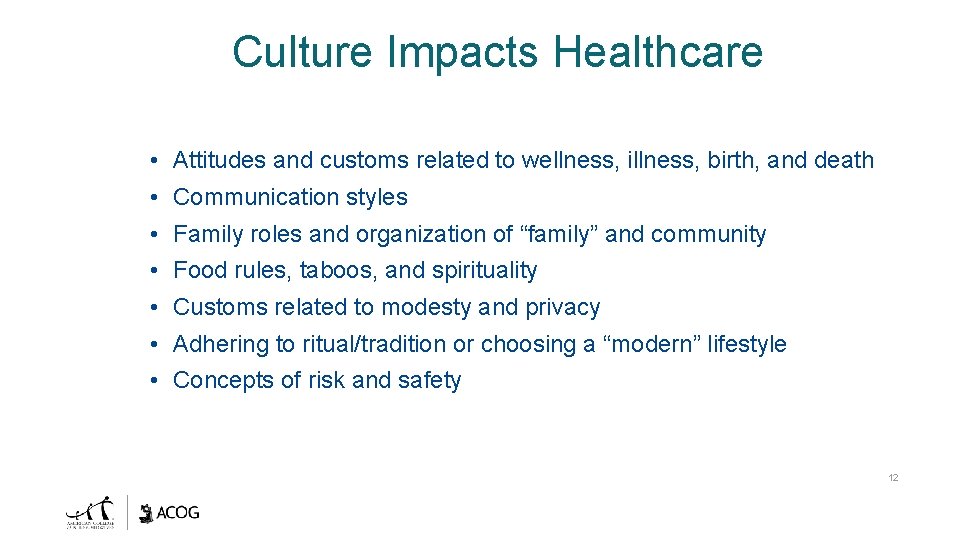
Culture Impacts Healthcare • • Attitudes and customs related to wellness, illness, birth, and death Communication styles Family roles and organization of “family” and community Food rules, taboos, and spirituality Customs related to modesty and privacy Adhering to ritual/tradition or choosing a “modern” lifestyle Concepts of risk and safety 12
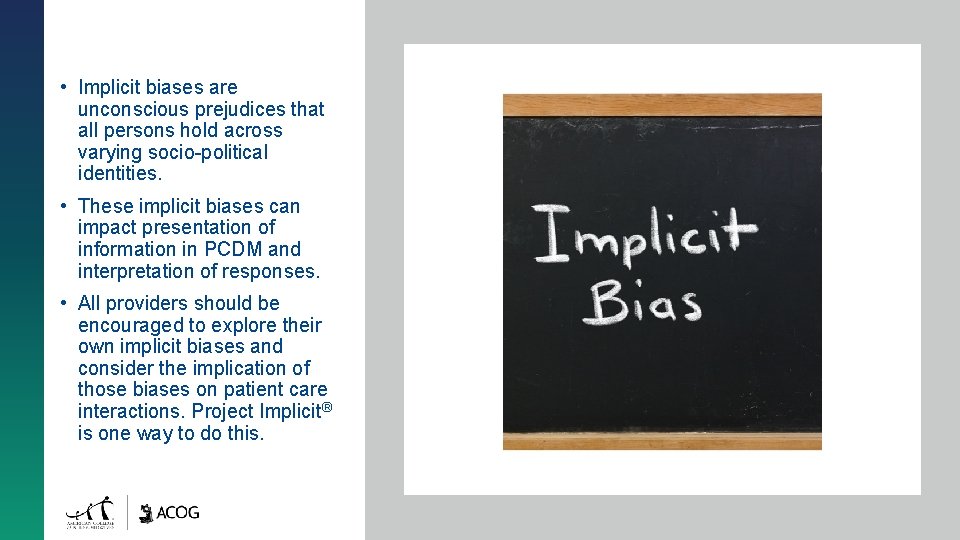
• Implicit biases are unconscious prejudices that all persons hold across varying socio-political identities. • These implicit biases can impact presentation of information in PCDM and interpretation of responses. • All providers should be encouraged to explore their own implicit biases and consider the implication of those biases on patient care interactions. Project Implicit® is one way to do this.
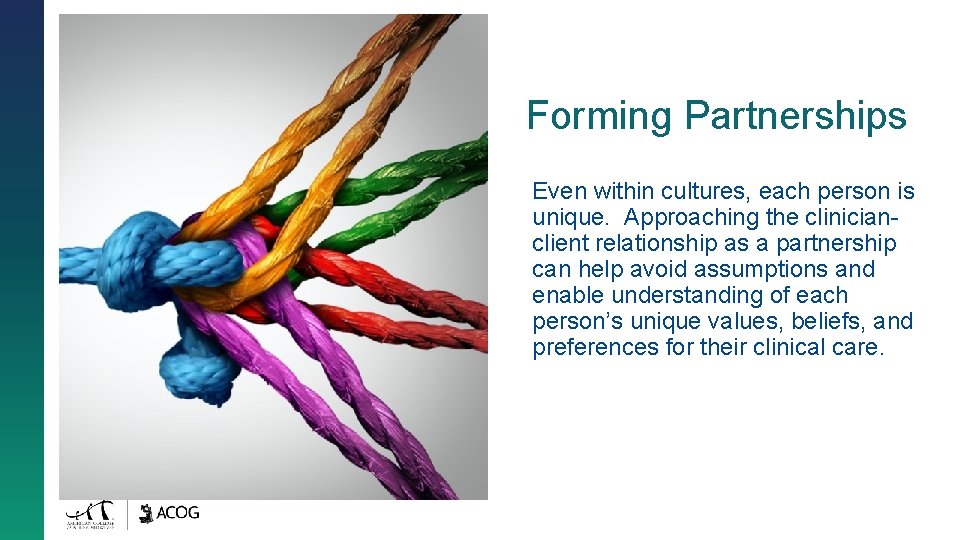
Forming Partnerships Even within cultures, each person is unique. Approaching the clinicianclient relationship as a partnership can help avoid assumptions and enable understanding of each person’s unique values, beliefs, and preferences for their clinical care.
Toward Healthy Partnerships People bring three pre-existing perspectives to the clinical decision-making process: • Information • Expectations • Preferences
Key Features of a Healthy Partnership • Acceptance of mutual responsibilities • Acknowledgment that all partners have something to contribute and gain • Attention to and explicit discussions about the relationship • Allowing the relationship to be dynamic and adapt to changing circumstances • Understanding that relationships and trust take time to develop • Understanding the context of ways communities have been marginalized through their contact with the U. S. healthcare system
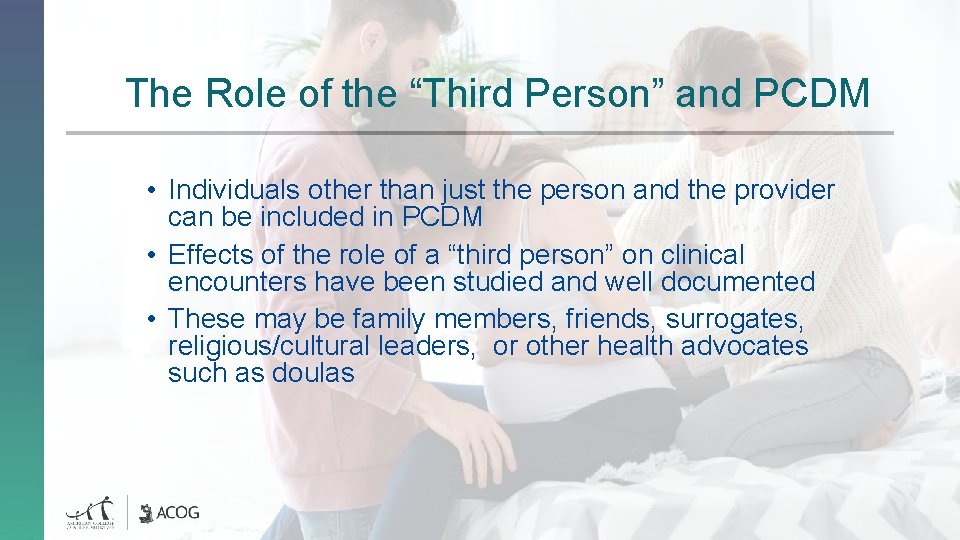
The Role of the “Third Person” and PCDM • Individuals other than just the person and the provider can be included in PCDM • Effects of the role of a “third person” on clinical encounters have been studied and well documented • These may be family members, friends, surrogates, religious/cultural leaders, or other health advocates such as doulas
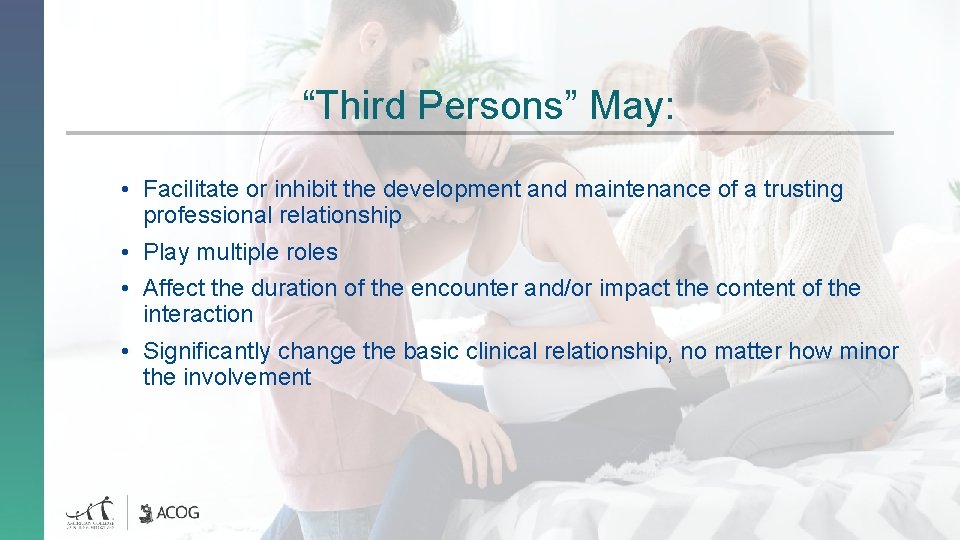
“Third Persons” May: • Facilitate or inhibit the development and maintenance of a trusting professional relationship • Play multiple roles • Affect the duration of the encounter and/or impact the content of the interaction • Significantly change the basic clinical relationship, no matter how minor the involvement
Content continues in part 2!