
PERSONAL STATEMENT AND REFERENCE WRITING Ali Chandler Schools

- Slides: 25
PERSONAL STATEMENT AND REFERENCE WRITING Ali Chandler Schools and Colleges Liaison
Personal Statements
THE ADMISSIONS TUTOR WILL ASK… Suited to the course? Right qualifications? Hardworking? Work under pressure? Adjust to the university environment? Good communication skills? Genuinely interested in the course and shown they have researched it?
WHAT MAKES A WEAK PERSONAL STATEMENT? § Omits why they want to study that subject/profession § Demonstrates poor understanding of subject § Fails to show qualities/skills for chosen profession § Content irrelevant § Poorly written (spelling/grammar) § Repeats information (e. g. A-levels they are studying)
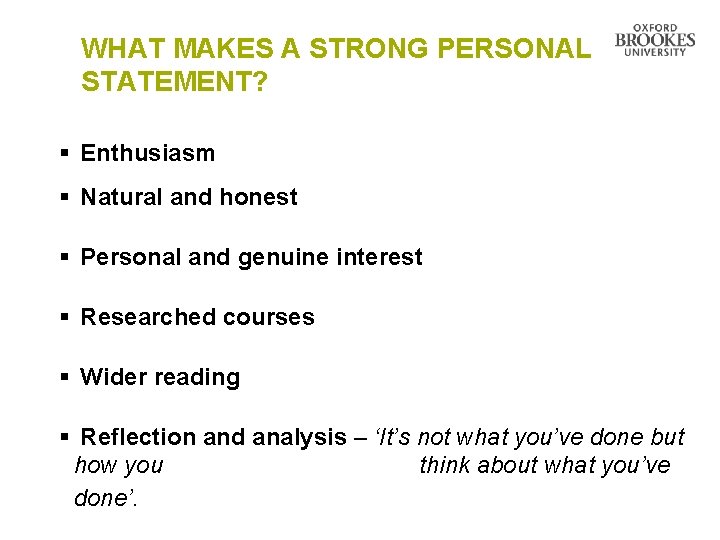
WHAT MAKES A STRONG PERSONAL STATEMENT? § Enthusiasm § Natural and honest § Personal and genuine interest § Researched courses § Wider reading § Reflection and analysis – ‘It’s not what you’ve done but how you think about what you’ve done’.
How do they start a personal statement?
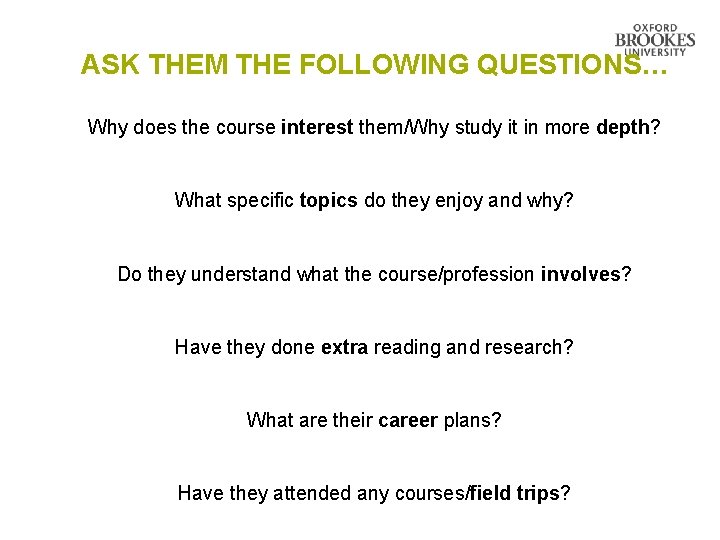
ASK THEM THE FOLLOWING QUESTIONS… Why does the course interest them/Why study it in more depth? What specific topics do they enjoy and why? Do they understand what the course/profession involves? Have they done extra reading and research? What are their career plans? Have they attended any courses/field trips?
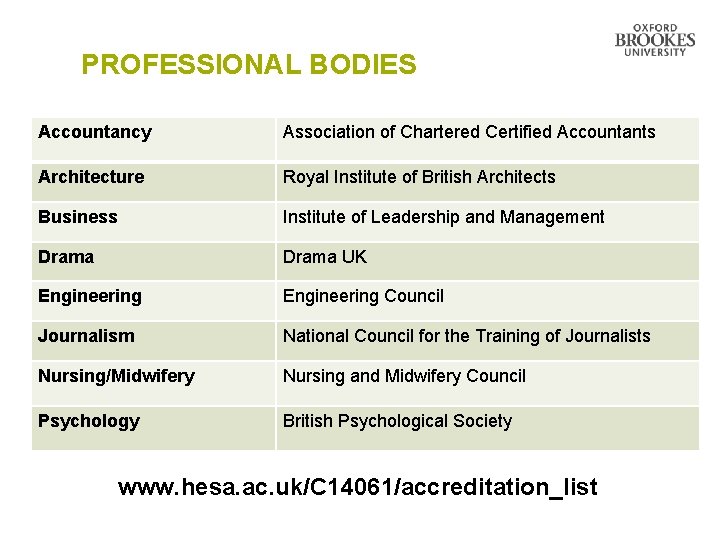
PROFESSIONAL BODIES Accountancy Association of Chartered Certified Accountants Architecture Royal Institute of British Architects Business Institute of Leadership and Management Drama UK Engineering Council Journalism National Council for the Training of Journalists Nursing/Midwifery Nursing and Midwifery Council Psychology British Psychological Society www. hesa. ac. uk/C 14061/accreditation_list
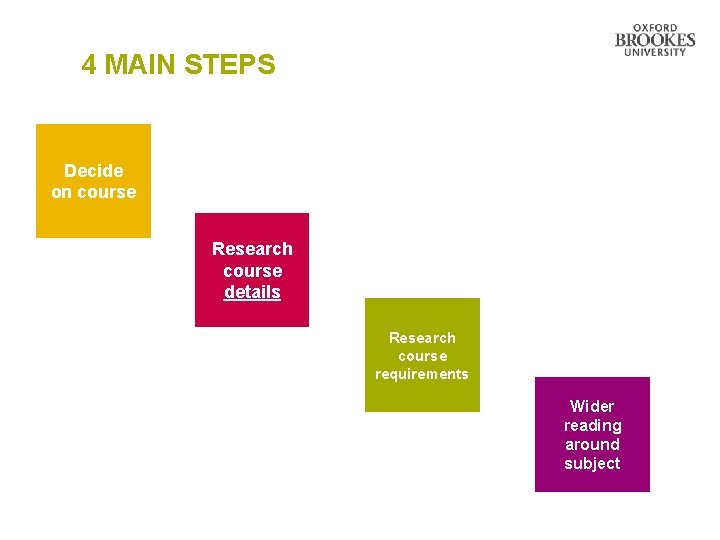
4 MAIN STEPS Decide on course Research course details Research course requirements Wider reading around subject
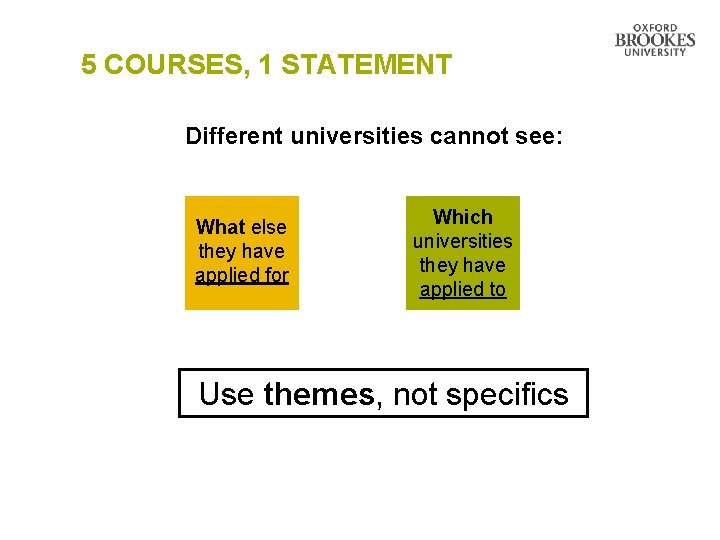
5 COURSES, 1 STATEMENT Different universities cannot see: What else they have applied for Which universities they have applied to Use themes, not specifics
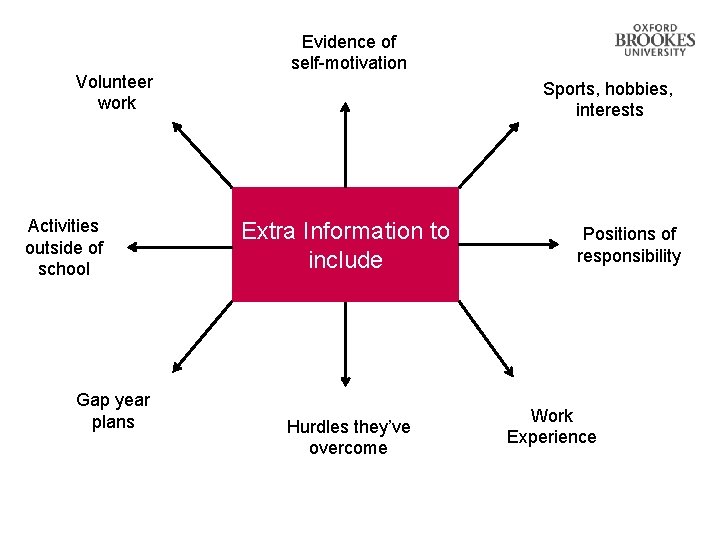
Volunteer work Activities outside of school Gap year plans Evidence of self-motivation Sports, hobbies, interests Extra Information to include Hurdles they’ve overcome Positions of responsibility Work Experience
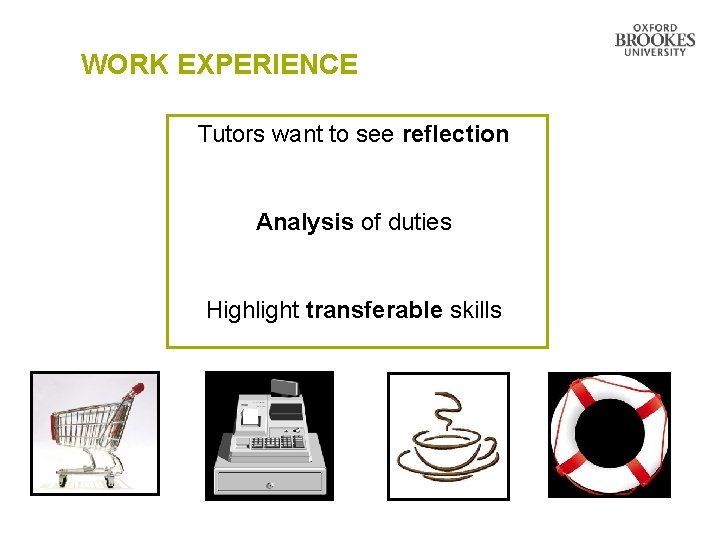
WORK EXPERIENCE Tutors want to see reflection Analysis of duties Highlight transferable skills
Examples
ADDITIONAL LETTERS § Hardship/illness § Odd course choices § Medicine (biomedical statement)
SUPPORTING STUDENTS WITH THEIR PERSONAL STATEMENT § Start early in year 12 - Work experience, voluntary work etc. § Personal Development plans § Give appropriate amount of time § Set deadlines – not too late in term
Reference Writing
REFERENCE WRITING § Subject § Qualities § Contextual information § Hardships § Top tips
SUBJECT § Mention all subjects (starting with most relevant) § Suitability to degree subject § Predicted grades § Extra-reading or experience beyond curriculum § Academic and practical skills (ability and suitability)
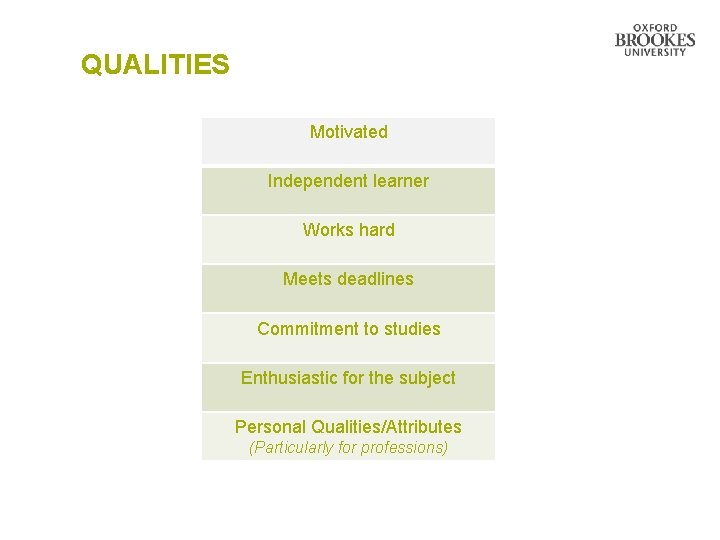
QUALITIES Motivated Independent learner Works hard Meets deadlines Commitment to studies Enthusiastic for the subject Personal Qualities/Attributes (Particularly for professions)
CONTEXTUAL INFORMATION § 1 - 2 sentence school summary (E. G. % of GCSE attainment A*- C, % Free School Meals) § Comparison to peers and previous cohort § UCAS contextual data § Universities differ on what they look at
HARDSHIPS / SPECIAL CIRCUMSTANCES § If performance affected (includes unusual academic history) § Supplementary letter (teacher, parent or doctor if medical) § Ask student’s permission § Occurrence after UCAS application submitted
Examples
TOP TIPS! DO NOT… § Use standard reference and change names § Repeat information § Insert reference into wrong application § Mention an institution by name
TOP TIPS! DO … § Read whole application § Write reference to compliment personal statement § Make it personal
ALL YOU NEED TO KNOW ABOUT UNIVERSITY www. unipodadvice. com