
Personal Narrative Four Stages Orientation Complication Who Problem

Personal Narrative
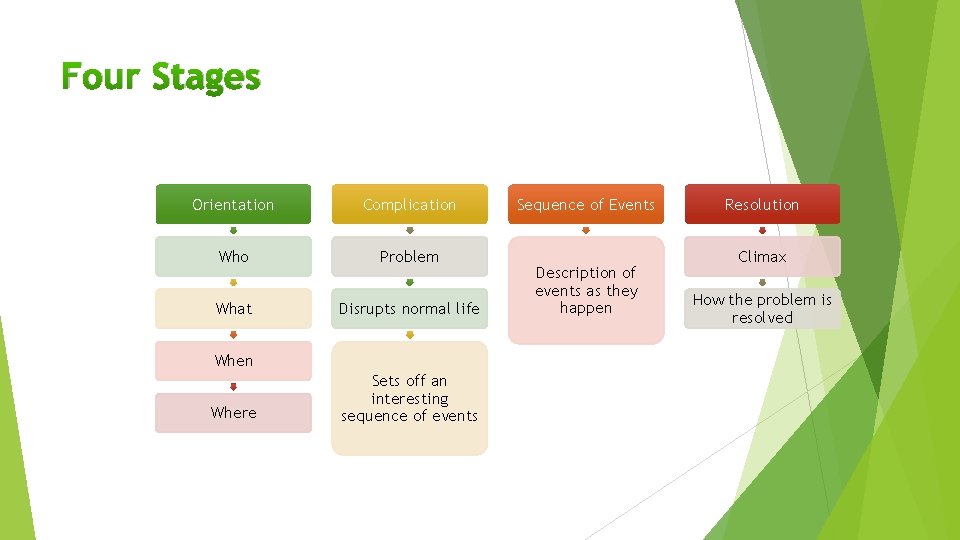
Four Stages Orientation Complication Who Problem What Disrupts normal life When Where Sets off an interesting sequence of events Sequence of Events Description of events as they happen Resolution Climax How the problem is resolved
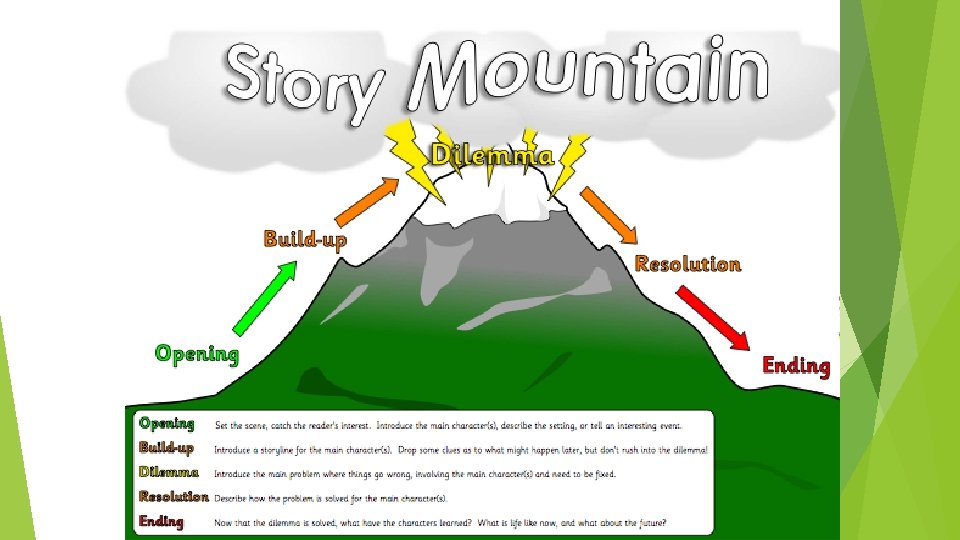
I want you to use the strategy Think Visualise Draw Write. This will help you write your personal narrative story. Check the next few slides foe how to do it.
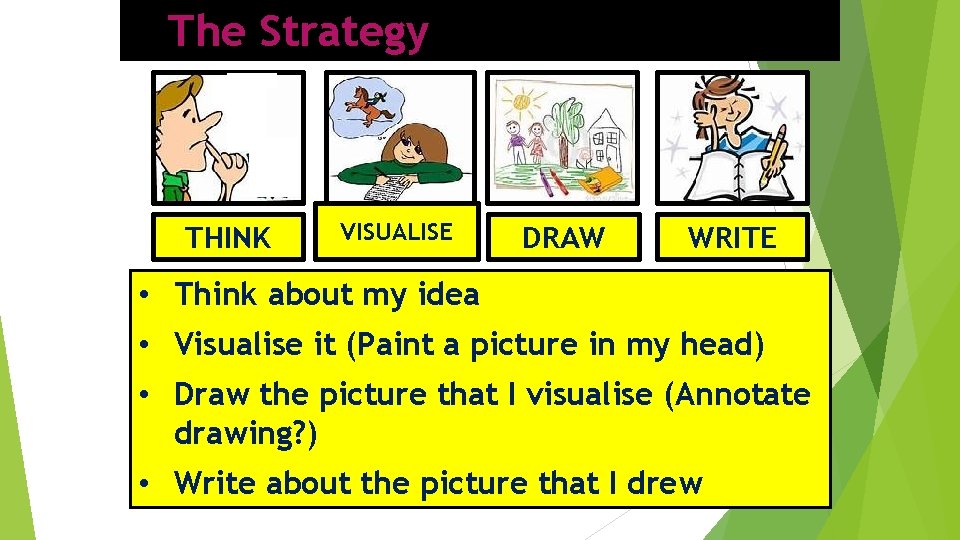
The Strategy THINK VISUALISE DRAW WRITE • Think about my idea • Visualise it (Paint a picture in my head) • Draw the picture that I visualise (Annotate drawing? ) • Write about the picture that I drew
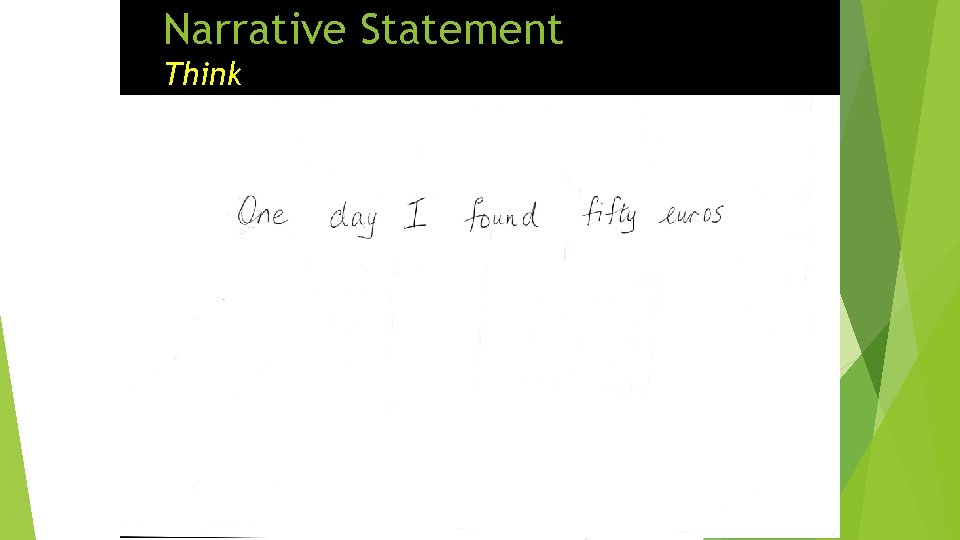
Narrative Statement Think
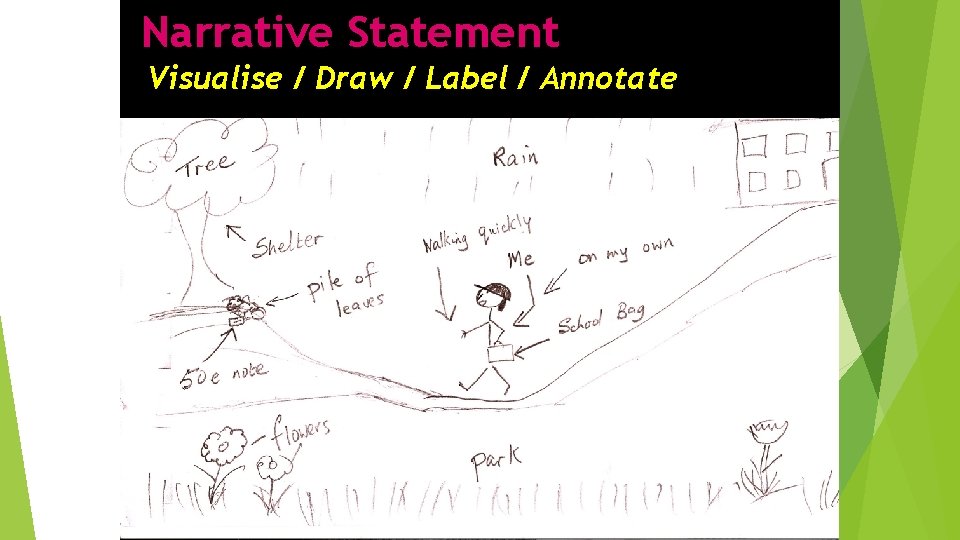
Narrative Statement Visualise / Draw / Label / Annotate
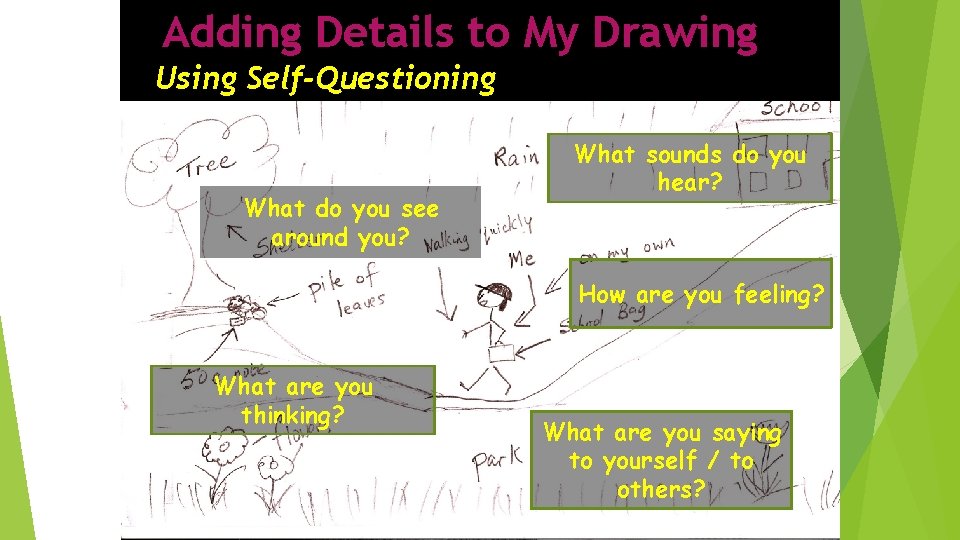
Adding Details to My Drawing Using Self-Questioning What do you see around you? What sounds do you hear? How are you feeling? What are you thinking? What are you saying to yourself / to others?
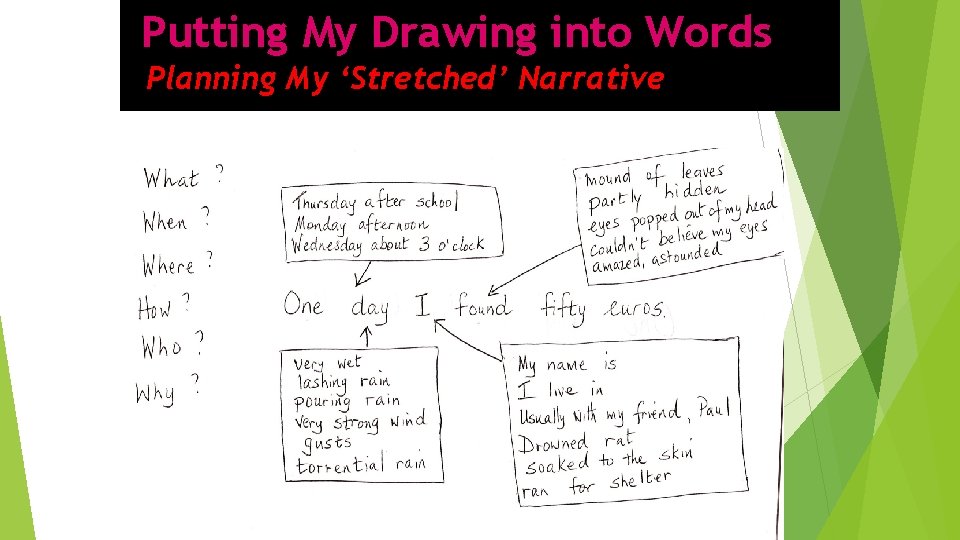
Putting My Drawing into Words Planning My ‘Stretched’ Narrative
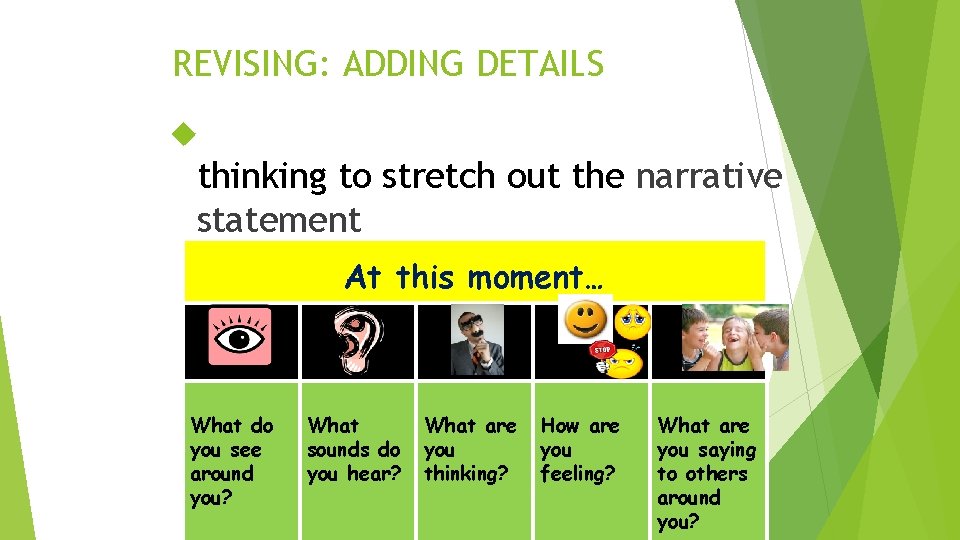
REVISING: ADDING DETAILS Using small actions and internal thinking to stretch out the narrative statement At this moment… What do you see around you? What sounds do you hear? What are you thinking? How are you feeling? What are you saying to others around you?
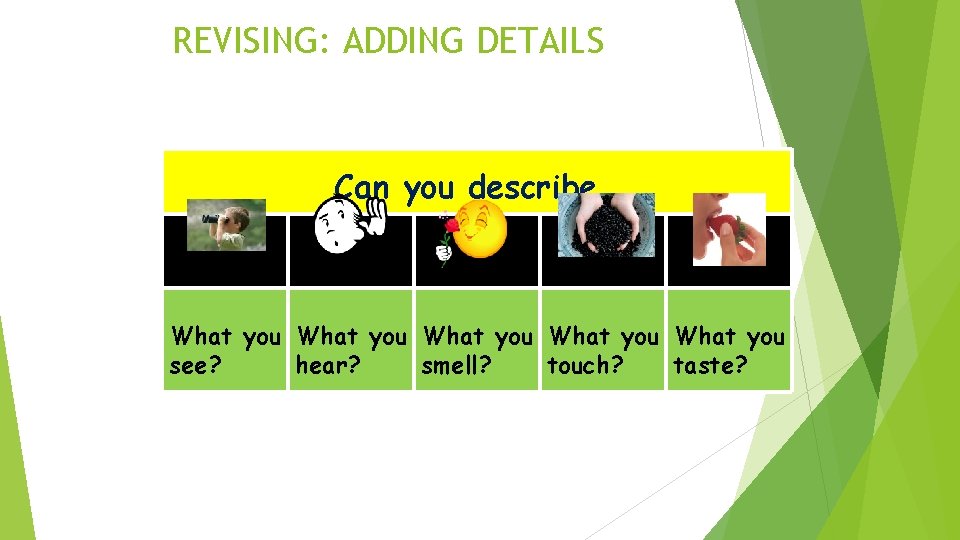
REVISING: ADDING DETAILS Can you describe… What you What you see? hear? smell? touch? taste?
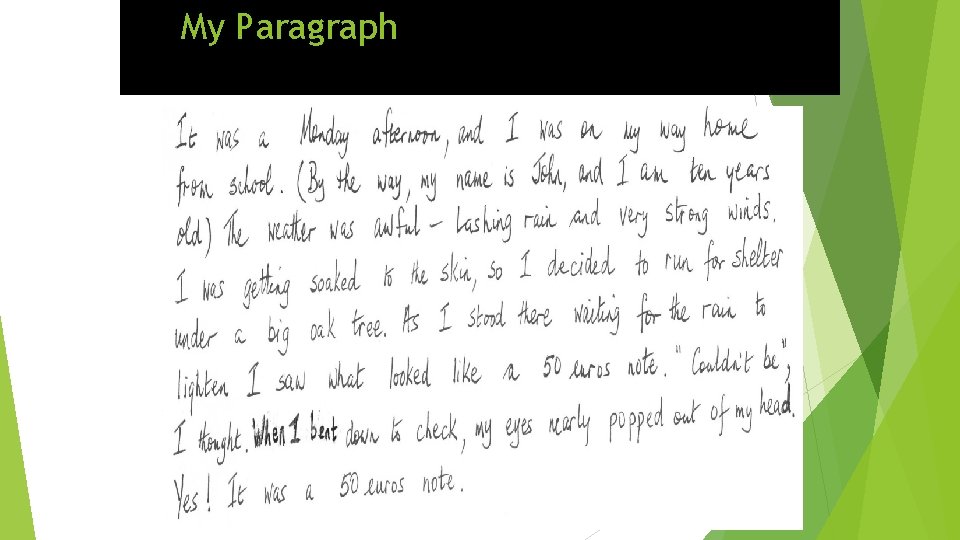
My Paragraph
- Slides: 12