
Persistent Diarrhea Dr Shrish Bhatnagar Consultant Paediatric Gastroenterologist
Persistent Diarrhea Dr. Shrish Bhatnagar Consultant Paediatric Gastroenterologist Eras’ Lucknow Medical College & Vivekananda Polyclinic and Institute of Medical Sciences, Lucknow.
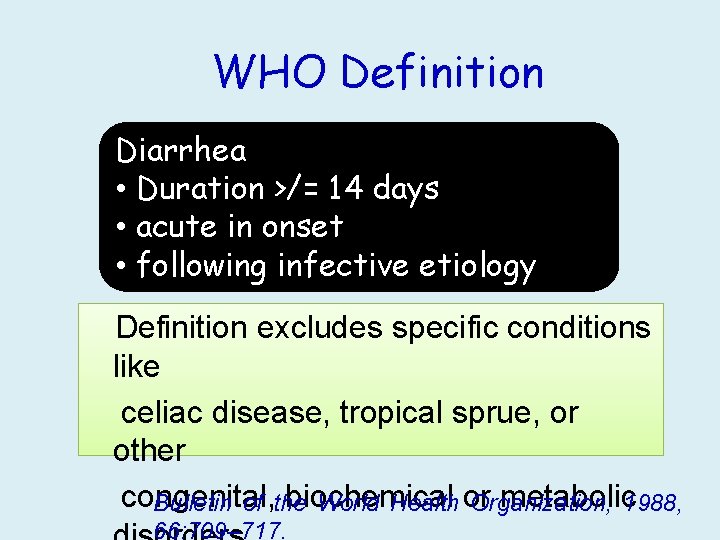
WHO Definition Diarrhea • Duration >/= 14 days • acute in onset • following infective etiology Definition excludes specific conditions like celiac disease, tropical sprue, or other congenital, biochemical metabolic 1988, Bulletin of the World Health or Organization, 66: 709– 717.
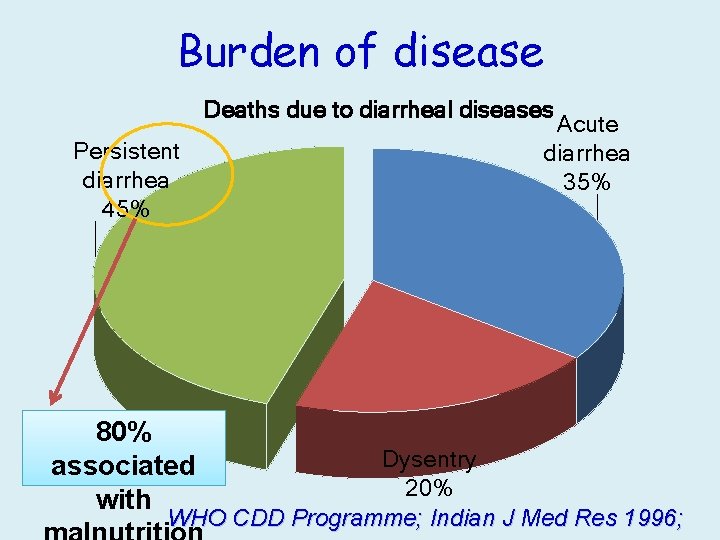
Burden of disease Deaths due to diarrheal diseases Persistent diarrhea 45% 80% associated with Acute diarrhea 35% Dysentry 20% WHO CDD Programme; Indian J Med Res 1996;
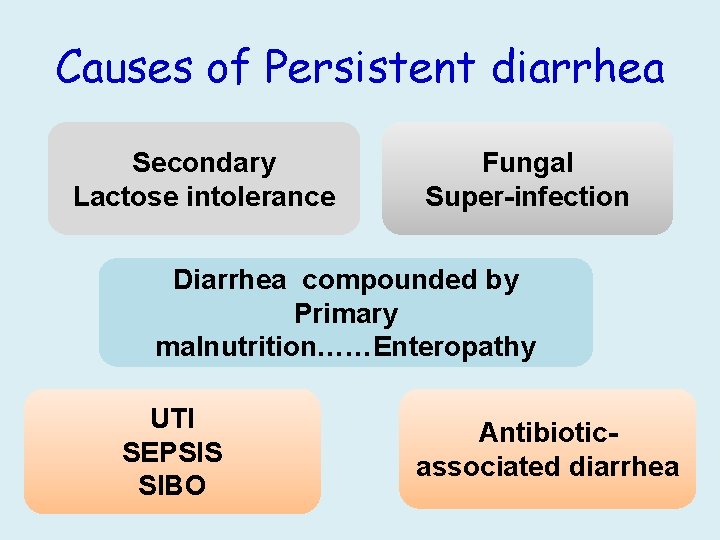
Causes of Persistent diarrhea Secondary Lactose intolerance Fungal Super-infection Diarrhea compounded by Primary malnutrition……Enteropathy UTI SEPSIS SIBO Antibioticassociated diarrhea

Natural history of diarrhea Acute diarrhea: 70% resolve in 1 wk Acute diarrhea : 90 -95% resolve in 2 wk 5 -10% become persistent If persistent beyond >6 -8 weeks (small proportion) Think of other causes Majority subsides in 4 -6 weeks Ind J Gastroenterol 1993; 12: 111 -
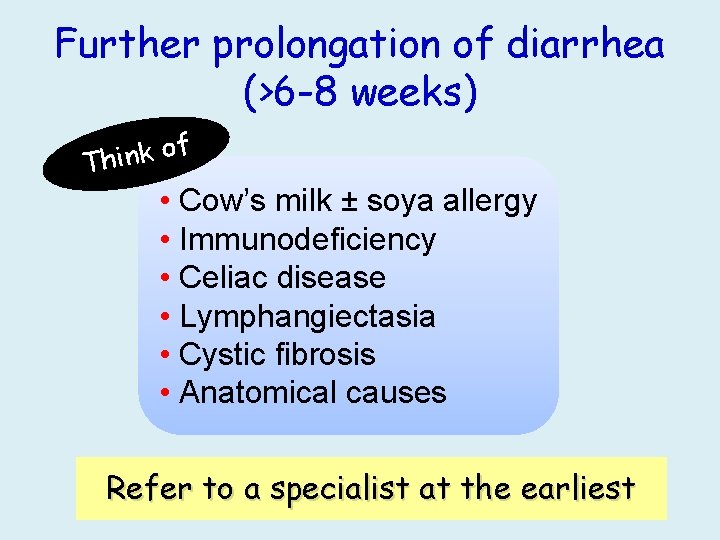
Further prolongation of diarrhea (>6 -8 weeks) f o k n i Th • Cow’s milk ± soya allergy • Immunodeficiency • Celiac disease • Lymphangiectasia • Cystic fibrosis • Anatomical causes Refer to a specialist at the earliest
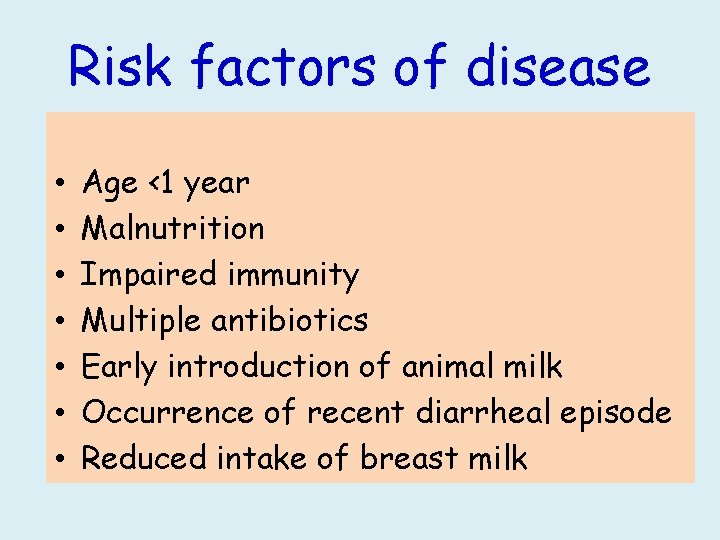
Risk factors of disease • • Age <1 year Malnutrition Impaired immunity Multiple antibiotics Early introduction of animal milk Occurrence of recent diarrheal episode Reduced intake of breast milk
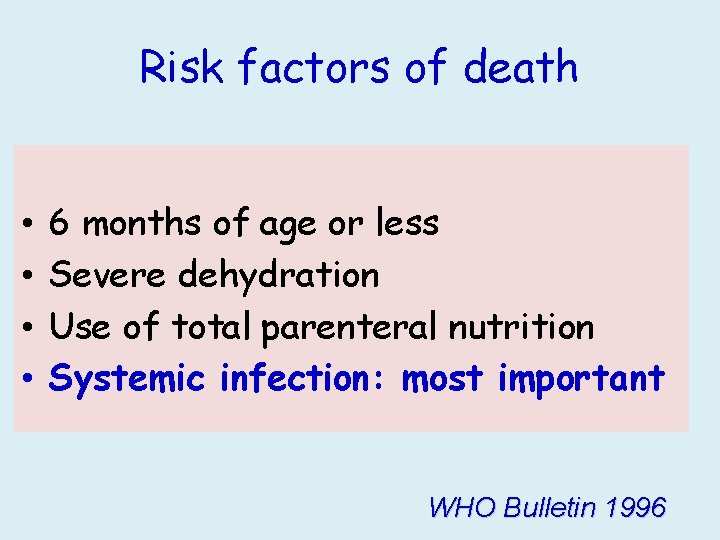
Risk factors of death • • 6 months of age or less Severe dehydration Use of total parenteral nutrition Systemic infection: most important WHO Bulletin 1996
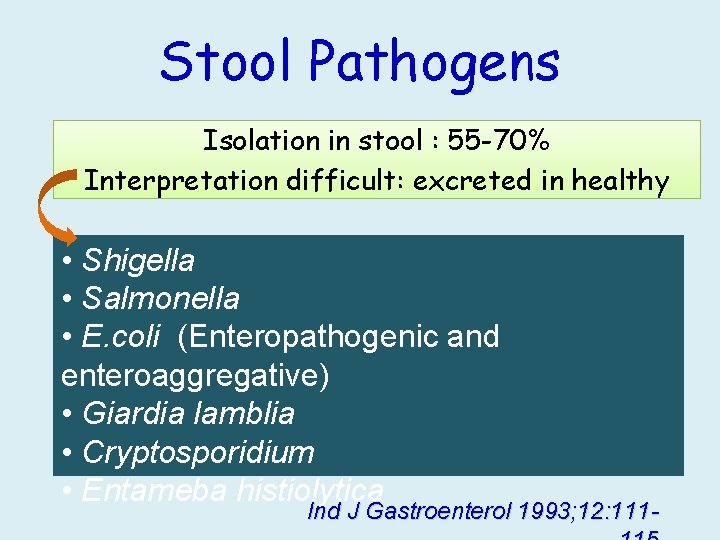
Stool Pathogens Isolation in stool : 55 -70% Interpretation difficult: excreted in healthy • Shigella • Salmonella • E. coli (Enteropathogenic and enteroaggregative) • Giardia lamblia • Cryptosporidium • Entameba histiolytica Ind J Gastroenterol 1993; 12: 111 -

Management
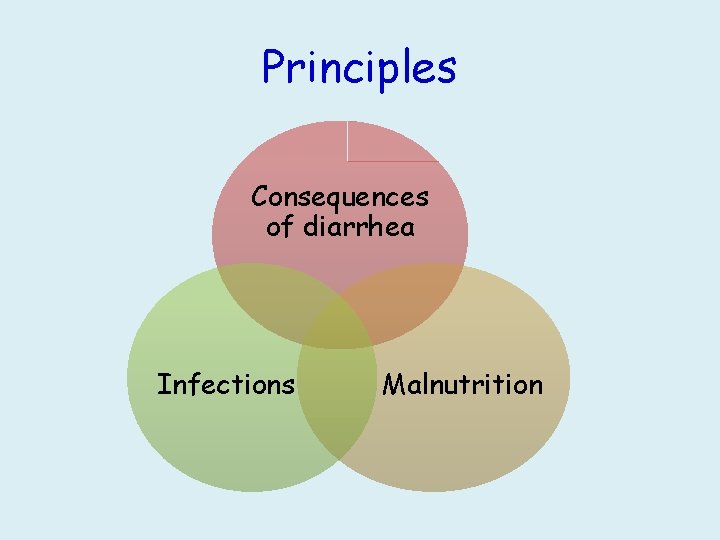
Principles Consequences of diarrhea Infections Malnutrition
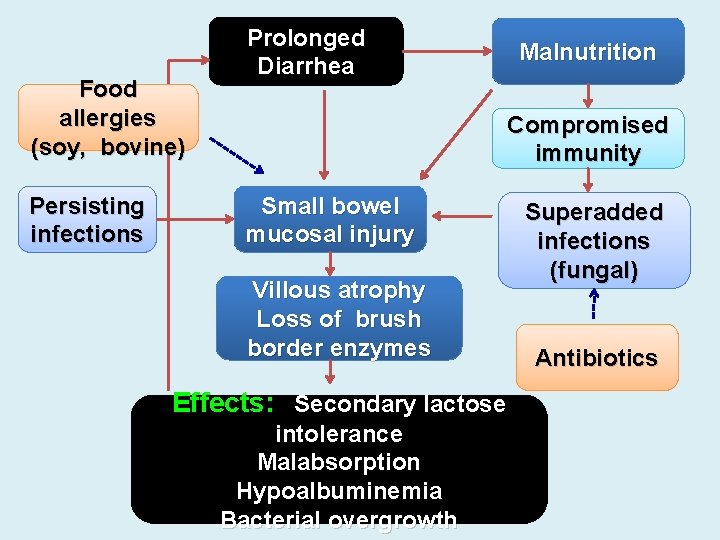
Food allergies (soy, bovine) Persisting infections Prolonged Diarrhea Malnutrition Compromised immunity Small bowel mucosal injury Villous atrophy Loss of brush border enzymes Effects: Secondary lactose intolerance Malabsorption Hypoalbuminemia Bacterial overgrowth Superadded infections (fungal) Antibiotics

Vicious cycle Break!
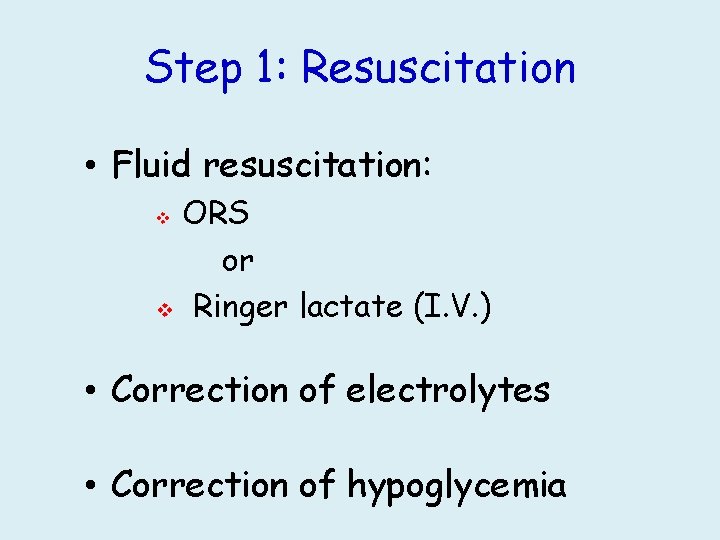
Step 1: Resuscitation • Fluid resuscitation: ORS or v Ringer lactate (I. V. ) v • Correction of electrolytes • Correction of hypoglycemia
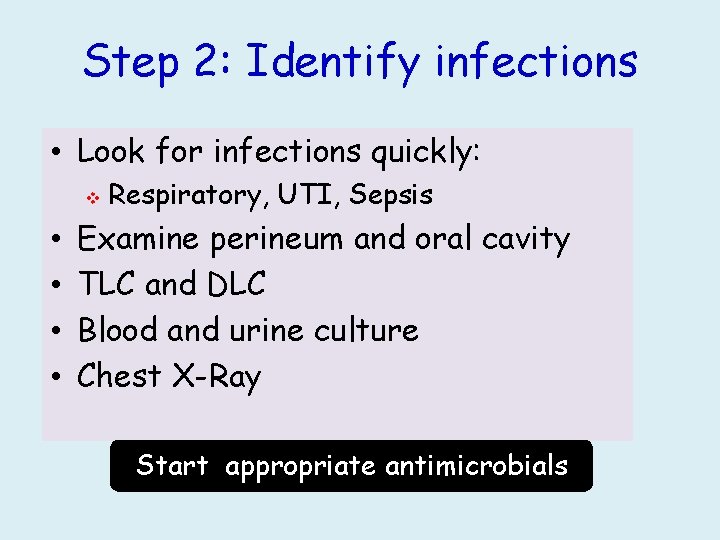
Step 2: Identify infections • Look for infections quickly: v • • Respiratory, UTI, Sepsis Examine perineum and oral cavity TLC and DLC Blood and urine culture Chest X-Ray Start appropriate antimicrobials
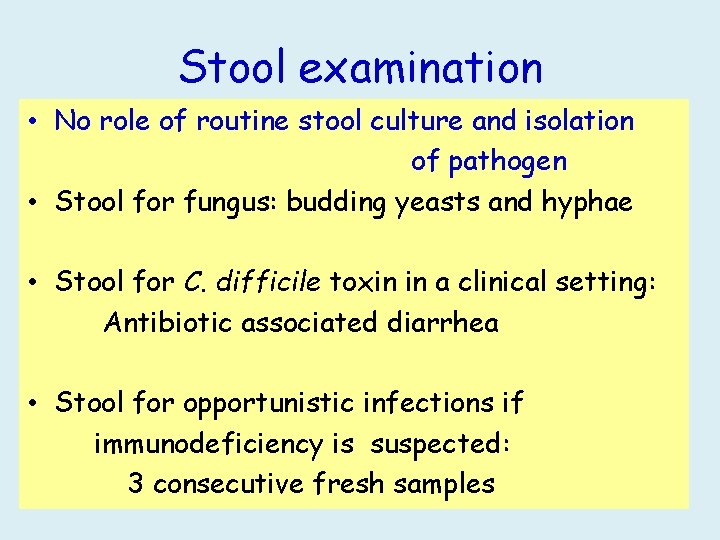
Stool examination • No role of routine stool culture and isolation of pathogen • Stool for fungus: budding yeasts and hyphae • Stool for C. difficile toxin in a clinical setting: Antibiotic associated diarrhea • Stool for opportunistic infections if immunodeficiency is suspected: 3 consecutive fresh samples

Indications for antibiotics • • • Blood in stools: Shigella Systemic infections Severe malnutrition Concomitant UTI <4 mo age group No Role of empirical Nitazoxanide for Cryptosporidium Insufficient data to recommend the use of any kind of antibiotic in persistent diarrhoea of unknown cause or non-specific cause BMC Infectious Diseases 2009,

Case I: 4 mo girl Top Bo fed fee ttle din g Ofloxacin , racecadotril, probiotics VPIMS Intt. fever (1000 F) 10 days Acute onset, watery 15 times/day for 7 days dehydration Persistent diarrhea 2 weeks 5 -6 times/day, small quantities Catheterized
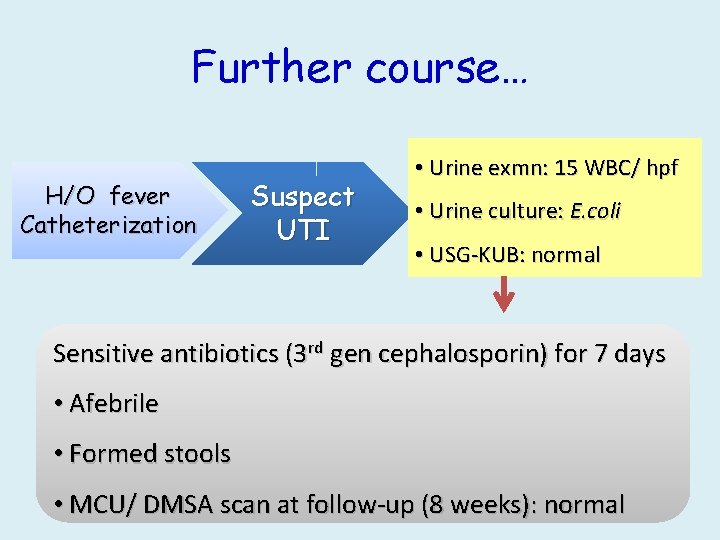
Further course… H/O fever Catheterization Suspect UTI • Urine exmn: 15 WBC/ hpf • Urine culture: E. coli • USG-KUB: normal Sensitive antibiotics (3 rd gen cephalosporin) for 7 days • Afebrile • Formed stools • MCU/ DMSA scan at follow-up (8 weeks): normal
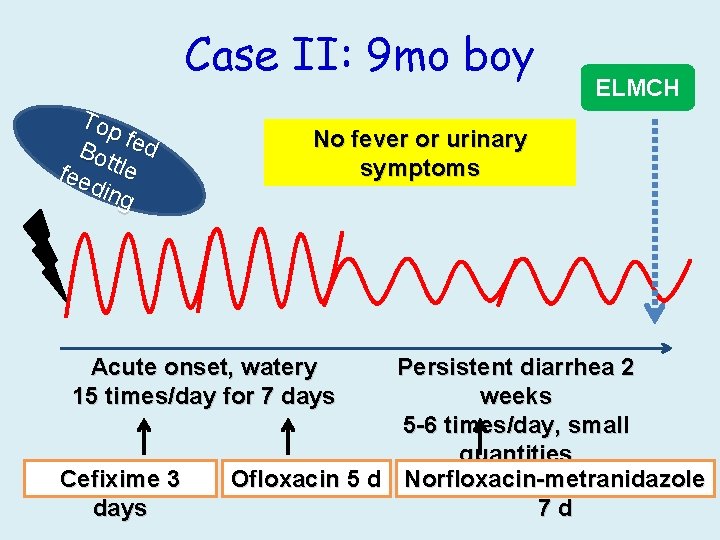
Case II: 9 mo boy Top Bot fed fee tle din g No fever or urinary symptoms Acute onset, watery 15 times/day for 7 days Cefixime 3 days ELMCH Persistent diarrhea 2 weeks 5 -6 times/day, small quantities Ofloxacin 5 d Norfloxacin-metranidazole 7 d
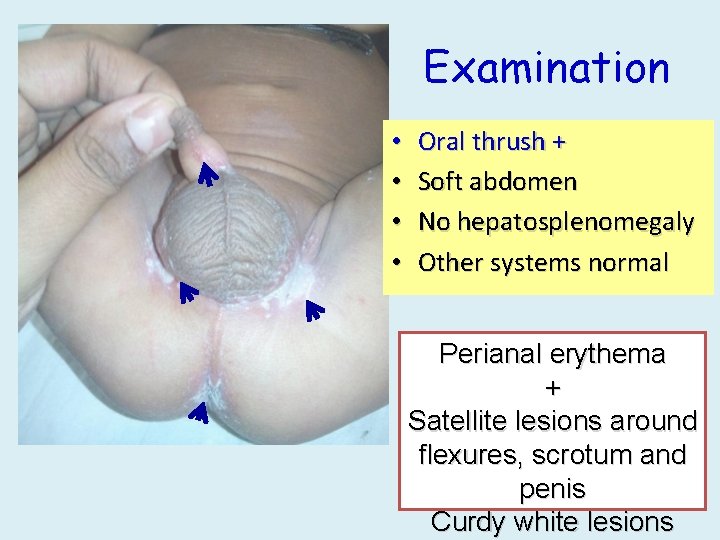
Examination • • Oral thrush + Soft abdomen No hepatosplenomegaly Other systems normal Perianal erythema + Satellite lesions around flexures, scrotum and penis Curdy white lesions

Diagnosis Fungal diarrhea (super-infection) Stool • Budding yeast cells and hyphae ++ • Opportunistic infections: no organism • C. difficile antigen: negative
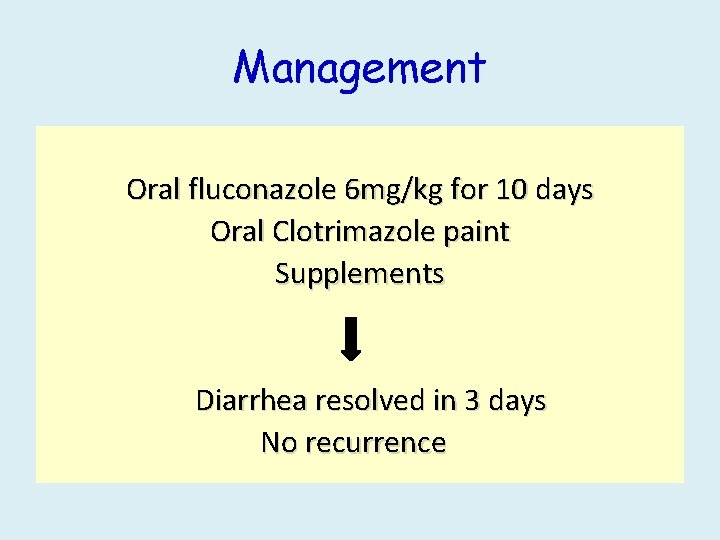
Management Oral fluconazole 6 mg/kg for 10 days Oral Clotrimazole paint Supplements Diarrhea resolved in 3 days No recurrence
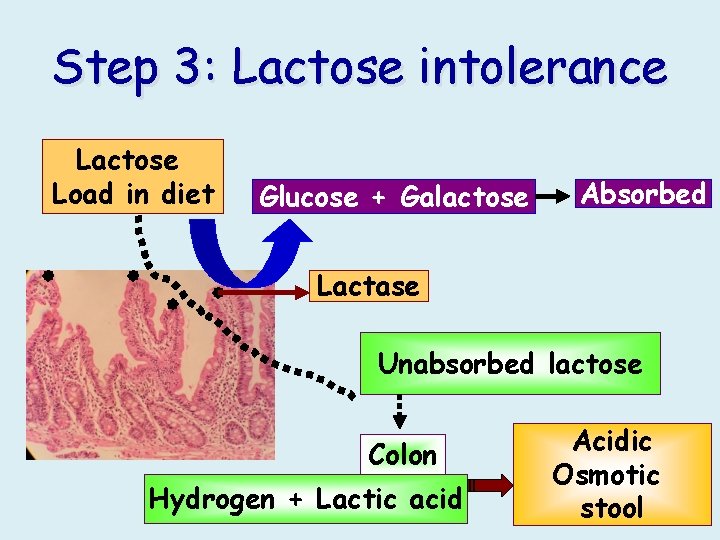
Step 3: Lactose intolerance Lactose Load in diet Glucose + Galactose Absorbed Lactase Unabsorbed lactose Colon Hydrogen + Lactic acid Acidic Osmotic stool
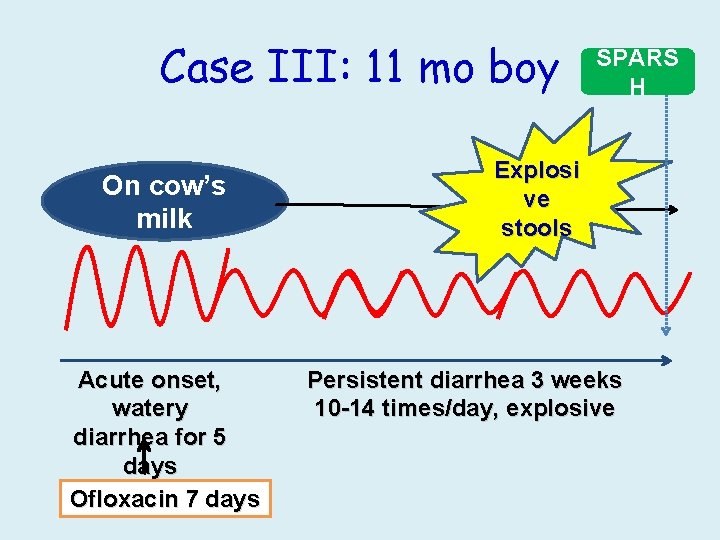
Case III: 11 mo boy On cow’s milk Acute onset, watery diarrhea for 5 days Ofloxacin 7 days SPARS H Explosi ve stools Persistent diarrhea 3 weeks 10 -14 times/day, explosive
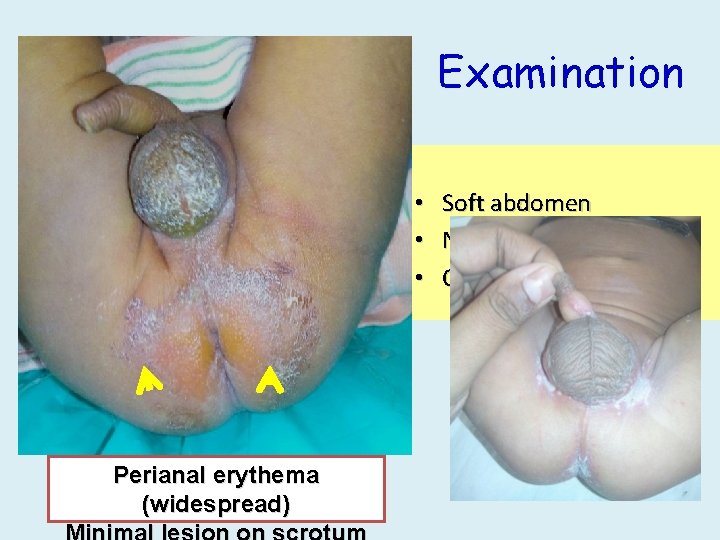
Examination • Soft abdomen • No hepatosplenomegaly • Other systems normal Perianal erythema (widespread)
Step 4: Dietary therapy Cornerstone of management

Diet algorithm Diet A: Low lactose diet failure Diet C: Monosaccharide based diet to s d e Ne d e t i s i v be re rent r in cu era ? Diet B: Lactose-free diet failure Hydrolysed or amino acid formulae (Elemental diet) failure May use Green banana diet Total parenteral nutrition
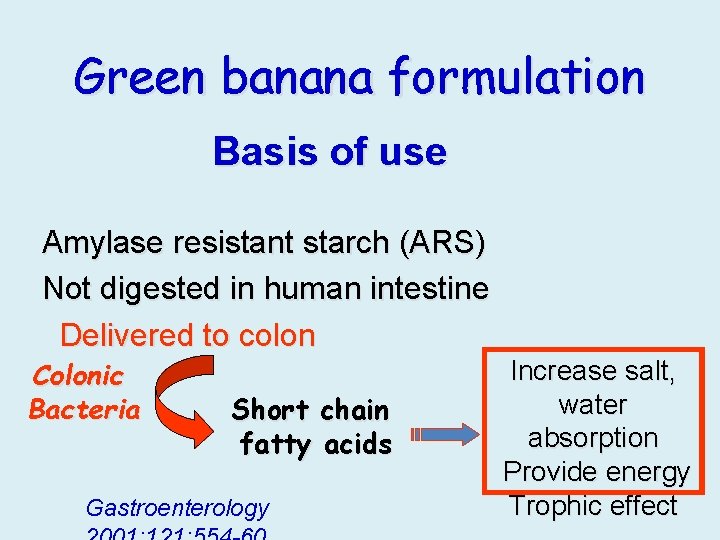
Green banana formulation Basis of use Amylase resistant starch (ARS) Not digested in human intestine Delivered to colon Colonic Bacteria Short chain fatty acids Gastroenterology Increase salt, water absorption Provide energy Trophic effect
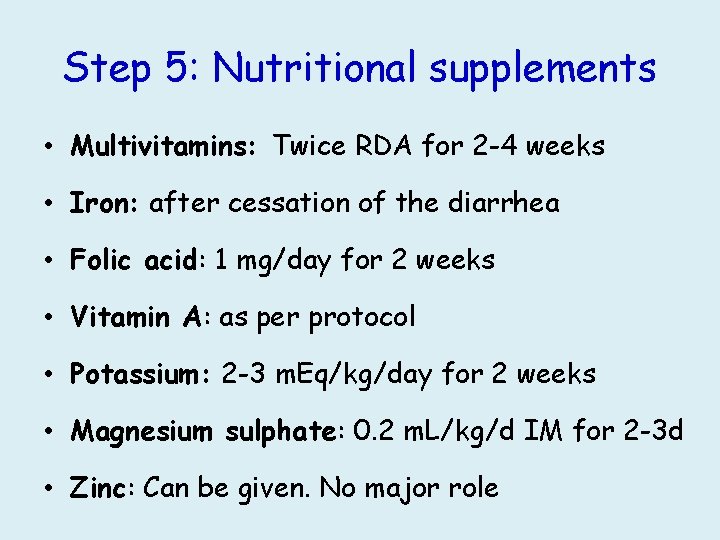
Step 5: Nutritional supplements • Multivitamins: Twice RDA for 2 -4 weeks • Iron: after cessation of the diarrhea • Folic acid: 1 mg/day for 2 weeks • Vitamin A: as per protocol • Potassium: 2 -3 m. Eq/kg/day for 2 weeks • Magnesium sulphate: 0. 2 m. L/kg/d IM for 2 -3 d • Zinc: Can be given. No major role
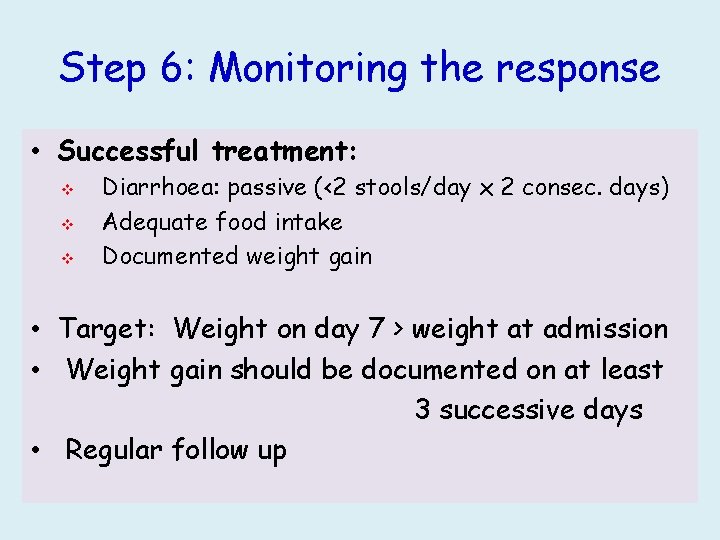
Step 6: Monitoring the response • Successful treatment: v v v Diarrhoea: passive (<2 stools/day x 2 consec. days) Adequate food intake Documented weight gain • Target: Weight on day 7 > weight at admission • Weight gain should be documented on at least 3 successive days • Regular follow up
How long should we give Diet A or B? • Minimum 7 days trial each before failure is declared • If lactose intolerance: Lactose-free diet for at least 21 days
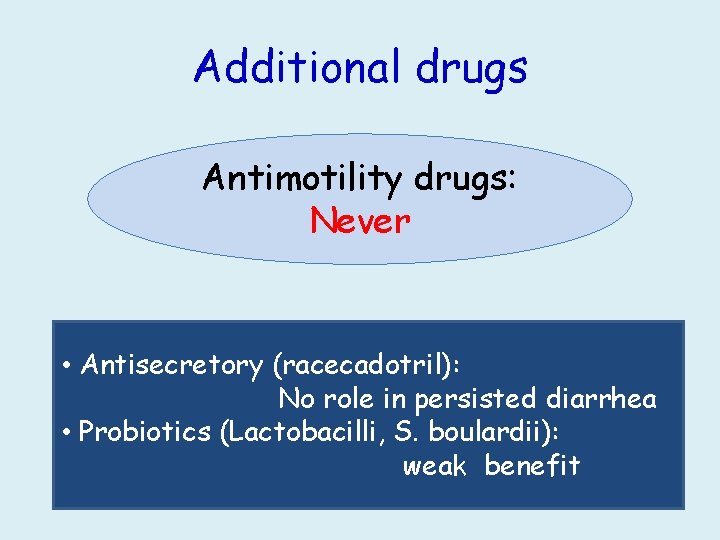
Additional drugs Antimotility drugs: Never • Antisecretory (racecadotril): No role in persisted diarrhea • Probiotics (Lactobacilli, S. boulardii): weak benefit

Case IV: 16 mo boy Top Bot fed fee tle din g Sparsh No fever or urinary symptoms Acute onset, watery Loose stools , occasional 15 times/day for 7 days abdominal pain & bloating X 14 days Cefixime 3 days Ofloxacin 5 d Norfloxacin-metranidazole 7 d
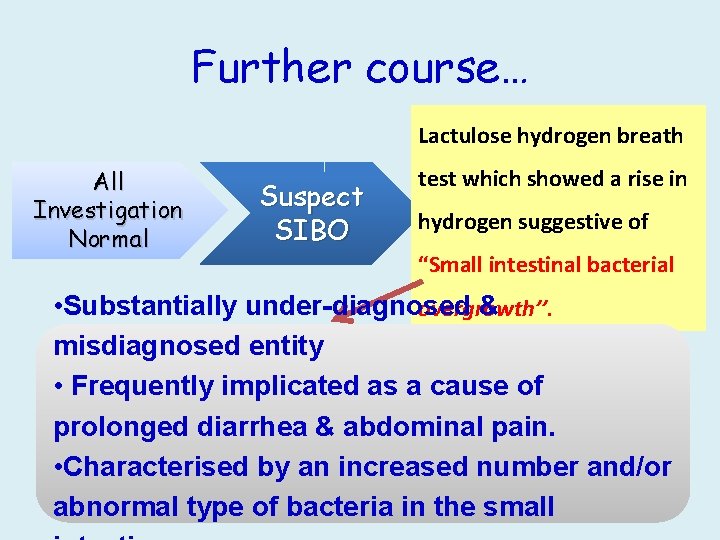
Further course… Lactulose hydrogen breath All Investigation Normal Suspect SIBO test which showed a rise in hydrogen suggestive of “Small intestinal bacterial • Substantially under-diagnosed & overgrowth’’. misdiagnosed entity • Frequently implicated as a cause of prolonged diarrhea & abdominal pain. • Characterised by an increased number and/or abnormal type of bacteria in the small

SIBO-Pathophysiology 9 37
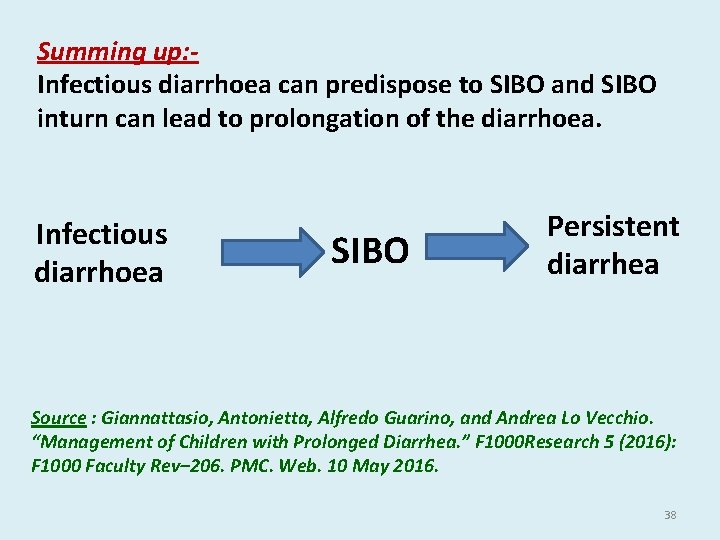
Summing up: Infectious diarrhoea can predispose to SIBO and SIBO inturn can lead to prolongation of the diarrhoea. Infectious diarrhoea SIBO Persistent diarrhea Source : Giannattasio, Antonietta, Alfredo Guarino, and Andrea Lo Vecchio. “Management of Children with Prolonged Diarrhea. ” F 1000 Research 5 (2016): F 1000 Faculty Rev– 206. PMC. Web. 10 May 2016. 38
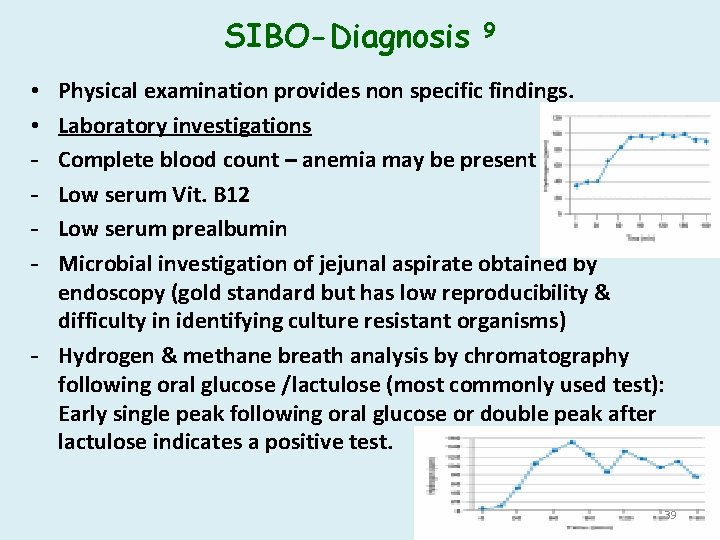
SIBO-Diagnosis 9 Physical examination provides non specific findings. Laboratory investigations Complete blood count – anemia may be present Low serum Vit. B 12 Low serum prealbumin Microbial investigation of jejunal aspirate obtained by endoscopy (gold standard but has low reproducibility & difficulty in identifying culture resistant organisms) - Hydrogen & methane breath analysis by chromatography following oral glucose /lactulose (most commonly used test): Early single peak following oral glucose or double peak after lactulose indicates a positive test. • • - 39
SIBO-Treatment 9 1) Correction of the underlying cause (dietary/medical/surgical) 2) Nutritional support in patients with weight loss & nutritional deficiency. - Supplementation of vitamin B 12 , fat-soluble vitamins, calcium, Folic Acid - Exclusion of lactose from diet. - Reduction of simple sugars - Energy needs conveyed by administering fat & medium chain triacylglyceroles 3) Antibiotics (mainstay of treatment) : A number of antibiotics have been tried for SIBO. Rifaximin appears promising. 40
Rifaximin-Dosing as per body weight • Dosage for adults and children older than 12 years is 10 to 15 mg/kg/day • Younger children a daily dose of 20 to 30 mg/kg/day (Treatment duration 7 days) • Still not approved for <2 Years of age Prescribing Information- Rifaximin A Review of its Antibacterial Activity, Pharmacokinetic Properties and Therapeutic Potential in Conditions Mediated by Gastrointestinal Bacteria Jane C. Gillis Rex N. Brogden March 1995, Volume 49, Issue 3, pp 467 -484 First online: 24 October 2012 41
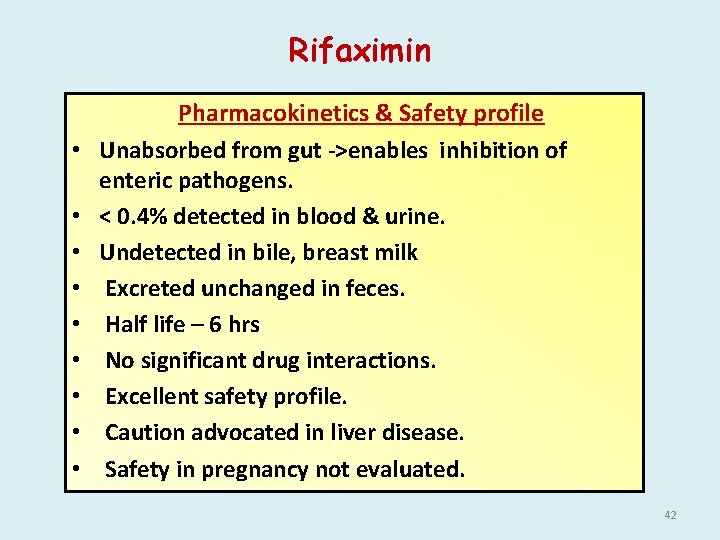
Rifaximin • • • Pharmacokinetics & Safety profile Unabsorbed from gut ->enables inhibition of enteric pathogens. < 0. 4% detected in blood & urine. Undetected in bile, breast milk Excreted unchanged in feces. Half life – 6 hrs No significant drug interactions. Excellent safety profile. Caution advocated in liver disease. Safety in pregnancy not evaluated. 42
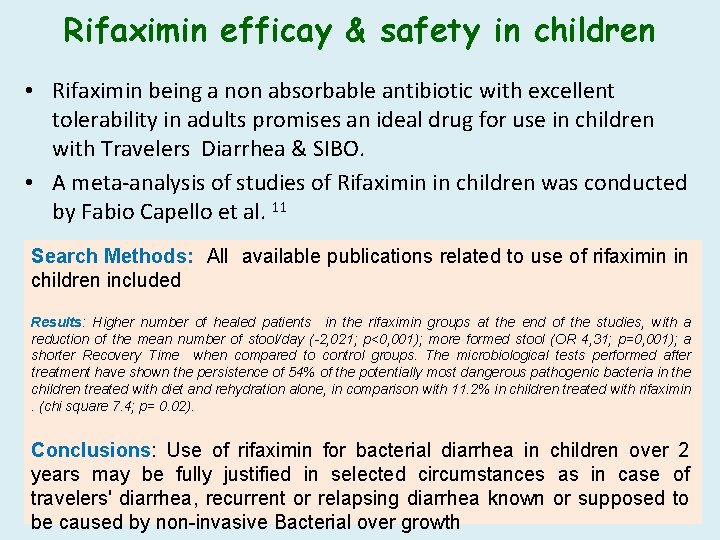
Rifaximin efficay & safety in children • Rifaximin being a non absorbable antibiotic with excellent tolerability in adults promises an ideal drug for use in children with Travelers Diarrhea & SIBO. • A meta-analysis of studies of Rifaximin in children was conducted by Fabio Capello et al. 11 Search Methods: All available publications related to use of rifaximin in children included Results: Higher number of healed patients in the rifaximin groups at the end of the studies, with a reduction of the mean number of stool/day (-2, 021; p<0, 001); more formed stool (OR 4, 31; p=0, 001); a shorter Recovery Time when compared to control groups. The microbiological tests performed after treatment have shown the persistence of 54% of the potentially most dangerous pathogenic bacteria in the children treated with diet and rehydration alone, in comparison with 11. 2% in children treated with rifaximin. (chi square 7. 4; p= 0. 02). Conclusions: Use of rifaximin for bacterial diarrhea in children over 2 years may be fully justified in selected circumstances as in case of travelers' diarrhea, recurrent or relapsing diarrhea known or supposed to 43 be caused by non-invasive Bacterial over growth
Summary Persistent diarrhea > 14 days Infections, malnutrition form vicious cycle UTI, Fungal Infection , Secondary lactose intolerance, SIBO are cause for prolongation Home Based Dietary Management with correction of prolongation factor is the main stay of treatment Rifaximin has a role in SIBO in children
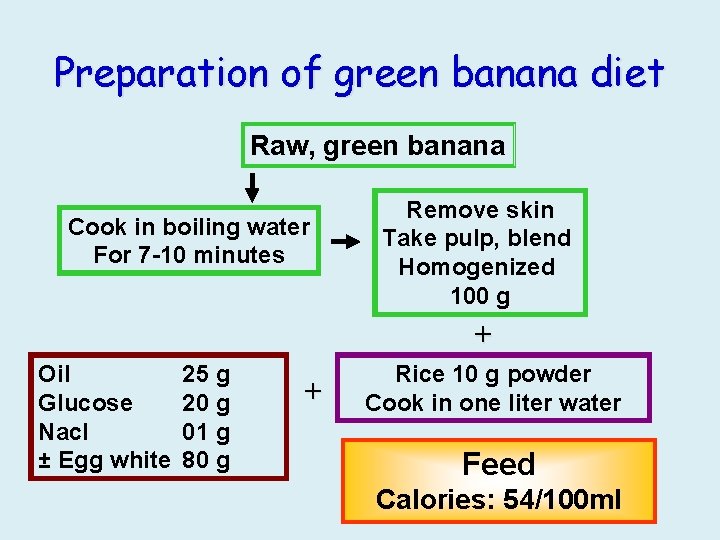
Preparation of green banana diet Raw, green banana Cook in boiling water For 7 -10 minutes Remove skin Take pulp, blend Homogenized 100 g + Oil Glucose Nacl ± Egg white 25 g 20 g 01 g 80 g + Rice 10 g powder Cook in one liter water Feed Calories: 54/100 ml
- Slides: 45