
PERIODONTITIS AS A MANIFESTATION OF SYSTEMIC DISEASES By
PERIODONTITIS AS A MANIFESTATION OF SYSTEMIC DISEASES By Dr. Omar Alkaradsheh
AAP Classification of Periodontal diseases 1999 Gingival diseases Dental plaque-induced gingival lesions. Non plaque induced lesions 1. 2. 3. 4. 5. 6. 7. Periodontitis Chronic periodontitis Aggressive Periodontitis as a manifestation of systemic diseases Necrotising periodontal diseases Abscesses of the periodontium Periodontal-endodontic lesions Developmental or acquired deformities and conditions

AAP Classification of Periodontal diseases 1999 Gingival diseases Dental plaque-induced gingival lesions. Non plaque induced lesions Periodontitis 1. Chronic periodontitis 2. Aggressive Periodontitis 3. Periodontitis as a manifestation of systemic diseases 4. Necrotising periodontal diseases 5. Abscesses of the periodontium 6. Periodontal-endodontic lesions 7. Developmental or acquired deformities and conditions

AAP Classification of Periodontal diseases 1999 q Periodontitis as a manifestation of systemic diseases Associated with Haematological disorders Associated with genetic disorders Not otherwise specified
Periodontitis as a manifestation of systemic diseases q Associated with Haematological disorders a) b) c) Acquired neutropenia Leukemias Others q Associated with genetic disorders A. B. C. D. E. F. G. H. I. J. K. L. Familial and cyclic neutropenia Down syndrome Leukocyte adhesion deficiency syndrome Papillon-Lefevre syndrome Chediak-Higashi syndrome Infantile genetic agranulocytosis Histiocytosis syndromes Ehlers-Danlos syndrome ( Type IV and VIII) Hypophosphatasia Cohen Syndrome Marfan syndrome Other
Haematological Disorders WBC disorders RBC Platelets

Haematological Disorders Anaemia: low RBC/HB Oral manifestation : red, shiny tongue and oral ulcerations No gingival manifestations Except Aplastic Anaemia Thrombocytopenia: excessive bleeding with the least provocation
WBCs Disorders Quantitative: (neutropenia, agranulocytosis) generalised periodontal destruction. Qualitative: Leukocyte adhesion deficiency syndrome often localised periodontitis.
Neutropenia Low level of circulating neutrophils Caused by disease, medications, chemicals, infections, idiopathic or hereditary disorders. Chronic, cyclic , severe or benign An absolute neutrophil count (ANC) 1000 -1500 500 -1000 ANC < 500 cells/µl
Cyclic Neutropenia Cyclic depression of PMN counts (40%) Every 3 weeks, lasts 3 -6 days. Oral ulcerations, severe gingivitis, rapid periodontal breakdown and alveolar bone loss Most bone loss around incisors and first molars. Fever, malaise and sore throat

Cyclic Neutropenia Note the marked destruction of the periodontium and the acute necrotizing gingivitis type lesions.
Familial Neutropenia Autosomal dominant trait. neutrophils are not released properly from the marrow. A slight monocytosis occurs, possibly as compensation, together with the moderate neutropenia. The condition is often diagnosed in patients with a history of recurrent infections. q The periodontal manifestations fiery red, oedematous gingivitis, often hyperplastic accompanied by periodontal bone loss.
Agranulocytosis: Reduction in circulating granulocyes Defined as an ANC less than 100 cells Also involves monocytes, basophils and eosinophils Severe infections Ulcerative necrotizing lesions in oral, skin , GI , genitourinary Fever, malaise and sore throat Acute or cyclic Drug Idiosyncrasy
Leukocyte Adhesion Deficiency Syndrome (LAD) Rare Defects in cell surface receptors PMNs cannot leave blood vessels and migrate to the infected area; PMN cells absent from gingival tissue. Primary & permanent teeth. Severe acute inflammation of the gingiva Rapid destruction of bone treatment rarely results in long-term retention of teeth. More than 75% of children will die before the age of 5 years if they do not receive a bone marrow transplant
Leukaemia Malignant neoplasias of WBCs or their precursors Acute or Chronic Replacement of bone marrow with leukemic cells reduced the normal production of RBCs, Platelets, and WBCs.
The periodontium of leukemic patients Bleeding: Can be an early sign of leukaemia Occur in the absence of gingivitis Oral ulcerations & Infections (Herpes, NUG) Gingiva: Leukemic gingival enlargement (acute > chronic) Clinically: Swelling, bluish red, cyanotic, roundness and tenseness of the gingival margin, spontaneous bleeding. Areas of necrosis and pseudomembrane formation. Periodontium & Alveolar bone: localised areas of necrosis due to leukemic infiltration of the marrow.
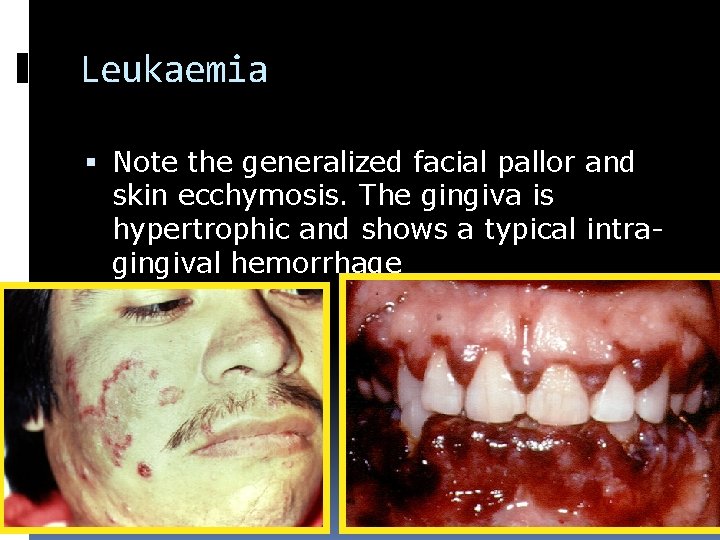
Leukaemia Note the generalized facial pallor and skin ecchymosis. The gingiva is hypertrophic and shows a typical intragingival hemorrhage
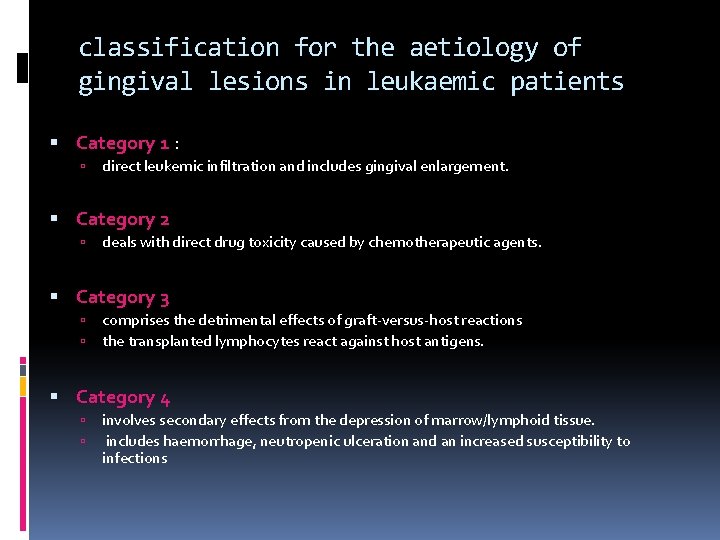
classification for the aetiology of gingival lesions in leukaemic patients Category 1 : direct leukemic infiltration and includes gingival enlargement. Category 2 deals with direct drug toxicity caused by chemotherapeutic agents. Category 3 comprises the detrimental effects of graft-versus-host reactions the transplanted lymphocytes react against host antigens. Category 4 involves secondary effects from the depression of marrow/lymphoid tissue. includes haemorrhage, neutropenic ulceration and an increased susceptibility to infections
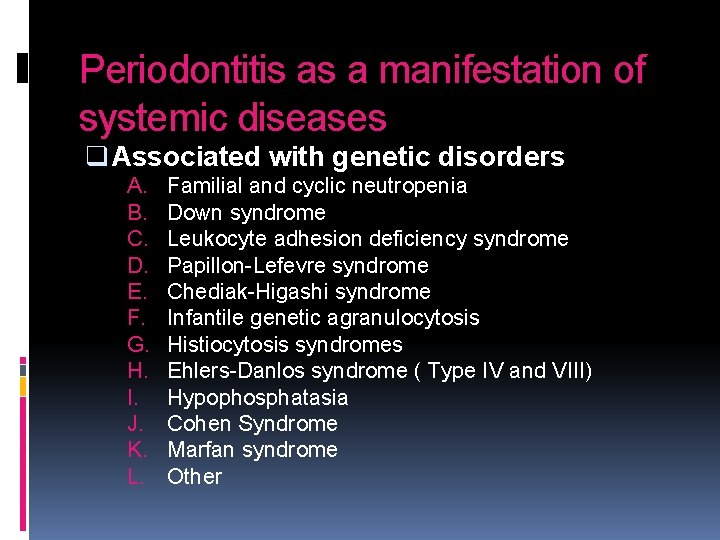
Periodontitis as a manifestation of systemic diseases q Associated with genetic disorders A. B. C. D. E. F. G. H. I. J. K. L. Familial and cyclic neutropenia Down syndrome Leukocyte adhesion deficiency syndrome Papillon-Lefevre syndrome Chediak-Higashi syndrome Infantile genetic agranulocytosis Histiocytosis syndromes Ehlers-Danlos syndrome ( Type IV and VIII) Hypophosphatasia Cohen Syndrome Marfan syndrome Other
Down syndrome Trisomy of Chromosome 21 1 out of 800 births Mental deficiency and growth retardation Periodontitis occurring in almost 100% of patients <30 years old Oral and periodontal disease-related features: ü Poor OH ü Local factors: Diastema, high frenal attachment, crowding, malocclusion ü Level of inflammation exceeds being explainable by plaque and factors. ü Destructive periodontitis ü Generalised deep periodontal pockets, gingival inflammation ü NUG local
Down Syndrome q Possible causes of higher prevalence and severity: I. Poor terminal circulation II. Decreased T-cell maturation and PMN cells chemotaxis and phagocytosis III. collagen biosynthesis, abnormal capillary morphology, and hyperinnervation of the gingiva. IV. P. intermedia?
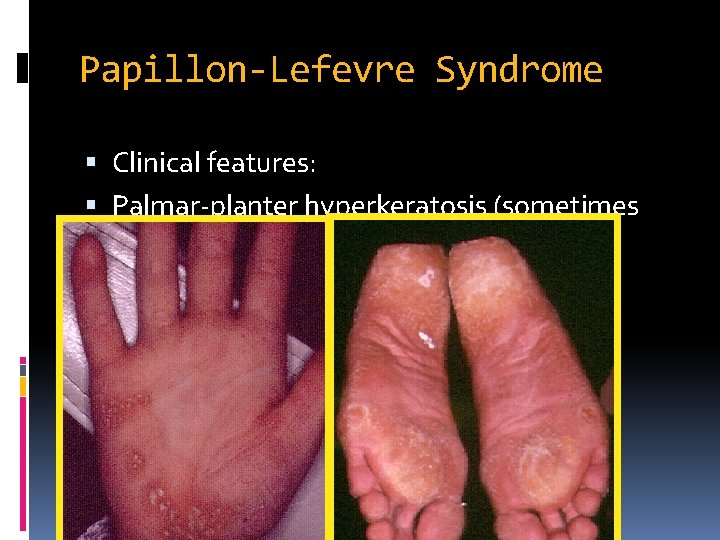
Papillon-Lefevre Syndrome Clinical features: Palmar-planter hyperkeratosis (sometimes knees and elbows) Severe periodontal disease Calcification of the dura
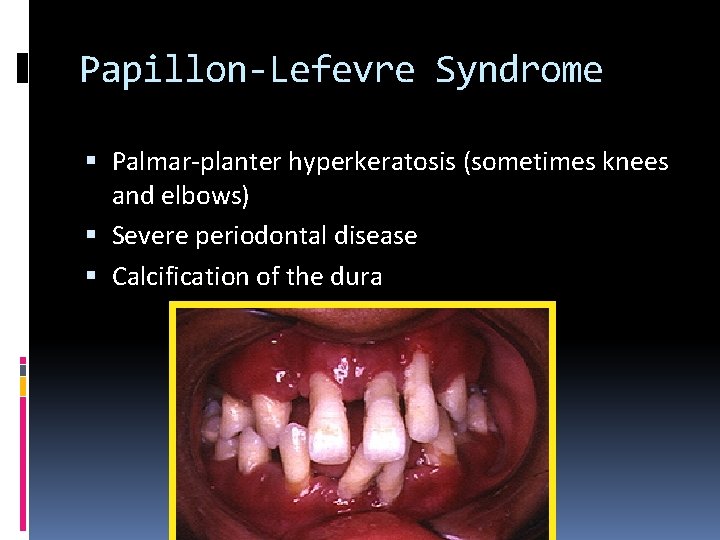
Papillon-Lefevre Syndrome Palmar-planter hyperkeratosis (sometimes knees and elbows) Severe periodontal disease Calcification of the dura
Papillon-Lefevre Syndrome Autosomal recessive inheretence. Onset: cutaneous and oral signs appear before the age of 4 Primary teeth are lost by the age of 5 -6 Permanent teeth lost by the age of 15. No alteration in WBC Defect in Cathepsin C gene Systemic administration of synthetic retinoids + non-surgical periodontal treatment in addition to topical antimicrobials such as chlorhexidine, and systemic antibiotic therapy, may give the best chance for preventing progression of periodontitis and retaining teeth
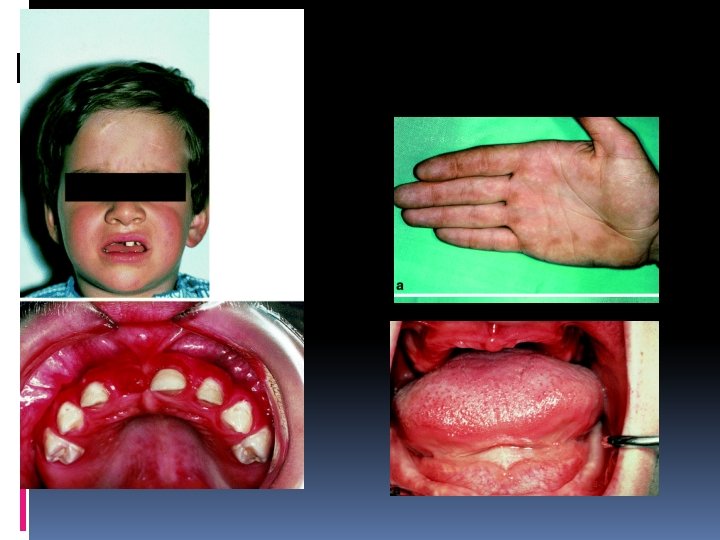
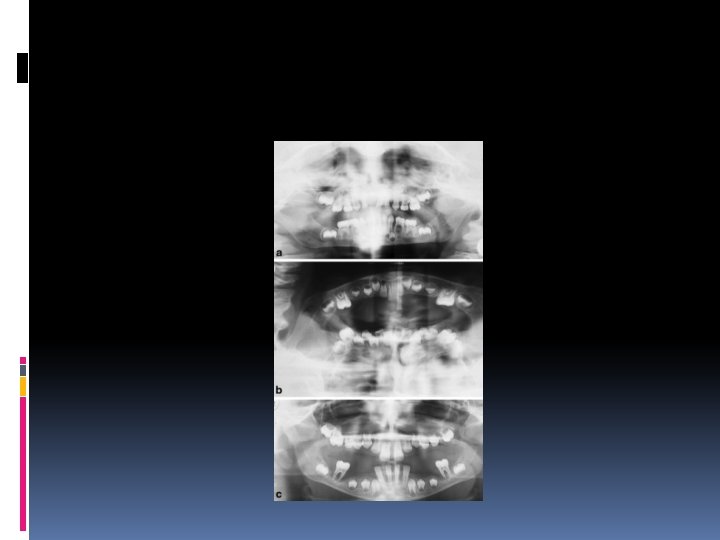
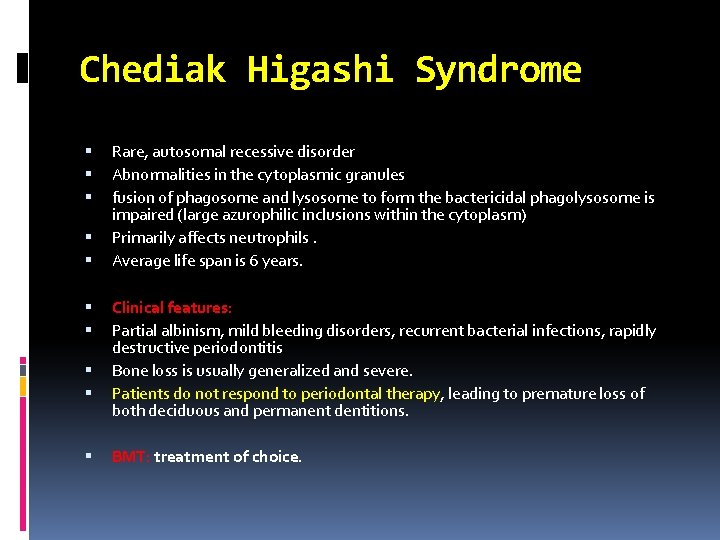
Chediak Higashi Syndrome Rare, autosomal recessive disorder Abnormalities in the cytoplasmic granules fusion of phagosome and lysosome to form the bactericidal phagolysosome is impaired (large azurophilic inclusions within the cytoplasm) Primarily affects neutrophils. Average life span is 6 years. Clinical features: Partial albinism, mild bleeding disorders, recurrent bacterial infections, rapidly destructive periodontitis Bone loss is usually generalized and severe. Patients do not respond to periodontal therapy, leading to premature loss of both deciduous and permanent dentitions. BMT: treatment of choice.
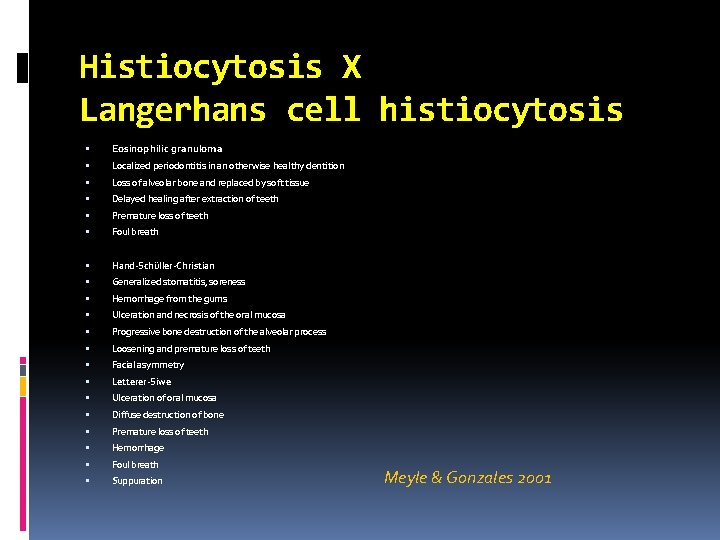
Histiocytosis X Langerhans cell histiocytosis Eosinophilic granuloma Localized periodontitis in an otherwise healthy dentition Loss of alveolar bone and replaced by soft tissue Delayed healing after extraction of teeth Premature loss of teeth Foul breath Hand-Schüller-Christian Generalized stomatitis, soreness Hemorrhage from the gums Ulceration and necrosis of the oral mucosa Progressive bone destruction of the alveolar process Loosening and premature loss of teeth Facial asymmetry Letterer-Siwe Ulceration of oral mucosa Diffuse destruction of bone Premature loss of teeth Hemorrhage Foul breath Suppuration Meyle & Gonzales 2001
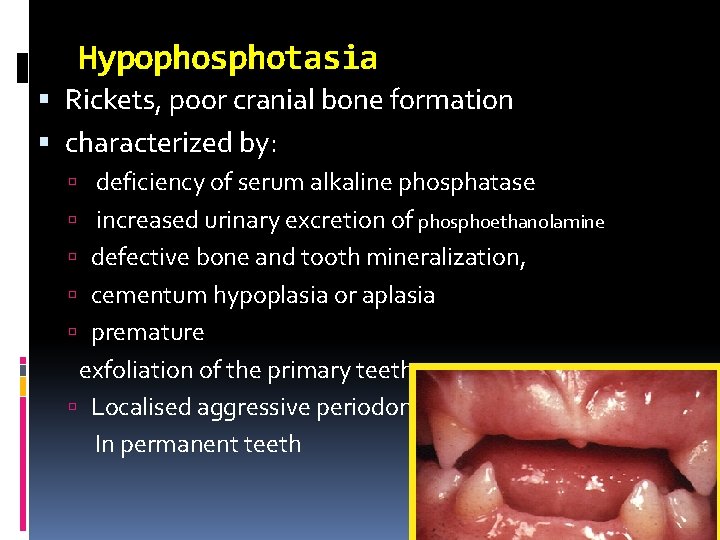
Hypophosphotasia Rickets, poor cranial bone formation characterized by: deficiency of serum alkaline phosphatase increased urinary excretion of phosphoethanolamine defective bone and tooth mineralization, cementum hypoplasia or aplasia premature exfoliation of the primary teeth Localised aggressive periodontitis In permanent teeth
Ehlers-Danlos Syndromes group of connective tissue disorders Defective collagen synthesis classified into 10 types on the basis of inheritance and clinical symptom characterized by hypermobility of joints, hyperextensibility of skin, and increased tissue friability and delayed wound healing. Type VIII is associated with aggressive early-onset periodontitis, Skin hyperextensibility and fragility, tendency to bruising with minor trauma, tissue scarring, and hyperextensible finger joints EDS type IV: defect in formation of collagen III Life threating, rupture in major blood vessels Type VIII, IV: similar clinically, except that periodontal involvement is not usually seen in type IV
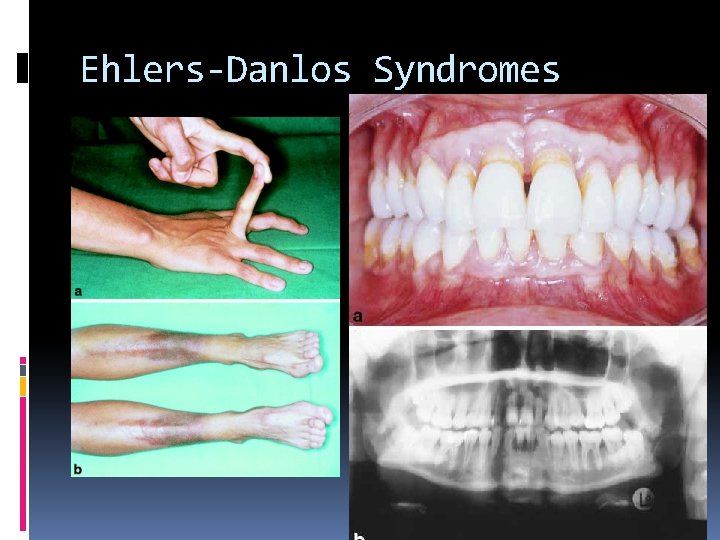
Ehlers-Danlos Syndromes
Other systemic conditions q Metal intoxication: Nausea, vomiting, headaches, excessive salivation Bismuth: a narrow black- bluish discoloration of the gingival margin in areas with preexisting inflammation Lead: steel grey linear pigmentation of the gingiva “Bertunian line” peculiar sweetish sensation, ulcerartion Mercury: pigmentation, ulceration of gingiva and destruction of underlying bone
Òther Systemic conditions Osteoporosis: Low bone mass Females Bone mineral density Consequences: risk of fracture Limited evidence indicates increased risk of attachment loss, bone loss and tooth loss in osteoporosis. Less attachment loss and less gingival bleeding have been reported in postmenopausal women receiving estrogen replacement therapy (ERT) compared with estrogen-deficient postmenopausal women
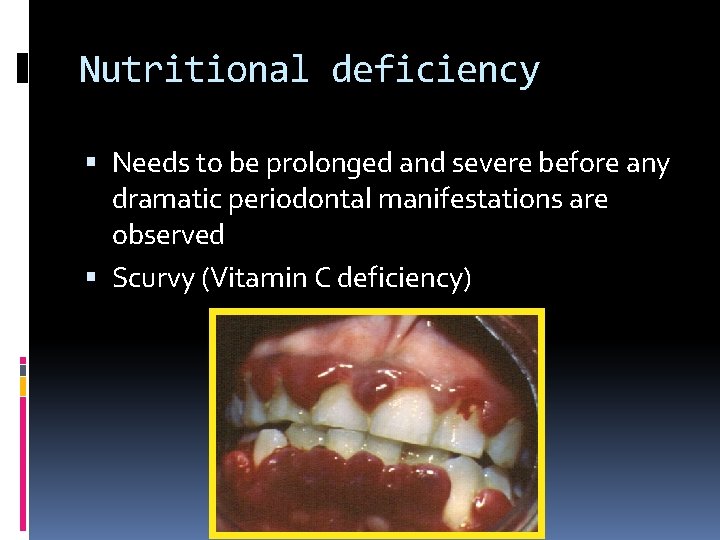
Nutritional deficiency Needs to be prolonged and severe before any dramatic periodontal manifestations are observed Scurvy (Vitamin C deficiency)
Immune suppression HIV/AIDS Corticosteroids
HIV infection Retrovirus Affect immune cells carrying CD 4 surface receptor. Anti-retroviral agents and protease-inhibiting drugs improved health status of these patients by lowering viral counts but never eradicate it completely. Life-long treatment. the presence of at least 1 of 25 specific clinical conditions constitute transition from HIV infection to AIDS Plasma CD 4 -T lymphocytes less than 200/mm 3 or CD 4 -T lymphocyte percentage less than 14% of total lymphocytes
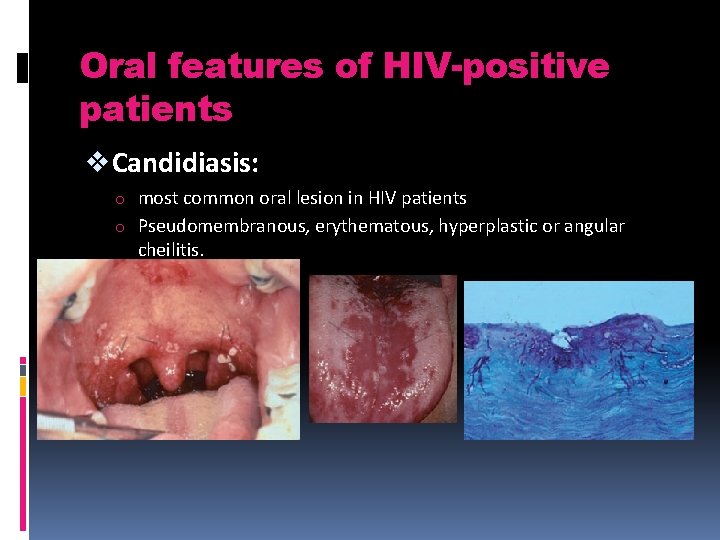
Oral features of HIV-positive patients v Candidiasis: o most common oral lesion in HIV patients o Pseudomembranous, erythematous, hyperplastic or angular cheilitis.
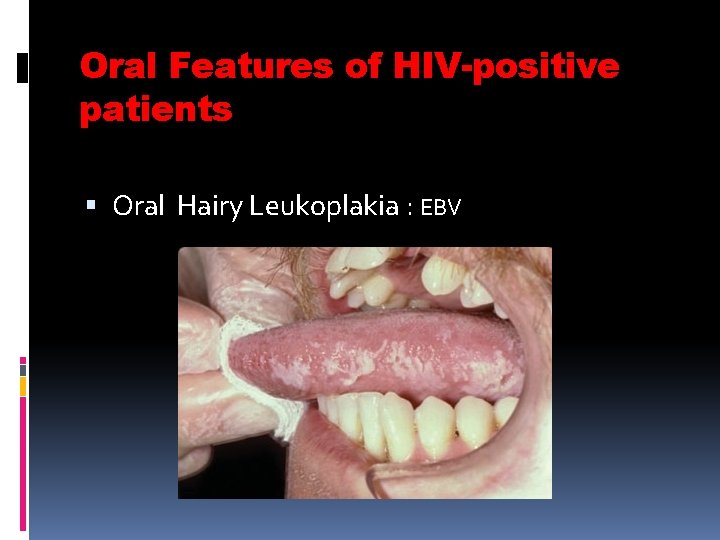
Oral Features of HIV-positive patients Oral Hairy Leukoplakia : EBV
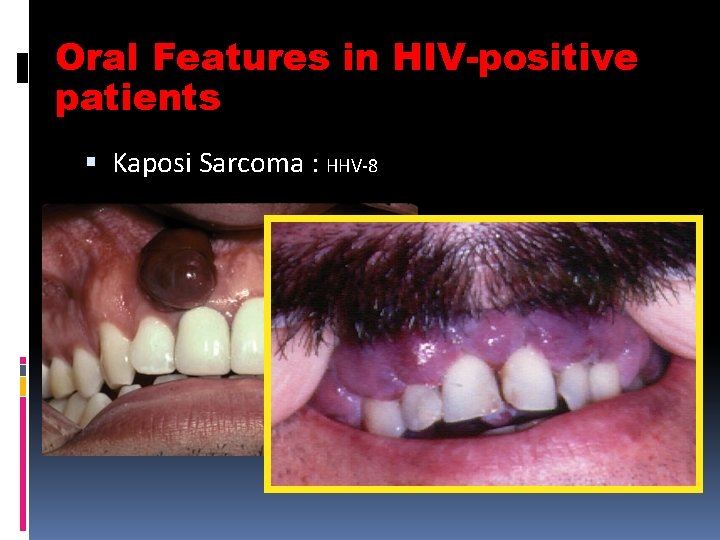
Oral Features in HIV-positive patients Kaposi Sarcoma : HHV-8

Oral Features in HIV-positive patients Necrotising Ulcerative Stomatitis
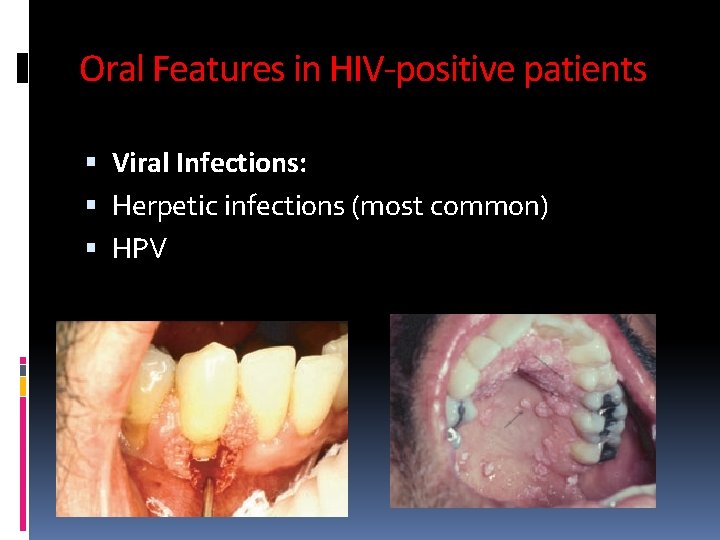
Oral Features in HIV-positive patients Viral Infections: Herpetic infections (most common) HPV
HIV infection q Periodontal manifestations: Linear Gingival erythema Atypical periodontal lesions (necrotising forms of periodontitis (NUG, NUP)) Typical periodontal lesions; Chronic periodontitis more recession and attachment loss pre-existing periodontitis may be exacerbated (modifier for periodontitis)
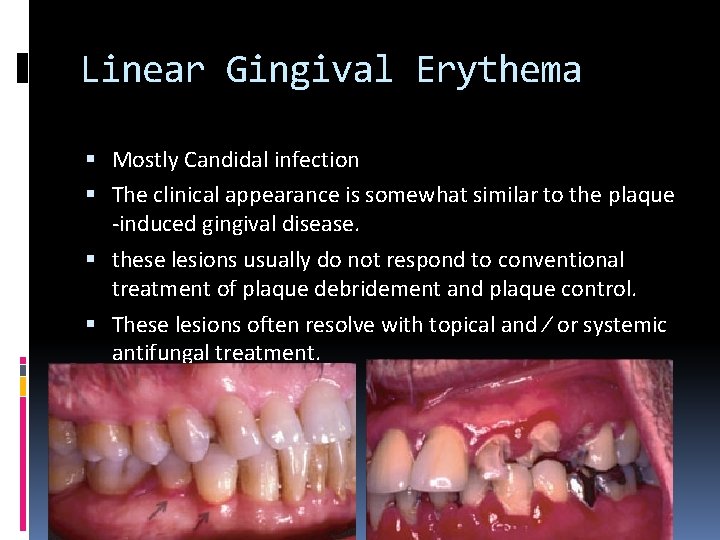
Linear Gingival Erythema Mostly Candidal infection The clinical appearance is somewhat similar to the plaque -induced gingival disease. these lesions usually do not respond to conventional treatment of plaque debridement and plaque control. These lesions often resolve with topical and ⁄ or systemic antifungal treatment.
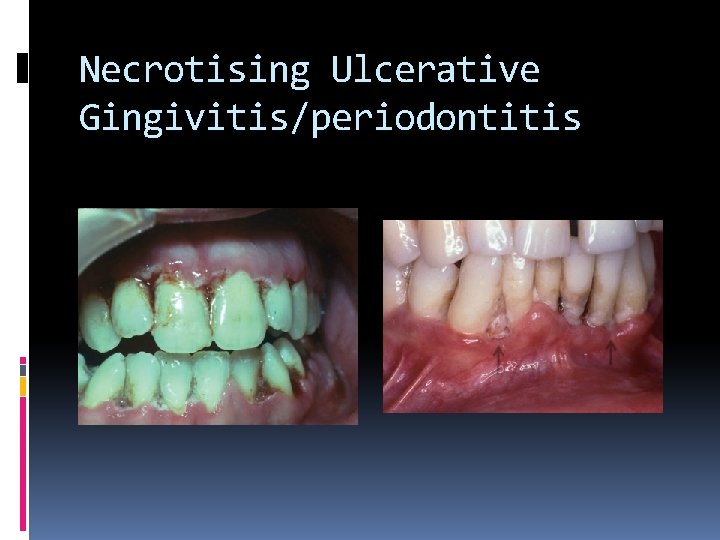
Necrotising Ulcerative Gingivitis/periodontitis

Chronic periodontitis in HIV-positive patients
Special condiserations HIV-positive individuals can be generally managed with nonsurgical periodontal treatment Patients with low viral loads and near-normal CD 4 count, periodontal surgery and implant placement is possible after detailed consultation and clearance from the patient’s physician.
Necrotising lesions can progress dramatically in HIV-positive patients, treatment involves local therapy combined with systemic antimicrobials and mouthwashes and meticulous oral hygiene by the patient. They should be seen daily until tissue heal to ensure that the tissue destruction is controlled.
Management Prevention Conservative treatment: OHI, scaling, root debridement, local antiseptic mouthwashes, fluoride application, frequent maintenance visits (2 -3 months). Antimicrobial agents Local haemostatic agents
References Periodontal manifestations of systemic disease; A review. DF Kinane, GJ Marshall. Australian dental Journals 2001; 46: (1): 2 -12 Influences of systemic diseases on periodontitis in children and adolescents J. Meyle & J. R. Gonzales. Periodontology 2000, Vol. 26, 2001, 92– 112 Periodontal disease in HIV⁄ AIDS. Ryder, W. Nitayananta, M. Coogan, D. Greenspan & J. S. Greenspan. Periodontology 2000, Vol. 60, 2012, 78– 97. Periodontitis as manifestation of systemic diseases. In: Newman MG, Takei HH, Klokkevold PR, Carranza FA. Carranza’s Clinical Periodontology. 11 th ED, Elsevier Saunders. Systemic Factors Impacting the Periodontium. Rose LF, Mealey BL, Genco RJ, Cohen W. BS. Periodontics: medicine, Surgery, and implants.
- Slides: 49