
Period 1 1491 1607 APUSH Review Key Concept




- Slides: 20
Period 1: 1491 - 1607 APUSH Review: Key Concept 1. 1
• Key Concept 1. 1 “Before the arrival of Europeans, native populations in North America developed a wide variety of social, political, and economic structures based in part on interactions with the environment and each other. ” • Big idea: o How did natives adapt to their environment?
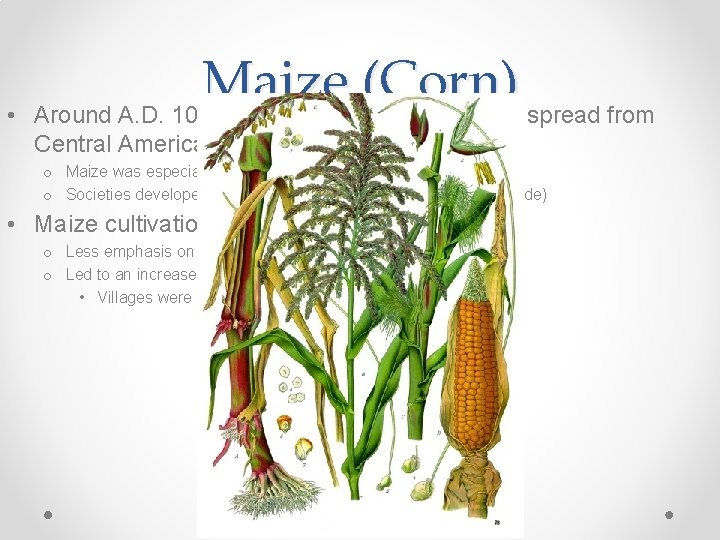
• Maize (Corn) Around A. D. 1000, maize agriculture began to spread from Central America through North America o Maize was especially popular in the southwest o Societies developed vast irrigation systems (Pueblos in Rio Grande) • Maize cultivation transformed societies o Less emphasis on hunting and gathering o Led to an increase in population • Villages were built around maize fields
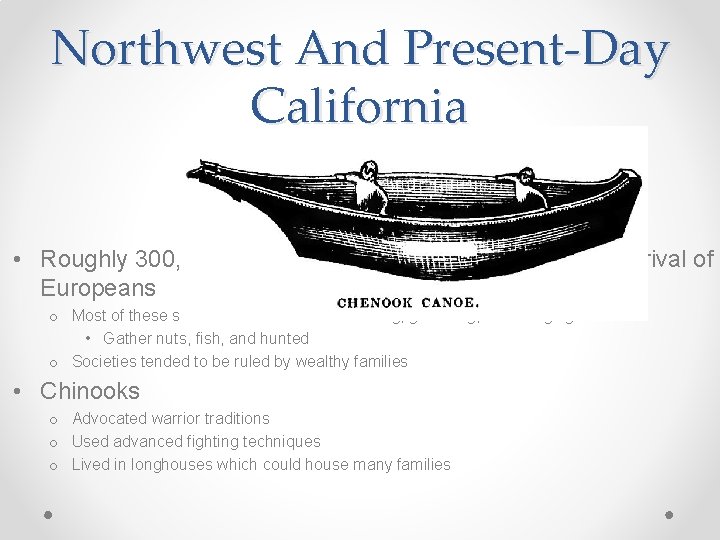
Northwest And Present-Day California • Roughly 300, 000 natives lived in California prior to the arrival of Europeans o Most of these societies were based on hunting, gathering, and foraging • Gather nuts, fish, and hunted o Societies tended to be ruled by wealthy families • Chinooks o Advocated warrior traditions o Used advanced fighting techniques o Lived in longhouses which could house many families
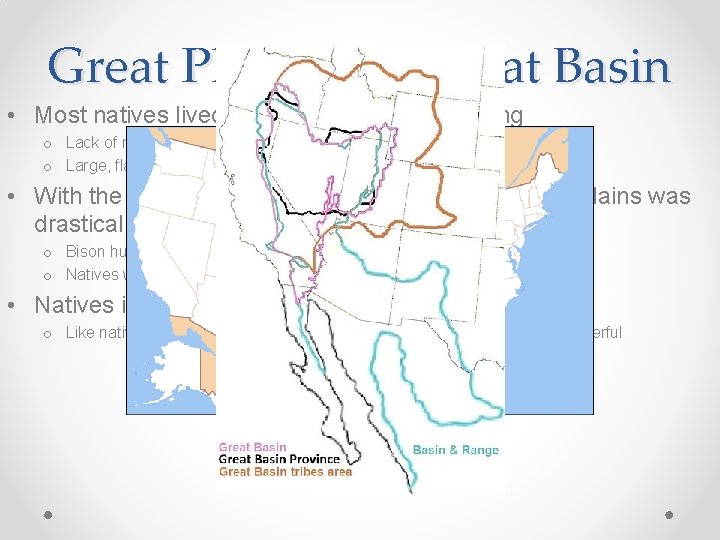
Great Plains and Great Basin • Most natives lived off of hunting and gathering o Lack of natural resources o Large, flat area • With the introduction of the horse, life on the Great Plains was drastically altered o Bison hunting became much easier o Natives with horses became stronger militarily • Natives in the Great Basin hunted bison and sheep o Like natives on the Great Plains, horses helped natives become more powerful
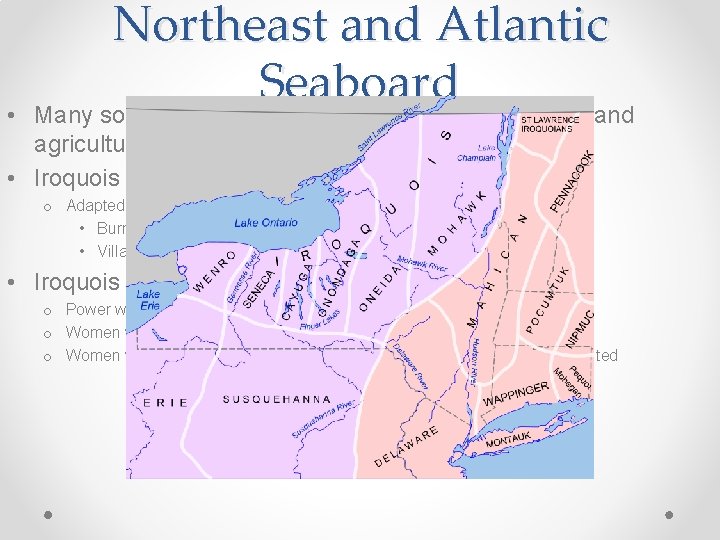
• Northeast and Atlantic Seaboard Many societies were a mix of hunting and gathering, and agriculture and developed permanent villages • Iroquois (Present day NY and PA): o Adapted to their environment: • Burned forests to hunt and grow crops • Villages were built around maize • Iroquois were a matriarchal society: o Power was based on female authority o Women were instrumental in councils and decision-making o Women would tend to crops and oversaw community affairs while men hunted
Period 1: 1491 - 1607 APUSH Review: Key Concept 1. 2 (The Columbian Exchange)
The Columbian Exchange • Key Concept 1. 2 “European overseas expansion resulted in the Columbian Exchange, a series of interactions and adaptations among societies across the Atlantic. ” • The Columbian Exchange revolutionized life in the Americas, Europe, and Africa. • Key Concept 1. 2, I: “The arrival of Europeans in the Western Hemisphere in the 15 th and 16 th centuries triggered extensive demographic and social changes on both sides of the Atlantic. ” • Big Ideas: o What were positives and negatives of the Columbian Exchange on both hemispheres? o What were reasons that led to European exploration?
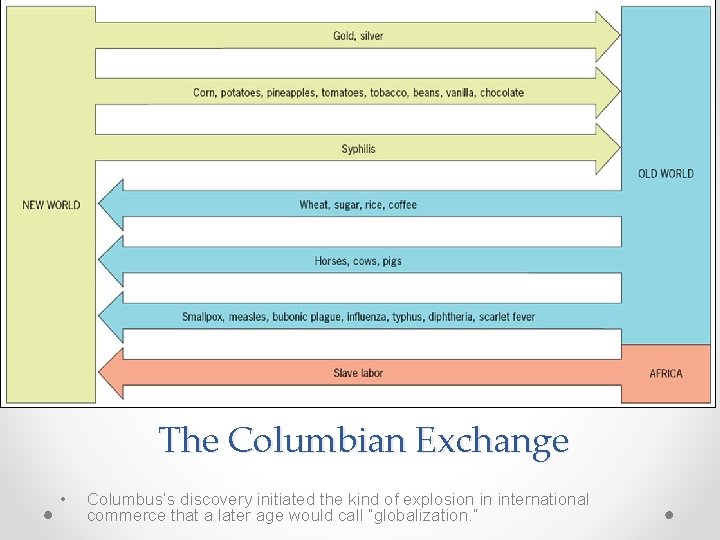
The Columbian Exchange • Columbus’s discovery initiated the kind of explosion in international commerce that a later age would call “globalization. ”
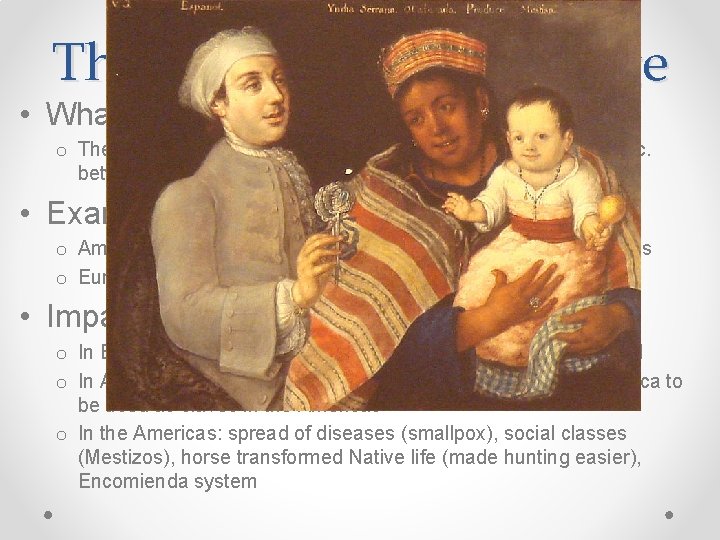
The Columbian Exchange • What was it? o The exchange of plants, animals, culture, humans, diseases, etc. between the Americas, Europe, and Africa • Examples of goods: o Americas to Europe and Africa: potatoes, maize (corn), tomatoes o Europe to the Americas: wheat, rice, horses, chickens, oxen • Impact of exchange? o In Europe and Asia: massive population growth due to new food o In Africa: Spanish and Portuguese used Africans from West Africa to be used as slaves in the Americas o In the Americas: spread of diseases (smallpox), social classes (Mestizos), horse transformed Native life (made hunting easier), Encomienda system
Encomiendas • Key Concept 1. 2, I, D. “In the economies of the Spanish colonies, Indian labor, used in the encomienda system to support plantation-based agriculture and extract precious metals and other resources, was gradually replaced by African slavery. ”
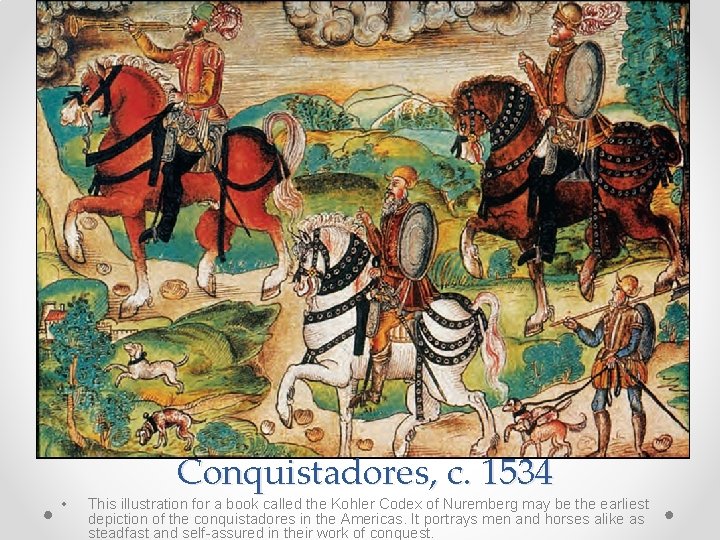
• Conquistadores, c. 1534 This illustration for a book called the Kohler Codex of Nuremberg may be the earliest depiction of the conquistadores in the Americas. It portrays men and horses alike as steadfast and self-assured in their work of conquest.
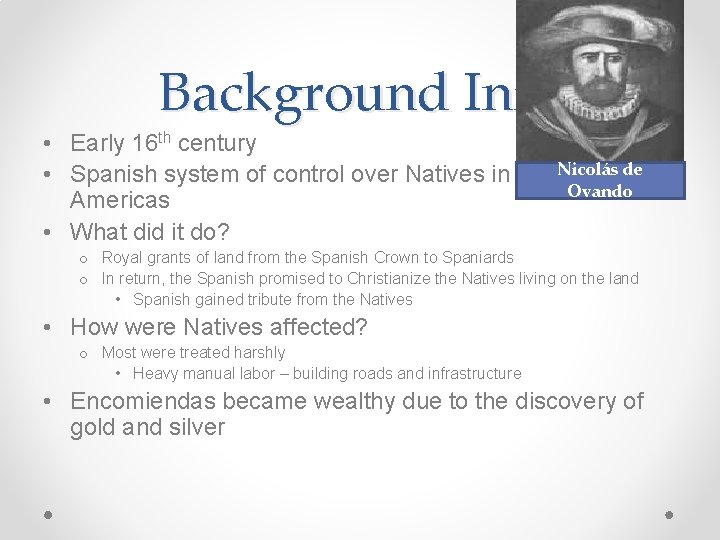
Background Info • Early 16 th century Nicolás de • Spanish system of control over Natives in much of the Ovando Americas • What did it do? o Royal grants of land from the Spanish Crown to Spaniards o In return, the Spanish promised to Christianize the Natives living on the land • Spanish gained tribute from the Natives • How were Natives affected? o Most were treated harshly • Heavy manual labor – building roads and infrastructure • Encomiendas became wealthy due to the discovery of gold and silver
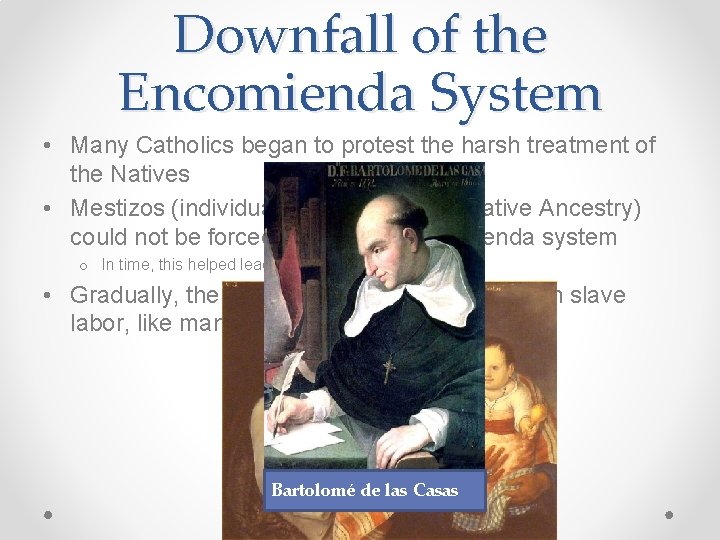
Downfall of the Encomienda System • Many Catholics began to protest the harsh treatment of the Natives • Mestizos (individuals of Spanish and Native Ancestry) could not be forced to work the encomienda system o In time, this helped lead to the decline of the system • Gradually, the system was replaced by African slave labor, like many areas of the Americas Bartolomé de las Casas
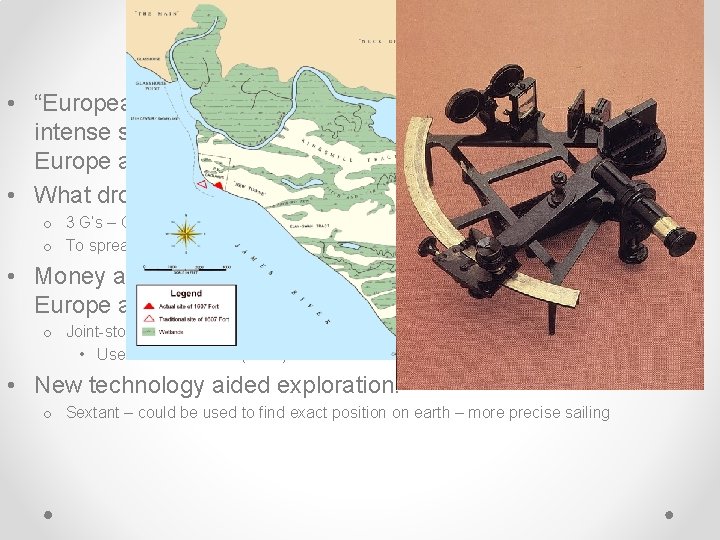
• “European expansion into the Western Hemisphere caused intense social/religious, political, and economic competition in Europe and the promotion of empire building. ” • What drove European exploration and conquest? o 3 G’s – Gold, Glory, Gospel o To spread Christianity – Spain • Money and food from the Americas led to population growth in Europe and helped shift the economy to capitalism o Joint-stock companies – used to raise $ for explorations • Used in Jamestown (1607) • New technology aided exploration: o Sextant – could be used to find exact position on earth – more precise sailing
Period 1: 1491 - 1607 APUSH Review: Key Concept 1. 3
• Key Concept 1. 3 “Contact among American Indians, Africans, and Europeans challenged the worldviews of each group. ” • Big idea: o How did Europeans view the Natives and justify their treatment of them? o How did Africans adapt to life in the Western Hemisphere while still preserving their own cultures?
European Views of Natives and Africans • Key Concept 1. 3: “European overseas expansion and sustained contacts with Africans and American Indians dramatically altered European views of social, political, and economic relationships among and between white and nonwhite peoples. ” • Many Spanish and Portuguese did not understand Natives and their cultures o Natives were viewed as “Savages” by many Europeans • Juan de Sepulveda: o Advocated harsh treatment of Natives o Claimed slavery for Natives was justified under Christianity • Bartolome de Las Casas: o Argued that Natives deserved the same treatment as all other men o Played an instrumental role in the ending of the encomienda system • Europeans began to develop a belief in white superiority to justify the treatment of Africans and Natives
Views of Natives and Africans • Key Concept 1. 3: “Native peoples and Africans in the Americas strove to maintain their political and cultural autonomy in the face of European challenges to their independence and core beliefs” • The Spanish often tried to convert Natives to Christianity o Spanish Mission System: • Outposts throughout the Americas to help convert Natives • Outposts were often military bases as well • Don Juan de Onate defeated the Pueblos • Spanish established Santa Fe in 1610 • Spanish priests and government suppressed Native practices that were inconsistent with Christianity • Spanish demanded tribute and labor from Natives • Many Africans preserved their culture and autonomy in the New World o Maroon Communities: • Consisted of runaway slaves, many were located in the Caribbean o Many Africans would combine elements of Christianity with their native African religions and customs