
Performance of Thin Jointed Concrete Pavements Subjected to
Performance of Thin Jointed Concrete Pavements Subjected to Accelerated Traffic Loading 4 th INTERNATIONAL CONFERENCE ON ACCELERATED PAVEMENT TESTING Davis, CA, USA September 19 -21, 2012 Tom Burnham, P. E. Bernard Izevbekhai, Ph. D, P. E. Minnesota Department of Transportation Office of Materials and Road Research
Why Thin PCC? q Economics Ø Less money in budgets Ø Thicker PCC pavements far exceeded design lives Ø Quicker to construct q Sustainability Ø Optimize material usage Ø Less energy use during construction
“How Thin Can You Go? ” q Structural Capacity v Flexural strength v Joint load transfer v Fatigue loading v Ultimate loading q Environmental response v Warp and curl v Uniform slab support
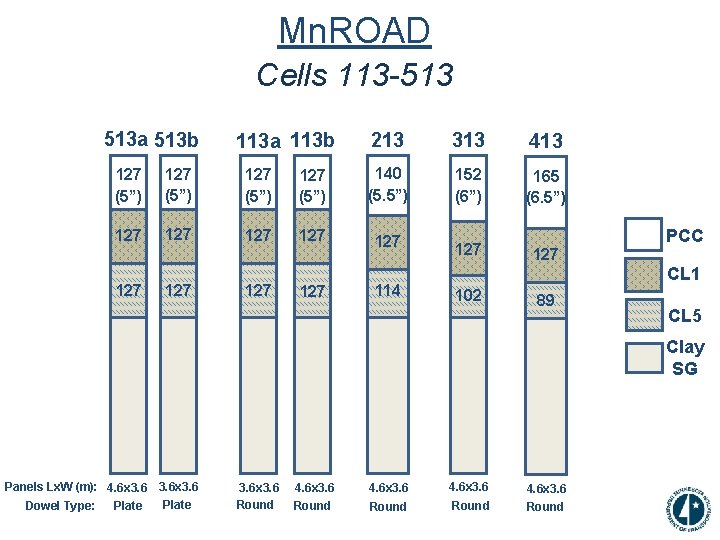
Mn. ROAD Cells 113 -513 513 a 513 b 113 a 113 b 213 313 413 152 (6”) 165 (6. 5”) 127 (5”) 140 (5. 5”) 127 127 127 114 127 102 127 89 PCC CL 1 CL 5 Clay SG Panels Lx. W (m): 4. 6 x 3. 6 Plate Dowel Type: Plate 3. 6 x 3. 6 Round 4. 6 x 3. 6 Round
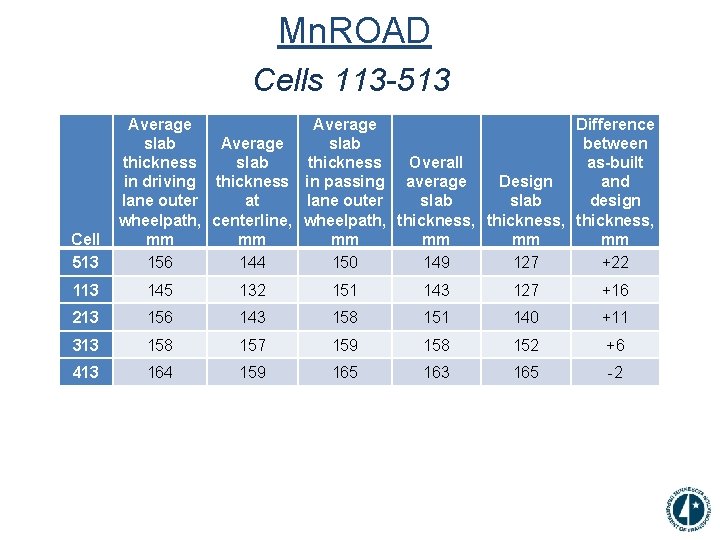
Mn. ROAD Cells 113 -513 Cell 513 Average Difference Average slab between slab Overall thickness as-built Design in driving thickness in passing average and at slab lane outer design wheelpath, centerline, wheelpath, thickness, mm mm mm 156 144 150 149 127 +22 113 145 132 151 143 127 +16 213 156 143 158 151 140 +11 313 158 157 159 158 152 +6 413 164 159 165 163 165 -2
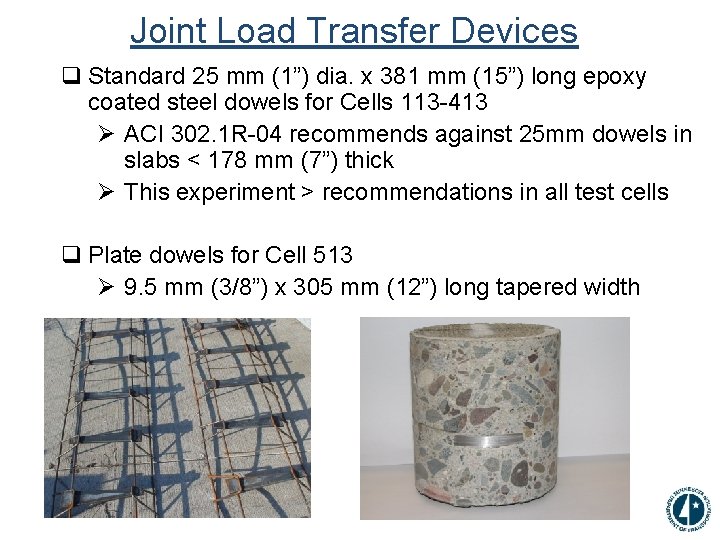
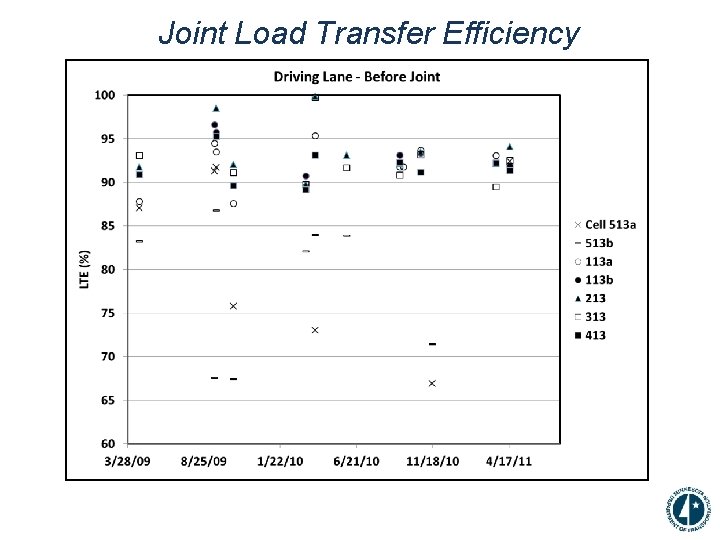
Joint Load Transfer Devices q Standard 25 mm (1”) dia. x 381 mm (15”) long epoxy coated steel dowels for Cells 113 -413 Ø ACI 302. 1 R-04 recommends against 25 mm dowels in slabs < 178 mm (7”) thick Ø This experiment > recommendations in all test cells q Plate dowels for Cell 513 Ø 9. 5 mm (3/8”) x 305 mm (12”) long tapered width
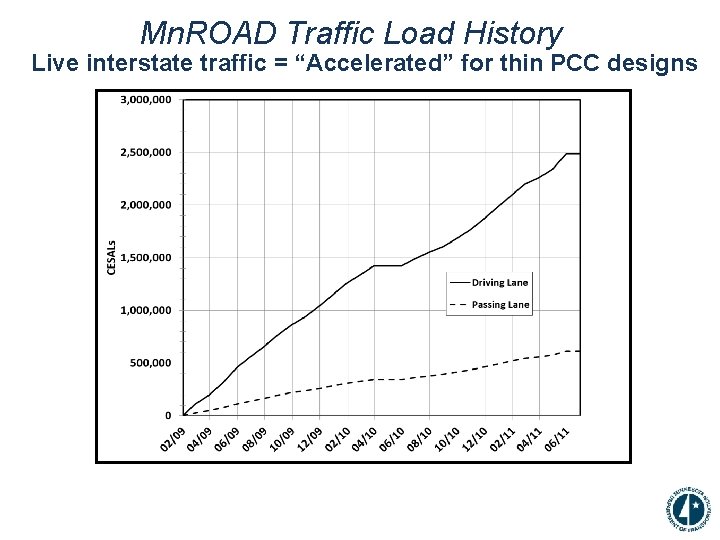
Mn. ROAD Traffic Load History Live interstate traffic = “Accelerated” for thin PCC designs
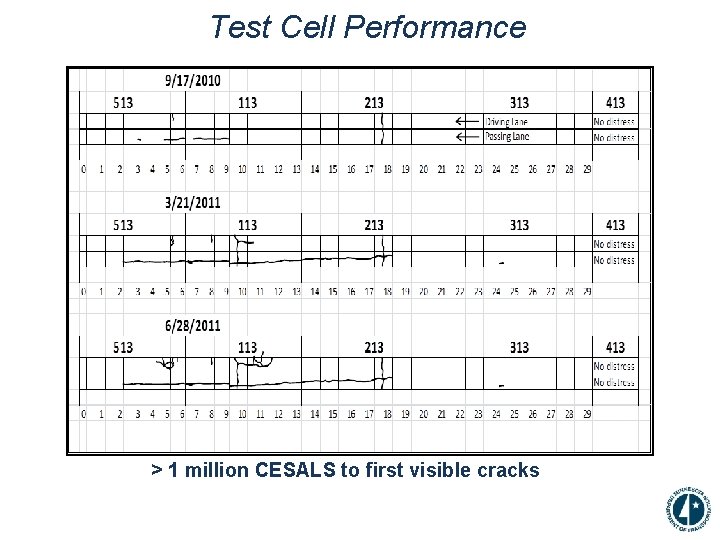
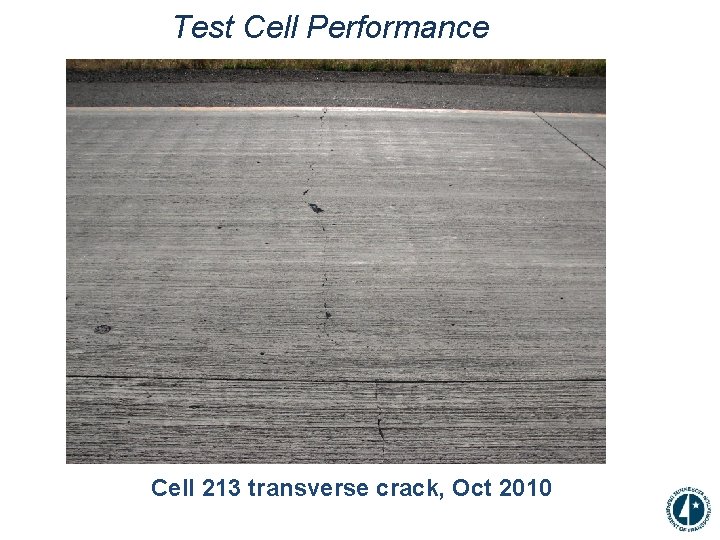
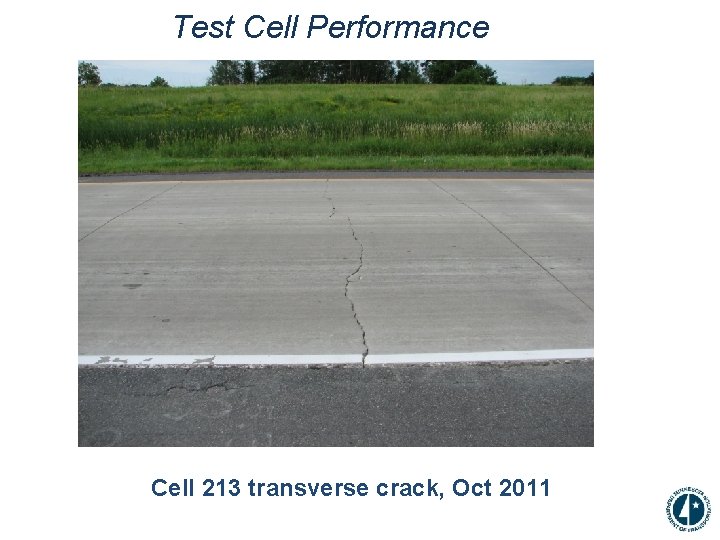
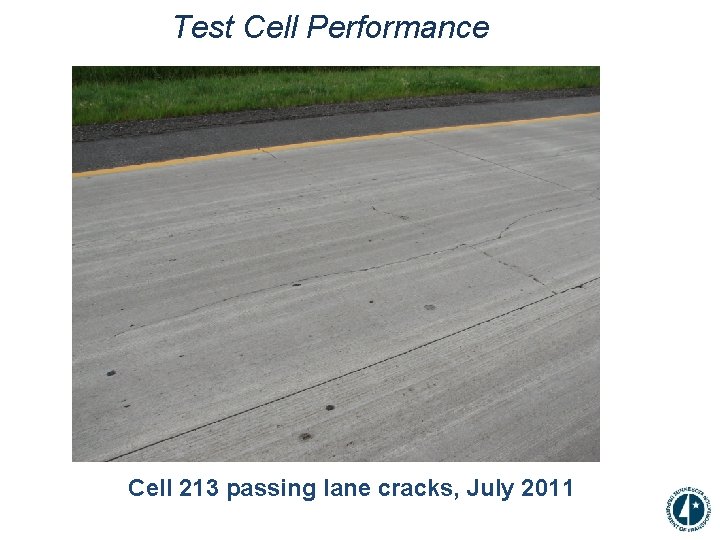
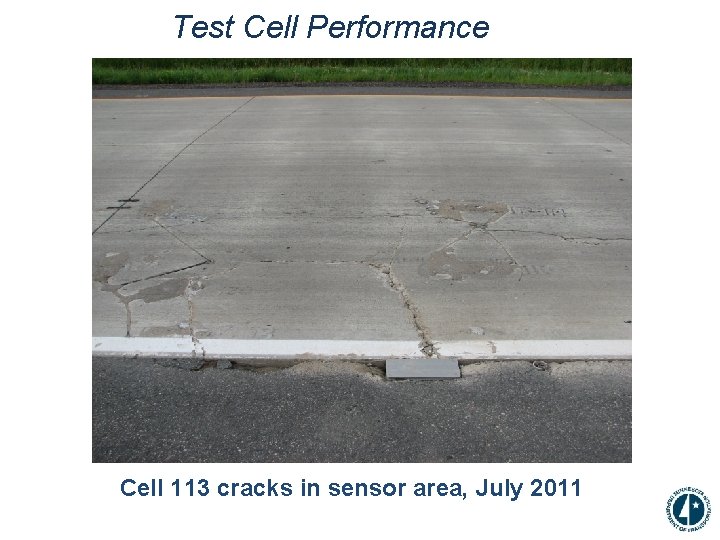
Test Cell Performance > 1 million CESALS to first visible cracks
Test Cell Performance Cell 213 transverse crack, Oct 2010
Test Cell Performance Cell 213 transverse crack, Oct 2011
Test Cell Performance Cell 213 passing lane cracks, July 2011
Test Cell Performance Cell 113 cracks in sensor area, July 2011
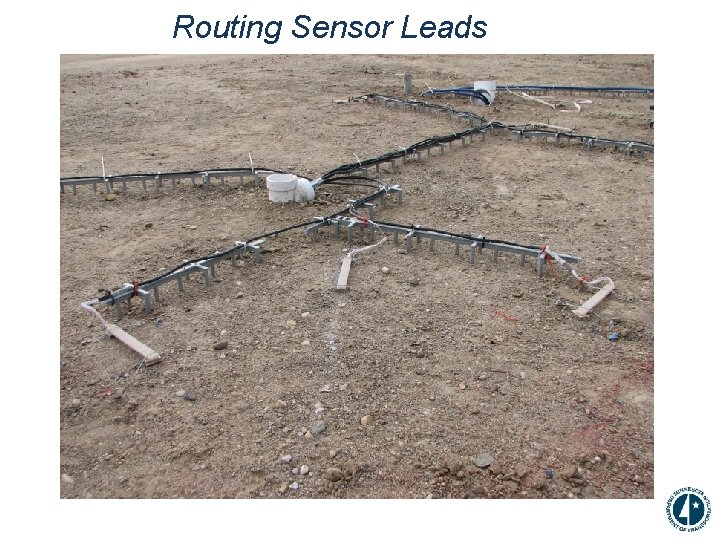
Routing Sensor Leads
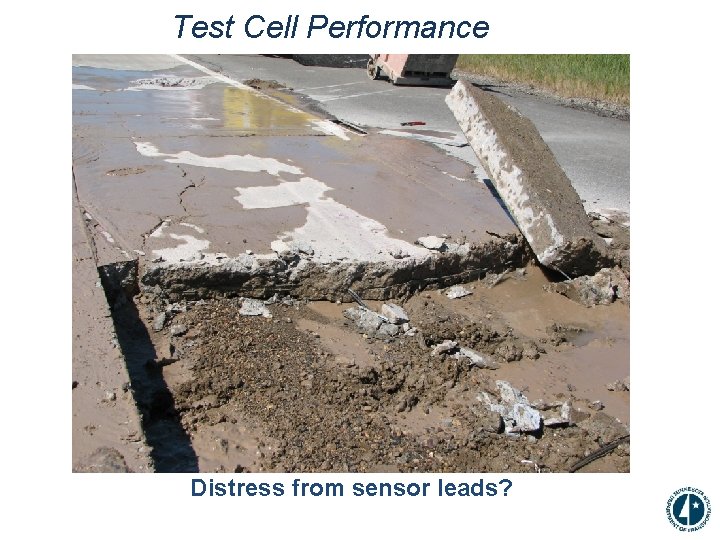
Test Cell Performance Distress from sensor leads?
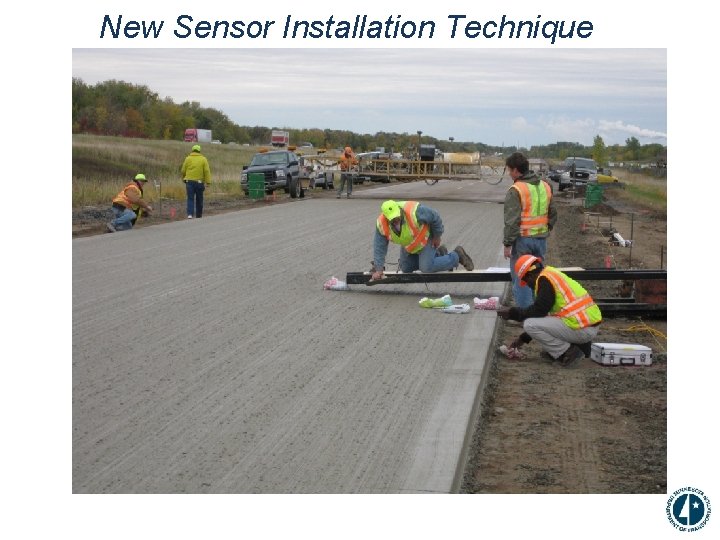
New Sensor Installation Technique

New Sensor Installation Technique
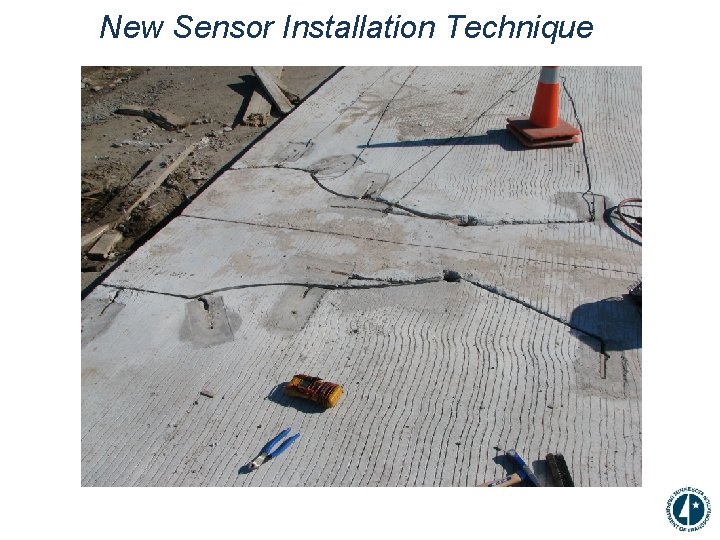
New Sensor Installation Technique
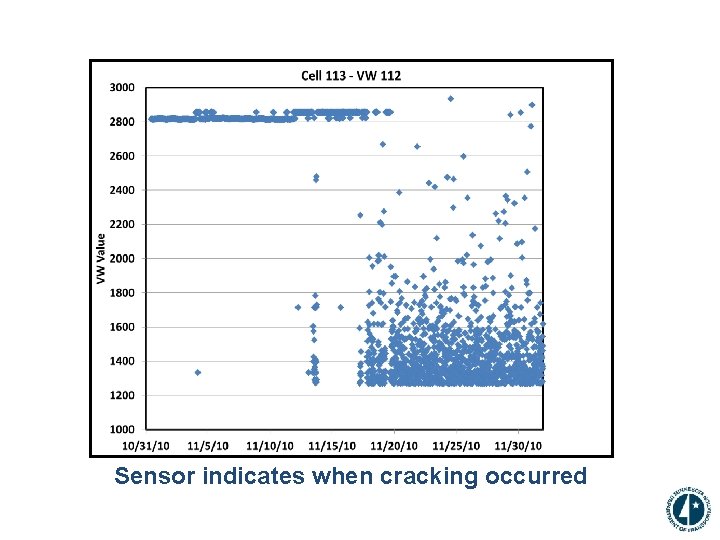
Sensor indicates when cracking occurred
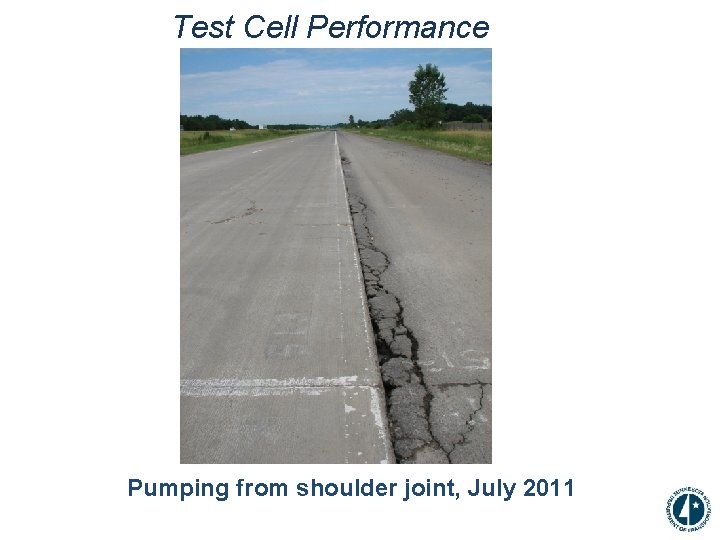
Test Cell Performance Pumping from shoulder joint, July 2011
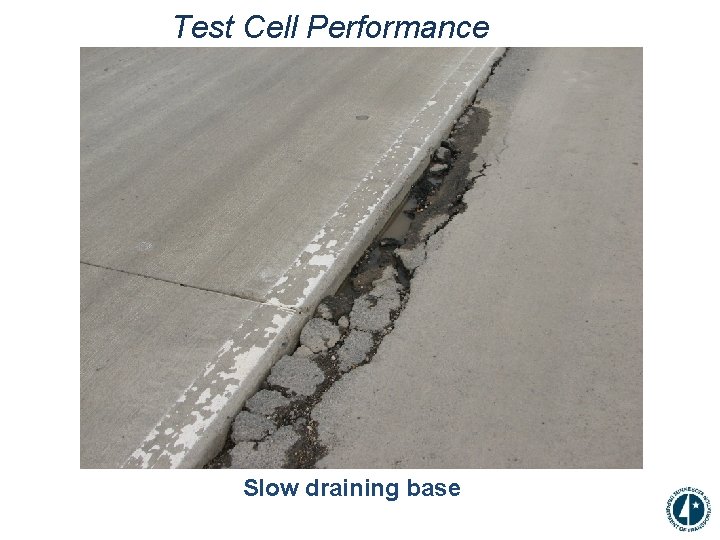
Test Cell Performance Slow draining base
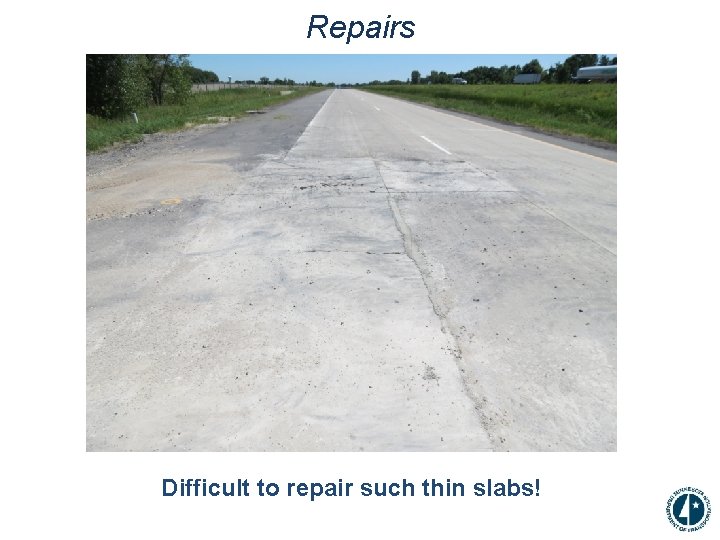
Repairs Difficult to repair such thin slabs!
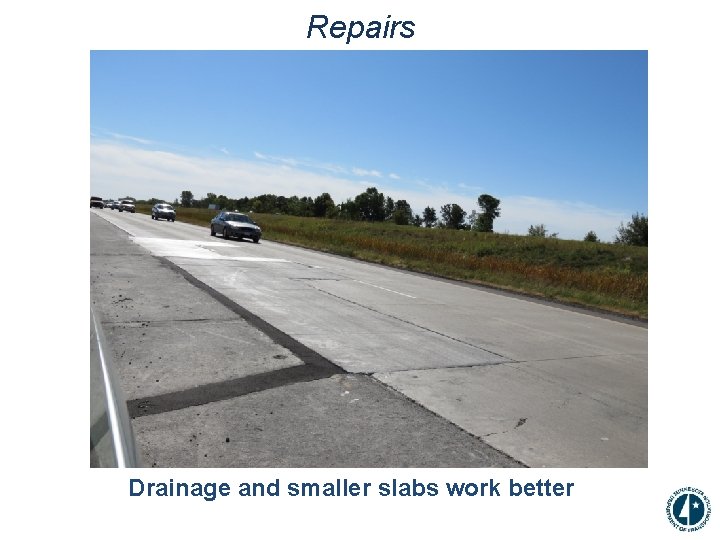
Repairs Drainage and smaller slabs work better
Joint Load Transfer Efficiency
Joint Deflection
Joint Deflection
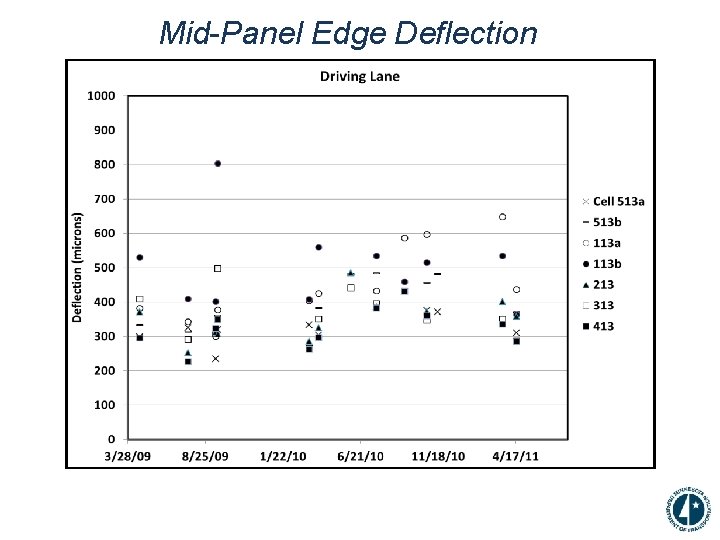
Mid-Panel Edge Deflection
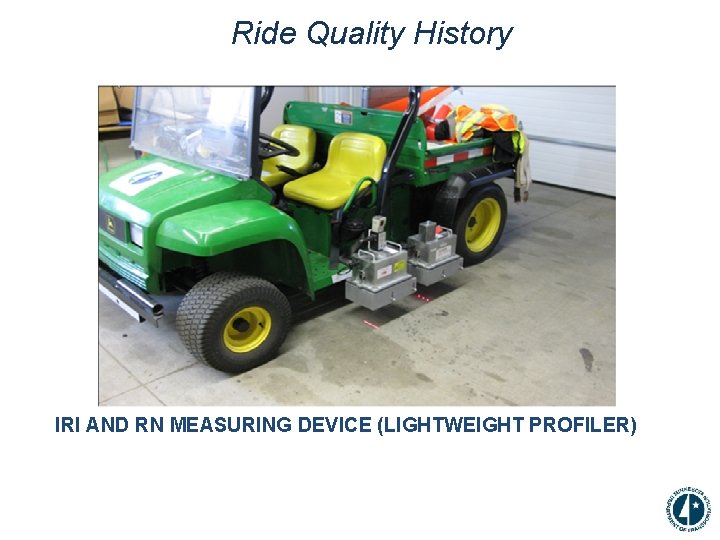
Ride Quality History IRI AND RN MEASURING DEVICE (LIGHTWEIGHT PROFILER)
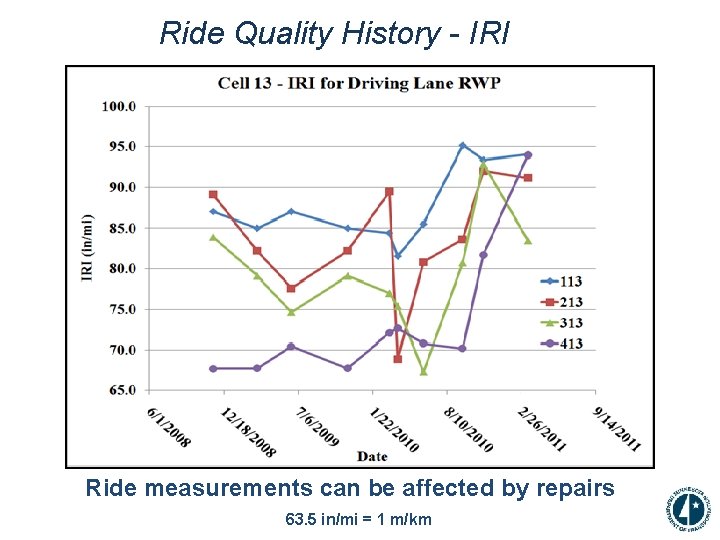
Ride Quality History - IRI Ride measurements can be affected by repairs 63. 5 in/mi = 1 m/km
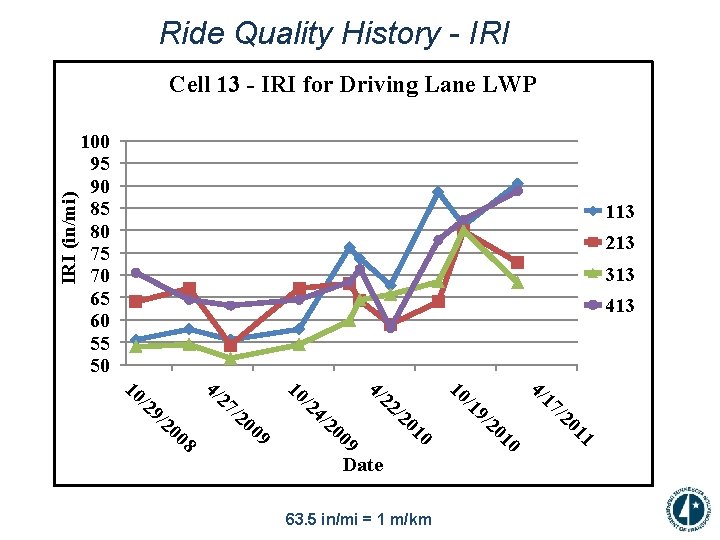
Ride Quality History - IRI (in/mi) Cell 13 - IRI for Driving Lane LWP 100 95 90 85 80 75 70 65 60 55 50 113 213 313 413 1 1 20 / 17 4/ 10 0 /2 63. 5 in/mi = 1 m/km 9 /1 0 1 20 / 22 10 4/ 09 0 /2 4 /2 9 0 20 08 0 /2 9 /2 / 27 10 4/ 10 Date
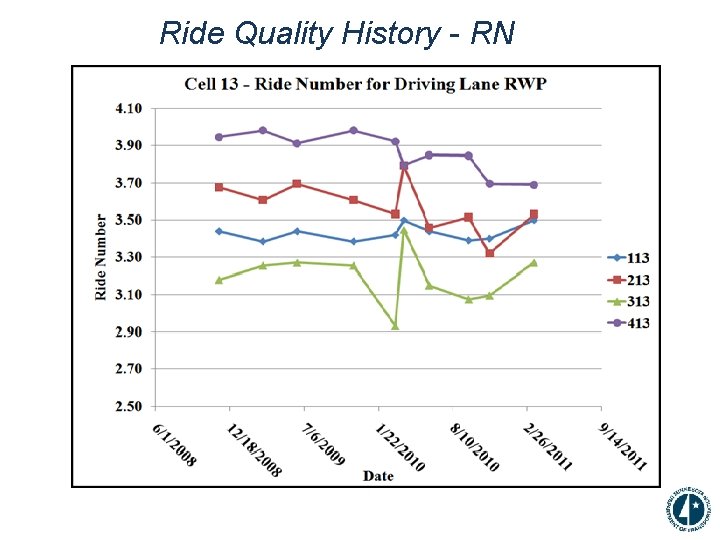
Ride Quality History - RN
Ride Quality History q Overall, it cannot be deduced that IRI (or RN) and pavement thickness were correlated simply by observing the plots q Statistical method used to ascertain the extent to which the IRI and RN may be attributed to pavement cell thickness Ø Ride Number appears to be significantly correlated to the thickness and traffic ESALs Ø IRI not significantly correlated to pavement thickness, but ESAL was a significant variable
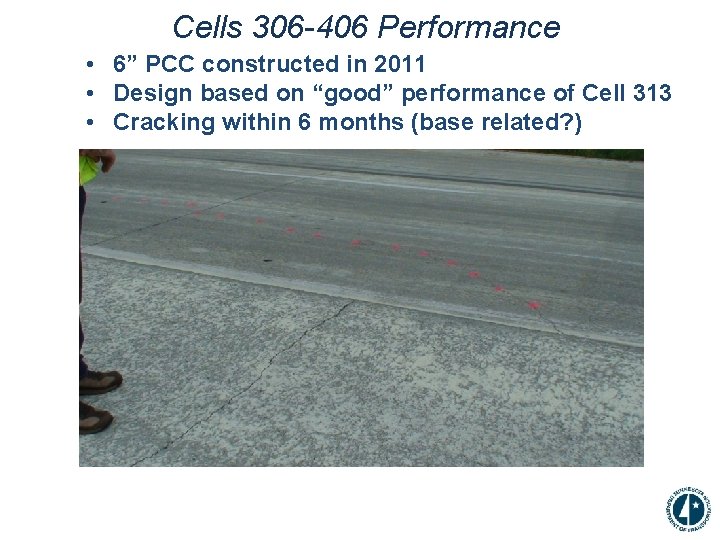
Cells 306 -406 Performance • 6” PCC constructed in 2011 • Design based on “good” performance of Cell 313 • Cracking within 6 months (base related? )
Summary q Mn. ROAD Cells 113 -513 have provided valuable data toward determining “how thin can you go? ” q Thinnest cells able to carry interstate traffic in Minnesota climate for over 1 million ESALs before cracking. q Cells failed by pumping of base materials in driving lane, settlement of base or slab curling in passing lane. q Cracking occurred in all sections with a design thickness < 152 mm (6”). q Difficult to repair thin slabs. q Now have data available for development and calibration of M-E pavement design procedures for thinner PCC pavements. q Traffic loading was accelerated. Must be careful when translating to more typical design scenarios.
Recommendations/Questions q Determine the effect of slab size on performance. q Determine whether cracking related to pumping, or just a few overloaded axles. q Determine cause of difference in cracking type between driving and passing lane. q Understand how interstate traffic loads would translate to typical lower volume loadings. q Are thinner slabs much more vulnerable to base settlement?

Questions?
- Slides: 35