
Performance Analysis of Heat Exchangers P M V


- Slides: 37
Performance Analysis of Heat Exchangers P M V Subbarao Professor Mechanical Engineering Department I I T Delhi A First Step in Techno-Economics of HXs? !? !? !
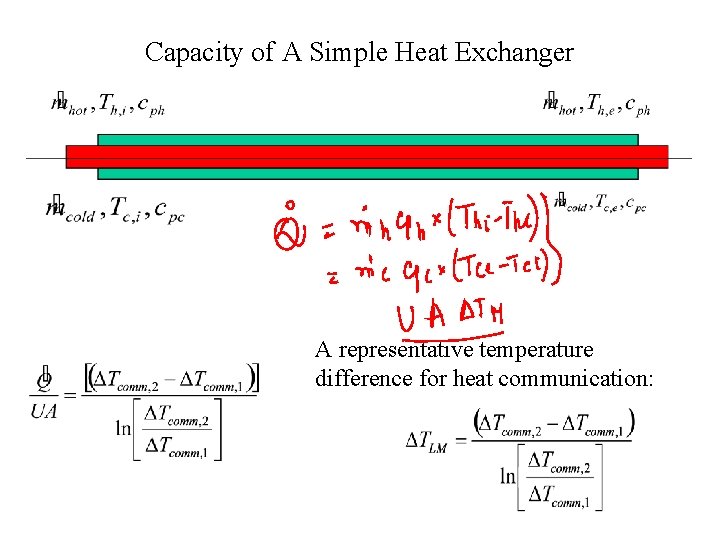
Capacity of A Simple Heat Exchanger A representative temperature difference for heat communication:
Discussion on LMTD • LMTD can be easily calculated, when the fluid inlet temperatures are know and the outlet temperatures are specified. • Lower the value of LMTD, higher the value of overall value of UA. • For given end conditions, counter flow gives higher value of LMTD when compared to co flow. • Counter flow generates more temperature driving force with same entropy generation. • This nearly equal to mean of many local values of DT.
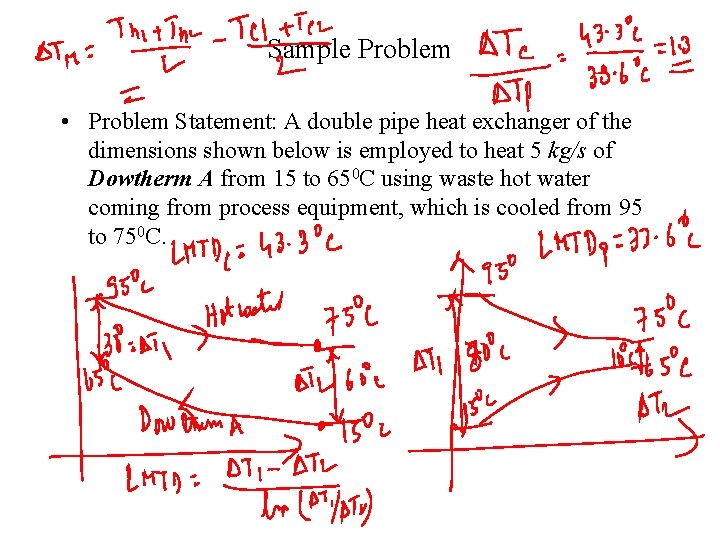
Sample Problem • Problem Statement: A double pipe heat exchanger of the dimensions shown below is employed to heat 5 kg/s of Dowtherm A from 15 to 650 C using waste hot water coming from process equipment, which is cooled from 95 to 750 C.
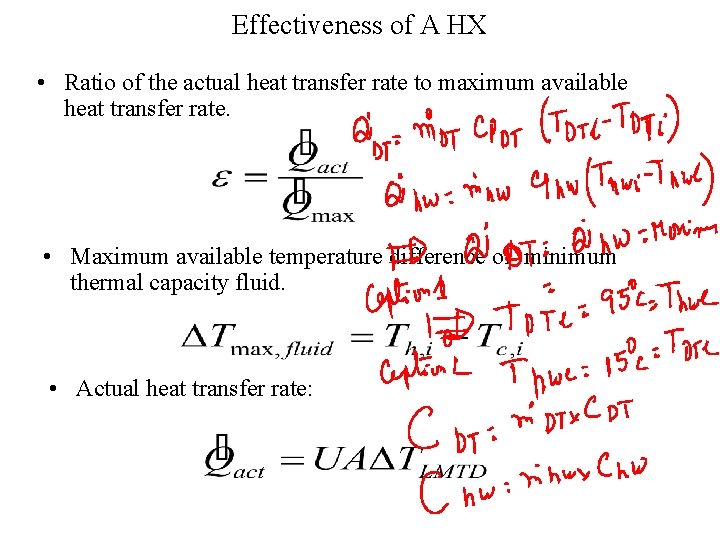
Effectiveness of A HX • Ratio of the actual heat transfer rate to maximum available heat transfer rate. • Maximum available temperature difference of minimum thermal capacity fluid. • Actual heat transfer rate:
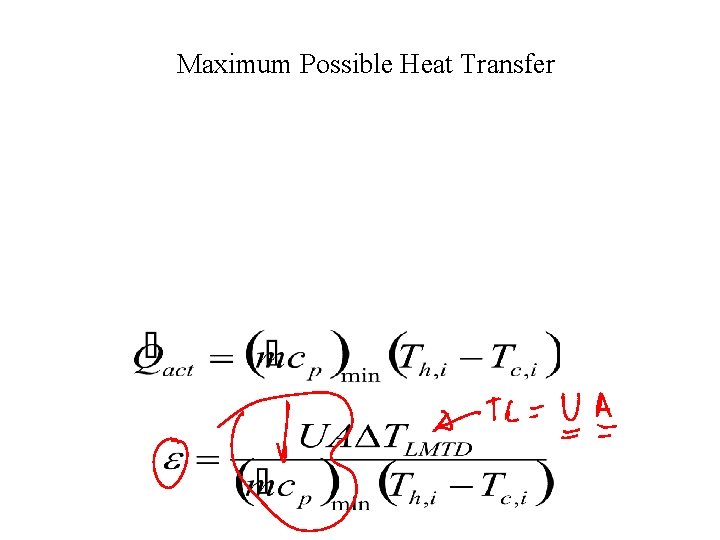
Maximum Possible Heat Transfer
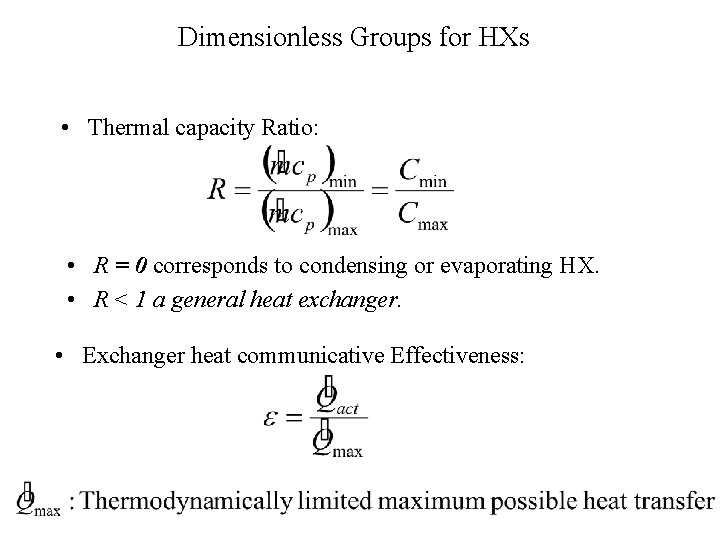
Dimensionless Groups for HXs • Thermal capacity Ratio: • R = 0 corresponds to condensing or evaporating HX. • R < 1 a general heat exchanger. • Exchanger heat communicative Effectiveness:
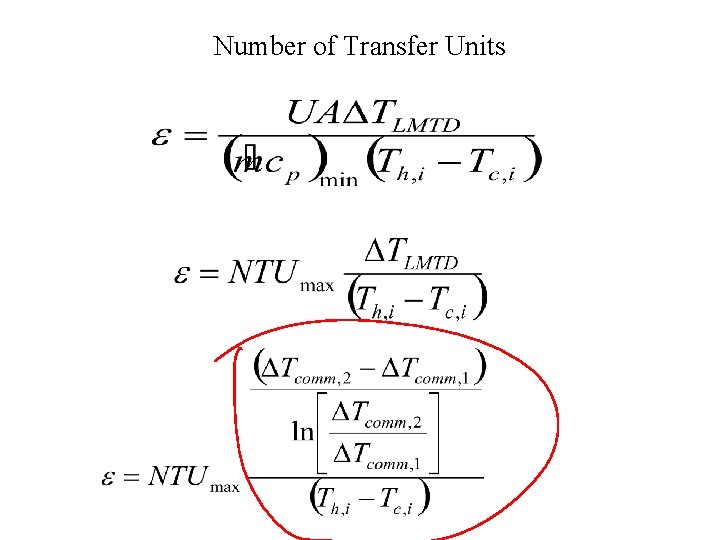
Number of Transfer Units
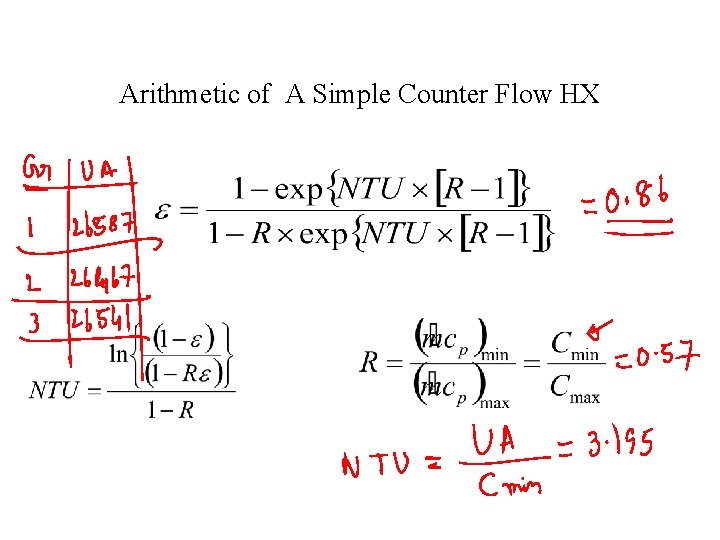
Arithmetic of A Simple Counter Flow HX
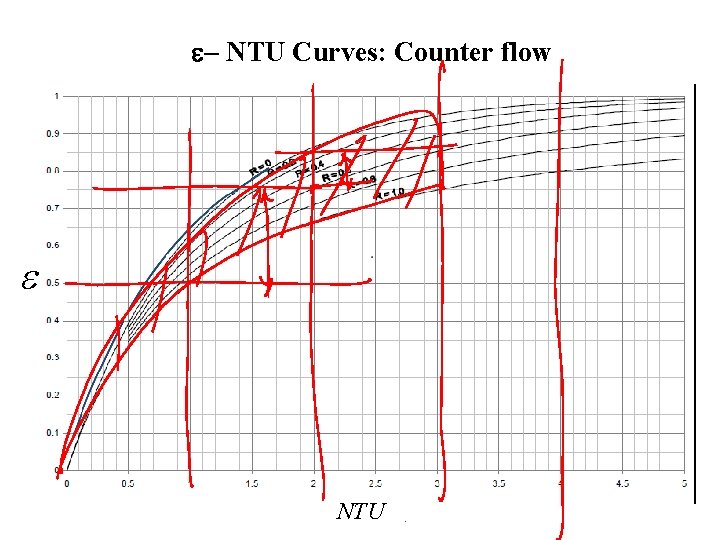
e- NTU Curves: Counter flow e NTU
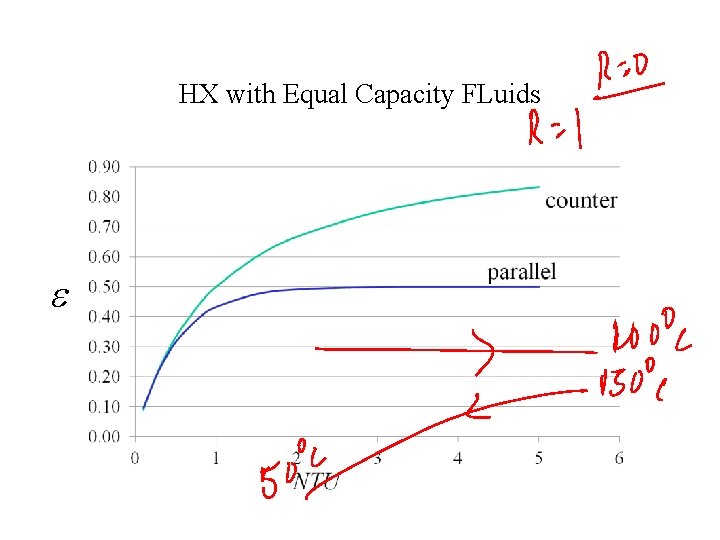
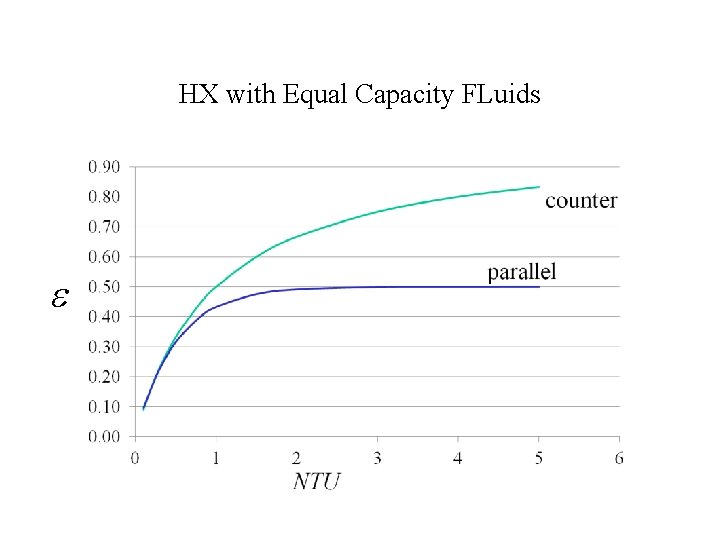
HX with Equal Capacity FLuids e
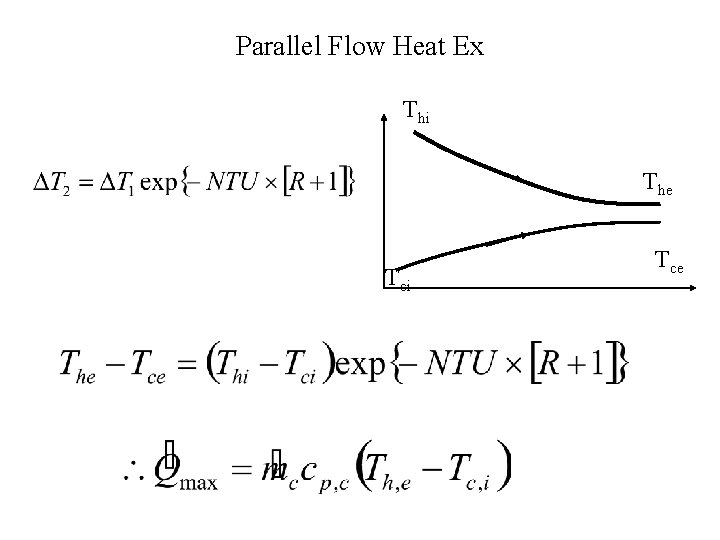
Parallel Flow Heat Ex Thi The Tci Tce
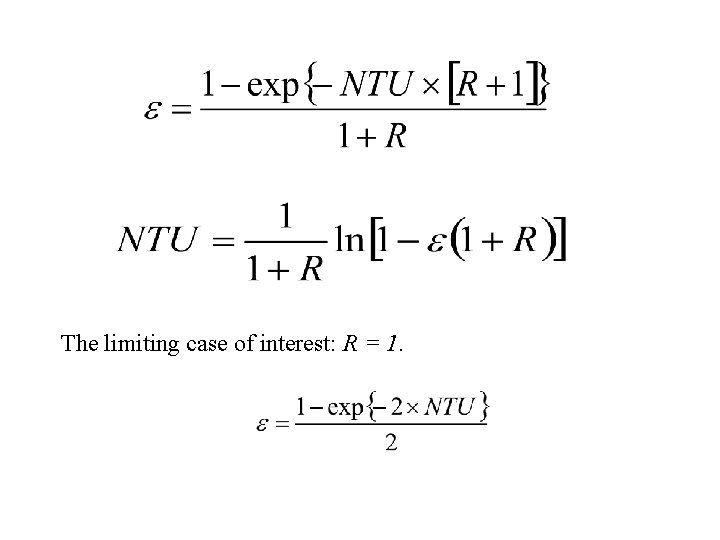
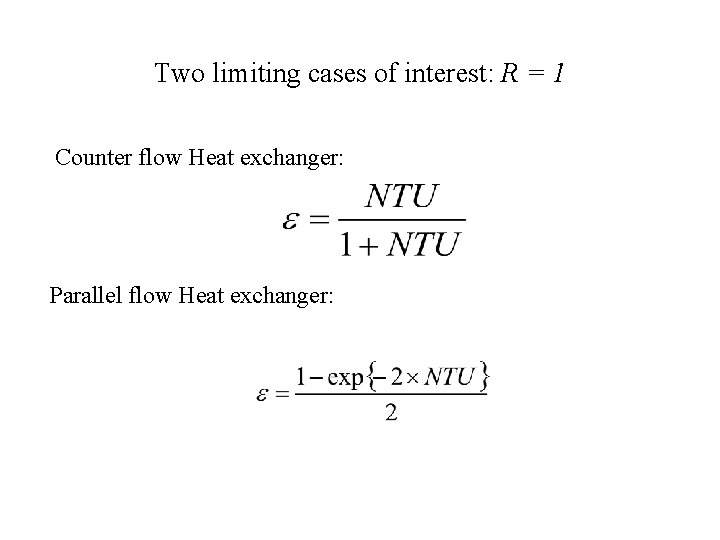
The limiting case of interest: R = 1.
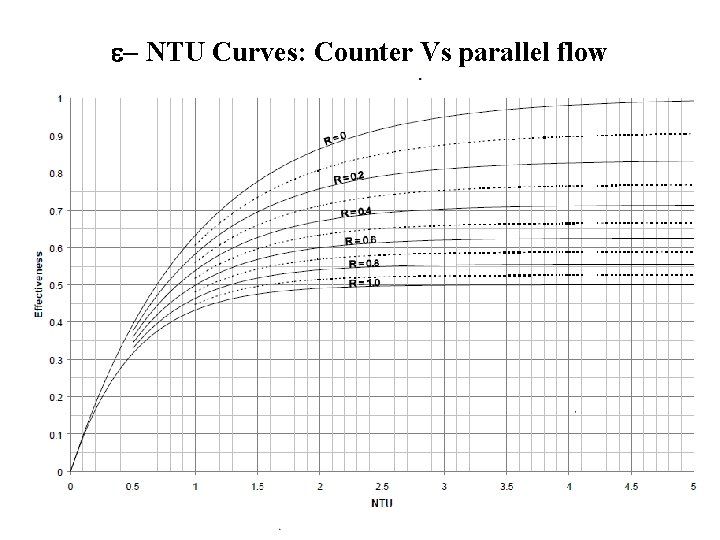
e- NTU Curves: Counter Vs parallel flow
Two limiting cases of interest: R = 1 Counter flow Heat exchanger: Parallel flow Heat exchanger:
HX with Equal Capacity FLuids e
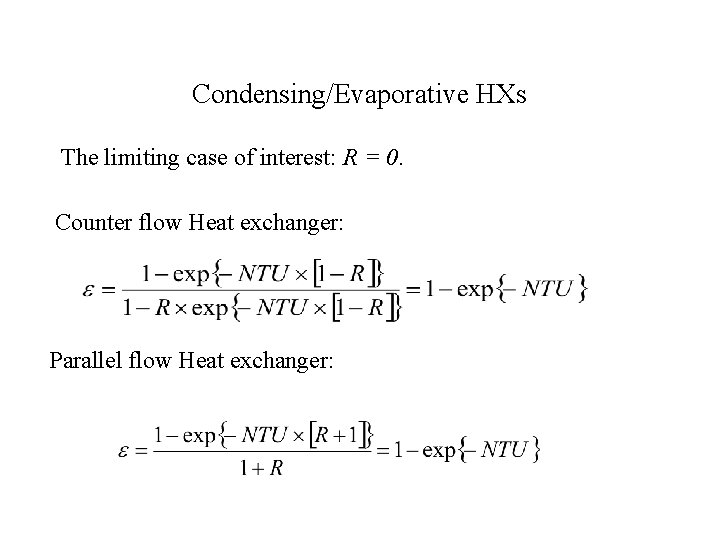
Condensing/Evaporative HXs The limiting case of interest: R = 0. Counter flow Heat exchanger: Parallel flow Heat exchanger:
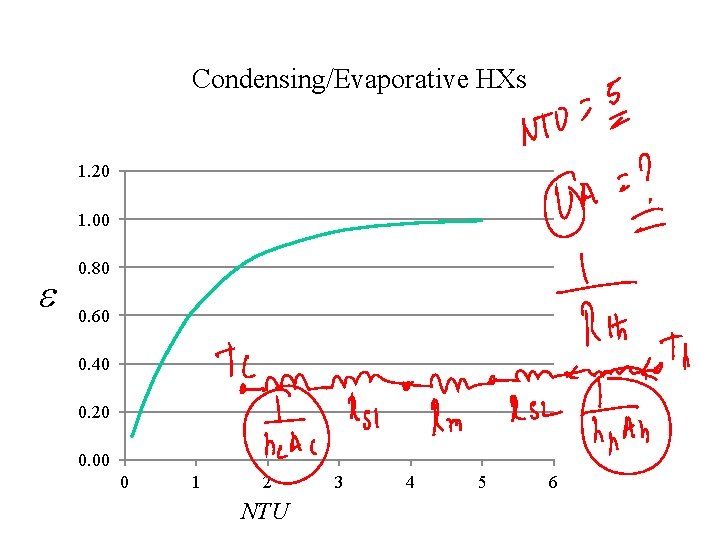
Condensing/Evaporative HXs 1. 20 1. 00 e 0. 80 0. 60 0. 40 0. 20 0. 00 0 1 2 NTU 3 4 5 6
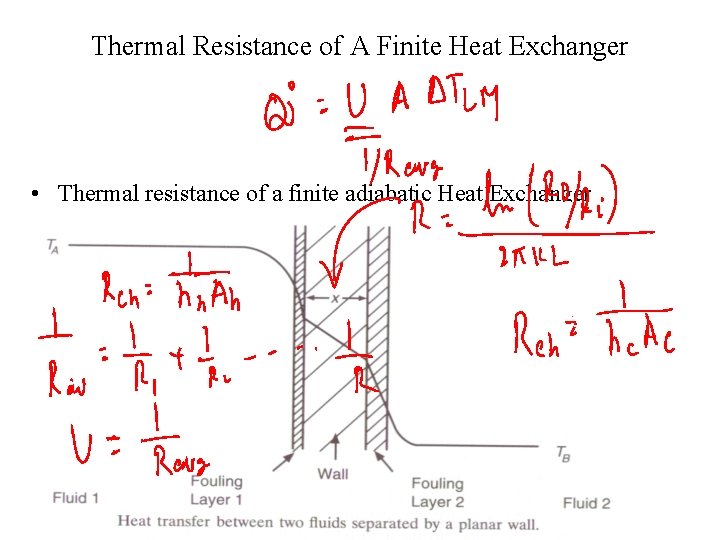
Thermal Resistance of A Finite Heat Exchanger • Thermal resistance of a finite adiabatic Heat Exchanger
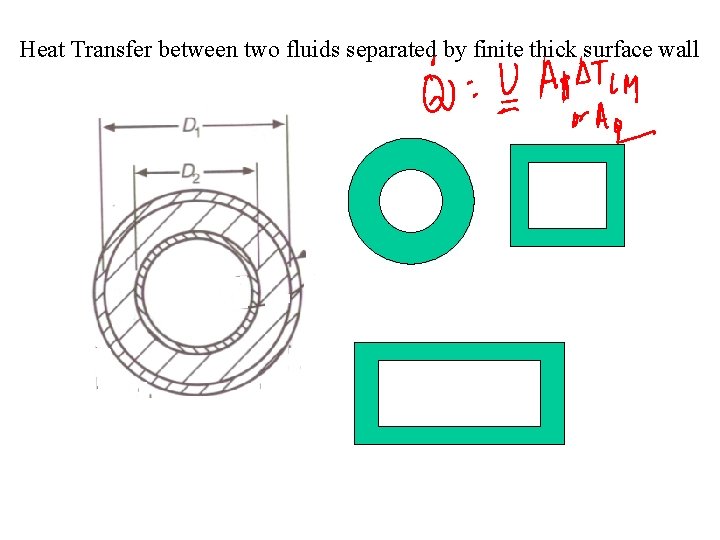
Heat Transfer between two fluids separated by finite thick surface wall
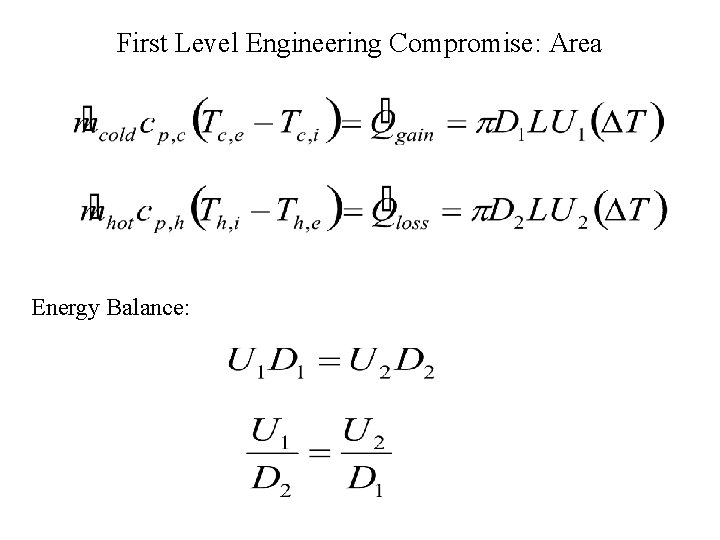
First Level Engineering Compromise: Area Energy Balance:
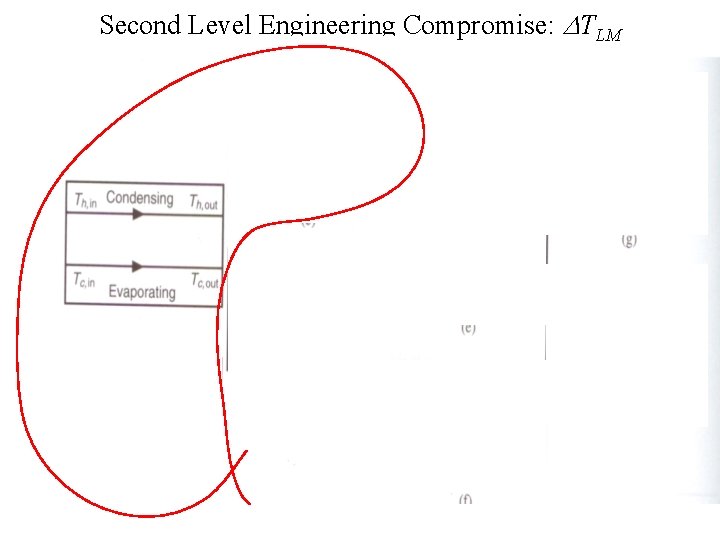
Second Level Engineering Compromise: DTLM
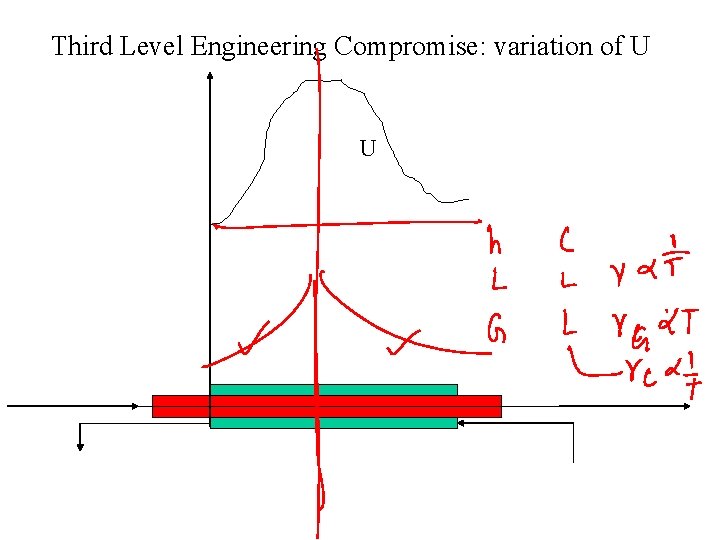
Third Level Engineering Compromise: variation of U U
Creative Ideas for Techno-economic Feasibility of a HX. • • For a viable size of a HX: How to maximize Effective area of heat communication? . How to maximize Overall Heat transfer coefficient? How to compute & select the effective temperature difference? • Should we decrease or increase Effective temperature difference?
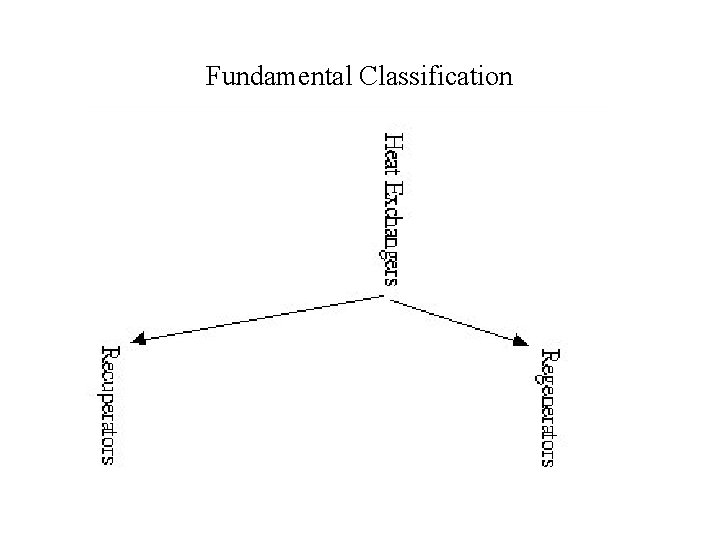
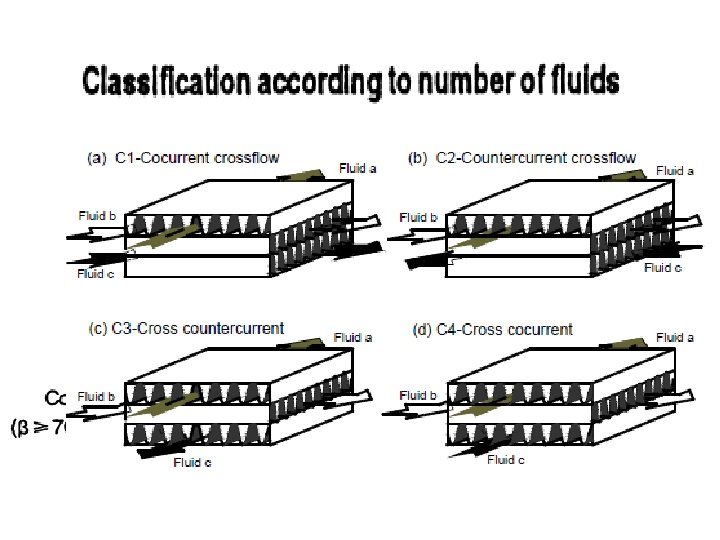
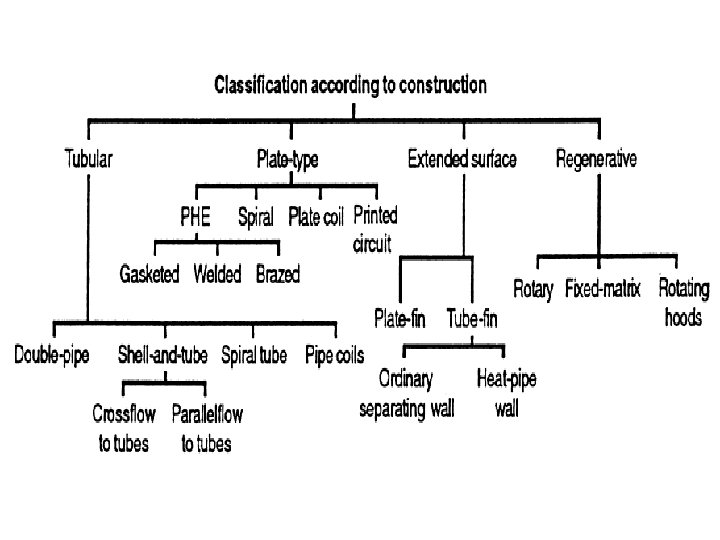
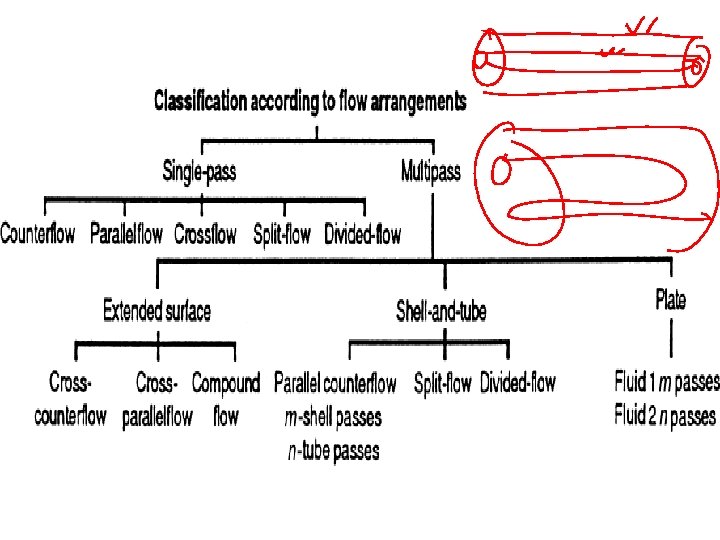
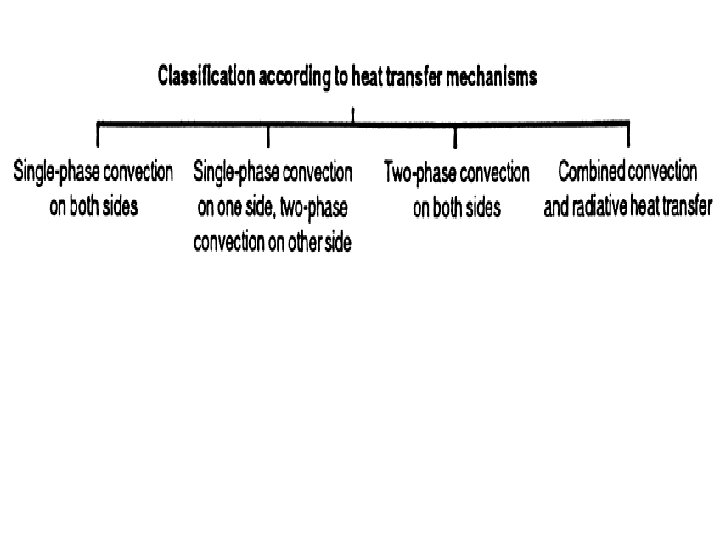
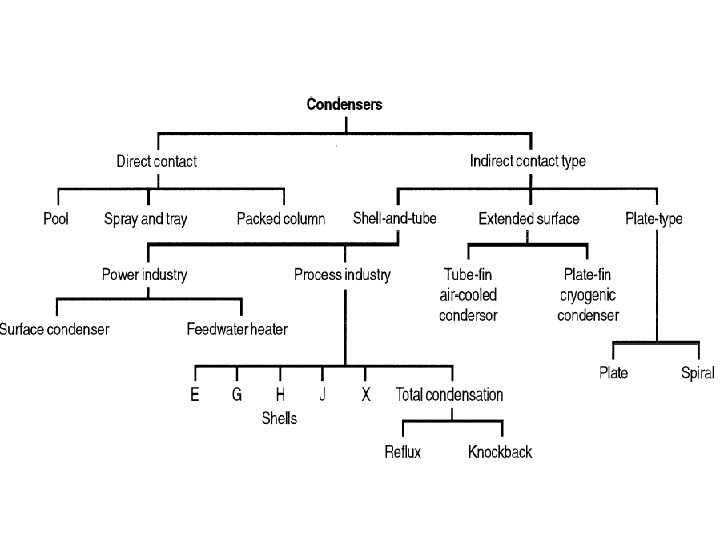
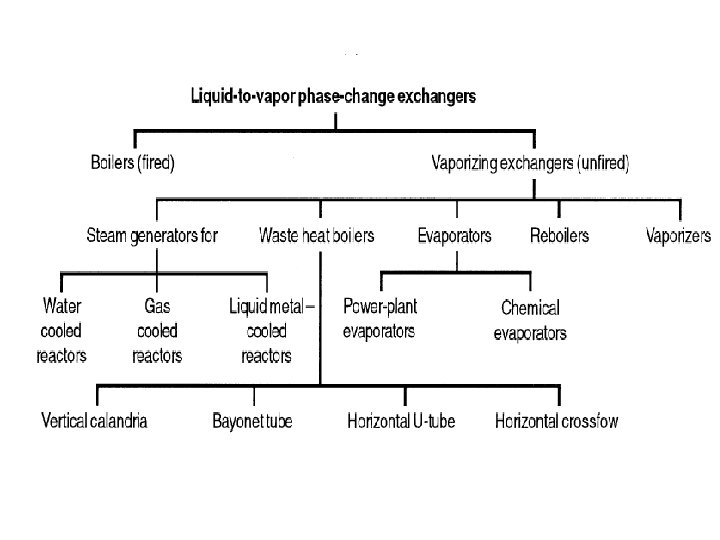
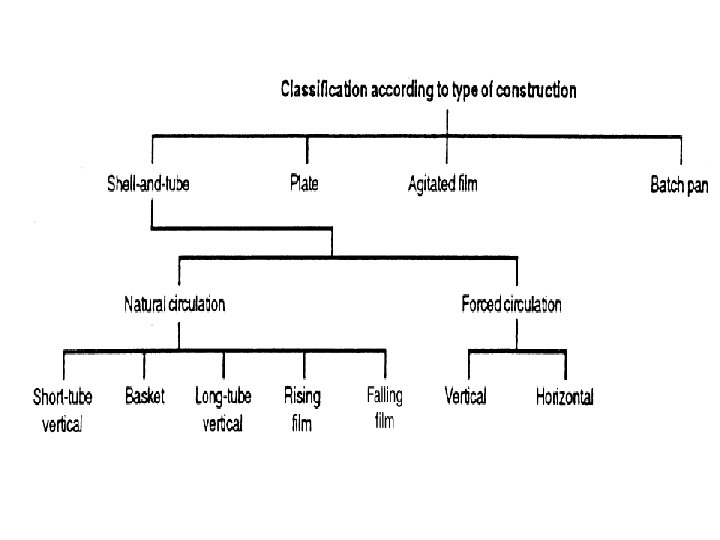
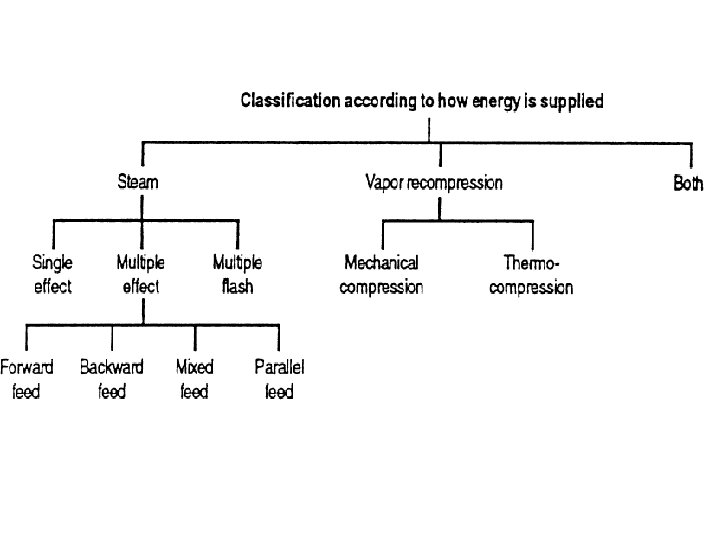
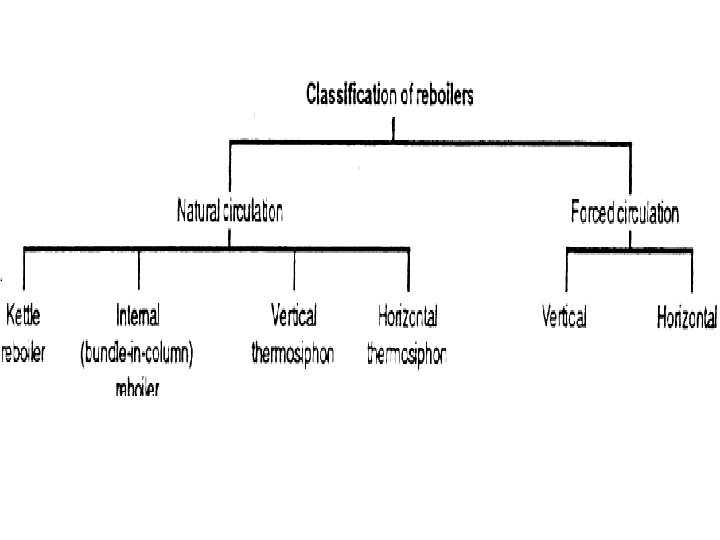
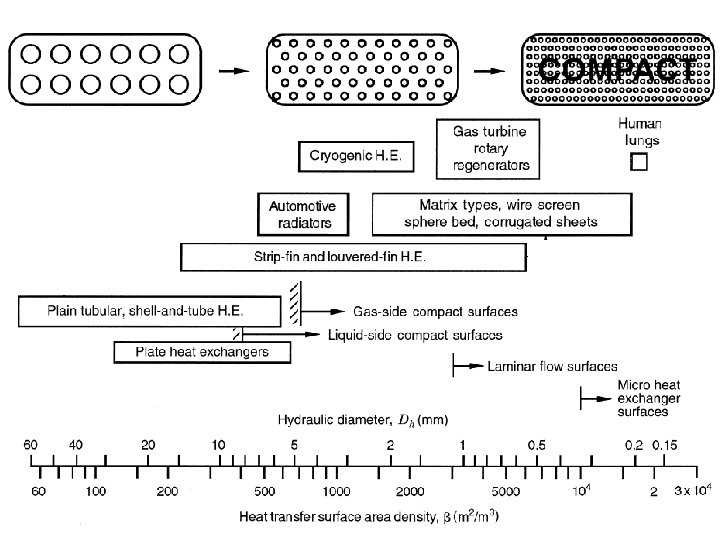
Fundamental Classification
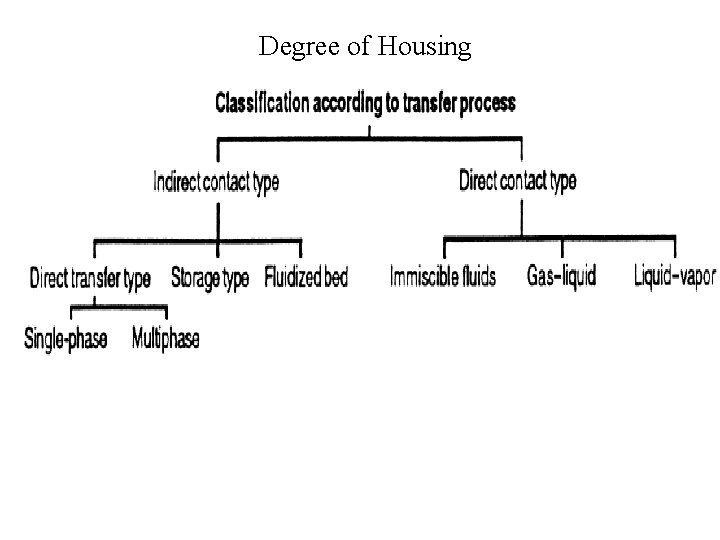
Degree of Housing
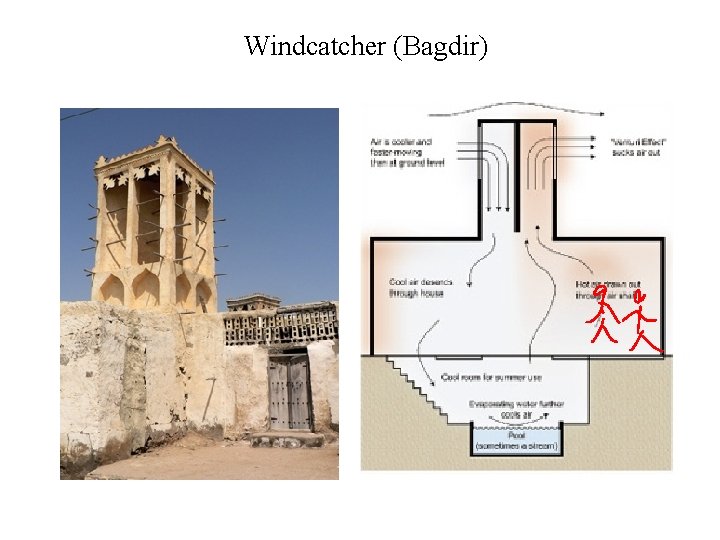
Windcatcher (Bagdir)