
Perfectly Proper Plants Alternation of Generations 580 Types

- Slides: 16
Perfectly Proper Plants
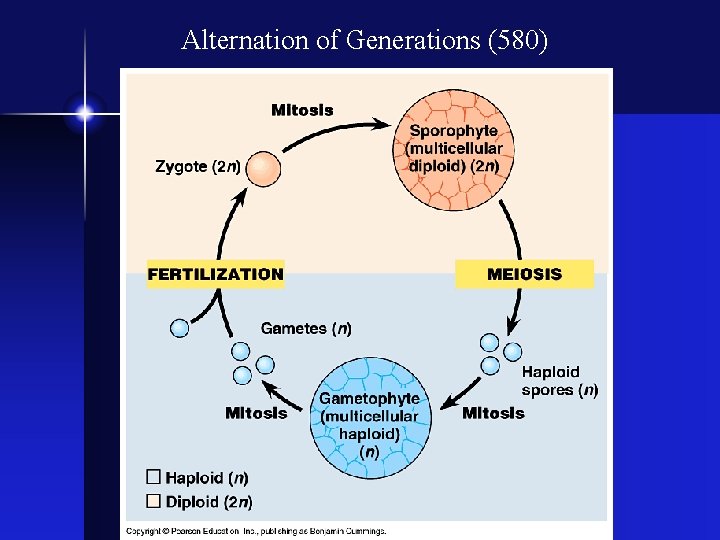
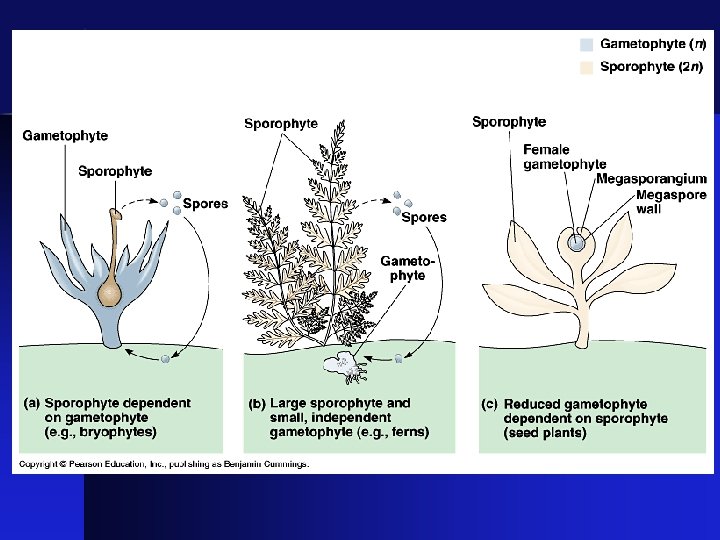
Alternation of Generations (580)
Types of Plants S Bryophytes S Mosses, liverworts, hornworts S Gametophyte is the dominant generation! S No real vascular tissue to conduct water and nutrients S Few cell layers thick, keeps them close to water and minerals S Sporophyte releases bzillions of spores (but need to stay attached to the gametophyte)
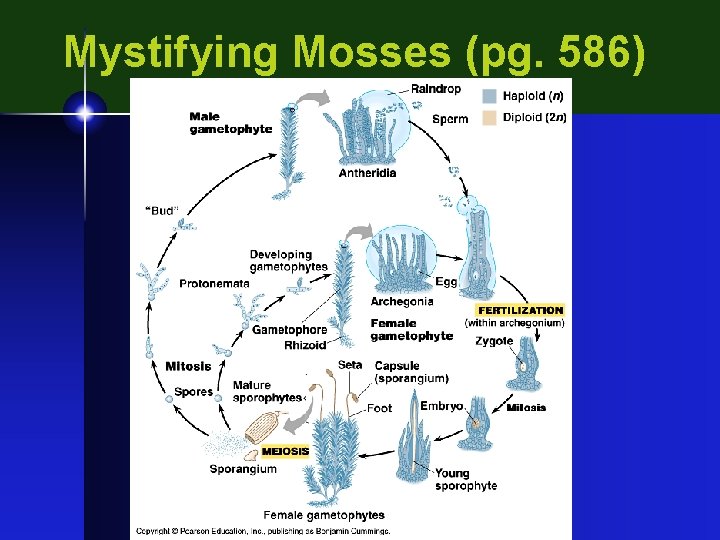
Mystifying Mosses (pg. 586)
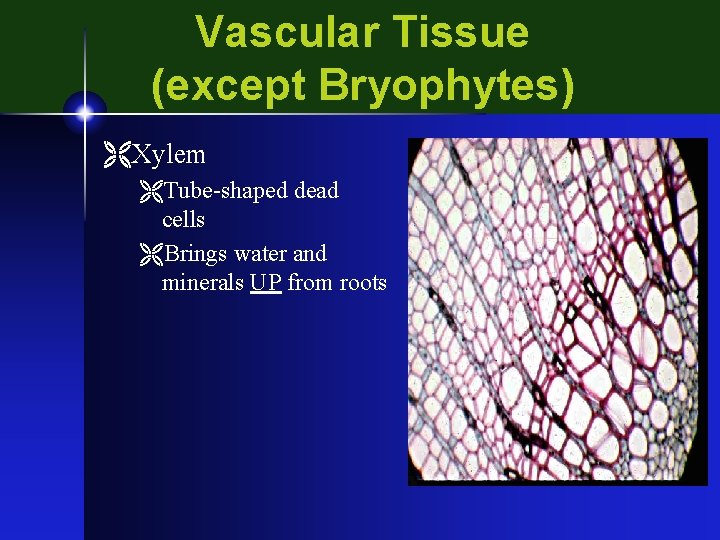
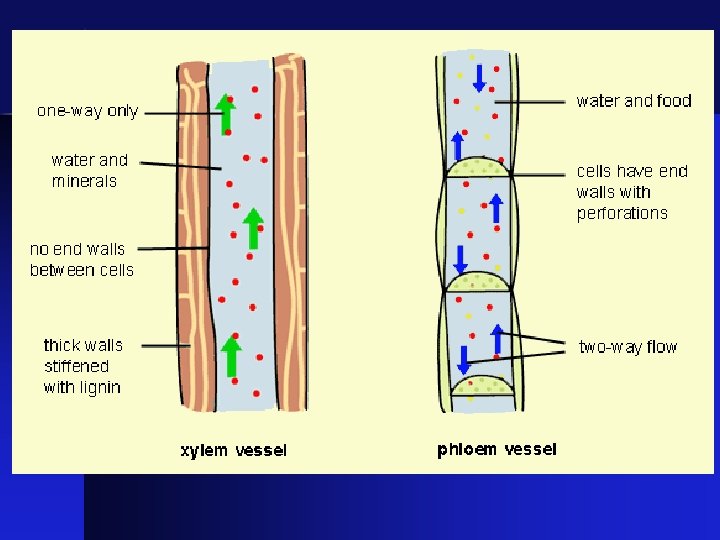
Vascular Tissue (except Bryophytes) ËXylem ËTube-shaped dead cells ËBrings water and minerals UP from roots
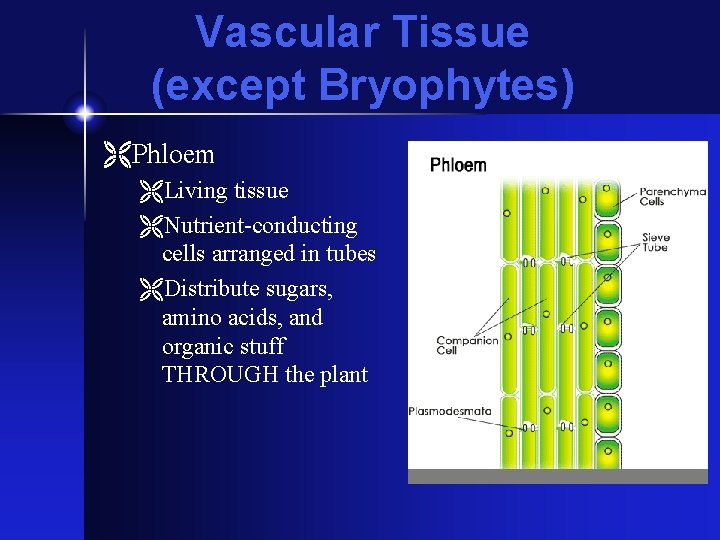
Vascular Tissue (except Bryophytes) ËPhloem ËLiving tissue ËNutrient-conducting cells arranged in tubes ËDistribute sugars, amino acids, and organic stuff THROUGH the plant
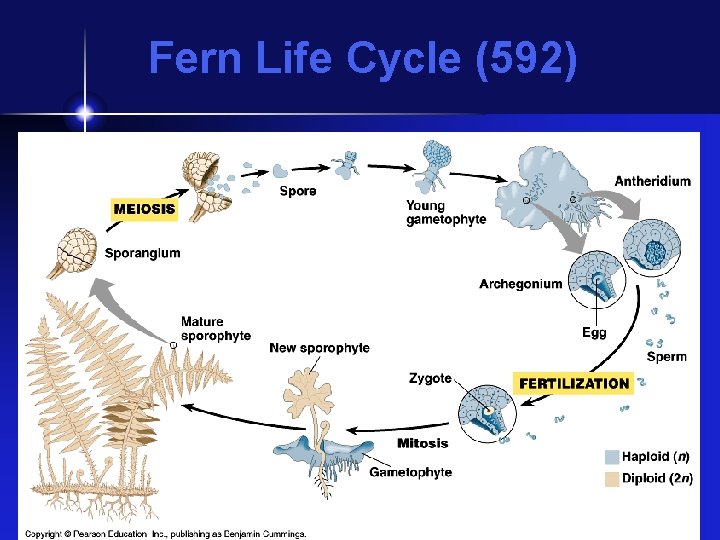
Seedless Vascular Plants ²Ferns! ²Sporophyte is the larger and more complex!! (Gametophyte is fragile and small) ²Sperm cells of ferns have flagella and need to swim through a film of water to reach eggs (just like bryophytes) ²Common in damp habitats
Fern Life Cycle (592)
Vascular (seed) plants ISeeds IMulti-cellular (more complex than a spore) ISporophyte embryo packaged with a food supply in a protective coat IMicrosporangia produce male gametophyte IMegasporangia produce female gametophyte IFemale gametophyte stays in parent sporophyte IWhen fertilized, the whole ovule (ovary) becomes the seed
Gymnosperms QCone-Bearing Plants Q“naked seeds” QNo enclosed chamber (ovary) for egg/seed. QOvules and seeds develop on special leaves called sporophylls
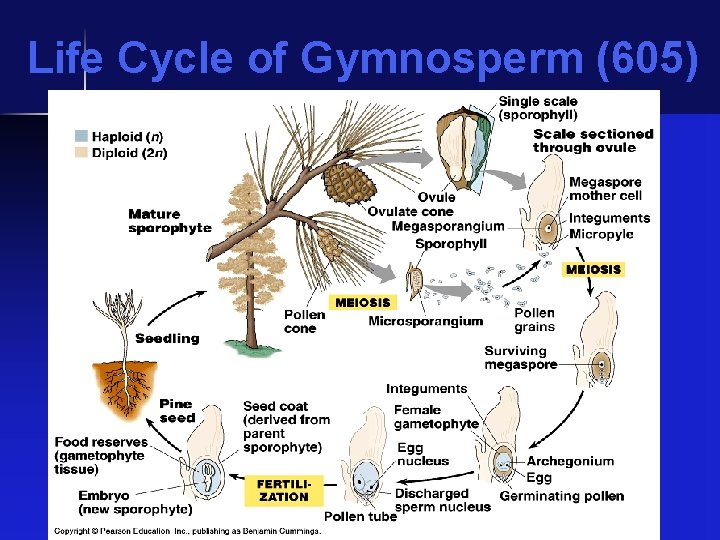
Life Cycle of Gymnosperm (605)
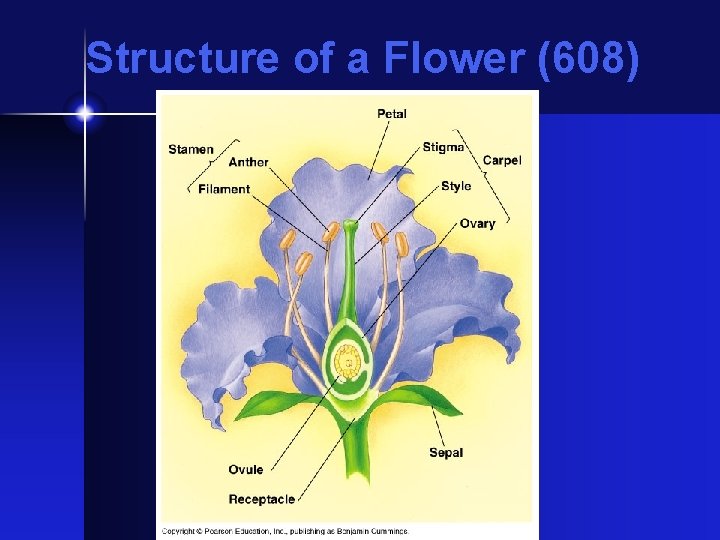
Angiosperms (Flowering) `Flower: Sex parts `Stamen: Male repro organs (anther, filament) `Carpels: Female repro organs (stigma, style, ovary) `Fruit: Mature ovary `Thickened wall of ovary to protect the seeds and help disperse them
Structure of a Flower (608)
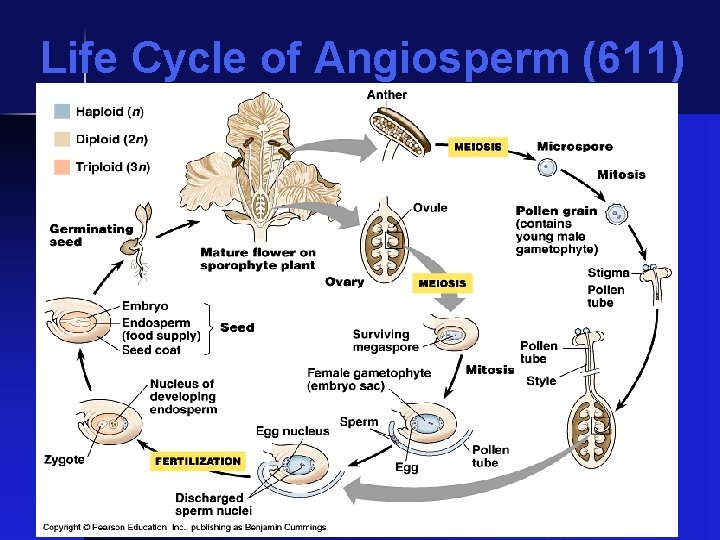
Life Cycle of Angiosperm (611)