
Perfect Square Roots Approximating NonPerfect Square Roots 8

- Slides: 39
Perfect Square Roots & Approximating Non-Perfect Square Roots 8. NS. 2 USE RATIONAL APPROXIMATIONS OF IRRATIONAL NUMBERS TO COMPARE THE SIZE OF IRRATIONAL NUMBERS, LOCATE THEM APPROXIMATELY ON A NUMBER LINE DIAGRAM, AND ESTIMATE THE VALUE OF EXPRESSIONS (E. G. , Π 2). 8 TH GRADE MATH – MISS. AUDIA
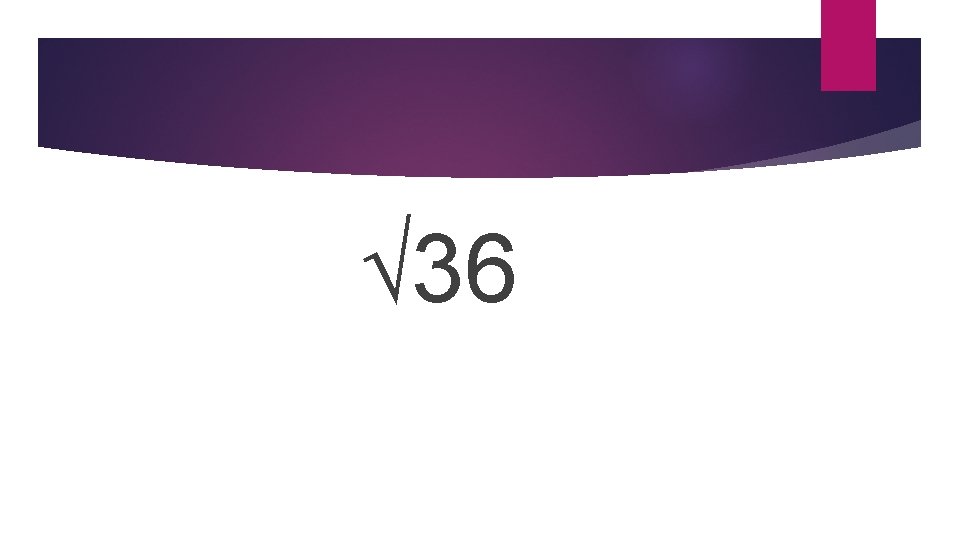
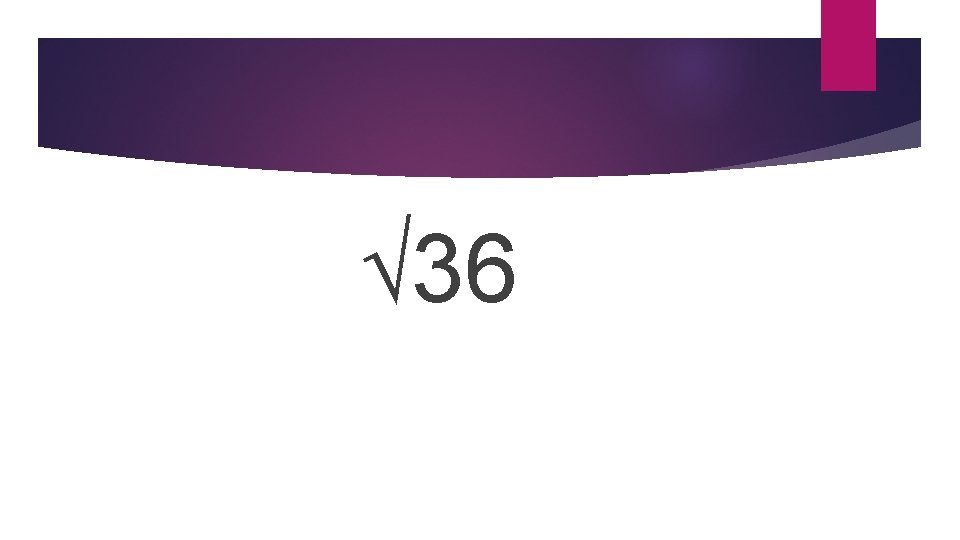
Square Roots - A value that, when multiplied by itself, gives the number (ex. √ 36=± 6). Perfect Squares - A number made by squaring an integer. Integer – A number that is not a fraction. Remember The answer to all square roots can be either positive or negative. We write this by placing the ± sign in front of the number.
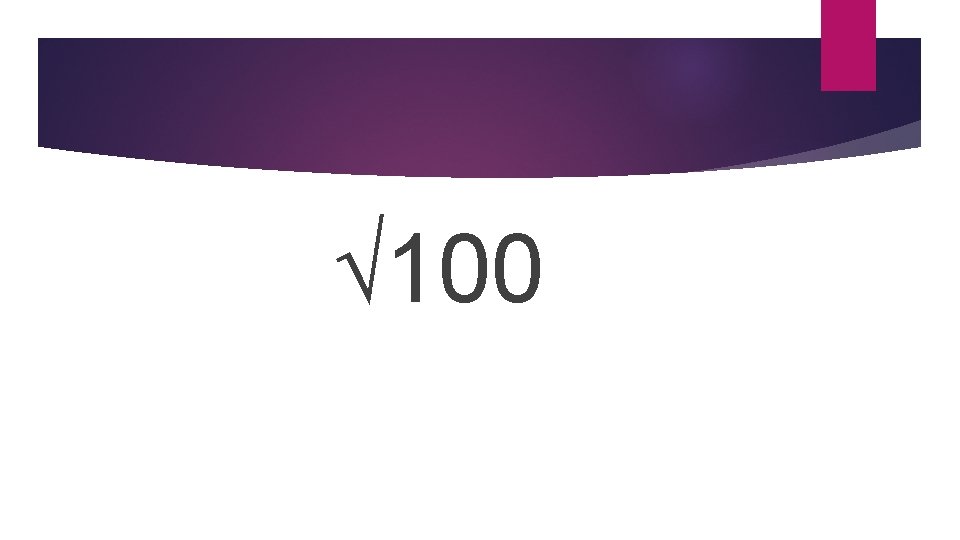
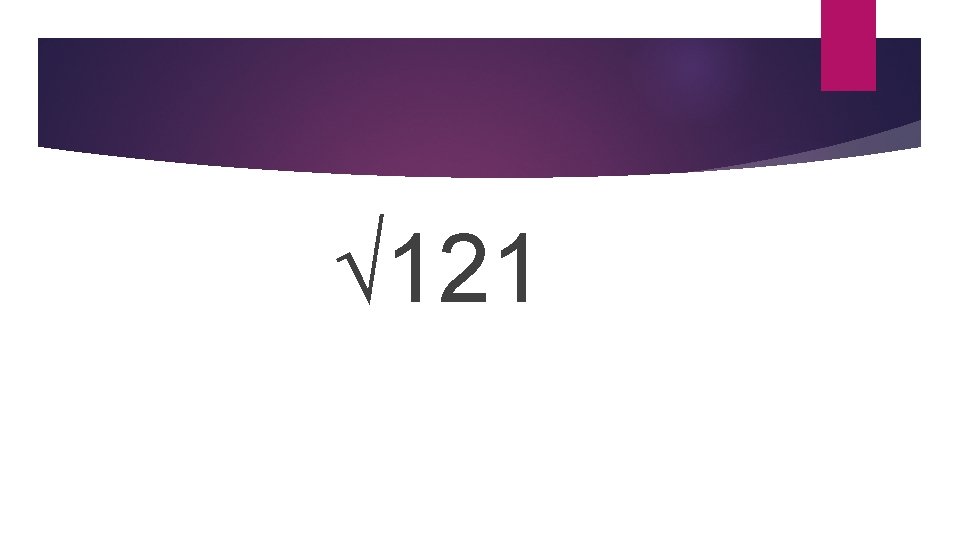
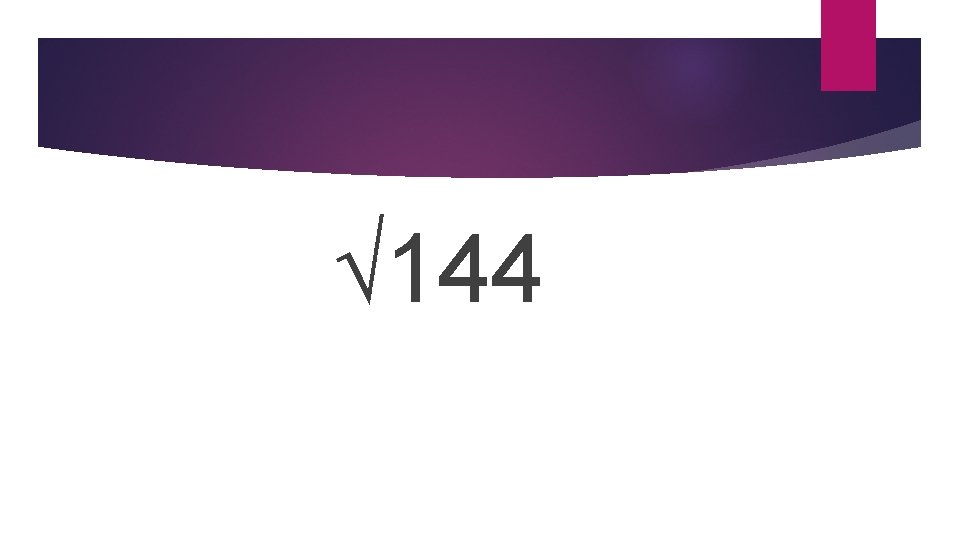
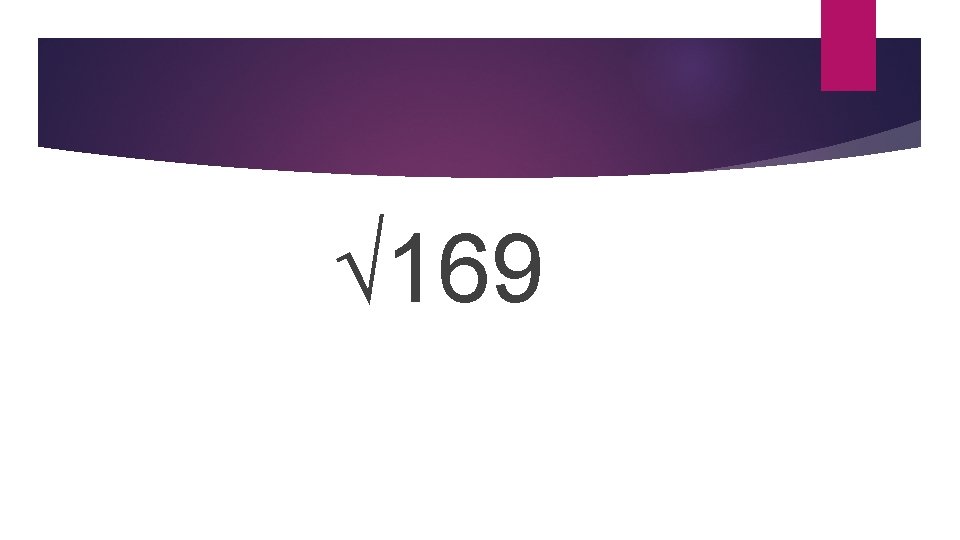
What are the following square roots?
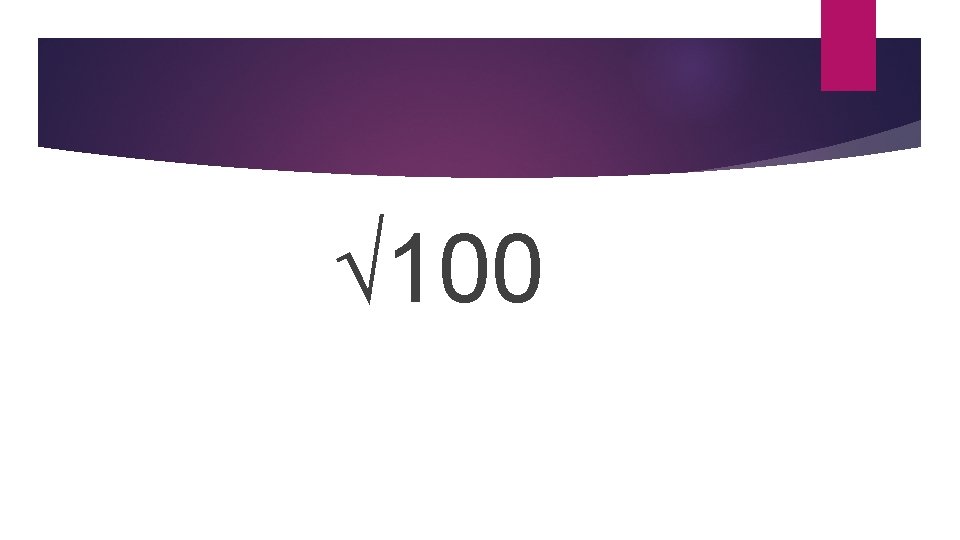
√ 100
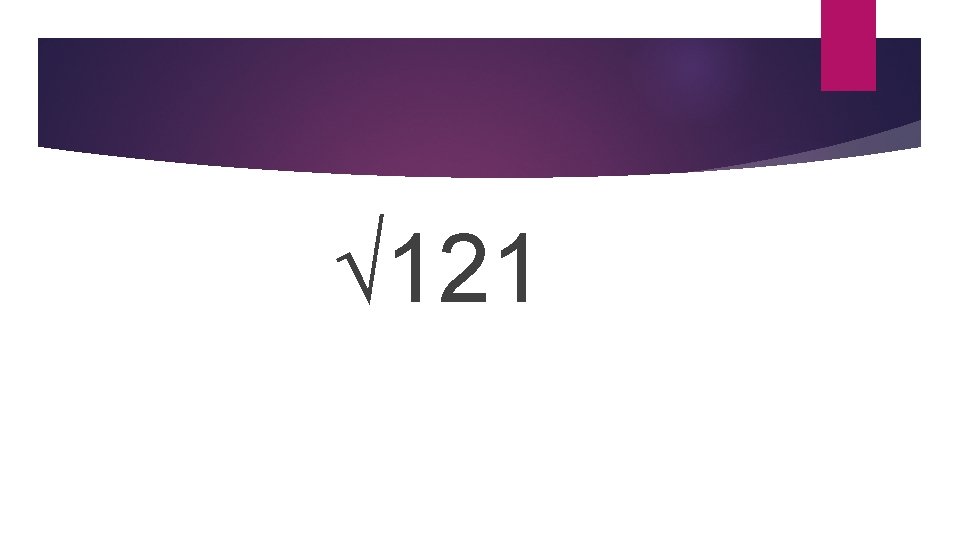
√ 121
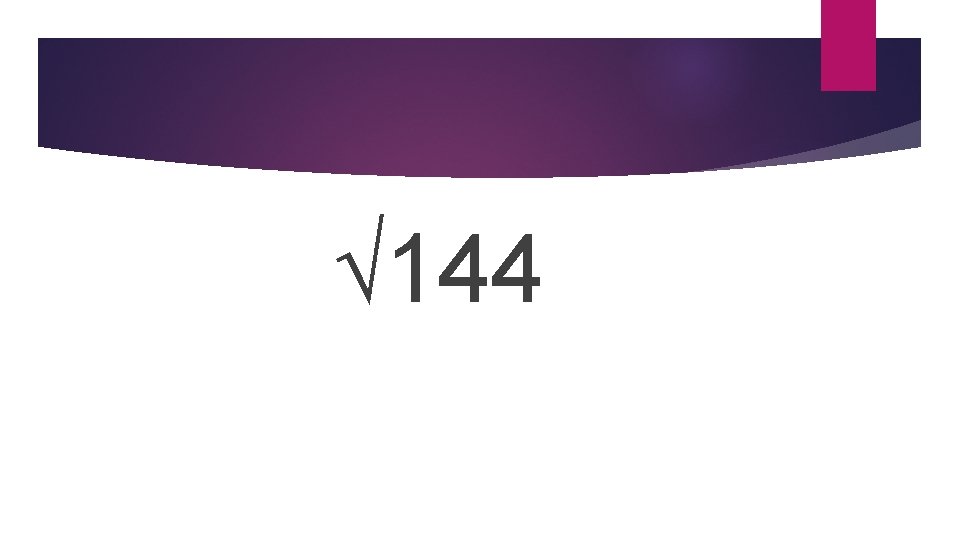
√ 144
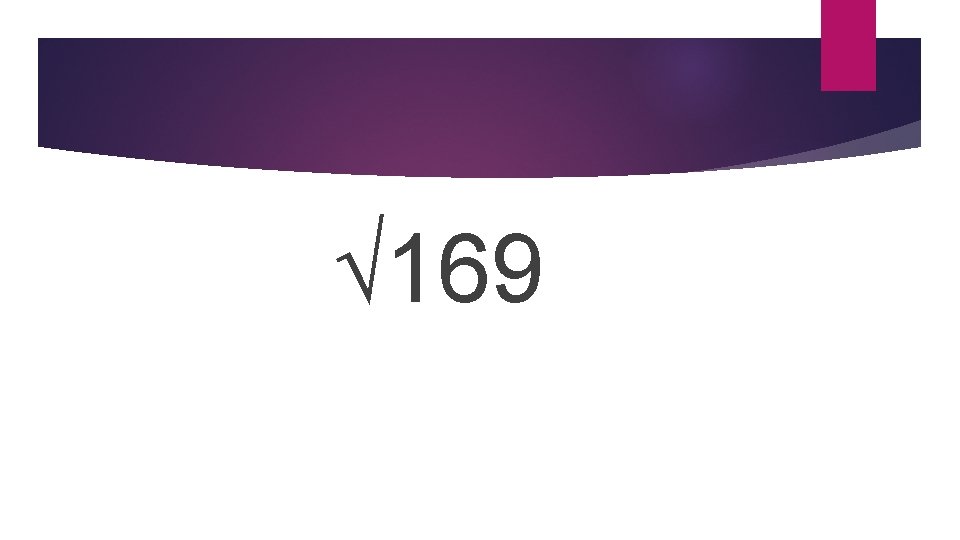
√ 169
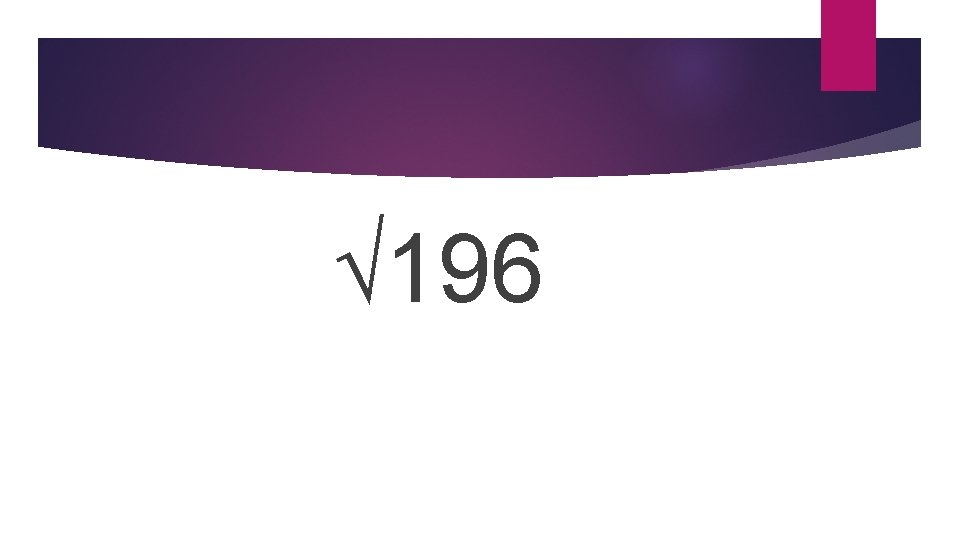
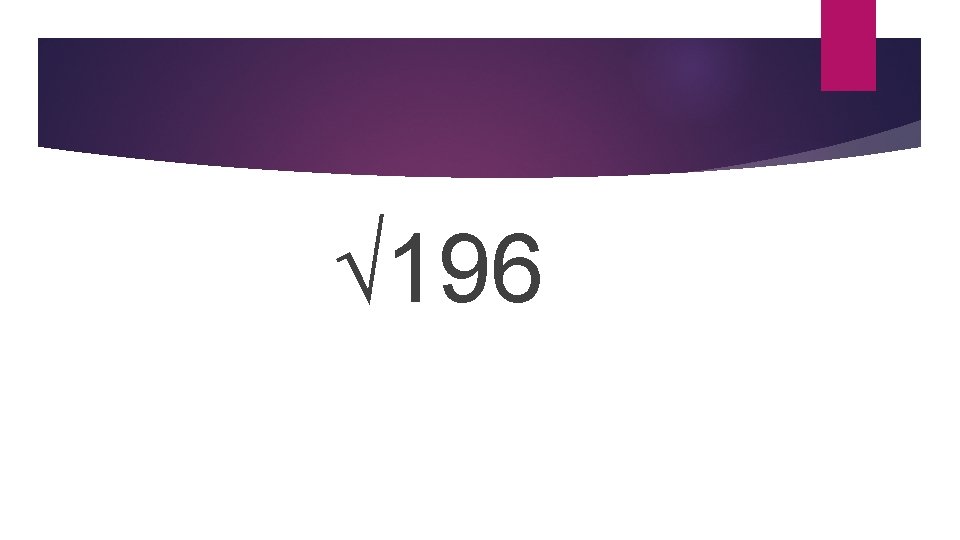
√ 196
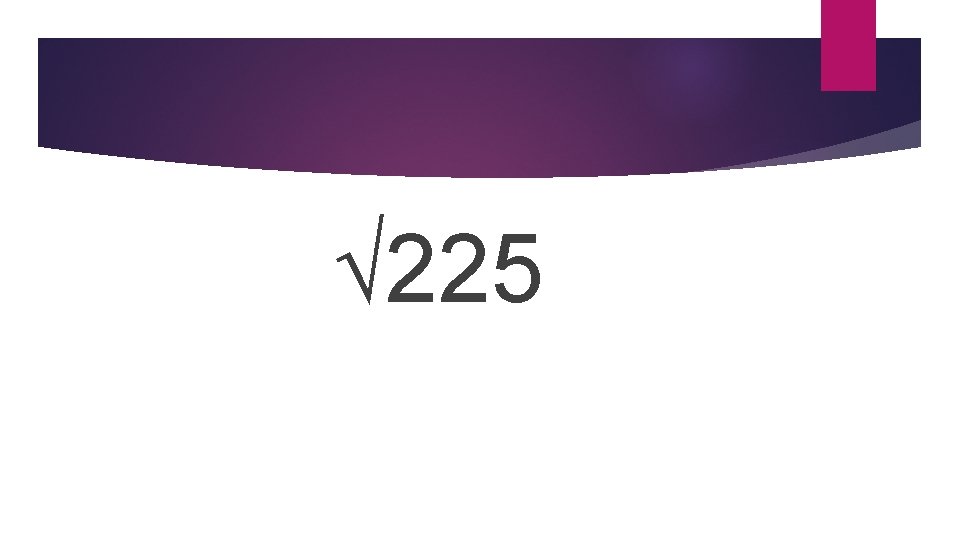
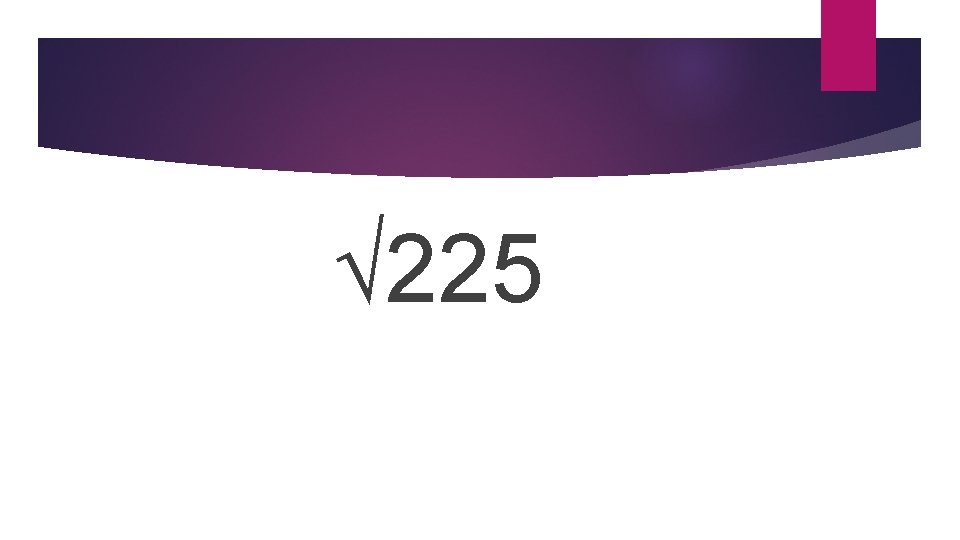
√ 225
Let’s Mix It Up
√ 121
√ 225
√ 196
√ 169
√ 100
√ 144
All Square Roots of Perfect Squares are Rational Numbers! Rational Numbers – Numbers that can be written as a ratio or fraction. These numbers can also be written as terminating decimals or repeating decimals. Terminating Decimals – A decimal that does not go on forever (ex. O. 25). Repeating Decimals – A decimal that has numbers that repeat forever (ex. 0. 3, 0. 372)
The Square Roots of Non-Perfect Squares are Irrational Numbers – Numbers that are not Rational. They cannot be written as ratios or fractions. They are decimals which never end or repeat. Examples: π, √ 2, √ 83
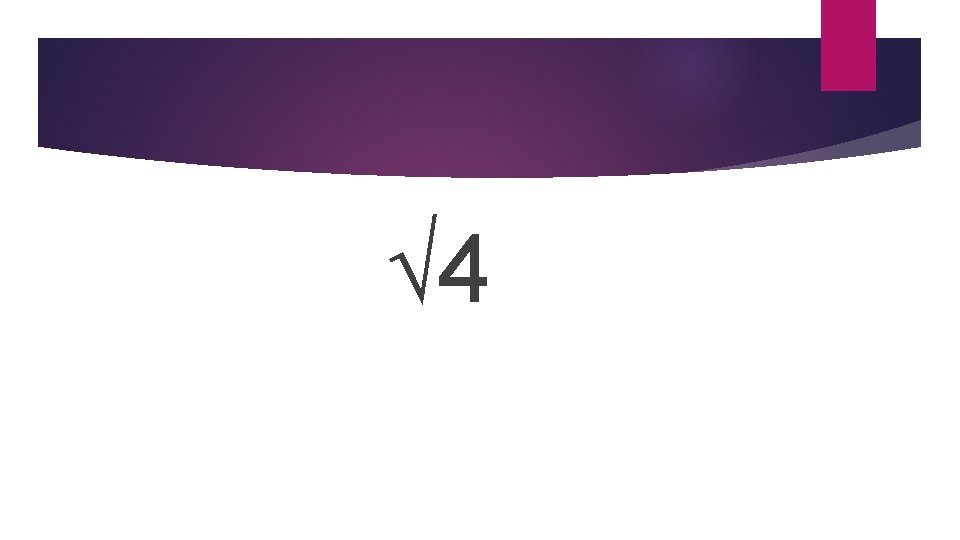
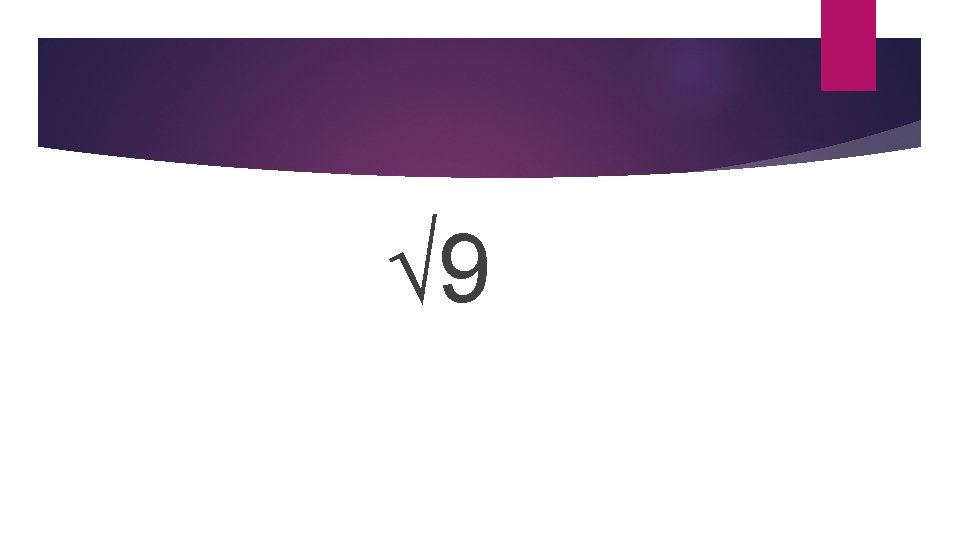
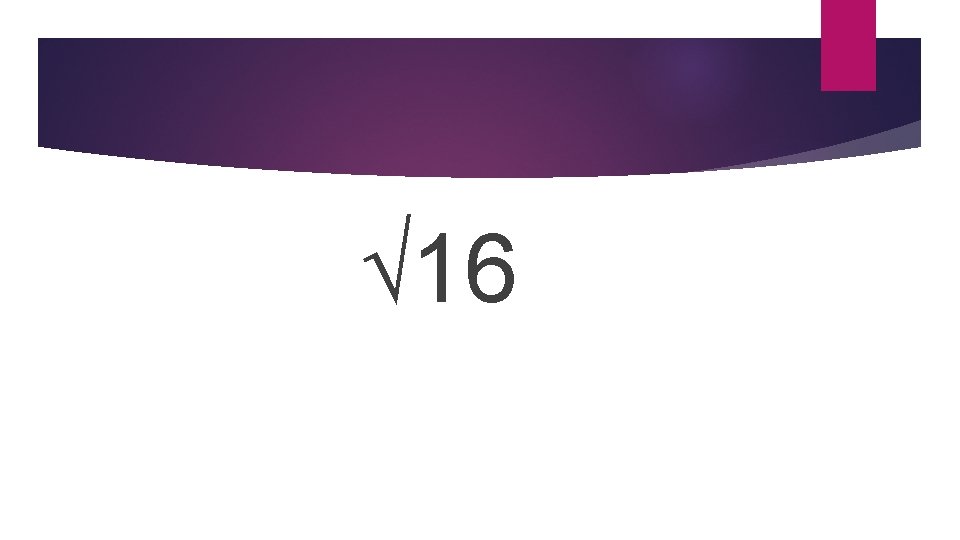
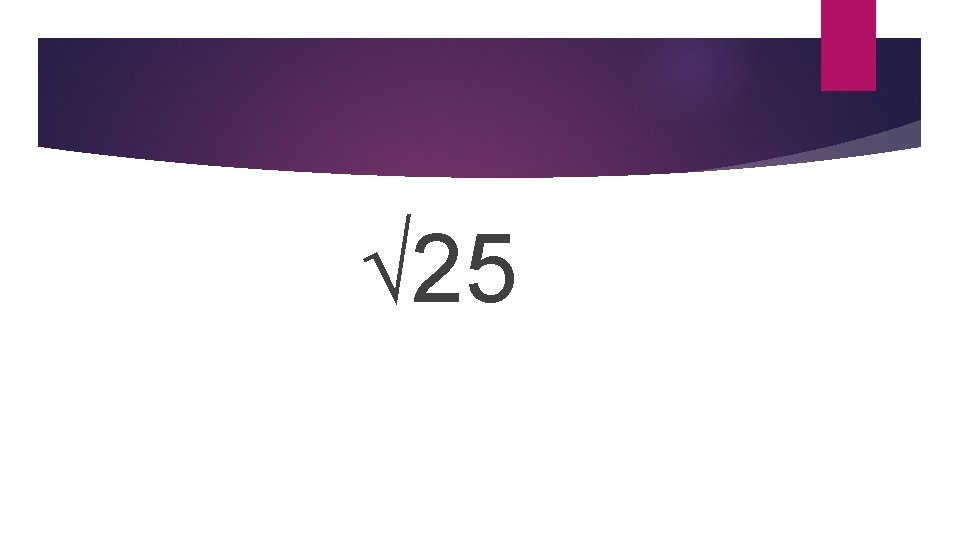
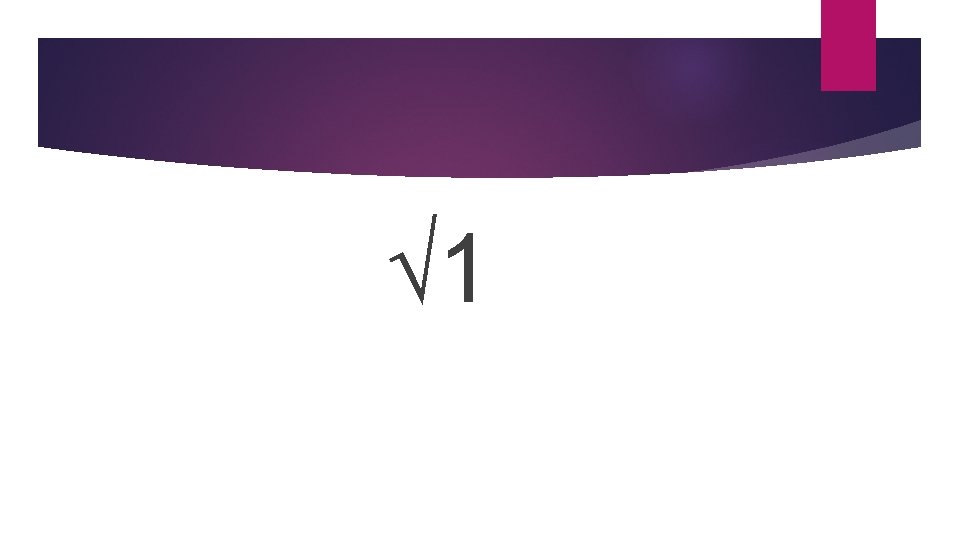
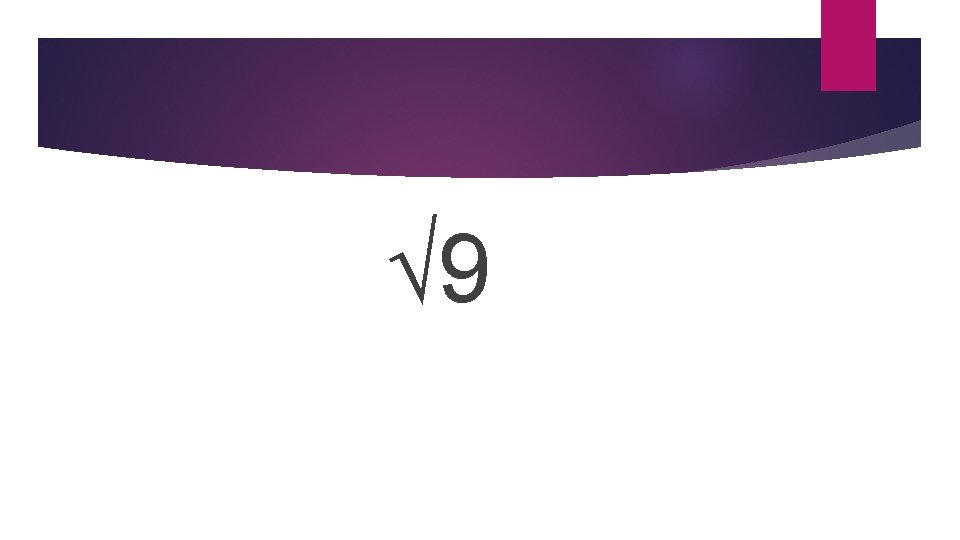
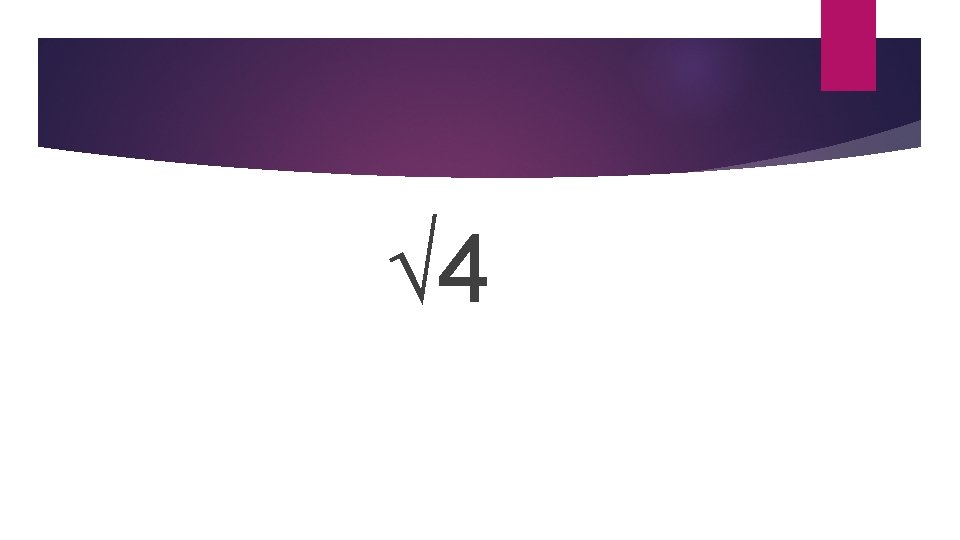
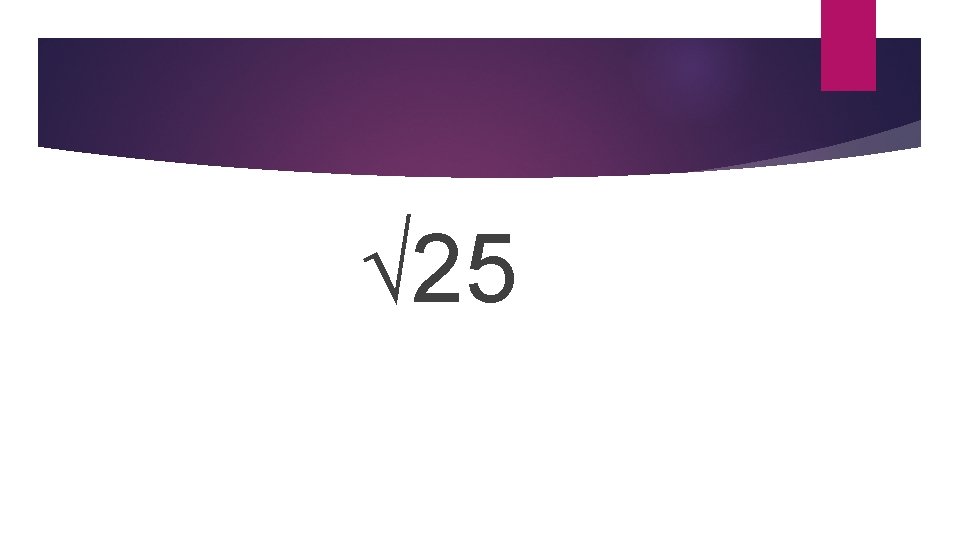
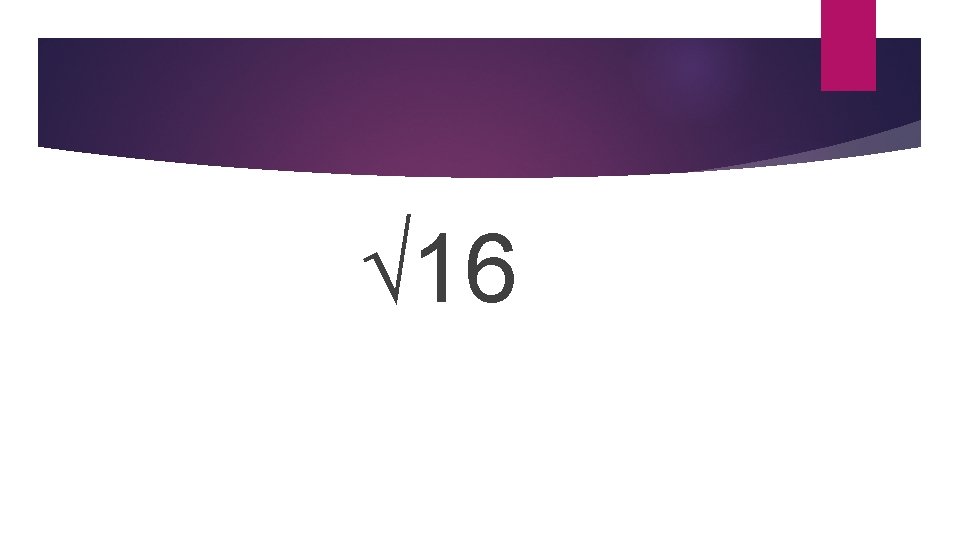
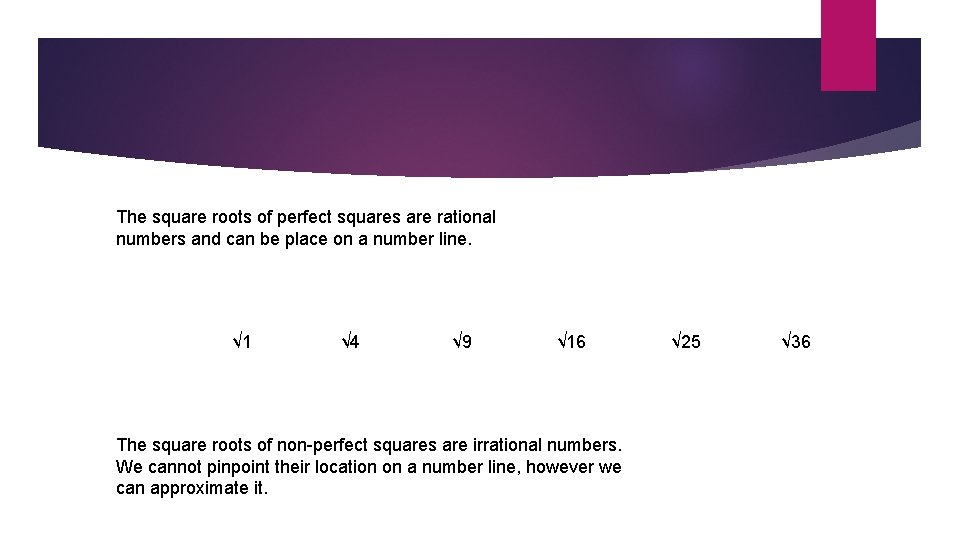
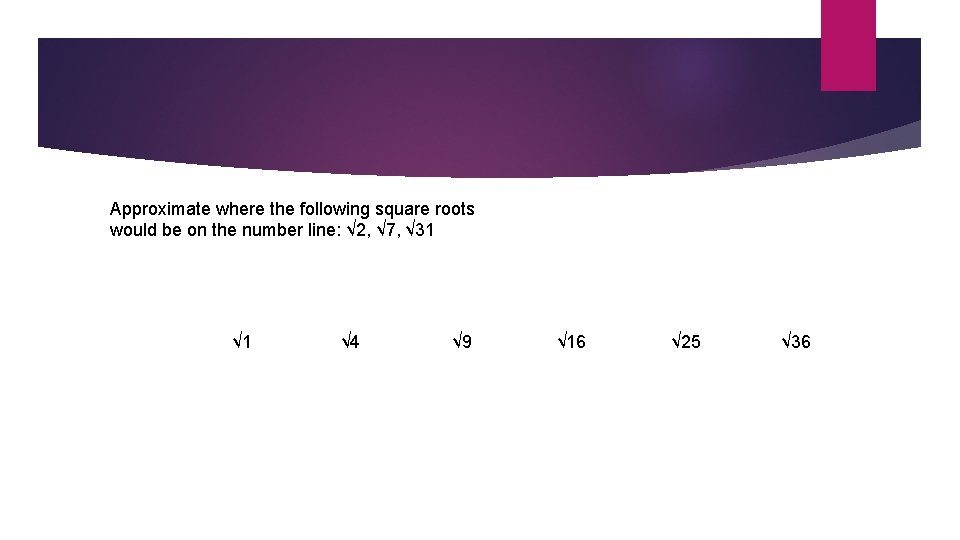
The square roots of perfect squares are rational numbers and can be place on a number line. √ 1 √ 4 √ 9 √ 16 The square roots of non-perfect squares are irrational numbers. We cannot pinpoint their location on a number line, however we can approximate it. √ 25 √ 36
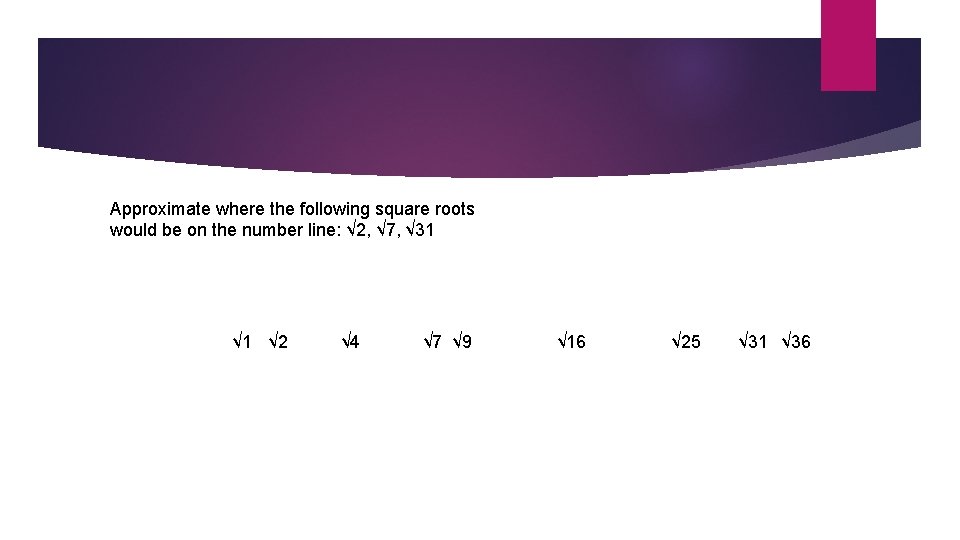
Approximate where the following square roots would be on the number line: √ 2, √ 7, √ 31 √ 4 √ 9 √ 16 √ 25 √ 36
Approximate where the following square roots would be on the number line: √ 2, √ 7, √ 31 √ 2 √ 4 √ 7 √ 9 √ 16 √ 25 √ 31 √ 36