
Perception Prevention and Populations Issues of Risk in



- Slides: 27
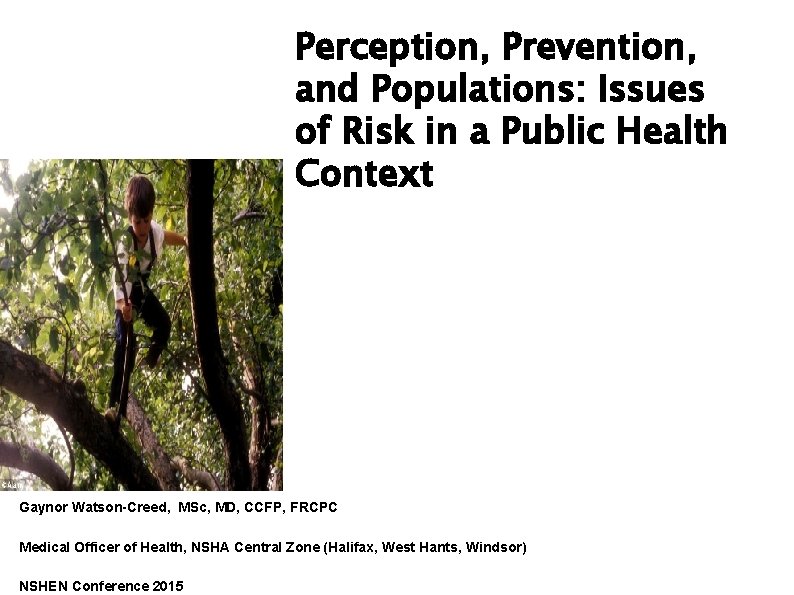
Perception, Prevention, and Populations: Issues of Risk in a Public Health Context Gaynor Watson-Creed, MSc, MD, CCFP, FRCPC Medical Officer of Health, NSHA Central Zone (Halifax, West Hants, Windsor) NSHEN Conference 2015
By the end of this presentation participants will (hopefully): • Understand the differences between risk and hazard • Understand some of the factors that contribute to perception of risk • Understand some of the strategies that can be used to manage perception of risk, and to communicate about it • Have considered how the concept of risk informs clinical practice, and the differences between individual and population level risks. • Be less afraid!!!
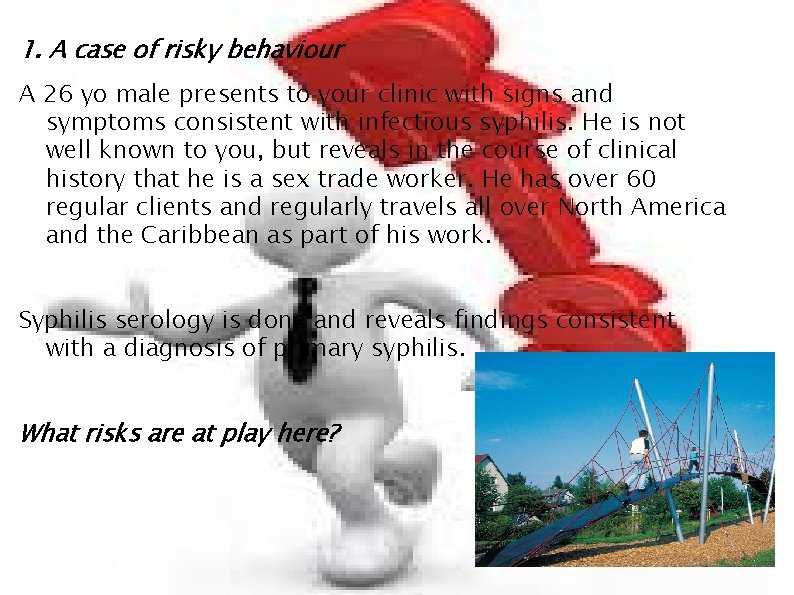
1. A case of risky behaviour A 26 yo male presents to your clinic with signs and symptoms consistent with infectious syphilis. He is not well known to you, but reveals in the course of clinical history that he is a sex trade worker. He has over 60 regular clients and regularly travels all over North America and the Caribbean as part of his work. Syphilis serology is done and reveals findings consistent with a diagnosis of primary syphilis. What risks are at play here?
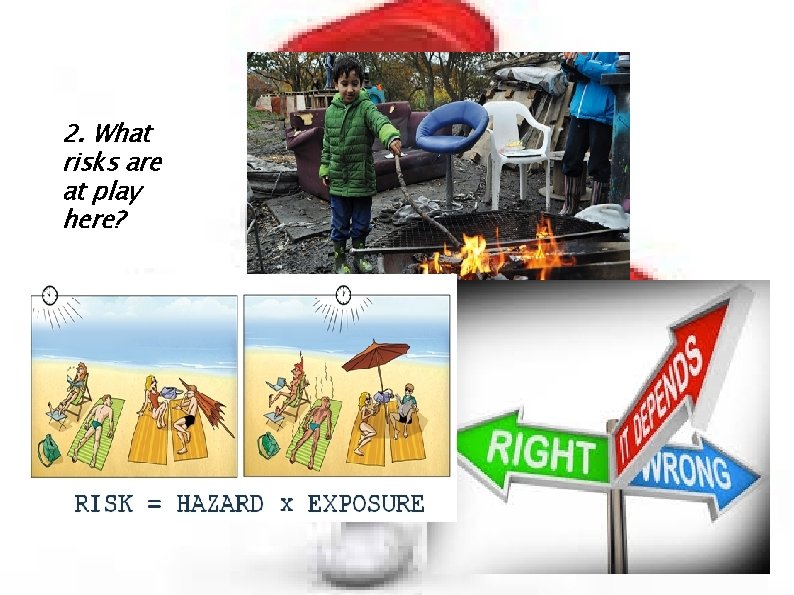
2. What risks are at play here?
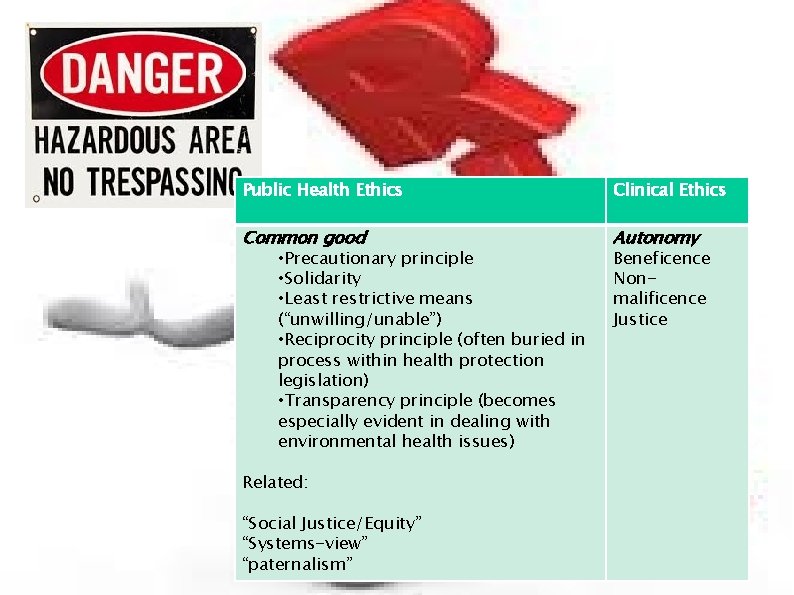
Public Health Ethics Clinical Ethics Common good • Precautionary principle • Solidarity • Least restrictive means Autonomy (“unwilling/unable”) • Reciprocity principle (often buried in process within health protection legislation) • Transparency principle (becomes especially evident in dealing with environmental health issues) Related: “Social Justice/Equity” “Systems-view” “paternalism” Beneficence Nonmalificence Justice
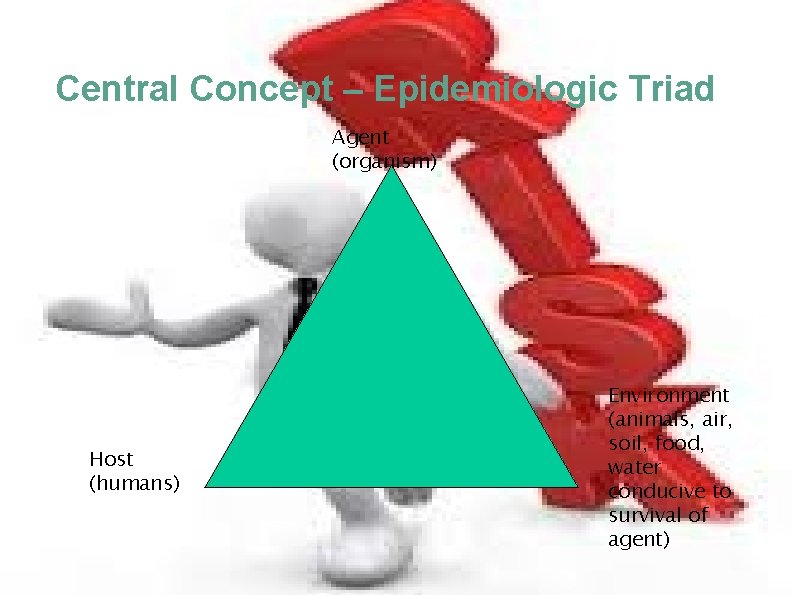
Central Concept – Epidemiologic Triad Agent (organism) Host (humans) Environment (animals, air, soil, food, water conducive to survival of agent)
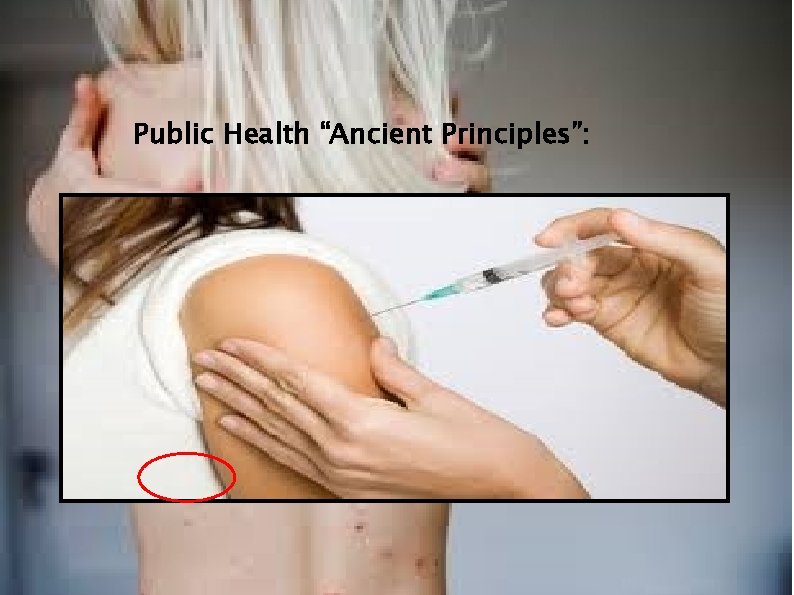
Public Health “Ancient Principles”:
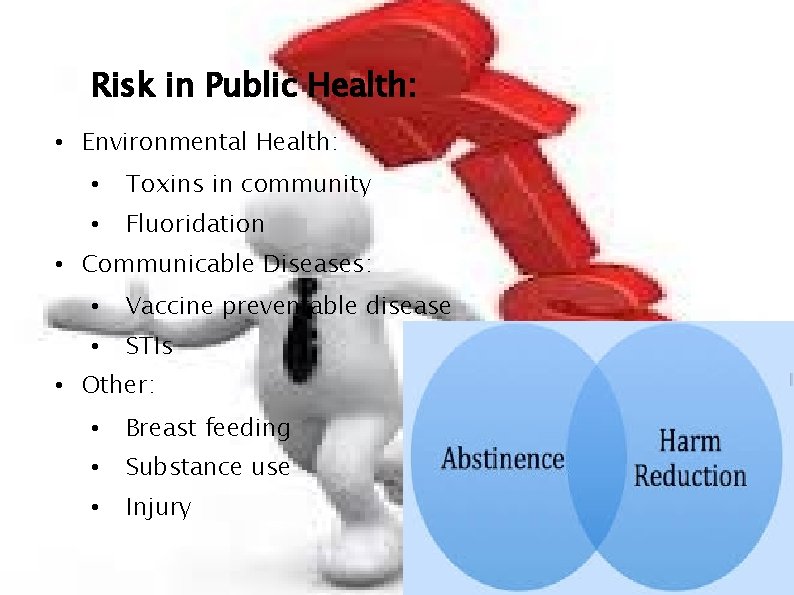
Risk in Public Health: • Environmental Health: • Toxins in community • Fluoridation • Communicable Diseases: • Vaccine preventable disease • STIs • Other: • Breast feeding • Substance use • Injury
“Perceived” versus “real” versus “theoretical” risk Public health is obligated to respond to all three, but approach may differ depending on level and type of risk.
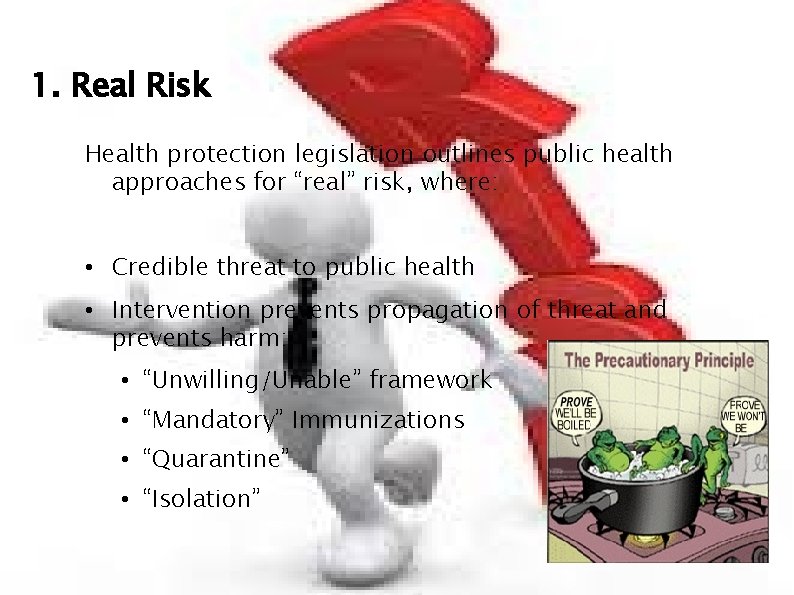
1. Real Risk Health protection legislation outlines public health approaches for “real” risk, where: • Credible threat to public health • Intervention prevents propagation of threat and prevents harm: • “Unwilling/Unable” framework • “Mandatory” Immunizations • “Quarantine” • “Isolation”
Each of these creates a set of ethical dilemmas for public health to manage every time it exercises its authority.
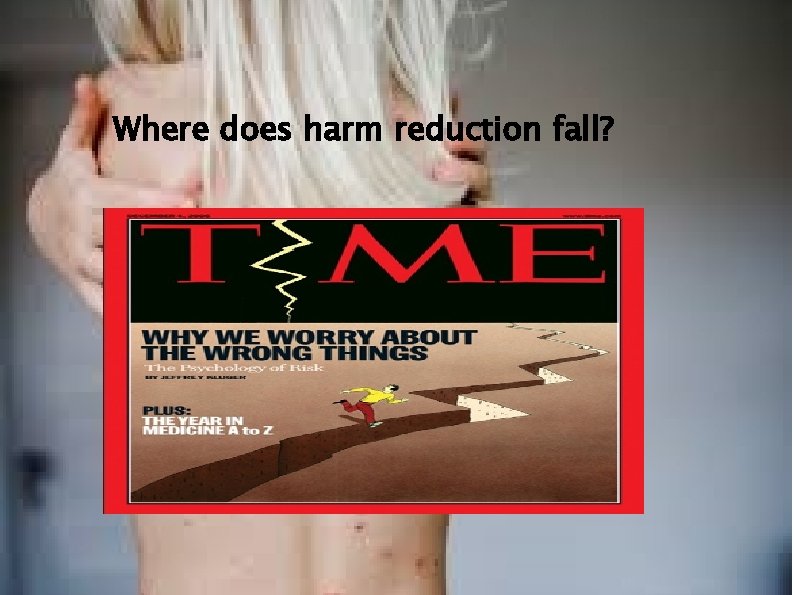
Where does harm reduction fall?
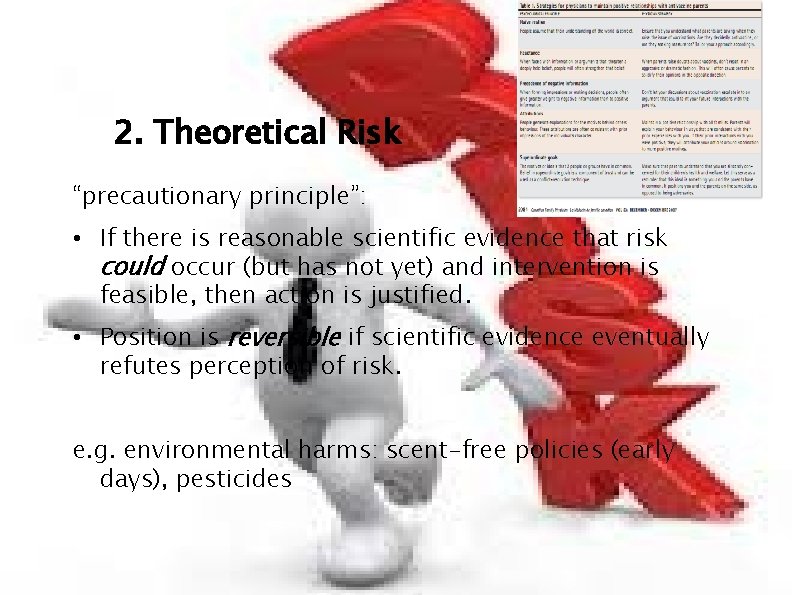
2. Theoretical Risk “precautionary principle”: • If there is reasonable scientific evidence that risk could occur (but has not yet) and intervention is feasible, then action is justified. • Position is reversible if scientific evidence eventually refutes perception of risk. e. g. environmental harms: scent-free policies (early days), pesticides
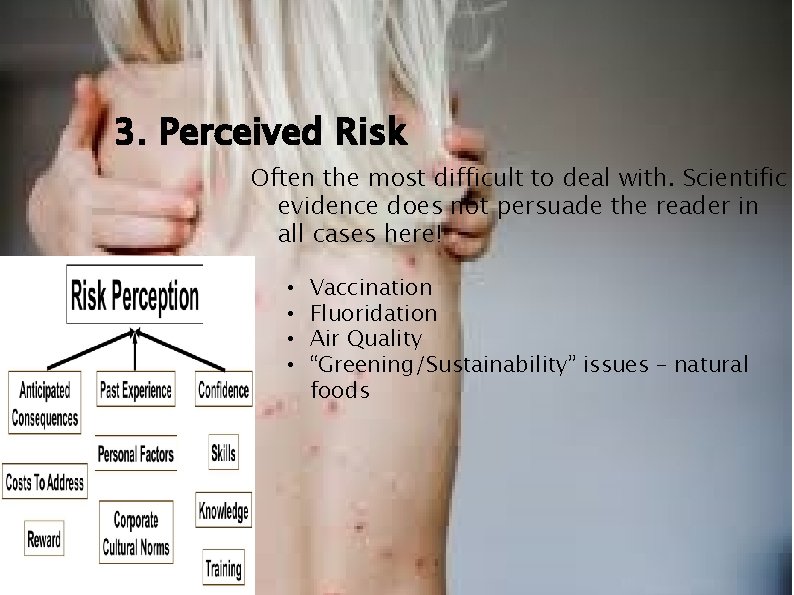
3. Perceived Risk Often the most difficult to deal with. Scientific evidence does not persuade the reader in all cases here! • • Vaccination Fluoridation Air Quality “Greening/Sustainability” issues – natural foods
(4. Corporate risk) Risk to credibility or sustainability of the organization or institution (e. g. risk of damage to Public Health itself)
(5. “At risk populations”) Populations that may experience disproportionate amount of adverse outcomes health and social outcomes, due to a preponderance of risk factors in their environment (social environment, physical environment, policy environment, legislative environment) that are often outside of their direct control.
Principles of risk communication (CIG, 2013) • Communicate current knowledge • Respect differences of opinion about immunization • Represent the risks and benefits of vaccines fairly and openly • Adopt a patient-centred approach • Make the most of each opportunity to present clear, evidence-based messages regarding immunization
Key non-damage attributes of risk As health experts, we characterize risk based on technical analysis – risk as defined by “expert evaluator” Expert definition accepts that risk is the possibility of damage or unwanted effects The lay person (our patient) does not: they experience risk as inclusive of “non-damage” attributes: 3. Reporting on Risk: a handbook for journalists and citizens. The Annapolis Centre, 1995 (US)
Involuntary Voluntary risks are ranked differently from those imposed by others Uncontrollable Inability to personally make a difference decreases risk acceptability Immoral Pollution is often viewed as a consummate evil. And statements that hazards are “too low to worry about” can engender suspicion Unfamiliar Generally speaking, more familiar risks are regarded as more acceptable Dreadful Risks that can cause highly feared or dreaded consequences are considered more dangerous Uncertain Scientific uncertainty about the effect, severity or prevalence of a hazards tends to escalate unease Catastrophic Large scale disasters such as a plain crash weigh more seriously in the public’s mind than individual events such as exposure to radon gas in a neighbors basement Memorable Risks embedded in remarkable events have greater impact than risks that arise in less prominent circumstances (H 1 N 1!) Unfair Substantial outrage is a more likely result if people feel they are being wrongfully exposed Untrustworthy The level of outrage is higher if the source of risk is not trusted
Why take a risk? ? • Often has direct benefits…”the gamble” • Triggers dopamine (“thrill”) - important! • Psychological gains!: • Risk = learning • Learning = growth • Growth = adaptation and success • (absence of growth = stagnation/decay)
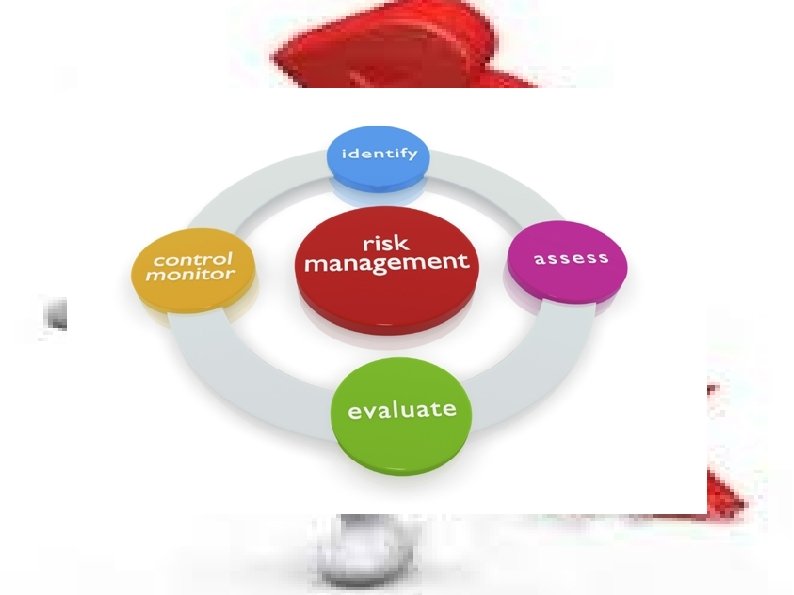
Risk can often be anticipated and managed (mitigated): • prevention and health promotion activities (real) • EIA (theoretical and real) • HAACP (real) • Risk Communication Strategies (perceived) • Communications and Engagement Strategies (corporate)
Summary Risk analysis, interpretation, and management are specific skills used by Public Health and others • Risk Communications is a specific discipline within Communications Risk can often be anticipated Perception of risk has deep psychological triggers, even at a population level. Not all that appears risky really is!
Insert your questions here! What are the risks associated with restricting the ability of individuals to make risky choices? To what degree should we minimize the potential harms associated with risky choices? How can we help individuals make informed choices about which risks to take or avoid?
THANK YOU!