
Perception Our perceptions are fantasies we construct that


- Slides: 28
Perception "Our perceptions … are fantasies we construct that correlate with reality. ” Brooks, David (2011), "Social Animal: How the New Sciences of Human Nature Can Help Make Sense of a Life", New Yorker (17ハJanuary)
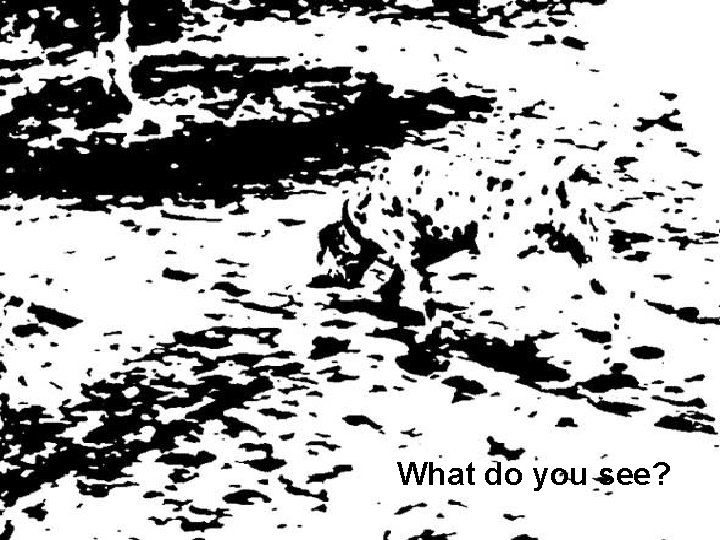
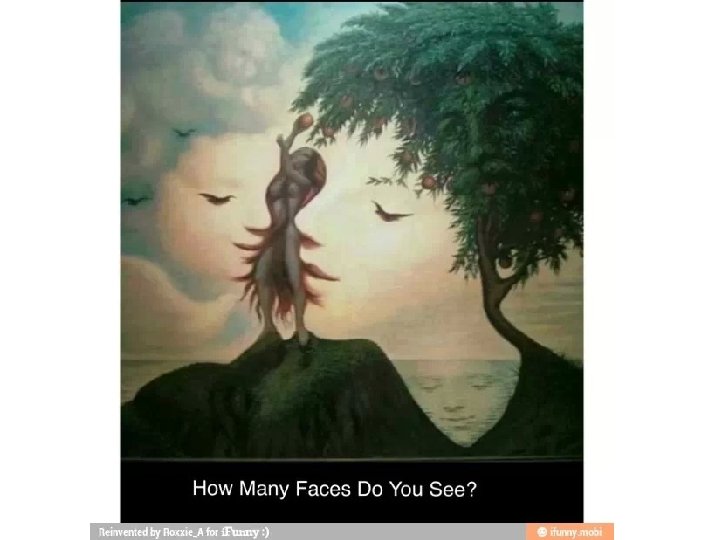
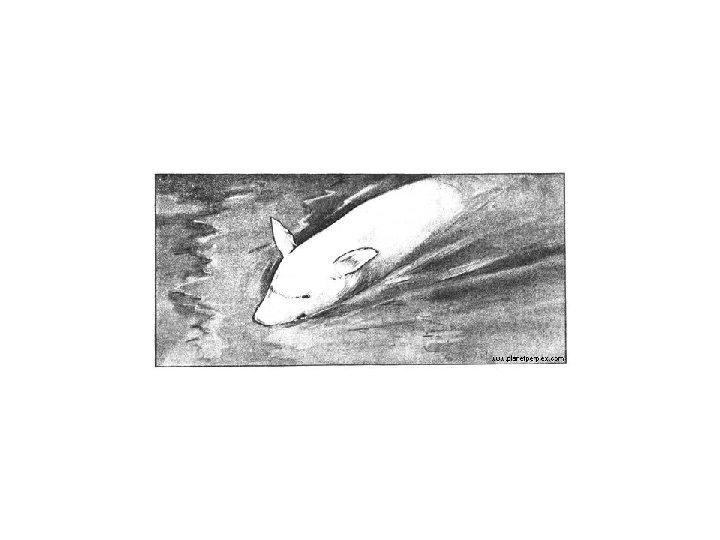
What do you see?
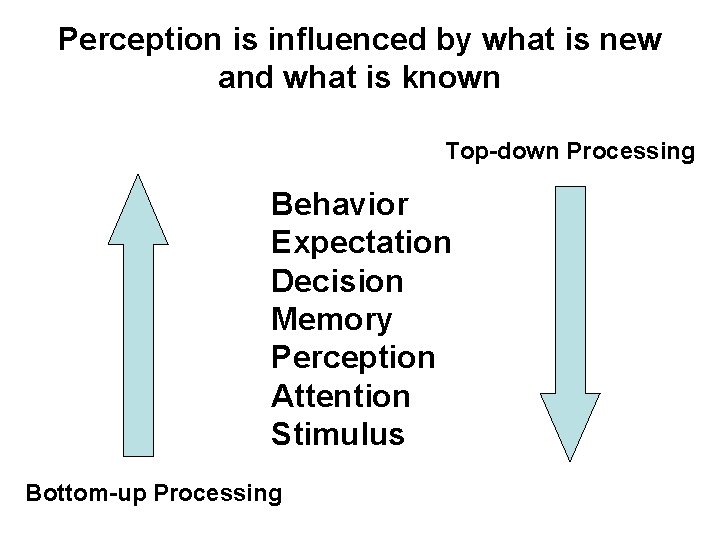
Perception is influenced by what is new and what is known Top-down Processing Behavior Expectation Decision Memory Perception Attention Stimulus Bottom-up Processing
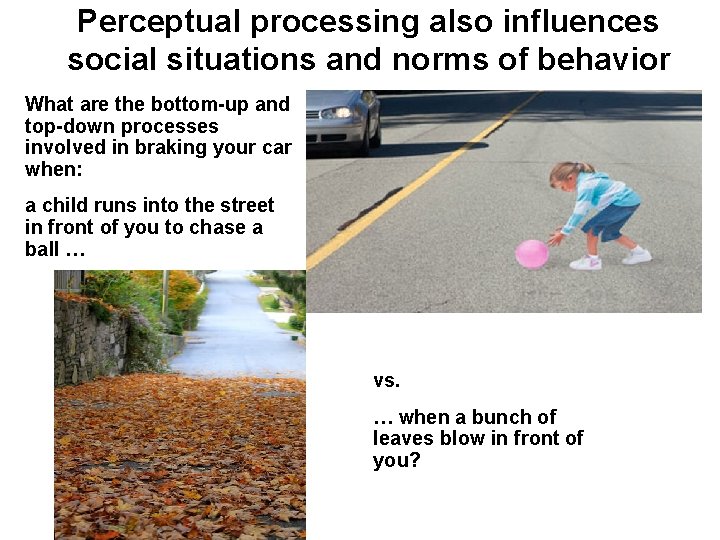
Perceptual processing also influences social situations and norms of behavior What are the bottom-up and top-down processes involved in braking your car when: a child runs into the street in front of you to chase a ball … vs. … when a bunch of leaves blow in front of you?
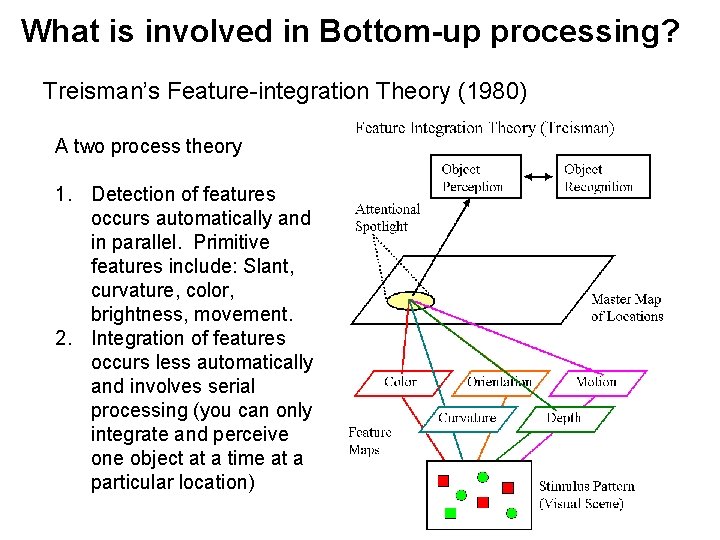
What is involved in Bottom-up processing? Treisman’s Feature-integration Theory (1980) A two process theory 1. Detection of features occurs automatically and in parallel. Primitive features include: Slant, curvature, color, brightness, movement. 2. Integration of features occurs less automatically and involves serial processing (you can only integrate and perceive one object at a time at a particular location)
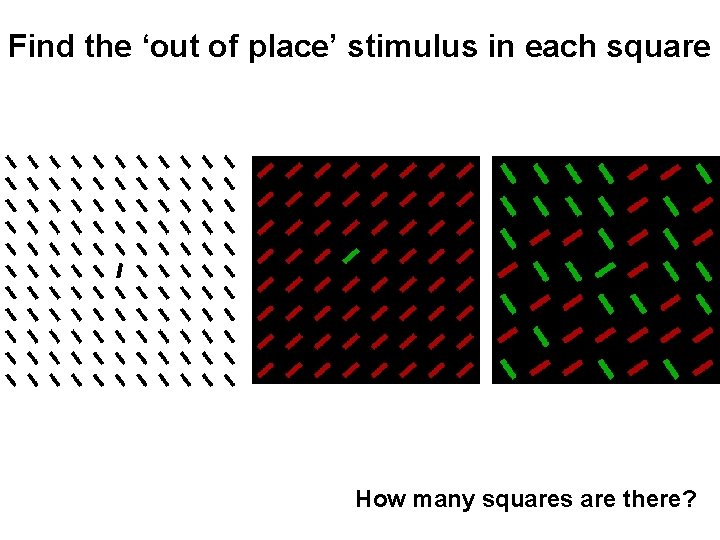
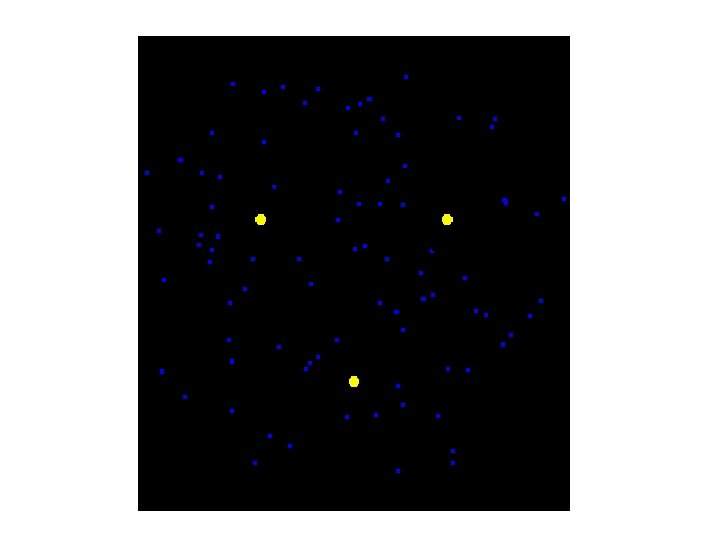
Find the ‘out of place’ stimulus in each square How many squares are there?
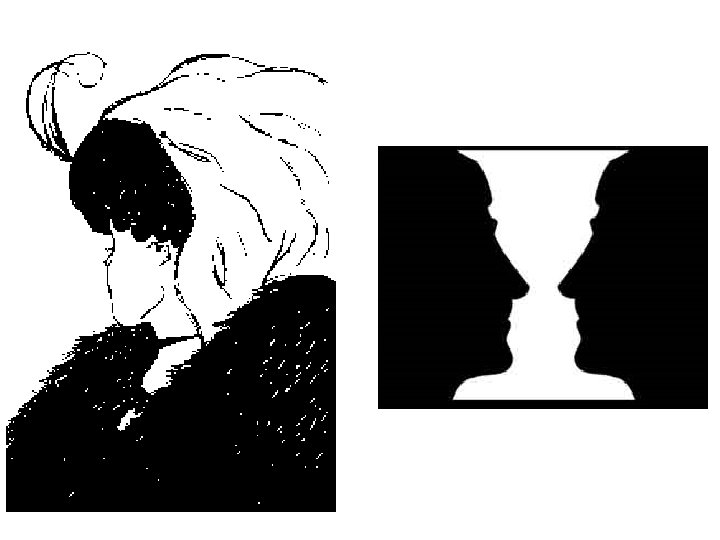
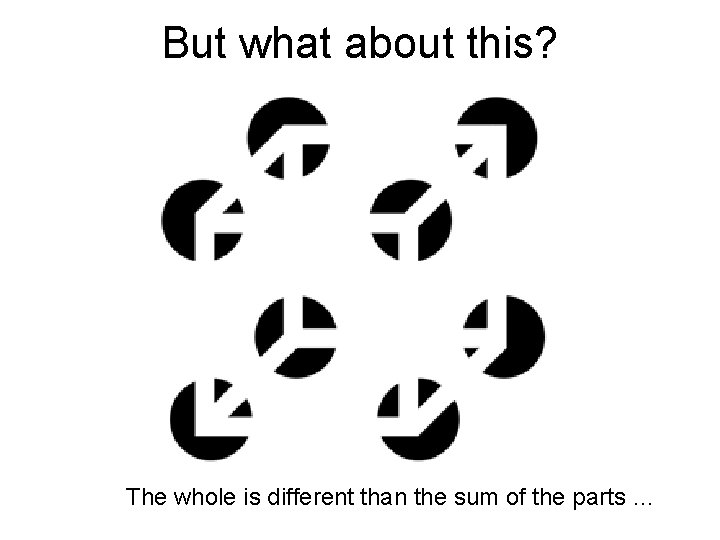
But what about this? The whole is different than the sum of the parts …
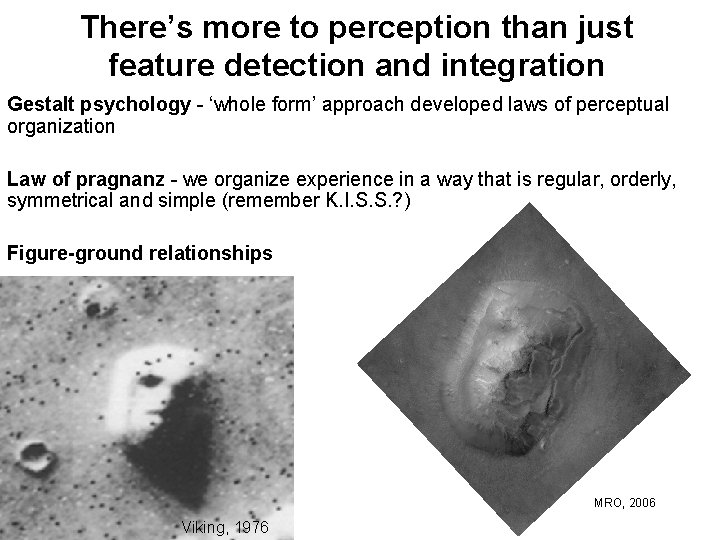
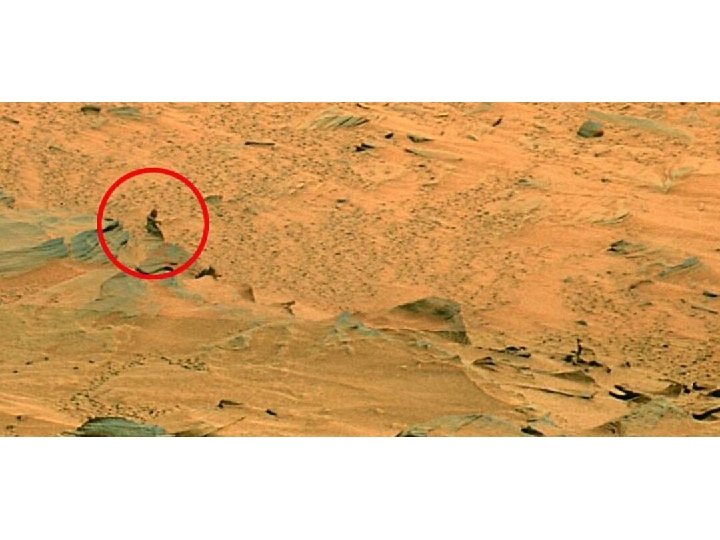
There’s more to perception than just feature detection and integration Gestalt psychology - ‘whole form’ approach developed laws of perceptual organization Law of pragnanz - we organize experience in a way that is regular, orderly, symmetrical and simple (remember K. I. S. S. ? ) Figure-ground relationships MRO, 2006 Viking, 1976
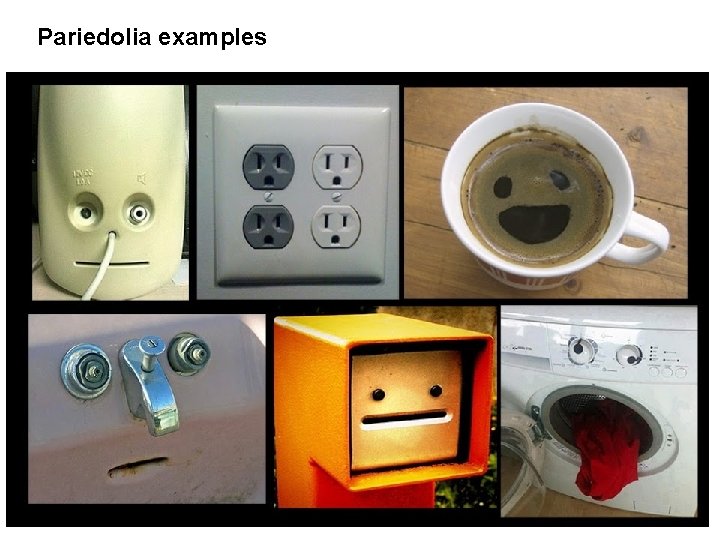
Pariedolia examples
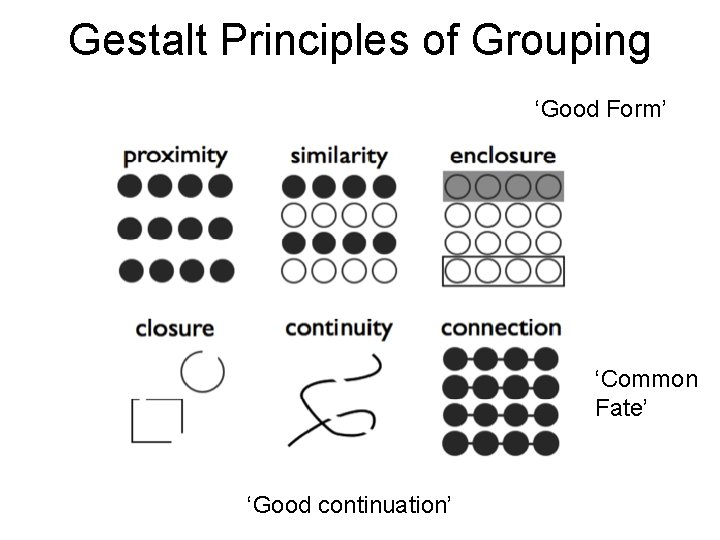
Gestalt Principles of Grouping ‘Good Form’ ‘Common Fate’ ‘Good continuation’
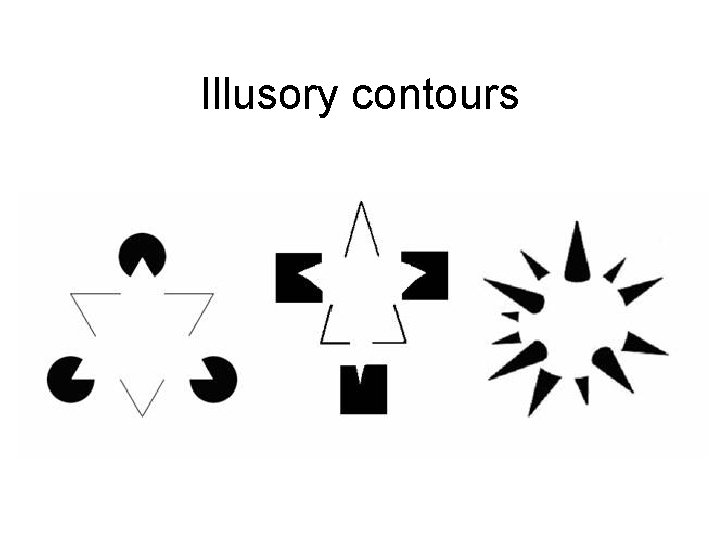
Illusory contours
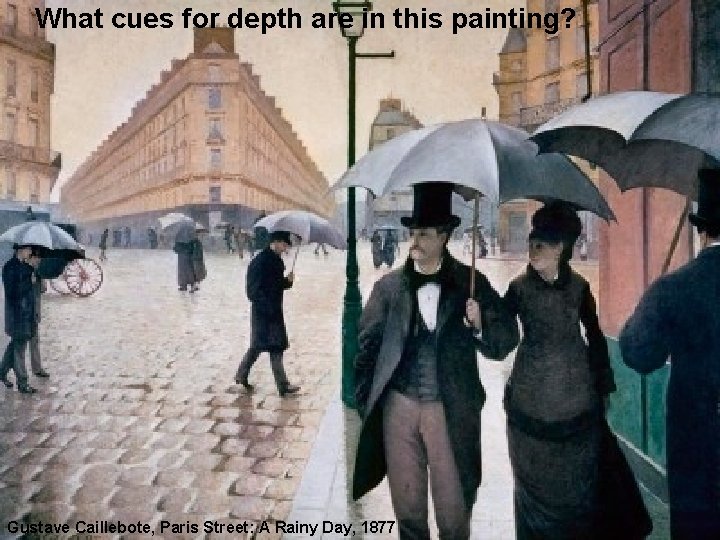
What cues for depth are in this painting? Gustave Caillebote, Paris Street: A Rainy Day, 1877
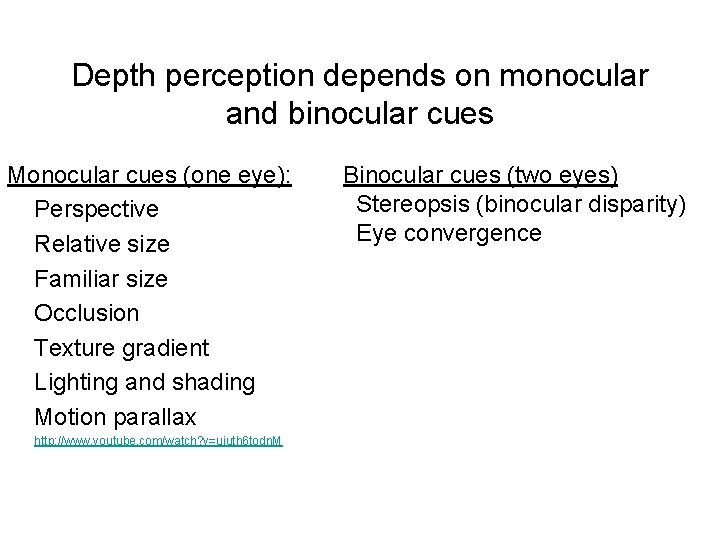
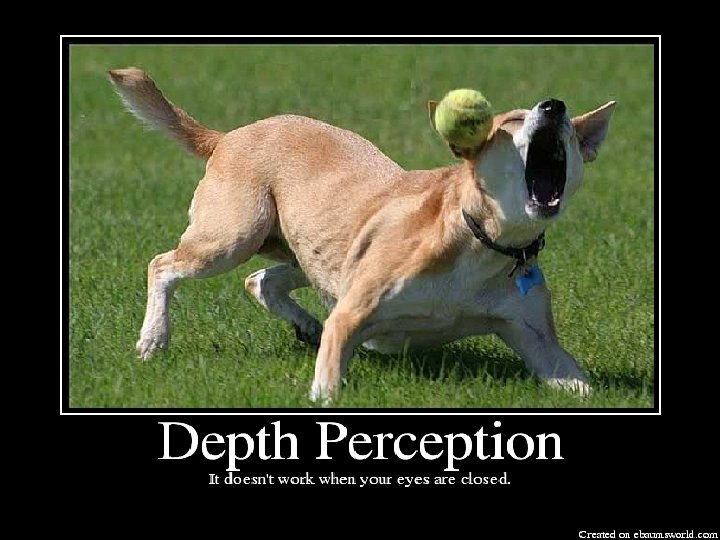
Depth perception depends on monocular and binocular cues Monocular cues (one eye): Perspective Relative size Familiar size Occlusion Texture gradient Lighting and shading Motion parallax http: //www. youtube. com/watch? v=ujuth 6 todn. M Binocular cues (two eyes) Stereopsis (binocular disparity) Eye convergence
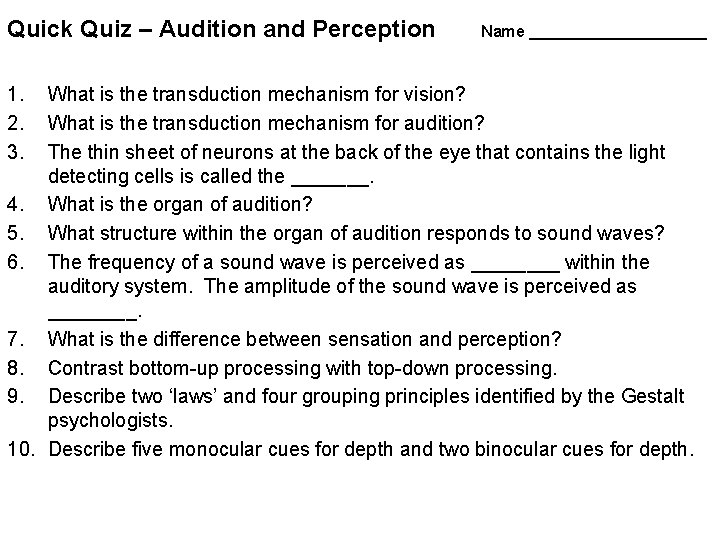
Quick Quiz – Audition and Perception 1. 2. 3. Name __________ What is the transduction mechanism for vision? What is the transduction mechanism for audition? The thin sheet of neurons at the back of the eye that contains the light detecting cells is called the _______. 4. What is the organ of audition? 5. What structure within the organ of audition responds to sound waves? 6. The frequency of a sound wave is perceived as ____ within the auditory system. The amplitude of the sound wave is perceived as ____. 7. What is the difference between sensation and perception? 8. Contrast bottom-up processing with top-down processing. 9. Describe two ‘laws’ and four grouping principles identified by the Gestalt psychologists. 10. Describe five monocular cues for depth and two binocular cues for depth.
Acoustic cues for speech http: //www. youtube. com/watch? v=x. Y 6 DBIus. I
Motion afterimage illusion https: //www. youtube. com/watch? v=vz. SRVg. F 501 M