
PERCEPTION CRASH COURSE The process of organizing and


- Slides: 25
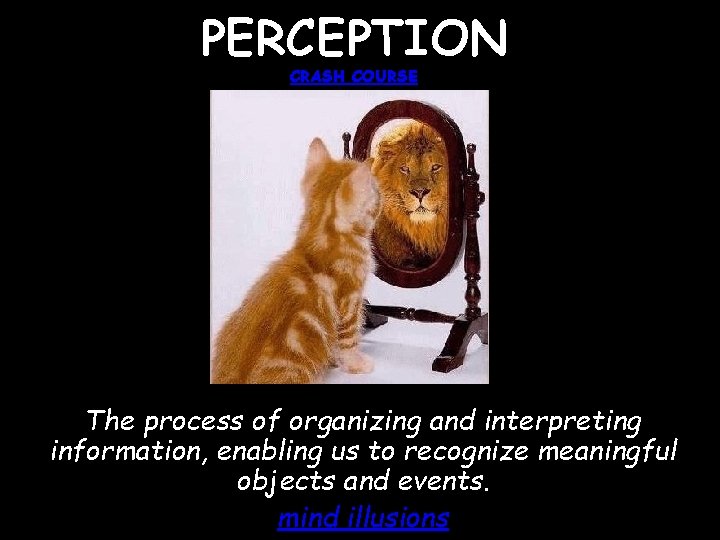
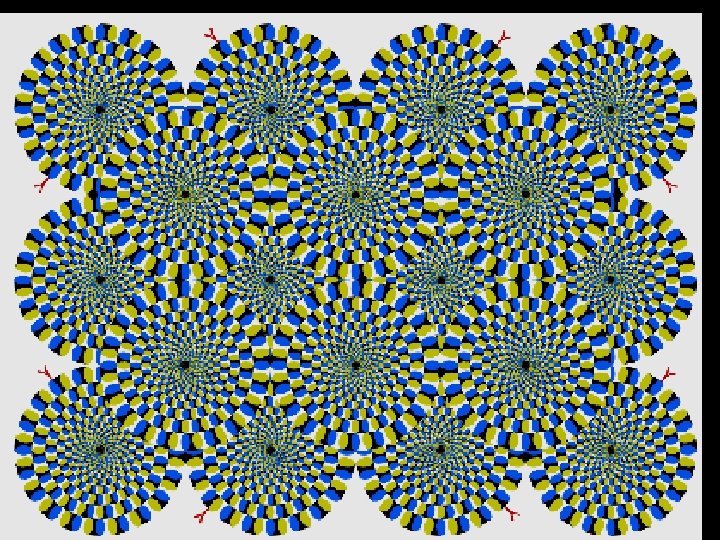
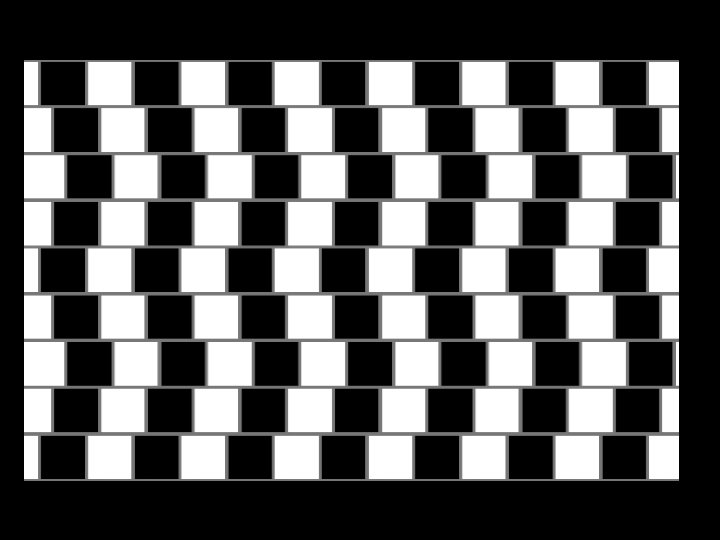
PERCEPTION CRASH COURSE The process of organizing and interpreting information, enabling us to recognize meaningful objects and events. mind illusions
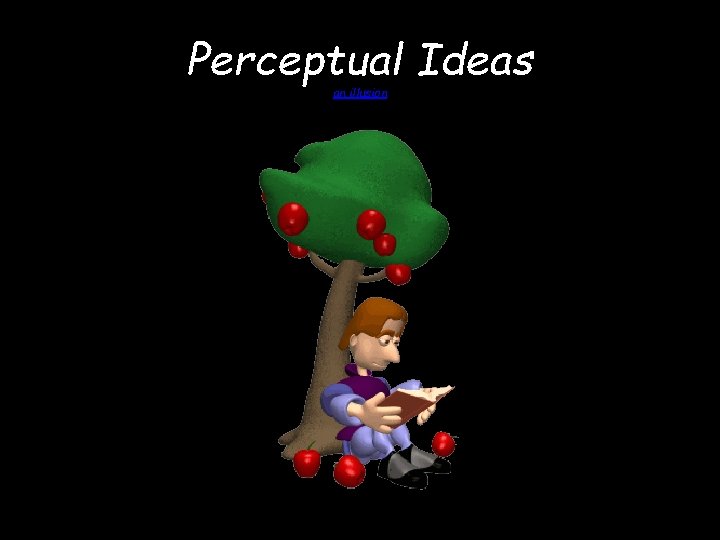
Perceptual Ideas an illusion
Selective Attention • The focusing of conscious awareness on a particular stimulus. – cocktail party effect selective attention to one voice among many
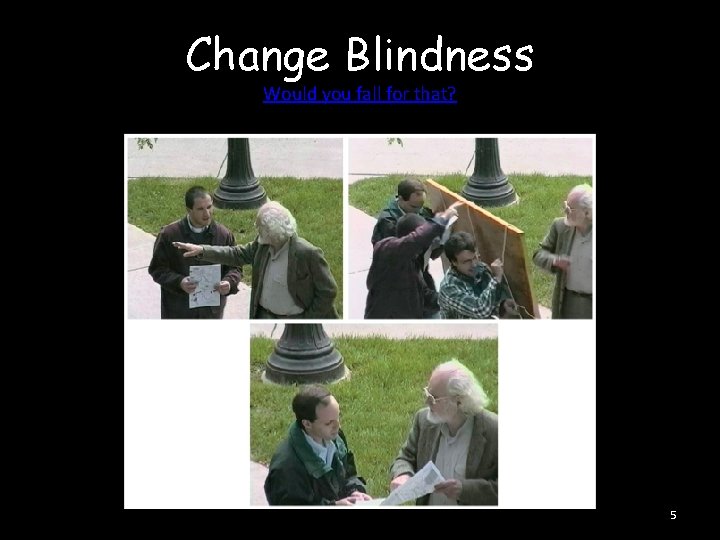
Change Blindness Would you fall for that? 5
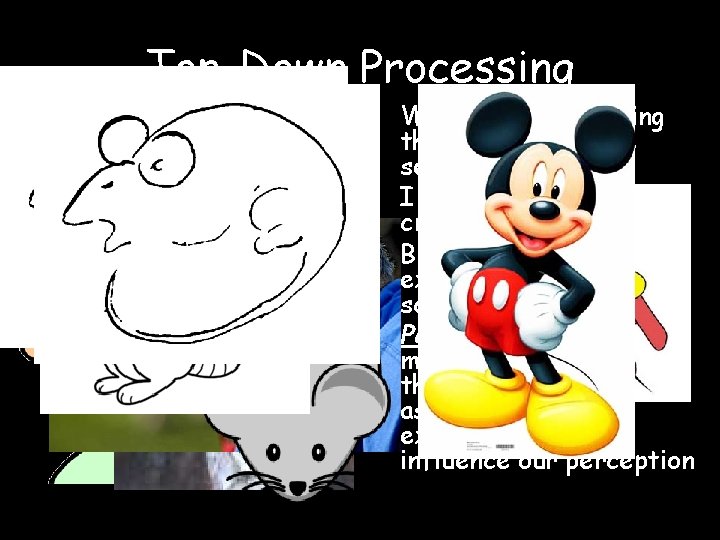
Top-Down Processing • We perceive by filling the gaps in what we sense. • I _ant ch_co_ate ic_ cr_am. • Based on our experiences and schemas. • Perceptual Set – a mental predisposition; the experiences, assumptions, and expectations that influence our perception
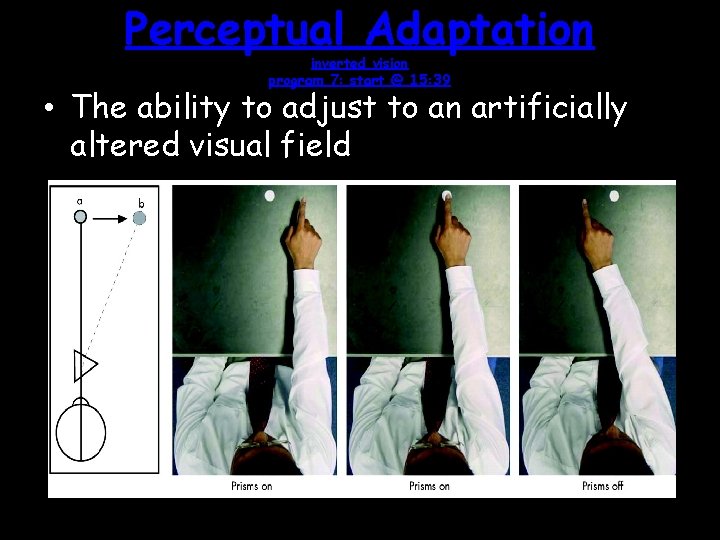
Perceptual Adaptation inverted vision program 7: start @ 15: 39 • The ability to adjust to an artificially altered visual field
Gestalt Psychology • Gestalt – an organized whole; from German for “form” or “whole” • Gestalt psychologists emphasized the tendency to integrate pieces of information into a meaningful whole. • Gestalt Psychology says that we innately look at things in groups, not as isolated elements. • “The whole is greater than the sum of its parts. ”
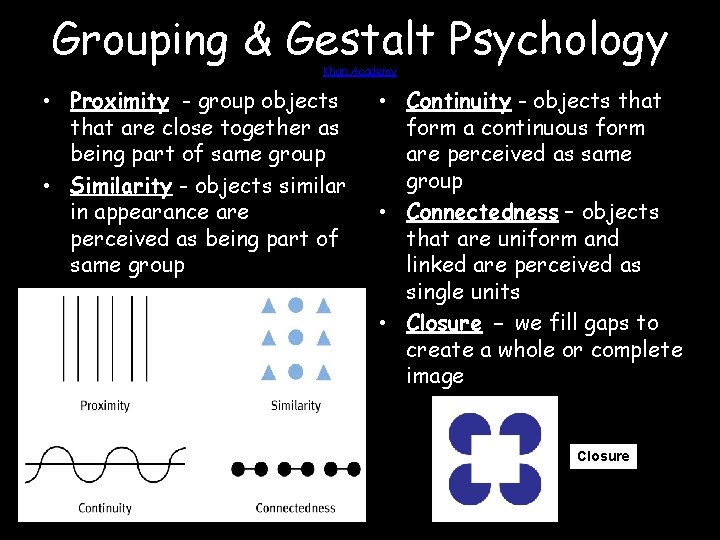
Grouping & Gestalt Psychology Khan Academy • Proximity - group objects that are close together as being part of same group • Similarity - objects similar in appearance are perceived as being part of same group • Continuity - objects that form a continuous form are perceived as same group • Connectedness – objects that are uniform and linked are perceived as single units • Closure - we fill gaps to create a whole or complete image Closure
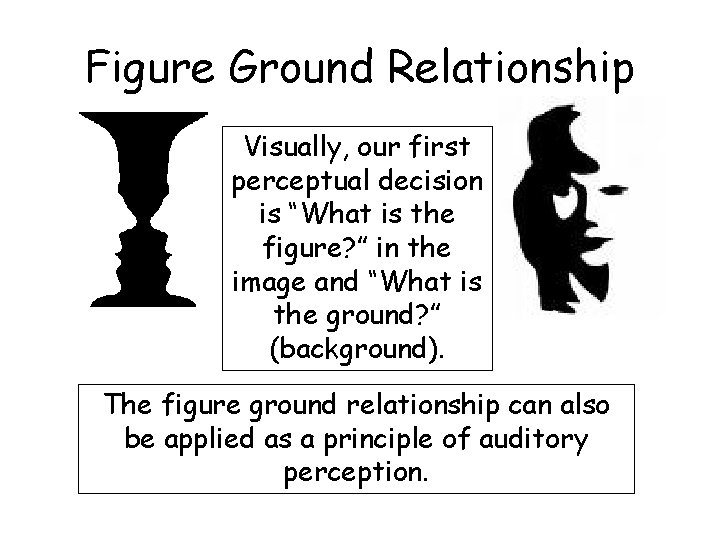
Figure Ground Relationship Visually, our first perceptual decision is “What is the figure? ” in the image and “What is the ground? ” (background). The figure ground relationship can also be applied as a principle of auditory perception.
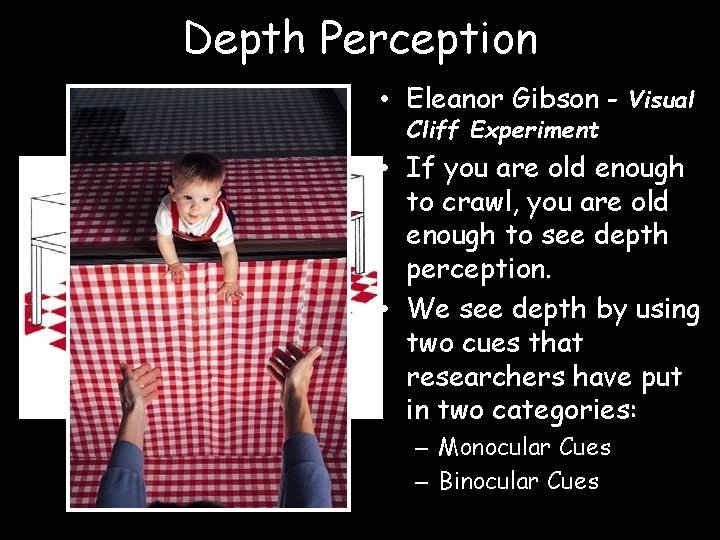
Depth Perception • Eleanor Gibson - Visual Cliff Experiment • If you are old enough to crawl, you are old enough to see depth perception. • We see depth by using two cues that researchers have put in two categories: – Monocular Cues – Binocular Cues
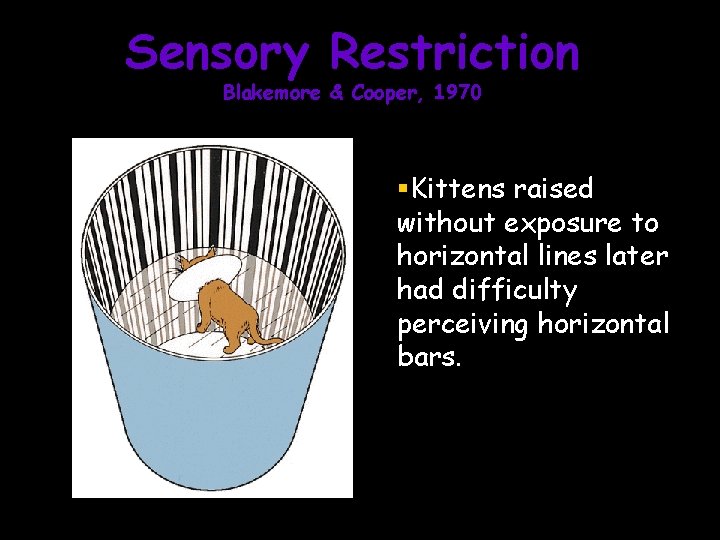
Sensory Restriction Blakemore & Cooper, 1970 Kittens raised without exposure to horizontal lines later had difficulty perceiving horizontal bars.
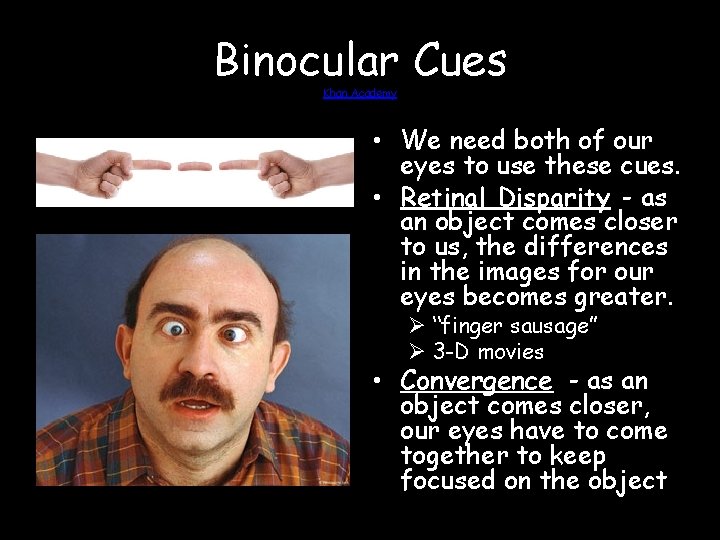
Binocular Cues Khan Academy • We need both of our eyes to use these cues. • Retinal Disparity - as an object comes closer to us, the differences in the images for our eyes becomes greater. Ø “finger sausage” Ø 3 -D movies • Convergence - as an object comes closer, our eyes have to come together to keep focused on the object
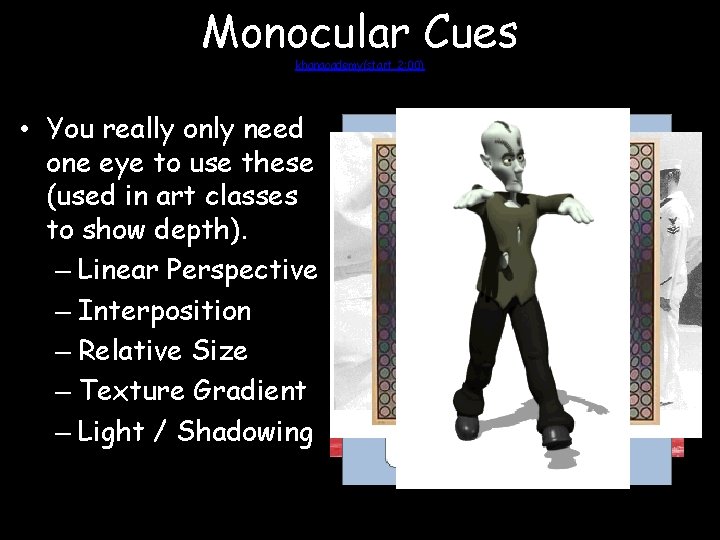
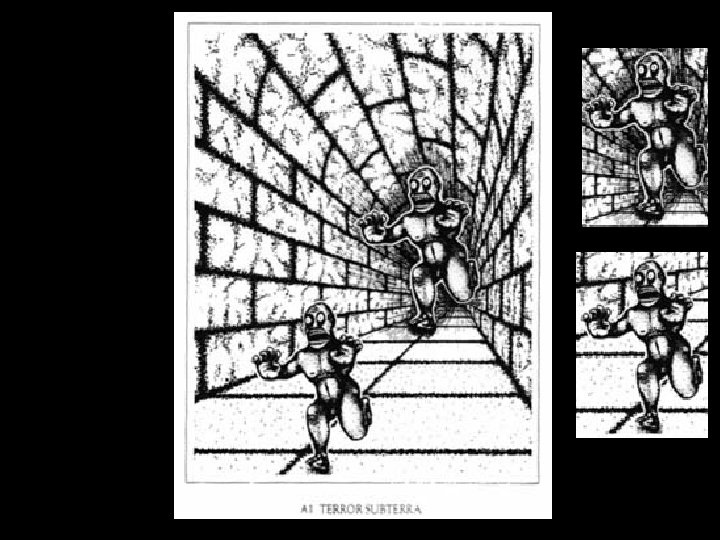
Monocular Cues khanacademy(start 2: 00) • You really only need one eye to use these (used in art classes to show depth). – Linear Perspective – Interposition – Relative Size – Texture Gradient – Light / Shadowing
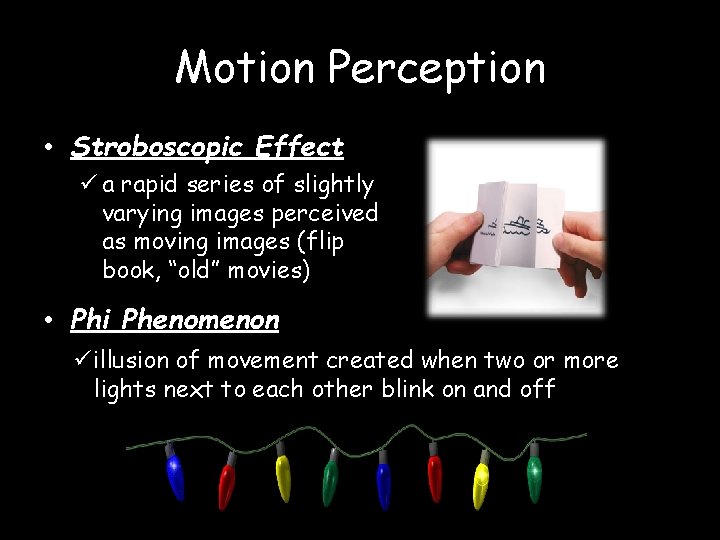
Motion Perception • Stroboscopic Effect ü a rapid series of slightly varying images perceived as moving images (flip book, “old” movies) • Phi Phenomenon üillusion of movement created when two or more ----lights next to each other blink on and off
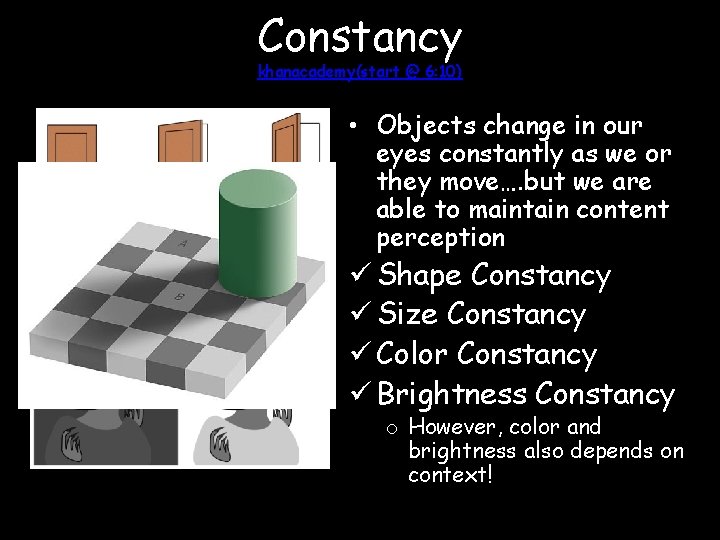
Constancy khanacademy(start @ 6: 10) • Objects change in our eyes constantly as we or they move…. but we are able to maintain content perception ü Shape Constancy ü Size Constancy ü Color Constancy ü Brightness Constancy o However, color and brightness also depends on context!
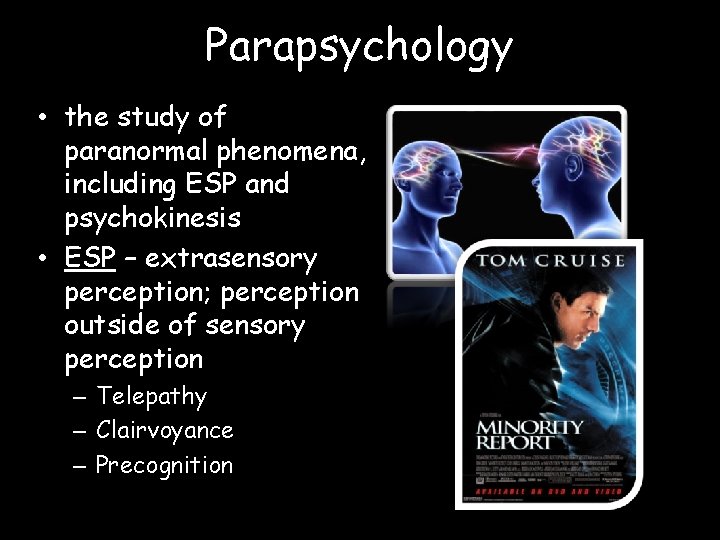
Parapsychology • the study of paranormal phenomena, including ESP and psychokinesis • ESP – extrasensory perception; perception outside of sensory perception – Telepathy – Clairvoyance – Precognition
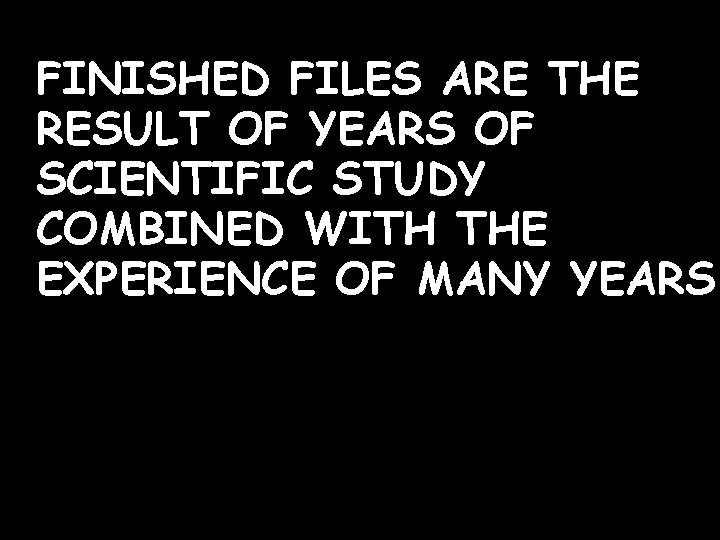
FINISHED FILES ARE THE RESULT OF YEARS OF SCIENTIFIC STUDY COMBINED WITH THE EXPERIENCE OF MANY YEARS.
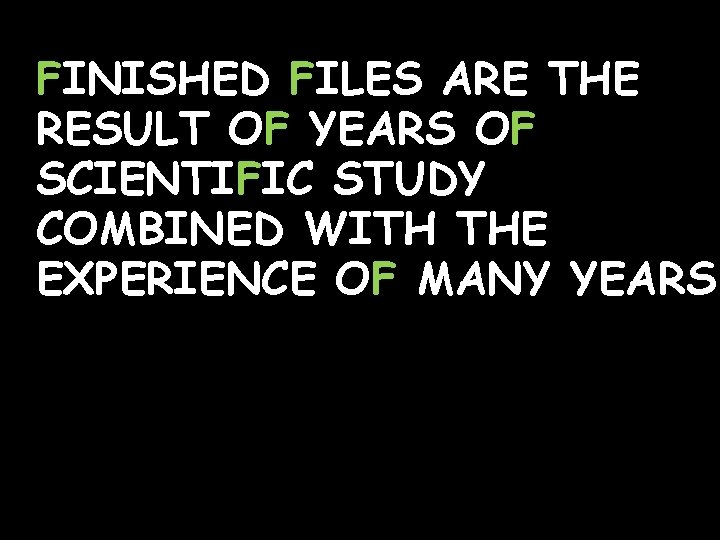
FINISHED FILES ARE THE RESULT OF YEARS OF SCIENTIFIC STUDY COMBINED WITH THE EXPERIENCE OF MANY YEARS.