
Pelvic tilt Dr Atif Malik objectives What is
Pelvic tilt Dr Atif Malik
objectives �What is Pelvic Tilt? �Types of Pelvic Tilt. �Muscles Involved.
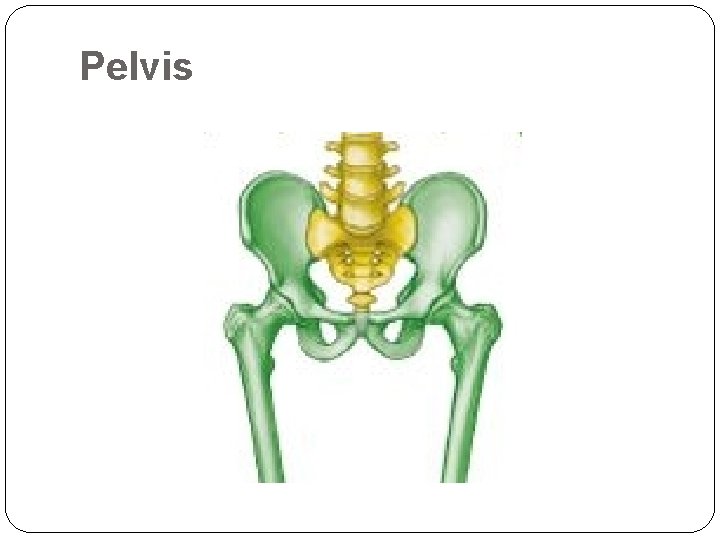
Pelvis
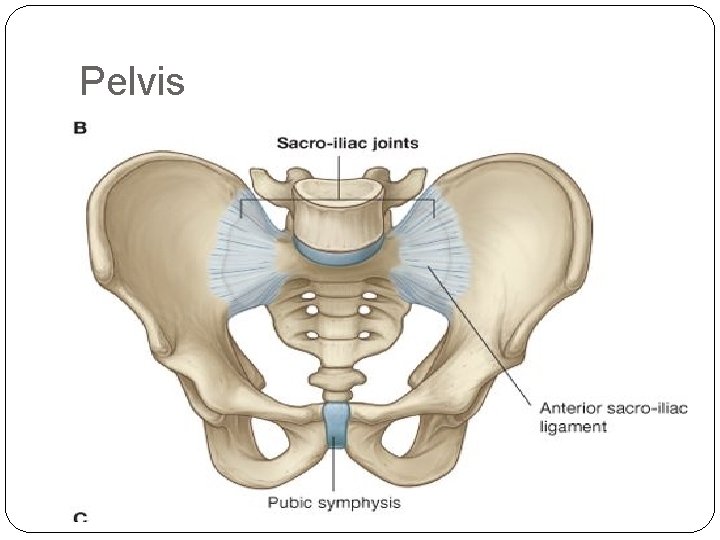
Pelvis
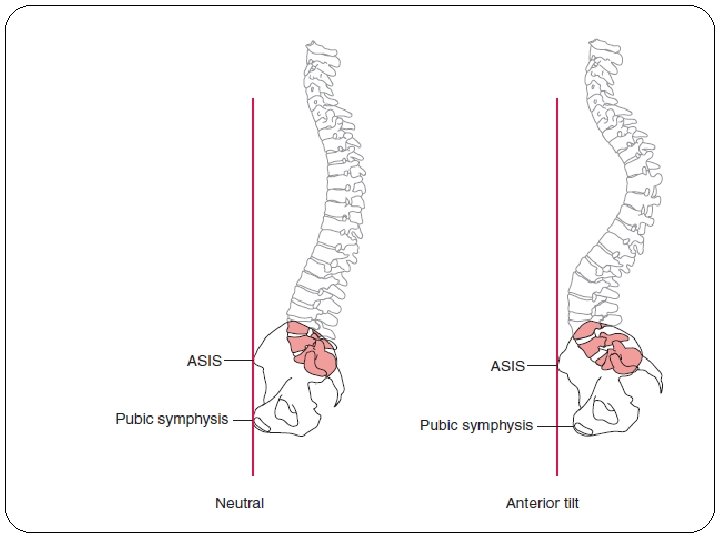
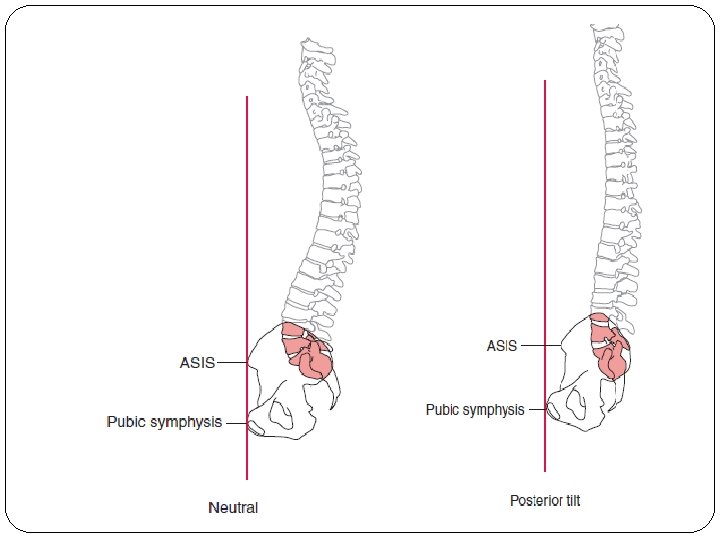
Pelvic tilt �The joints directly involved in movement of the pelvic girdle include the two hip joints and the lumbar joints, particularly the lumbosacral articulation between L 5 and S 1. �The pelvic motions occur in all three planes. �When standing in the upright position, the pelvis should be level; in the sagittal plane �The anterior superior iliac spine (ASIS) and pubic symphysis should be in the same vertical plane
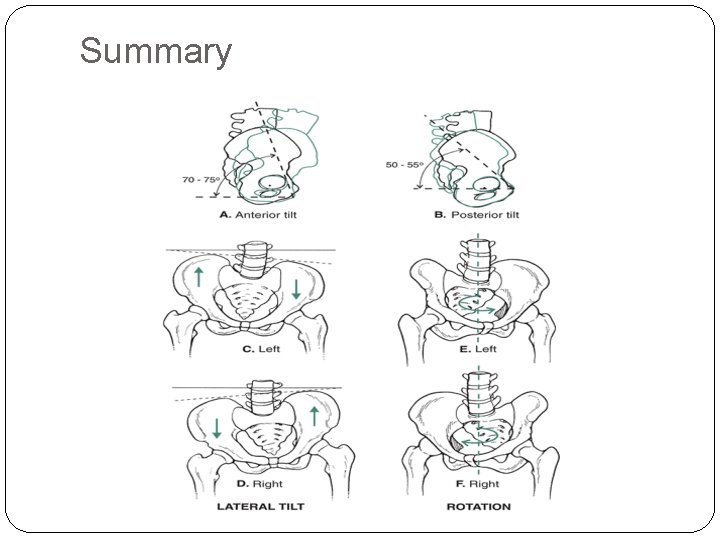
Pelvic tilt �Movements of pelvis on femoral condoyle and lumber spine is called pelvic tilt. �The pelvic motions are follows �Anterior tilt �Posterior tilt �Lateral tilt �Pelvic rotation �Hip hiking
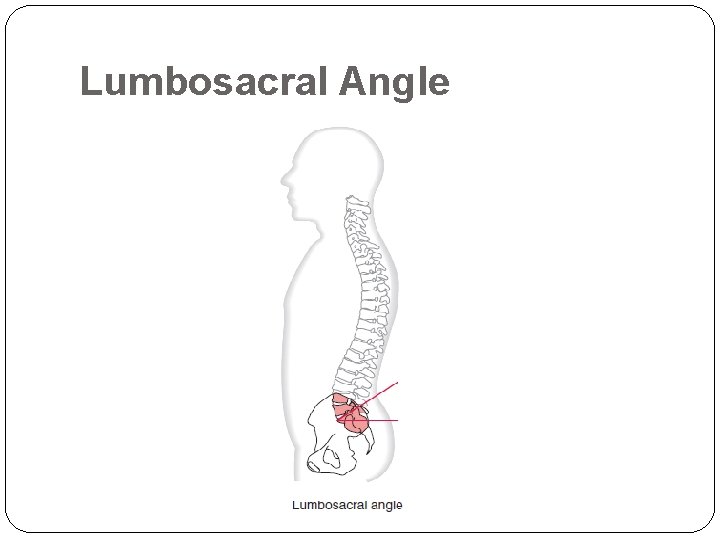
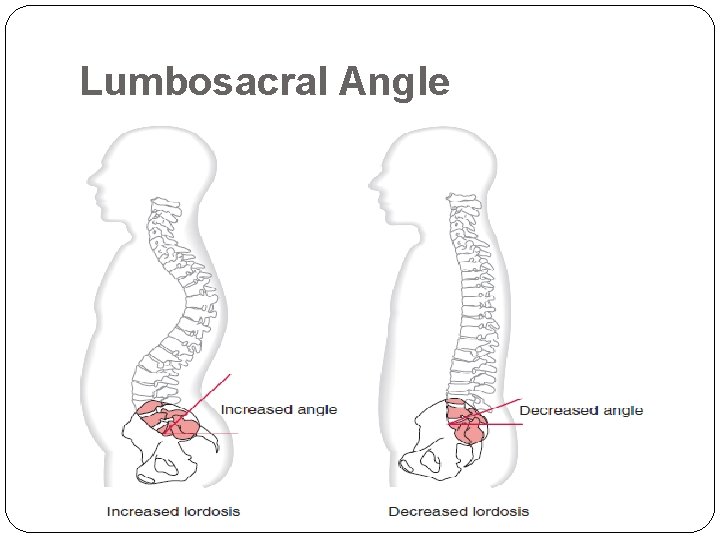
Lumbosacral Angle �Lumbosacral angle is determined by drawing �One line parallel to the ground another line along the base of the sacrum. �This angle will increase as the pelvis tilts anteriorly and decrease as the pelvis tilts posteriorly. �The optimal lumbosacral angle is approximately 30 degrees. �As the lumbar lordosis increases, the angle increases
Lumbosacral Angle
Lumbosacral Angle

Lumbosacral Angle

Lumbosacral Angle

Pelvic inclinometer

Pelvic inclinometer
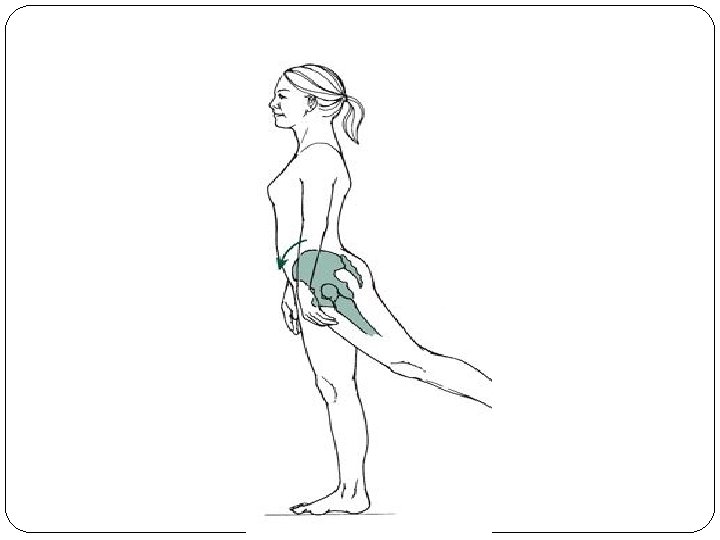
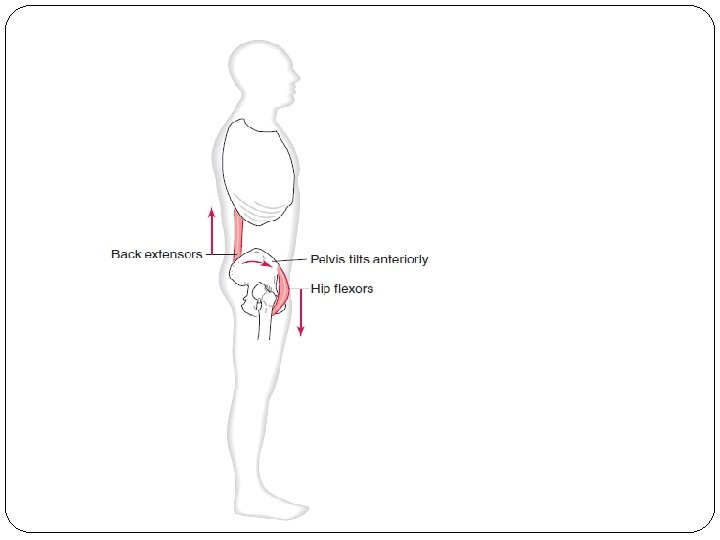
Anterior pelvic tilt �Anterior tilt occurs when The pelvis tilts forward, moving the ASIS anterior to the pubic symphysis is called anterior pelvic tilt. �When the front of the pelvis drops and the back of the pelvis rises is called anterior pelvic tilt.
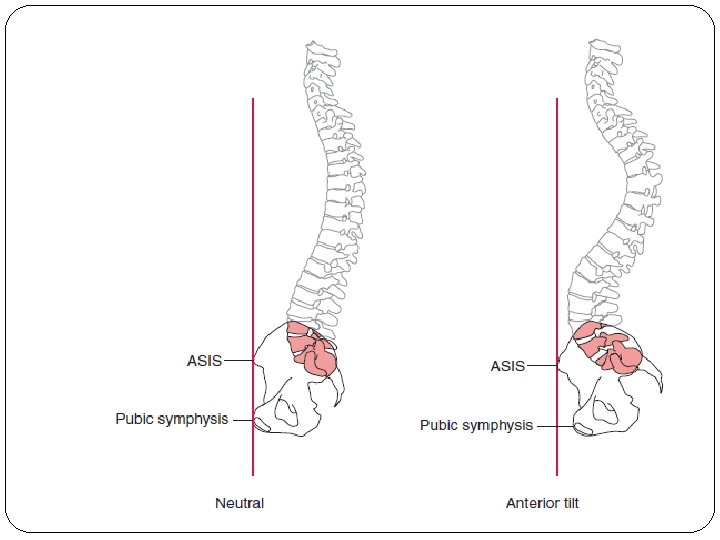
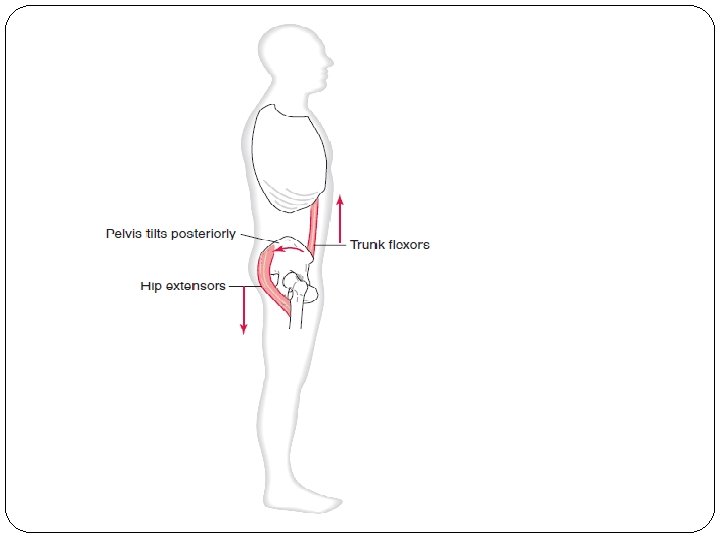
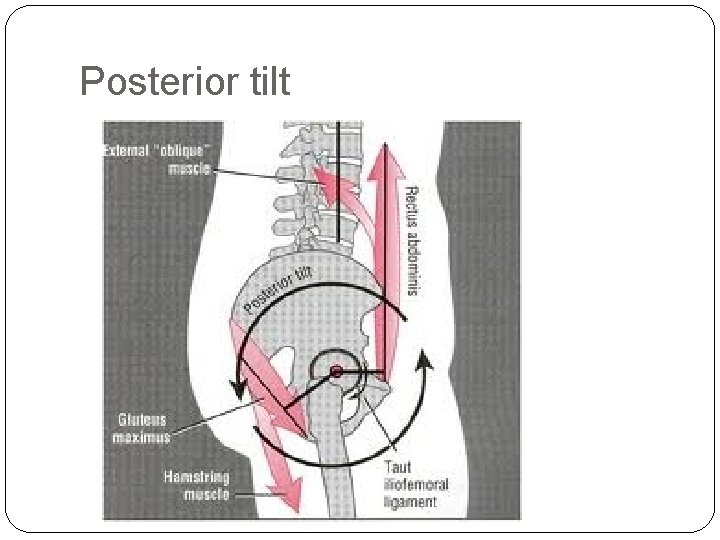
Posterior pelvic tilt �Posterior tilt occurs when the pelvis tilts backward, moving the ASIS posterior to the pubic symphysis is called posterior pelvic tilt. �when the front of the pelvis rises and the back of the pelvis drops is called posterior pelvic tilt.
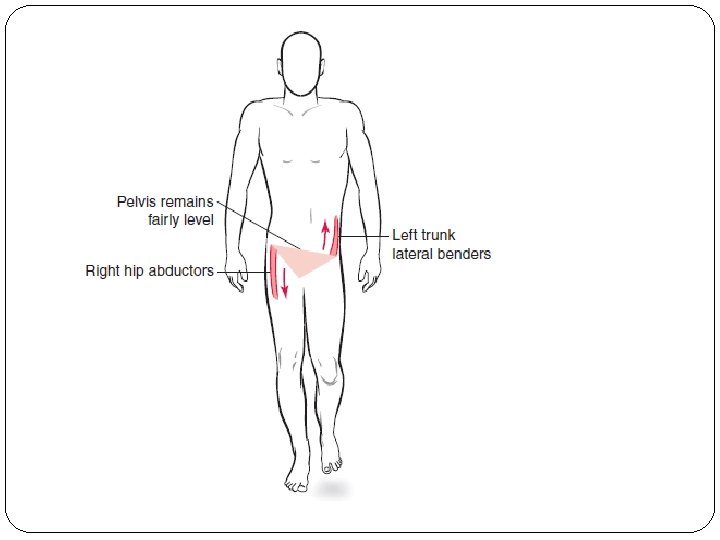
Lateral pelvic tilt �Lateral pelvic tilt describes tilting in both directions and is associated with scoliosis or people who have legs of different length. �It can also happen when one leg is bent while the other remains straight �Left pelvic tilt is when the right side of the pelvis is elevated higher than the left side. �Right pelvic tilt is when the left side of the pelvis is elevated higher than the right side.
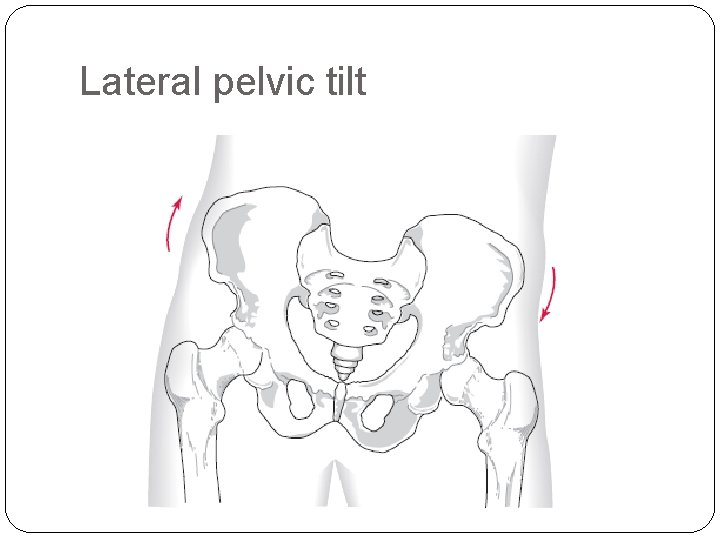
Lateral pelvic tilt
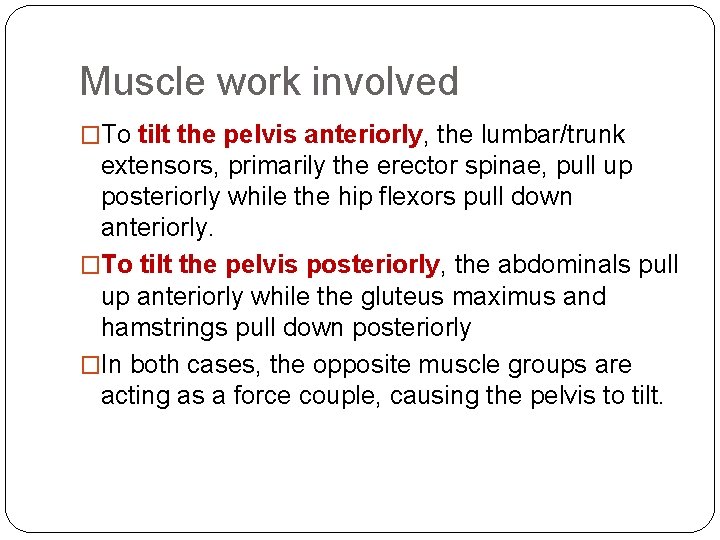
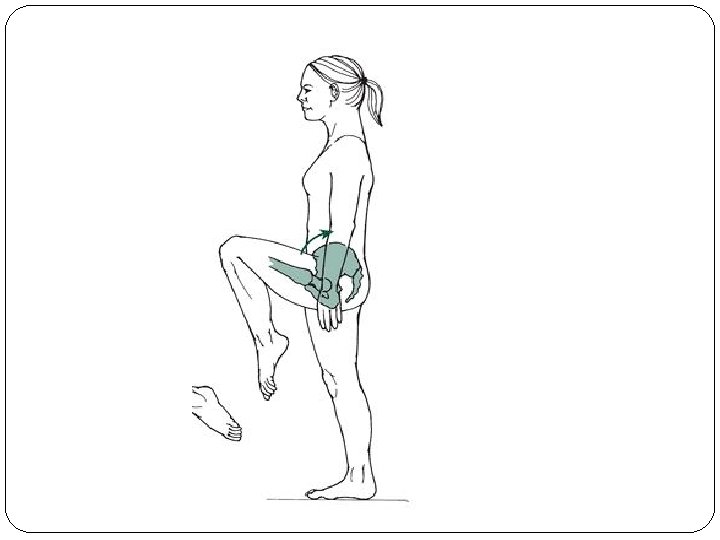
Muscle work involved �To tilt the pelvis anteriorly, the lumbar/trunk extensors, primarily the erector spinae, pull up posteriorly while the hip flexors pull down anteriorly. �To tilt the pelvis posteriorly, the abdominals pull up anteriorly while the gluteus maximus and hamstrings pull down posteriorly �In both cases, the opposite muscle groups are acting as a force couple, causing the pelvis to tilt.
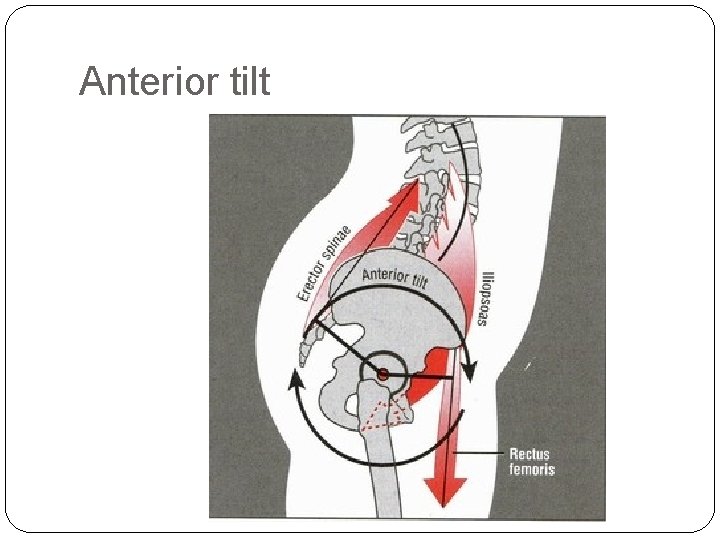
Anterior tilt
Posterior tilt
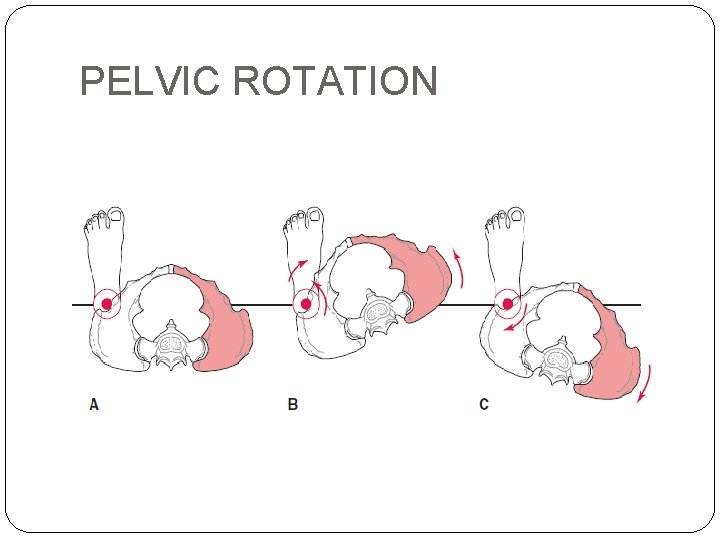
Pelvic rotation occurs �Pelvic rotation occurs in the transverse plane around a vertical axis when one side of the pelvis moves forward or backward in relation to the other side. �Looking down on the pelvis, the significant landmarks again are the ASISs. �In the anatomical (neutral) position both ASISs should be in the same plane. �This pelvic rotation is occurring because the pelvis is moving on the weight-bearing hip joint
Pelvic rotation �If there is right forward rotation of the pelvis, there is left hip medial rotation �It should be remembered that this hip medial rotation is occurring because the pelvis is moving on the femoral head, �With right backward rotation of the pelvis, there is left hip lateral rotation
PELVIC ROTATION
Summary
- Slides: 33