
Peer to Peer Computing What is PeertoPeer A
- Slides: 27
Peer to Peer Computing
What is Peer-to-Peer? • A model of communication where every node in the network acts alike. • As opposed to the Client-Server model, where one node provides services and other nodes use the services.
Advantages of P 2 P Computing • No central point of failure – E. g. , the Internet and the Web do not have a central point of failure. – Most internet and web services use the client-server model (e. g. HTTP), so a specific service does have a central point of failure. • Scalability – Since every peer is alike, it is possible to add more peers to the system and scale to larger networks.
Disadvantages of P 2 P Computing • Decentralized coordination – How to keep global state consistent? – Need for distributed coherency protocols. • All nodes are not created equal. – Computing power, bandwidth have an impact on overall performance. • Programmability – As a corollary of decentralized coordination.
P 2 P Computing Applications • File sharing • Process sharing • Collaborative environments
P 2 P File Sharing Applications • Improves data availability • Replication to compensate for failures.
P 2 P Process Sharing Applications • For large-scale computations • Data analysis, data mining, scientific computing
P 2 P Collaborative Applications • For remote real-time human collaboration. • Instant messaging, virtual meetings, shared whiteboards, teleconferencing, tele-presence. • E. g. , talk, IRC, ICQ, AOL Messenger, Yahoo! Messenger, Jabber, MS Netmeeting, NCSA Habanero, Games
P 2 P Technical Challenges • • Peer identification Routing protocols Network topologies Peer discovery Communication/coordination protocols Quality of service Security Fine-grained resource management
P 2 P Topologies • • • Centralized Ring Hierarchical Decentralized Hybrid
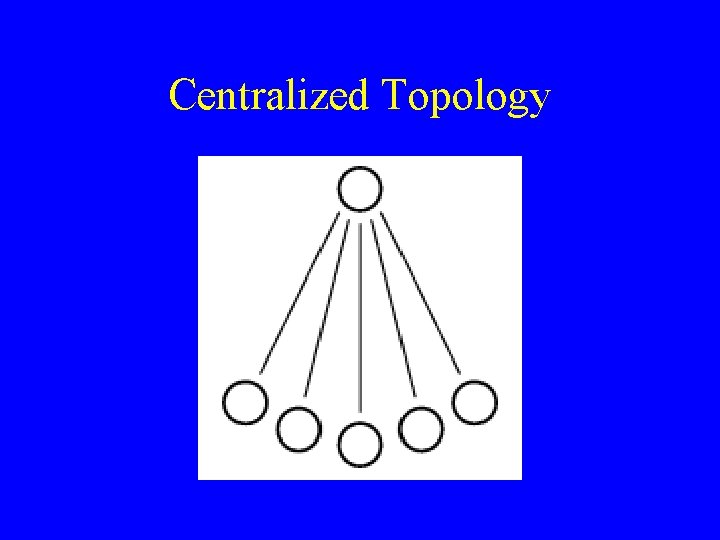
Centralized Topology
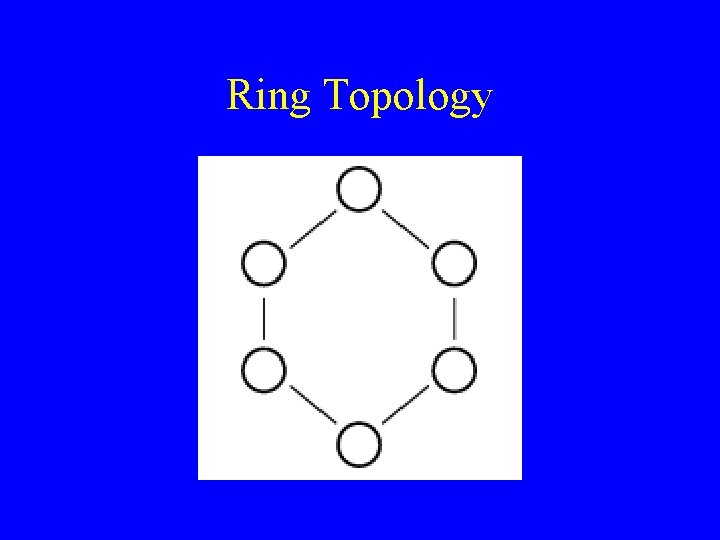
Ring Topology
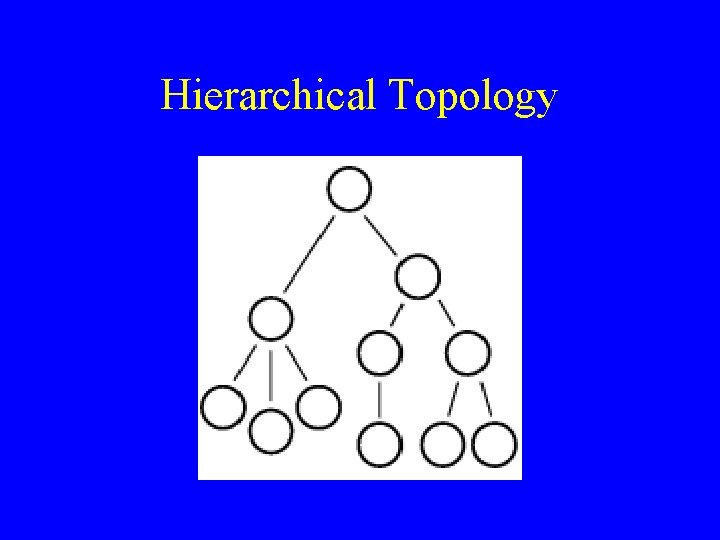
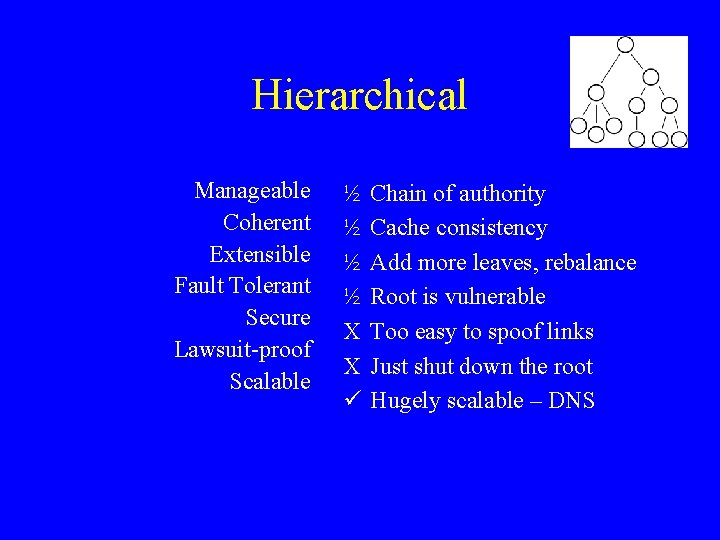
Hierarchical Topology
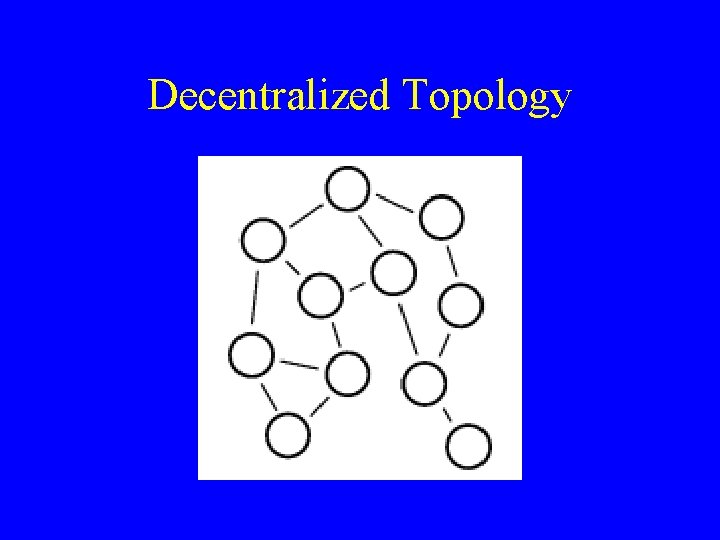
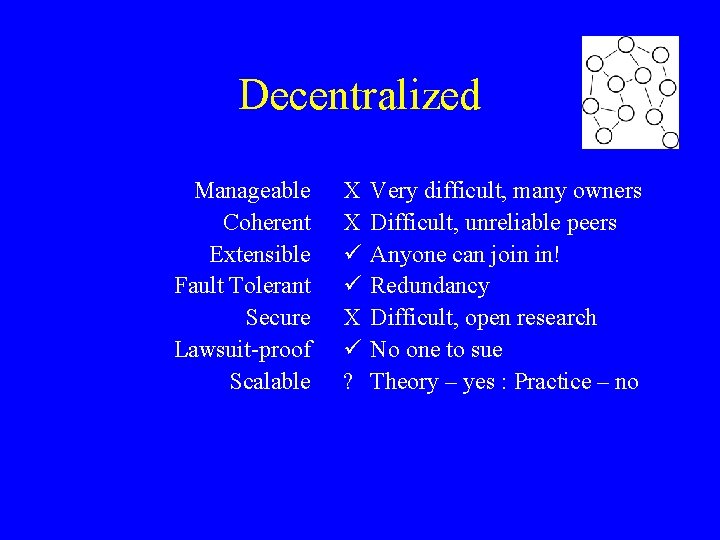
Decentralized Topology
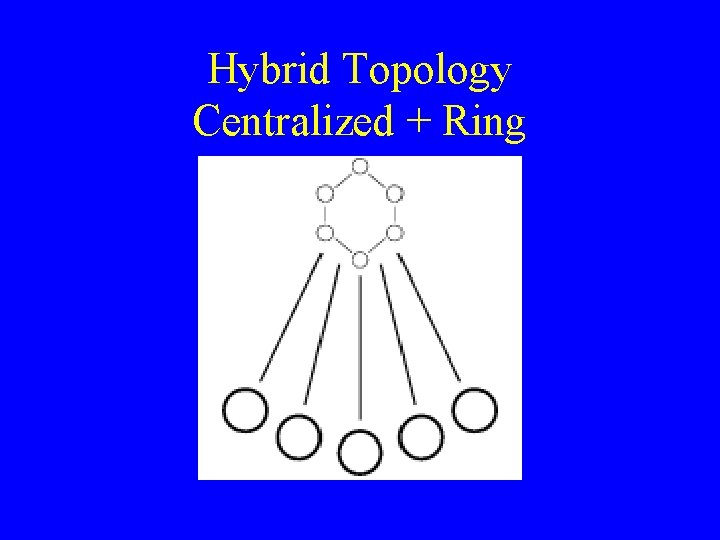
Hybrid Topology Centralized + Ring
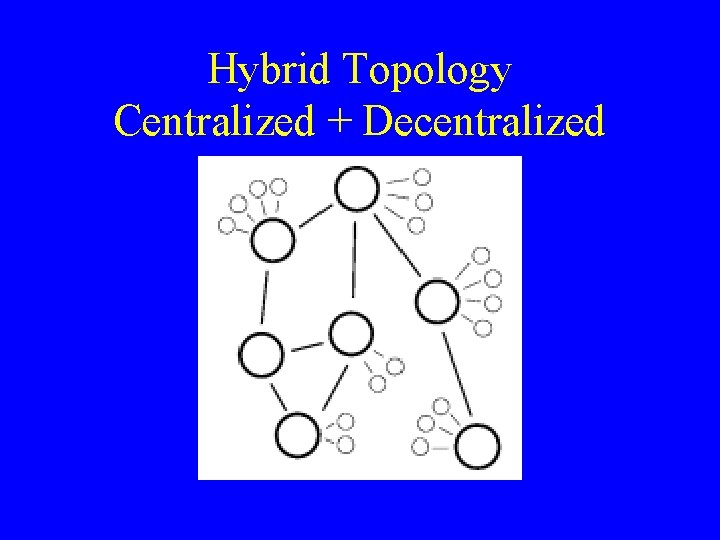
Hybrid Topology Centralized + Decentralized
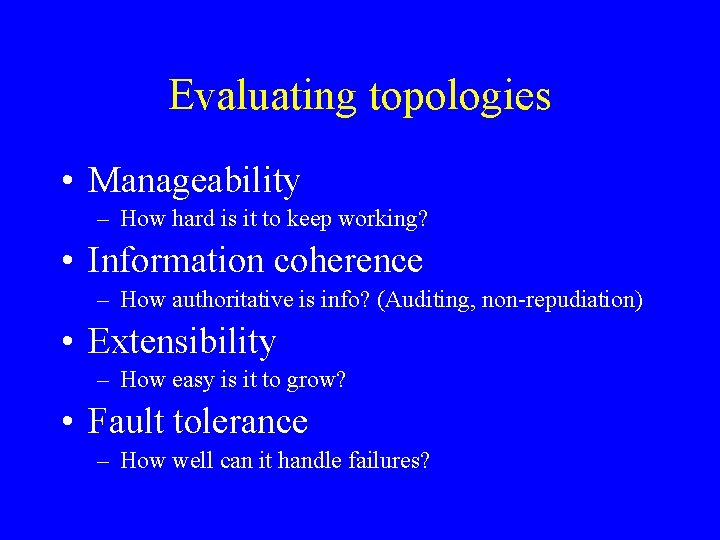
Evaluating topologies • Manageability – How hard is it to keep working? • Information coherence – How authoritative is info? (Auditing, non-repudiation) • Extensibility – How easy is it to grow? • Fault tolerance – How well can it handle failures?
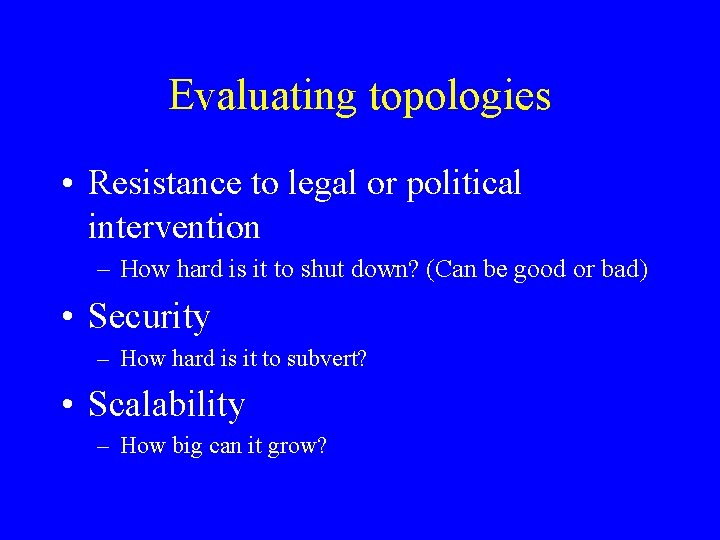
Evaluating topologies • Resistance to legal or political intervention – How hard is it to shut down? (Can be good or bad) • Security – How hard is it to subvert? • Scalability – How big can it grow?
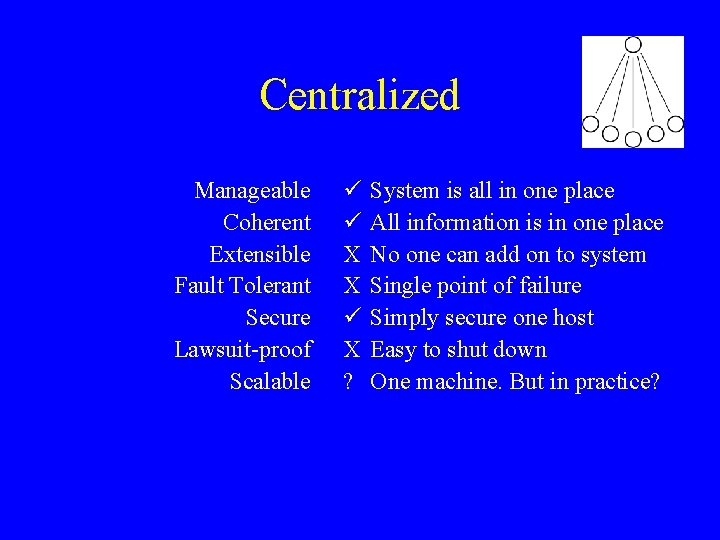
Centralized Manageable Coherent Extensible Fault Tolerant Secure Lawsuit-proof Scalable ü ü X X ü X ? System is all in one place All information is in one place No one can add on to system Single point of failure Simply secure one host Easy to shut down One machine. But in practice?
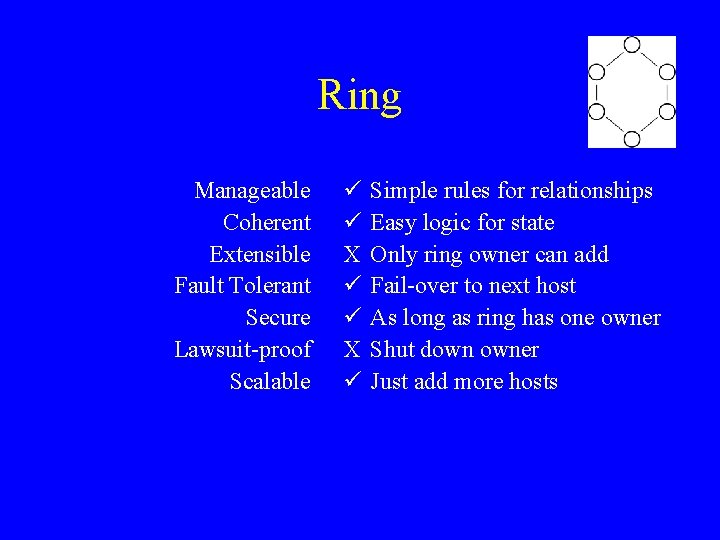
Ring Manageable Coherent Extensible Fault Tolerant Secure Lawsuit-proof Scalable ü ü X ü Simple rules for relationships Easy logic for state Only ring owner can add Fail-over to next host As long as ring has one owner Shut down owner Just add more hosts
Hierarchical Manageable Coherent Extensible Fault Tolerant Secure Lawsuit-proof Scalable ½ ½ X X ü Chain of authority Cache consistency Add more leaves, rebalance Root is vulnerable Too easy to spoof links Just shut down the root Hugely scalable – DNS
Decentralized Manageable Coherent Extensible Fault Tolerant Secure Lawsuit-proof Scalable X X ü ü X ü ? Very difficult, many owners Difficult, unreliable peers Anyone can join in! Redundancy Difficult, open research No one to sue Theory – yes : Practice – no
Napster • The P 2 P revolution is started. • Central indexing and searching service • File downloading in a peer-to-peer point-topoint manner.
Gnutella • Peer-to-peer indexing and searching service. • Peer-to-peer point-to-point file downloading using HTTP. • A gnutella node needs a server (or a set of servers) to “start-up”… gnutellahosts. com provides a service with reliable initial connection points But introduces a new single point of failure!
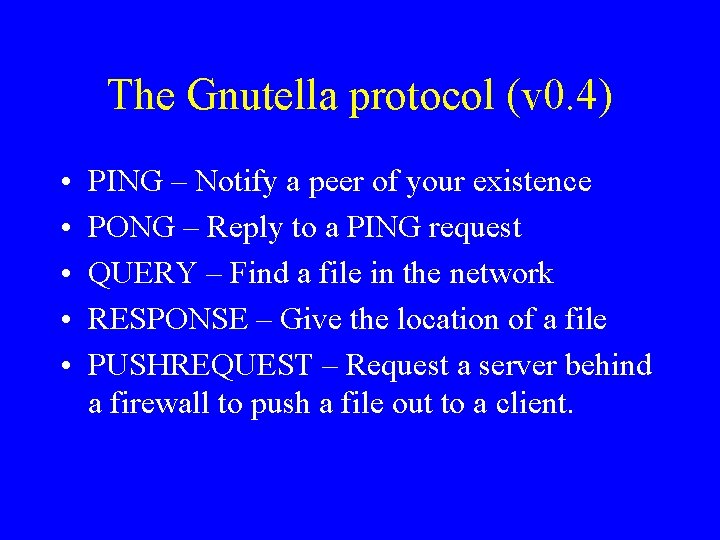
The Gnutella protocol (v 0. 4) • • • PING – Notify a peer of your existence PONG – Reply to a PING request QUERY – Find a file in the network RESPONSE – Give the location of a file PUSHREQUEST – Request a server behind a firewall to push a file out to a client.
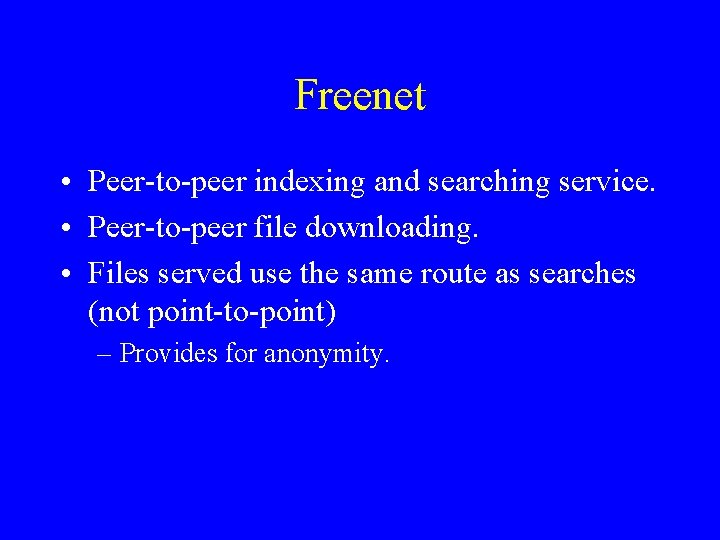
Freenet • Peer-to-peer indexing and searching service. • Peer-to-peer file downloading. • Files served use the same route as searches (not point-to-point) – Provides for anonymity.
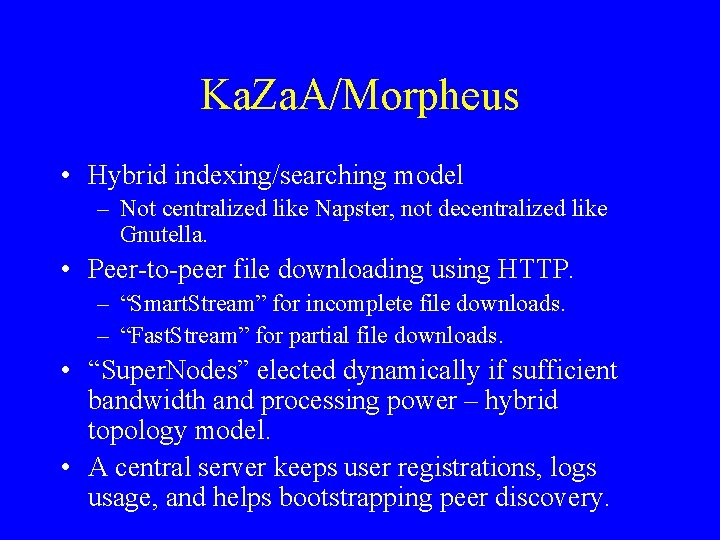
Ka. Za. A/Morpheus • Hybrid indexing/searching model – Not centralized like Napster, not decentralized like Gnutella. • Peer-to-peer file downloading using HTTP. – “Smart. Stream” for incomplete file downloads. – “Fast. Stream” for partial file downloads. • “Super. Nodes” elected dynamically if sufficient bandwidth and processing power – hybrid topology model. • A central server keeps user registrations, logs usage, and helps bootstrapping peer discovery.