
Peer Review and Publication Grant Hartzog Ph D
Peer Review and Publication Grant Hartzog, Ph. D. Professor of Molecular, Cell and Developmental Biology University of California, Santa Cruz
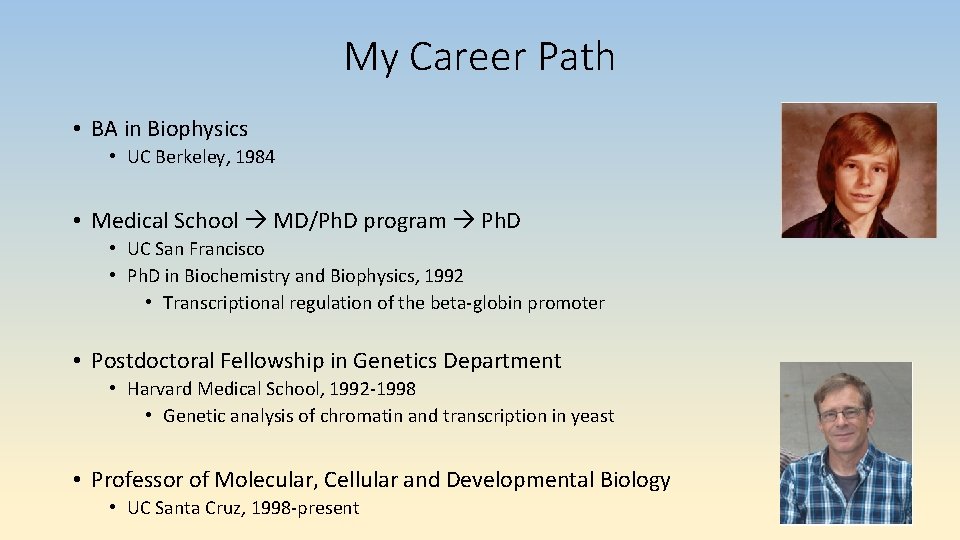
My Career Path • BA in Biophysics • UC Berkeley, 1984 • Medical School MD/Ph. D program Ph. D • UC San Francisco • Ph. D in Biochemistry and Biophysics, 1992 • Transcriptional regulation of the beta-globin promoter • Postdoctoral Fellowship in Genetics Department • Harvard Medical School, 1992 -1998 • Genetic analysis of chromatin and transcription in yeast • Professor of Molecular, Cellular and Developmental Biology • UC Santa Cruz, 1998 -present
My Career Path • Professor of Molecular, Cellular and Developmental Biology • • 1998 -2004, 2004 -2009, 2009 -now, 2018 -now, Assistant Professor Associate Professor (with tenure) Professor Associate Dean, Physical and Biological Sciences Division • Research • Roles of Spt 4/Spt 5 in transcription elongation, chromatin maintenance and pre-m. RNA processing • Defining the molecular basis of Wolbachia-host interactions • Funding • NIH and Foundations for graduate school • NIH, NSF, local cancer charity and internal university funds as an independent investigator • Administrative stipends
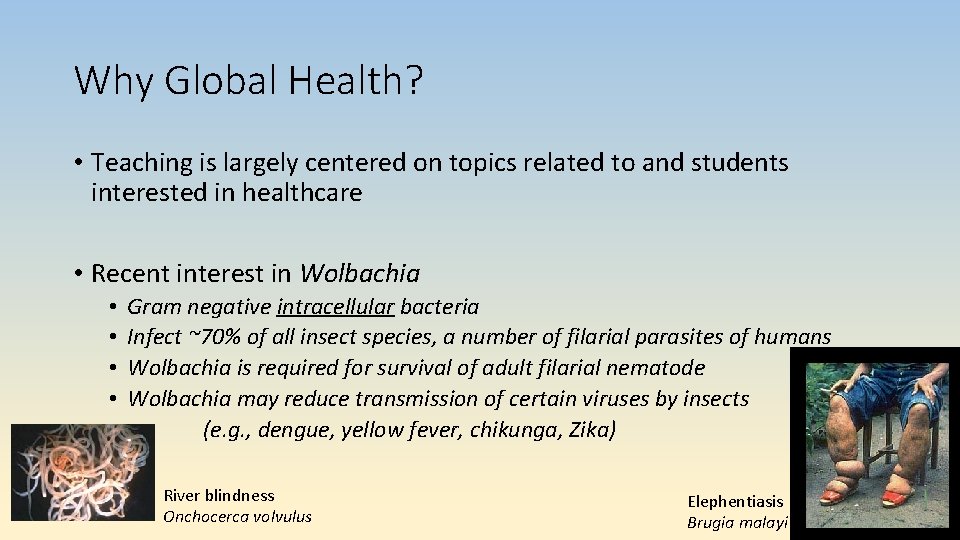
Why Global Health? • Teaching is largely centered on topics related to and students interested in healthcare • Recent interest in Wolbachia • • • Gram negative intracellular bacteria Infect ~70% of all insect species, a number of filarial parasites of humans Wolbachia is required for survival of adult filarial nematode Wolbachia may reduce transmission of certain viruses by insects (e. g. , dengue, yellow fever, chikunga, Zika) River blindness Onchocerca volvulus Elephentiasis Brugia malayi
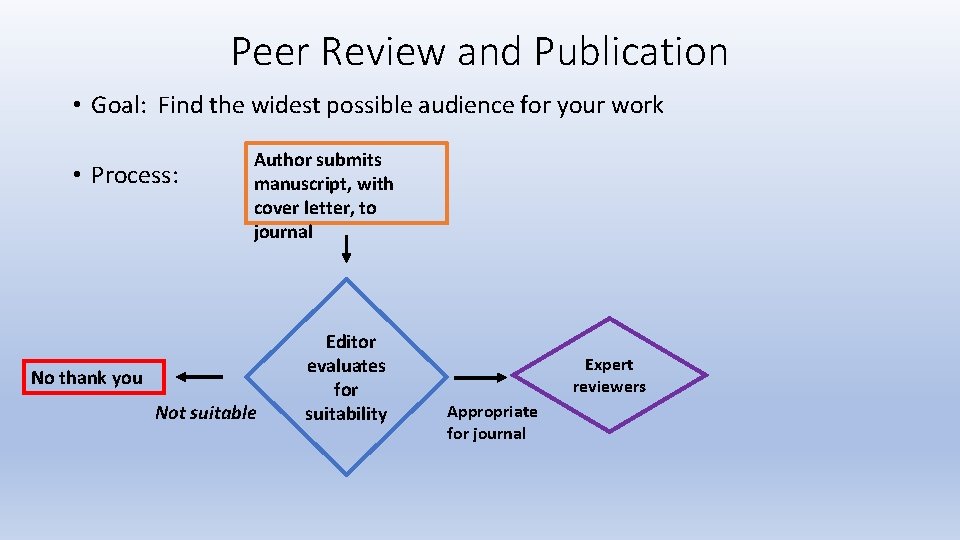
Peer Review and Publication • Goal: Find the widest possible audience for your work • Process: Author submits manuscript, with cover letter, to journal No thank you Not suitable Editor evaluates for suitability Expert reviewers Appropriate for journal
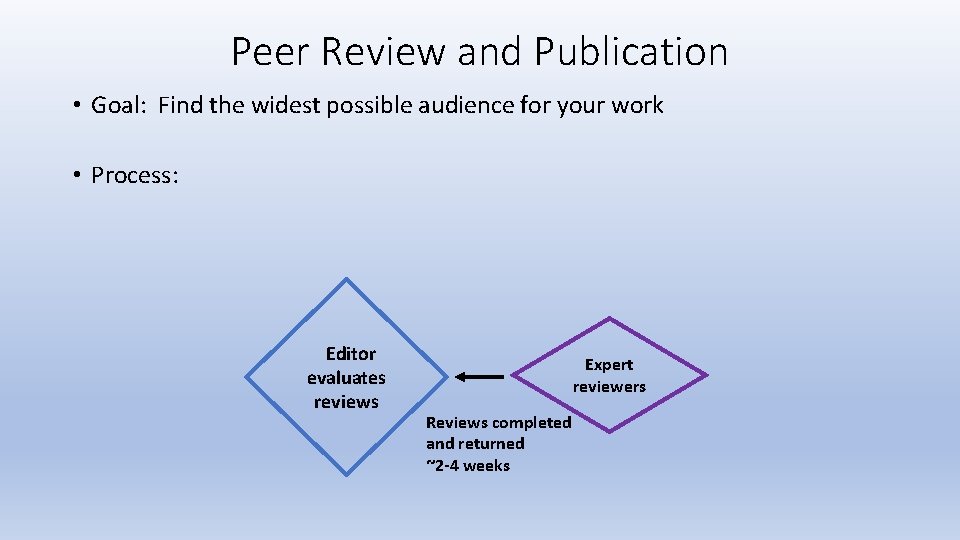
Peer Review and Publication • Goal: Find the widest possible audience for your work • Process: Editor evaluates reviews Expert reviewers Reviews completed and returned ~2 -4 weeks
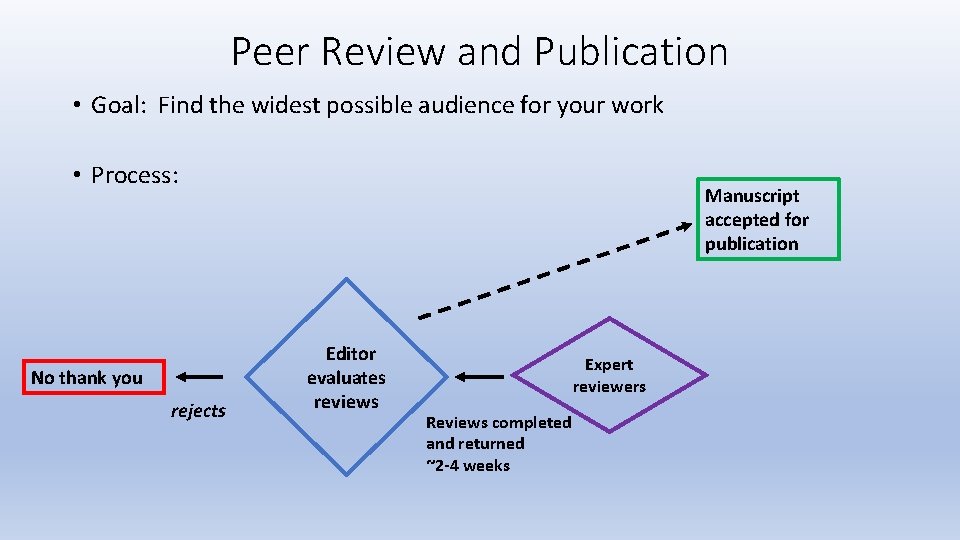
Peer Review and Publication • Goal: Find the widest possible audience for your work • Process: No thank you rejects Manuscript accepted for publication Editor evaluates reviews Expert reviewers Reviews completed and returned ~2 -4 weeks
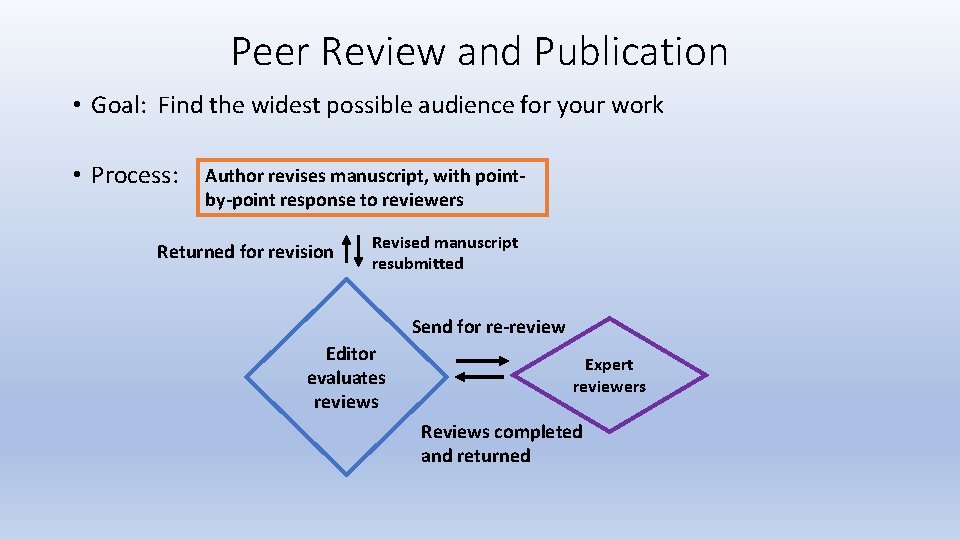
Peer Review and Publication • Goal: Find the widest possible audience for your work • Process: Author revises manuscript, with pointby-point response to reviewers Returned for revision Revised manuscript resubmitted Send for re-review Editor evaluates reviews Expert reviewers Reviews completed and returned
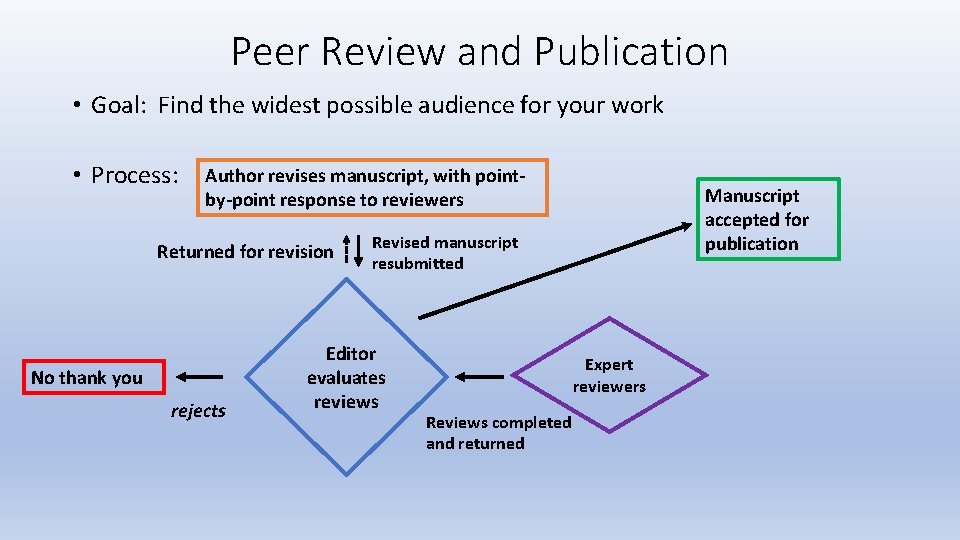
Peer Review and Publication • Goal: Find the widest possible audience for your work • Process: Author revises manuscript, with pointby-point response to reviewers Returned for revision No thank you rejects Manuscript accepted for publication Revised manuscript resubmitted Editor evaluates reviews Expert reviewers Reviews completed and returned
Peer Review and Publication: Tips • Pick an appropriate journal • Read the journal’s instructions to authors • Write a clear cover letter • Editor may not be an expert in your subfield • Put your work in context • What important problem is addressed? • What is the main message of the paper? • Why appropriate for this journal and of interest to its readers? • Consider your potential reviewers • Read reviews carefully • Get advice from colleagues
- Slides: 10