
Pedigree Charts The family tree of genetics Overview



- Slides: 24
Pedigree Charts The family tree of genetics
Overview I. What is a pedigree? a. b. II. Definition Uses Constructing a pedigree a. Symbols III. Connecting the symbols IV. Interpreting a pedigree
What is a Pedigree? A pedigree is a chart of the genetic history of family over several generations. Scientists or a genetic counselor would find out about your family history and make this chart to analyze.
Constructing a Pedigree Female Male
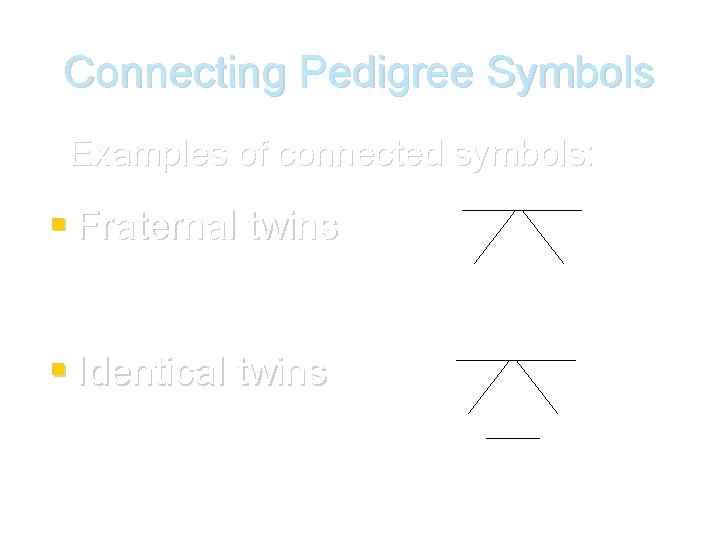
Connecting Pedigree Symbols Examples of connected symbols: Fraternal twins Identical twins
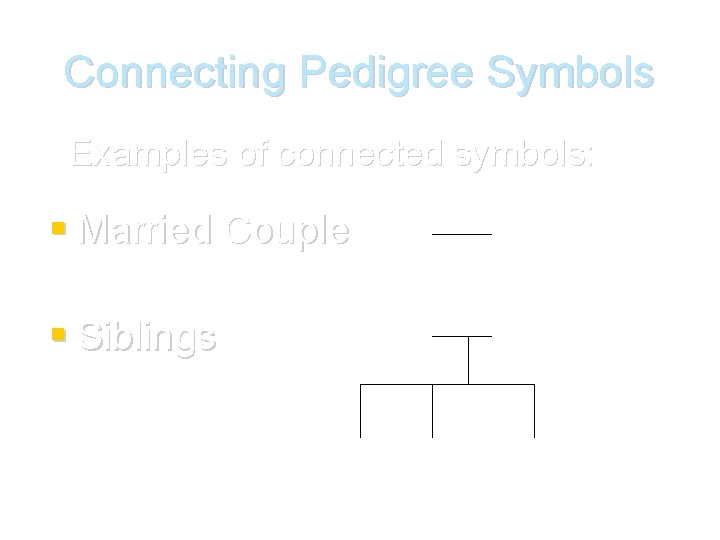
Connecting Pedigree Symbols Examples of connected symbols: Married Couple Siblings
Example What does a pedigree chart look like?
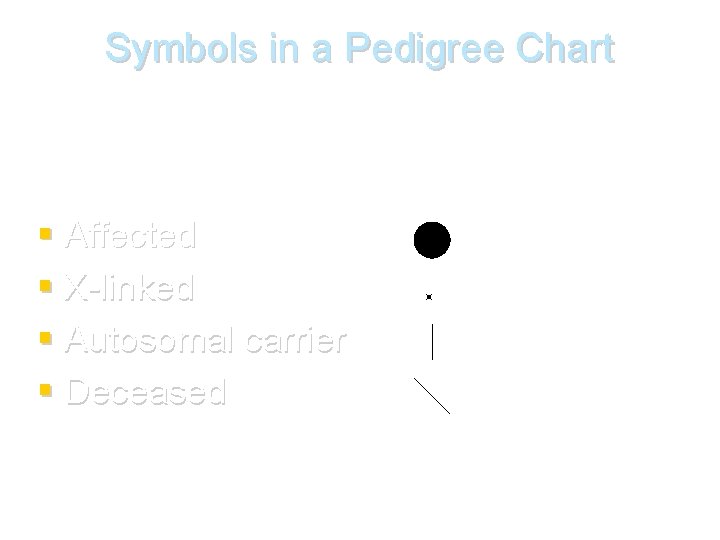
Symbols in a Pedigree Chart Affected X-linked Autosomal carrier Deceased
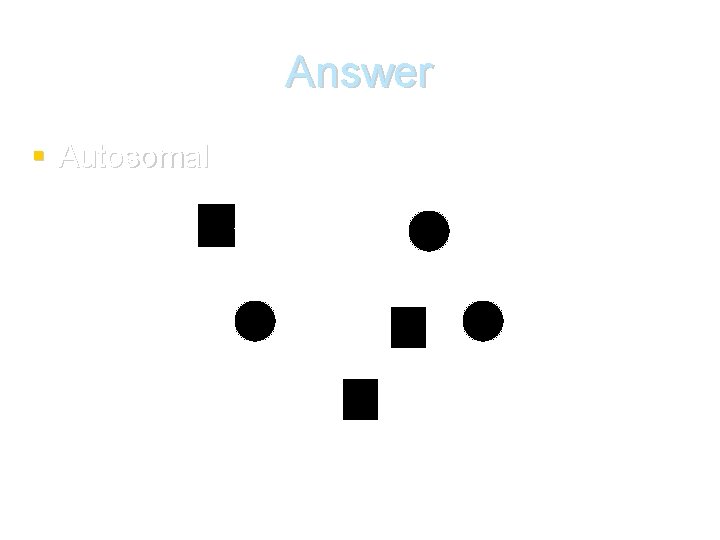
Interpreting a Pedigree Chart 1. Determine if the pedigree chart shows an autosomal or X-linked disease. – If most of the males in the pedigree are affected the disorder is X-linked – If it is a 50/50 ratio between men and women the disorder is autosomal.
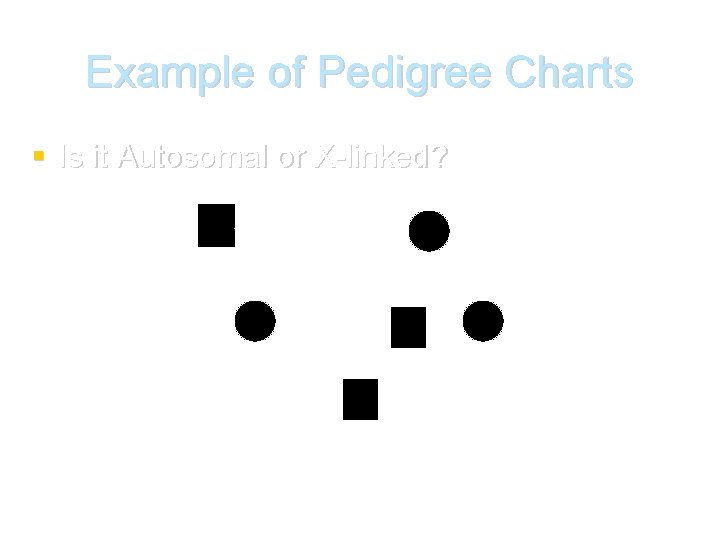
Example of Pedigree Charts Is it Autosomal or X-linked?
Answer Autosomal
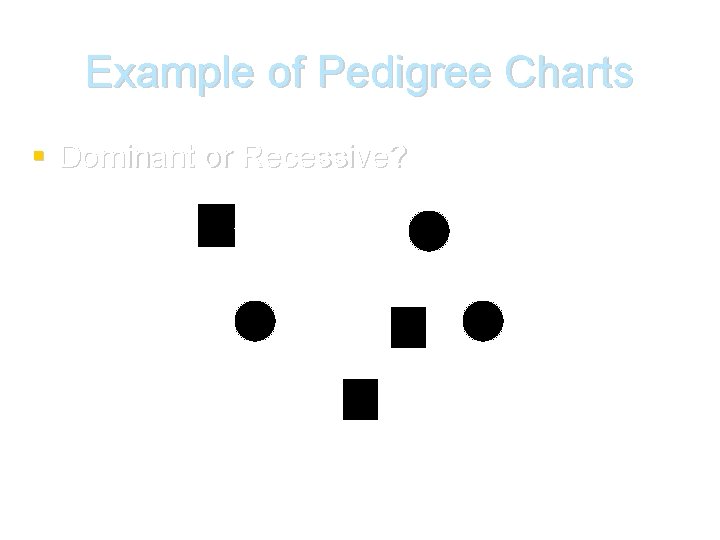
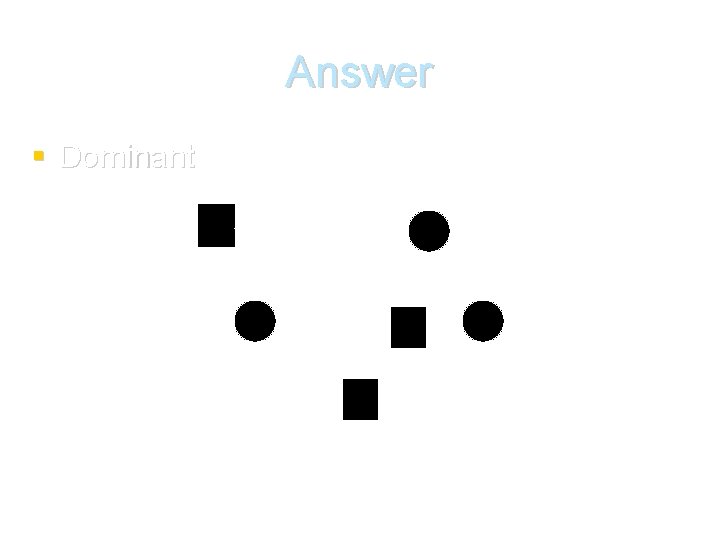
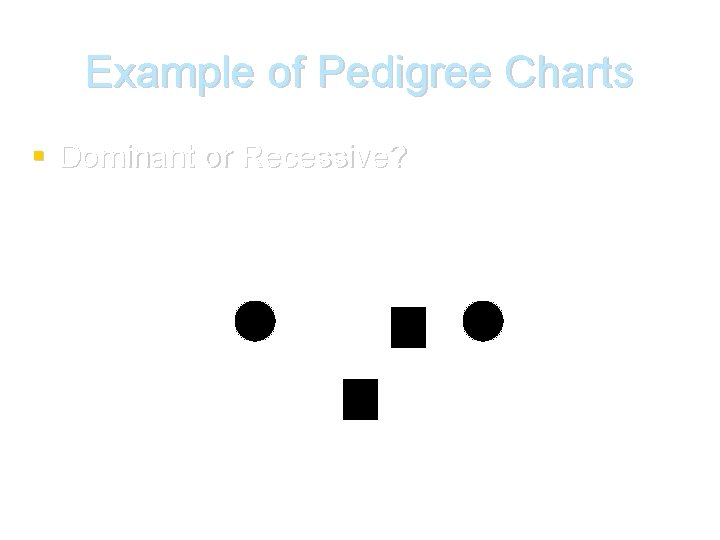
Interpreting a Pedigree Chart 1. Determine whether the disorder is dominant or recessive. – If the disorder is dominant, one of the parents must have the disorder. – If the disorder is recessive, neither parent has to have the disorder because they can be heterozygous.
Example of Pedigree Charts Dominant or Recessive?
Answer Dominant
Example of Pedigree Charts Dominant or Recessive?
Answer Recessive
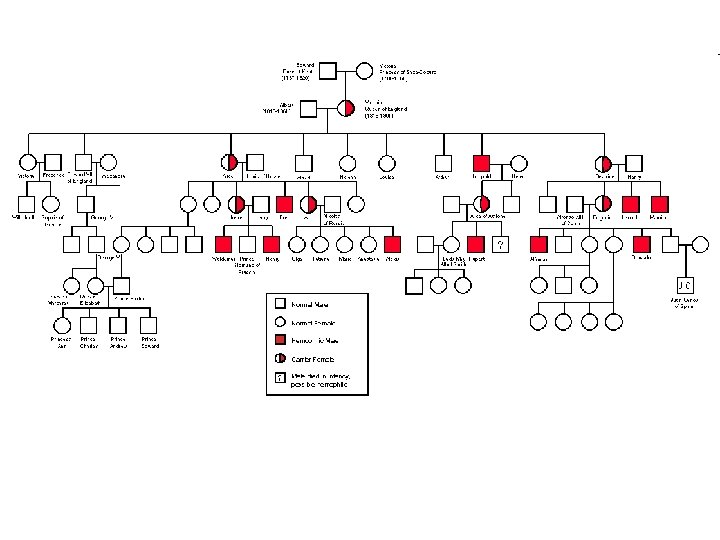
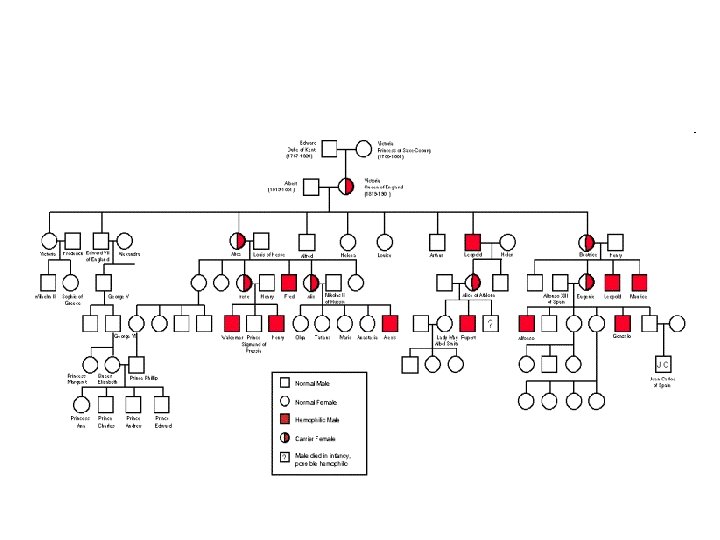
Historic Pedigrees Queen Victoria- Hemophilia sex linked blood disorder( bleeder)
Hemophilia is a hereditary (X-linked, recessive) blood disorder that affects the proper clotting of blood. It is a disease that affects males much more frequently (1 in 10, 000) than females (1 in 100, 000). This occurs because a critical bloodclotting gene is carried on the X chromosome. So because males carry only one X chromosome, if it is defective he will have hemophilia. Females, on the other hand, carry two X chromosomes. If only one is defective, the other normal X chromosome can compensate. The woman will have normal blood clotting, but she will still be a carrier of the recessive defective gene. A woman will know if she is a carrier sooner through genetic testing or later if any of her children are hemophiliacs. Naturally, female hemophiliacs are rare because it takes two defective X chromosomes in order for the condition to occur. Women with the recessive gene that codes for hemophilia simply pass it on to their offspring.
Royal Disease Hemophilia has often been referred to as The Royal Disease. The marriage of England's Queen Victoria and Prince Albert marked the beginning of hemophilia in the British royal line. Queen Victoria, Queen of England from 1837 to 1901, was a carrier of the hemophilia gene. She had nine children and as English royal family members married into royalty of other countries, the disease eventually infected most of the royal houses of Europe. So hemophilia gained its title of The Royal Disease because it spread through the royal families of Europe through Victoria's descendants.
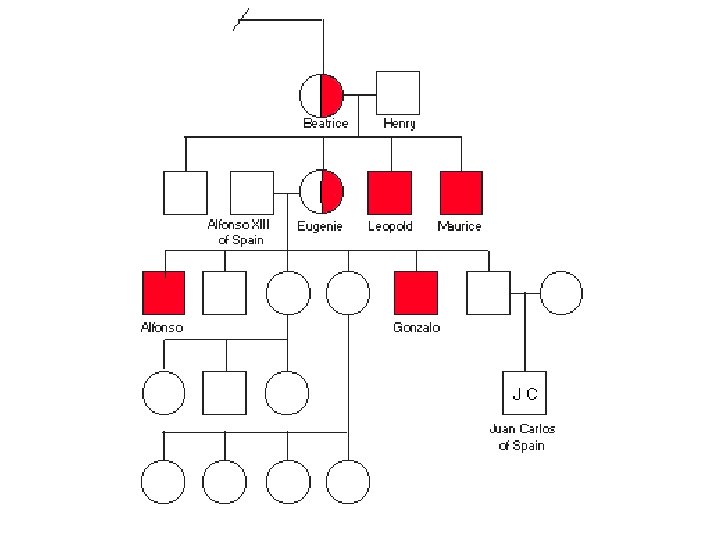
Queen Victoria's eighth child, Leopold, was her only hemophiliac child. Two of Queen Victoria's daughters, Beatrice and Alice, were also carriers of hemophilia. The daughter's were the links that passed the disease onto the Spanish, German and Russian royal families.
Summary Pedigrees are family trees that explain your genetic history. Pedigrees are used to find out the probability of a child having a disorder in a particular family. To begin to interpret a pedigree, determine if the disease or condition is autosomal or Xlinked and dominant or recessive.