
Pediatric Obesity and Metabolic Syndrome Chhavi Agarwal MD
Pediatric Obesity and Metabolic Syndrome Chhavi Agarwal, MD, FAAP, MRCP (UK) Assistant Professor MARCH 3, 2011 Division of Pediatric Endocrinology montekids. org
Objectives • Metabolic Syndrome > > Etiology Relationship of various components Primary care setting- Screening for the risk factors Management montekids. org
Metabolic Syndrome • Metabolic syndrome is a name for a group of risk factors that occur together and increase the risk for cardiovascular disease, stroke, and type 2 diabetes • Formerly called Insulin resistance syndrome; Syndrome X • Central Obesity and Insulin resistance-most important underlying factors of the syndrome • Prevalence in the adult population is 34% • 2 X higher risk of dying from heart attack, 3 X likely to have a heart attack or stroke, 5 fold greater risk of developing diabetes montekids. org
Definition • Confusing multiple definitions > WHO > European Group for study of Insulin resistance > National Cholesterol Education Program > International Diabetes Federation montekids. org

Metabolic syndrome: The NCEP ATP III definition montekids. org
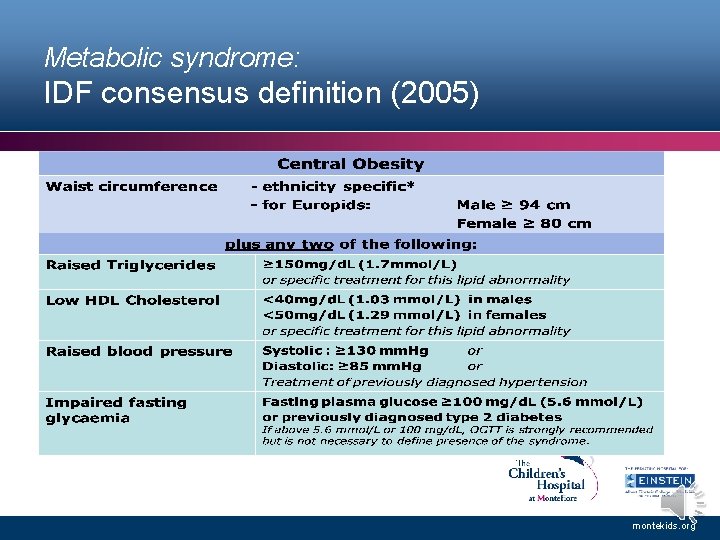
Metabolic syndrome: IDF consensus definition (2005) montekids. org
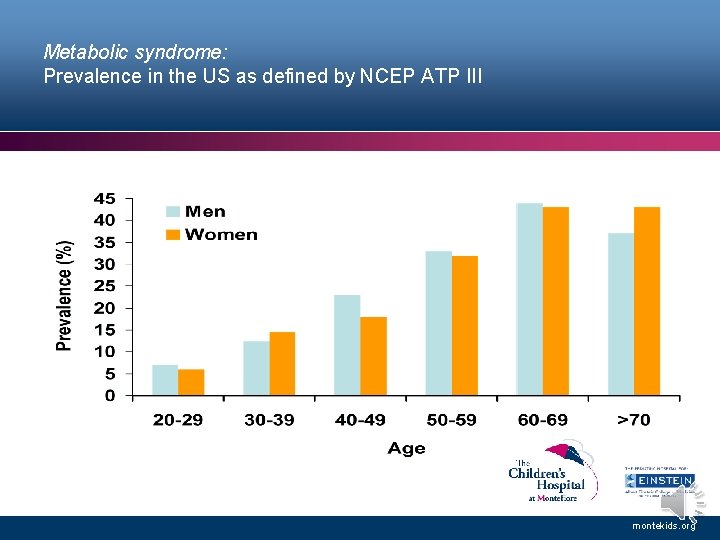
Metabolic syndrome: Prevalence in the US as defined by NCEP ATP III montekids. org
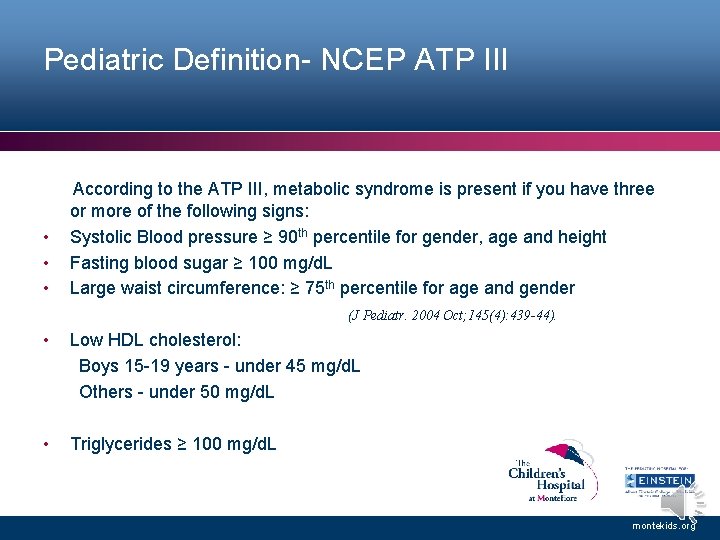
Pediatric Definition- NCEP ATP III According to the ATP III, metabolic syndrome is present if you have three or more of the following signs: • Systolic Blood pressure ≥ 90 th percentile for gender, age and height • Fasting blood sugar ≥ 100 mg/d. L • Large waist circumference: ≥ 75 th percentile for age and gender (J Pediatr. 2004 Oct; 145(4): 439 -44). • Low HDL cholesterol: Boys 15 -19 years - under 45 mg/d. L Others - under 50 mg/d. L • Triglycerides ≥ 100 mg/d. L montekids. org
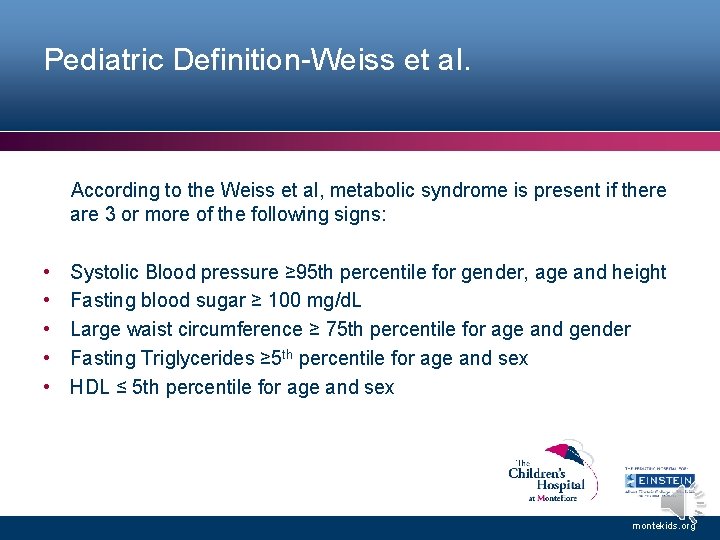
Pediatric Definition-Weiss et al. According to the Weiss et al, metabolic syndrome is present if there are 3 or more of the following signs: • • • Systolic Blood pressure ≥ 95 th percentile for gender, age and height Fasting blood sugar ≥ 100 mg/d. L Large waist circumference ≥ 75 th percentile for age and gender Fasting Triglycerides ≥ 5 th percentile for age and sex HDL ≤ 5 th percentile for age and sex montekids. org
Prevalence of Metabolic Syndrome NHANES III-Among 1960 children aged ≥ 12 years who fasted ≥ 8 hours- • two thirds had at least 1 metabolic abnormality, • nearly 1 in 10 had Metabolic Syndrome. • The racial/ethnic distribution was similar to adults: Mexican. Americans, followed by non-Hispanic whites, had a greater prevalence of Met. S compared with non-Hispanic blacks montekids. org
Prevalence in obese adolescents as per NHANES 99 -2002 DATA • • Cook/Ford 44. 2% NCEP ATPIII 26. 2% Caprio 14. 1% Cruz 12. 4% montekids. org
SEARCH-for Diabetes in Youth study Children and Adolescents with newly diagnosed T 2 DM • 92% had≥ 2 of the following componentsabdominal obesity, high BP, high TG, low HDL • 73% high BP; 65% TG≥ 110 mg/dl; 60%HDL≤ 40 mg/dl; 95% waist circumference>90 th%ile for age/sex montekids. org
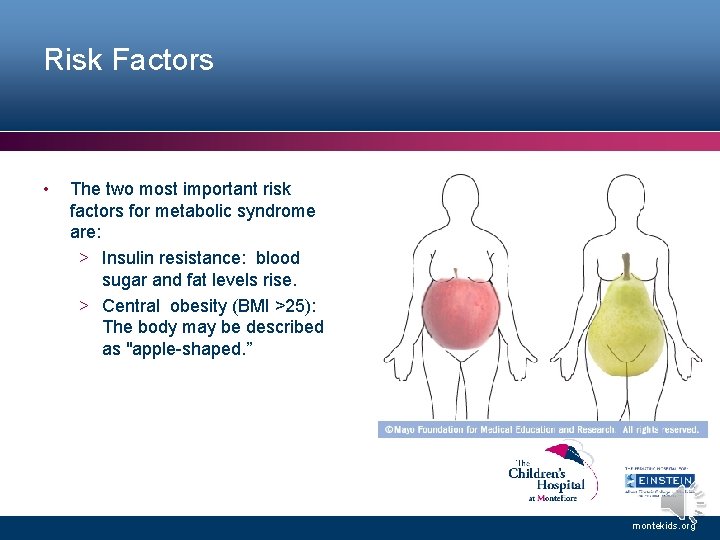
Risk Factors • The two most important risk factors for metabolic syndrome are: > Insulin resistance: blood sugar and fat levels rise. > Central obesity (BMI >25): The body may be described as "apple-shaped. ” montekids. org
Measuring obesity Body Mass Index Obesity is most commonly assessed by a single measure, the Body Mass Index (BMI), which uses a mathematical formula based on a person’s height and weight. BMI = weight (kg)/height (m²) • Individuals with a BMI > between 25 to 29. 9 are considered overweight > of 30 and above are considered obese. • The risk of serious health consequences such as type 2 diabetes, coronary heart disease, hypertension, dyslipidaemia, albuminuria and a wide range of other conditions increases with BMI. montekids. org
Measuring obesity up to here The limitations of the Body Mass Index BMI DOES NOT • show the difference between excess fat and muscle. • identify whether the fat is laid down in particular sites. For example, abdominal fat has more serious health consequences than fat located elsewhere. • The relation between fatness and BMI differs with age, race and gender. montekids. org
Fat distribution Goodpaster et al 2005 • 3035 adults-aged 70 to 79, of whom 42% were African Americans. • Prevalence of MS was 39% in the entire cohort and highest in obese men and women. • CT findings- visceral adipose tissue was nearly 50% higher in participants with MS. • Regional fat distribution clearly discriminates those with MS, particularly among the non-obese. • This implies that older men and women can have normal body weight and even have relatively lower total body fat but still have MS. montekids. org
Waist circumference and the metabolic syndrome The presence of abdominal obesity is more highly correlated with the metabolic risk factors than is an elevated BMI. The new NCEP consensus definition of the metabolic syndrome stipulates the following as a pre-requisite for a diagnosis of metabolic syndrome: ≥ 88 cm for women ≥ 102 cm men Waist circumference is calculated by comfortably measuring the waist halfway between the bottom of the rib cage and the top of the pelvis. montekids. org
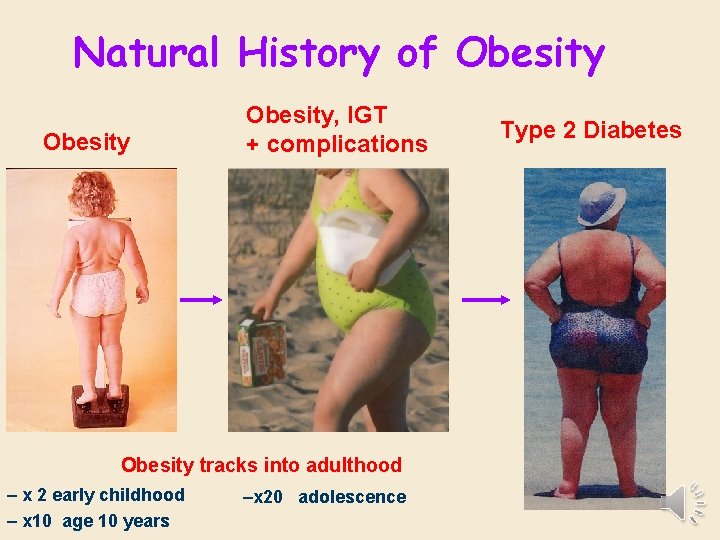
Natural History of Obesity, IGT + complications Type 2 Diabetes Type II Diabetes Obesity tracks into adulthood – x 2 early childhood – x 10 age 10 years –x 20 adolescence montekids. org
Risk Factors • Other risk factors include: > Aging > Ethnic: Hispanic, South Asian > Lack of exercise > Hypertension > PCOS > OSA montekids. org
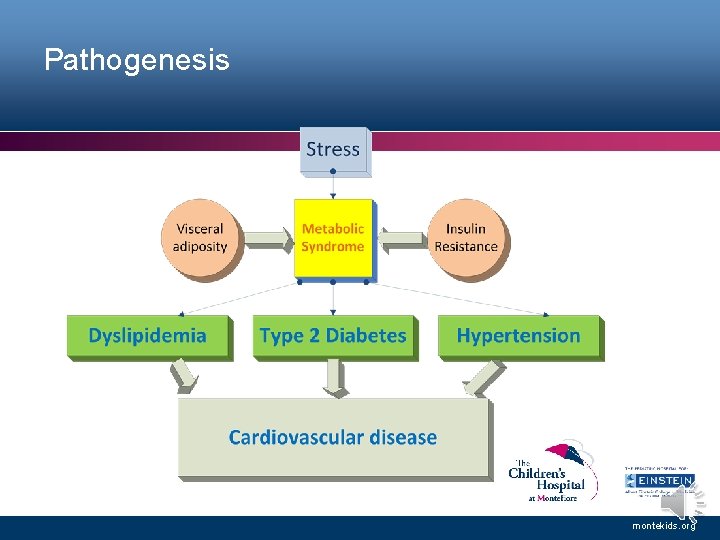
Pathogenesis montekids. org
Inflammation: the missing link? • The adipose tissue is a source of several molecules, such as leptin, (PAI-1), TNF-α, angiotensinogen and IL-6, that are collectively called adipokines and directly contribute to oxidative damage and vascular inflammation • Highly sensitive CRP (hs. CRP) levels in plasma tend to be elevated in subjects with insulin resistance and obesity; • elevated levels of hs. CRP are predictors of both CHD and diabetes. • Dandona et al 2005. montekids. org
The inflammatory component of the metabolic syndrome • Vascular dysfunction > Endothelial dysfunction > Microalbuminuria • Proinflammatory state > Elevated hs. CRP and SAA > Elevated inflammatory cytokines (TNF-α, IL-6) > Decreased adiponectin levels • Prothrombotic state > Increased antifibrinolytic factors (PAI-1) > Increased fibrinogen montekids. org
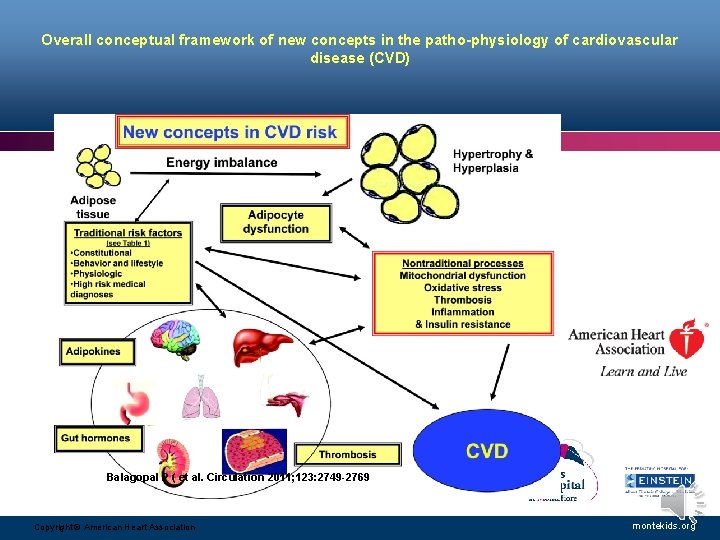
Overall conceptual framework of new concepts in the patho-physiology of cardiovascular disease (CVD) Balagopal P ( et al. Circulation 2011; 123: 2749 -2769 Copyright © American Heart Association montekids. org
Evaluation • Anthropometric measurements including BMI and Waist Circumference • Vitals- Blood pressure measurement • Blood glucose (Fasting or OGTT) • Lipid Profile montekids. org
Hypertension screening • Children >3 years who are seen in medical care settings should have their BP measured at least once during every health care episode. • Children <3 years should have their BP measured in special circumstances montekids. org
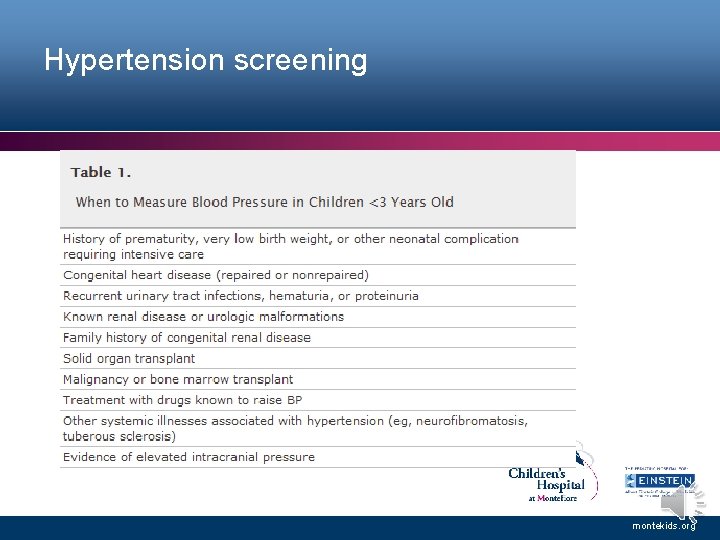
Hypertension screening montekids. org
Hypertension • Hypertension is defined as average systolic BP (SBP) or diastolic BP that is ≥ 95 th percentile for gender, age, and height on more than three occasions • Data on healthy adolescents obtained in school health-screening programs demonstrate that the prevalence of hypertension increases progressively with increasing BMI, and hypertension is detectable in ∼ 30% of obese children (BMI ≥ 95 th percentile). montekids. org
Prevention • Preventing (and managing) the condition involves: • Eating a diet low in fat, with a variety of fruits, vegetables, and whole-grain products • Getting regular exercise, at least 30 minutes of moderate activity almost every day, in children 60 minutes of moderate activity almost every day • Losing weight so that your body mass index (BMI) is less than 25 or less than 90 th percentile. montekids. org
Blood pressure Management • Goal<95%ile for age, sex and height • Consider pharmacotherapy if>95%ile & -No improvement with life style intervention -Evidence of target organ damage (microalb. ) montekids. org
Management of Hypertension • Pharmacologic therapy, when indicated, should be initiated with a single drug • Acceptable drug classes for use in children include angiotensin-converting enzyme inhibitors, angiotensin-receptor blockers, β-blockers, calcium channel blockers, and diuretics. • ACE first line drug -Titrate until BP< 95%ile montekids. org
Dyslipidemia screening • universal screening of non-fasting non-HDL cholesterol in children 9 to 11 years old (prior to onset of puberty) and again in individuals 17 to 21 years. • Targeted screening should occur in children 2 to 8 years old and adolescents 12 to 16 years old with two fasting lipid profiles (between 2 weeks and 3 months apart, results averaged) for the risk factors. Expert Panel on Integrated Guidelines for Cardiovascular Health and Risk Reduction in Children and Adolescents. Pediatrics. 2011; 128; S 213–S 256. montekids. org
Dyslipidemia screening • have a moderate- or high-risk medical condition • have other cardiovascular risk factors (diabetes, hypertension, BMI ≥ 95 th percentile, or smoke cigarettes) or • have a family history of early CVD or severe hypercholesterolemia. A significant family history includes: a. parent or grandparent who at <55 years for males or <65 years for females had suffered a myocardial infarction or sudden death, had undergone a coronary artery procedure, or who otherwise had evidence of coronary atherosclerosis, peripheral vascular disease, or cerebrovascular disease • b. parent with total cholesterol ≥ 240 mg/d. L or known dyslipidemia montekids. org
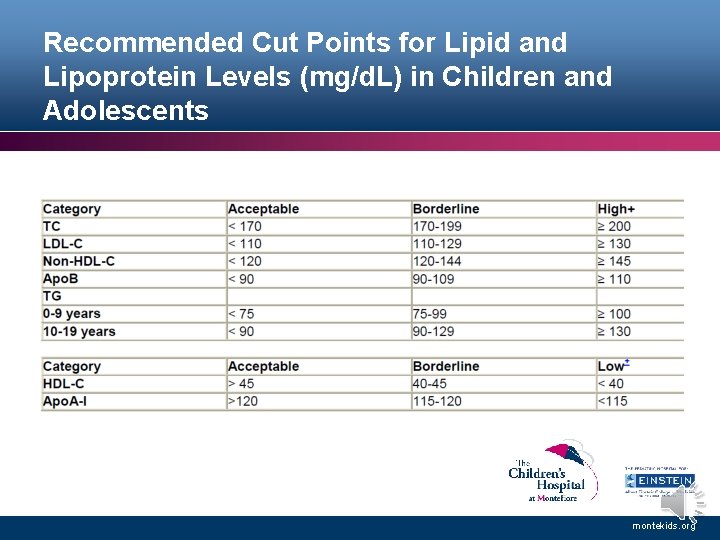
Recommended Cut Points for Lipid and Lipoprotein Levels (mg/d. L) in Children and Adolescents montekids. org
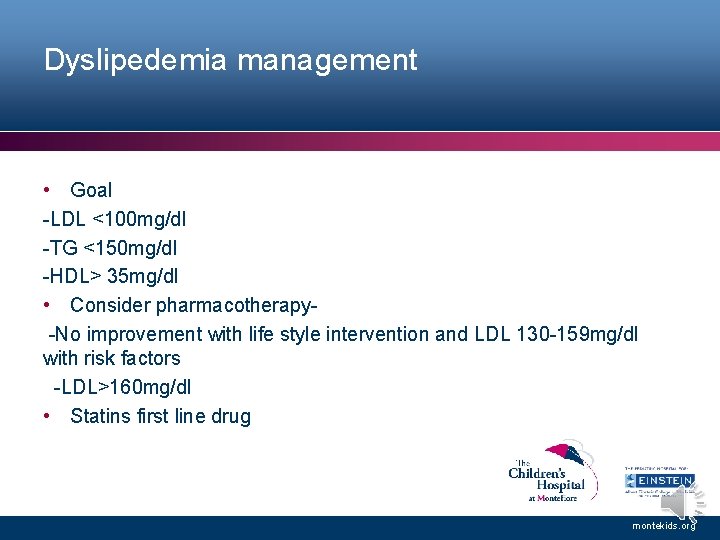
Dyslipedemia management • Goal -LDL <100 mg/dl -TG <150 mg/dl -HDL> 35 mg/dl • Consider pharmacotherapy -No improvement with life style intervention and LDL 130 -159 mg/dl with risk factors -LDL>160 mg/dl • Statins first line drug montekids. org
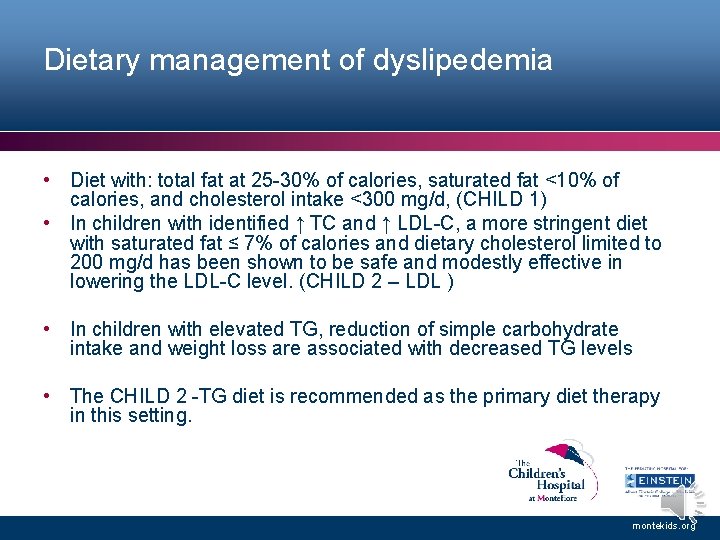
Dietary management of dyslipedemia • Diet with: total fat at 25 -30% of calories, saturated fat <10% of calories, and cholesterol intake <300 mg/d, (CHILD 1) • In children with identified ↑ TC and ↑ LDL-C, a more stringent diet with saturated fat ≤ 7% of calories and dietary cholesterol limited to 200 mg/d has been shown to be safe and modestly effective in lowering the LDL-C level. (CHILD 2 – LDL ) • In children with elevated TG, reduction of simple carbohydrate intake and weight loss are associated with decreased TG levels • The CHILD 2 -TG diet is recommended as the primary diet therapy in this setting. montekids. org
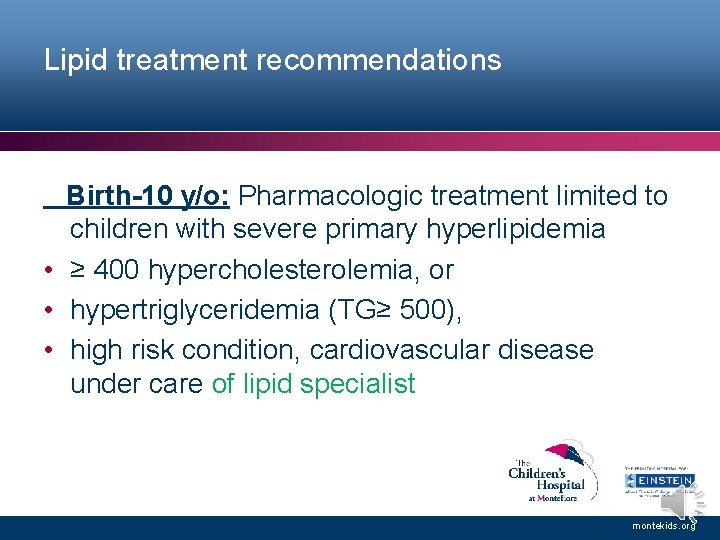
Lipid treatment recommendations Birth-10 y/o: Pharmacologic treatment limited to children with severe primary hyperlipidemia • ≥ 400 hypercholesterolemia, or • hypertriglyceridemia (TG≥ 500), • high risk condition, cardiovascular disease under care of lipid specialist montekids. org
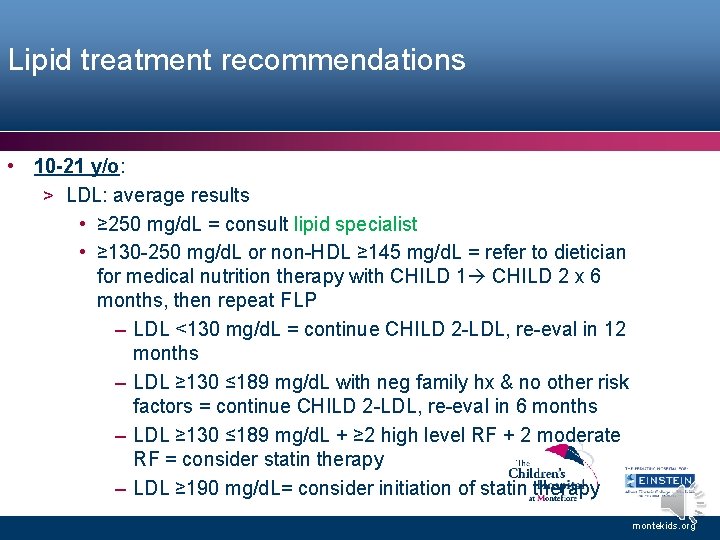
Lipid treatment recommendations • 10 -21 y/o: > LDL: average results • ≥ 250 mg/d. L = consult lipid specialist • ≥ 130 -250 mg/d. L or non-HDL ≥ 145 mg/d. L = refer to dietician for medical nutrition therapy with CHILD 1 CHILD 2 x 6 months, then repeat FLP – LDL <130 mg/d. L = continue CHILD 2 -LDL, re-eval in 12 months – LDL ≥ 130 ≤ 189 mg/d. L with neg family hx & no other risk factors = continue CHILD 2 -LDL, re-eval in 6 months – LDL ≥ 130 ≤ 189 mg/d. L + ≥ 2 high level RF + 2 moderate RF = consider statin therapy – LDL ≥ 190 mg/d. L= consider initiation of statin therapy montekids. org
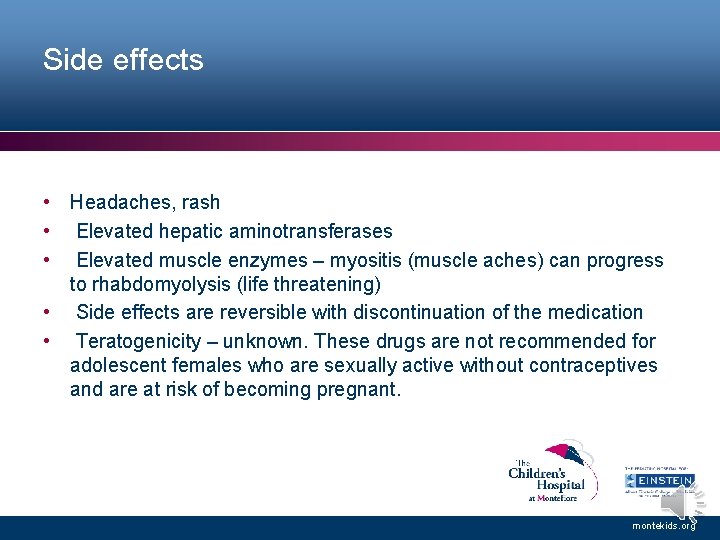
Side effects • Headaches, rash • Elevated hepatic aminotransferases • Elevated muscle enzymes – myositis (muscle aches) can progress to rhabdomyolysis (life threatening) • Side effects are reversible with discontinuation of the medication • Teratogenicity – unknown. These drugs are not recommended for adolescent females who are sexually active without contraceptives and are at risk of becoming pregnant. montekids. org
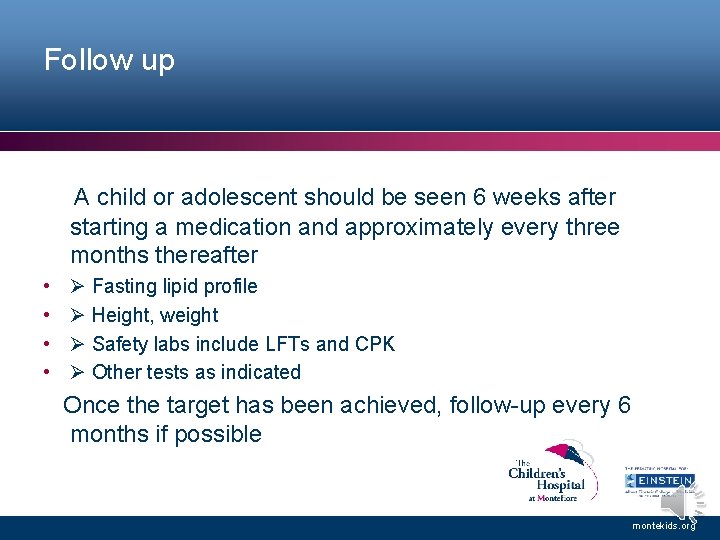
Follow up A child or adolescent should be seen 6 weeks after starting a medication and approximately every three months thereafter • • Fasting lipid profile Height, weight Safety labs include LFTs and CPK Other tests as indicated Once the target has been achieved, follow-up every 6 months if possible montekids. org
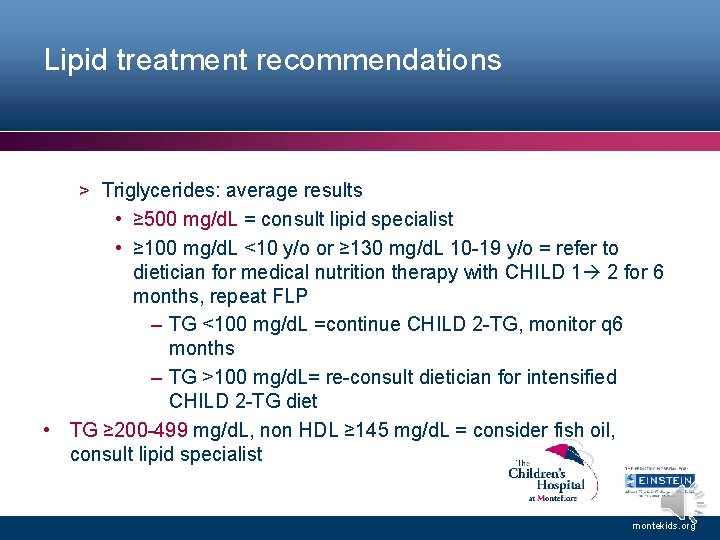
Lipid treatment recommendations > Triglycerides: average results • ≥ 500 mg/d. L = consult lipid specialist • ≥ 100 mg/d. L <10 y/o or ≥ 130 mg/d. L 10 -19 y/o = refer to dietician for medical nutrition therapy with CHILD 1 2 for 6 months, repeat FLP – TG <100 mg/d. L =continue CHILD 2 -TG, monitor q 6 months – TG >100 mg/d. L= re-consult dietician for intensified CHILD 2 -TG diet • TG ≥ 200 -499 mg/d. L, non HDL ≥ 145 mg/d. L = consider fish oil, consult lipid specialist montekids. org
Drug intervention for treatment of individual components Atherogenic dyslipidemia • Statins • Fibrates • Nicotinic acid montekids. org
Management of Dyslipidemia • ARBITER-2 trial (Taylor et al 2004) supporting the addition of extended-release niacin to statin therapy to increase HDL-C in patients with abnormal glucose tolerance, • changes in HDL-C were independently associated with changes in carotid intima-media thickness • in the past, been considered problematic due to its glucose-raising effects. • Recent data, however, indicate that despite the modest increase in serum glucose levels the overall benefit of nicotinic acid treatment is a marked reduction in cardiovascular events (Canner et al 2005). montekids. org
Management of dyslipidemia • A new post-hoc analysis of the Bezafibrate Infarction Prevention (BIP) trial • 1470 patients with MS when treated with bezafibrate (400 mg/d) - a reduced risk of MI as compared with placebo, and cardiac mortality showed borderline significance towards reduction (Tenenbaum et al 2005). montekids. org
Management of dyslipidemia • statins remain the drug of choice for patients who need to achieve the LDL-C goal, • fibrate therapy may represent an alternative for those with a lipid profile typical of MS (Robins 2003). • The concomitant use of fibrates could be attractive in patients whose LDL-C is controlled by statin therapy but whose HDL-C and/or triglycerides are still inappropriate. montekids. org
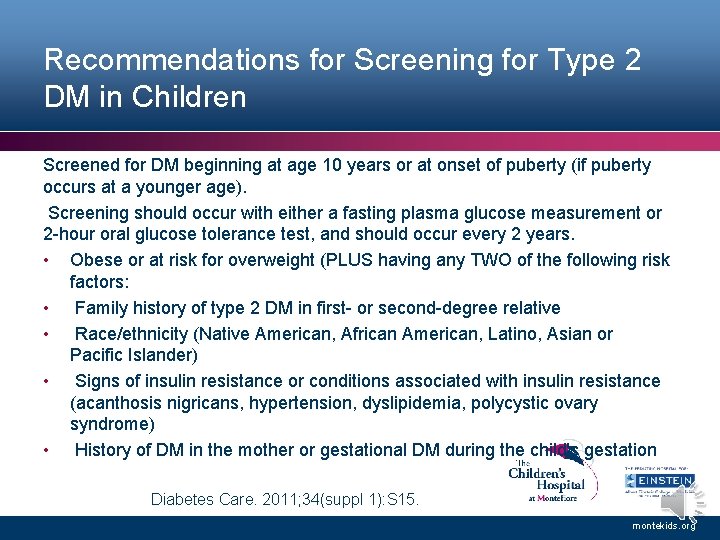
Recommendations for Screening for Type 2 DM in Children Screened for DM beginning at age 10 years or at onset of puberty (if puberty occurs at a younger age). Screening should occur with either a fasting plasma glucose measurement or 2 -hour oral glucose tolerance test, and should occur every 2 years. • Obese or at risk for overweight (PLUS having any TWO of the following risk factors: • Family history of type 2 DM in first- or second-degree relative • Race/ethnicity (Native American, African American, Latino, Asian or Pacific Islander) • Signs of insulin resistance or conditions associated with insulin resistance (acanthosis nigricans, hypertension, dyslipidemia, polycystic ovary syndrome) • History of DM in the mother or gestational DM during the child's gestation Diabetes Care. 2011; 34(suppl 1): S 15. montekids. org
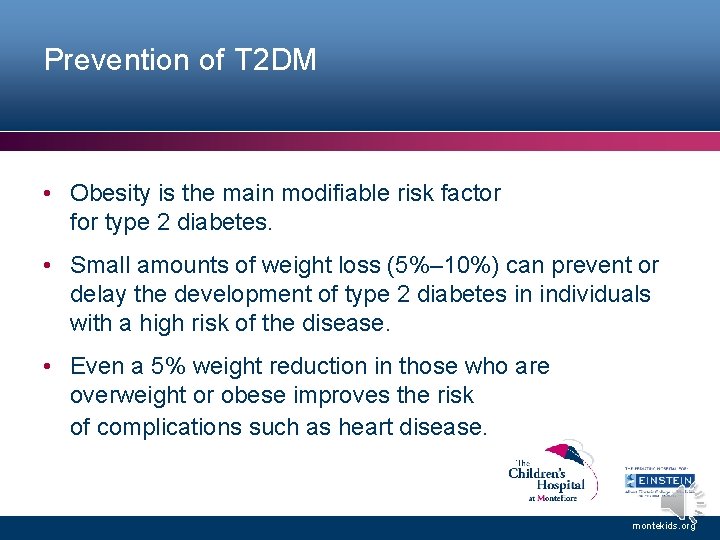
Prevention of T 2 DM • Obesity is the main modifiable risk factor for type 2 diabetes. • Small amounts of weight loss (5%– 10%) can prevent or delay the development of type 2 diabetes in individuals with a high risk of the disease. • Even a 5% weight reduction in those who are overweight or obese improves the risk of complications such as heart disease. montekids. org
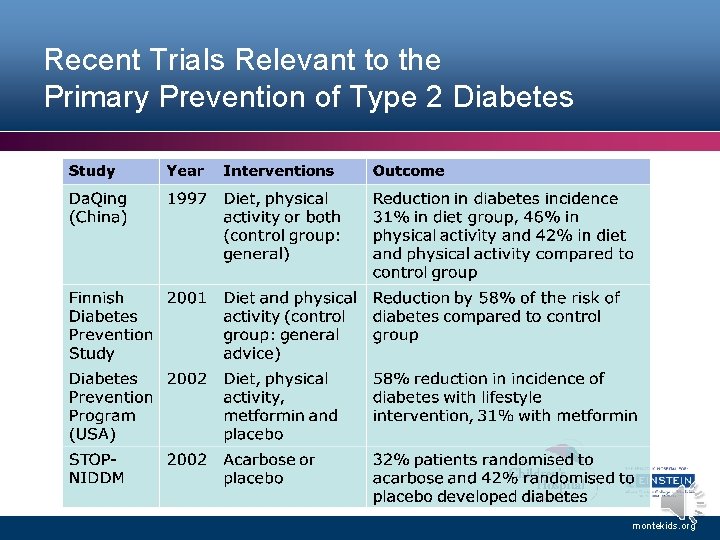
Recent Trials Relevant to the Primary Prevention of Type 2 Diabetes montekids. org
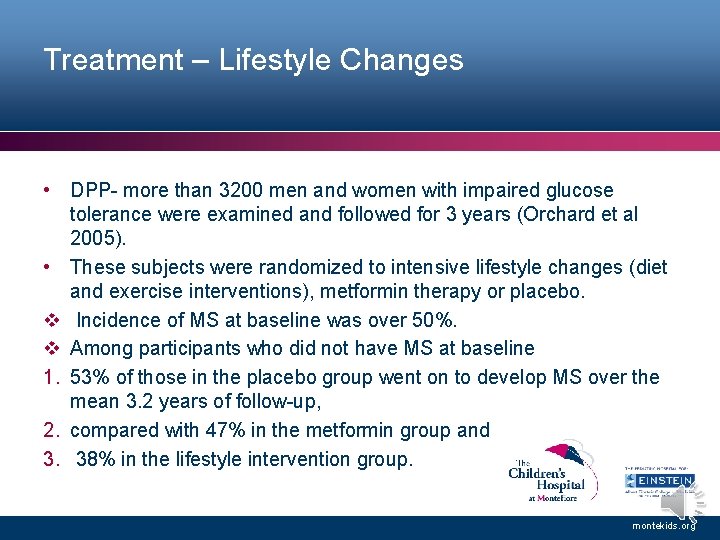
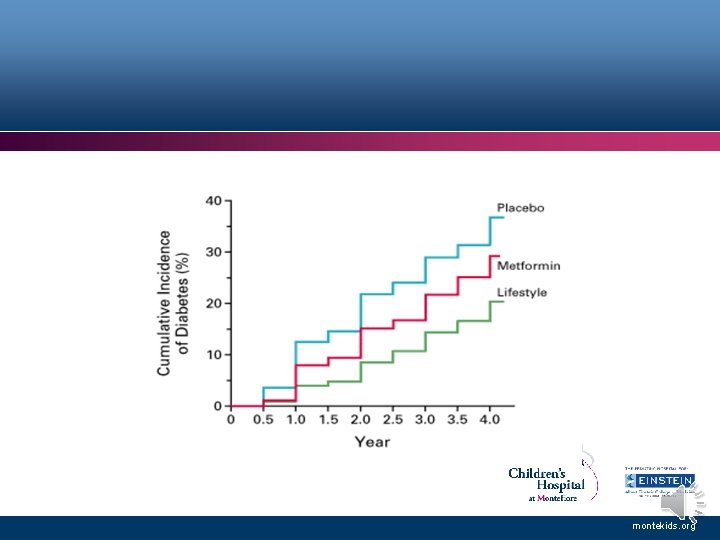
Treatment – Lifestyle Changes • DPP- more than 3200 men and women with impaired glucose tolerance were examined and followed for 3 years (Orchard et al 2005). • These subjects were randomized to intensive lifestyle changes (diet and exercise interventions), metformin therapy or placebo. v Incidence of MS at baseline was over 50%. v Among participants who did not have MS at baseline 1. 53% of those in the placebo group went on to develop MS over the mean 3. 2 years of follow-up, 2. compared with 47% in the metformin group and 3. 38% in the lifestyle intervention group. montekids. org
montekids. org
Drug Treatment Insulin resistance and hyperglycemia • Metformin • Thiazolidinediones • GLP-1 agonist (Exenatide, Liraglutide, Bydureon) montekids. org
Management of Hyperglycemia • Mild hyperglycemia (126– 200 mg/d. L) and glycosylated hemoglobin level <8. 5% or an incidental diagnosis of type 2 DM -therapeutic lifestyle changes in combination with metformin • severe hyperglycemia (>200 mg/d. L), glycosylated hemoglobin level >8. 5%, or ketosis - insulin montekids. org
Metformin montekids. org
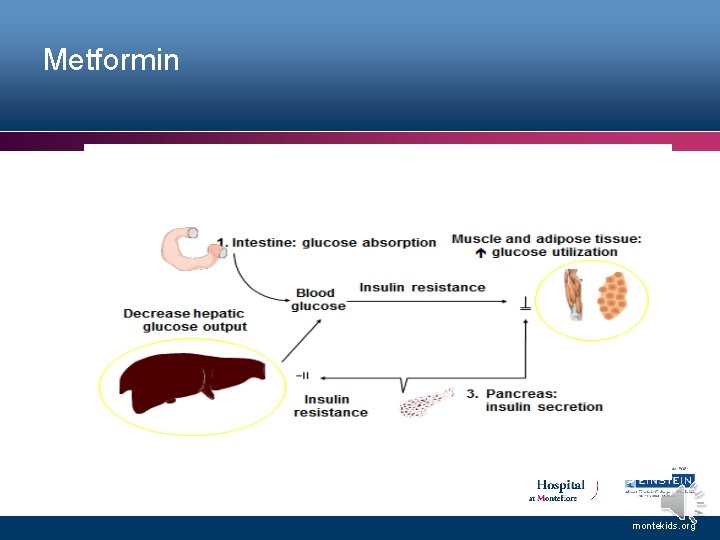
Metformin: Pediatric studies Pediatric population demonstrated beneficial effects on: • fasting glucose • BMI • fasting insulin • waist circumference • and body weight montekids. org
Thiazolidinediones • PPAR gamma agonists • Alter adipocyte and muscle metabolism to promote increased insulin sensitivity • Pioglitazone • Well studied in adults • -lower A 1 c ~ 1% • Beneficial effects on lipids • May prolong β cell function • Not approved for use in youth with T 2 DM montekids. org
GLP-1 Agonists 1. 2. 3. • ↑ glucose dependent insulin secretion ↓ inappropriate glucagon ↓ gastric emptying Byetta: 5 or 10 mcg SC bid, 30 -60 min before breakfast, dinner • Victoza: Titration dose 0. 6 mg, then ↑ to 1. 2 - 1. 8 mg, SC OD • Bydureon: 2 mg, Once weekly, SC • NOT FDA approved for <18 years montekids. org
Future medications • New generation of PPAR agonists, which interact with both PPARα and γ-receptors (the glitazars), thereby combining lipid and glycaemic effects. • Emerging therapies such as, protein tyrosine phosphatase 1 B inhibitors, leptin receptor antagonists, and cannabinoid receptor blocking agents offer potential as future therapies for MS. montekids. org
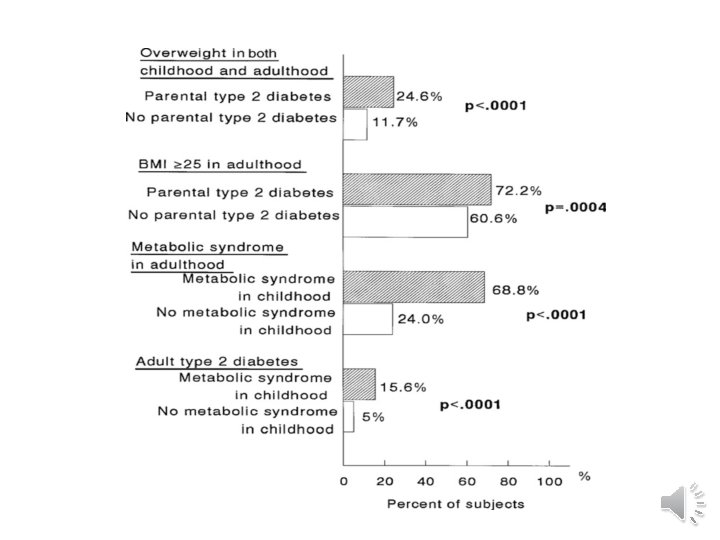
Cardiovascular Disease Prevention should begin in Childhood • Subclinical Atherosclerosis, the pathologic basis for clinical CVD, begins in childhood. • Risk factors for the development of atherosclerosis can be identified in childhood • Development and progression of atherosclerosis clearly relates to the number and intensity of CV risk factors, beginning in childhood • Risk factors track from childhood into adult life • Interventions exist for management of identified risk factors and should be implemented. montekids. org
Controversy? • Criteria are ambiguous or incomplete. Rationale for thresholds are ill defined. • Insulin resistance as the unifying etiology is uncertain. . • Inflammatory markers should be included • Cumulative risk score approach montekids. org
- Slides: 59