
Pediatric Mechanical Circulatory Support MCS Ivan Wilmot MD
- Slides: 42
Pediatric Mechanical Circulatory Support (MCS) Ivan Wilmot, MD Heart Failure, Transplant, MCS Assistant Professor The Heart Institute Cincinnati Children’s Hospital Medical Center The University of Cincinnati College of Medicine
Disclosures - None - Off-label use of FDA approved adult devices will be discussed
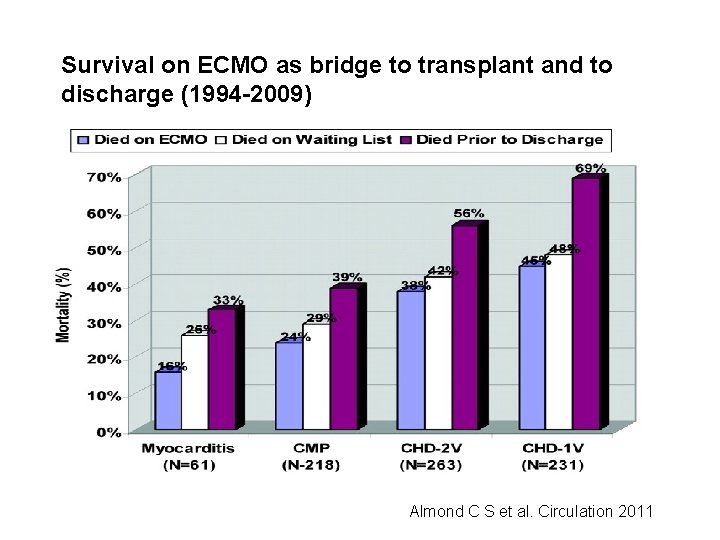
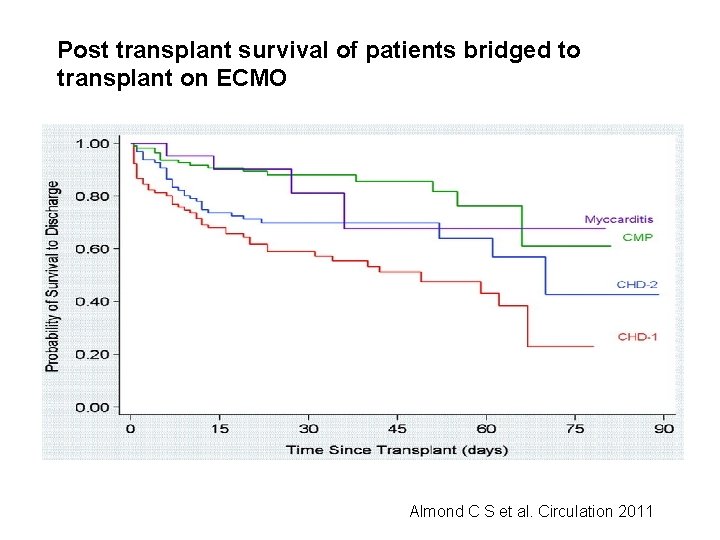
Pediatric Heart Failure - - Children with heart failure refractory to medical therapy have very limited therapeutic options Traditionally, such children were listed for heart transplantation with hopes to support them adequately to heart transplant Extracorporeal membranous oxygenation (ECMO), although used in the past as bridge to transplant (BTT), has been associated with poor outcomes
Survival on ECMO as bridge to transplant and to discharge (1994 -2009) Almond C S et al. Circulation 2011
Post transplant survival of patients bridged to transplant on ECMO Almond C S et al. Circulation 2011
Pediatric Heart Failure - - - In contrast to adults with HF, children with HF vary in size, anatomy (congenital heart disease), and total number. As the pediatric population living with HF expands, increasing demands on alternatives to ECMO have arisen. These factors pose significant technological and financial concerns on the development of alternative forms of Mechanical Circulatory Support (MCS) for children with HF.
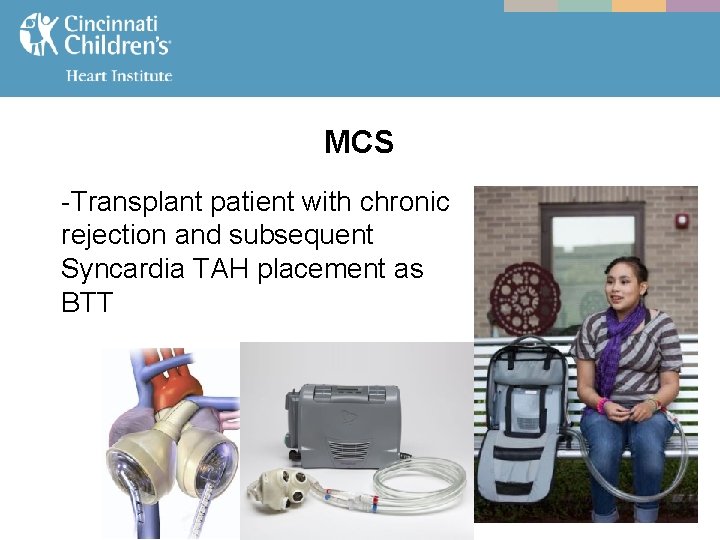
MCS - Mechanical Circulatory Support (MCS) is the use of a mechanical pump/s to support a weakened heart muscle. - Ventricular Assist Device (VAD) to assist a weakened ventricle Total Artifical Heart (TAH) to replace biventricular failing heart
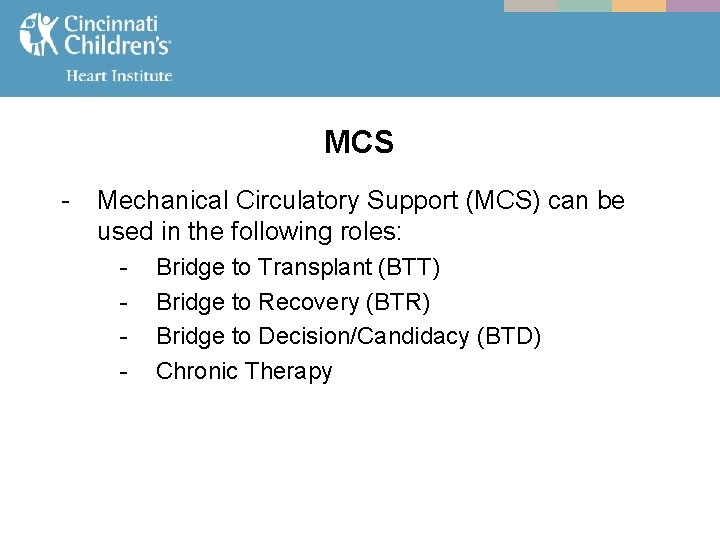
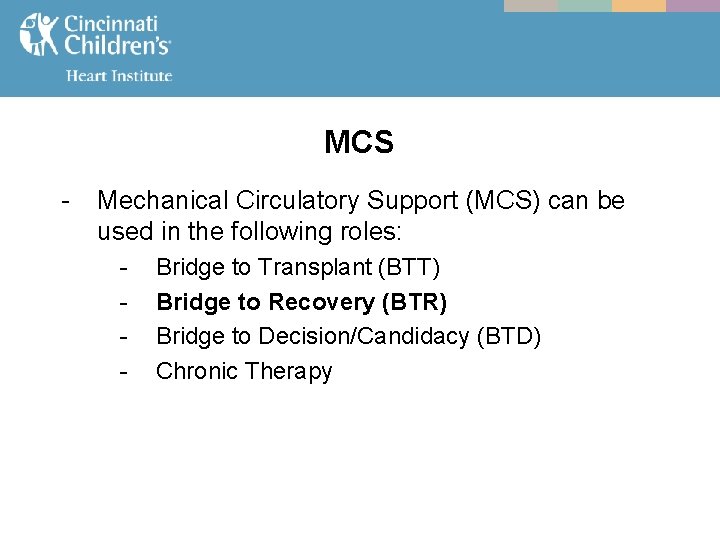
MCS - Mechanical Circulatory Support (MCS) can be used in the following roles: - Bridge to Transplant (BTT) Bridge to Recovery (BTR) Bridge to Decision/Candidacy (BTD) Chronic Therapy
MCS - Mechanical Circulatory Support (MCS) can be used in the following roles: - Bridge to Transplant (BTT) Bridge to Recovery (BTR) Bridge to Decision/Candidacy (BTD) Chronic Therapy
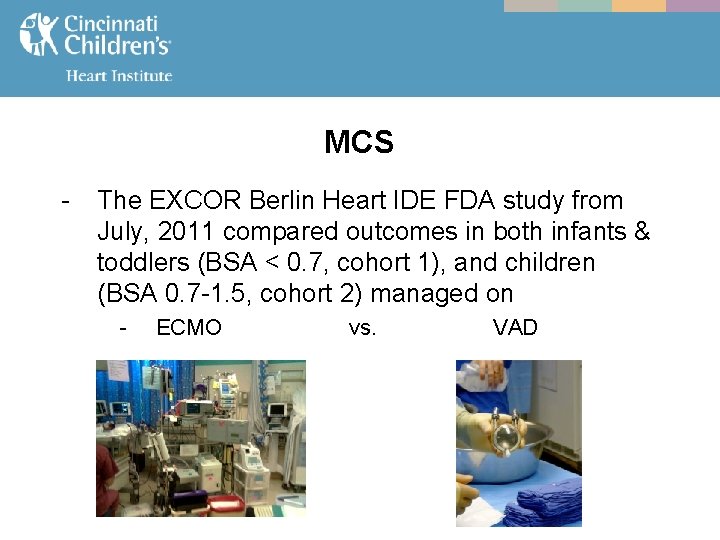
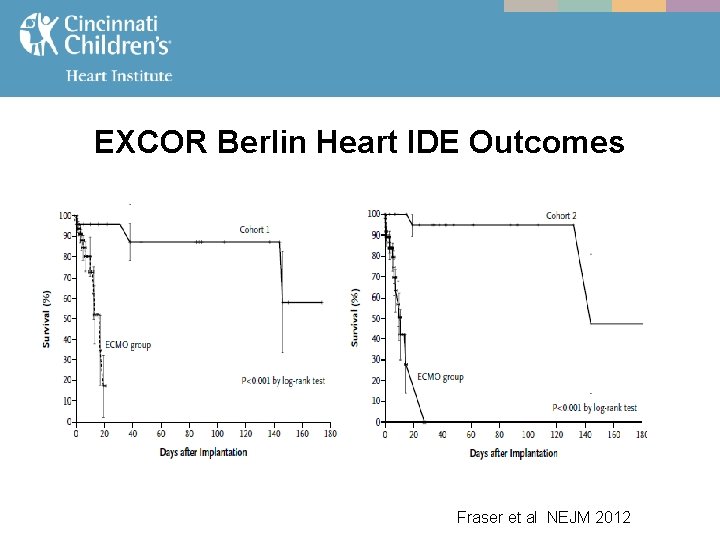
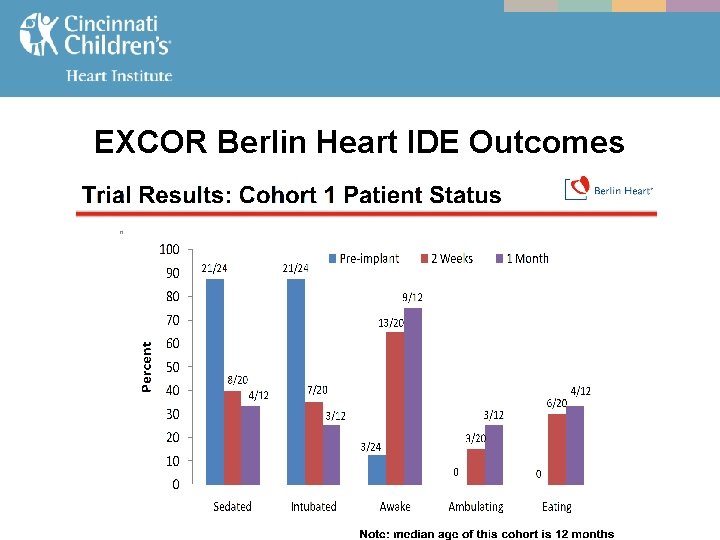
MCS - The EXCOR Berlin Heart IDE FDA study from July, 2011 compared outcomes in both infants & toddlers (BSA < 0. 7, cohort 1), and children (BSA 0. 7 -1. 5, cohort 2) managed on - ECMO vs. VAD
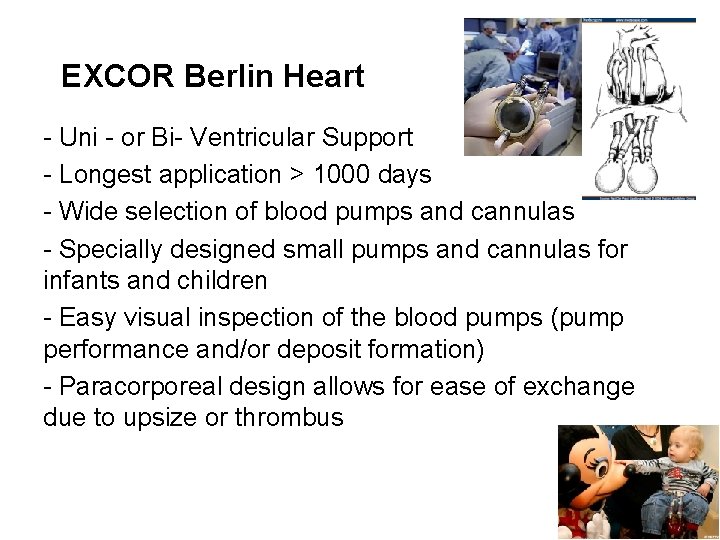
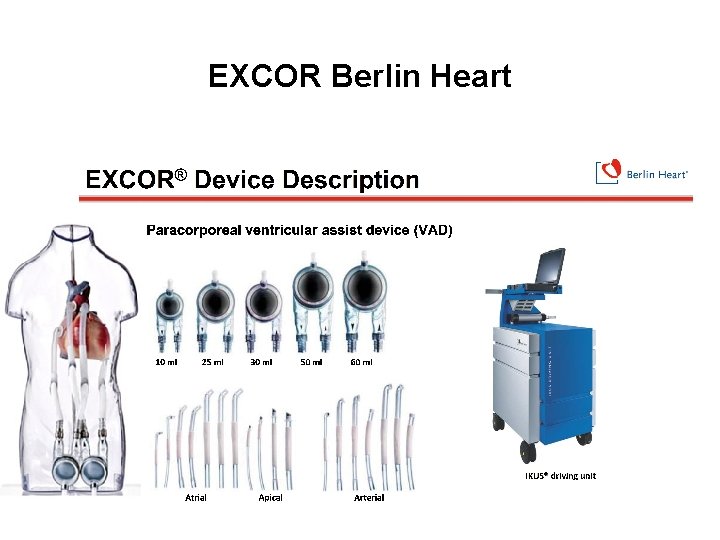
EXCOR Berlin Heart - Uni - or Bi- Ventricular Support - Longest application > 1000 days - Wide selection of blood pumps and cannulas - Specially designed small pumps and cannulas for infants and children - Easy visual inspection of the blood pumps (pump performance and/or deposit formation) - Paracorporeal design allows for ease of exchange due to upsize or thrombus
EXCOR Berlin Heart
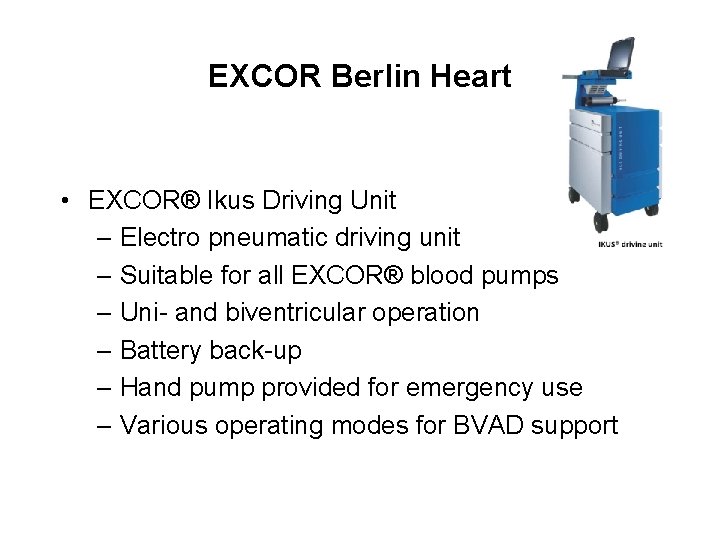
EXCOR Berlin Heart • EXCOR® Ikus Driving Unit – Electro pneumatic driving unit – Suitable for all EXCOR® blood pumps – Uni- and biventricular operation – Battery back-up – Hand pump provided for emergency use – Various operating modes for BVAD support
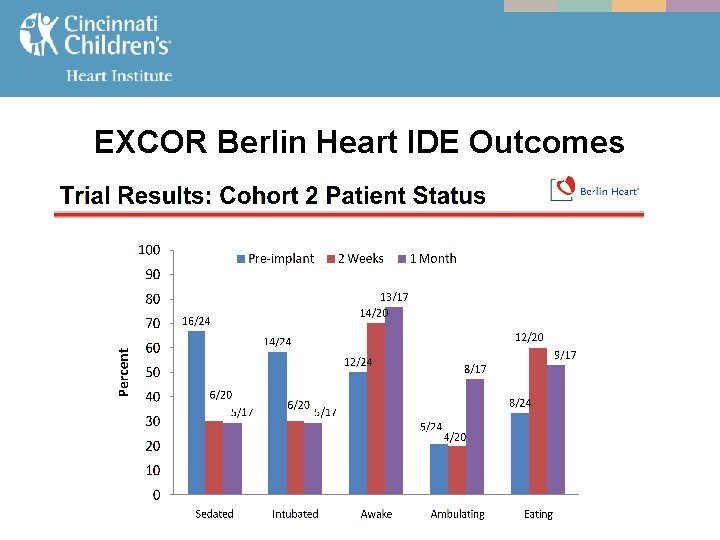
EXCOR Berlin Heart IDE Outcomes Fraser et al NEJM 2012
EXCOR Berlin Heart IDE Outcomes
EXCOR Berlin Heart IDE Outcomes
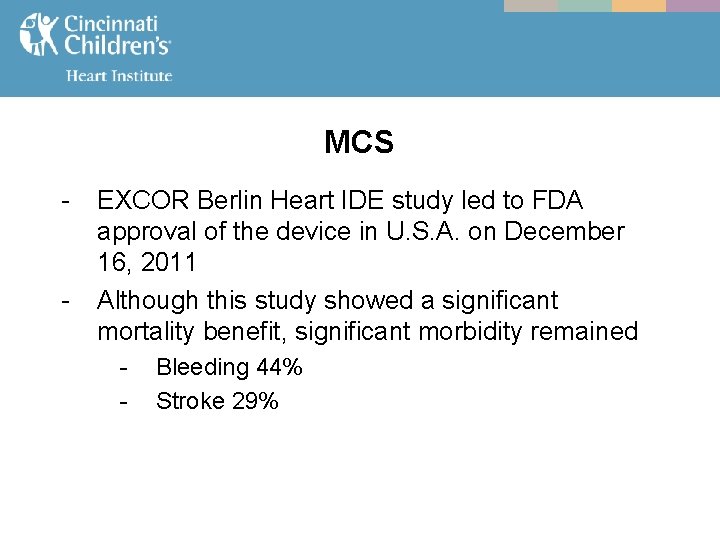
MCS - - EXCOR Berlin Heart IDE study led to FDA approval of the device in U. S. A. on December 16, 2011 Although this study showed a significant mortality benefit, significant morbidity remained - Bleeding 44% Stroke 29%
MCS - Mechanical Circulatory Support (MCS) can be used in the following roles: - Bridge to Transplant (BTT) Bridge to Recovery (BTR) Bridge to Decision/Candidacy (BTD) Chronic Therapy
MCS - Mechanical Circulatory Support (MCS) can be used in the following roles: - Bridge to Transplant (BTT) Bridge to Recovery (BTR) Bridge to Decision/Candidacy (BTD) Chronic Therapy
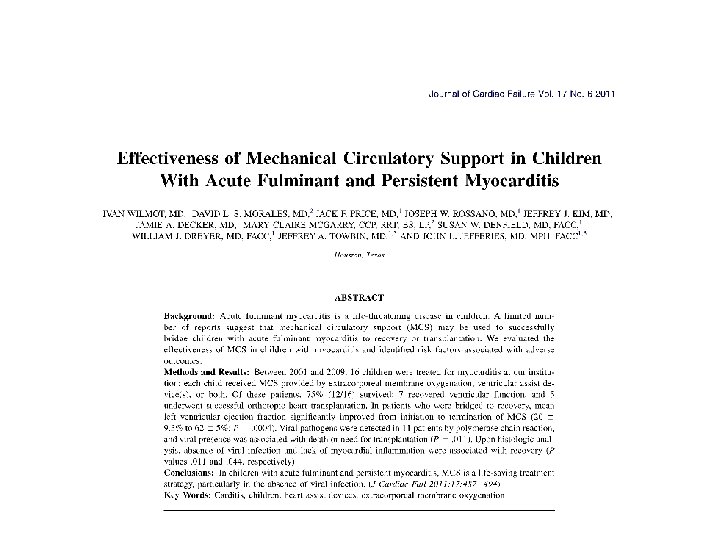
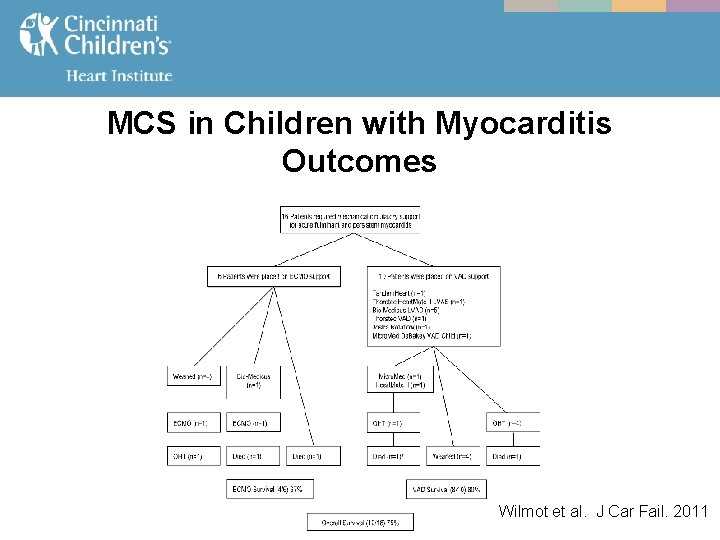
MCS - - This retrospective study evaluated MCS in the management of patients with acute fulminant myocarditis and persistent myocarditis from 1995 to 2009 at Texas Children’s Hospital, Houston, TX MCS included ECMO and/or VAD Primary outcome measures: Bridge to recovery (BTR), Bridge to transplant (BTT), or death Wilmot et al. J Car Fail. 2011
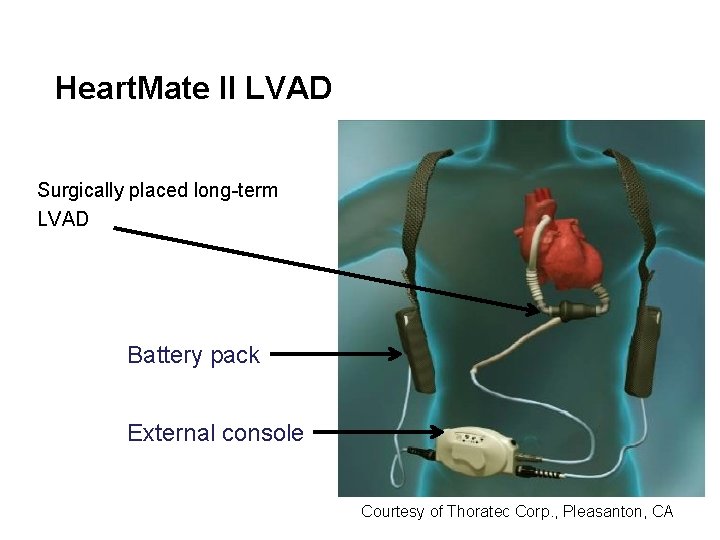
MCS – Details of MCS • Temporary mechanical circulatory support was provided using: ECMO or short-term VAD • Short-term VADs: Bio. Medicus Biopump®, Rotoflow®, Tandem Heart® • Long-term VADs: Micro. Med De. Bakey VAD Child, Thoratec VAD, Heart. Mate II LVAD Wilmot et al. J Car Fail. 2011
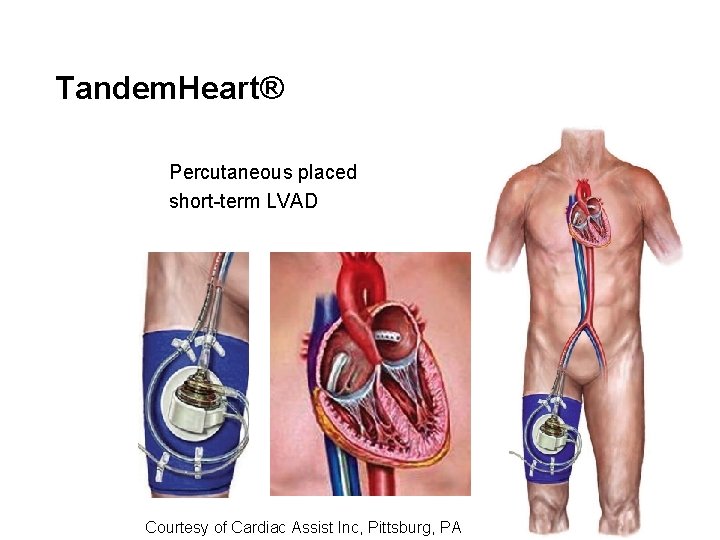
Tandem. Heart® Percutaneous placed short-term LVAD Courtesy of Cardiac Assist Inc, Pittsburg, PA
Heart. Mate II LVAD Surgically placed long-term LVAD Battery pack External console Courtesy of Thoratec Corp. , Pleasanton, CA
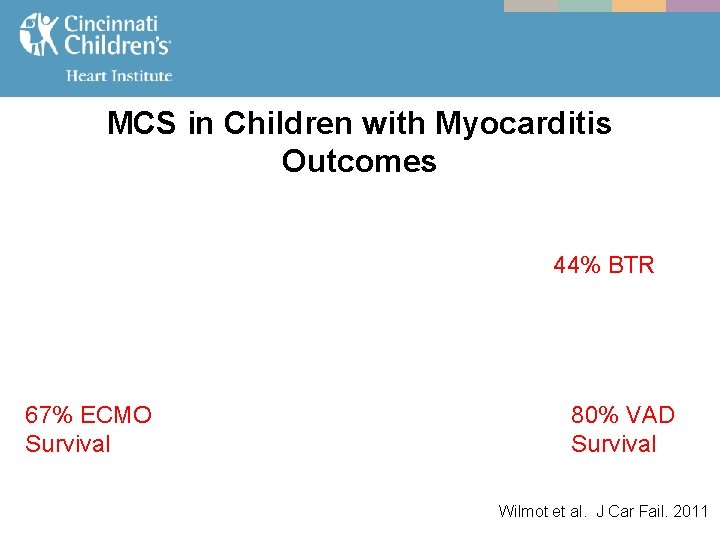
MCS in Children with Myocarditis Outcomes Wilmot et al. J Car Fail. 2011
MCS in Children with Myocarditis Outcomes 44% BTR 67% ECMO Survival 80% VAD Survival Wilmot et al. J Car Fail. 2011
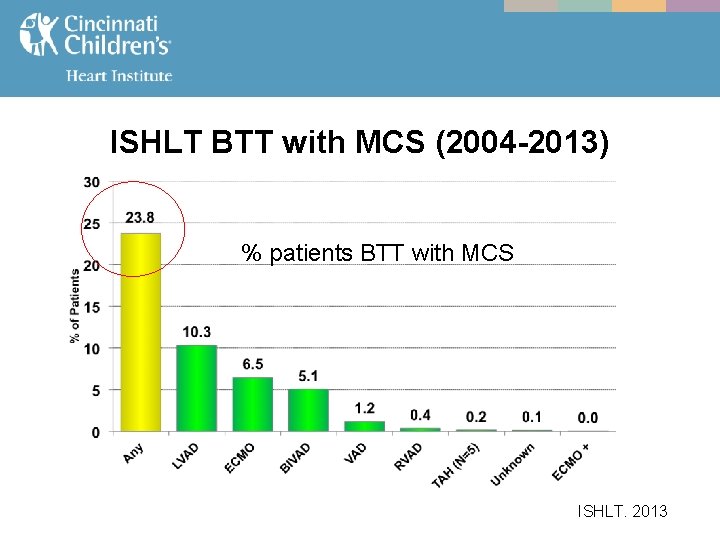
MCS - Increasing literature reports show promising VAD results in the pediatric HF population. - In the setting of limited heart transplant donors, and increasing numbers of children with HF, many centers are utilizing VAD’s as a bridge to transplant (BTT). Chen et al. Eur J Cardiothorac Surg 2005 Lorts et al. Curr Opin Organ Transplant 2015
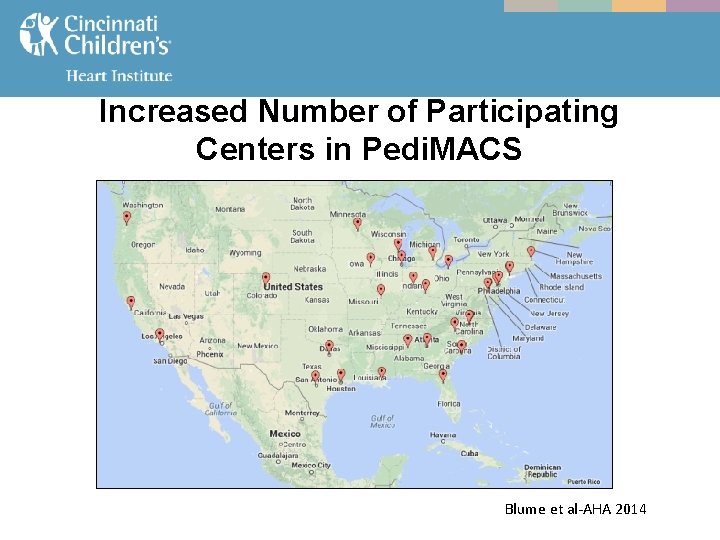
Increased Number of Participating Centers in Pedi. MACS Blume et al-AHA 2014
ISHLT BTT with MCS (2004 -2013) % patients BTT with MCS ISHLT. 2013
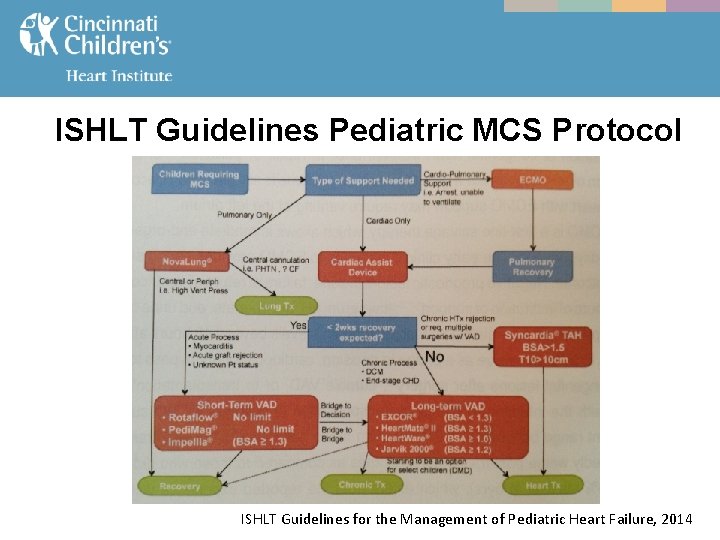
MCS - With the increased utilization of MCS in the pediatric HF population, the ISHLT recently released updated Guidelines for the Management of Pediatric HF in 2014. - These guidelines include MCS use in the pediatric HF population including indications for MCS, patient selection, timing of implant, device selection, and recommendations. ISHLT Guidelines for the Management of Pediatric Heart Failure, 2014
MCS - MCS is reserved for children with acute lifethreatening cardiovascular events or severe HF symptoms despite maximal medical therapy. - MCS should be considered if a child requires inotropic infusions to maintain cardiovascular stability and other organ systems begin to be compromised. ISHLT Guidelines for Management of Pediatric Heart Failure, 2014
ISHLT Guidelines Pediatric MCS Protocol ISHLT Guidelines for the Management of Pediatric Heart Failure, 2014
MCS - Mechanical Circulatory Support (MCS) can be used in the following roles: - Bridge to Transplant (BTT) Bridge to Recovery (BTR) Bridge to Decision/Candidacy (BTD) Chronic Therapy
MCS - Mechanical Circulatory Support (MCS) can be used in the following roles: - Bridge to Transplant (BTT) Bridge to Recovery (BTR) Bridge to Decision/Candidacy (BTD) Chronic Therapy
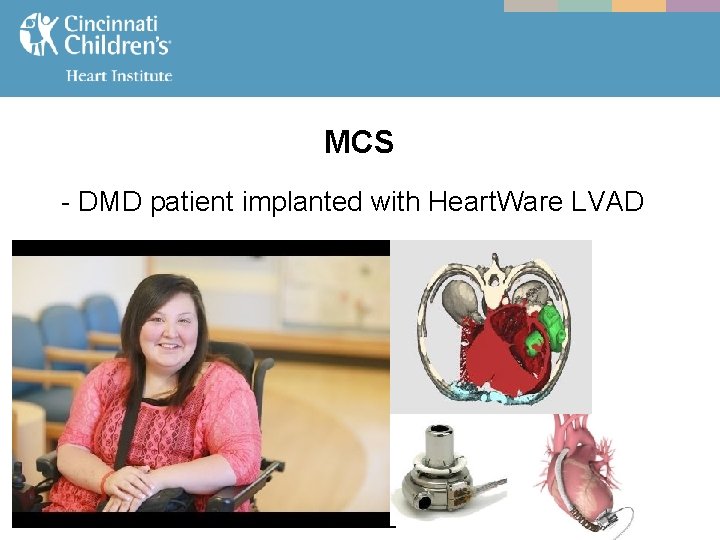
Special Pediatric MCS Considerations - An increased interest in chronic therapy for pediatric patients – Muscular dystrophy – Cancer patients post chemotherapy – Patients with contraindications to transplant (elevated pulmonary vascular resistance)
MCS - DMD patient implanted with Heart. Ware LVAD
MCS -Transplant patient with chronic rejection and subsequent Syncardia TAH placement as BTT
Conclusions - - - Although children with HF refractory to medical therapy have limited options, recent advances in MCS can provide superior outcomes when used as a bridge to transplant (BTT). The Berlin Heart EXCOR VAD provide a MCS option for both infants and children, however morbidity concerns remain. MCS can be used successfully as a bridge to transplant (BTT), bridge to recovery (BTR), and bridge to decision (BTD).
Conclusions - 2014 ISHLT Guidelines for the Management of Pediatric HF include indications for MCS, patient selection, timing of implant, device selection, and recommendations. - There is an increasing interest in MCS as a chronic therapy in pediatrics. - The future of MCS in children appears promising with increasing options available in this vulnerable population
Acknowledgements David Morales, MD Rosevelt Bryant III, MD Angela Lorts, MD Chet Villa, MD Aimee Gardner Amanda Schubert
Thank You