
Pediatric Disaster Life Support PDLS A Course in

















- Slides: 61
Pediatric Disaster © Life Support (PDLS ) A Course in Caring for Children During Disaster Continuing Medical Education University of Massachusetts Medical School
© PDLS : The Needs of Children During Disasters Introduction
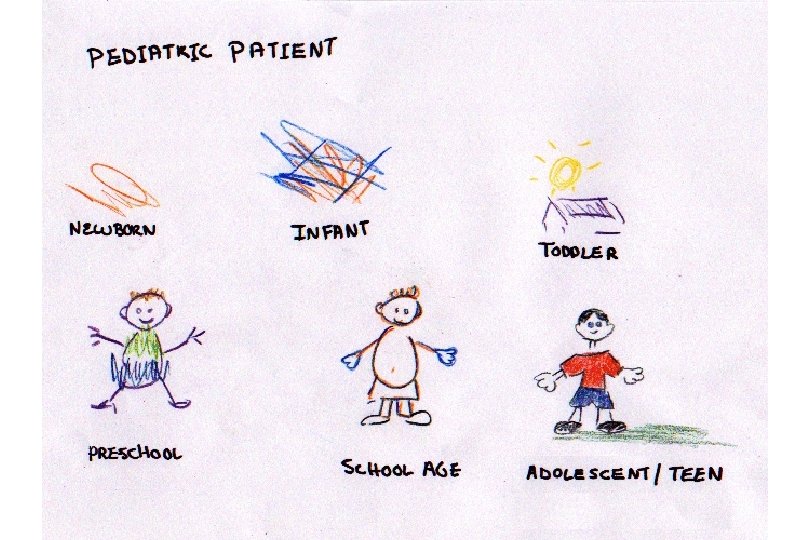
The Pediatric Patient Newborn 0 -3 mos Infant 3 -18 mos Toddler 1 -3 1/2 yrs Pre-school 3 -5 yrs School Age 6 -10 yrs Adolescent / Teen 11 -18 yrs
Definition of Disaster Any community emergency that disrupts normal community function causing concern for the safety of the citizens.
Mass Casualty Incident (MCI) A disaster that produces large numbers of injured victims. Children should be given special attention.
Level I MCI Local medical resources are available and adequate Regional backup resources may be put on alert
Level II MCI Requires multi-jurisdiction (Regional) medical mutual aid Mutual aid agreements should provide back-up plans for jurisdictions stripped of their local resources
Level III MCI Activation of the State Disaster Plan is required Requests for Federal Assistance may be necessary
Phases of a Disaster Response Activation Phase Notification and initial response Organization of command scene assessment
Phases of a Disaster Response Implementation Phase Search and rescue Victim triage, initial stabilization and transport Definitive management of scene hazards and victims
Phases of a Disaster Response Recovery Phase Scene withdrawal Return to normal operations Debriefing
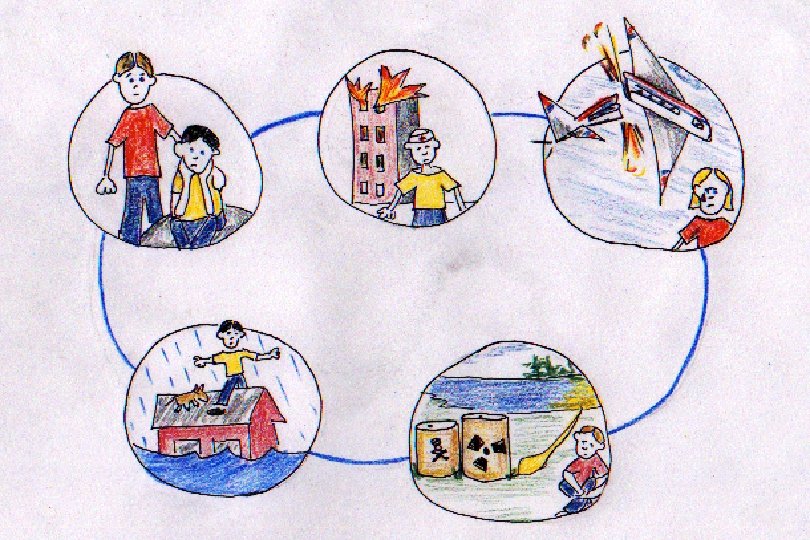
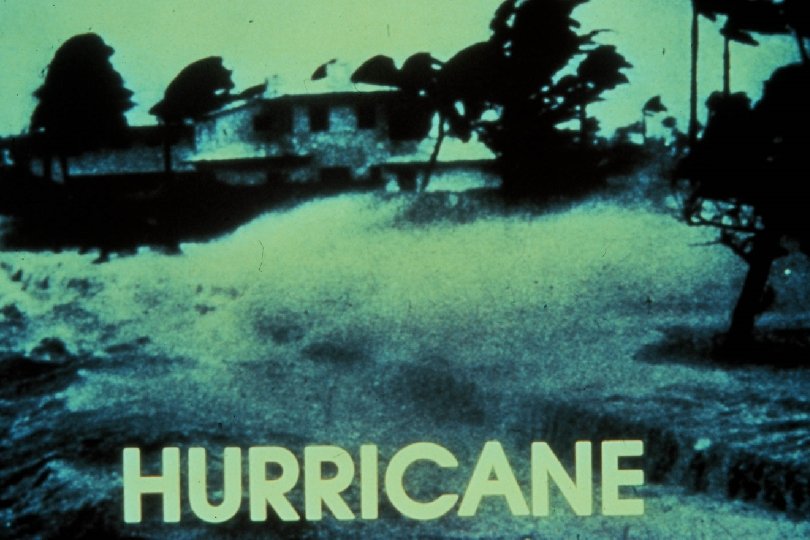
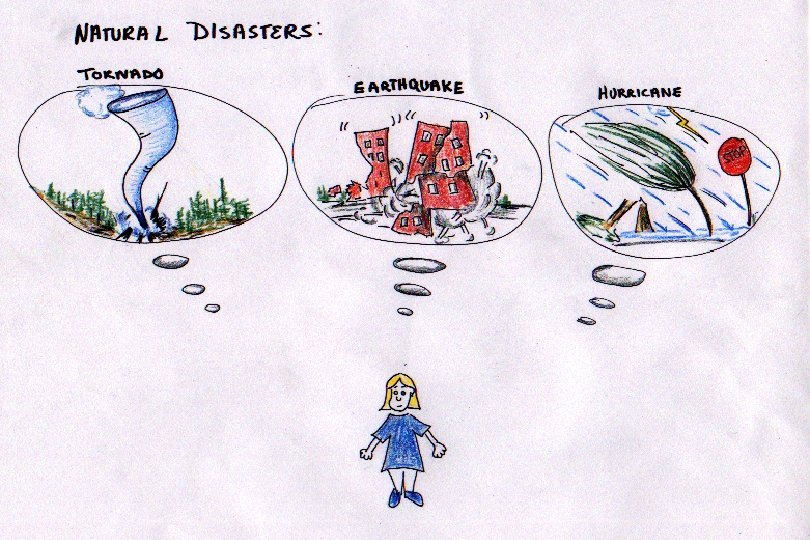
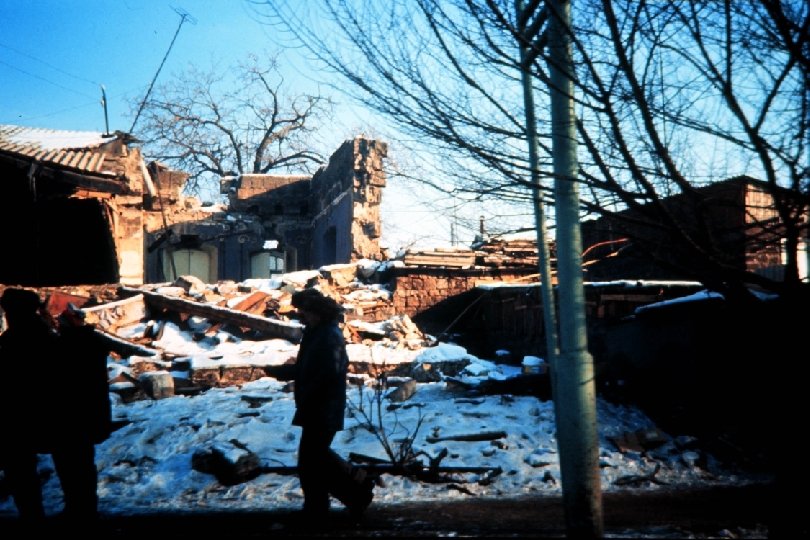
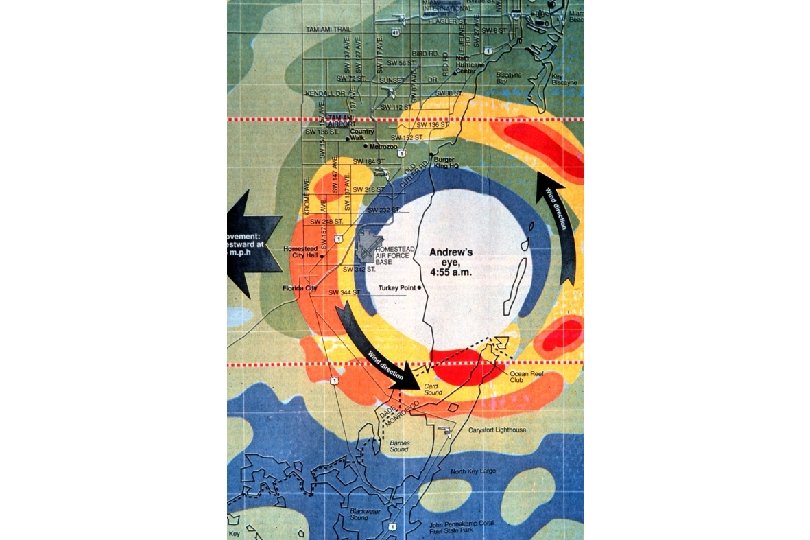
Natural Disasters (Examples) Forest fires Hurricanes Floods Tornadoes Winter storms Earthquakes
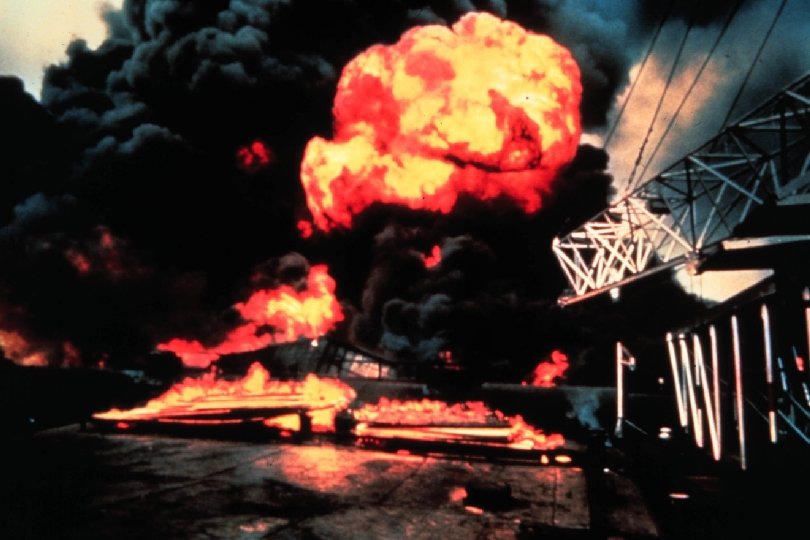
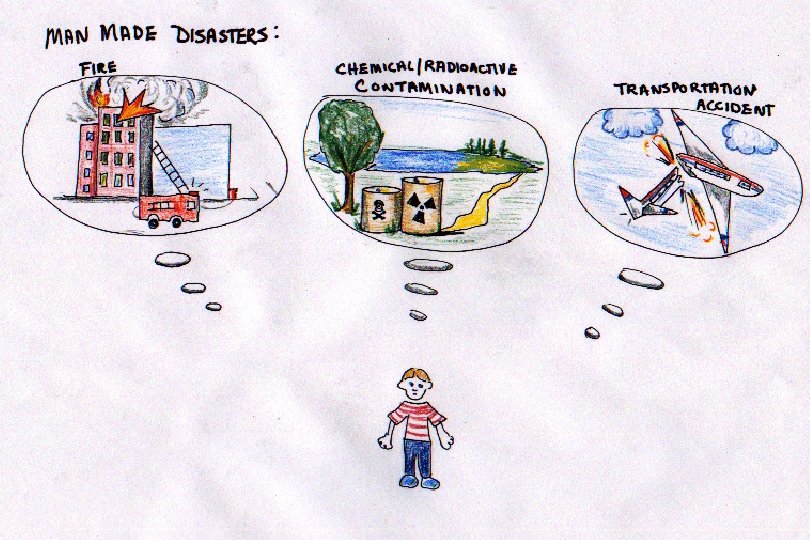
Man-Made Disasters (Examples) Building fires Explosions Chemical / radioactive contamination Transportation accidents Civil disturbances Military actions
Lessons Learned From Prior Disaster Experience
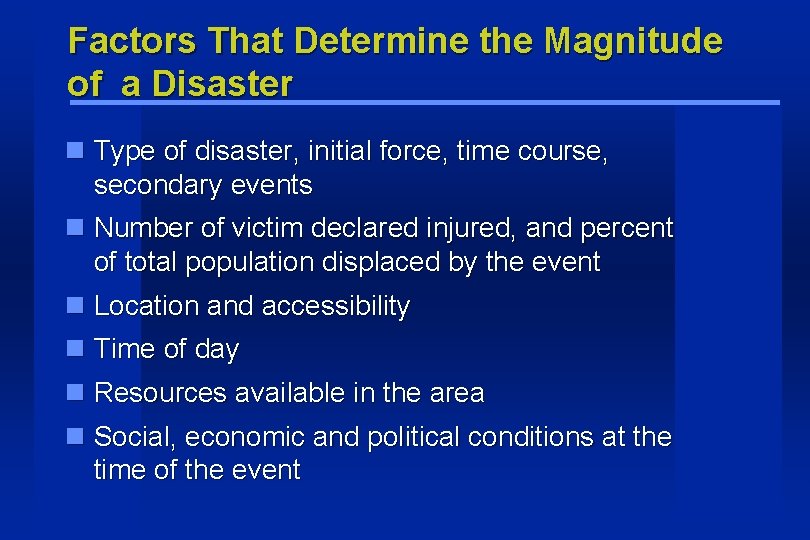
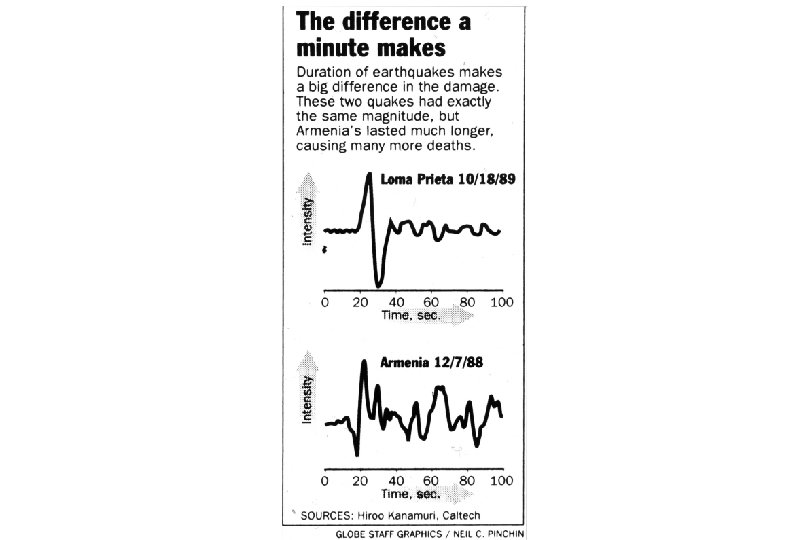
Factors That Determine the Magnitude of a Disaster Type of disaster, initial force, time course, secondary events Number of victim declared injured, and percent of total population displaced by the event Location and accessibility Time of day Resources available in the area Social, economic and political conditions at the time of the event
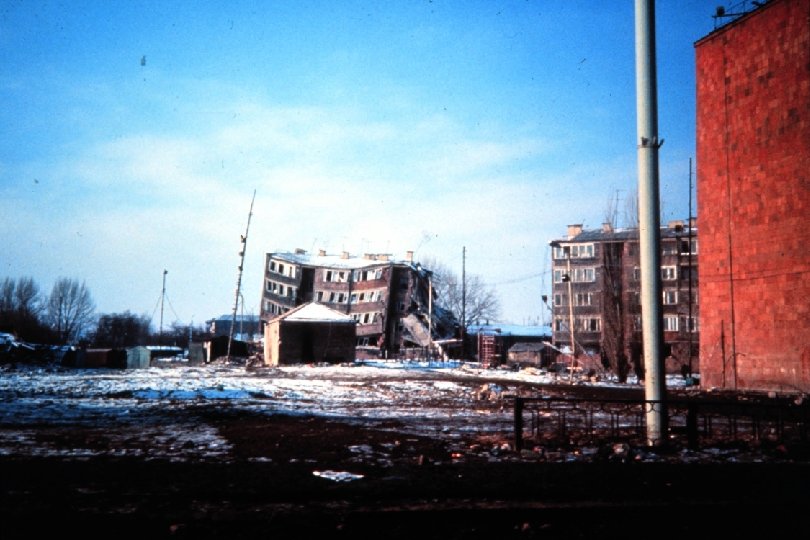
Earthquake Forces Experienced at the Surface of the Earth horizontal vertical circular fissuring
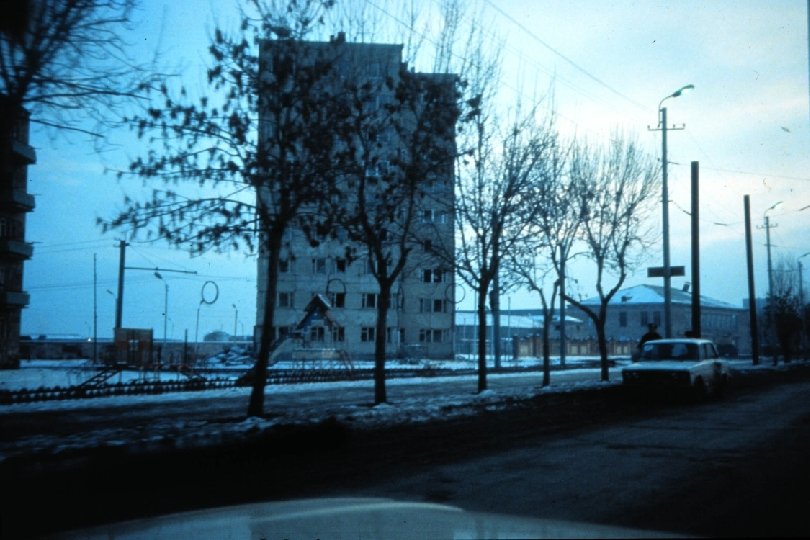
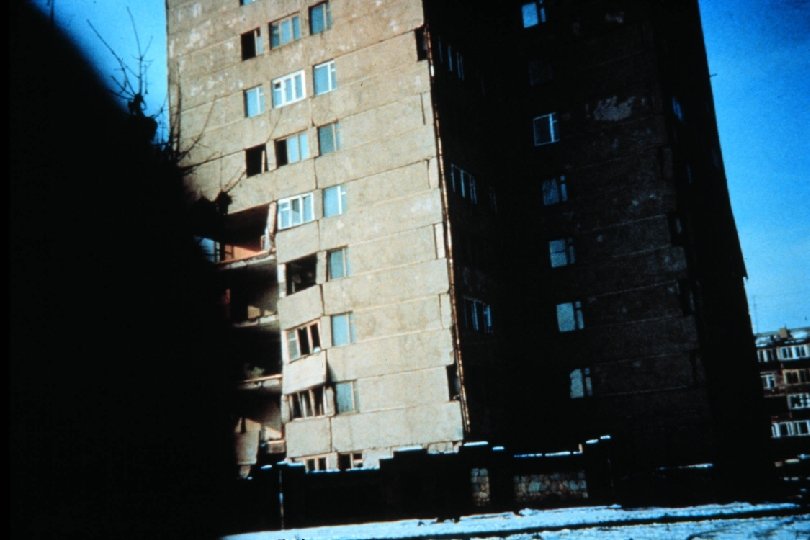
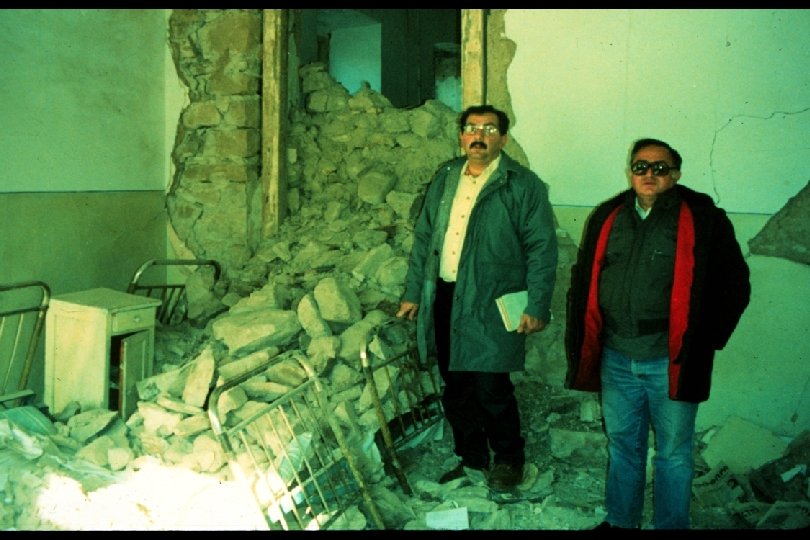
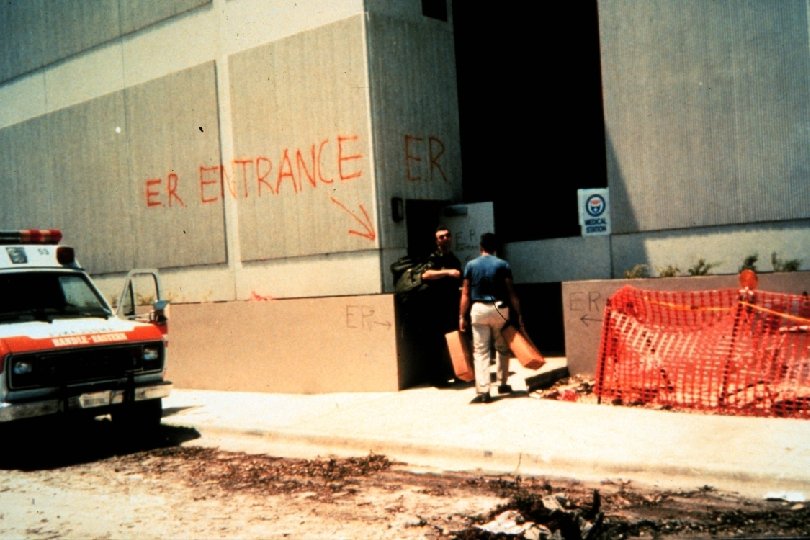
Impact of Earthquakes on Buildings Structural Damage Stresses of varying amplitude cause distortion on load carrying parts of buildings. Some parts of structures are unable to tolerate significant distortion Non-Structural Damage Furniture, fixtures, glass and unsecured equipment are thrown from their position by the impact
Consider Risks to Disaster Responders
Disaster Mitigation Prevention of disaster-related injury and illness
Vectors of Transmission of Infectious Diseases Affected by Disaster Airborne - Crowded habitation Waterborne - Contaminated water supply - Children most susceptible Foodborne - Problems with proper storage Insect and Animal borne - Decrease disease transmission control
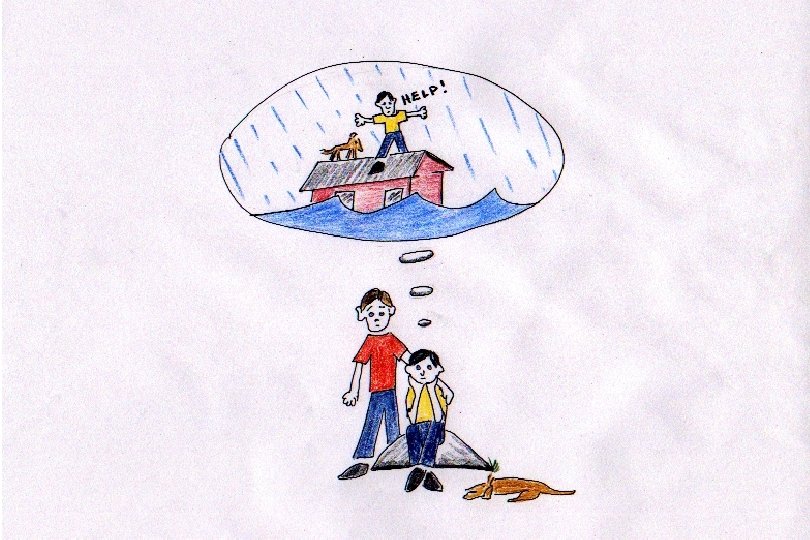
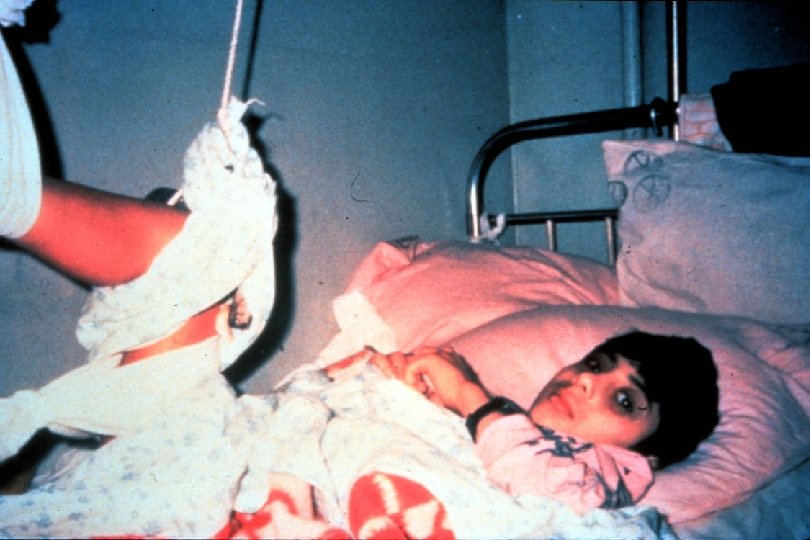
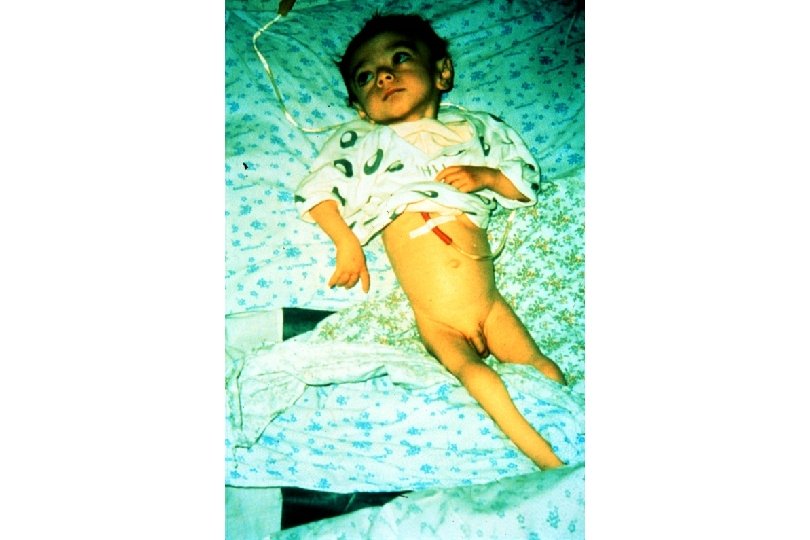
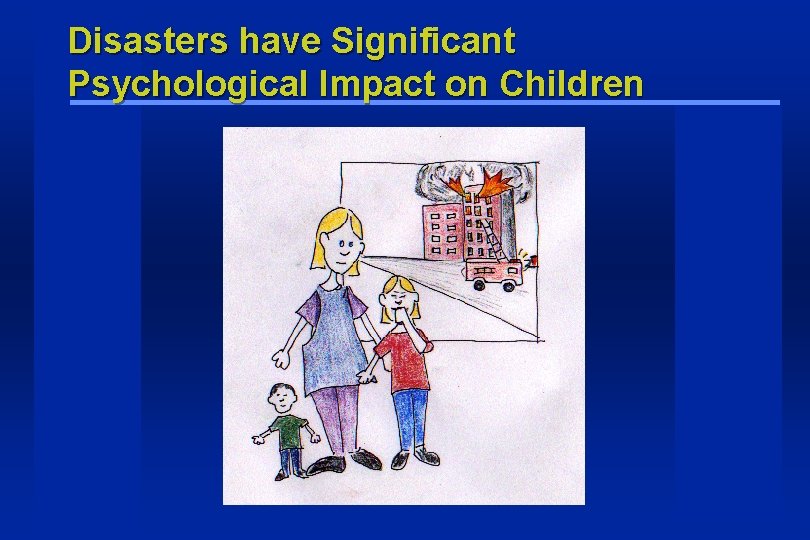
Disasters have Significant Psychological Impact on Children
Philosophy of Disaster Medicine When Children are Victims Children are more susceptible to certain injuries or environmental insults than adults Children with acute injuries or illness are more likely to respond to rapid and efficient medical care than adults Since children are not small adults they require equipment and pharmaceuticals designed for their needs
Routine Medical Practices Unaltered in a Mass Casualty Situation Attend immediately to airway, breathing and circulatory emergencies in a potentially viable patient Provide appropriate management of pain Perform systematic patient assessments Re-evaluate patients for changes in status Maintain patient dignity
Routine Medical Practices Altered in a Mass Casualty Situation Extent of resuscitation efforts Acceptable results Timeliness of surgery Indications for hospitalization Use of ancillary services Increase patient care responsibility of nurses Decision to transfer
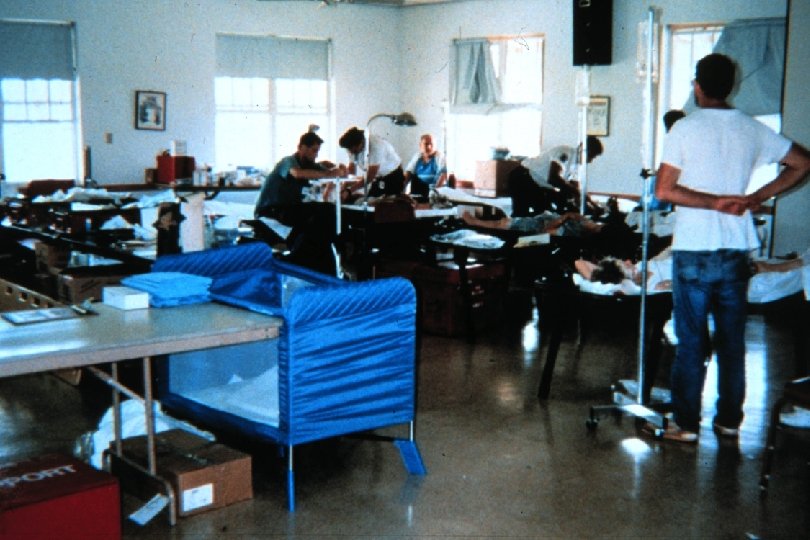
Problems Common to Major Disasters Inadequate rescue personnel and supplies for the initial few days Inadequate medical equipment, medical personnel and hospital space - particularly for children Inadequate food, clothing and shelter for victims and the displaced population - particularly for children Inadequate communications, assessment of victims’ needs and initial on-site coordination
The Convergence Phenomenon Parents / Family Members Reporters Spectators
Disaster Medical Relief Recommendations to Rescuers Bring the right stuff - include supplies for newborn infants/children Bring the right staff - Pedi experience Plan to be fairly self-sufficient Control your own supplies and avoid careless distribution Maintain accurate records, logs and photo documentation to verify your efforts
The needs of many outweigh the needs of a few Mr. Spock after Charles Dickens
Following Disaster the Needs of Children Exceed the Needs of Adults and Children Should be Given Priority