
Pediatric Cardiology Emergencies Dr Zahra Jalili Imam Ali









- Slides: 64
Pediatric Cardiology Emergencies Dr. Zahra Jalili Imam Ali cardiovascular center
Newborn Problems Cyanosis Low Cardiac Output
Newborn Problems Cyanosis Cardiac Cyanosis l Does not respond to oxygen l Does not respond to ventilation l Usually no respiratory distress
Newborn Problems Cyanosis Evaluation l Chest x-ray l Arterial blood gasses l Echocardiogram
Newborn Problems Cyanosis Right sided obstructive lesions l Pulmonary atresia l Tricuspid atresia l Tetralogy of Fallot
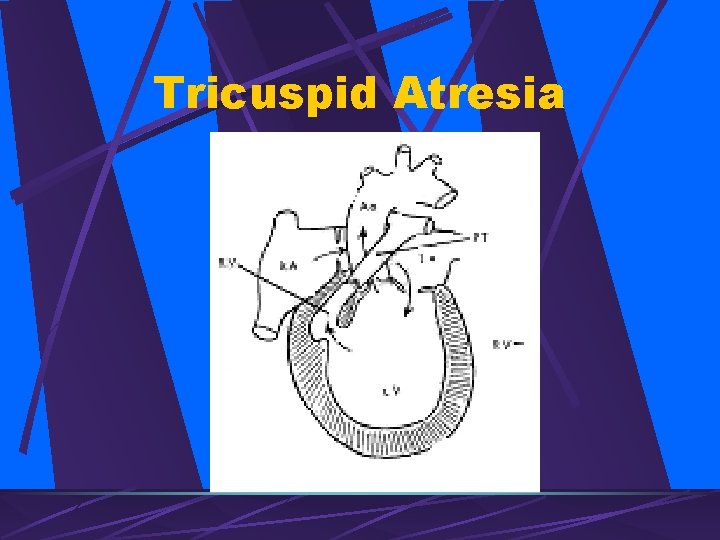
Tricuspid Atresia
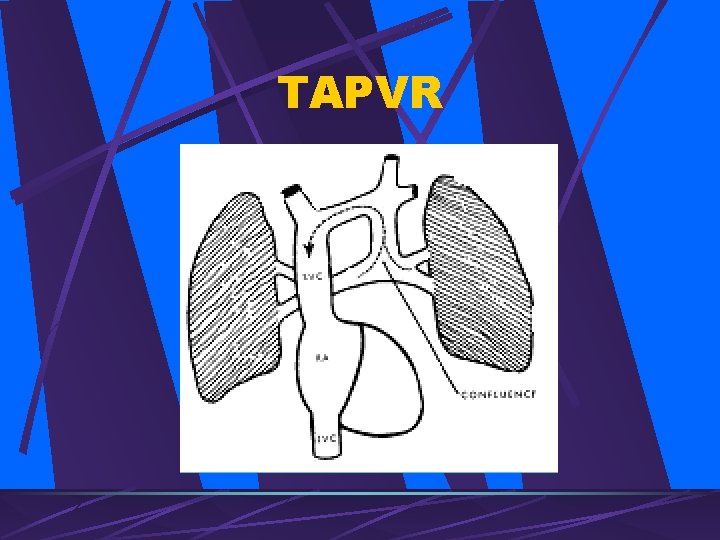
Newborn Problems Cyanosis Abnormal Circulations l Transposition of the great arteries l Total anomalous pulmonary venous return
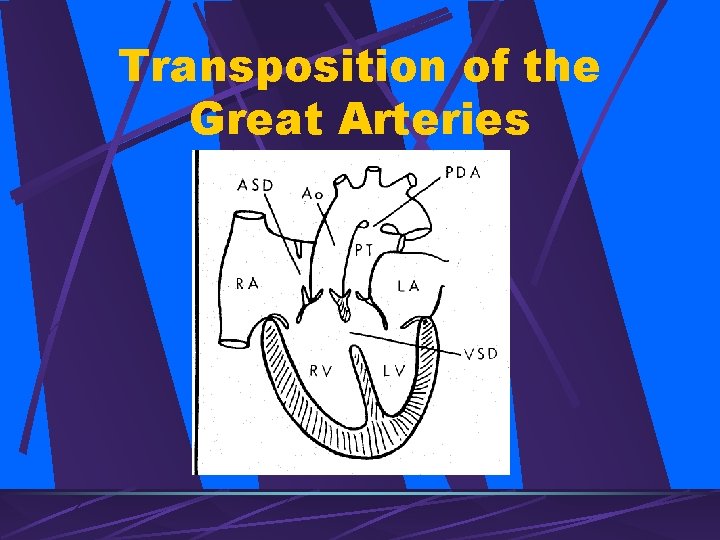
Transposition of the Great Arteries
TAPVR
Newborn Problems Cyanosis Treatment l PGE 1 l Restoration of acid/base balance l Surgical Evaluation
Newborn Problems Cyanosis PGE 1 l 0. 1 mcg/kg/min l Any intravenous site l UAC l UVC l Peripheral l Interosseous
Newborn Problems Low Cardiac Output l Shock l Metabolic acidosis l Circulatory shutdown
Newborn Problems Low Cardiac Output Evaluation l Chest x-ray l Arterial blood gasses l Echocardiogram l Electrocardiogram
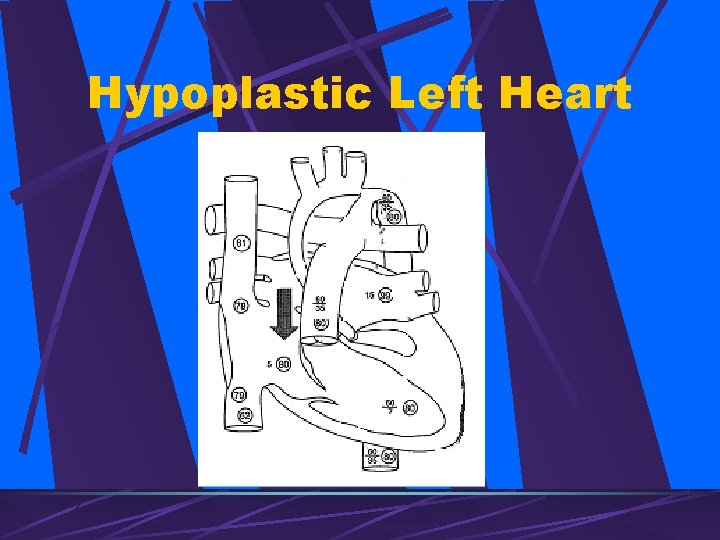
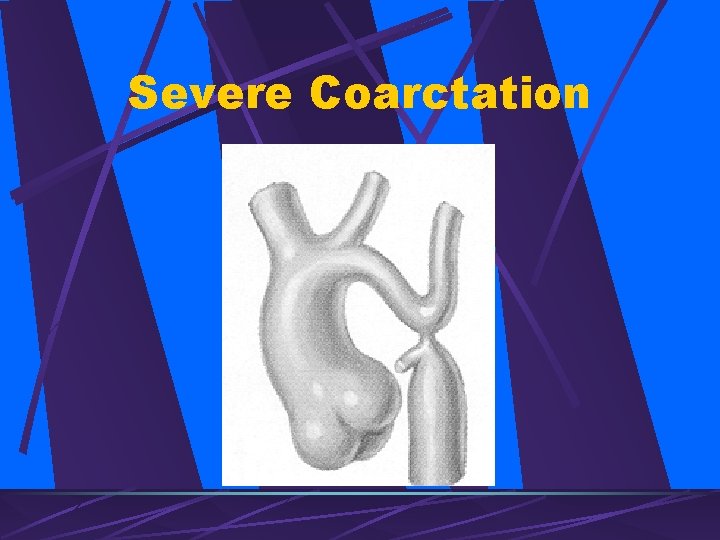
Newborn Problems Low Cardiac Output Left Sided Obstructive lesions l Hypoplastic left heart l Critical aortic stenosis l Critical coarctation of the aorta
Hypoplastic Left Heart
Severe Coarctation
Newborn Problems Low Cardiac Output Muscle diseases Myocarditis l Cardiomyopathies l Sepsis l Asphyxia l
Newborn Problems Low Cardiac Output Heart Rate Problems l Supraventricular tachycardias l Complete heart block
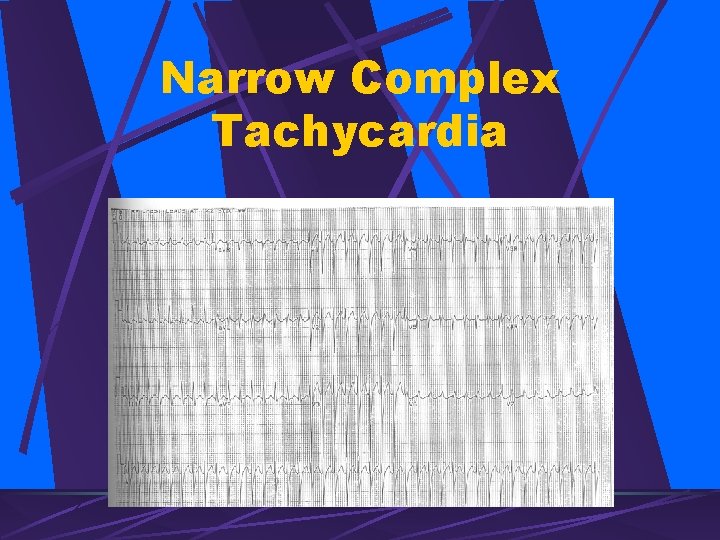
Newborn Problems Low Cardiac Output Supraventricular Tachycardia Narrow Complex l Heart Rate > 220 bpm l Usually > 240 bpm l
Narrow Complex Tachycardia
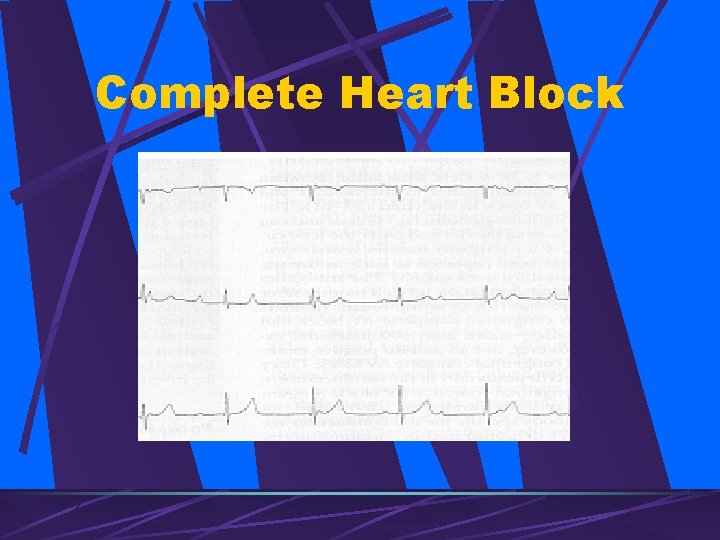
Newborn Problems Low Cardiac Output Complete Heart Block Heart rate below 60 bpm l No relationship between P waves and QRS’s l
Complete Heart Block
Newborn Problems Treatment Left heart obstructive lesions l Muscle diseases l Heart rate problems l PGE 1 l Inotropic support and afterload reduction l Slow down or speed up l
Infant and Childhood Problems Hypercyanotic spells Congestive heart failure Arrhythmias
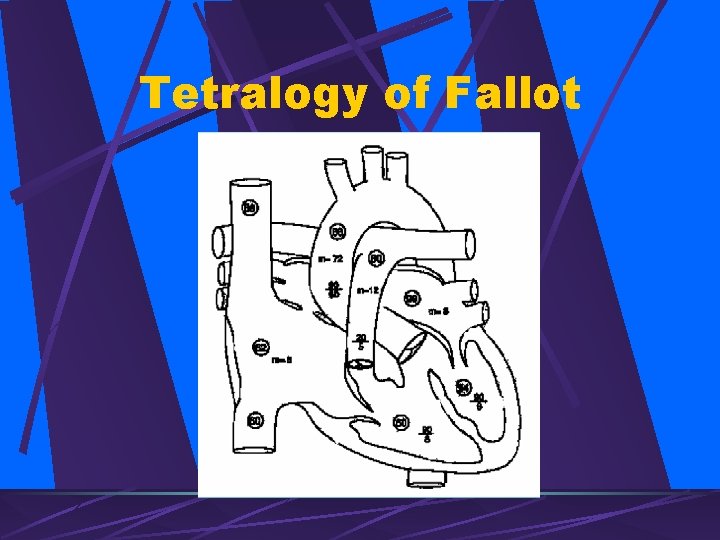
Infant and Childhood Problems Hypercyanotic Spells Tetralogy of Fallot l Pulmonary Atresia l
Tetralogy of Fallot
Infant and Childhood Problems Hypercyanotic Spells Sudden decrease in pulmonary blood flow, usually in the morning l Provocation l
Hypercyanotic Spells Treatment l Calming l Oxygen l Morphine l Beta Blocker l Phenylepherine
Hypercyanotic Spells Phenylepherine l Increase systemic vascular resistance which leads to less R - > L shunting and improved saturation
Hypercyanotic Spells Long Term Treatment with Propranolol l Indication for surgery, either palliative shunt or total repair
Congestive Heart Failure Differing etiology at different ages
Congestive Heart Failure Presentation in Infancy l Structural Diseases: Left Heart Obstructions l First days: Hypoplastic Left Heart Syndrome l Critical aortic stenosis First month: Coarctation of the aorta l First 2 months: Left-to-right Shunts l l VSD, PDA, Truncus Arteriosus
Congestive Heart Failure Presentation after infancy Progression of structural heart disease l Arrhythmias l Infectious diseases l Later onset myopathies l Toxins: l Anthracyclines l Diphtheria l
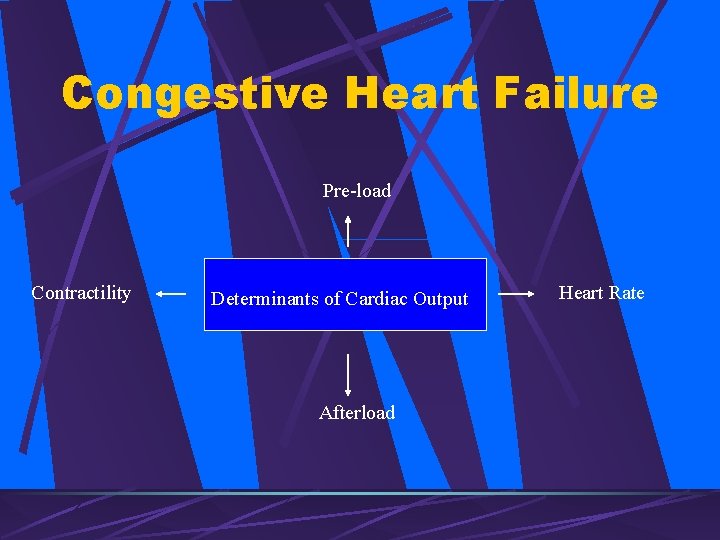
Congestive Heart Failure Pre-load Contractility Determinants of Cardiac Output Afterload Heart Rate
Congestive Heart Failure Preload reduction Diuretics l Fluid Restriction l High caloric density l
Congestive Heart Failure Afterload reduction ACE inhibitors l Nitroprusside l
Congestive Heart Failure Heart Rate modification l Beta Blockers l Also treats diastolic dysfunction
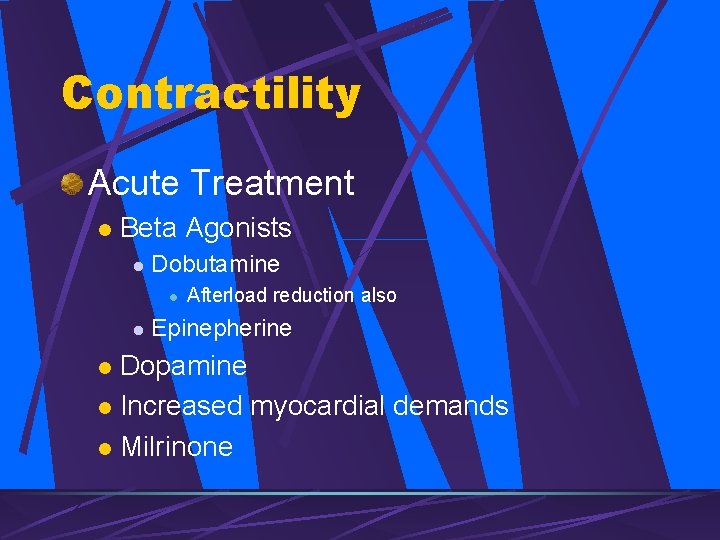
Contractility Acute Treatment l Beta Agonists l Dobutamine l l Afterload reduction also Epinepherine Dopamine l Increased myocardial demands l Milrinone l
Contractility Milrinone increases contractility and reduces afterload without increasing myocardial oxygen demand
Contractility Chronic Treatment Digoxin l New Treatments l
Arrhythmias Narrow Complex Tachycardias
Arrhythmias Supraventricular Tachycardia
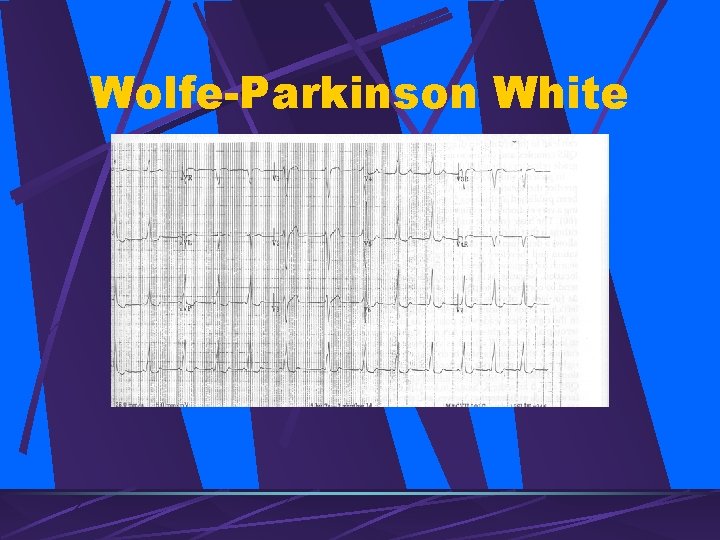
Arrhythmias Re-entrant Tachycardias AV node re-entry l Wolfe-Parkinson-White l
Wolfe-Parkinson White
Arrhythmias Treatment l Pre-hospitalization l Diving reflex l Ice Bag to the face Valsalva l Carotid Massage l
Arrhythmias Hospitalization l Adenosine l Diagnostic and therapeutic
Arrhythmias Adenosine 100 mcg/kg IV rapid push l Repeat every 5 minutes with increasing doses l
Arrhythmias Shock requires Shock Synchronized cardioversion l 1 joule/kg l
Arrhythmias If adenosine fails: l Calcium Channel blockers l Not in infants!
Arrhythmias Digoxin Loading Procainamide loading Repeat adenosine
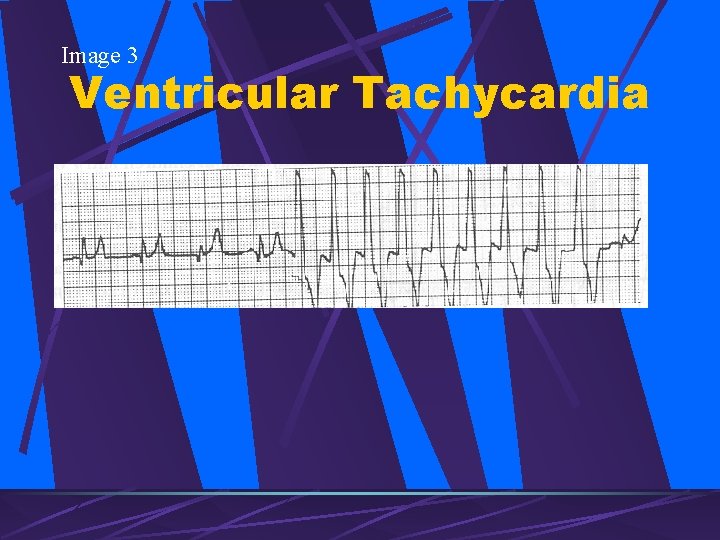
Image 3 Ventricular Tachycardia
Wide Complex Tachycardias Treat all as if Ventricular Tachycardia
Wide Complex Tachycardias Unstable rhythm requires Cardioversion 2 joules/kg
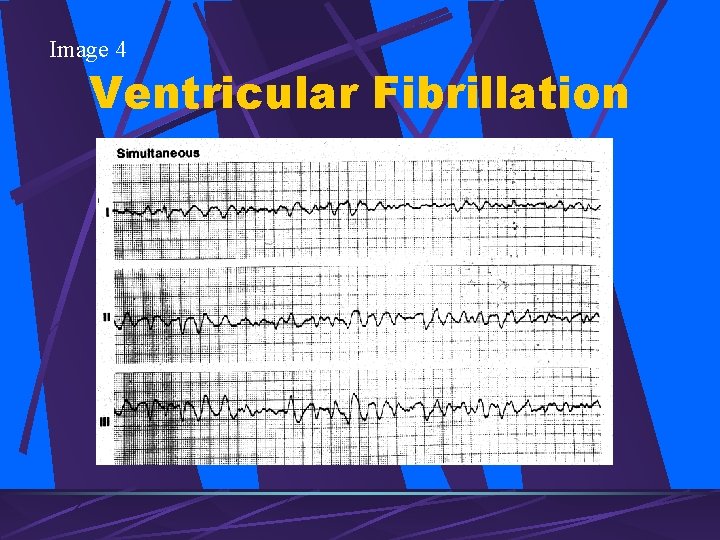
Image 4 Ventricular Fibrillation
Wide Complex Tachycardias Medical therapy Lidocaine l Amiodarone l
Wide Complex Tachycardias Surgical Therapy l Automatic Implantable Cardioverter. Defibrillator