
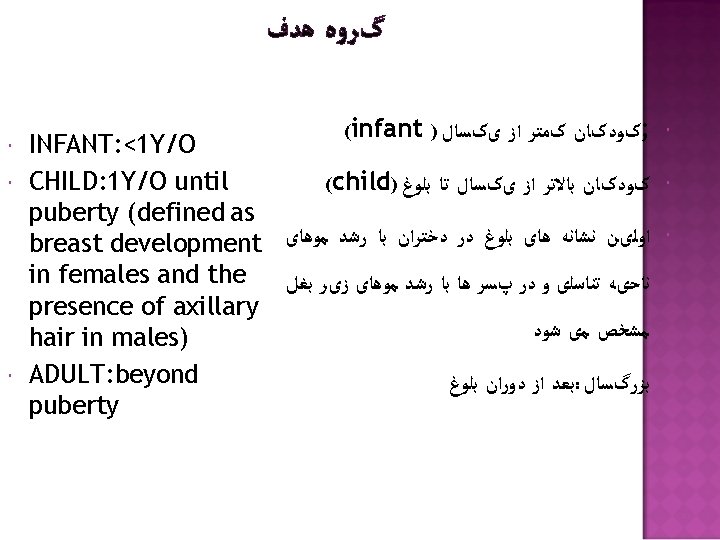
PEDIATRIC BASIC LIFE SUPPORT 2010 American Heart Association
ﺍﺣیﺎﺀ پﺎیﻪ کﻮﺩکﺎﻥ PEDIATRIC BASIC LIFE SUPPORT © 2010 American Heart Association http: //www. circulationaha. org
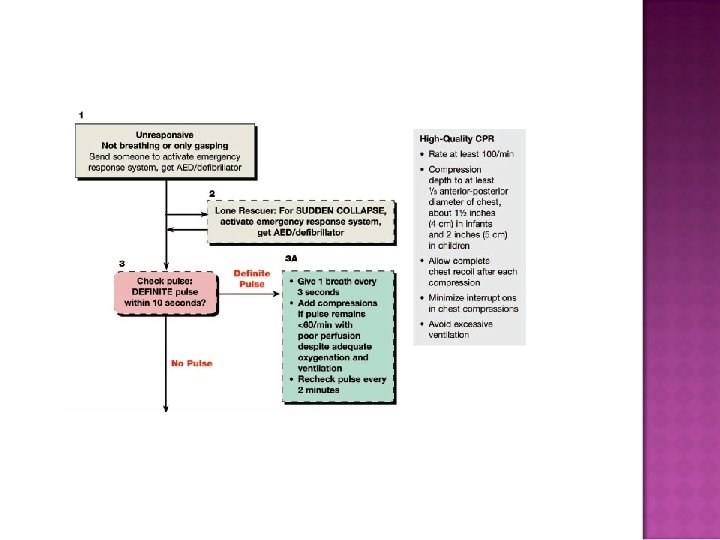
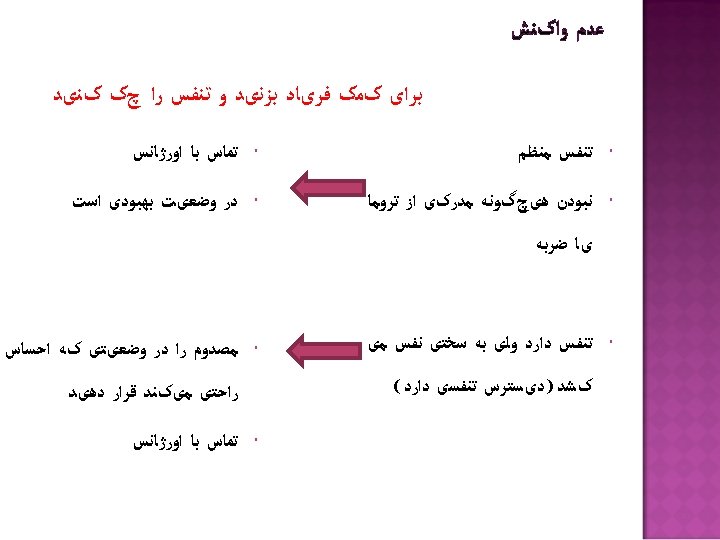
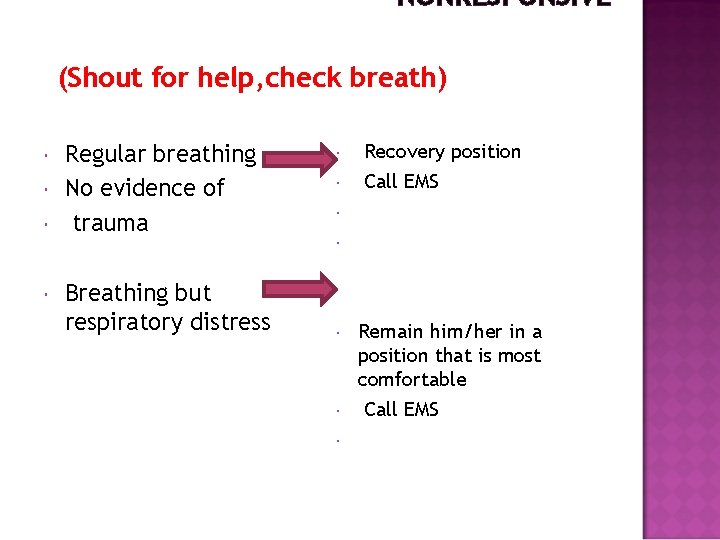
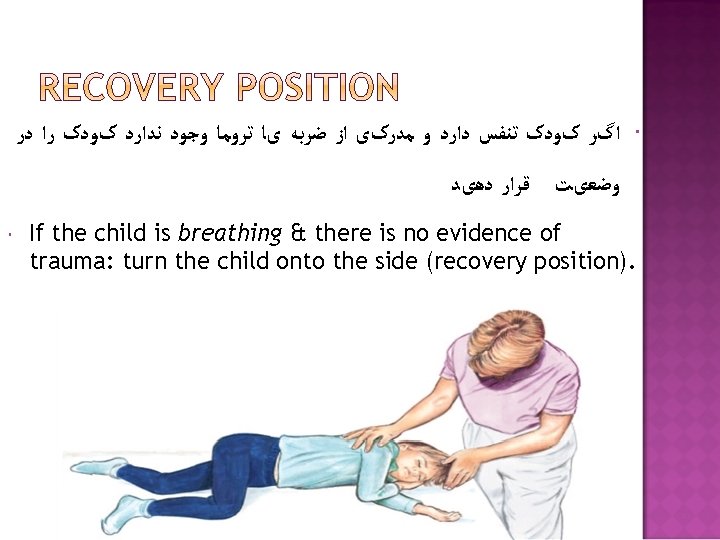
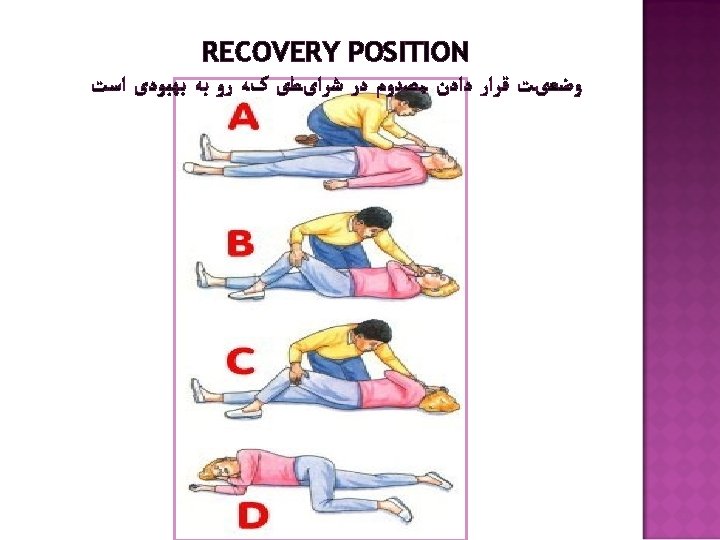
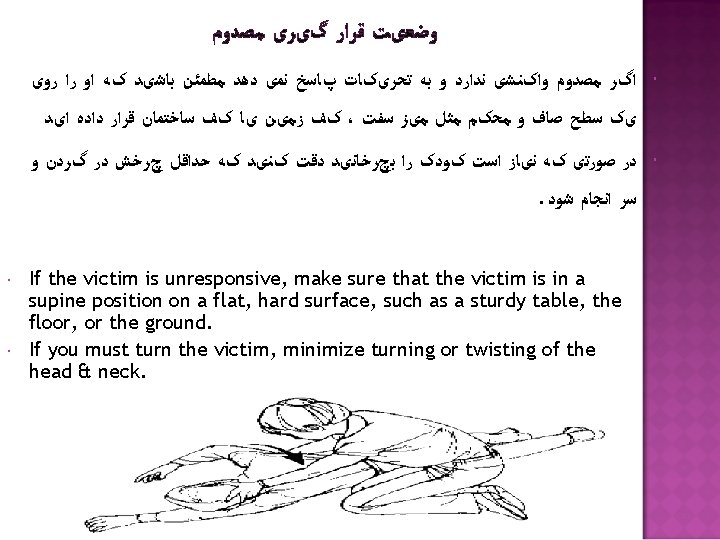
NONRESPONSIVE (Shout for help, check breath) Regular breathing No evidence of trauma Breathing but respiratory distress Recovery position Call EMS Remain him/her in a position that is most comfortable Call EMS
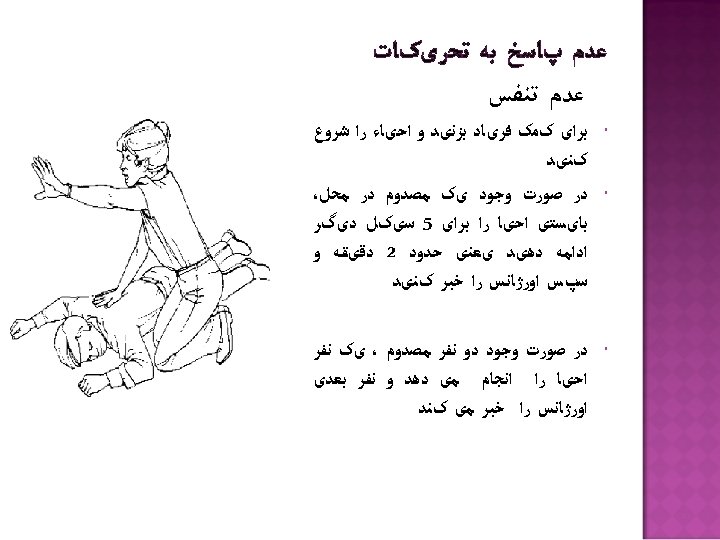
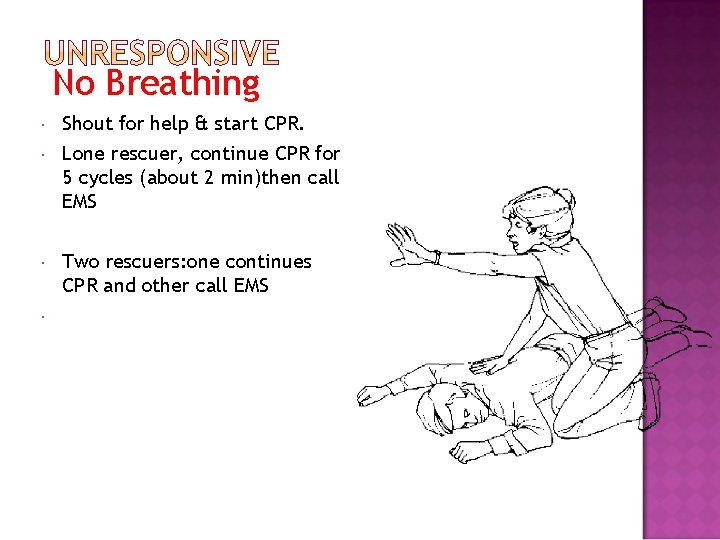
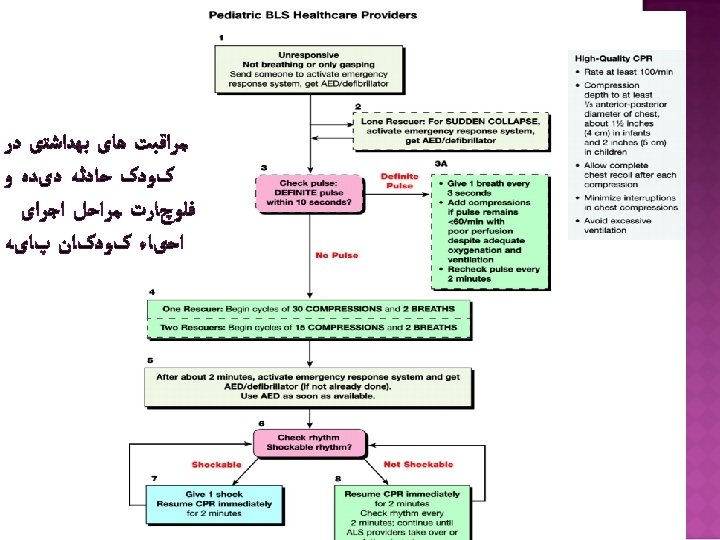
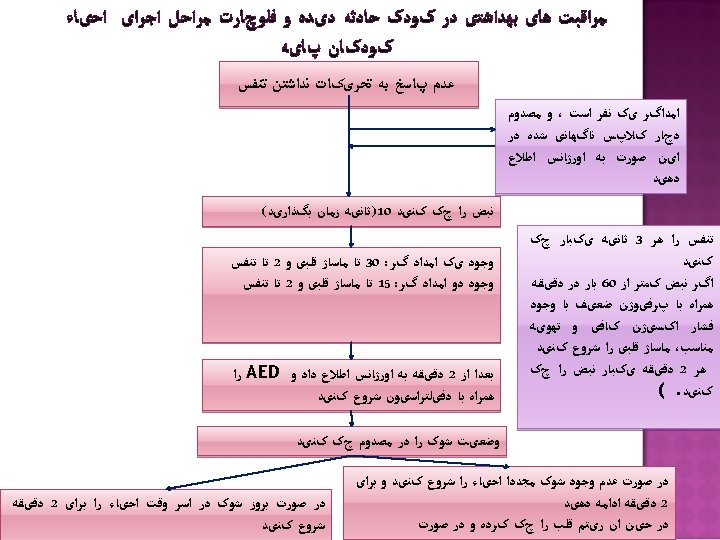
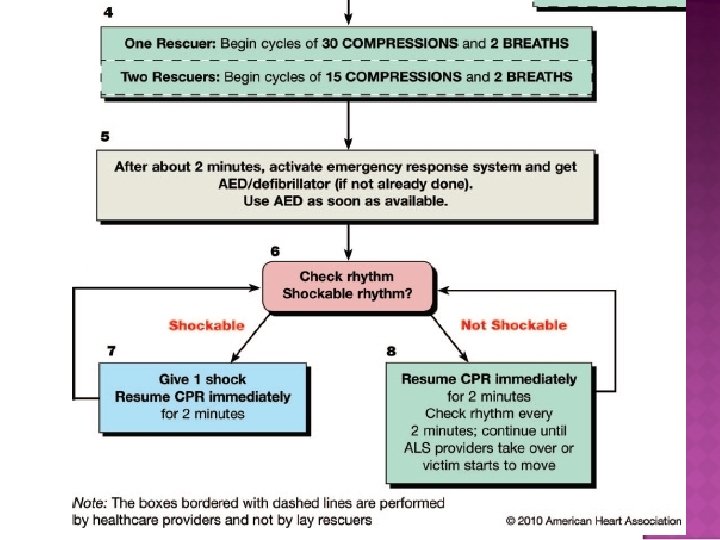
No Breathing Shout for help & start CPR. Lone rescuer, continue CPR for 5 cycles (about 2 min)then call EMS Two rescuers: one continues CPR and other call EMS
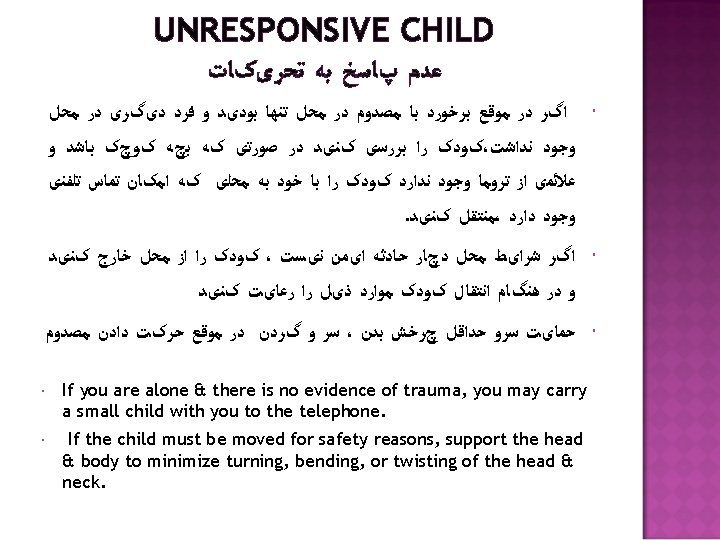
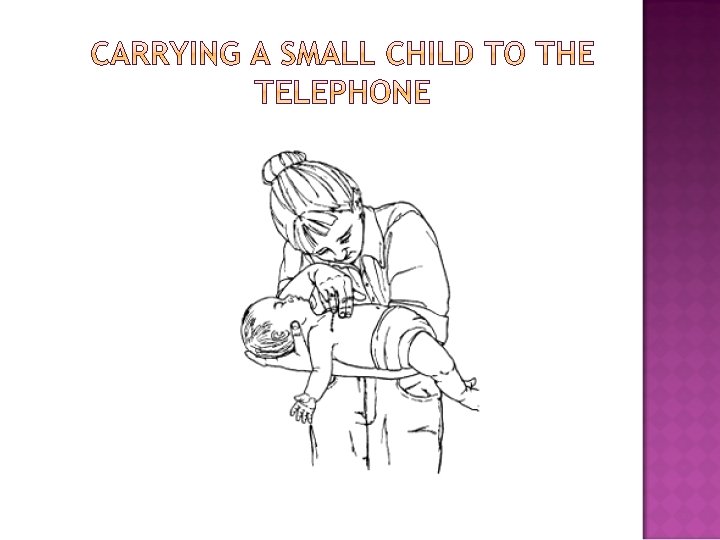
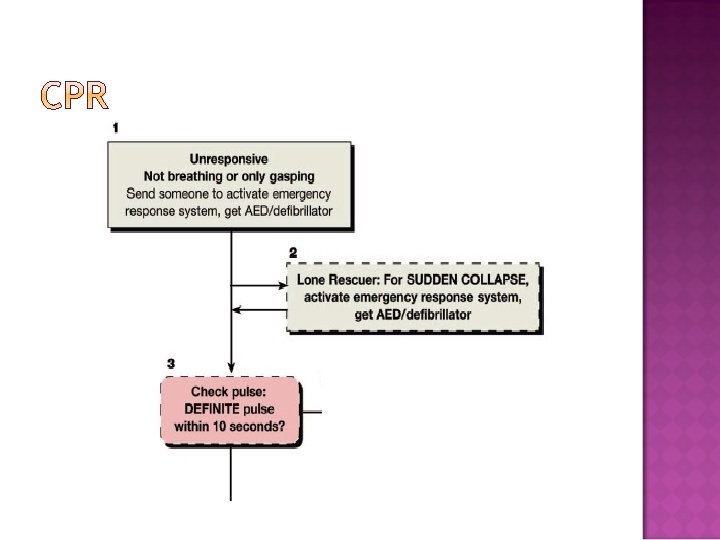
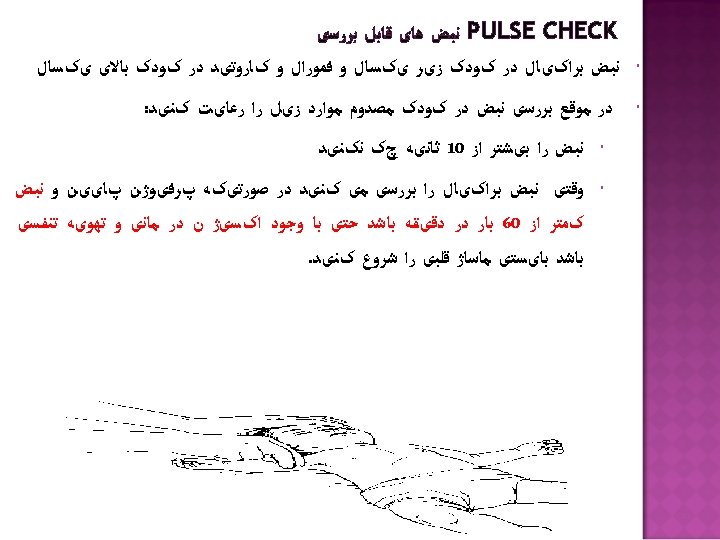
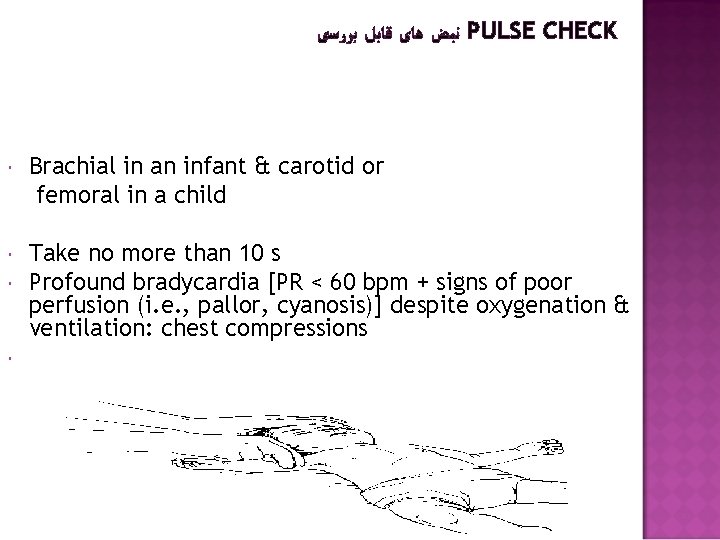
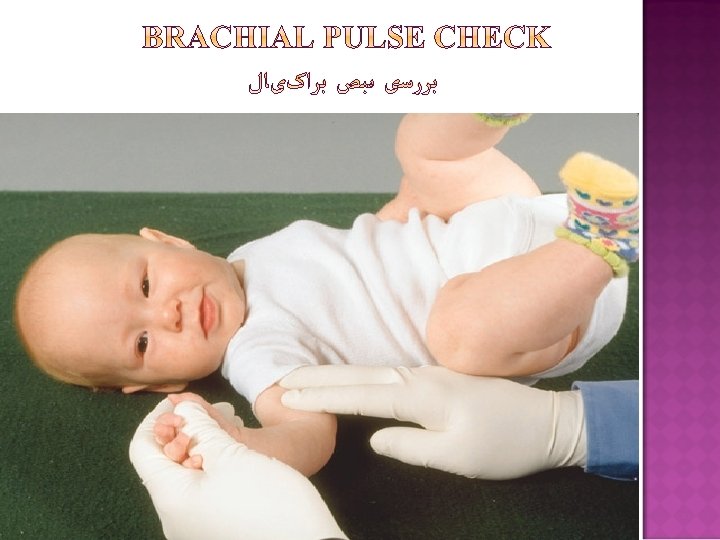
ﻧﺒﺾ ﻫﺎی ﻗﺎﺑﻞ ﺑﺮﺭﺳی PULSE CHECK Brachial in an infant & carotid or femoral in a child Take no more than 10 s Profound bradycardia [PR < 60 bpm + signs of poor perfusion (i. e. , pallor, cyanosis)] despite oxygenation & ventilation: chest compressions
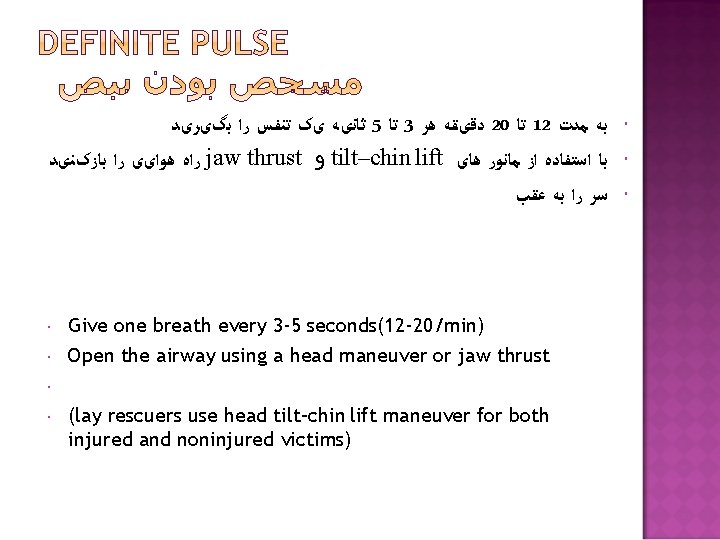
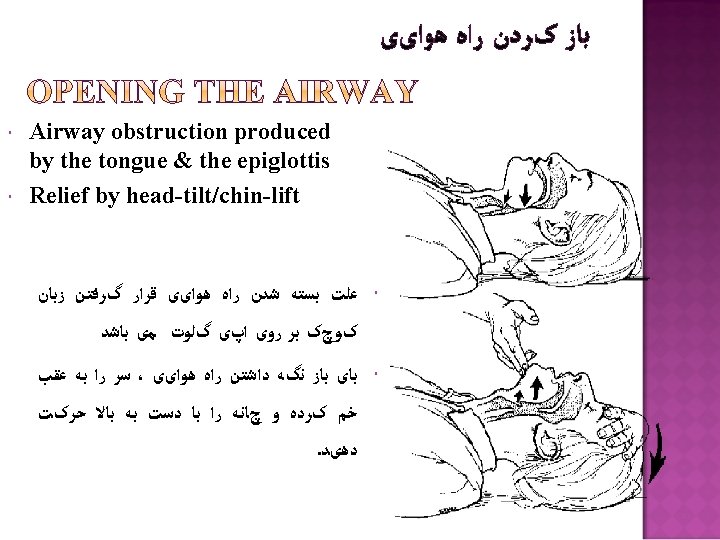
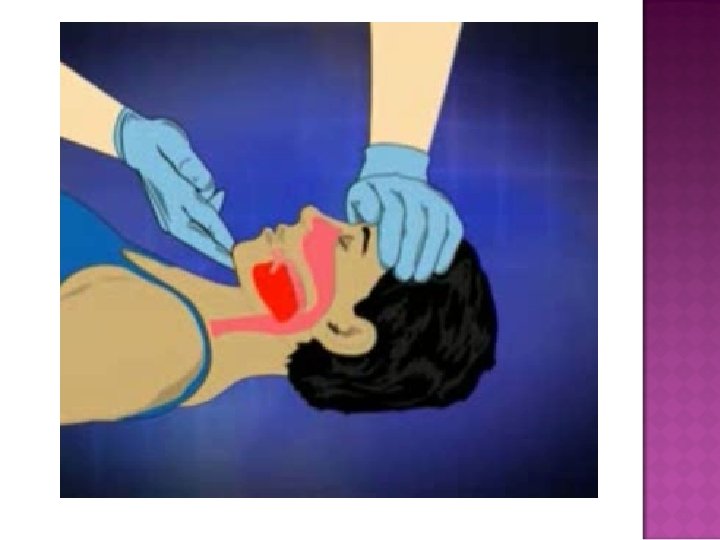
ﺛﺎﻧیﻪ یک ﺗﻨﻔﺲ ﺭﺍ ﺑگیﺮیﺪ 5 ﺗﺎ 3 ﺩﻗیﻘﻪ ﻫﺮ 20 ﺗﺎ 12 ﺑﻪ ﻣﺪﺕ ﺭﺍﻩ ﻫﻮﺍیی ﺭﺍ ﺑﺎﺯکﻨیﺪ jaw thrust ﻭ tilt–chin lift ﺑﺎ ﺍﺳﺘﻔﺎﺩﻩ ﺍﺯ ﻣﺎﻧﻮﺭ ﻫﺎی ﺳﺮ ﺭﺍ ﺑﻪ ﻋﻘﺐ Give one breath every 3 -5 seconds(12 -20/min) Open the airway using a head maneuver or jaw thrust (lay rescuers use head tilt–chin lift maneuver for both injured and noninjured victims)
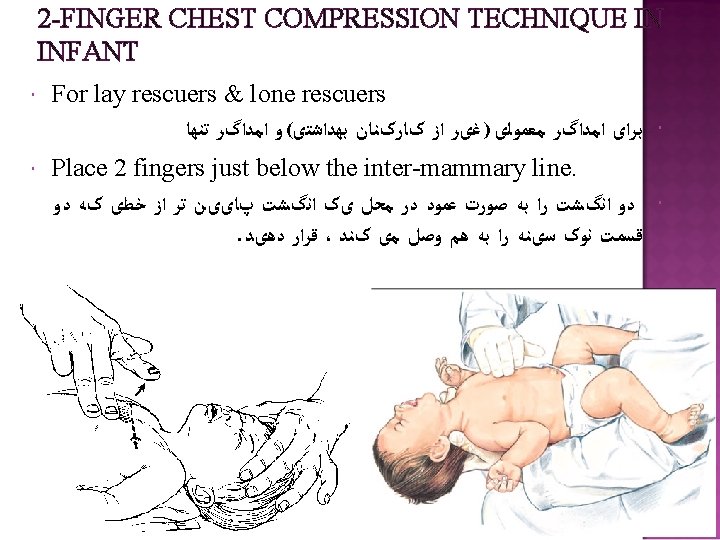
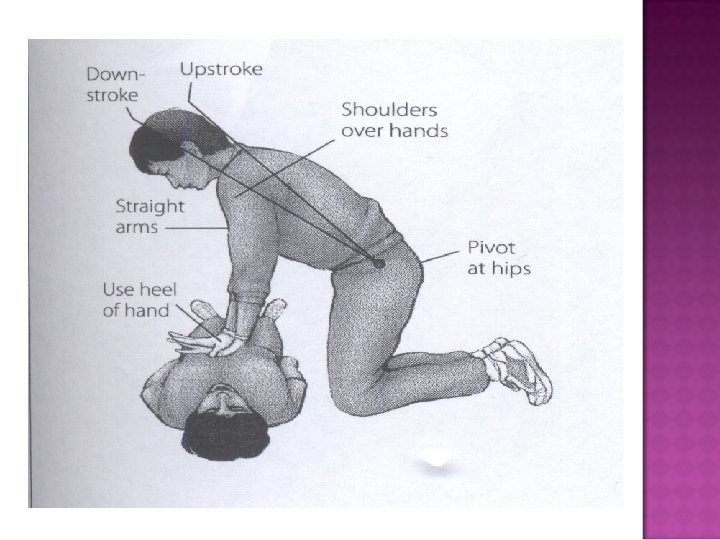
“Push hard”: to depress the chest approximately 1/3 the anteriorposterior diameter of the chest Compress 4 cm in infant & 5 cm in >1 yr “Push fast”: at a rate of approximately 100 compressions/min. Release completely to allow the chest to fully recoil. Minimize interruptions in chest compressions.
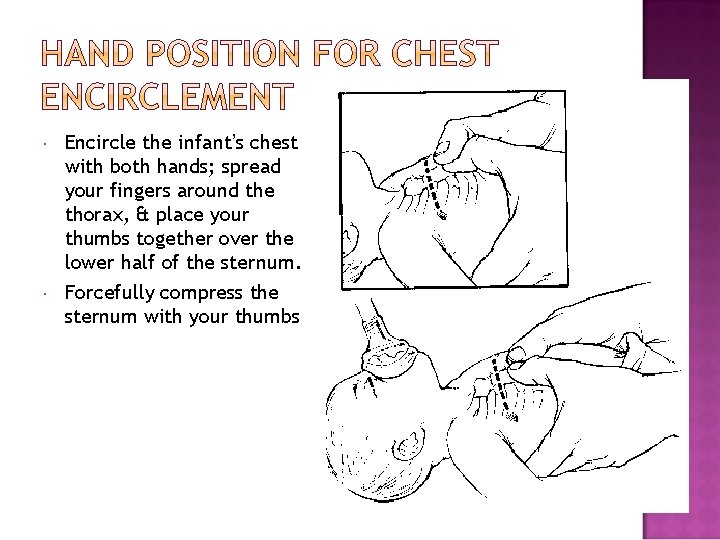
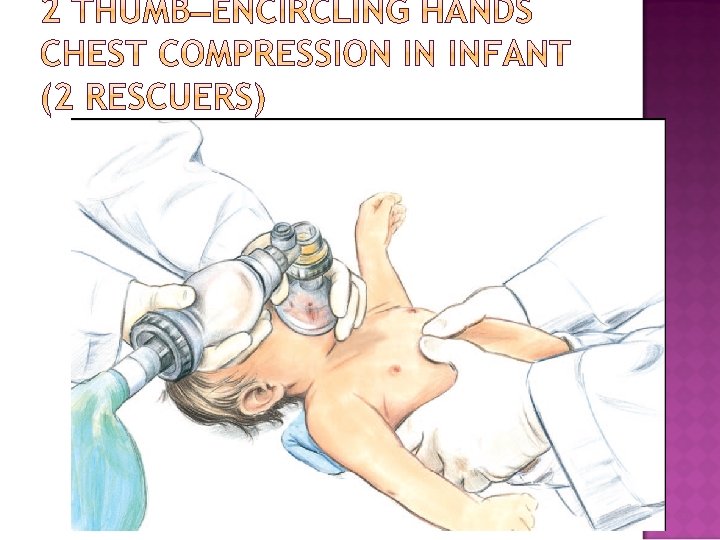
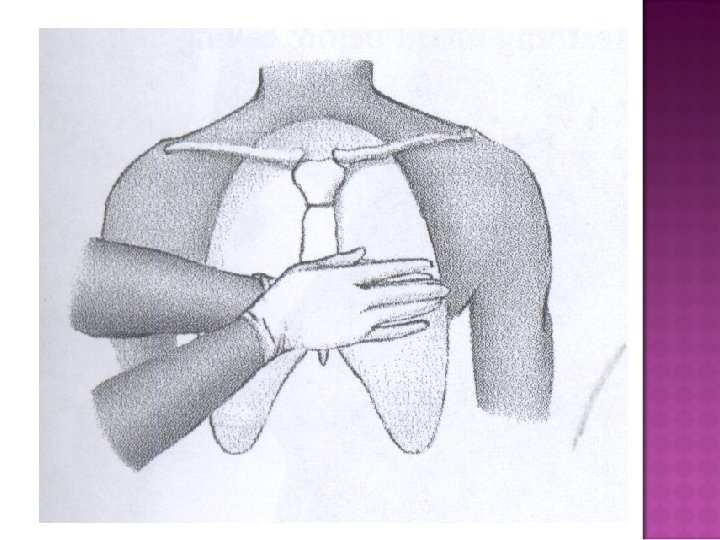
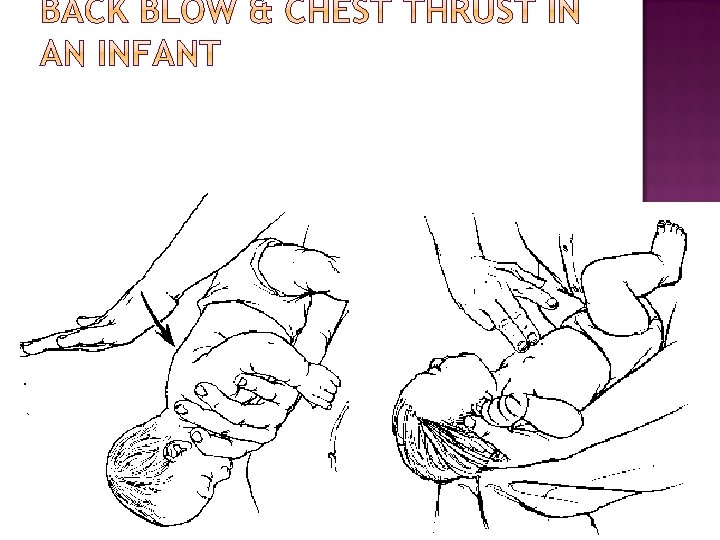
Encircle the infant’s chest with both hands; spread your fingers around the thorax, & place your thumbs together over the lower half of the sternum. Forcefully compress the sternum with your thumbs
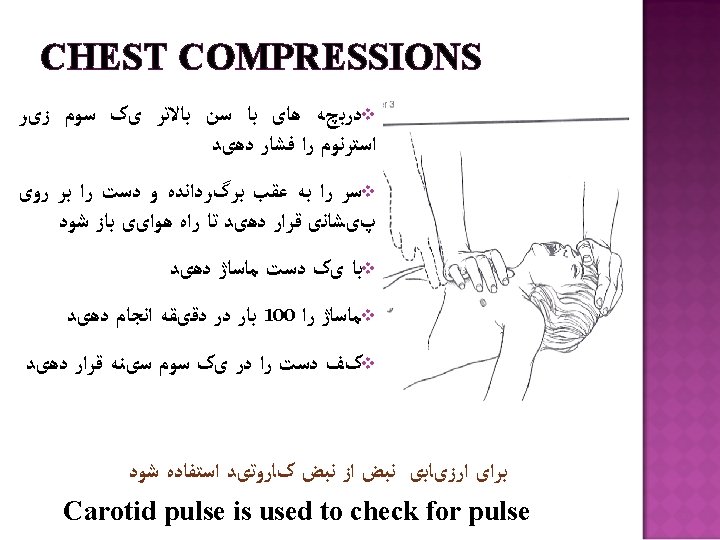
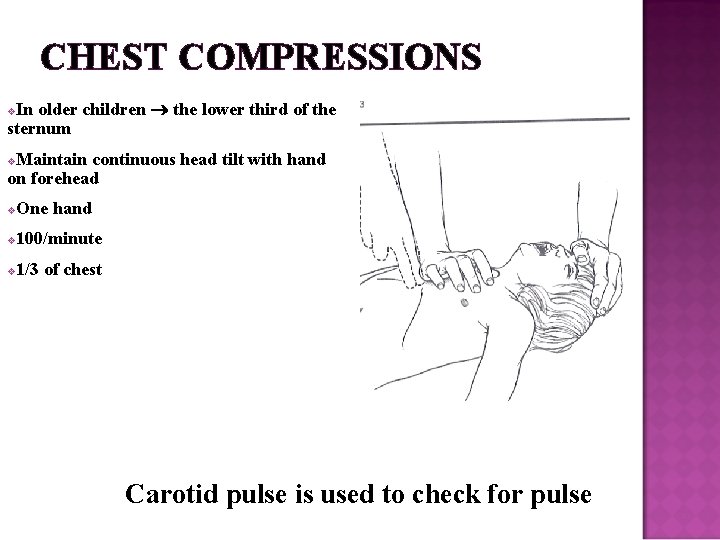
CHEST COMPRESSIONS In older children the lower third of the sternum v Maintain continuous head tilt with hand on forehead v One hand v 100/minute v 1/3 of chest v Carotid pulse is used to check for pulse
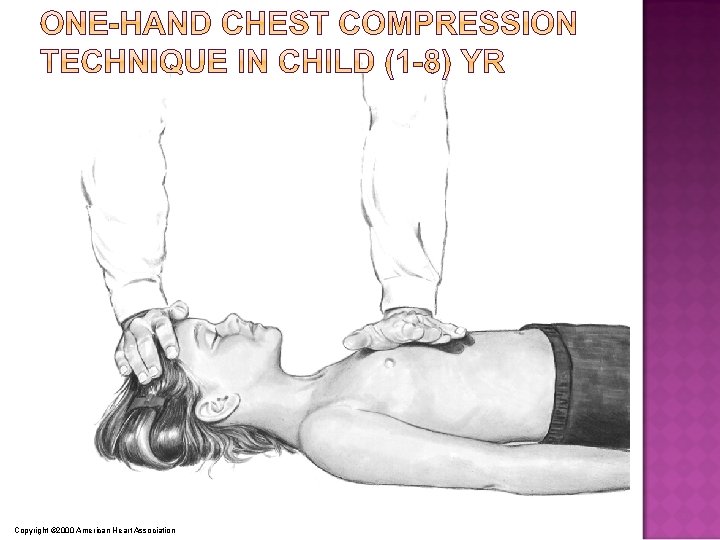
Copyright © 2000 American Heart Association
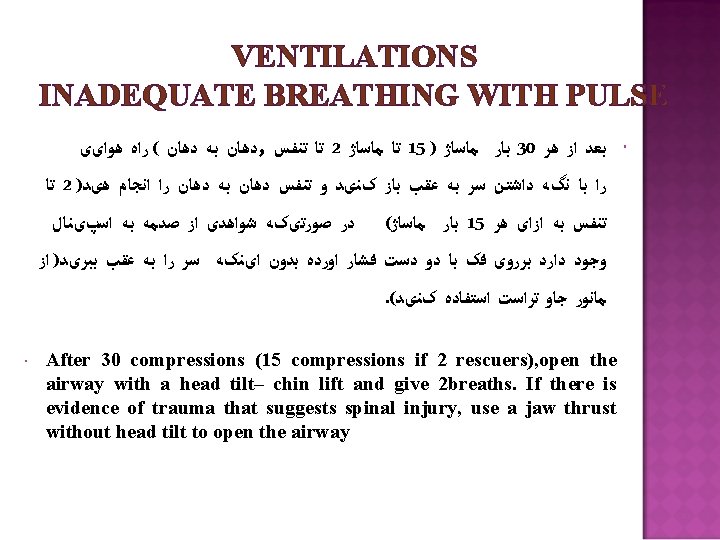
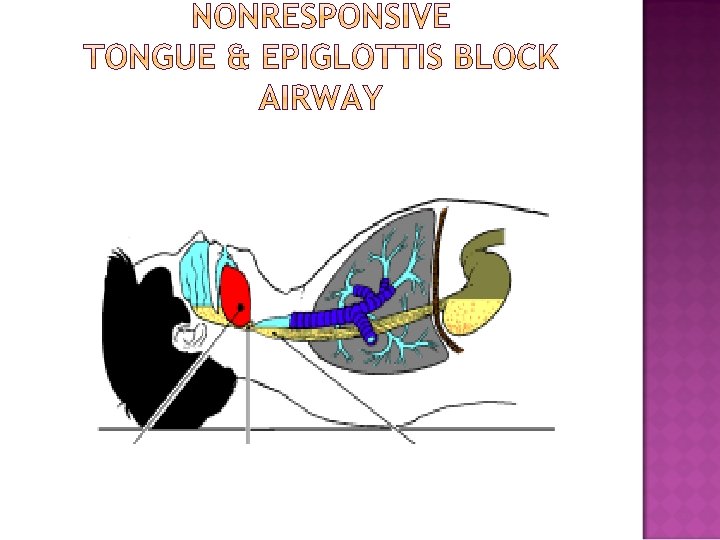
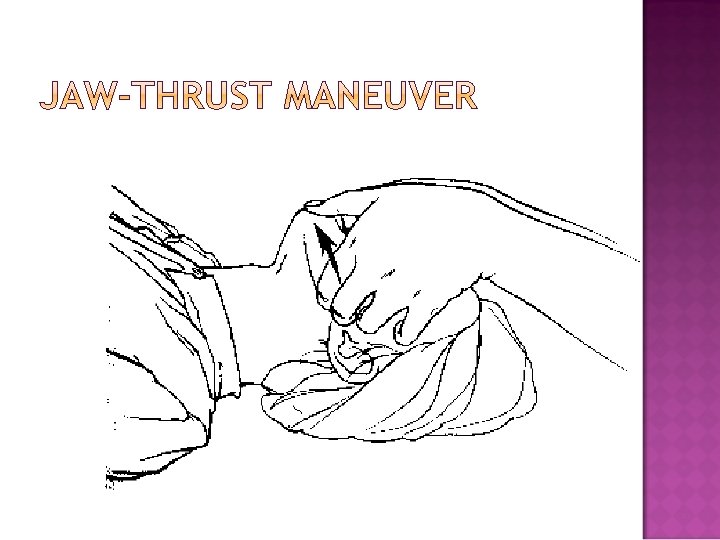
For a healthcare provider with suspecting a Cspine injury: jaw thrust without head tilt Use a head tilt– chin lift maneuver if the jaw thrust does not open the airway.
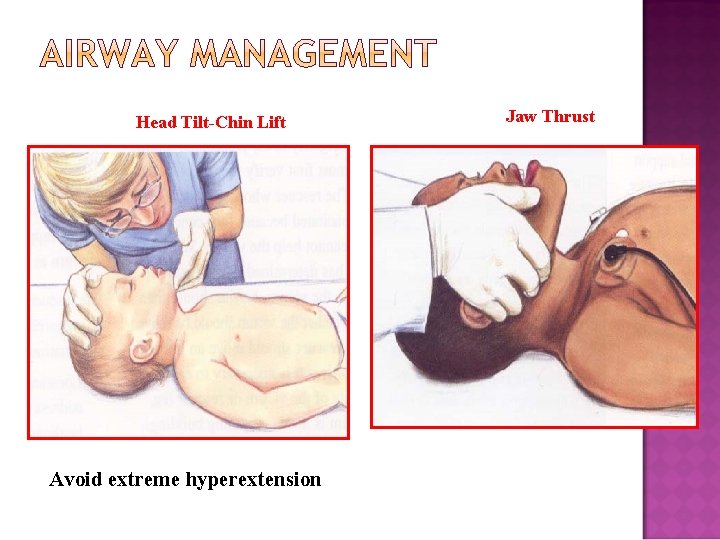
Head Tilt-Chin Lift Avoid extreme hyperextension Jaw Thrust
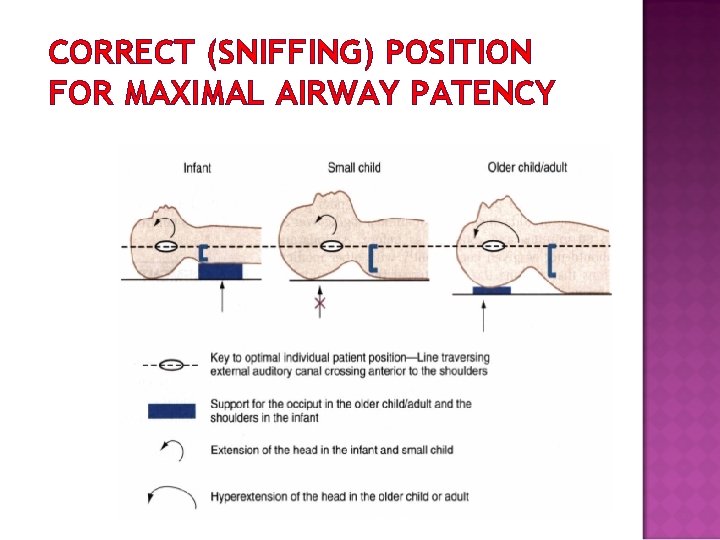
CORRECT (SNIFFING) POSITION FOR MAXIMAL AIRWAY PATENCY
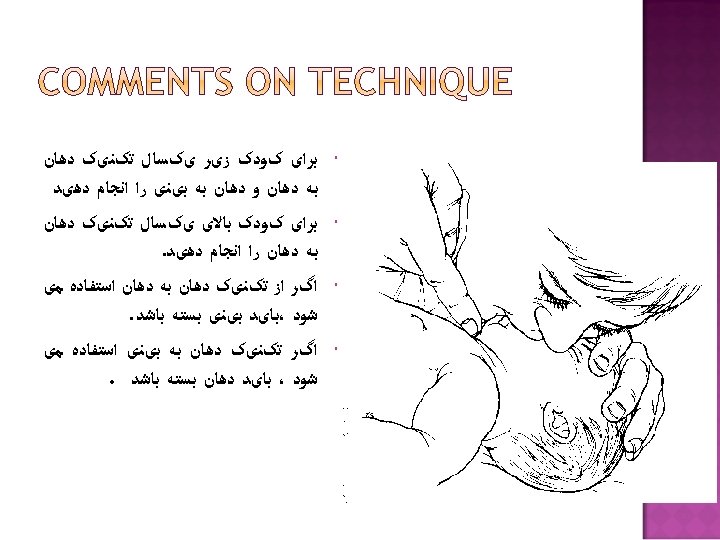
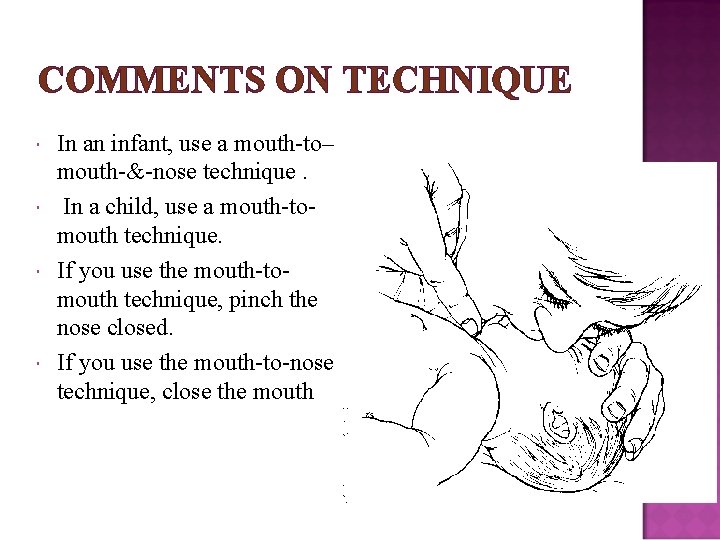
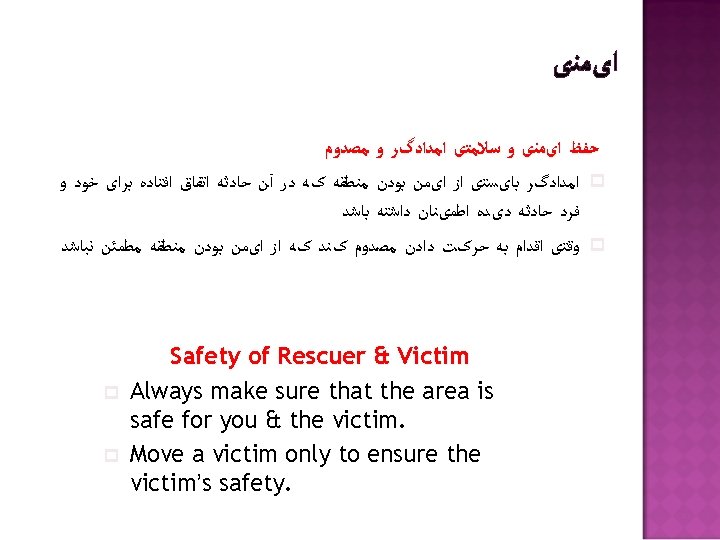
COMMENTS ON TECHNIQUE In an infant, use a mouth-to– mouth-&-nose technique. In a child, use a mouth-tomouth technique. If you use the mouth-tomouth technique, pinch the nose closed. If you use the mouth-to-nose technique, close the mouth
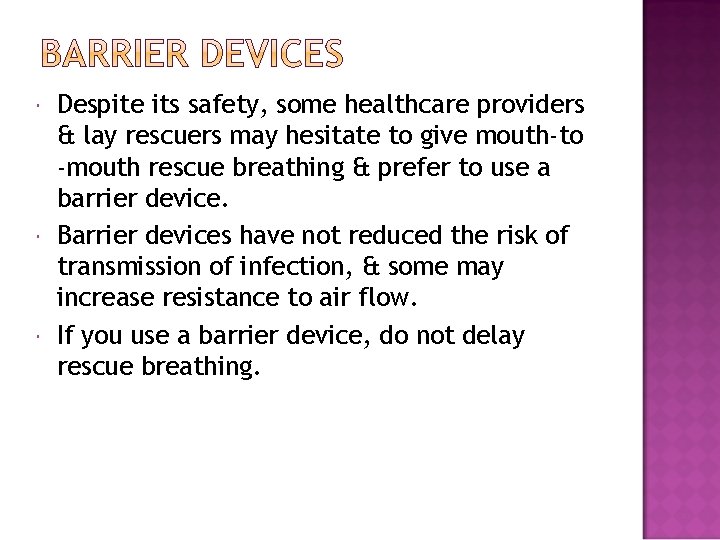
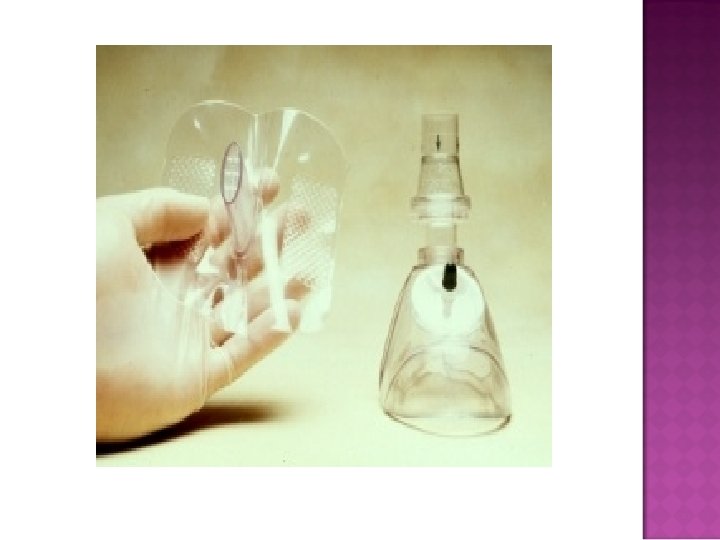
Despite its safety, some healthcare providers & lay rescuers may hesitate to give mouth-to -mouth rescue breathing & prefer to use a barrier device. Barrier devices have not reduced the risk of transmission of infection, & some may increase resistance to air flow. If you use a barrier device, do not delay rescue breathing.
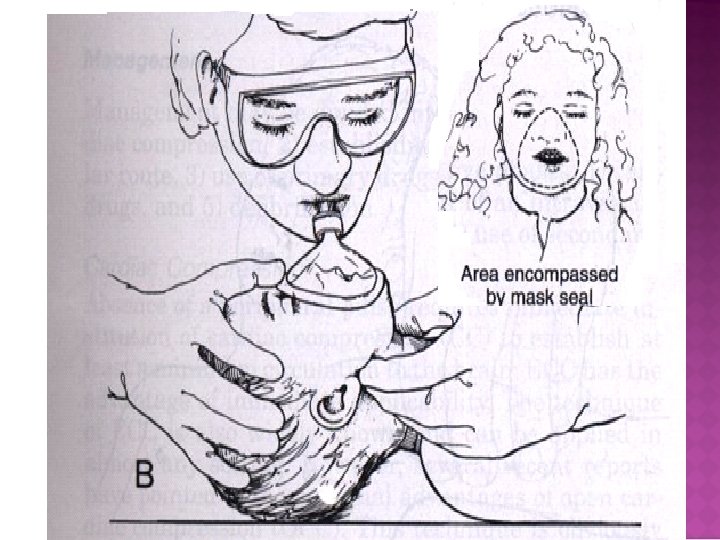
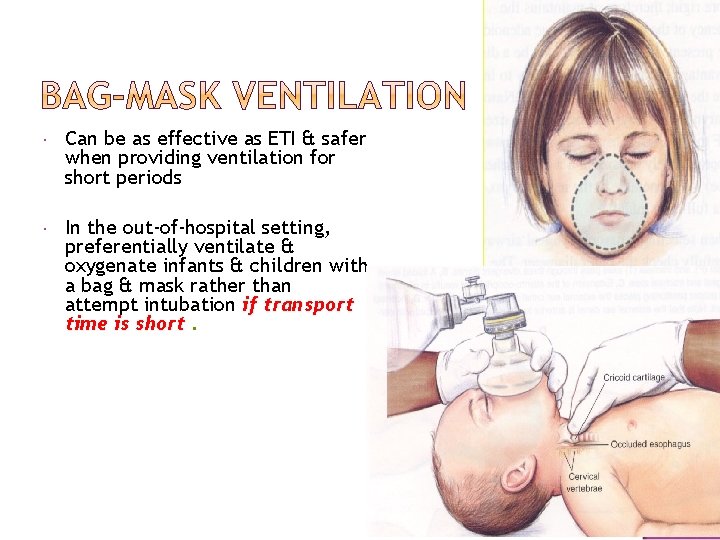
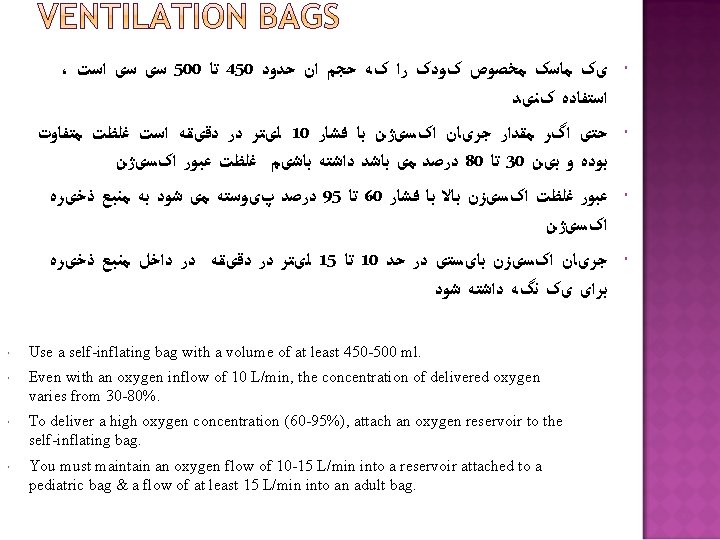
Can be as effective as ETI & safer when providing ventilation for short periods In the out-of-hospital setting, preferentially ventilate & oxygenate infants & children with a bag & mask rather than attempt intubation if transport time is short.
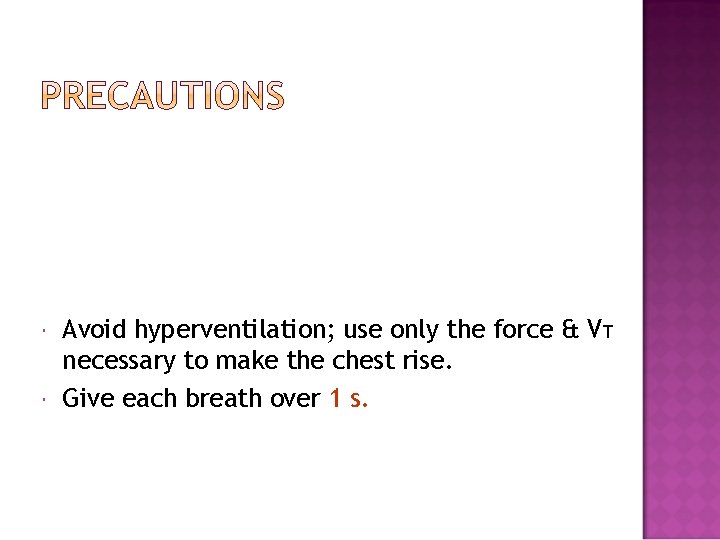
Avoid hyperventilation; use only the force & VT necessary to make the chest rise. Give each breath over 1 s.
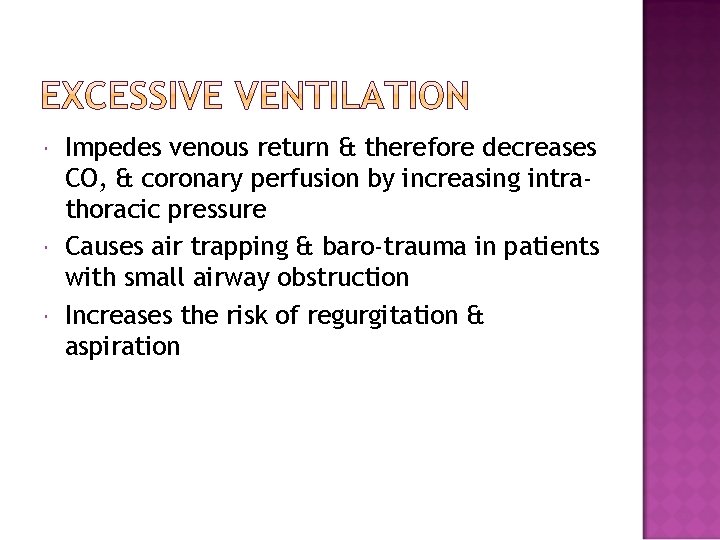
Impedes venous return & therefore decreases CO, & coronary perfusion by increasing intrathoracic pressure Causes air trapping & baro-trauma in patients with small airway obstruction Increases the risk of regurgitation & aspiration
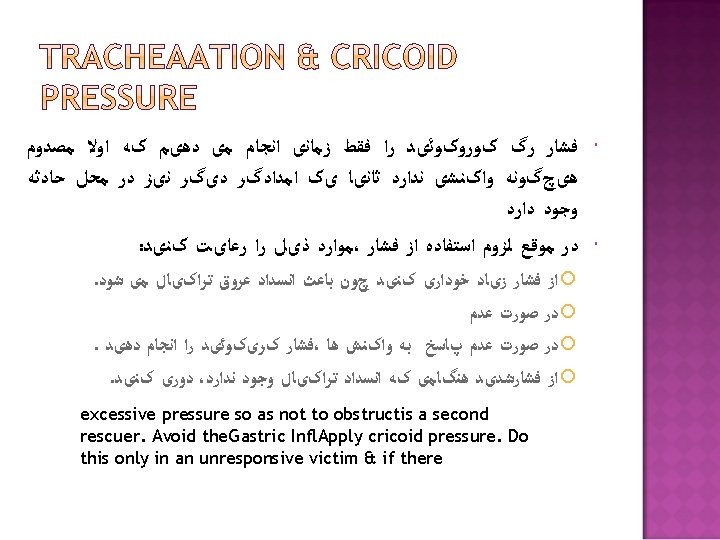
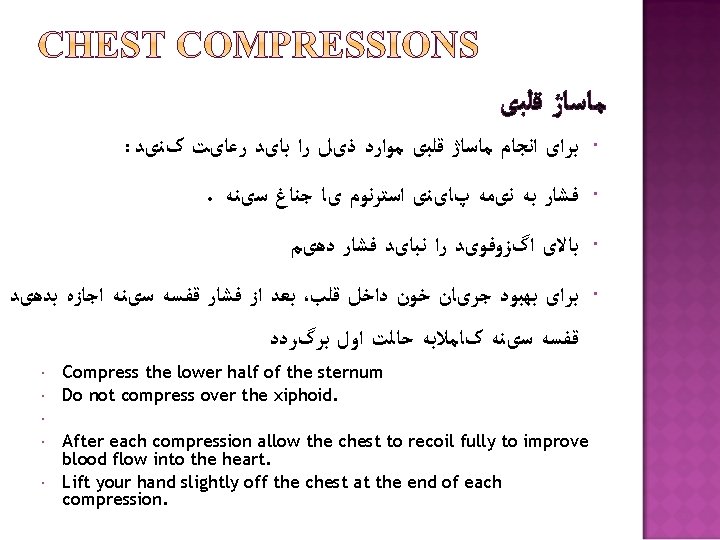
No advanced airway in place: pause after 30 compressions (1 rescuer) or 15 compressions (2 rescuers) to give 2 ventilations when using either mouth-to-mouth or bag-mask technique An advanced airway in place: chest compression at a rate of 100 per min w/o pauses for ventilations, & ventilation at a rate of 8 -10 bpm Change the compressor role approximately q 2 min (ideally in < 5 s) to prevent compressor fatigue & deterioration in quality & rate of chest compressions.
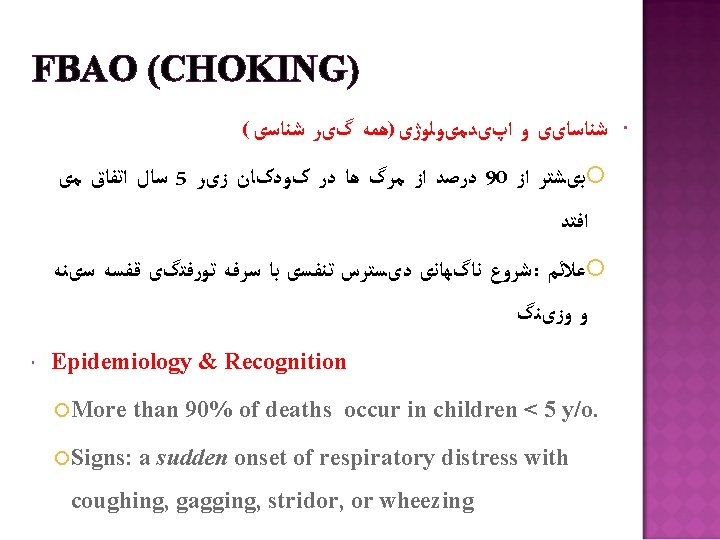
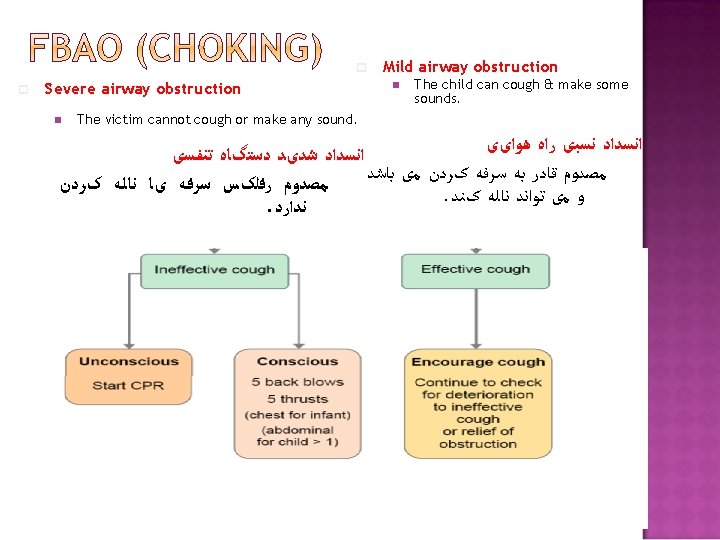
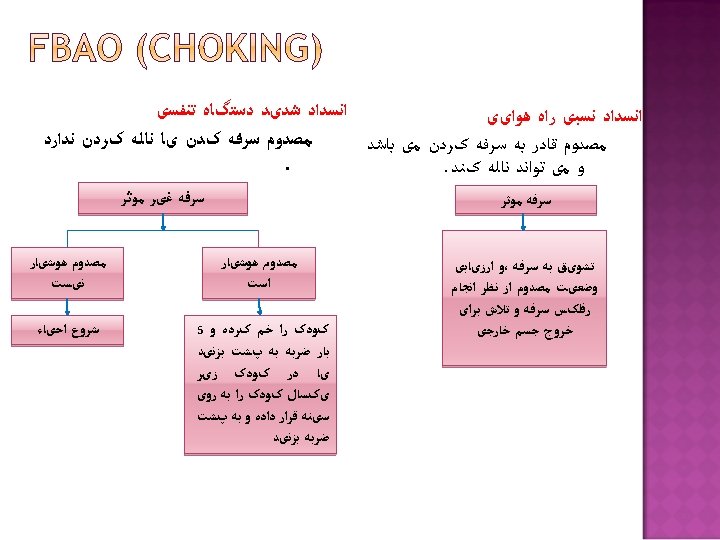
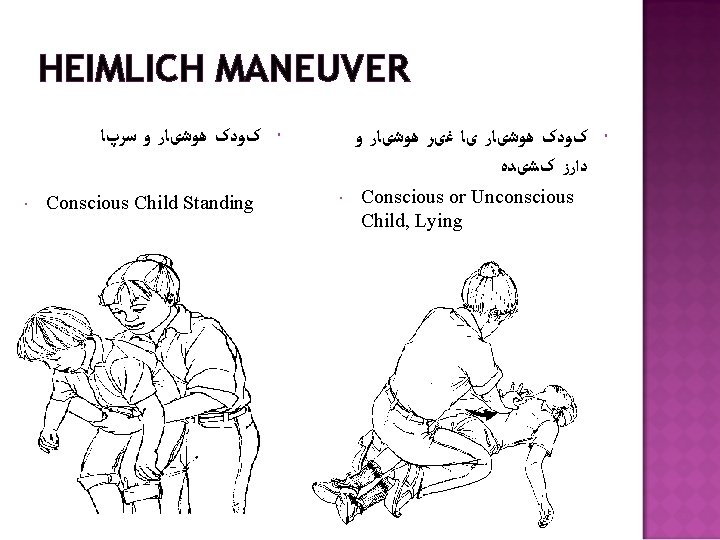
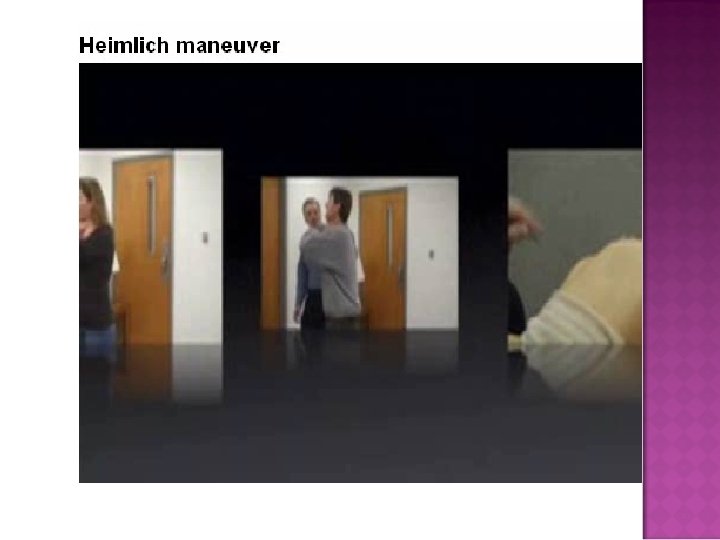
HEIMLICH MANEUVER کﻮﺩک ﻫﻮﺷیﺎﺭ ﻭ ﺳﺮپﺎ Conscious Child Standing کﻮﺩک ﻫﻮﺷیﺎﺭ یﺎ ﻏیﺮ ﻫﻮﺷیﺎﺭ ﻭ ﺩﺍﺭﺯ کﺸیﺪﻩ Conscious or Unconscious Child, Lying
- Slides: 74