
PCI with Atherectomy Transradial Should Be the Default
PCI with Atherectomy: Transradial Should Be the Default Access Site Katrine Zhiroff, MD, FACC, FSCAI USC Keck School of Medicine Los Angeles, CA

Disclosures • Terumo (Consultant) • Biotronik (Consultant) • Abiomed (Consultant) • Novartis (Speakers’ bureau)
Objectives • Why radial for rotational atherectomy? • Can it be done?
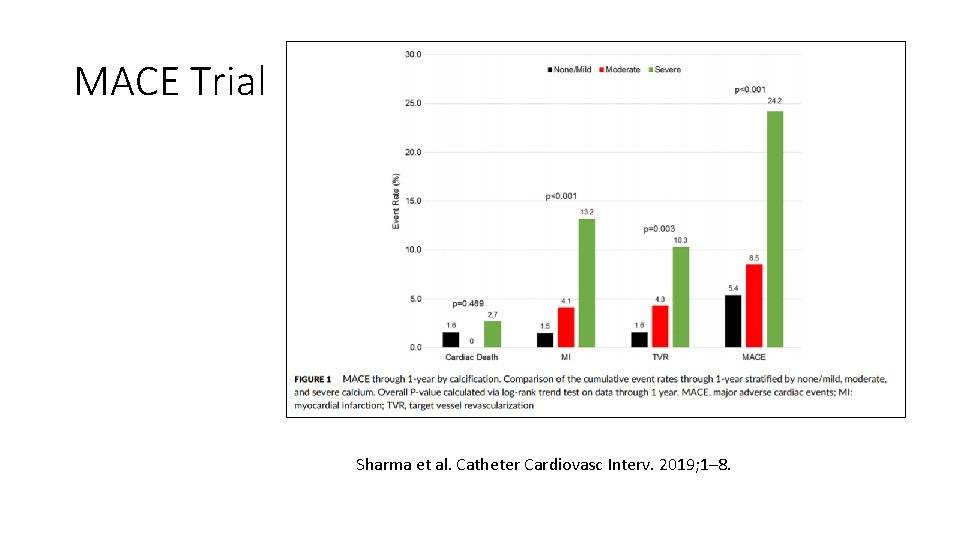
MACE Trial Sharma et al. Catheter Cardiovasc Interv. 2019; 1– 8.
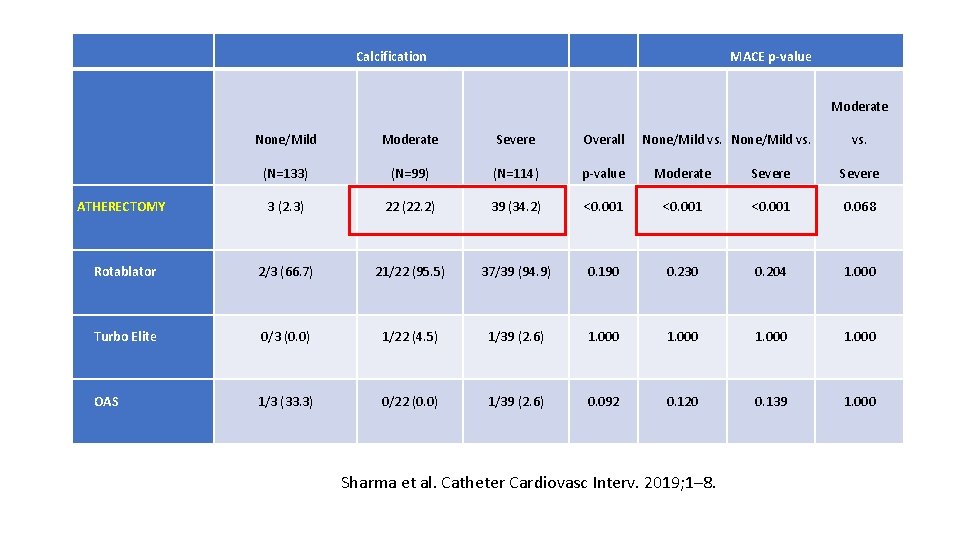
Calcification MACE p-value Moderate None/Mild Moderate Severe Overall None/Mild vs. (N=133) (N=99) (N=114) p-value Moderate Severe ATHERECTOMY 3 (2. 3) 22 (22. 2) 39 (34. 2) <0. 001 0. 068 Rotablator 2/3 (66. 7) 21/22 (95. 5) 37/39 (94. 9) 0. 190 0. 230 0. 204 1. 000 Turbo Elite 0/3 (0. 0) 1/22 (4. 5) 1/39 (2. 6) 1. 000 OAS 1/3 (33. 3) 0/22 (0. 0) 1/39 (2. 6) 0. 092 0. 120 0. 139 1. 000 Sharma et al. Catheter Cardiovasc Interv. 2019; 1– 8. vs.
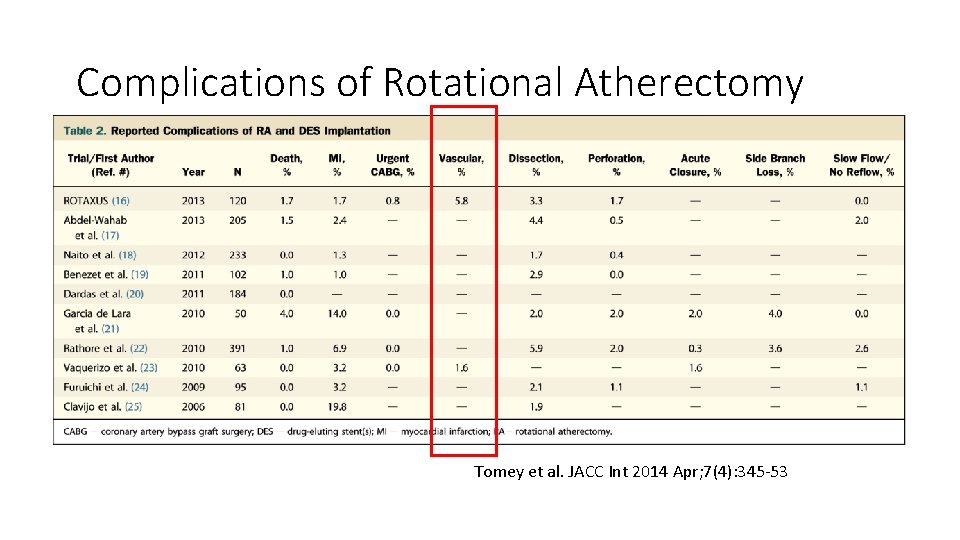
Complications of Rotational Atherectomy Tomey et al. JACC Int 2014 Apr; 7(4): 345 -53
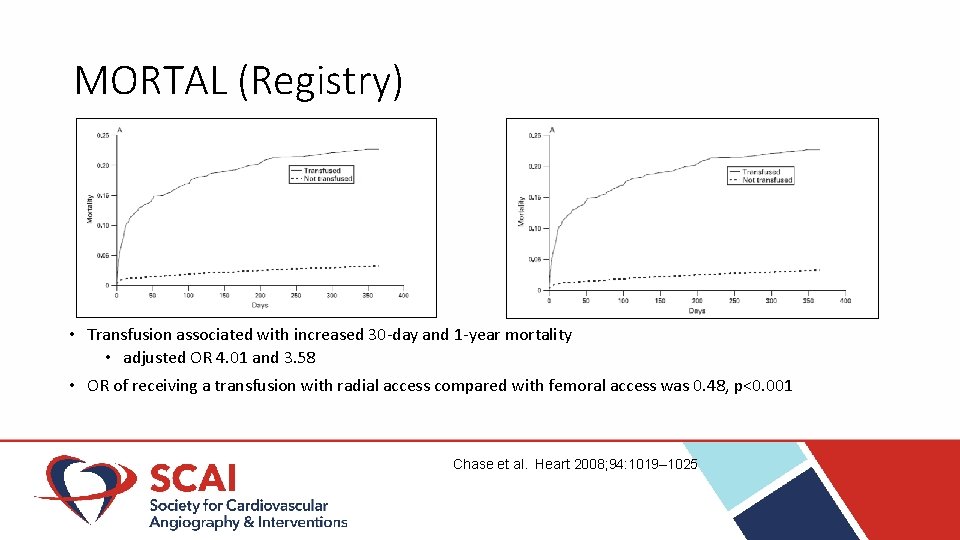
MORTAL (Registry) • Transfusion associated with increased 30 -day and 1 -year mortality • adjusted OR 4. 01 and 3. 58 • OR of receiving a transfusion with radial access compared with femoral access was 0. 48, p<0. 001 Chase et al. Heart 2008; 94: 1019– 1025
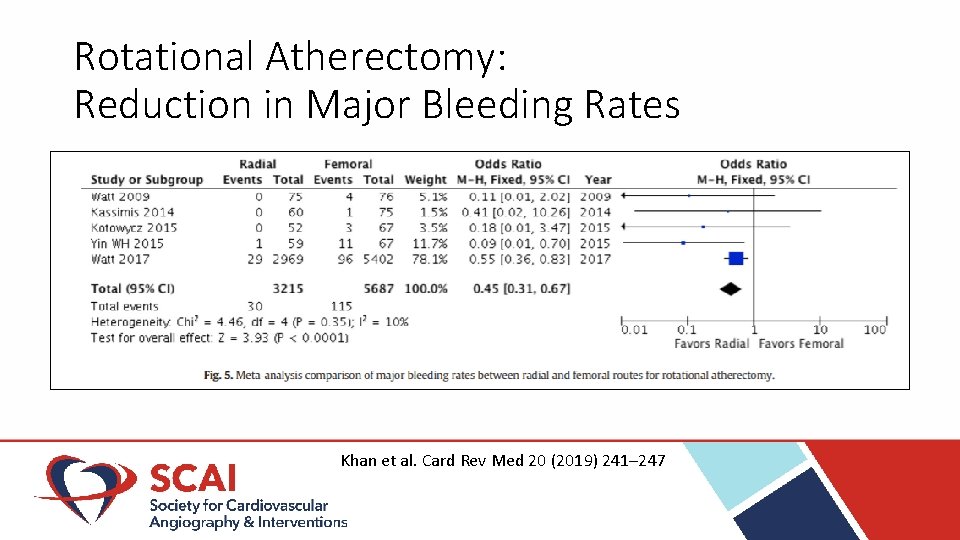
Rotational Atherectomy: Reduction in Major Bleeding Rates Khan et al. Card Rev Med 20 (2019) 241– 247
Objectives of Contemporary RA • Plaque modification • Small burrs 1. 25 -1. 5 mm • Use of lower speed 135 -180, 000 rpm to minimize complications • Disrupt of intravascular calcification • Allow balloon dilatation and stent implantation • Prevention of plaque shift or prolapse in bifurcation lesions https: //eurointervention. pcronline. com/article/europeanexpert-consensus-on-rotational-atherectomy
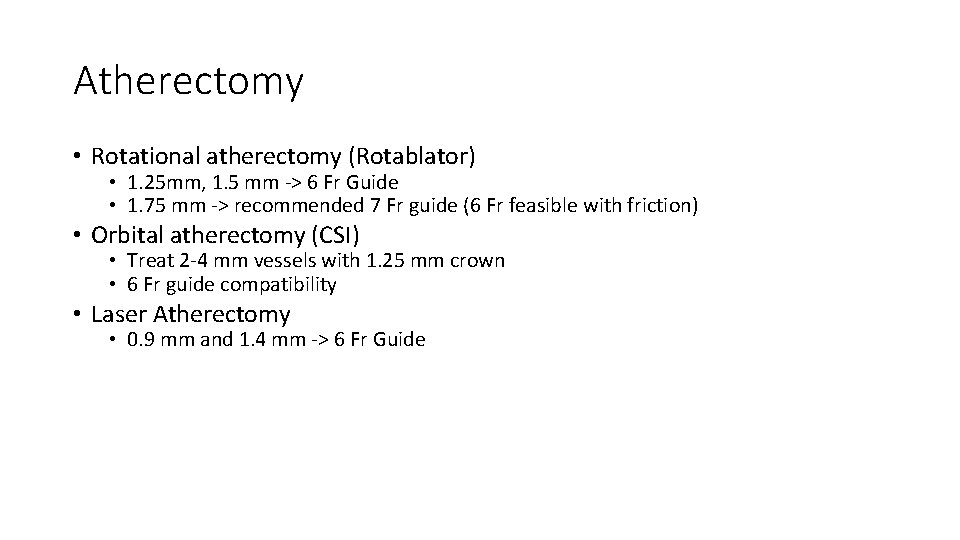
Atherectomy • Rotational atherectomy (Rotablator) • 1. 25 mm, 1. 5 mm -> 6 Fr Guide • 1. 75 mm -> recommended 7 Fr guide (6 Fr feasible with friction) • Orbital atherectomy (CSI) • Treat 2 -4 mm vessels with 1. 25 mm crown • 6 Fr guide compatibility • Laser Atherectomy • 0. 9 mm and 1. 4 mm -> 6 Fr Guide
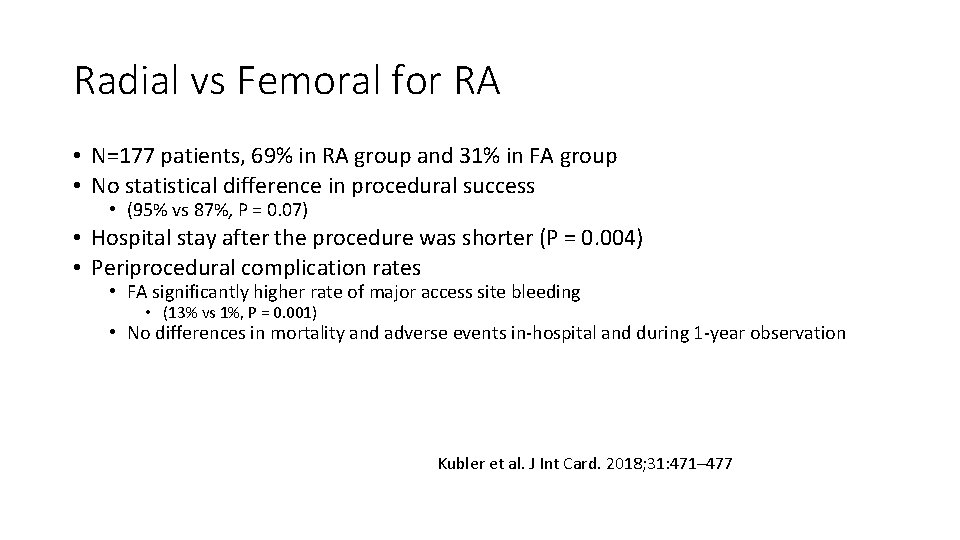
Radial vs Femoral for RA • N=177 patients, 69% in RA group and 31% in FA group • No statistical difference in procedural success • (95% vs 87%, P = 0. 07) • Hospital stay after the procedure was shorter (P = 0. 004) • Periprocedural complication rates • FA significantly higher rate of major access site bleeding • (13% vs 1%, P = 0. 001) • No differences in mortality and adverse events in-hospital and during 1 -year observation Kubler et al. J Int Card. 2018; 31: 471– 477
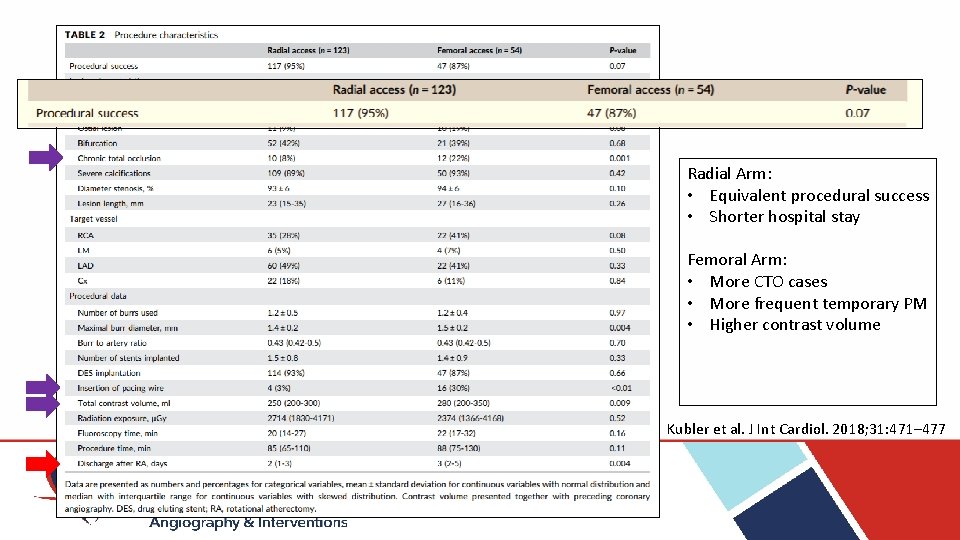
Radial Arm: • Equivalent procedural success • Shorter hospital stay Femoral Arm: • More CTO cases • More frequent temporary PM • Higher contrast volume Kubler et al. J Int Cardiol. 2018; 31: 471– 477
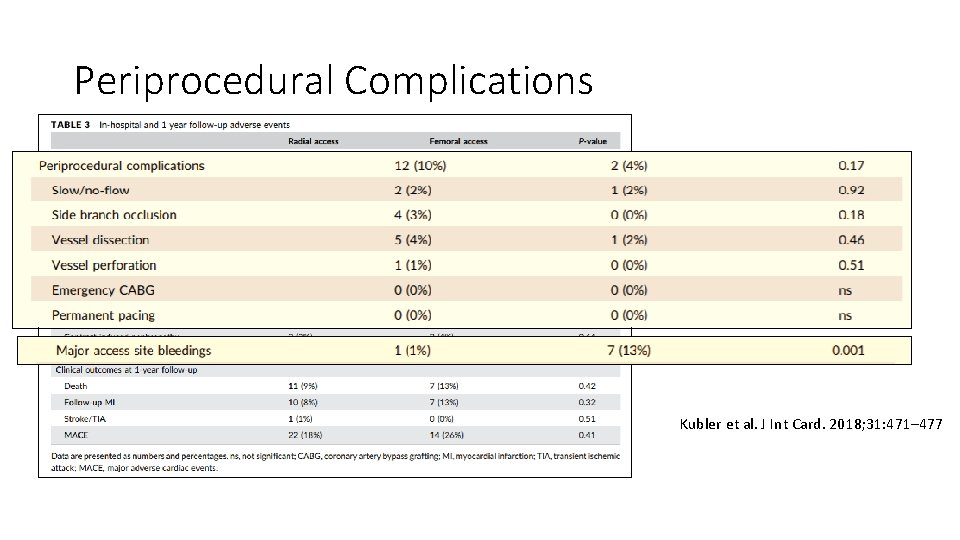
Periprocedural Complications Kubler et al. J Int Card. 2018; 31: 471– 477
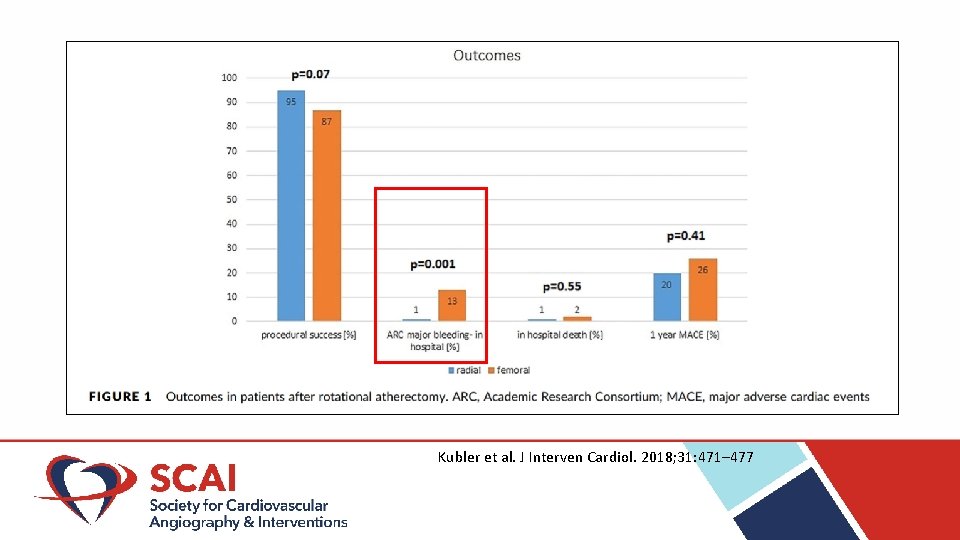
Kubler et al. J Interven Cardiol. 2018; 31: 471– 477
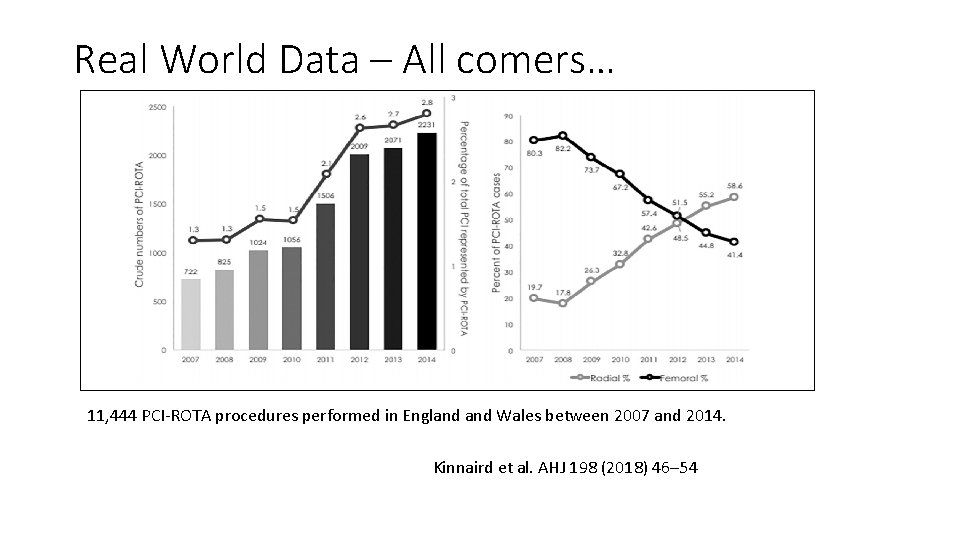
Real World Data – All comers… 11, 444 PCI-ROTA procedures performed in England Wales between 2007 and 2014. Kinnaird et al. AHJ 198 (2018) 46– 54
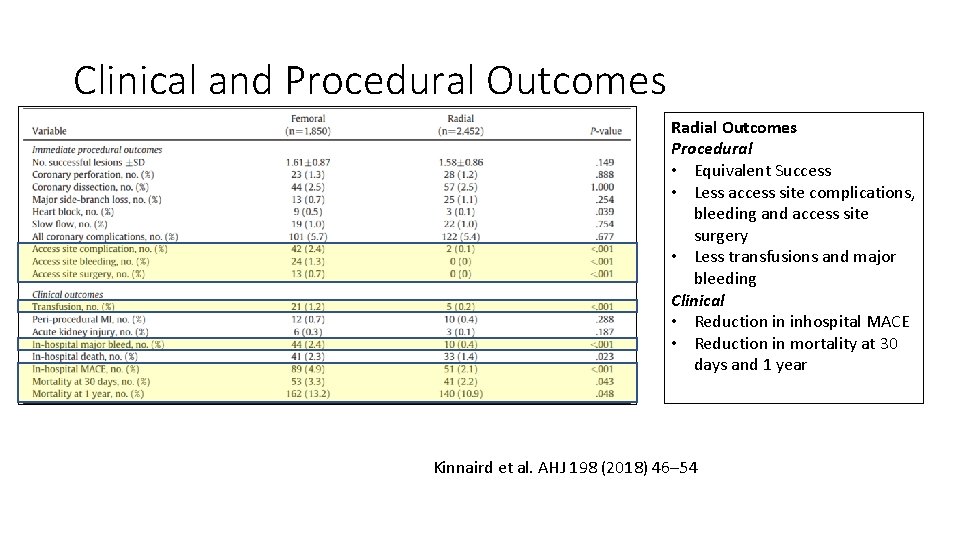
Clinical and Procedural Outcomes Radial Outcomes Procedural • Equivalent Success • Less access site complications, bleeding and access site surgery • Less transfusions and major bleeding Clinical • Reduction in inhospital MACE • Reduction in mortality at 30 days and 1 year Kinnaird et al. AHJ 198 (2018) 46– 54
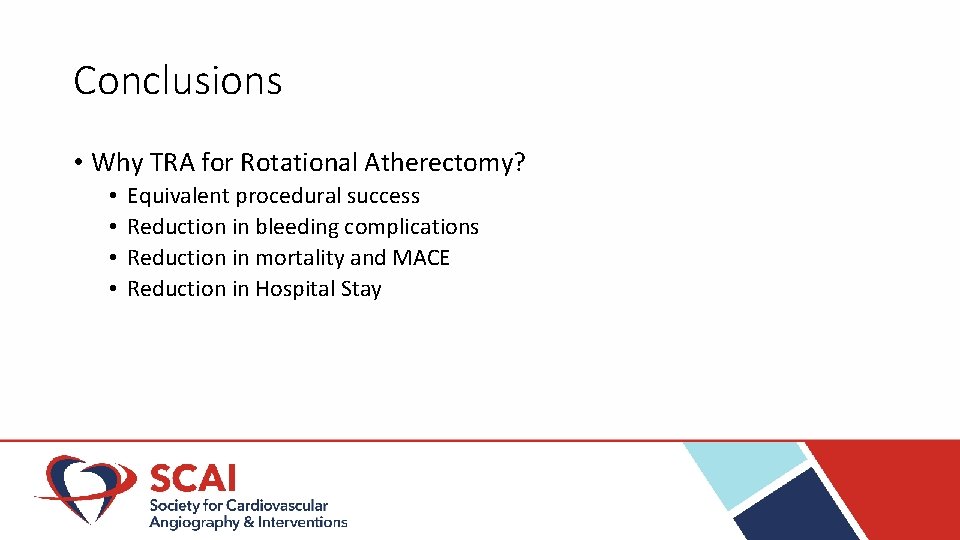
Conclusions • Why TRA for Rotational Atherectomy? • • Equivalent procedural success Reduction in bleeding complications Reduction in mortality and MACE Reduction in Hospital Stay
- Slides: 17