
PCBs Mining and Water Pollution PCBs abandoned in

PCBs Mining and Water Pollution PCBs abandoned in mines can cause water pollution problems for which there may be no reasonable solution. This can be prevented! Mining-Influenced Water CLU-IN Webinar September 2012 U. S. Environmental Protection Agency

Dan W. Bench, Min. Eng. USEPA Region 8 PCB Coordinator 1595 Wynkoop Street Denver, CO 80202 303 312 -6027
Learn what you need to know about PCBs before it’s too late! Ignorance and inaction can result in significant damage to the environment and unlimited personal/corporate liability.
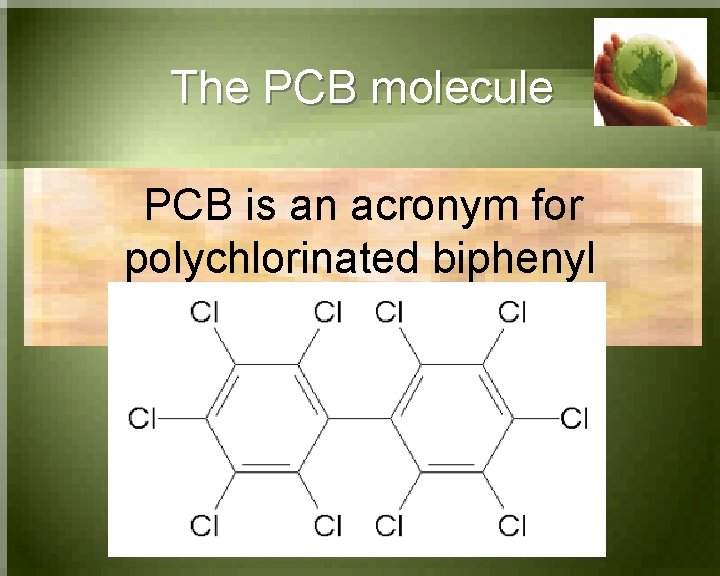
The PCB molecule PCB is an acronym for polychlorinated biphenyl
Background • First manufactured in the early 1930’s • Manufacture prohibited in 1978 • PCB regulations authorize major electrical equipment uses for the useful life of the equipment. PCB-containing equipment is still in service.
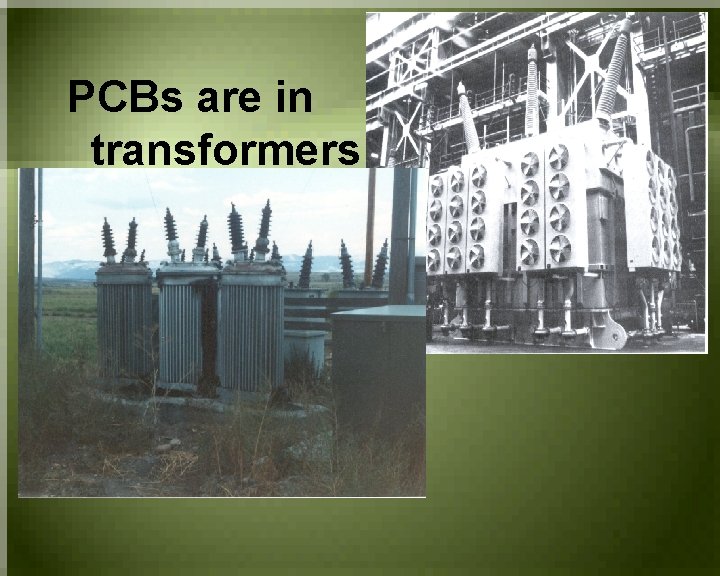
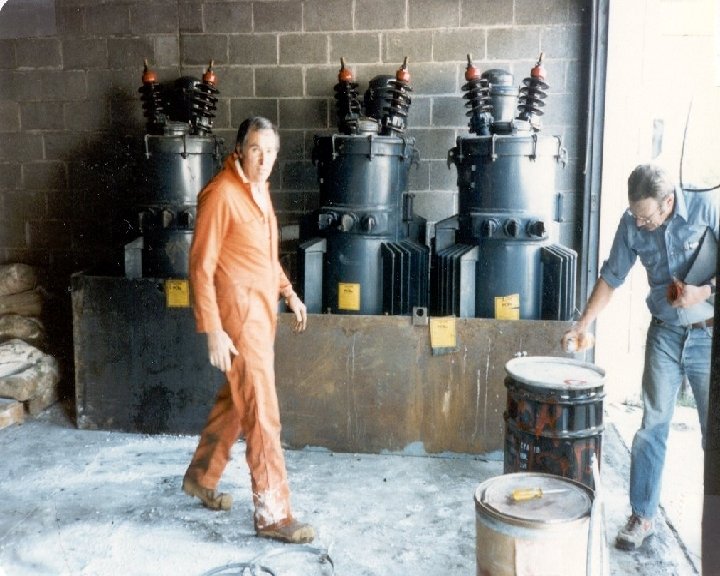
PCBs are in transformers
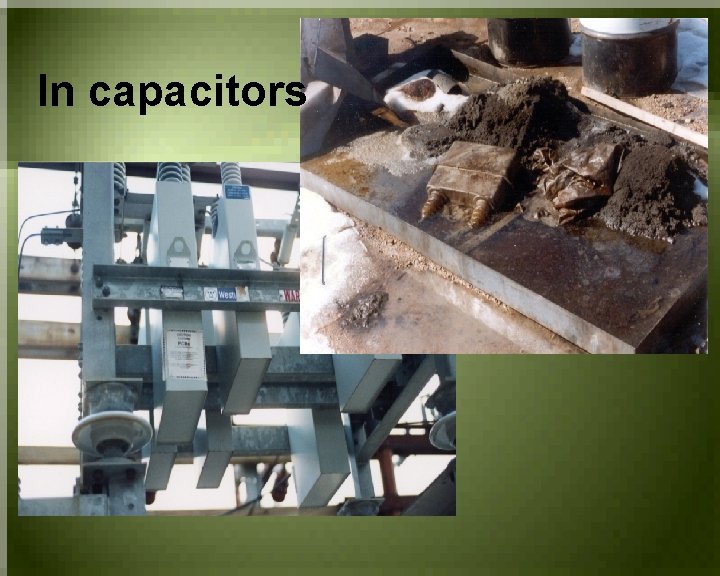
In capacitors
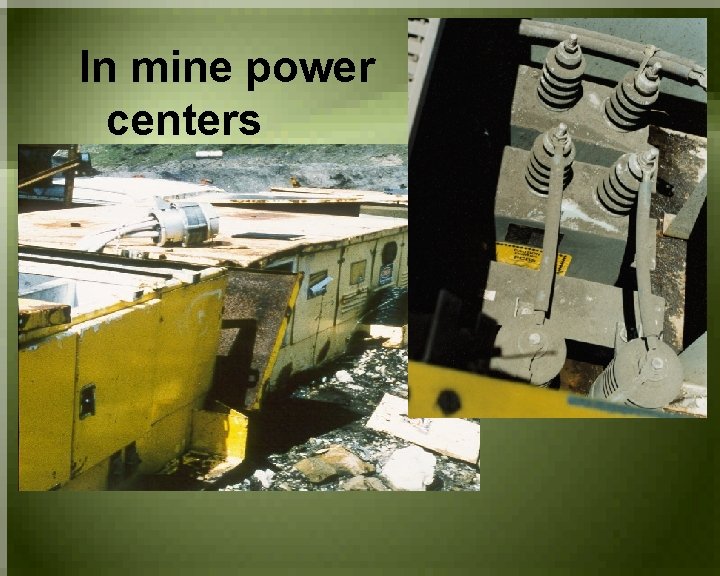
In mine power centers
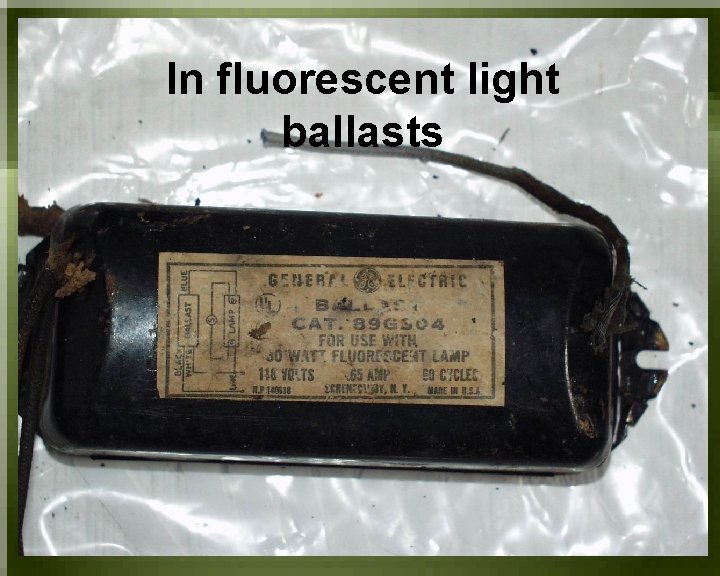
In fluorescent light ballasts
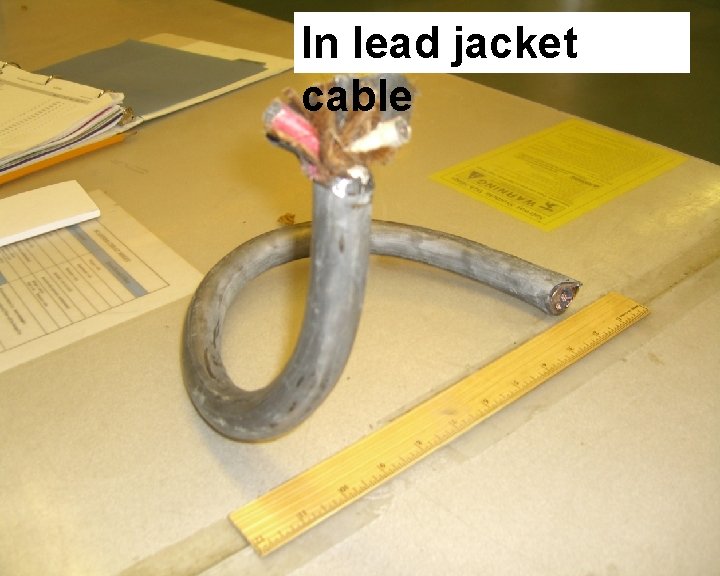
In lead jacket in lead jacket cable

Bridal Veil Falls Telluride, Colorado
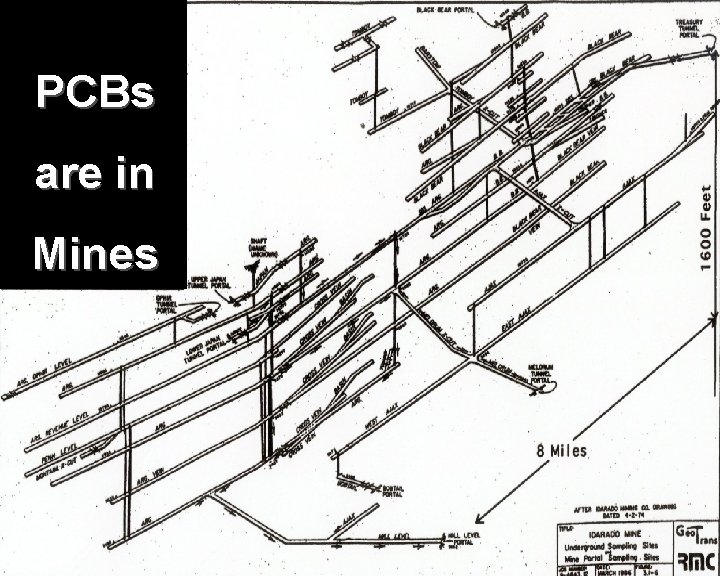
PCBs are in Mines
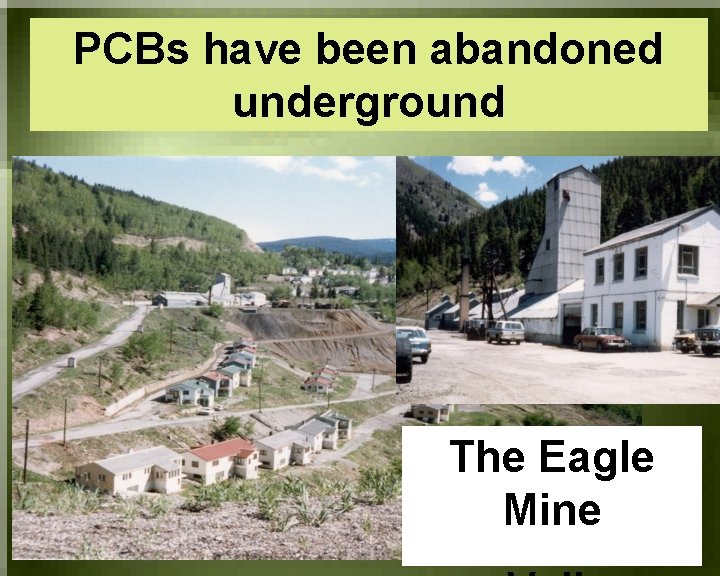
PCBs have been abandoned underground The Eagle Mine
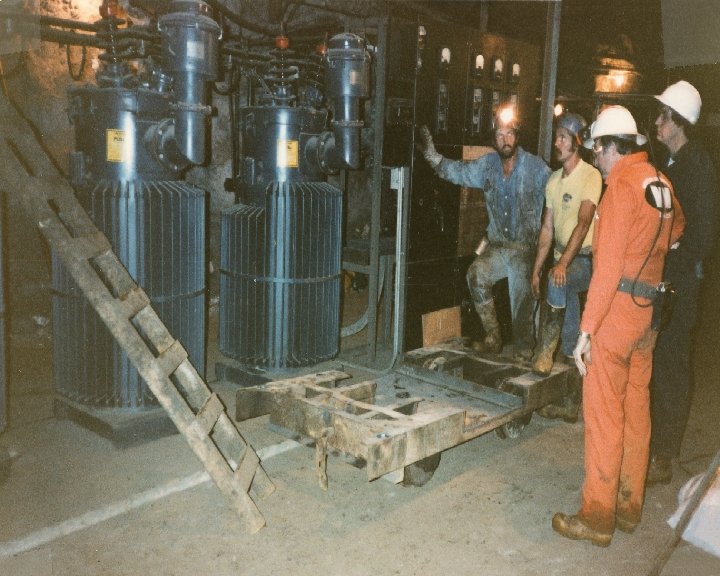
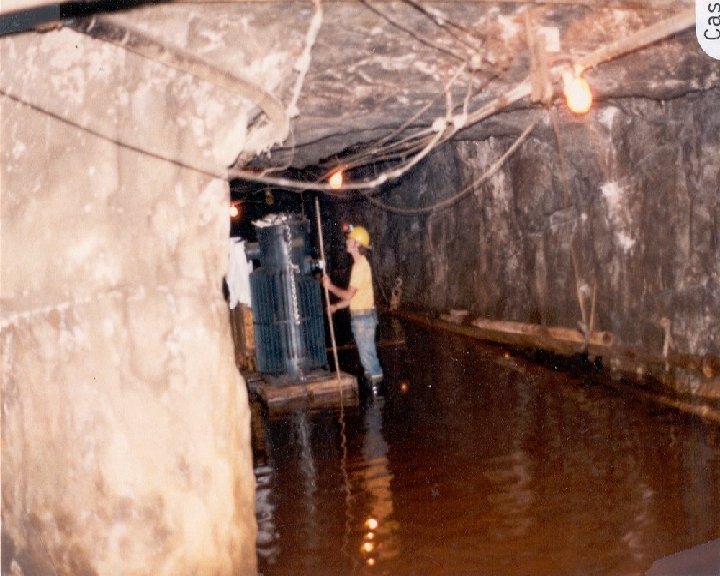
Why are PCBs a problem? • PCBs are one of the most stable organic chemicals known: PCBs are resistant to biodegradation • PCBs are soluble both in fat and water • PCBs are estrogenic compounds • PCBs harm people, animals, birds, and fish PCBs circulate globally and continue to accumulate in the environment
Consider one consequence of a release of PCBs into water Phytoplankton • Absorb PCBs from water by a factor of 10, 000 to 1, 000 • Supply 50% of the world oxygen • Basis of the ocean food chain
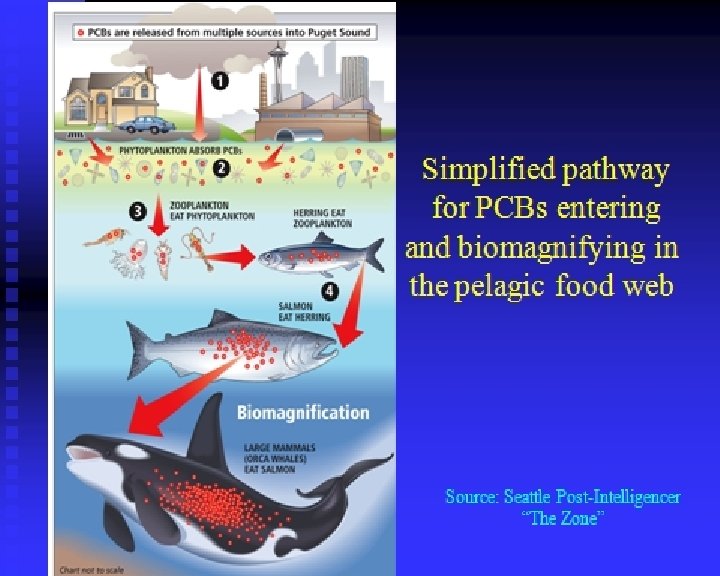
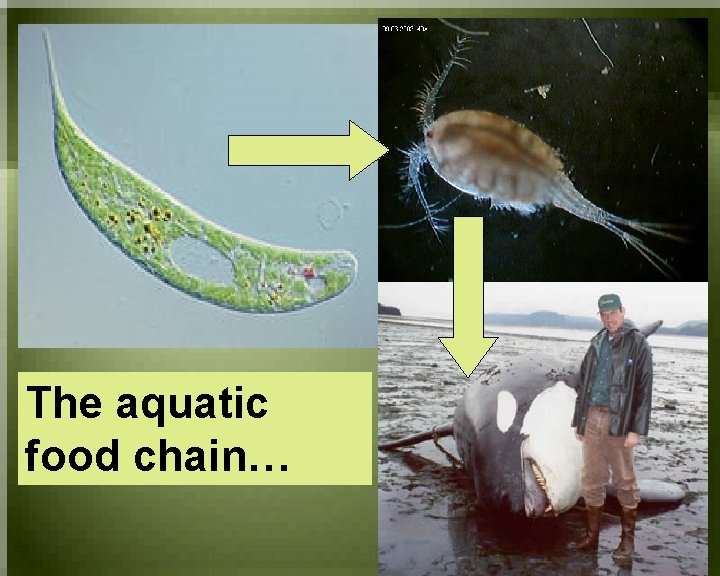
The ocean food chain The aquatic food chain…
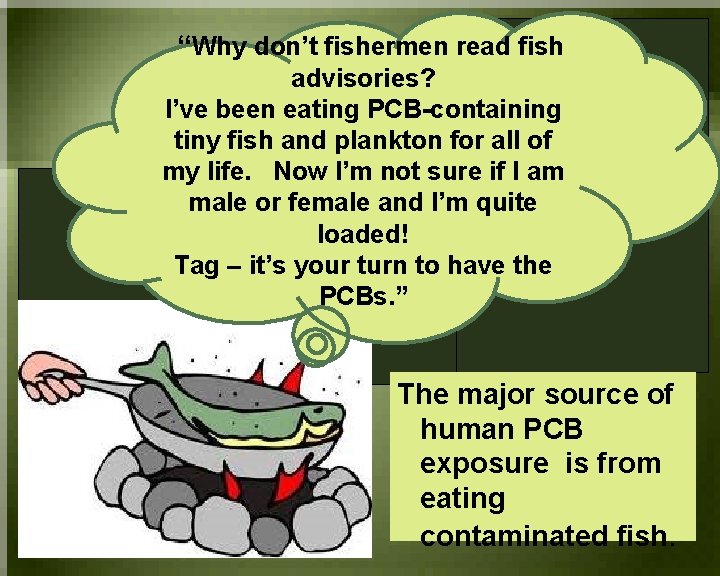
“Why don’t fishermen read fish advisories? I’ve been eating PCB-containing tiny fish and plankton for all of my life. Now I’m not sure if I am male or female and I’m quite loaded! Tag – it’s your turn to have the PCBs. ” The major source of human PCB exposure is from eating contaminated fish.
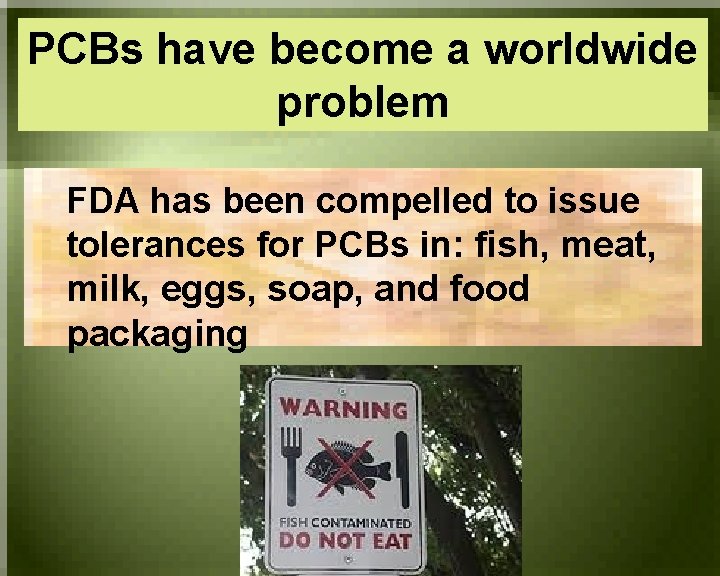
PCBs have become a worldwide problem FDA has been compelled to issue tolerances for PCBs in: fish, meat, milk, eggs, soap, and food packaging
US laws governing PCBs Both regulations have cradle-tograve liability Toxic Substances Control Act (TSCA) Comprehensive Environmental Response, Compensation, and Liability Act (CERCLA) (Superfund)
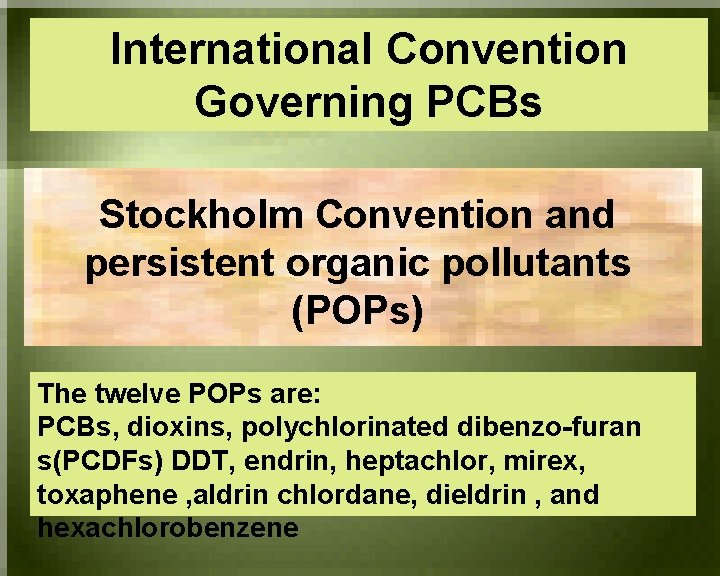
International Convention Governing PCBs Stockholm Convention and persistent organic pollutants (POPs) The twelve POPs are: PCBs, dioxins, polychlorinated dibenzo-furan s(PCDFs) DDT, endrin, heptachlor, mirex, toxaphene , aldrin chlordane, dieldrin , and hexachlorobenzene
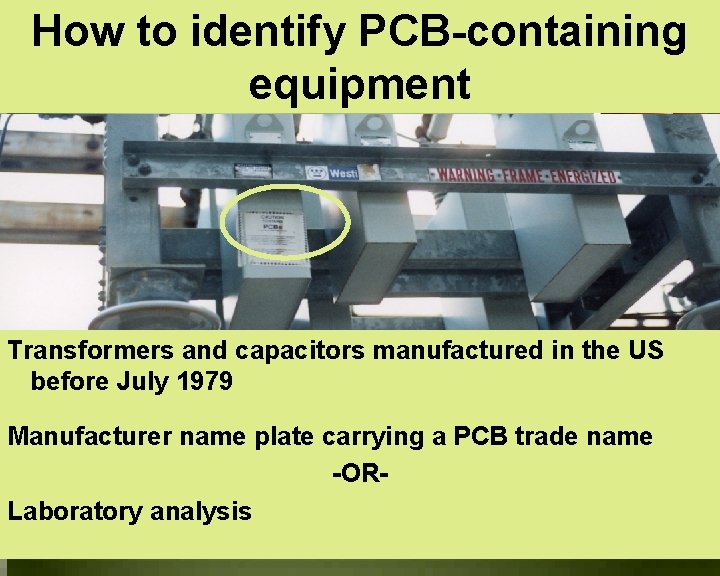
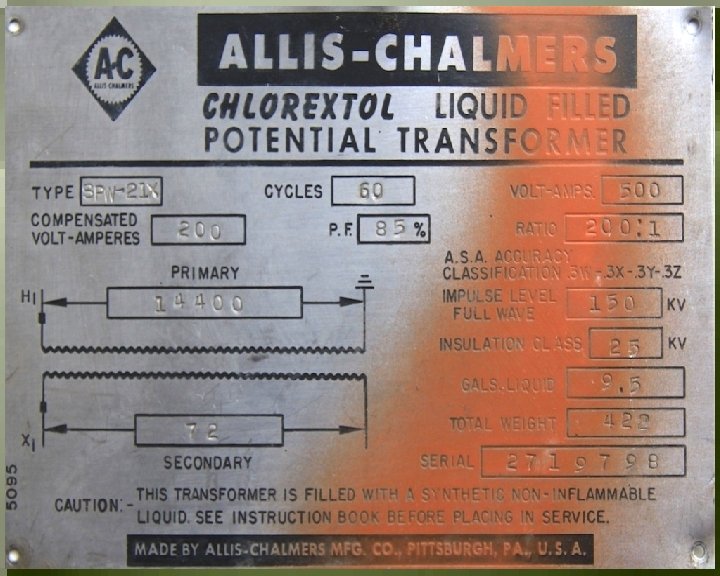
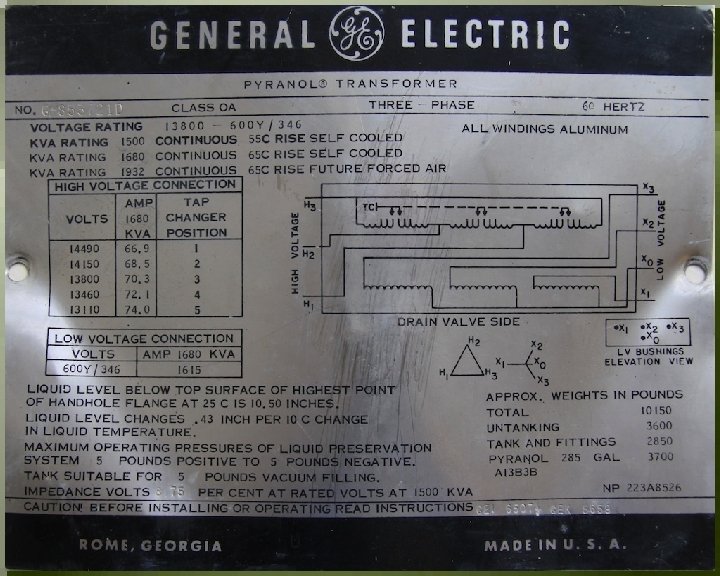
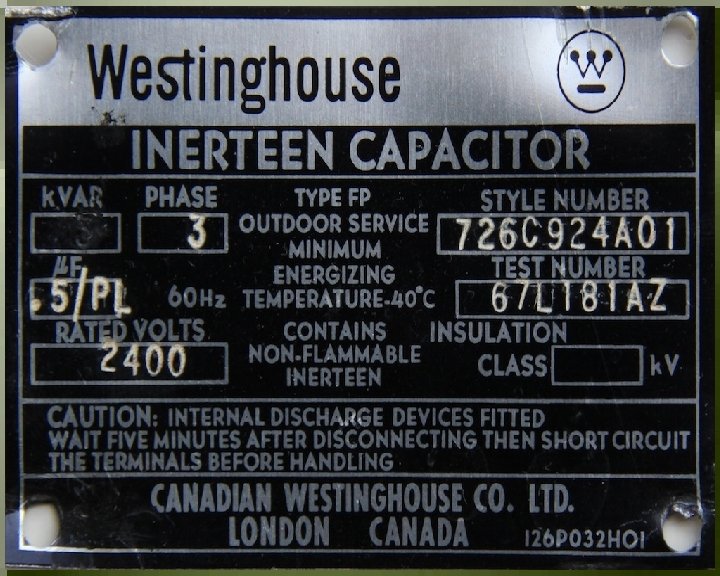
How to identify PCB-containing equipment Transformers and capacitors manufactured in the US before July 1979 Manufacturer name plate carrying a PCB trade name -ORLaboratory analysis
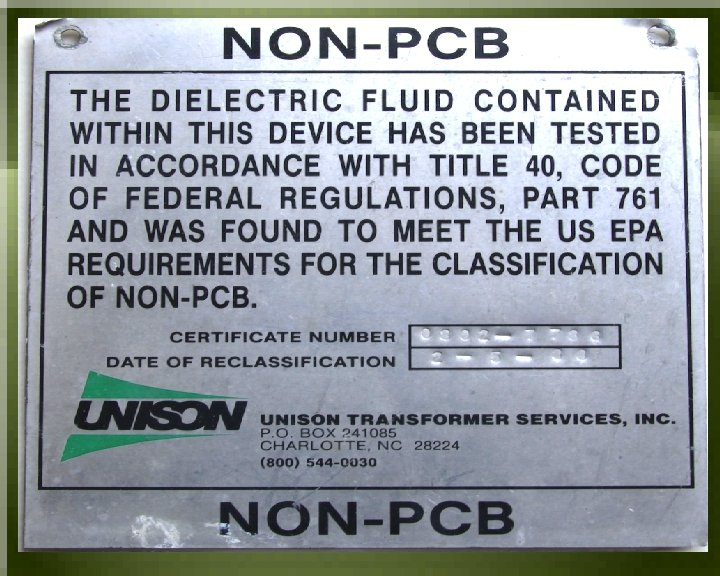
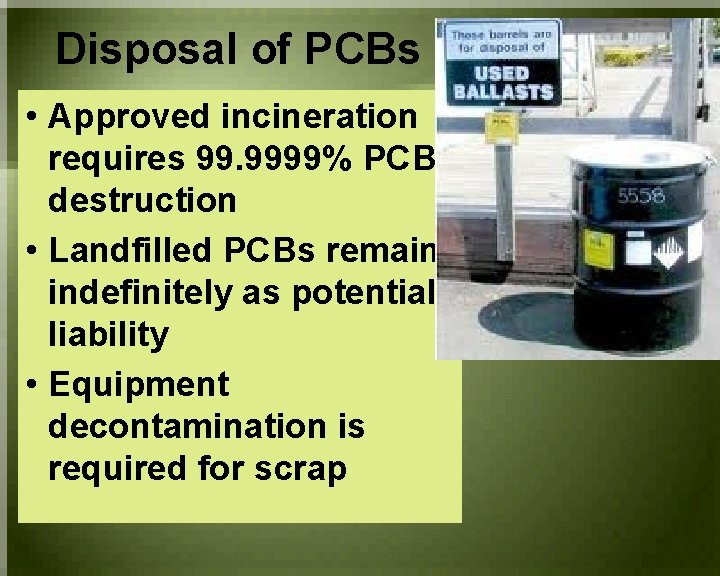
Disposal of PCBs • Approved incineration requires 99. 9999% PCB destruction • Landfilled PCBs remain indefinitely as potential liability • Equipment decontamination is required for scrap
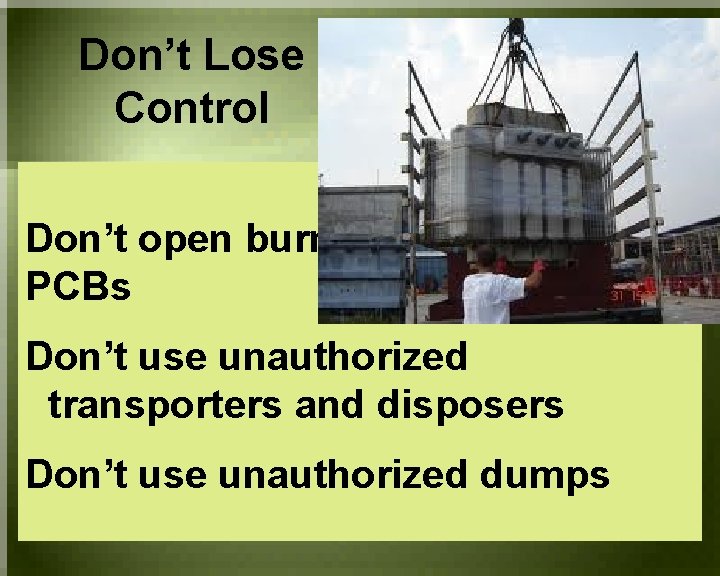
Don’t Lose Control Don’t open burn PCBs Don’t use unauthorized transporters and disposers Don’t use unauthorized dumps
Hidden Sources of PCBs üTransformer bushings üVoltage regulators üAny asphalt-like material used as an insulator or dielectric üSmall motor starting capacitors üPaints, lubricants, and caulks üPot heads (example, next slide)
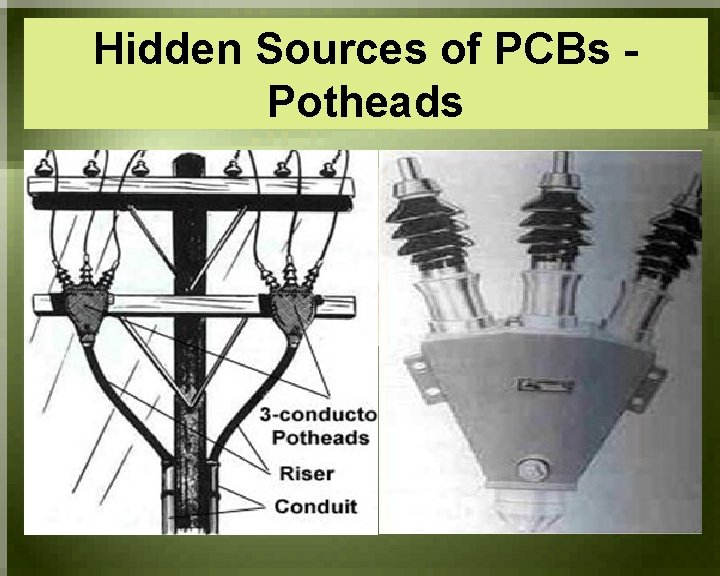
Hidden Sources of PCBs Potheads
The Bottom Line • Electrical equipment containing PCBs is used on the surface and underground • Release of PCBs into the environment can be prevented • Save money, protect the environment and avoid $$ liability

Thank You for Your Attention Dan W. Bench, PCB Coordinator, EPA Region 8 303. 312. 6027 bench. dan@epa. gov Please see epa. gov/pcb and epa. gov/region 8/toxics/pcb for further information
- Slides: 35