
PBS 803 Class 4 The Innate Immune System
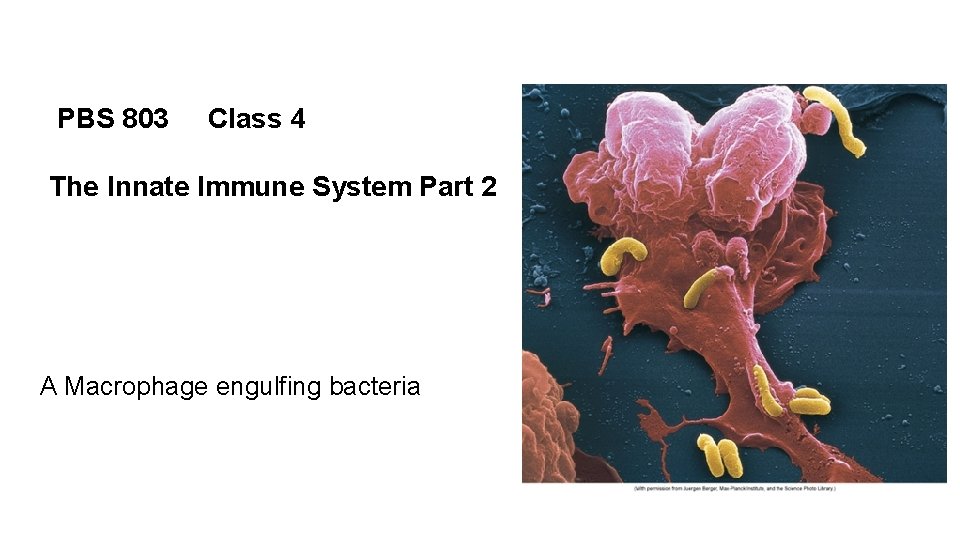
PBS 803 Class 4 The Innate Immune System Part 2 A Macrophage engulfing bacteria
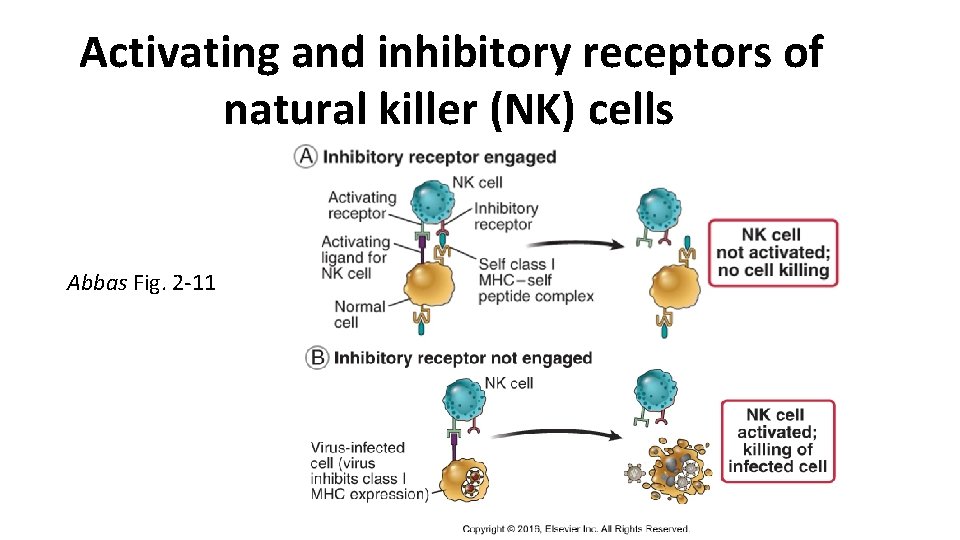
Activating and inhibitory receptors of natural killer (NK) cells Abbas Fig. 2 -11
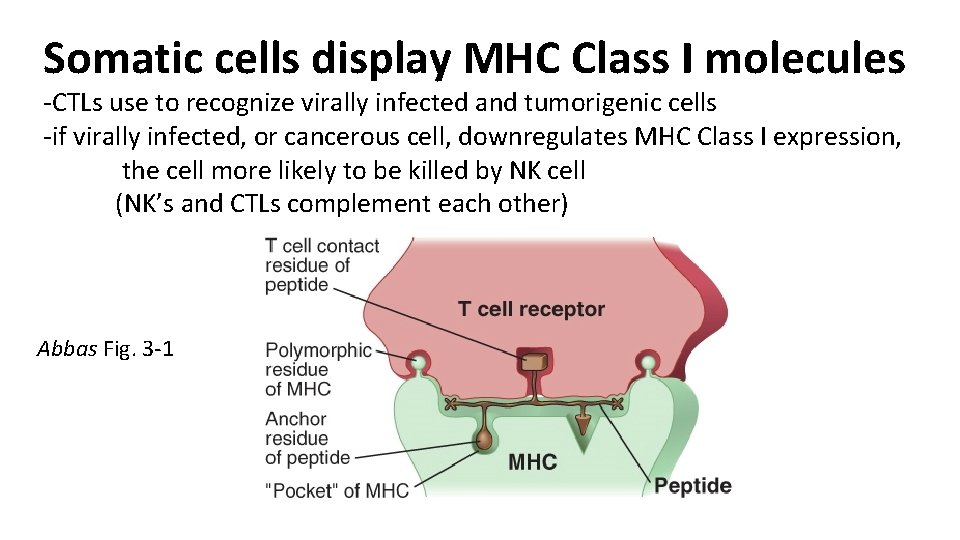
Somatic cells display MHC Class I molecules -CTLs use to recognize virally infected and tumorigenic cells -if virally infected, or cancerous cell, downregulates MHC Class I expression, the cell more likely to be killed by NK cell (NK’s and CTLs complement each other) Abbas Fig. 3 -1
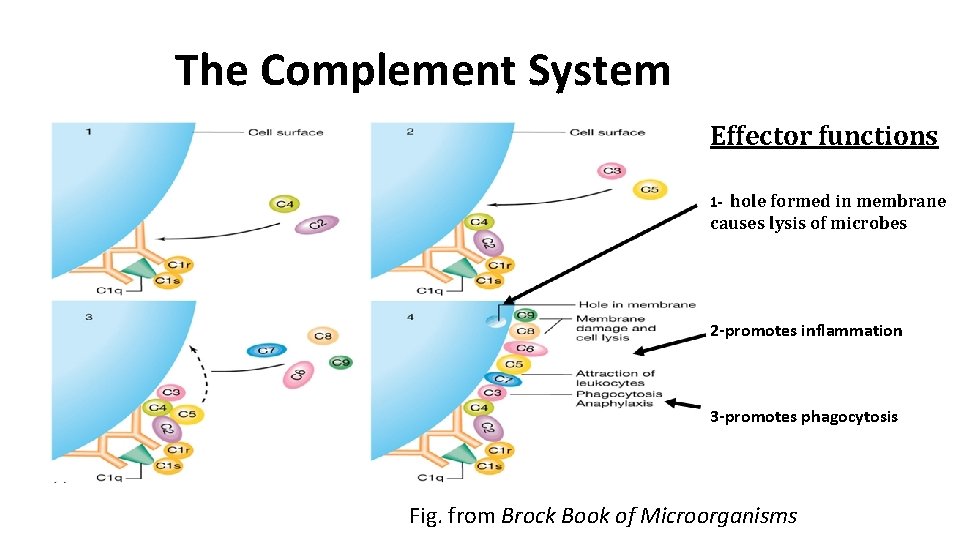
The Complement System Effector functions 1 - hole formed in membrane causes lysis of microbes 2 -promotes inflammation 3 -promotes phagocytosis Fig. from Brock Book of Microorganisms
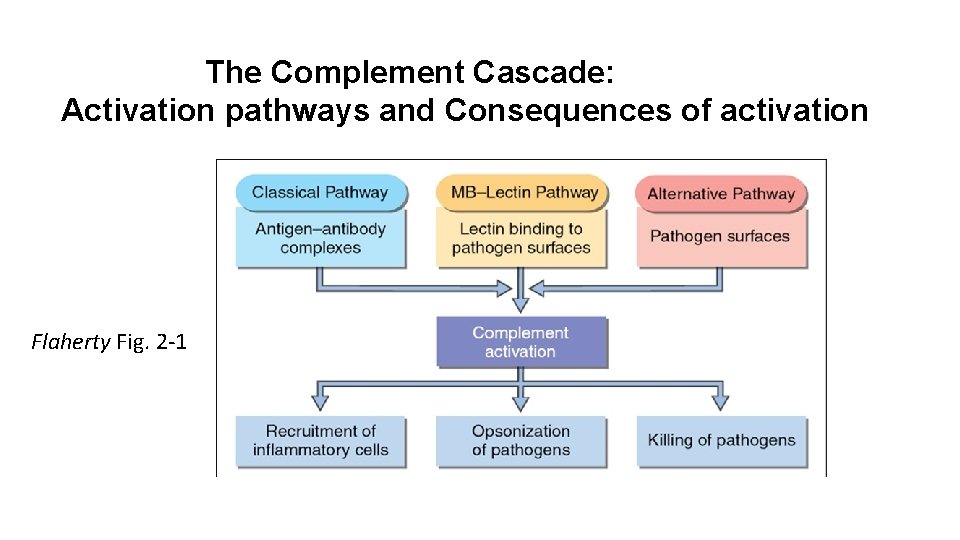
The Complement Cascade: Activation pathways and Consequences of activation Flaherty Fig. 2 -1

Pathways of complement activation Abbas Fig. 2 -12
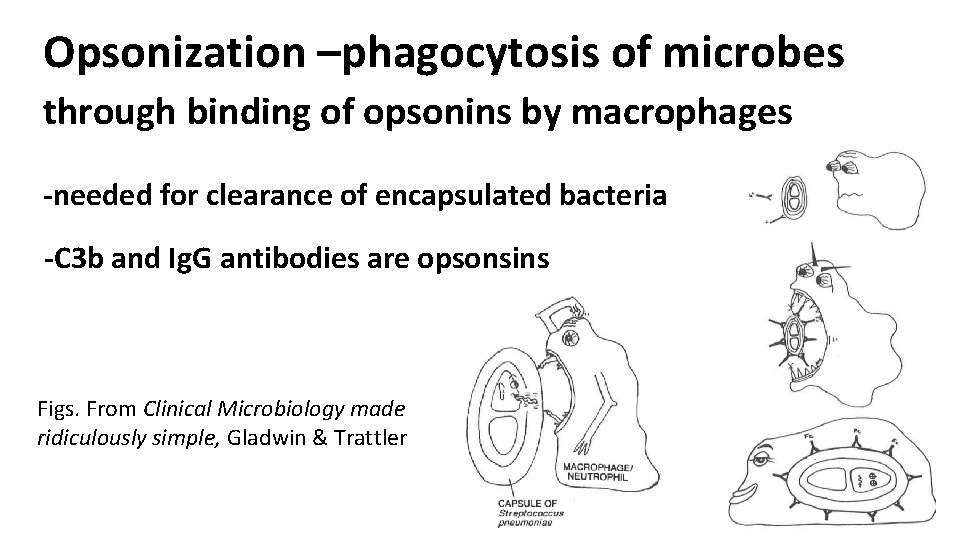
Opsonization –phagocytosis of microbes through binding of opsonins by macrophages -needed for clearance of encapsulated bacteria -C 3 b and Ig. G antibodies are opsonsins Figs. From Clinical Microbiology made ridiculously simple, Gladwin & Trattler
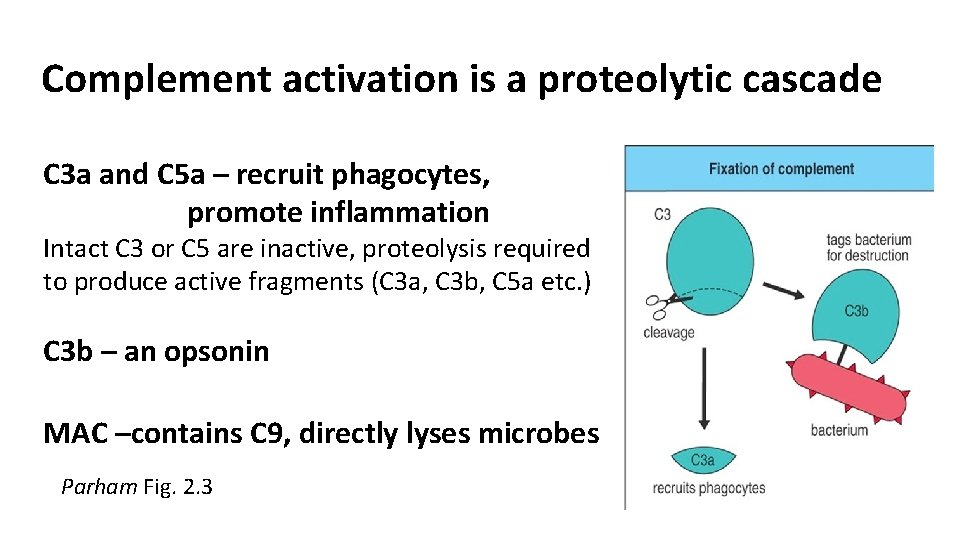
Complement activation is a proteolytic cascade C 3 a and C 5 a – recruit phagocytes, promote inflammation Intact C 3 or C 5 are inactive, proteolysis required to produce active fragments (C 3 a, C 3 b, C 5 a etc. ) C 3 b – an opsonin MAC –contains C 9, directly lyses microbes Parham Fig. 2. 3
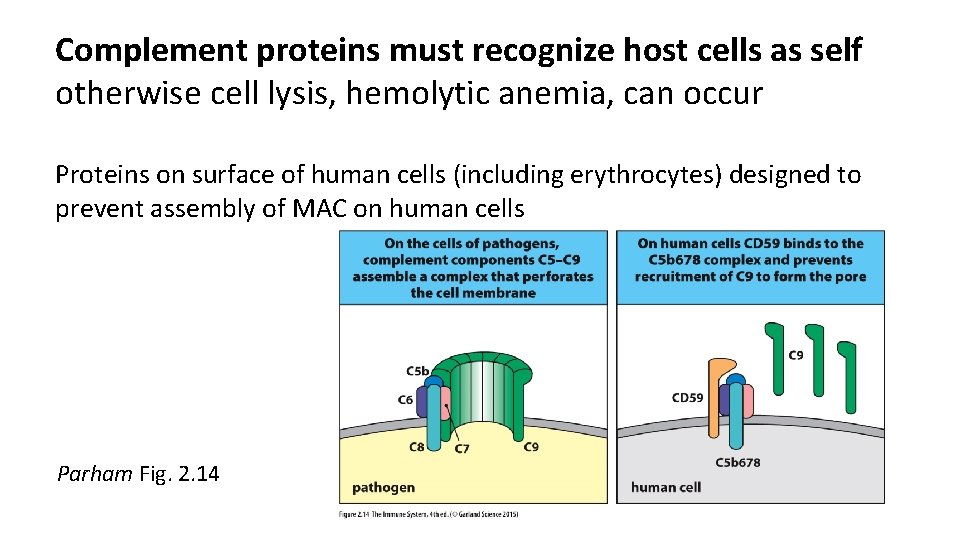
Complement proteins must recognize host cells as self otherwise cell lysis, hemolytic anemia, can occur Proteins on surface of human cells (including erythrocytes) designed to prevent assembly of MAC on human cells Parham Fig. 2. 14
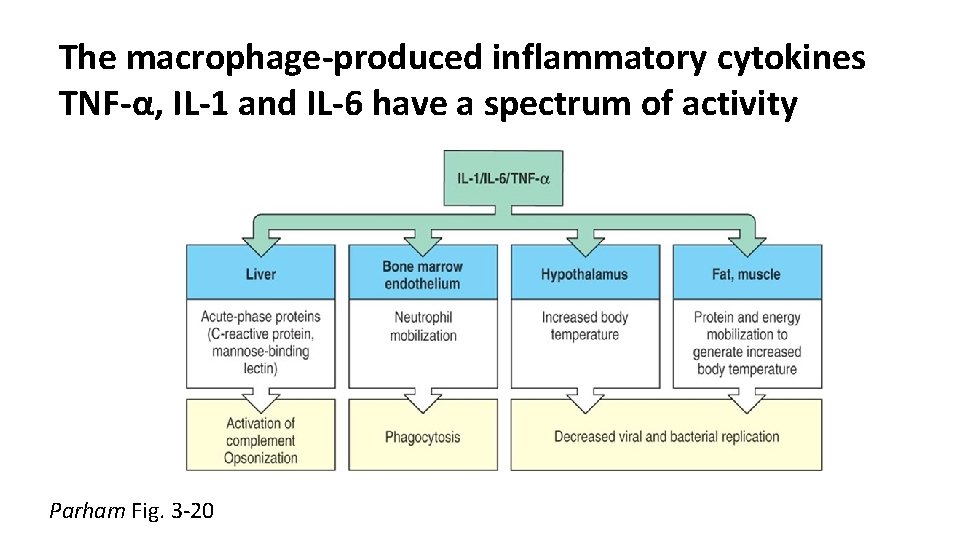
The macrophage-produced inflammatory cytokines TNF-α, IL-1 and IL-6 have a spectrum of activity Parham Fig. 3 -20
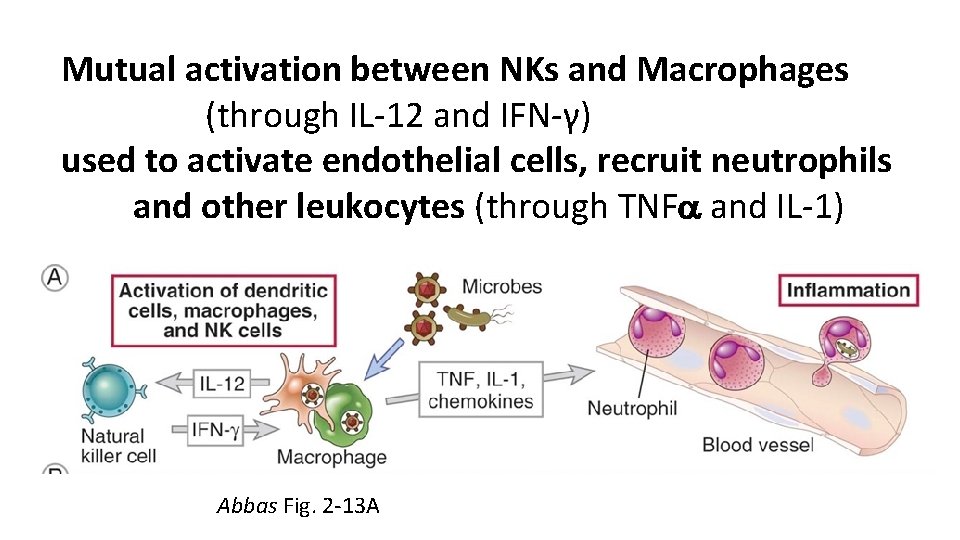
Mutual activation between NKs and Macrophages (through IL-12 and IFN-γ) used to activate endothelial cells, recruit neutrophils and other leukocytes (through TNF and IL-1) Abbas Fig. 2 -13 A
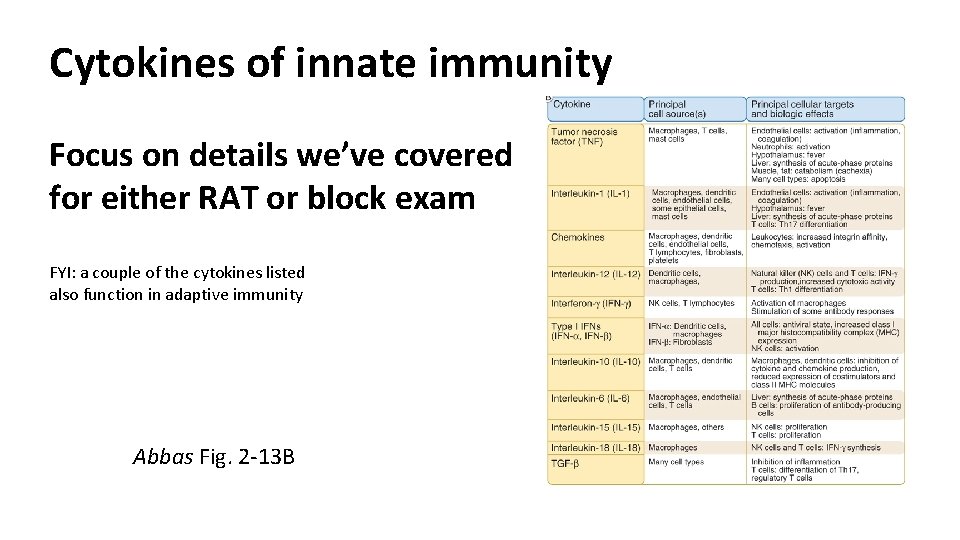
Cytokines of innate immunity Focus on details we’ve covered for either RAT or block exam FYI: a couple of the cytokines listed also function in adaptive immunity Abbas Fig. 2 -13 B
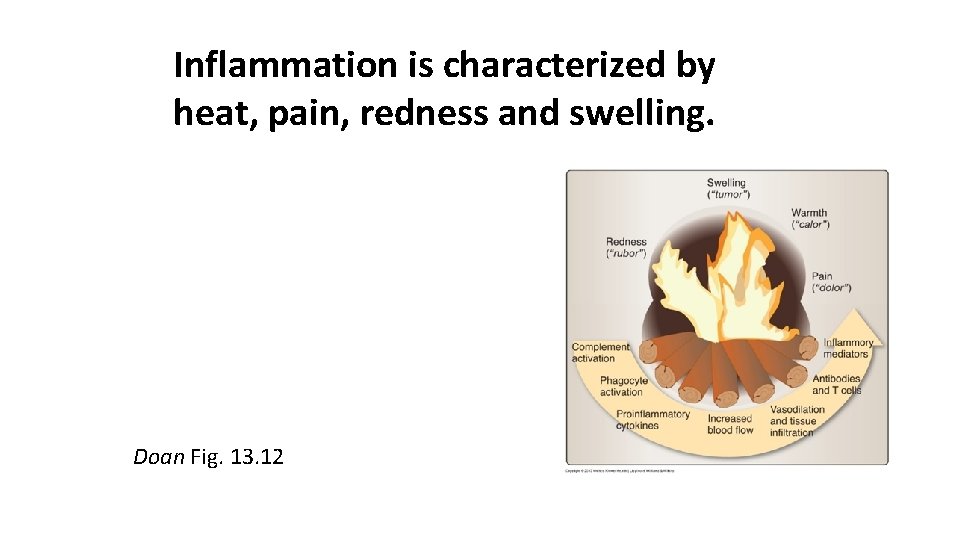
Inflammation is characterized by heat, pain, redness and swelling. Doan Fig. 13. 12
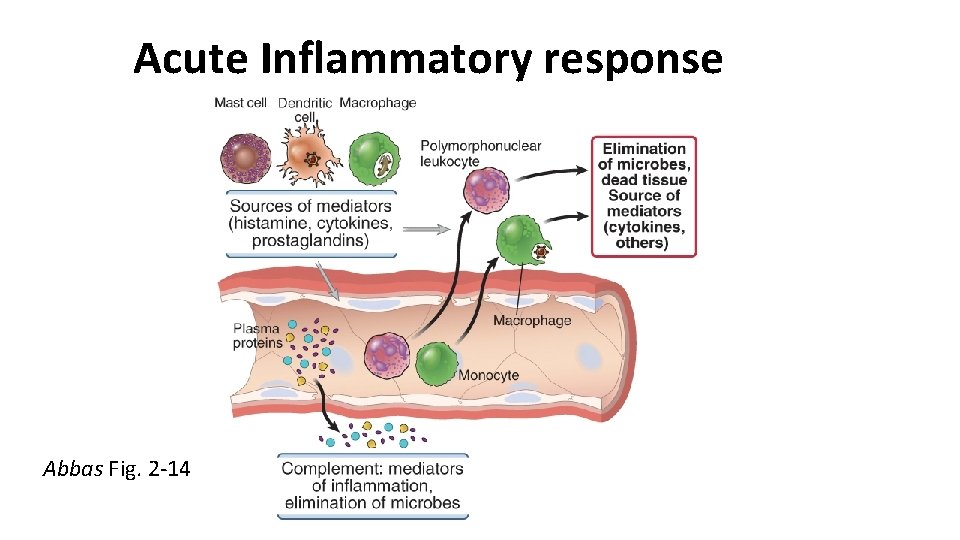
Acute Inflammatory response Abbas Fig. 2 -14
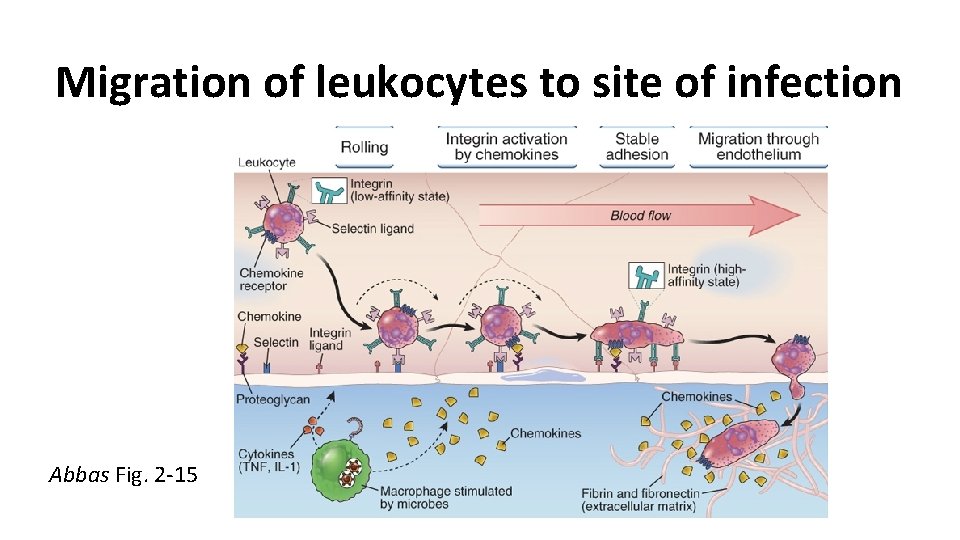
Migration of leukocytes to site of infection Abbas Fig. 2 -15
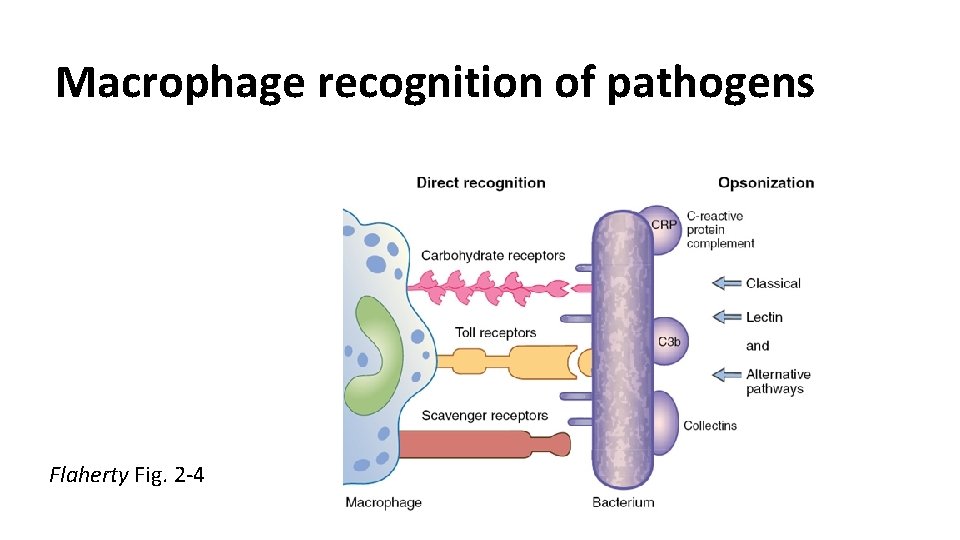
Macrophage recognition of pathogens Flaherty Fig. 2 -4
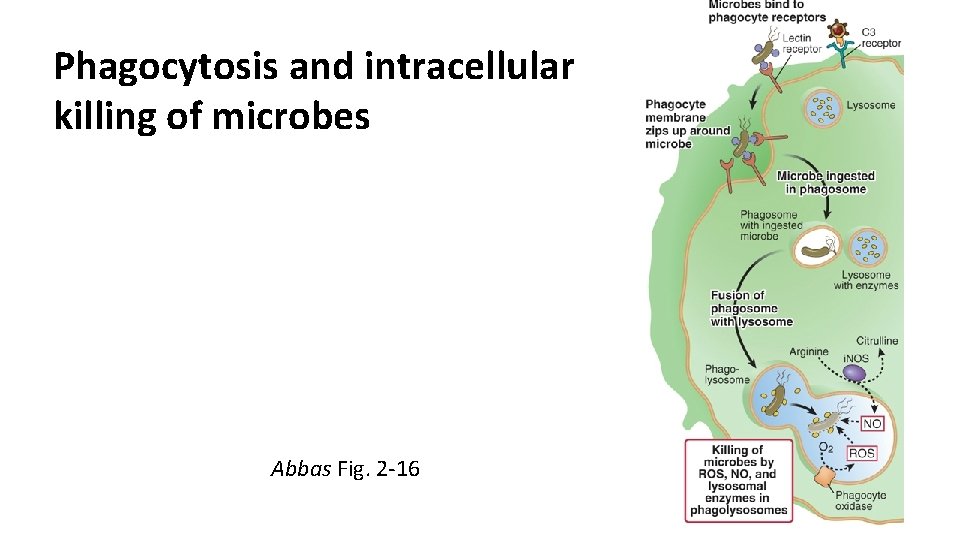
Phagocytosis and intracellular killing of microbes Abbas Fig. 2 -16
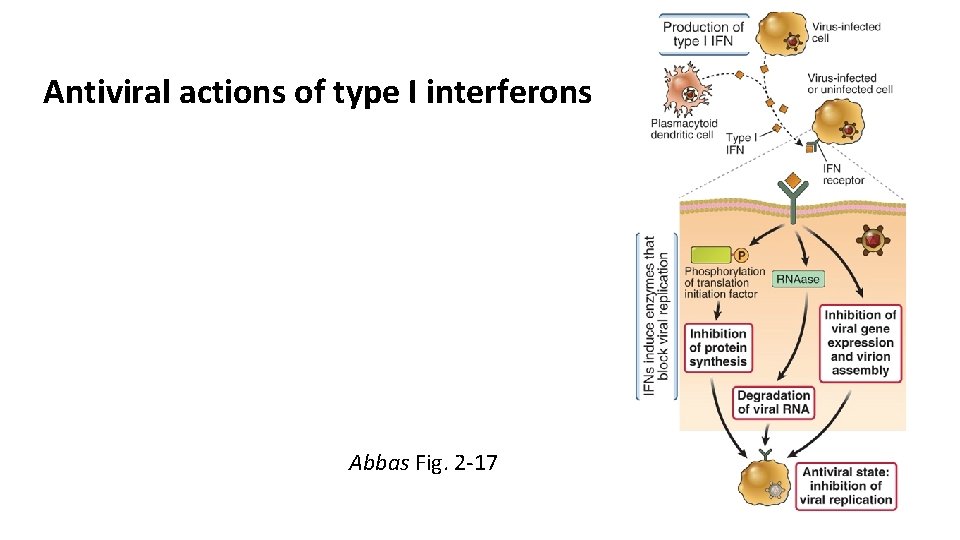
Antiviral actions of type I interferons Abbas Fig. 2 -17
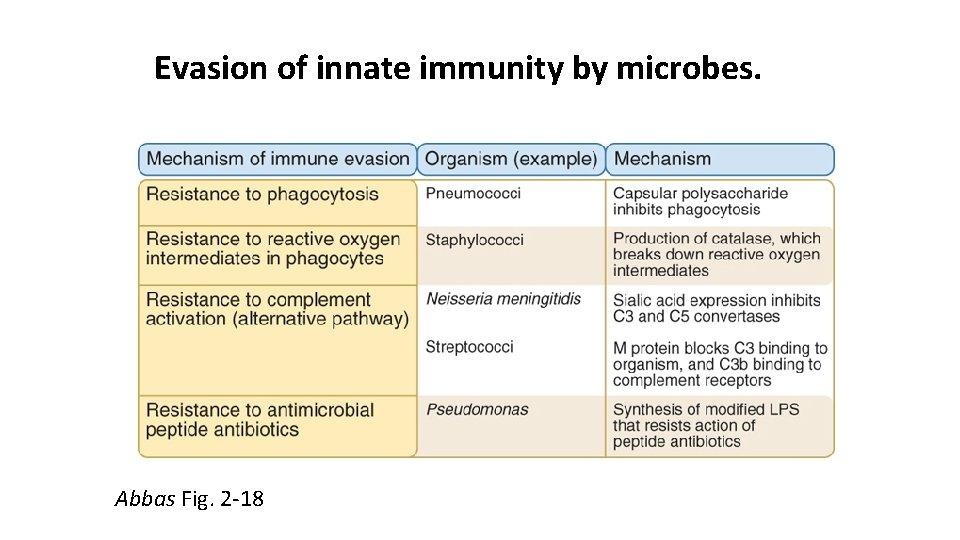
Evasion of innate immunity by microbes. Abbas Fig. 2 -18
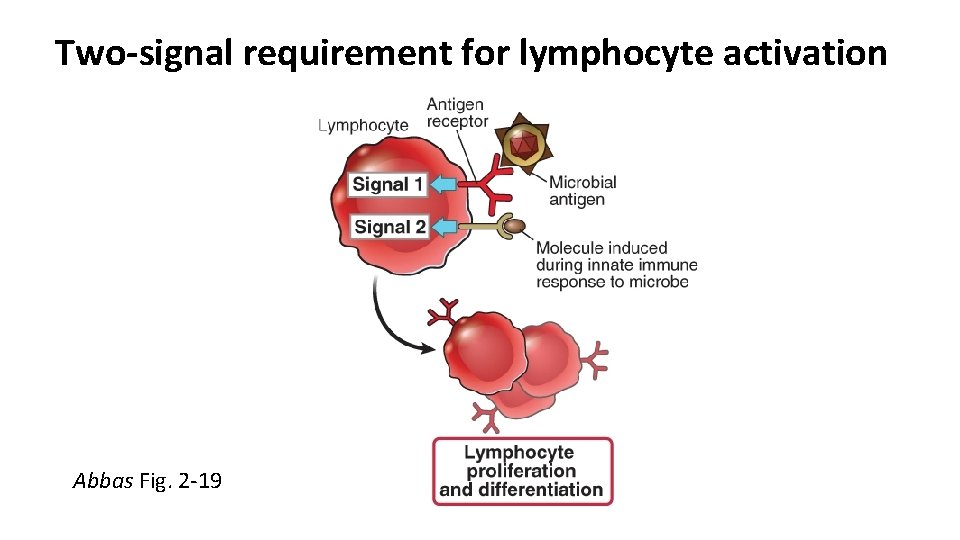
Two-signal requirement for lymphocyte activation Abbas Fig. 2 -19
- Slides: 20