
Paul Desan MD Ph D Yale University Mark








- Slides: 71
在中学生中开展幸福课程的实证研究 Paul Desan, MD, Ph. D Yale University Mark Setton, Ph. D University of Bridgeport International Happy Schools Forum Guangyuan, China
Positive Education 积极教育 • The responsibility of educators is not only to teach factual subjects, but to teach social and emotional skills that will prepare students for a happy and productive life. • 教育者的责任不仅是教授知识,还包括教授社会和情绪技 能,为学生的幸福、成功人生奠基。 • Not only the curriculum but also the school must reflect and transmit positive values. • 不仅是课程,整个学校需要传递积极价值观。
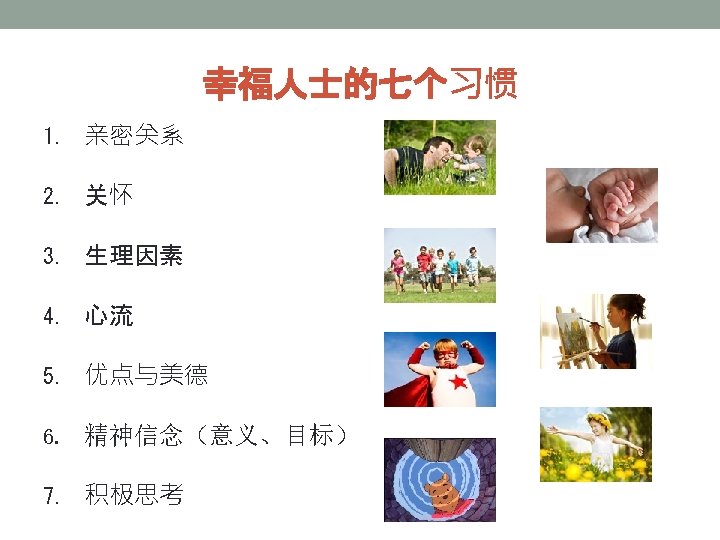
Pursuit of Happiness, Inc. 学习幸福机构 • A network of psychologists, psychiatrists, and educators • 心理学家,心理咨询师和教育者的网络。 • Mission to summarize scientific research on happiness and make this resource available to teachers • 整合关于幸福的科学研究并提供给教师。 • Research results summarized under 7 topics: Relationships, Caring, Physical factors, Flow, Meaningful life, Strengths and Virtues, Positive thinking • 将研究结果归纳为 7个主题。 • Founded at Yale University and the University of Bridgeport, now an international group • 由美国耶鲁大学和桥堡大学资助的国际组织。
There are two kinds of happiness 两种幸福 • Hedonic happiness 享乐主义幸福 • Positive affect: joy, energy, concentration, pleasure • 积极情绪:喜悦,精力充沛,专注,快乐 • Negative affect: sadness, guilt, anger, nervousness • 消极情绪:悲伤,内疚,愤怒,紧张 • Difference between positive and negative affect is Hedonic Happiness • 享乐主义幸福=积极情绪-消极情绪 • Life satisfaction: global, cognitive, evaluative
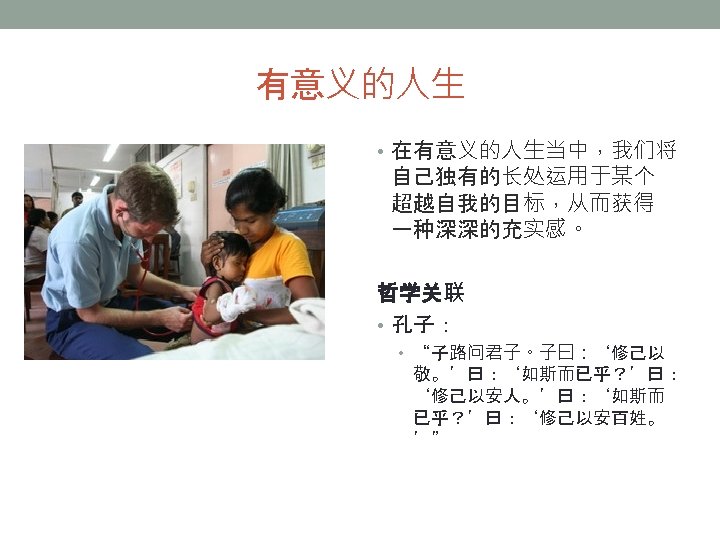
6. 当我在生活中发挥自己的优势和 技能来实现理想(超越自身目标) 时,我有深深的满足感。 I find a deep sense of fulfilment in my life by using my strengths and skills towards a purpose greater than myself. • (1) 从不 • (2) 很少 • (3) 有时 • (4) 常常 • (5) 总是
13. 你有没有听说过“幸福人士的7个习惯”并且知道如 何提升你幸福感(和问卷评分)? Have you read about the 7 Habits of Happy People and learned how to raise your score and, of course, your sense of well-being? • (1) 是 • (2) 否
Ursus americanus (black bear) 黑熊
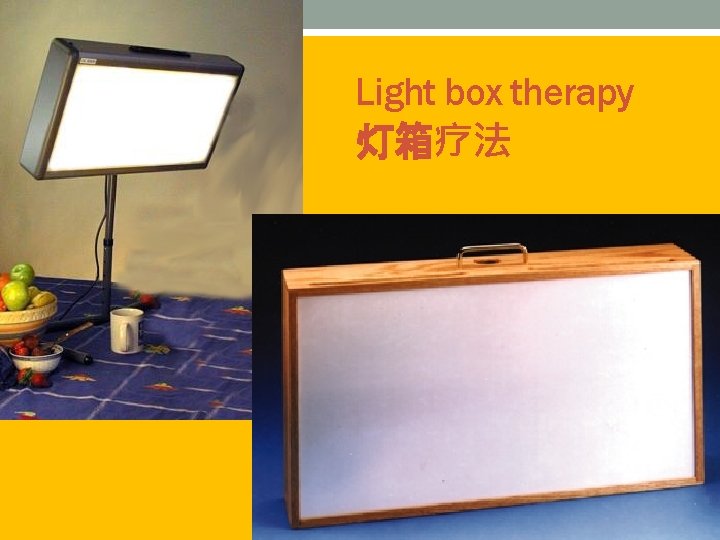
Light box therapy 灯箱疗法
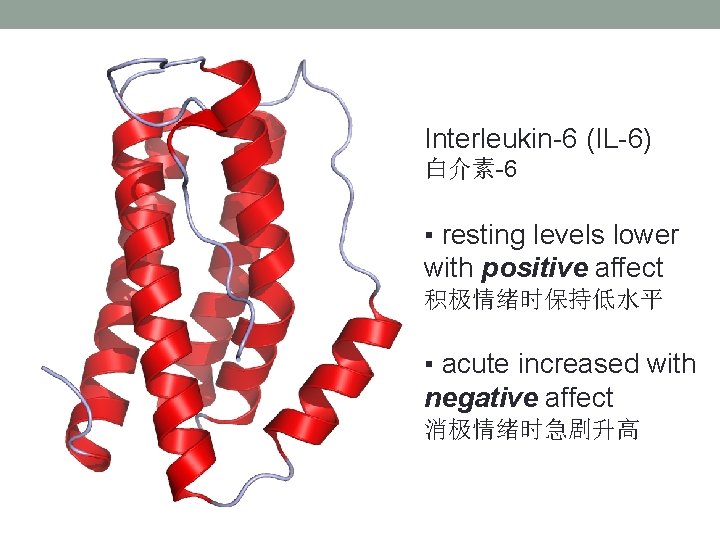
Interleukin-6 (IL-6) 白介素-6 ▪ resting levels lower with positive affect 积极情绪时保持低水平 ▪ acute increased with negative affect 消极情绪时急剧升高
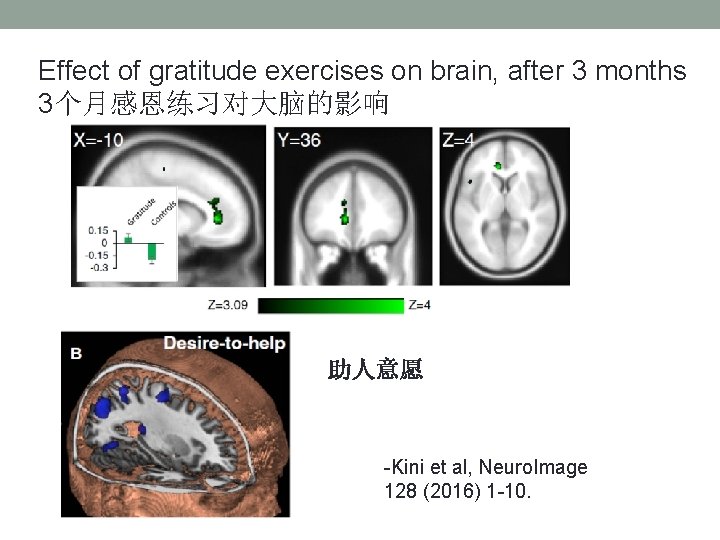
Effect of gratitude exercises on brain, after 3 months 3个月感恩练习对大脑的影响 助人意愿 -Kini et al, Neuro. Image 128 (2016) 1 -10.
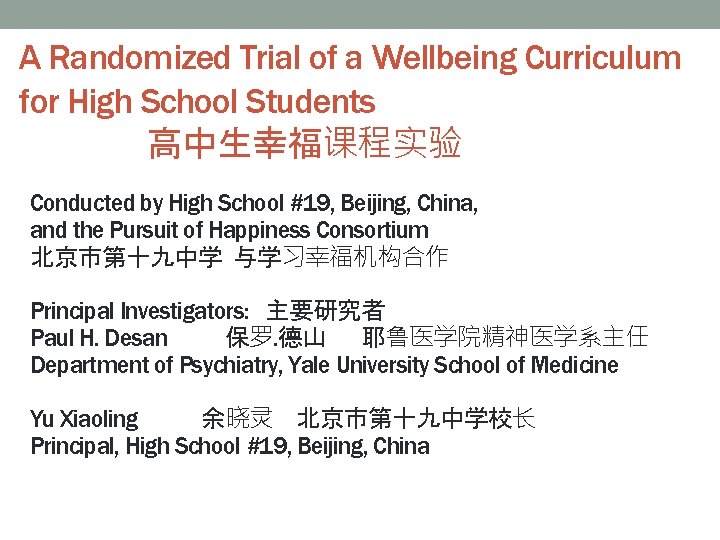
A Randomized Trial of a Wellbeing Curriculum for High School Students 高中生幸福课程实验 Conducted by High School #19, Beijing, China, and the Pursuit of Happiness Consortium 北京市第十九中学 与学习幸福机构合作 Principal Investigators: 主要研究者 Paul H. Desan 保罗. 德山 耶鲁医学院精神医学系主任 Department of Psychiatry, Yale University School of Medicine Yu Xiaoling 余晓灵 北京市第十九中学校长 Principal, High School #19, Beijing, China
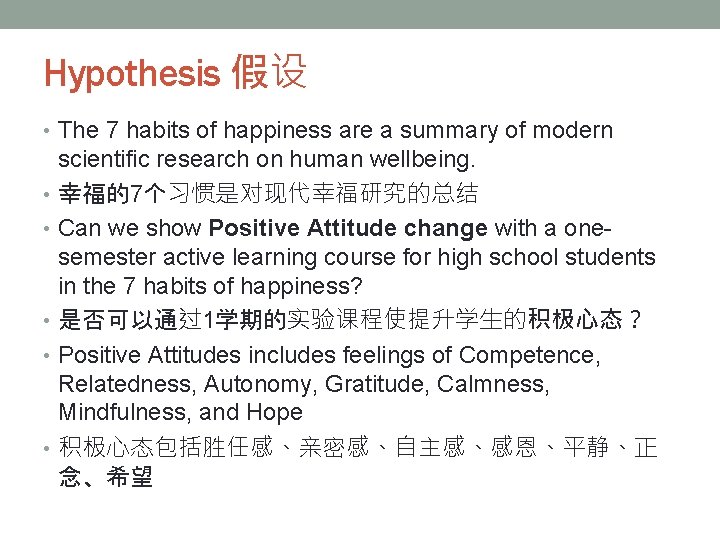
Hypothesis 假设 • The 7 habits of happiness are a summary of modern scientific research on human wellbeing. • 幸福的7个习惯是对现代幸福研究的总结 • Can we show Positive Attitude change with a onesemester active learning course for high school students in the 7 habits of happiness? • 是否可以通过1学期的实验课程使提升学生的积极心态? • Positive Attitudes includes feelings of Competence, Relatedness, Autonomy, Gratitude, Calmness, Mindfulness, and Hope • 积极心态包括胜任感、亲密感、自主感、感恩、平静、正 念、希望
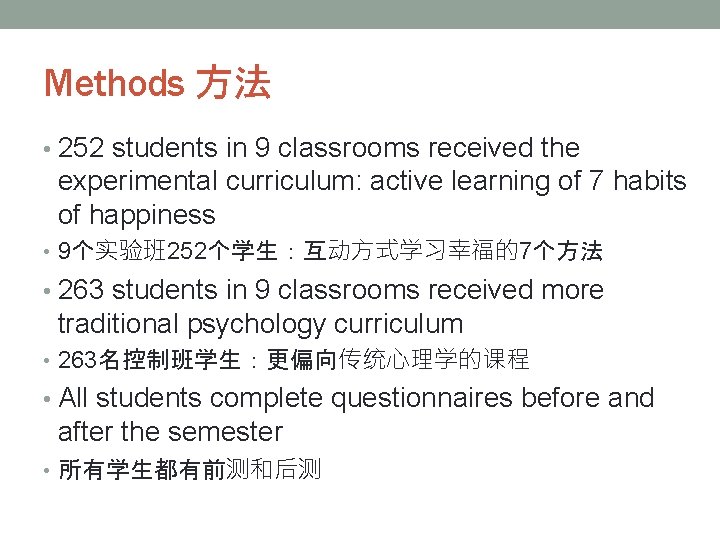
Methods 方法 • 252 students in 9 classrooms received the experimental curriculum: active learning of 7 habits of happiness • 9个实验班 252个学生:互动方式学习幸福的7个方法 • 263 students in 9 classrooms received more traditional psychology curriculum • 263名控制班学生:更偏向传统心理学的课程 • All students complete questionnaires before and after the semester • 所有学生都有前测和后测
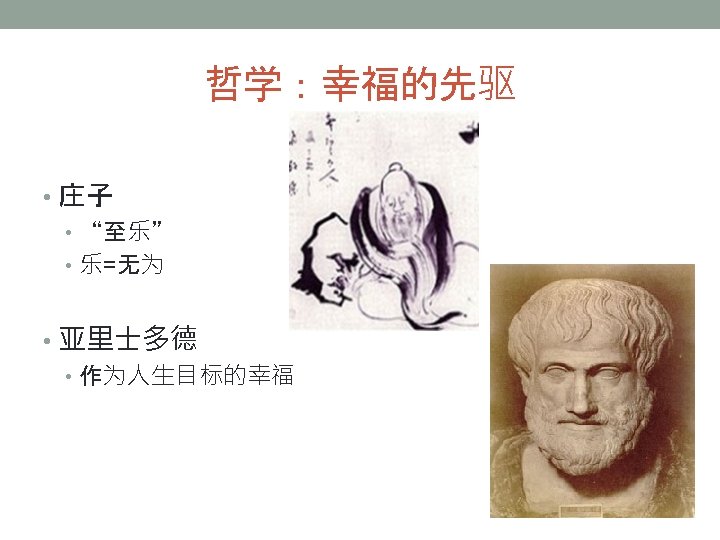
An active learning curriculum Introduction of the course Pioneers: psychologists Pioneers: philosophers Friendship: philosophy and research Activeconstructive response Caring (1): practice Journal writing: recording 3 happy moments. Group discussion: what would make me happier. Multimedia: TED talk on happiness. Group role play: life story of one psychologist of happiness. Group presentation: theory of happiness according to that psychologist. Multimedia: cartoon video of Zhuangzi. Journal writing: of all these philosophers and psychologists studied, whom you agree with most, and why; provide a definition of happiness in your own words. Group discussion: compare definitions. Multimedia: songs on friendship. Group discussion: with what kind of people you will become friends; what is the meaning of friendship; do more your friends mean more happiness. Group activity: active listening. Homework: do something for a friend in the following week. Group activity and sharing in pairs: discuss examples in selfmade videos regarding 4 modes of response. Multimedia: puppet show on 4 modes of response. Multimedia: video of a Chinese volunteer during gap year. Group activity: blind walking in pairs, one person helping. Group discussion: sharing.
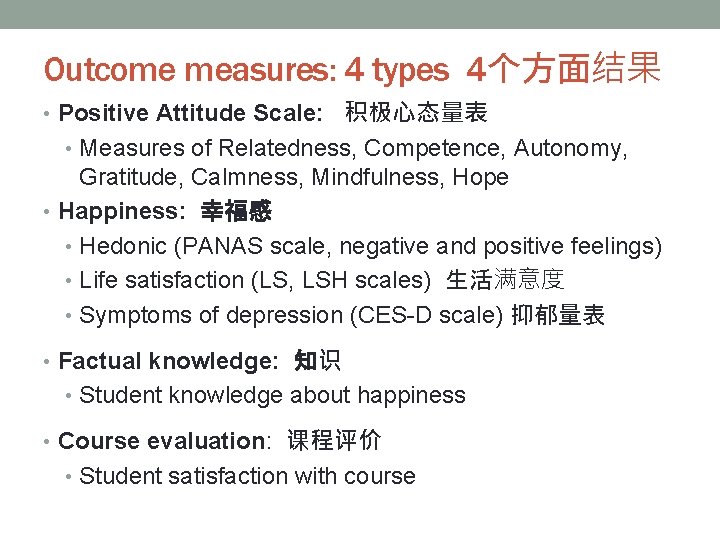
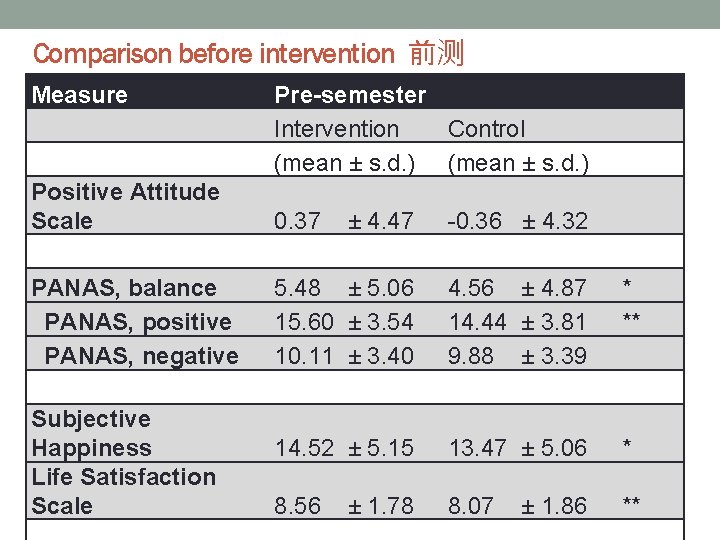
Outcome measures: 4 types 4个方面结果 • Positive Attitude Scale: 积极心态量表 • Measures of Relatedness, Competence, Autonomy, Gratitude, Calmness, Mindfulness, Hope • Happiness: 幸福感 • Hedonic (PANAS scale, negative and positive feelings) • Life satisfaction (LS, LSH scales) 生活满意度 • Symptoms of depression (CES-D scale) 抑郁量表 • Factual knowledge: 知识 • Student knowledge about happiness • Course evaluation: 课程评价 • Student satisfaction with course
Comparison before intervention 前测 Measure Pre-semester Intervention Control (mean ± s. d. ) Positive Attitude Scale 0. 37 ± 4. 47 -0. 36 ± 4. 32 PANAS, balance PANAS, positive PANAS, negative 5. 48 ± 5. 06 15. 60 ± 3. 54 10. 11 ± 3. 40 4. 56 ± 4. 87 14. 44 ± 3. 81 9. 88 ± 3. 39 * ** 14. 52 ± 5. 15 13. 47 ± 5. 06 * 8. 56 8. 07 ** Subjective Happiness Life Satisfaction Scale ± 1. 78 ± 1. 86
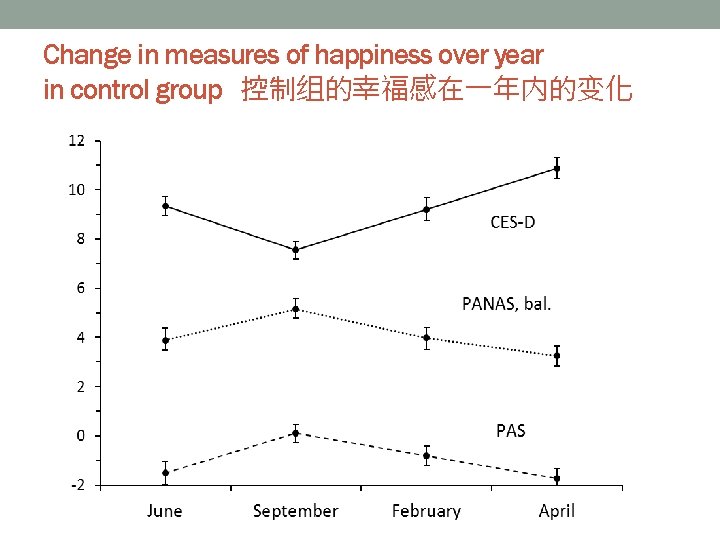
Change in measures of happiness over year in control group 控制组的幸福感在一年内的变化
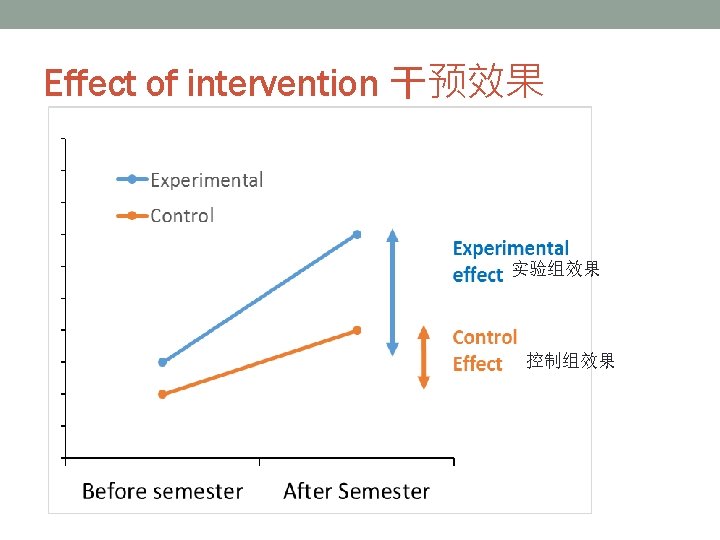
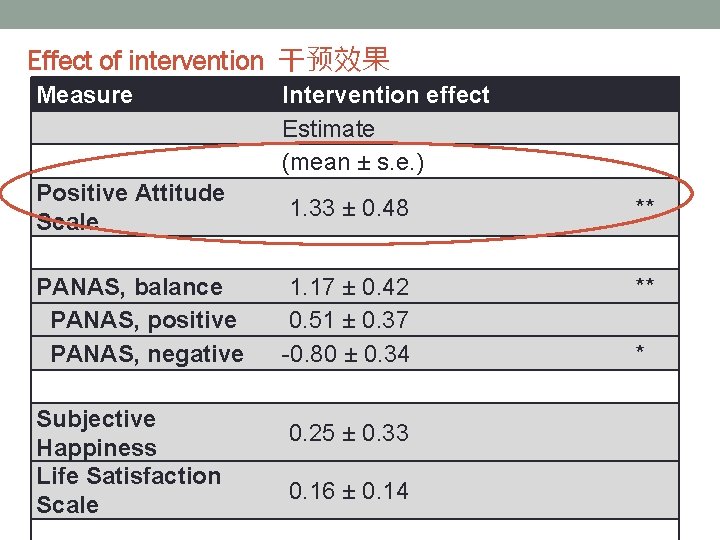
Effect of intervention 干预效果 Measure Intervention effect Estimate (mean ± s. e. ) Positive Attitude Scale 1. 33 ± 0. 48 ** PANAS, balance PANAS, positive PANAS, negative 1. 17 ± 0. 42 0. 51 ± 0. 37 -0. 80 ± 0. 34 ** Subjective Happiness Life Satisfaction Scale 0. 25 ± 0. 33 0. 16 ± 0. 14 *
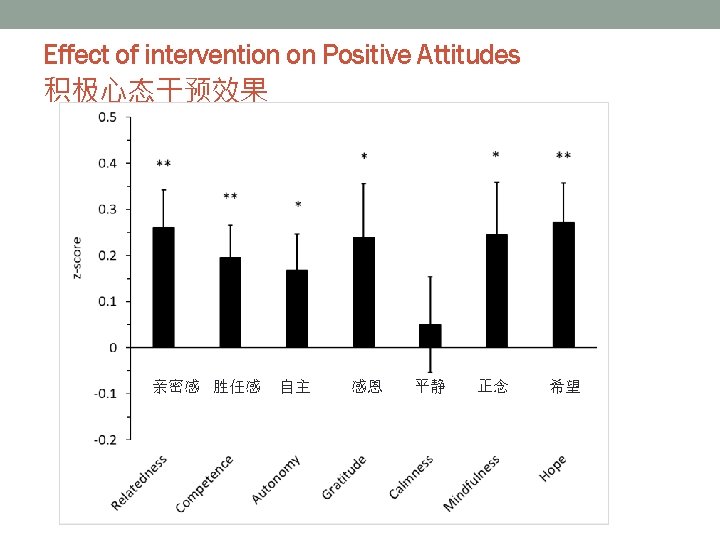
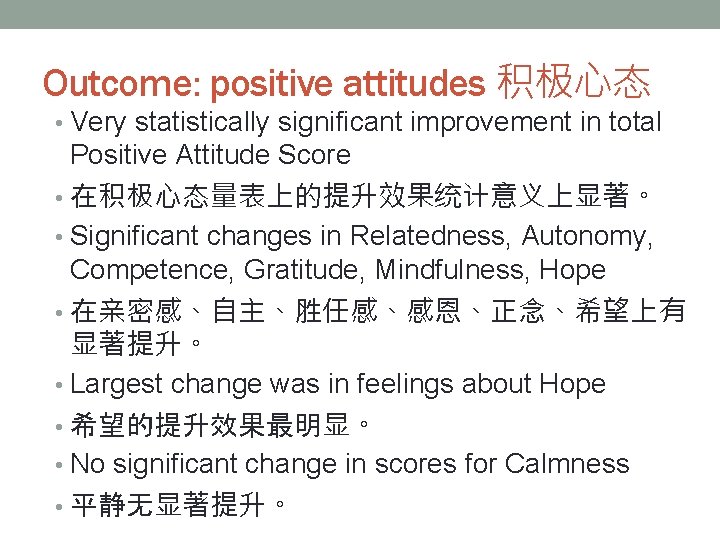
Outcome: positive attitudes 积极心态 • Very statistically significant improvement in total Positive Attitude Score • 在积极心态量表上的提升效果统计意义上显著。 • Significant changes in Relatedness, Autonomy, Competence, Gratitude, Mindfulness, Hope • 在亲密感、自主、胜任感、感恩、正念、希望上有 显著提升。 • Largest change was in feelings about Hope • 希望的提升效果最明显。 • No significant change in scores for Calmness • 平静无显著提升。
Effect of intervention 干预效果 Measure Intervention effect Estimate (mean ± s. e. ) Positive Attitude Scale 1. 33 ± 0. 48 ** PANAS, balance PANAS, positive PANAS, negative 1. 17 ± 0. 42 0. 51 ± 0. 37 -0. 80 ± 0. 34 ** Subjective Happiness Life Satisfaction Scale 0. 25 ± 0. 33 0. 16 ± 0. 14 *
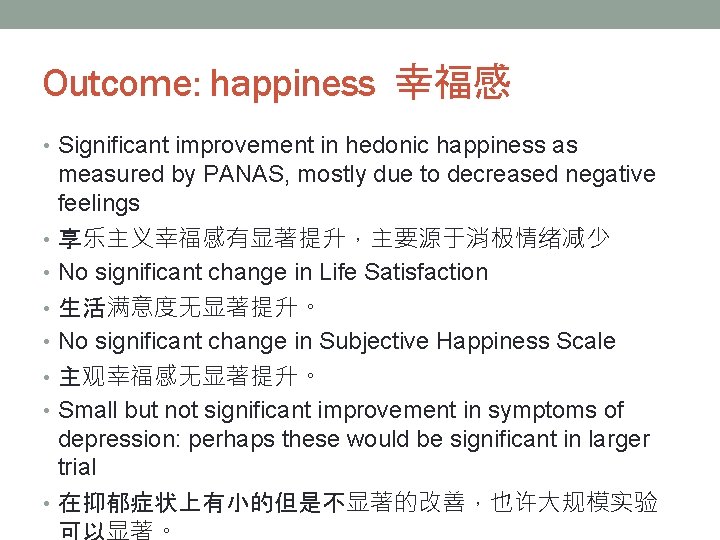
Outcome: happiness 幸福感 • Significant improvement in hedonic happiness as measured by PANAS, mostly due to decreased negative feelings • 享乐主义幸福感有显著提升,主要源于消极情绪减少 • No significant change in Life Satisfaction • 生活满意度无显著提升。 • No significant change in Subjective Happiness Scale • 主观幸福感无显著提升。 • Small but not significant improvement in symptoms of depression: perhaps these would be significant in larger trial • 在抑郁症状上有小的但是不显著的改善,也许大规模实验
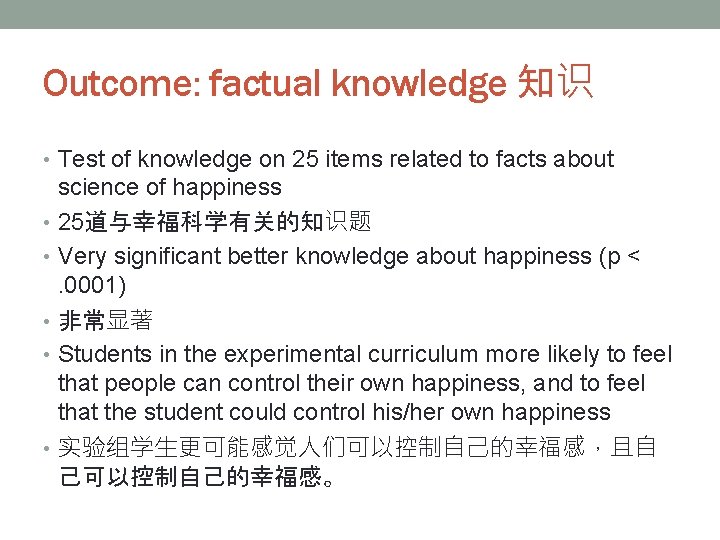
Outcome: factual knowledge 知识 • Test of knowledge on 25 items related to facts about science of happiness • 25道与幸福科学有关的知识题 • Very significant better knowledge about happiness (p <. 0001) • 非常显著 • Students in the experimental curriculum more likely to feel that people can control their own happiness, and to feel that the student could control his/her own happiness • 实验组学生更可能感觉人们可以控制自己的幸福感,且自 己可以控制自己的幸福感。
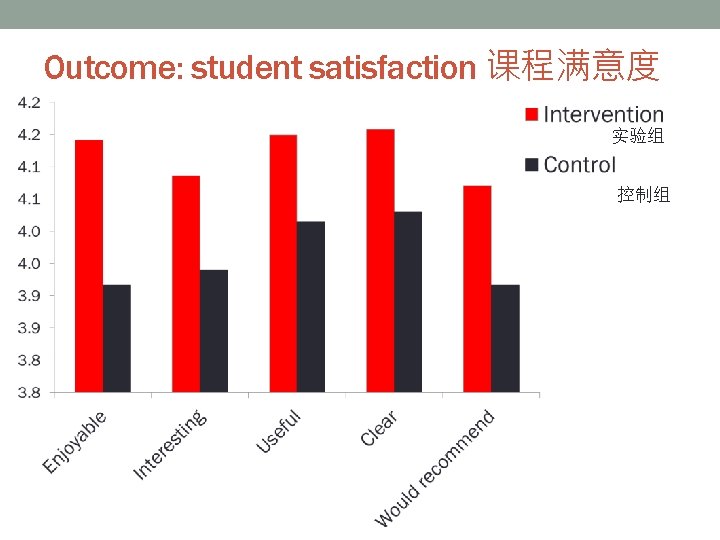
Outcome: student satisfaction 课程满意度 实验组 控制组
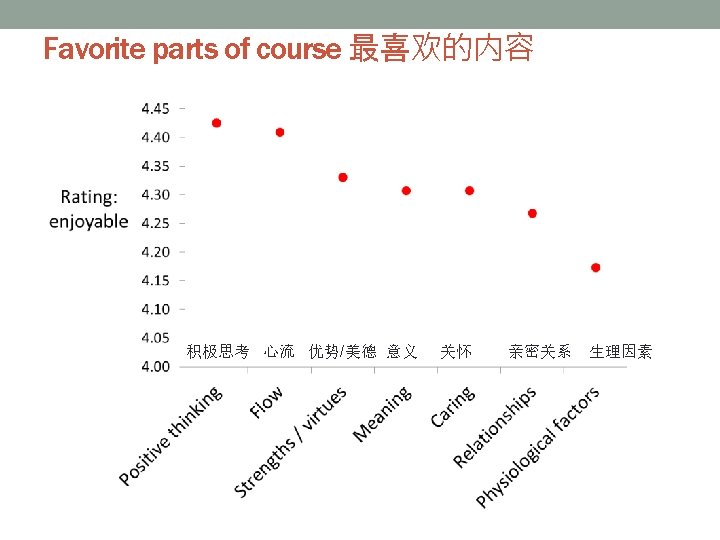
Outcome: student satisfaction 学生评价 • Course was popular with students, who found it interesting and enjoyable • 学生喜爱课程,认为它有趣,令人享受 • Favorite units were Positive Thinking and Strengths and Virtues • 最喜欢的单元是积极思考,心流,优点和美德 • Least favorite unit was Physical Factors • 最不感兴趣的单元是生理因素
Conclusions 结论 • The High School #19 – Pursuit of Happiness curriculum based on active learning can produce change in positive attitudes in Chinese students • 基于积极的互动式学习,可提升中国学生的积极心 理上。 • The curriculum also produces improved knowledge in the science of happiness • 课程可帮助提升对于幸福科学的知识了解。 • The curriculum is well liked by the students • 课程受学生欢迎。
Conclusions 结论 • We hope other schools will wish to use this curriculum in their programs • 我们希望学校能够应用这个项目。 • We look forward to working with the Happy Schools Initiative to expand improve and disseminate this curriculum • 我们希望与全国幸福共同体一起完善、推广此课程。
Invitation 邀请 • We hope that some schools here today will be interested in using the curriculum and participating in research • 我们希望会有学校对此项目感兴趣并愿意参与研究。 • We look forward to your feedback and suggestions about the curriculum • 我们希望得到您的反馈和建议。
Thank you for inviting us to take part in the 4 th Annual Happy Schools Initiative. We appreciate the opportunity to visit and share ideas about teaching. 感谢全国幸福学校共同体第四届年会邀请 我们分享教学经验 We look forward to continuing our special relationship with you! 希望我们可以继续合作!