
Patient Safety Lucian Leape Patient Safety Champion Harvard


- Slides: 35
Patient Safety
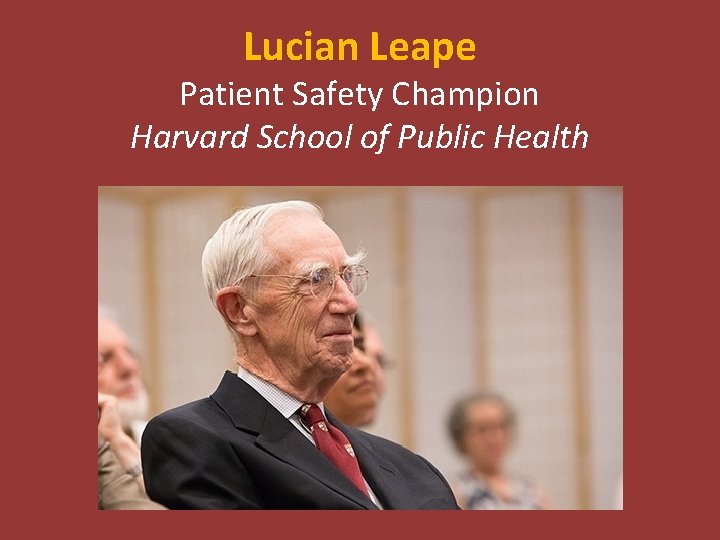
Lucian Leape Patient Safety Champion Harvard School of Public Health
Scope of Problem & History of Patient Safety • 1999: IOM To Err is Human: Building a Safer Health Care System • 44, 000 - 98, 000 Americans die each year from medical errors
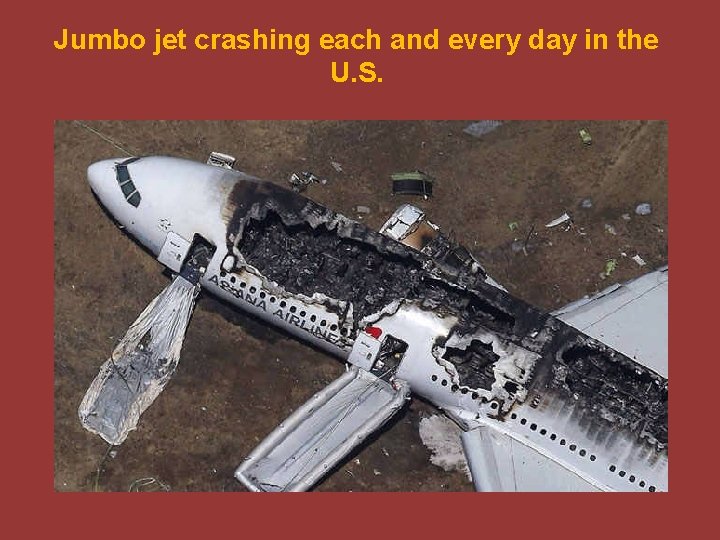
Jumbo jet crashing each and every day in the U. S.
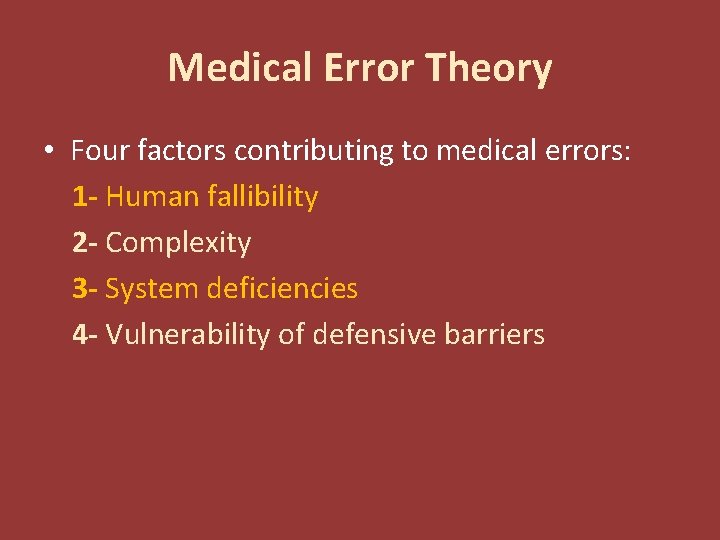
Medical Error Theory • Four factors contributing to medical errors: 1 - Human fallibility 2 - Complexity 3 - System deficiencies 4 - Vulnerability of defensive barriers
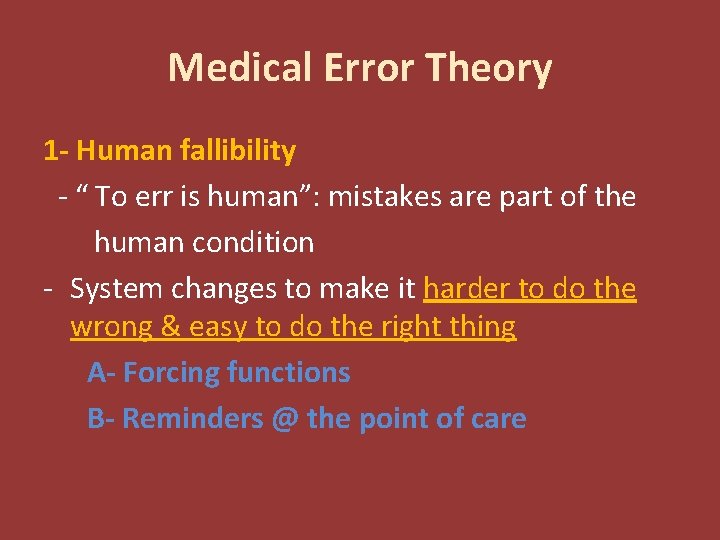
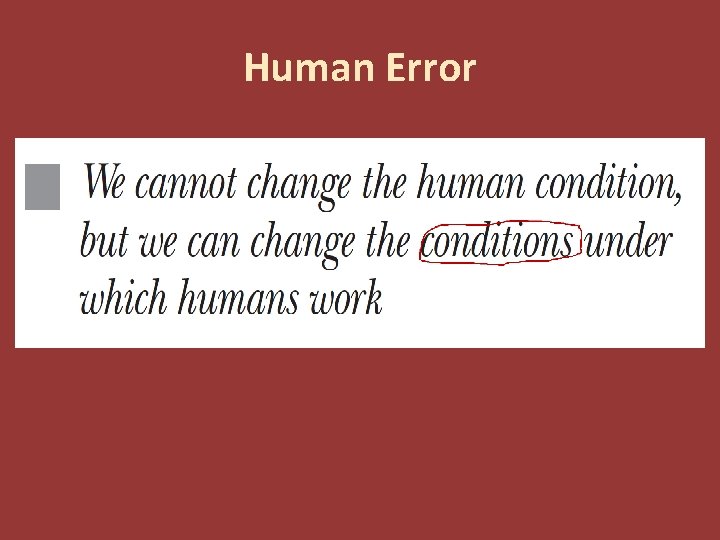
Medical Error Theory 1 - Human fallibility - “ To err is human”: mistakes are part of the human condition - System changes to make it harder to do the wrong & easy to do the right thing A- Forcing functions B- Reminders @ the point of care
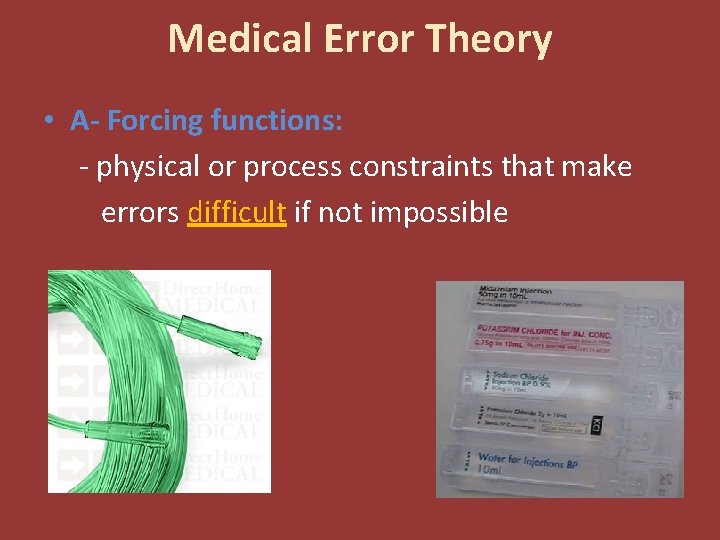
Medical Error Theory • A- Forcing functions: - physical or process constraints that make errors difficult if not impossible
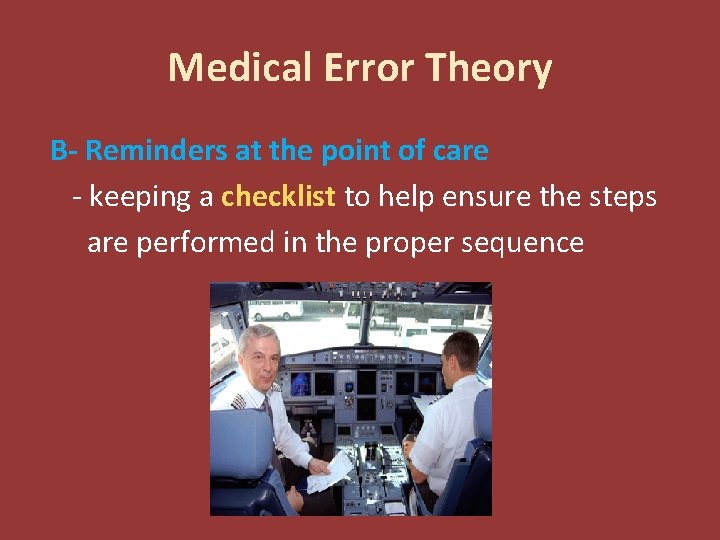
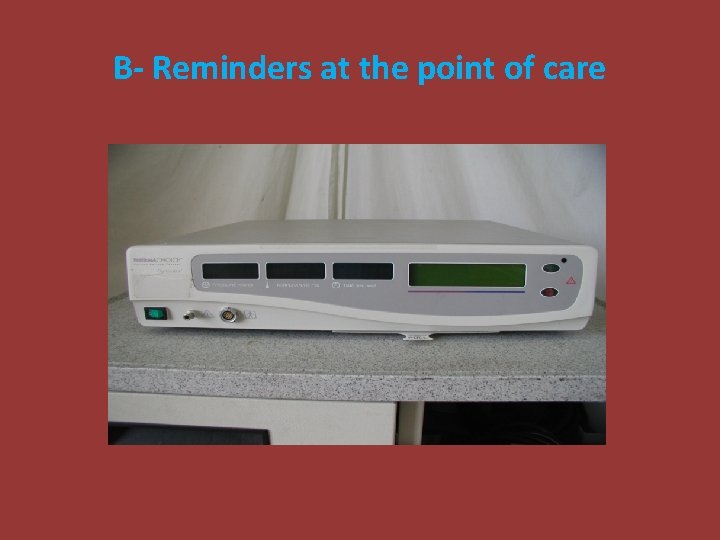
Medical Error Theory B- Reminders at the point of care - keeping a checklist to help ensure the steps are performed in the proper sequence
B- Reminders at the point of care
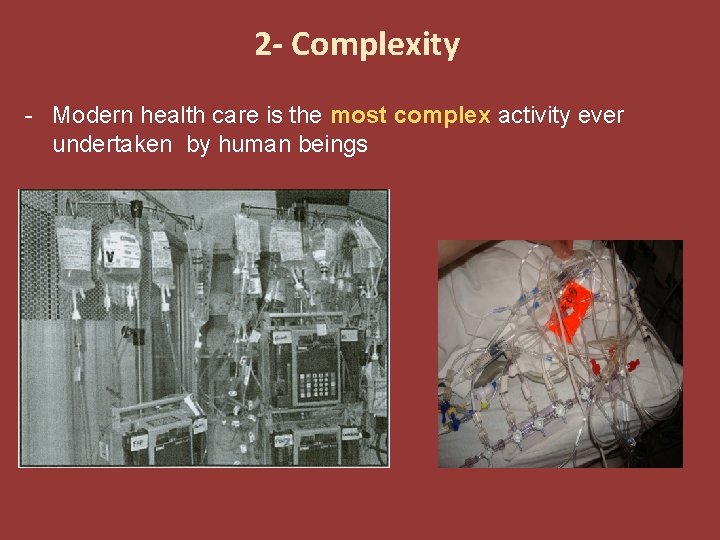
2 - Complexity - Modern health care is the most complex activity ever undertaken by human beings
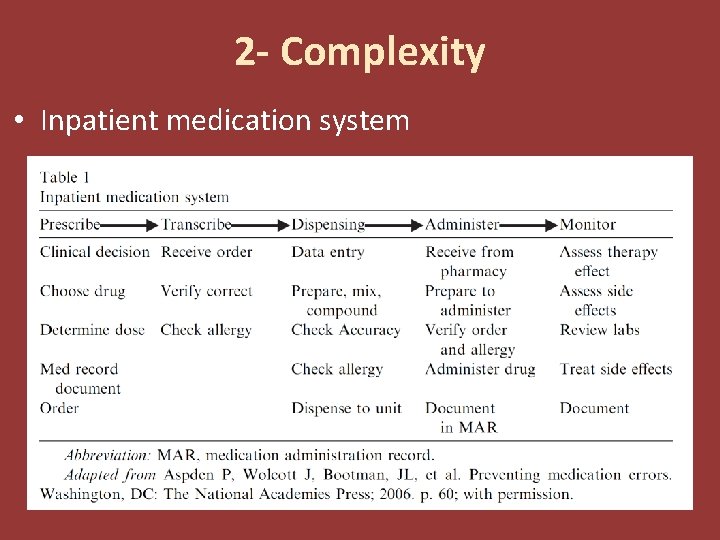
2 - Complexity • Inpatient medication system
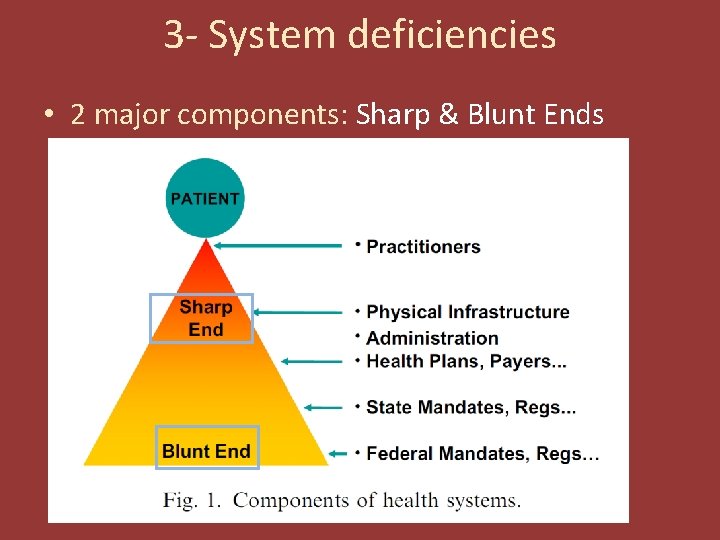
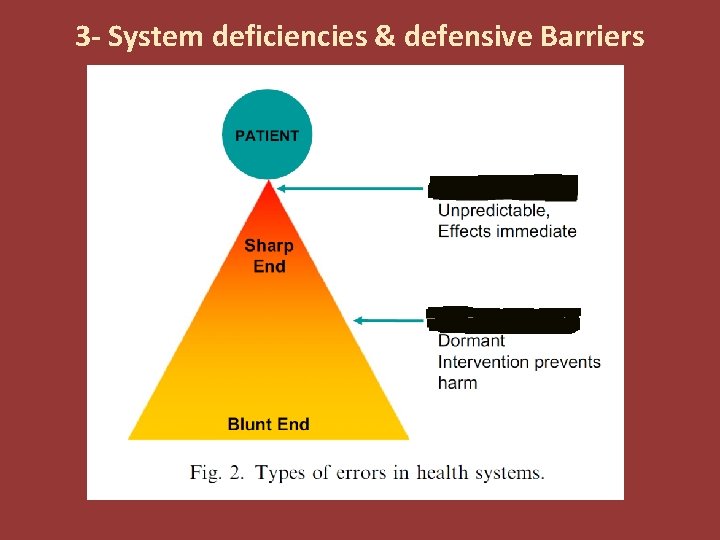
3 - System deficiencies • 2 major components: Sharp & Blunt Ends
3 - System deficiencies & defensive Barriers
1 - Active Errors • Active Errors: - @ the sharp end of care - Immediate effects - Generally unpredictable & unpreventable - Example: inadvertent bladder injury during a hysterectomy for endometriosis with multiple adhesions - There is no “ system” that would prevent this injury
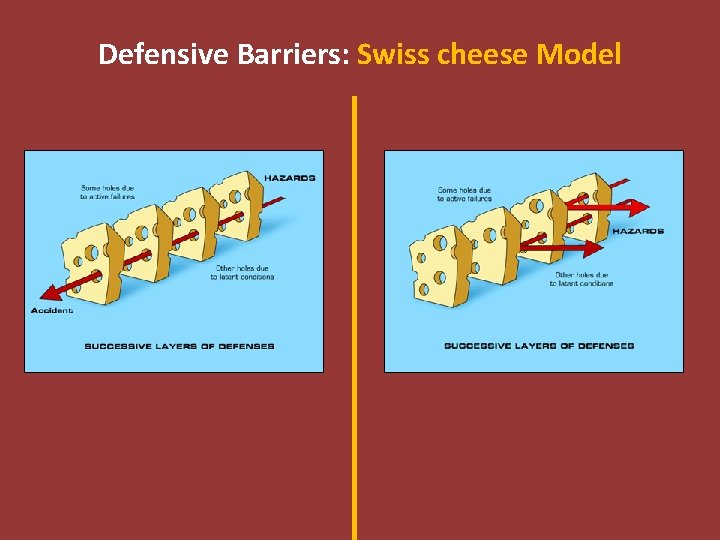
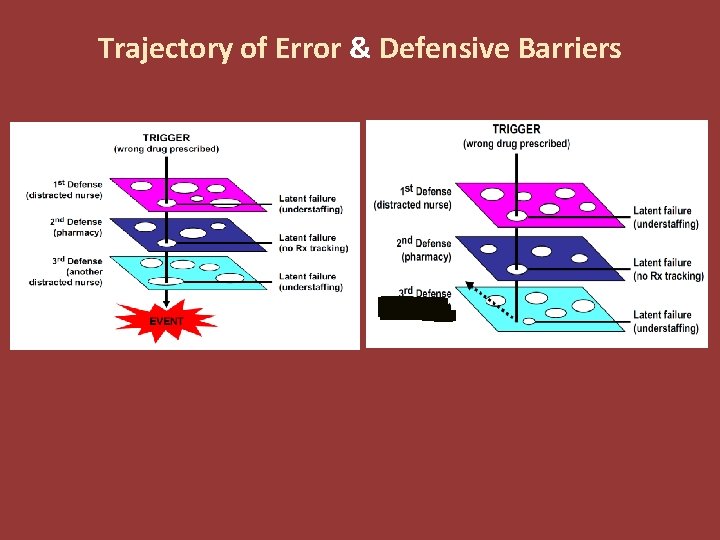
2 - Latent Errors • Latent Errors: - System deficiencies hidden in the blunt end of care - Holes in Swiss cheese - We work around these risks until the wrong set of circumstances occur → Patient injury - Examples: understaffing, engineering defects
Human Error
Defensive Barriers: Swiss cheese Model
Trajectory of Error & Defensive Barriers
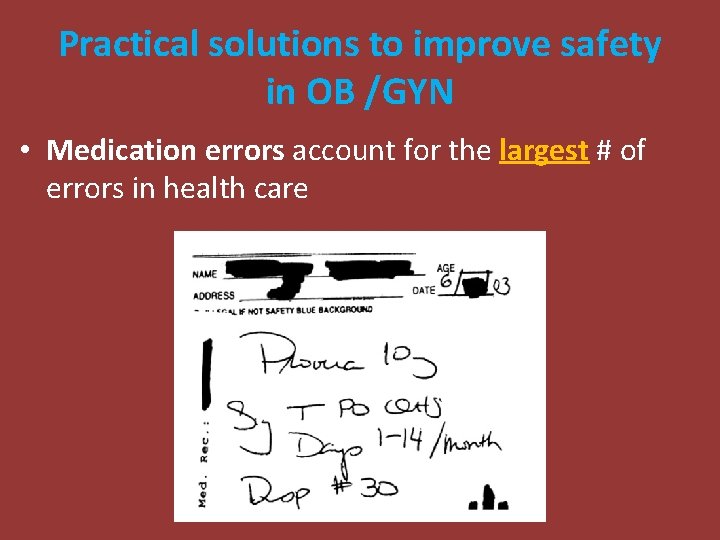
Practical solutions to improve safety in OB /GYN • Medication errors account for the largest # of errors in health care
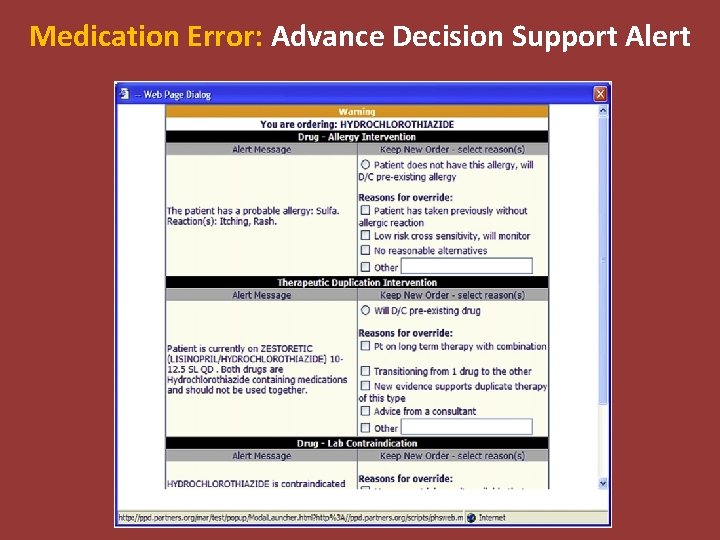
Medication Error: Advance Decision Support Alert
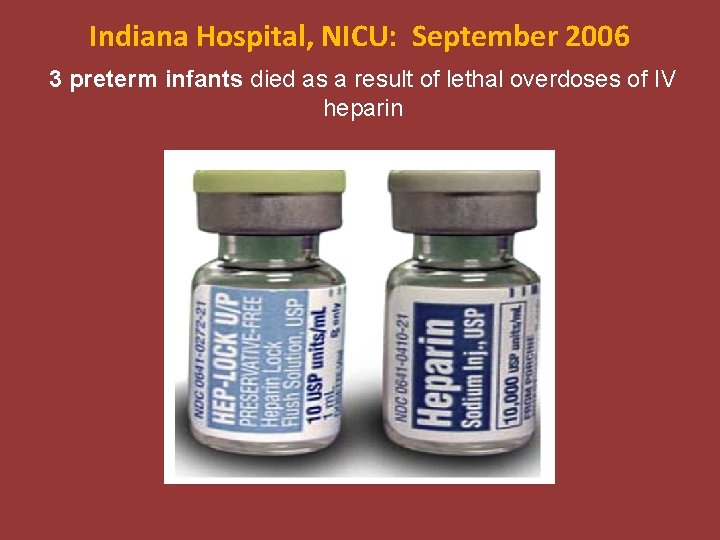
Indiana Hospital, NICU: September 2006 3 preterm infants died as a result of lethal overdoses of IV heparin
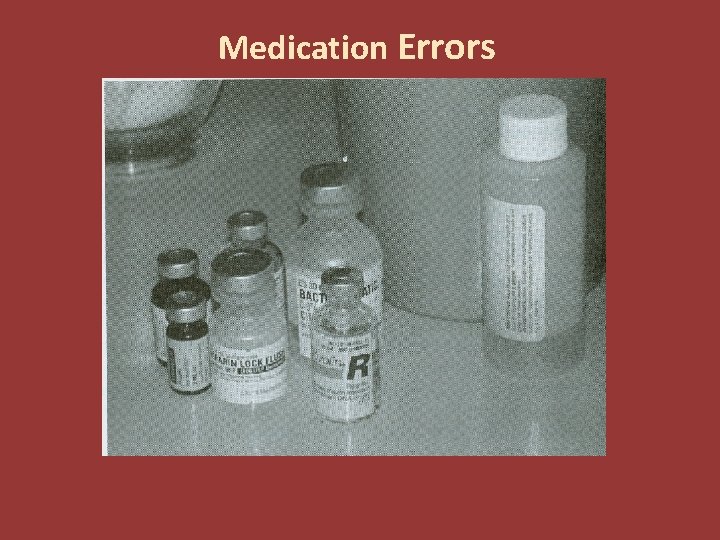
Medication Errors
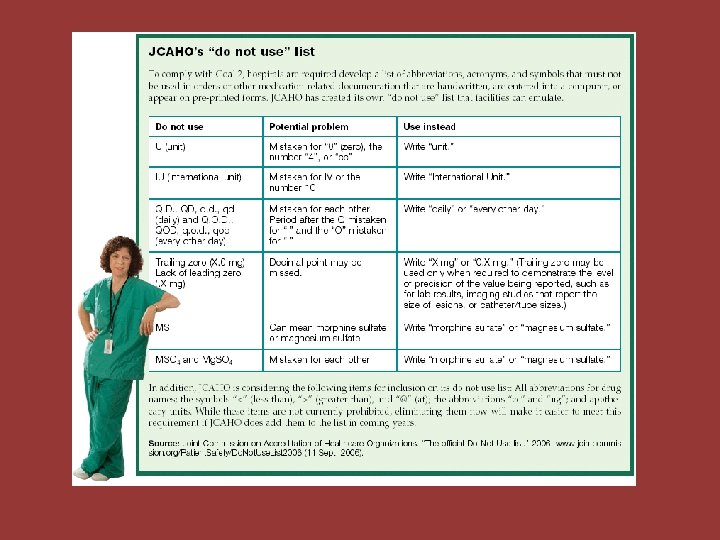
Medication Safety & Errors • Clear handwriting • Distinguishing between look-alike and sound-alike drugs • Avoid using abbreviations / non-standard abbrev. • Electronic system for generating & transmitting Rxs • All prescriptions should include detailed instructions to pt for using the medications
Medication Safety & Errors • Comprehensive recommendations/guidelines published by ACOG, ACS & Joint Commission
Patient Role in her safety • Speak up if you have questions or concerns • Pay attention to the care you’re receiving • Educate yourself about your diagnosis , tests you are undergoing and your treatment plan • Know what medications you take and why you take them ( medication errors are the most common healthcare errors !) • Participate in all decisions about your treatment
Surgical Environment • In Obstetrics & Gynecology , the risks of surgical error may have ↑ because : - ↑Cesarean sections - ↑Minimally Invasive Surgeries - ↑Robot-assisted laparoscopy - ↑Pressure for short lengths of stay postop - ↑More outpatient procedures
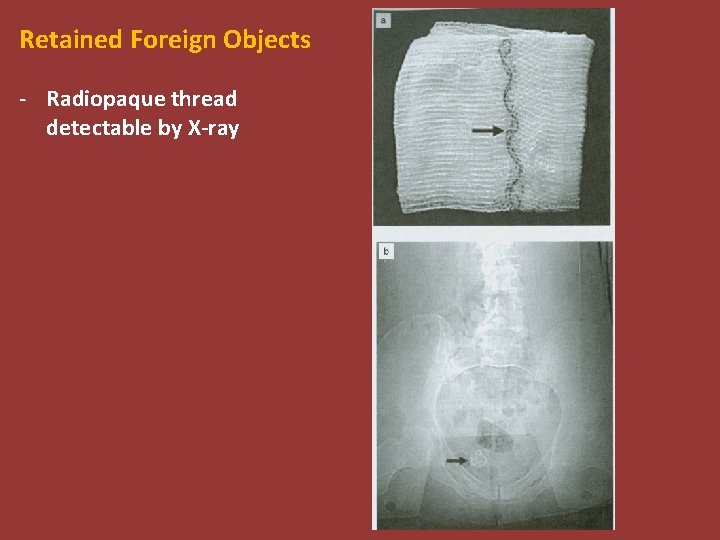
1 - Retained Foreign Objects • Sponges, surgical instruments • Indefensible!! • “Correct sponge count” does not exonerate the surgeon
Retained Foreign Objects - Radiopaque thread detectable by X-ray
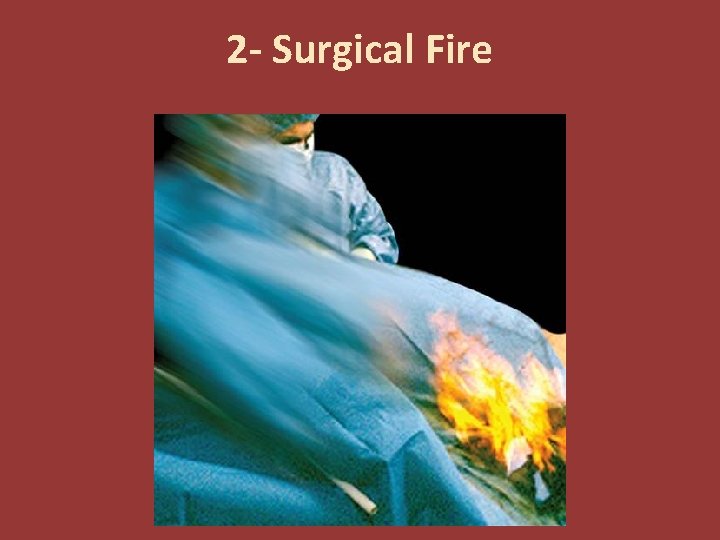
2 - Surgical Fire
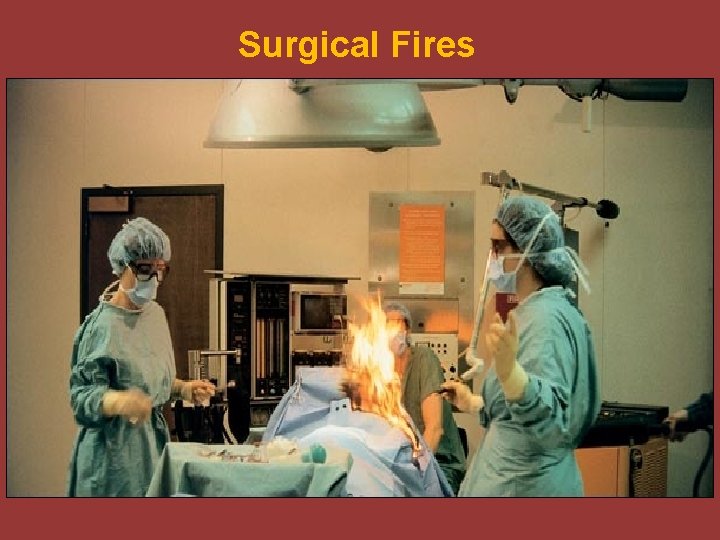
Surgical Environment • Surgical Fires: - Rare - We in O & G have all the 3 elements necessary to start / support fires: 1 - Oxidizers: supplies of oxygen gas 2 - Ignition sources: electrocautary, fiber-optic light cables, lasers 3 - Flammable fuels: surgical drapes, alcohol-based prepping agents, anesthetic gases
Surgical Fires
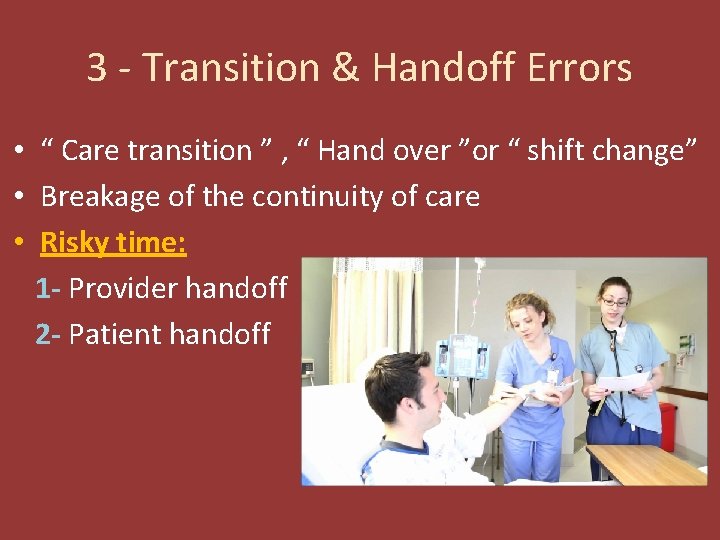
3 - Transition & Handoff Errors • “ Care transition ” , “ Hand over ”or “ shift change” • Breakage of the continuity of care • Risky time: 1 - Provider handoff 2 - Patient handoff