
Patient Medication Acceptability and Treatment Options Ibogaine Methadone
Patient Medication Acceptability and Treatment Options: • Ibogaine • Methadone • Buprenorphine Howard S. Lotsof DORA WEINER FOUNDATION
Background: Drug Control • 1906 Pure Food and Drug Act • 1914 Harrison Narcotic Act • 1970 Controlled Substances Act
Background: Methadone • 1937 synthesized by Max Bockmühl and Gustav Ehrhart, I. G. Farbenindustries. Patent issued 1941 • 1950 use in treatment of opioid abstinence syndrome established in US • 1964 use in opioid maintenance therapy
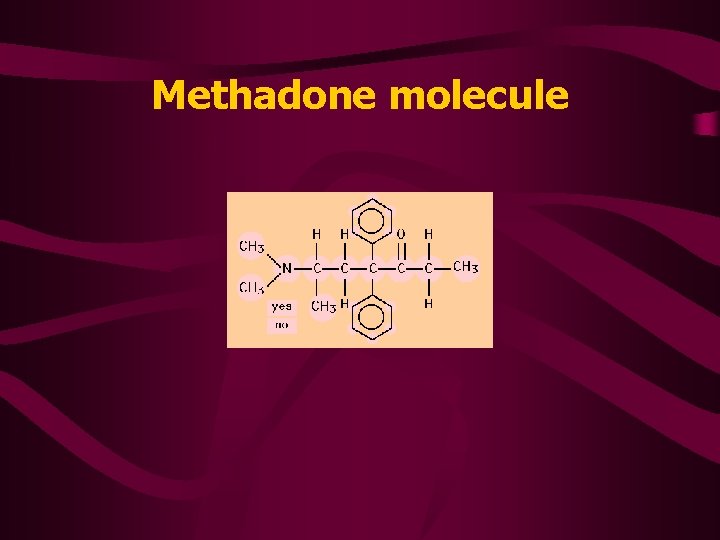
Methadone molecule
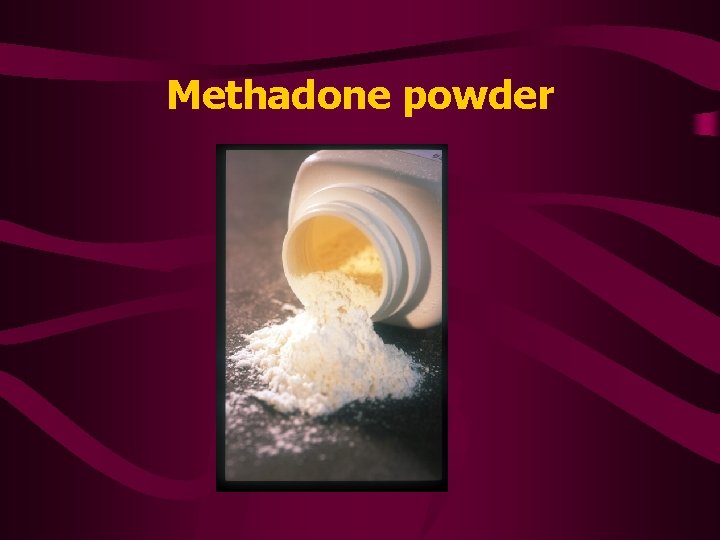
Methadone powder
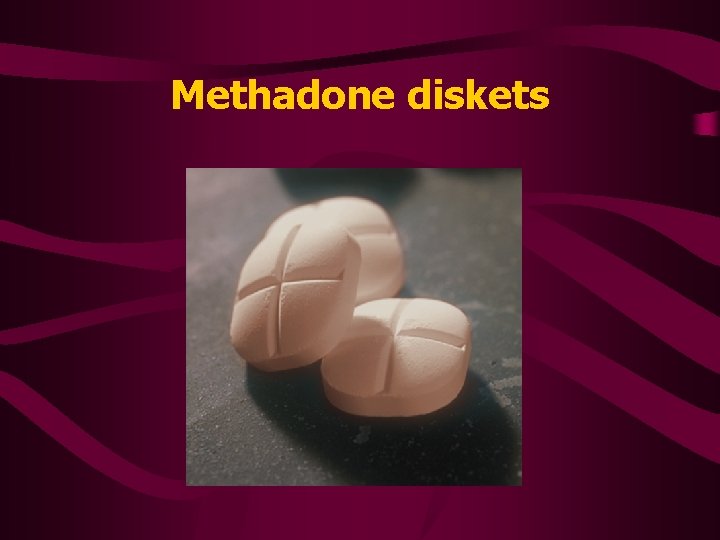
Methadone diskets
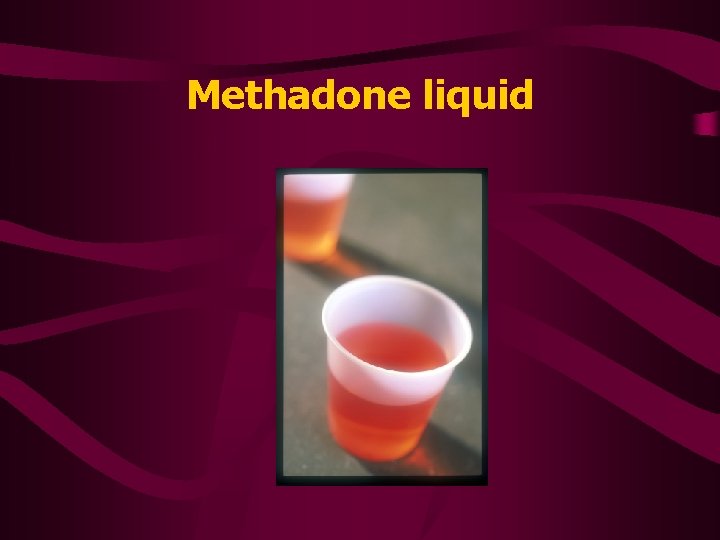
Methadone liquid
Background: Buprenorphine • 1965 synthesized by KW Bentley at Rickitt & sons, UK. • 1975 - 1978 DR Jazinski et al. Indicate utility in treating opiate addiction • 1977 - 2003 John Lewis champions analgesic and antiaddictive development • 2000 Drug Addiction Treatment Act authorizes use in opioid maintenance therapy • 2002 FDA approves that use to Reckitt Benckiser
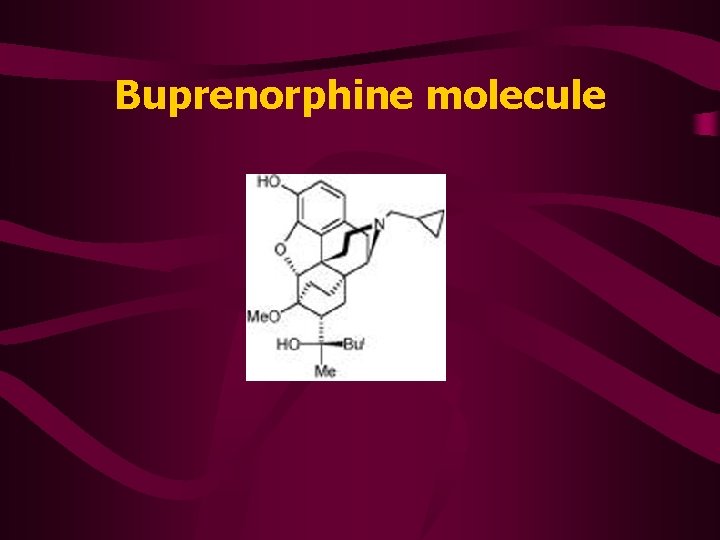
Buprenorphine molecule
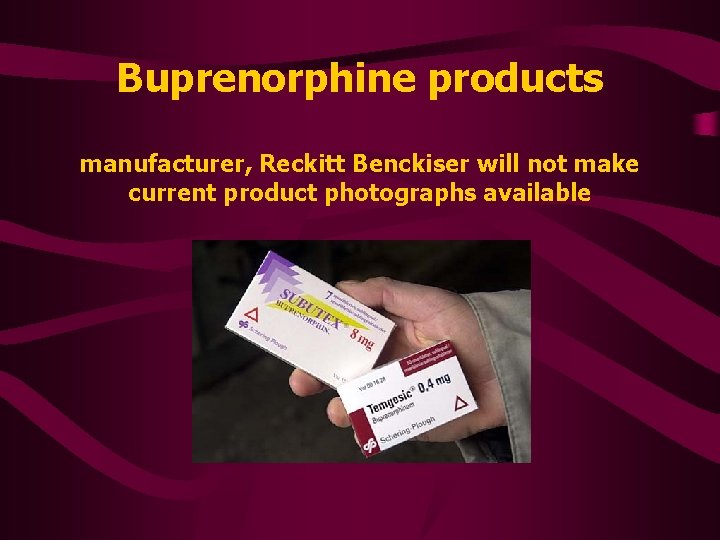
Buprenorphine products manufacturer, Reckitt Benckiser will not make current product photographs available
Background: Ibogaine An experimental medication • Botanical source Tabernanthe iboga. Used for 100 s of years in African medicine and religion • 1901 ibogaine isolated by Dybowski and Landrin • 1958 molecular structure determined Bartlett et al. • 1962 Lotsof discovers Antiaddictive effects • 1993 - 2003 Mash & Glick develop second generation ibogaine-like drugs
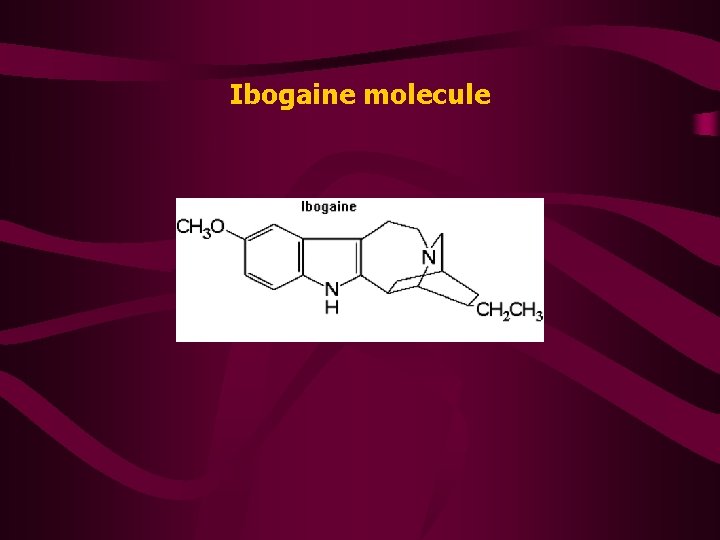
Ibogaine molecule
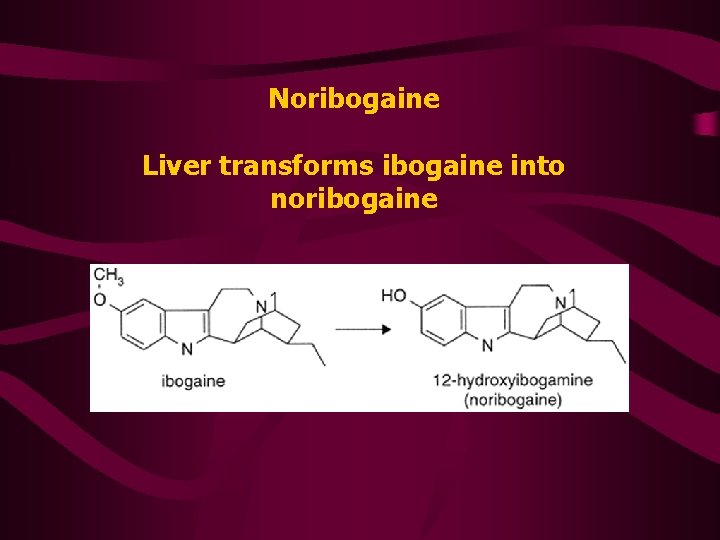
Noribogaine Liver transforms ibogaine into noribogaine
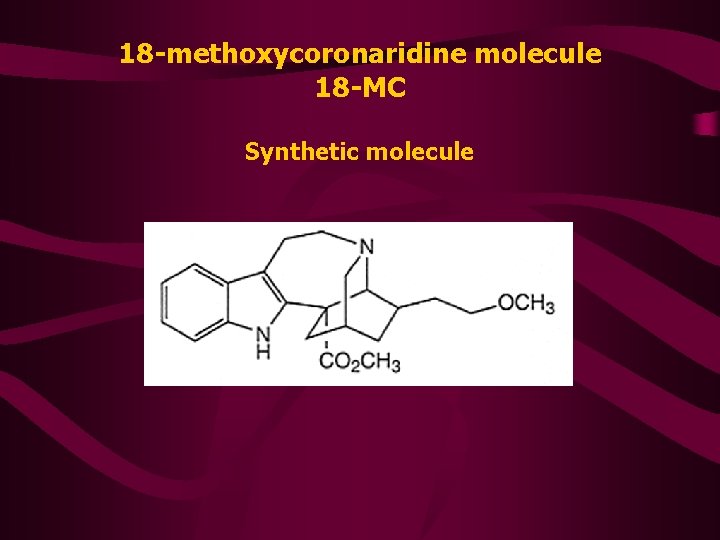
18 -methoxycoronaridine molecule 18 -MC Synthetic molecule

Tabernanthe iboga shrub

Roots bark contain ibogaine
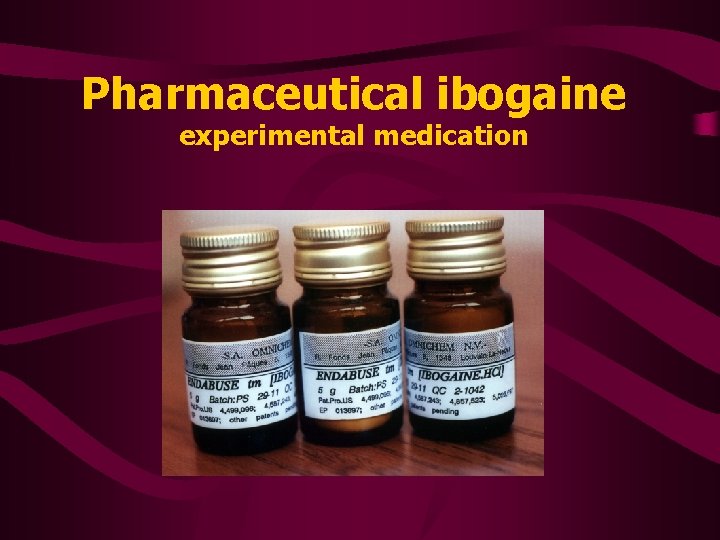
Pharmaceutical ibogaine experimental medication
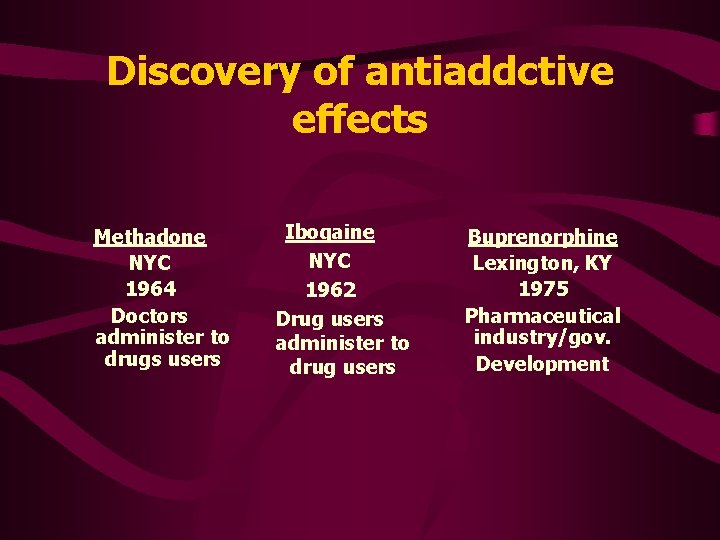
Discovery of antiaddctive effects Methadone NYC 1964 Doctors administer to drugs users Ibogaine NYC 1962 Drug users administer to drug users Buprenorphine Lexington, KY 1975 Pharmaceutical industry/gov. Development
Methadone • The golden age of Dole and Nyswander • 1966 - 1973
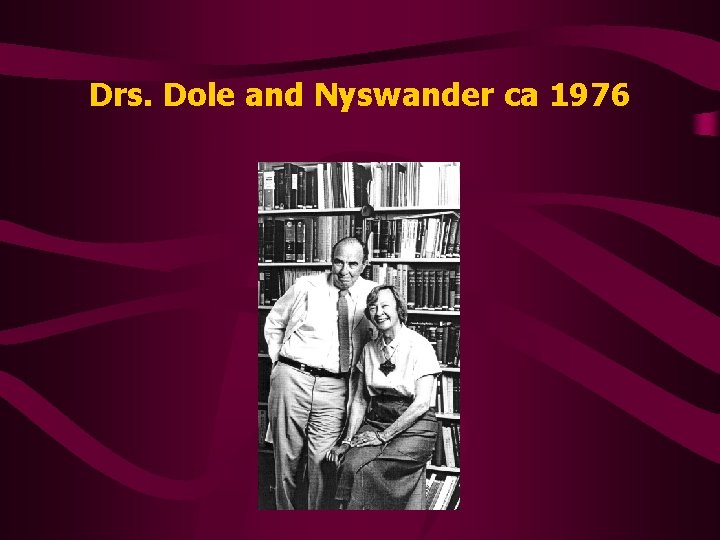
Drs. Dole and Nyswander ca 1976
Early generation methadone patients • The program was administered or controlled by doctors in a medical research environment even at the clinic level. • Nurses, counselors and patients believed in opioid maintenance therapy and collaborated to make it work. Patients and staff were a team. • There was no “us” and “them”. Patients were treated like any other medical patients.
Early generation ibogaine patients • A full collaboration between academic researchers, pharmaceutical developers and user self-help groups with mutual respect. • Equal status between the parties. Users, doctors and drug developers worked together to define the ideal administration paradigm. • There was no “us” and “them”. Patients were treated just like any other medical patients, except when they were treated like doctors.
Later generation ibogaine patients • Drug users are no longer involved as equal participants in ibogaine development. • Drug users and self-help groups, no longer affiliated with medical academics or drug developers, lost a level of authority and control. • Ibogaine patients are not dependent on clinic administered drugs. Ibogaine providers generally leave the field rather than control or abuse patients. This could change in the future.
Later Generation Methadone Patients What’s wrong with methadone today? • Nothing is wrong with methadone. • Almost something is wrong with many clinics that administer and provide it to patients. • Medical decisions are often not made by medical doctors. • Many clinics practice control of patients rather than providing them with ethical medical care.
Buprenorphine patients • Buprenorphine patients never shared an important role in the development of the drug. • The manufacturer and the US government appear to desire that stigma associated with chemical dependence not be attached to buprenorphine. • Whether this early generation or later generations of buphrenorphine patients are well treated by the medical community and society will have to be seen.
Two important issues in chemical dependence treatment • Stigma • Discrimination
Stigma Focuses attention on the victim
Discrimination: Focuses attention on those who produce rejection and exclusion
The ibogaine advantage Ibogaine removes the stigmatized condition.
Why ibogaine is not available? 1. Industry deems ibogaine not to be profitable. 2. Government, industry and academia chose to place their interest in the development of opiate drugs with which they are familiar. 3. 3. Ibogaine represents a new scientific paradigm to the understanding of addiction.

Ibogaine availability proximate to United States 1. St Kitts West Indies 2. Vancouver, BC, Canada 3. Rosarito, Baja, Mexico
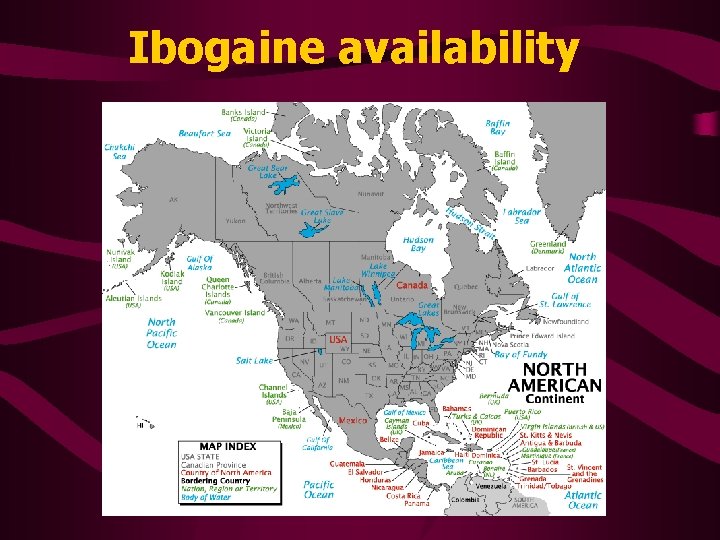
Ibogaine availability
Ibogaine resources The Ibogaine Dossier An internet library http: //www. ibogaine. org http: //www. ibogaine. desk. nl
Manual for Ibogaine Therapy Second Revision Release date Friday, May 9, 2003 http: //www. ibogaine. org/manual. html
- Slides: 34