
Patient Interactions cleveland clinic if we could see
- Slides: 20
Patient Interactions
� cleveland clinic if we could see inside other people's hearts � https: //www. youtube. com/watch? v=IQt. Og. E 2 s 2 x. I
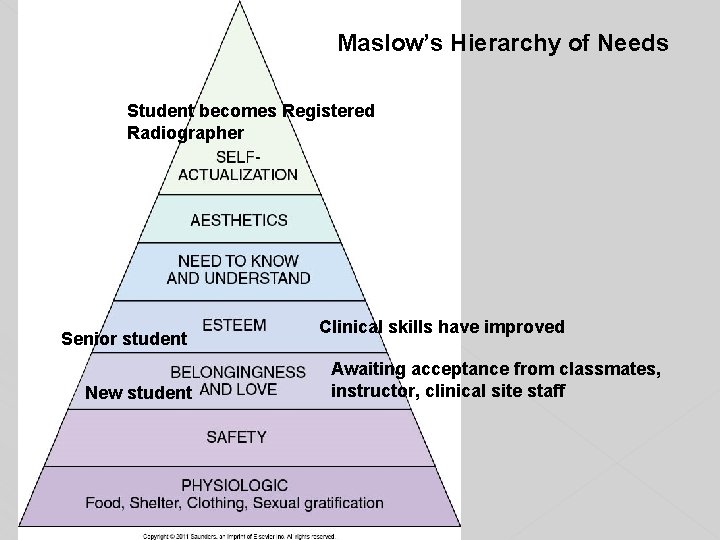
Maslow’s Hierarchy of Needs Student becomes Registered Radiographer Senior student New student Clinical skills have improved Awaiting acceptance from classmates, instructor, clinical site staff
� Patient Needs › No longer feel in control › Don’t know the exact state of their health � Patient Dignity › Cover with gown front and back › Blanket or sheet over them › Don’t leave them in waiting room if they have hospital clothing on › Put them in a private hallway while they are awaiting transportation back up to their room › Referring to the patient by their exam versus their actual name › Having to share a room with critical patient
� Patient assessment › Review chart or procedure request for patient history and indications for the requested procedure › Verbal communication �Introduce yourself �Explain the procedure �Obtain a brief history
� Inpatients › Admitted to the hospital for diagnostic studies or treatments �What was their previous experience like �Be aware that patients are listening in the hallway � Outpatients › Comes to the hospital or outpatient center for diagnostic treatment but does not occupy a bed �Expect to be seen immediately because they have a scheduled appointment �Make them aware that you know they are waiting
Methods of Effective Communication � Verbal skills › Speech and grammar �Vocabulary used �Clarity of voice �Organization of sentences �Face to face �Focus attention on listener’s perception of the manner in which you are communication �Be careful of humor used
Methods of Effective Communication � Nonverbal › Paralanguage �Pitch of voice �Stress �Tone �Pauses �Speech rate �Volume �Accent �quality
� Body language › Position of the speakers extremities and torso › Don’t cross arms › Do smile, make eye contact and use a friendly tone of voice
› › › Let’s practice interacting with our patient State your name Ask the patients name/DOB Obtain a medical history Explain the procedure �Give your partner feedback on how you felt about the interaction
� Touch › Emotional support- pat on the shoulder › Emphasis- guiding pt to left side after you tell them › Palpation-gentle use of fingertips. Ask for pts permission first
� Professional Appearance › Dress code › Uniforms �Helps the patient feel comfortable and confident in the technologists abilities � Personal hygiene › Patients suspect that the persons professional behavior is similar to his appearance › Patient may be allergic to certain smells � Review the Cambridge dress code policy
Various types of patients � Traumatized � Seriously patients ill � Visually impaired � Speech and hearing impaired � Non English speaking � Mentally impaired � Substance abusers
� Mobile › › › examinations Identify the patient Identify yourself Explain the procedure Include the family in this conversation Ask family to step out during exposure and explain why
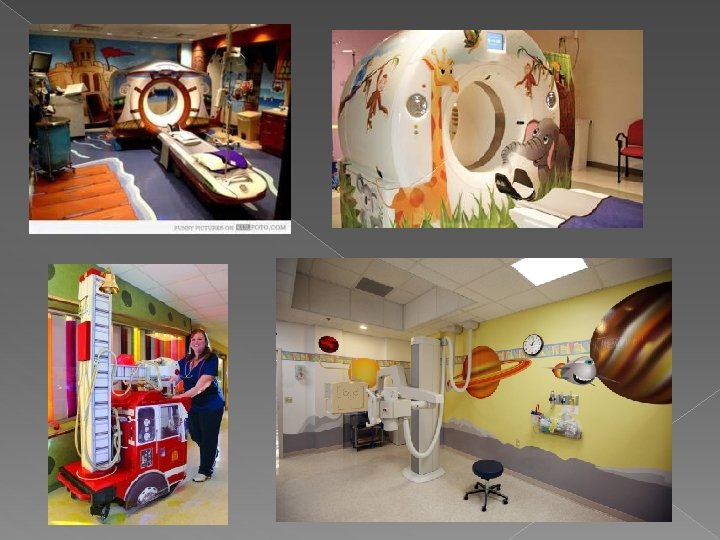
� Pediatric › › › › patients Get down to eye level Patience Technical knowledge Understanding your patient Effective use of communication skills Immobilization devices toys
� Adolescents › Focused on body awareness › Modesty is important � Mature adults (65 and older) › Should not attempt to interact with them as geriatric patients › Conversations center around life activities
� Geriatrics › Avoid talking loudly or using childish terms › Use gentle handling and allow extra time for movements and verbal responses › Paranoid of falling › Uncomfortable on hard table �Use pad �Use radiolucent sponges › Skin lacerations �Be careful during patient transports �Do not apply tape to sensitive skin › Allow time for blood pressure adjustment when moving from supine to erect › Give blankets for extra warmth
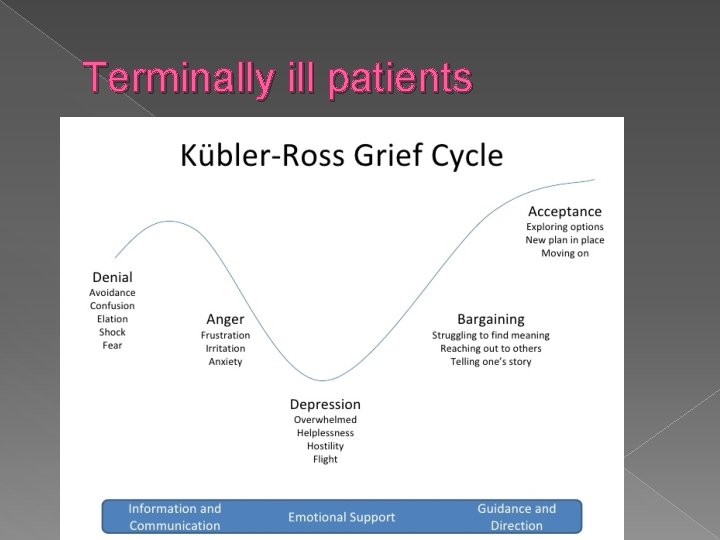
Terminally ill patients
� Advanced directive › Provides an individual means to direct health care if a situation occurs in which she is unable to make decisions �Ventilator �Feeding tube