
Pathways of antigen processing and presentation Activation of

- Slides: 43
Pathways of antigen processing and presentation
Activation of T cells
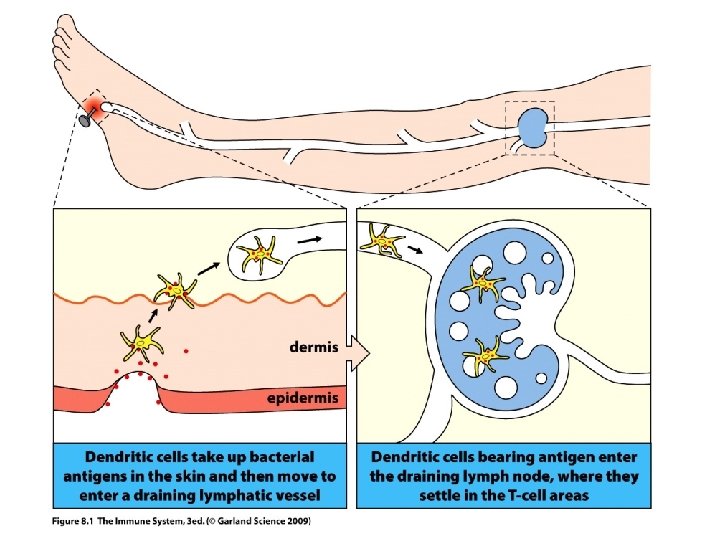
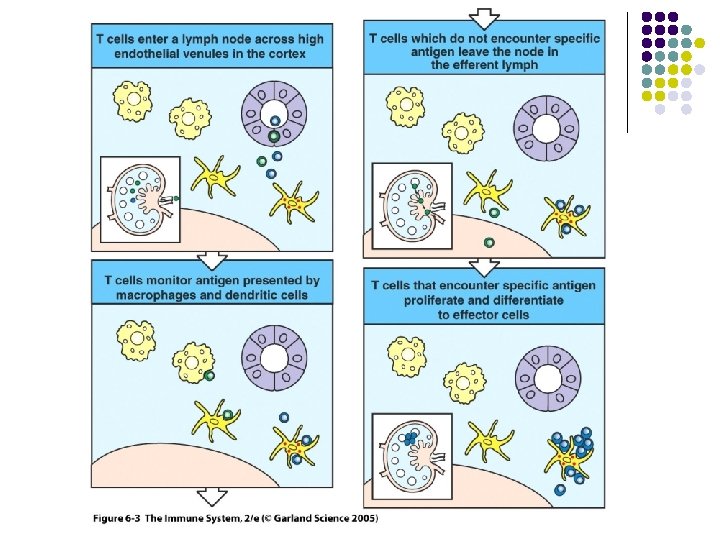
Where does T cell activation occur?
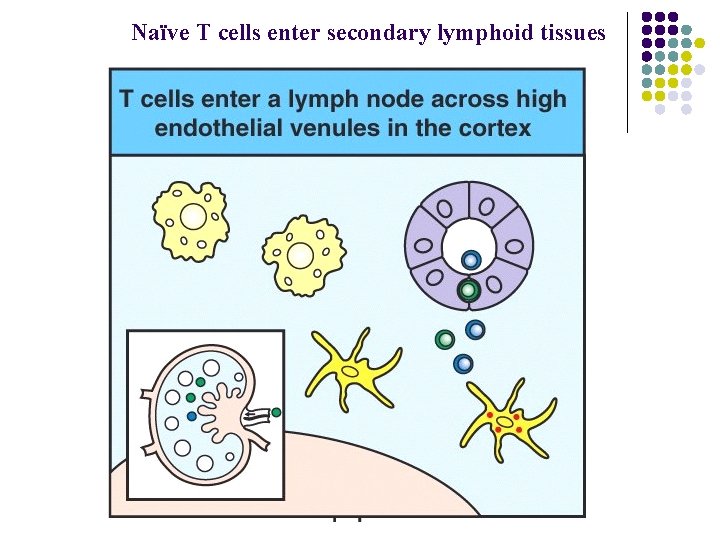
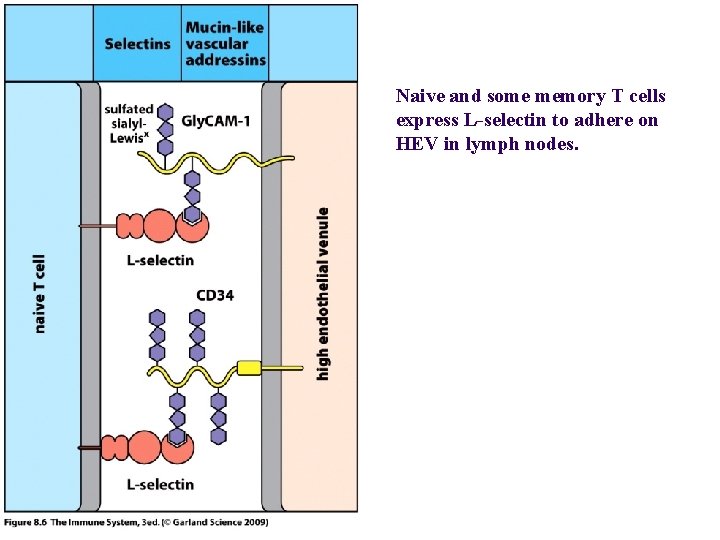
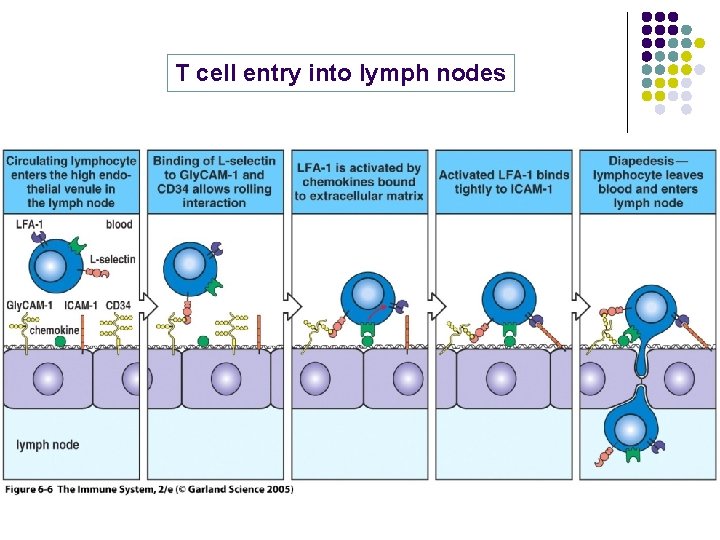
Naïve T cells enter secondary lymphoid tissues
Figure 6 -5 Naive and some memory T cells express L-selectin to adhere on HEV in lymph nodes.
T cell entry into lymph nodes
T Cell-APC Interactions Initiation of T Cell Responses Requires: l l l Specific antigen recognition Stable adhesion of T cells to APCs Transduction of activation signals to T cells
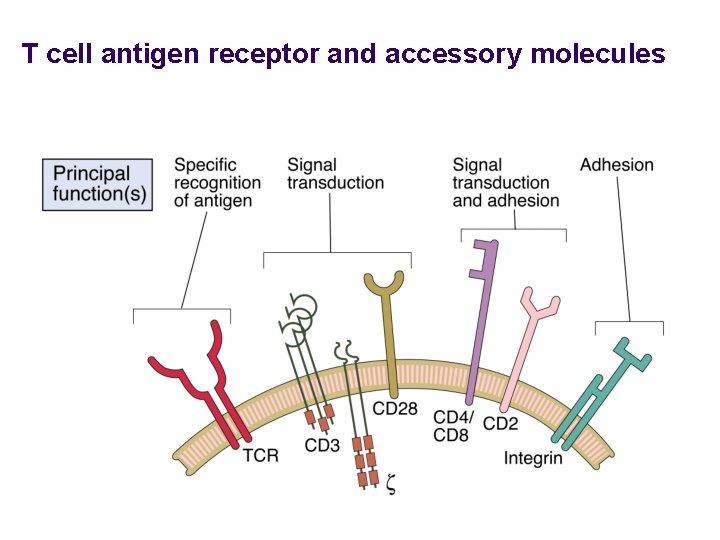
T cell antigen receptor and accessory molecules
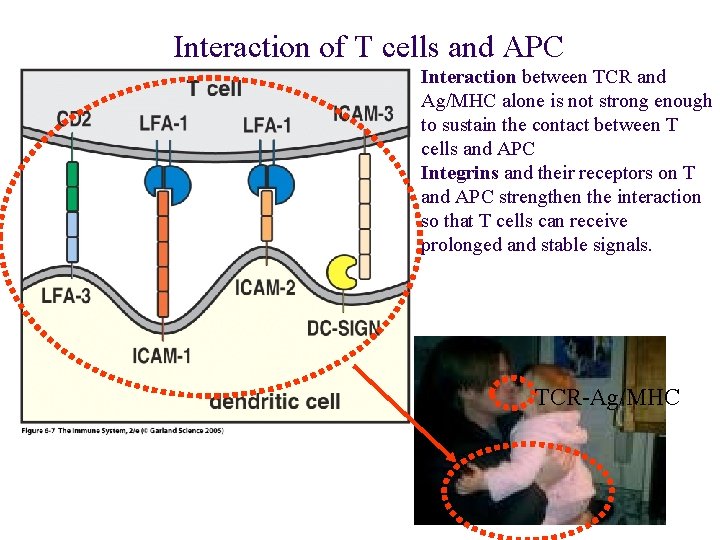
Interaction of T cells and APC Interaction between TCR and Ag/MHC alone is not strong enough to sustain the contact between T cells and APC Integrins and their receptors on T and APC strengthen the interaction so that T cells can receive prolonged and stable signals. TCR-Ag/MHC
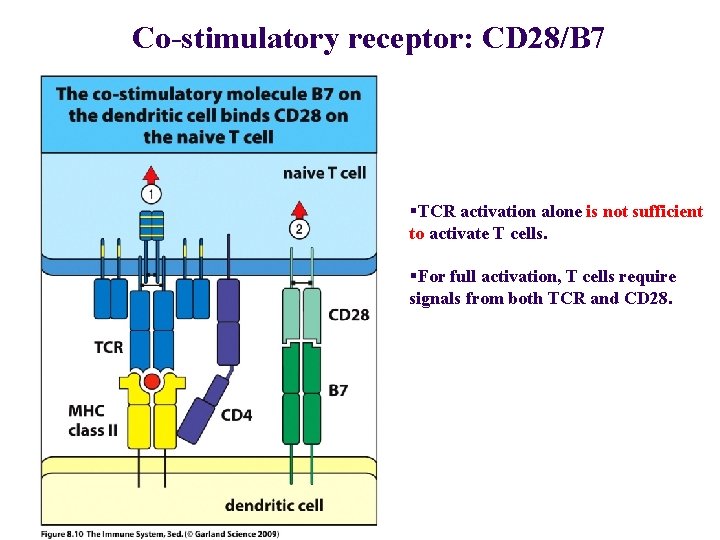
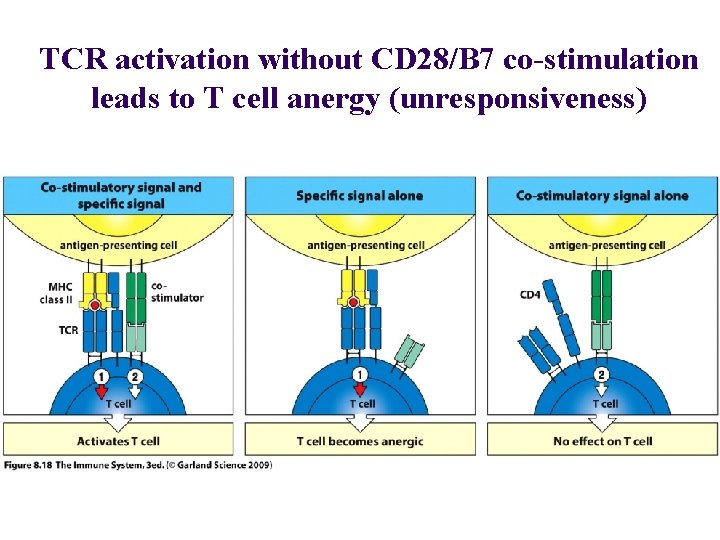
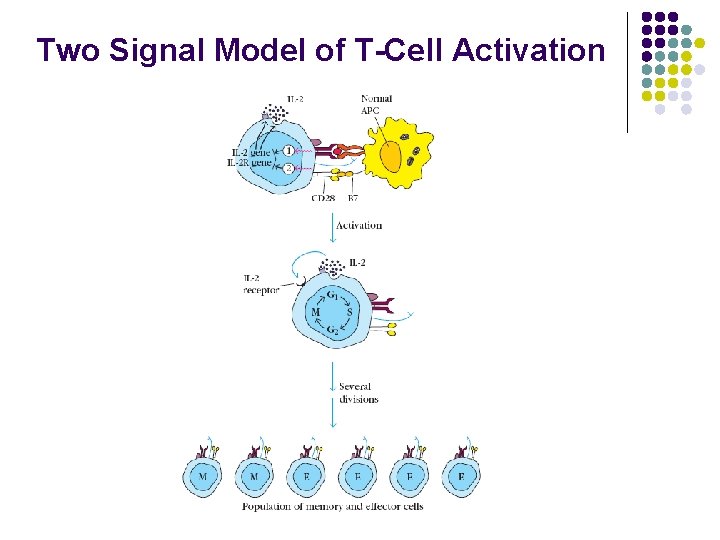
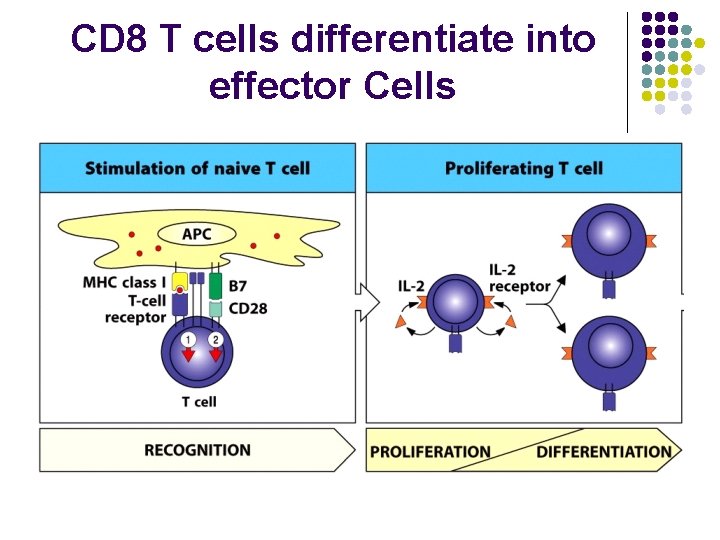
Co-stimulatory receptor: CD 28/B 7 §TCR activation alone is not sufficient to activate T cells. §For full activation, T cells require signals from both TCR and CD 28.
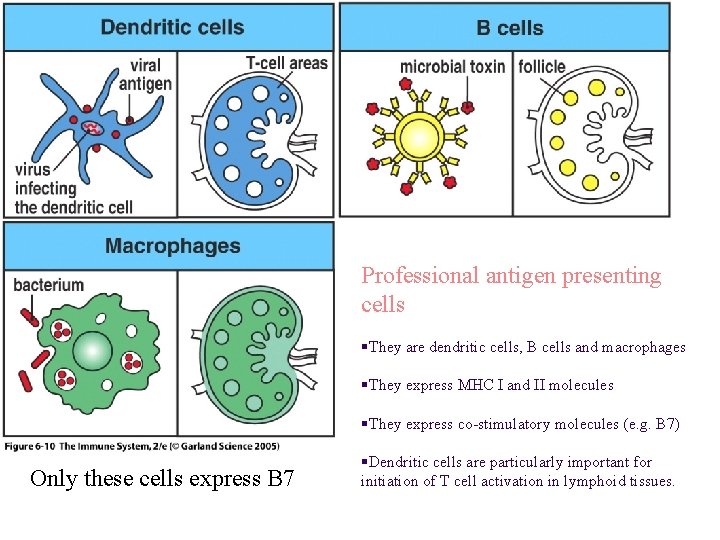
Figure 6 -10 Professional antigen presenting cells §They are dendritic cells, B cells and macrophages §They express MHC I and II molecules §They express co-stimulatory molecules (e. g. B 7) Only these cells express B 7 §Dendritic cells are particularly important for initiation of T cell activation in lymphoid tissues.
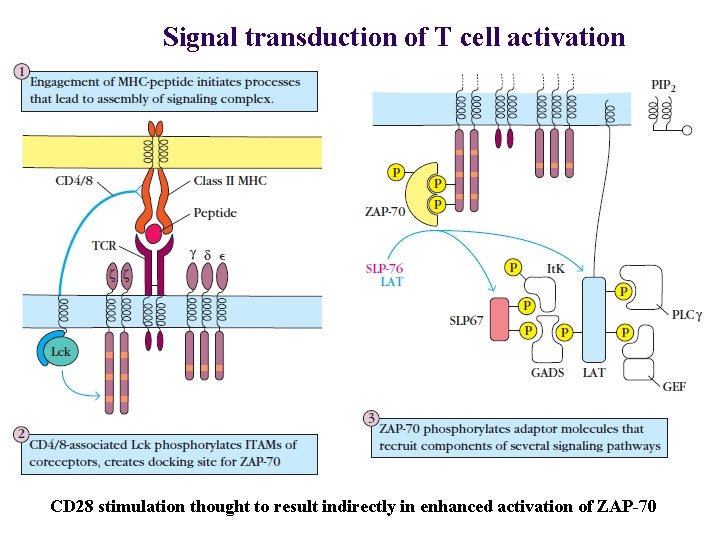
Signal transduction of T cell activation CD 28 stimulation thought to result indirectly in enhanced activation of ZAP-70
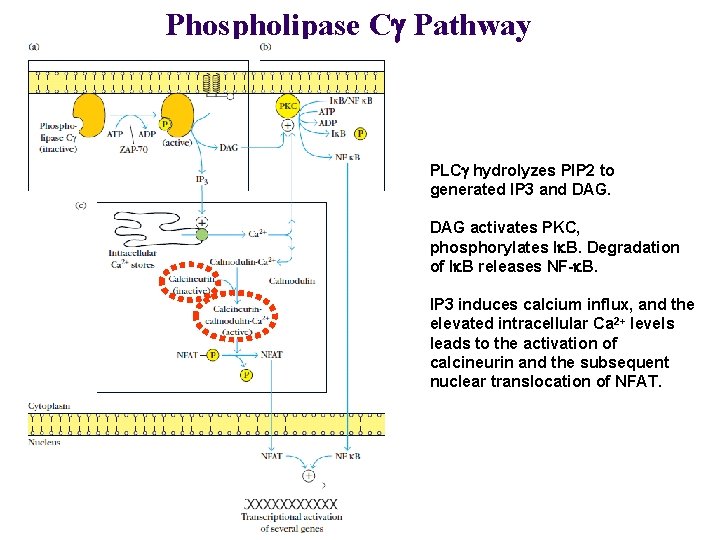
Phospholipase Cg Pathway PLCg hydrolyzes PIP 2 to generated IP 3 and DAG activates PKC, phosphorylates Ik. B. Degradation of Ik. B releases NF-k. B. IP 3 induces calcium influx, and the elevated intracellular Ca 2+ levels leads to the activation of calcineurin and the subsequent nuclear translocation of NFAT.
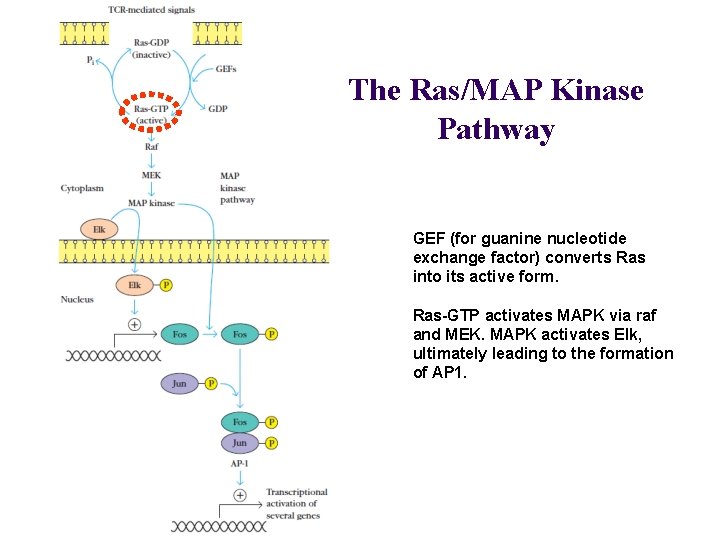
The Ras/MAP Kinase Pathway GEF (for guanine nucleotide exchange factor) converts Ras into its active form. Ras-GTP activates MAPK via raf and MEK. MAPK activates Elk, ultimately leading to the formation of AP 1.
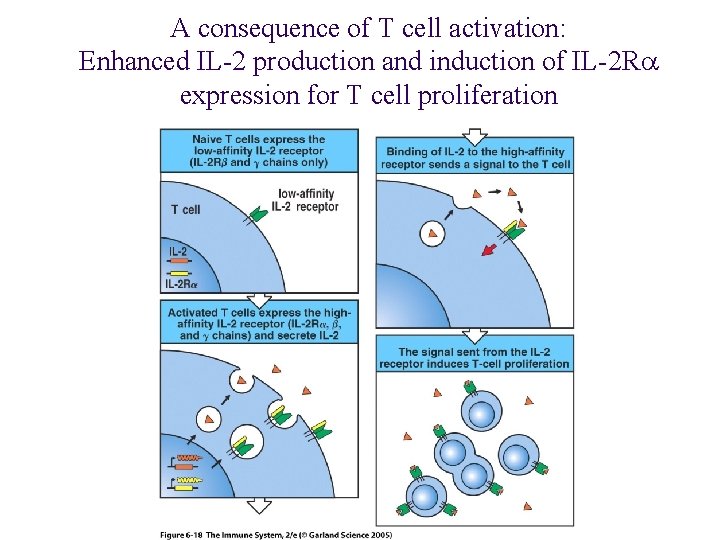
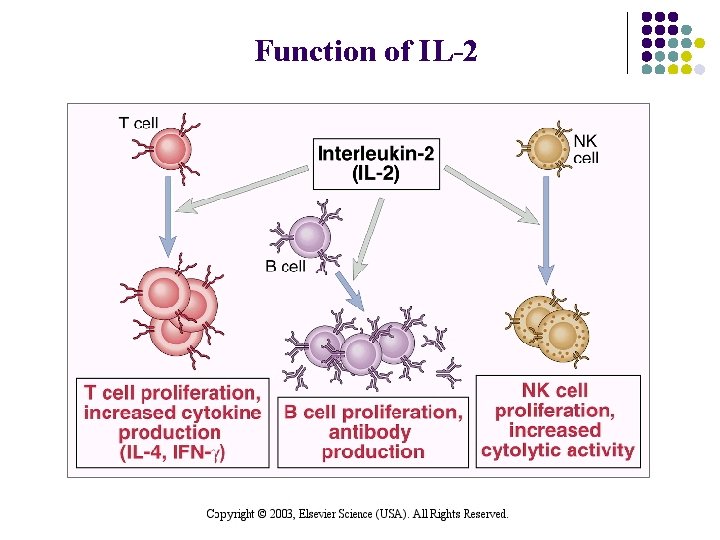
A consequence of T cell activation: Enhanced IL-2 production and induction of IL-2 Ra expression for T cell proliferation
TCR activation without CD 28/B 7 co-stimulation leads to T cell anergy (unresponsiveness)
Two Signal Model of T-Cell Activation
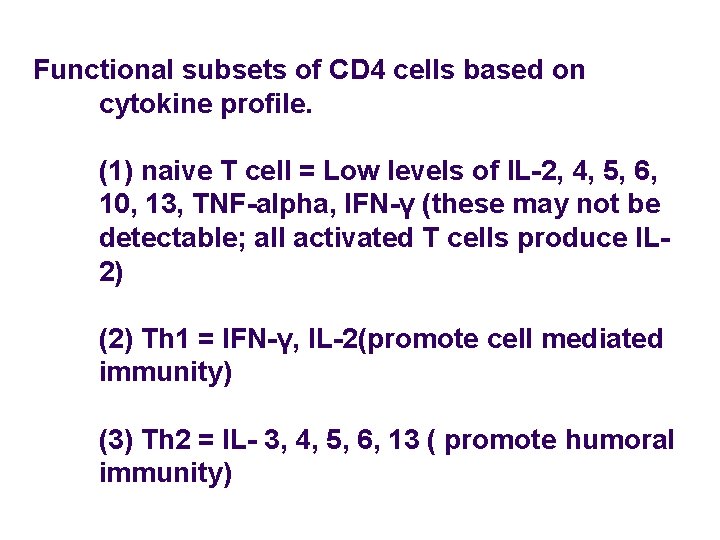
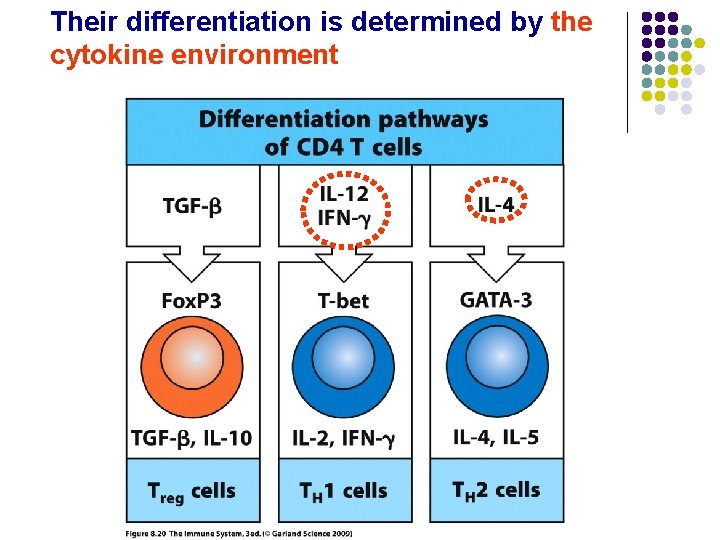
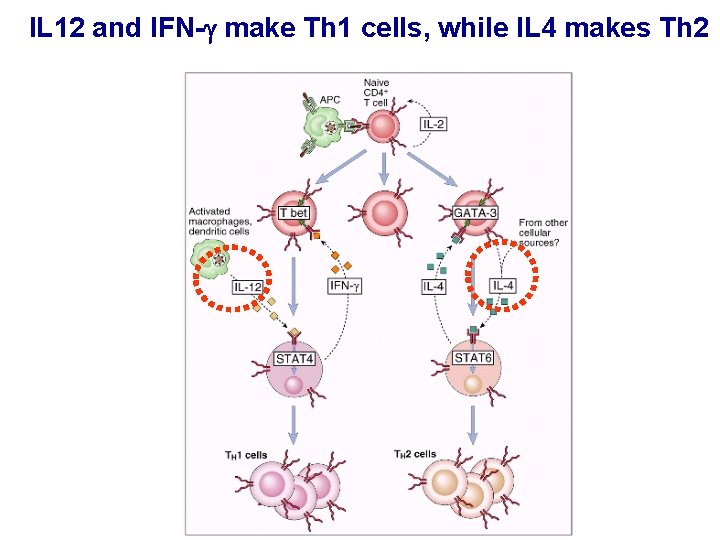
Functional subsets of CD 4 cells based on cytokine profile. (1) naive T cell = Low levels of IL-2, 4, 5, 6, 10, 13, TNF-alpha, IFN-γ (these may not be detectable; all activated T cells produce IL 2) (2) Th 1 = IFN-γ, IL-2(promote cell mediated immunity) (3) Th 2 = IL- 3, 4, 5, 6, 13 ( promote humoral immunity)
Their differentiation is determined by the cytokine environment
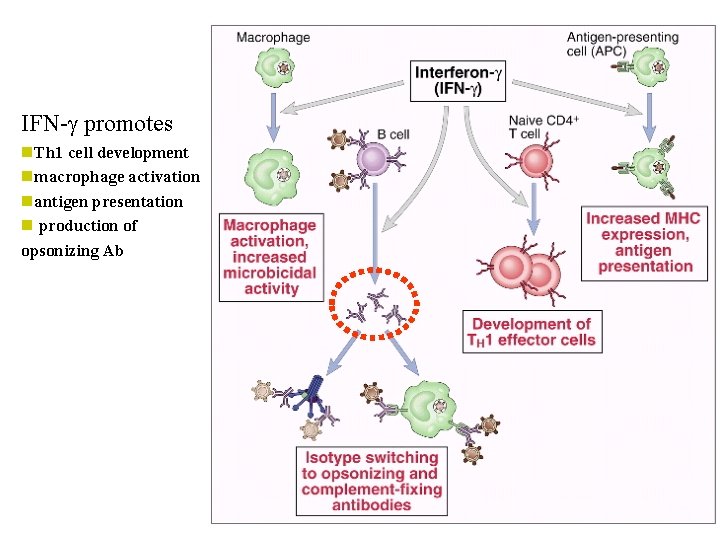
IL 12 and IFN-g make Th 1 cells, while IL 4 makes Th 2
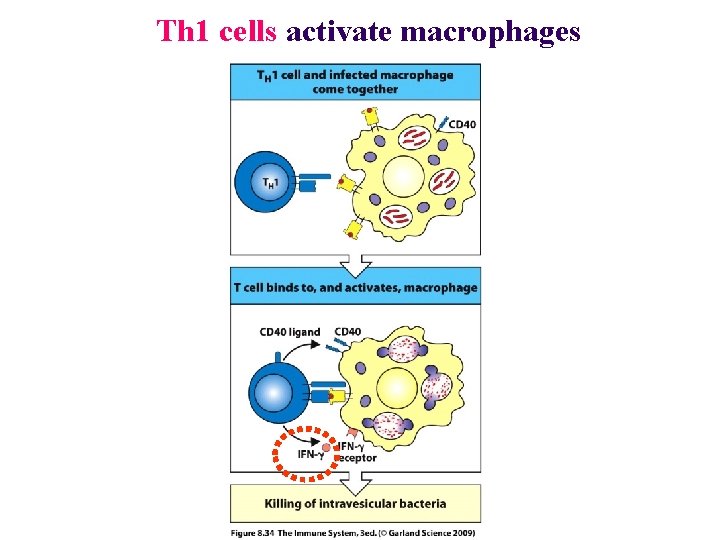
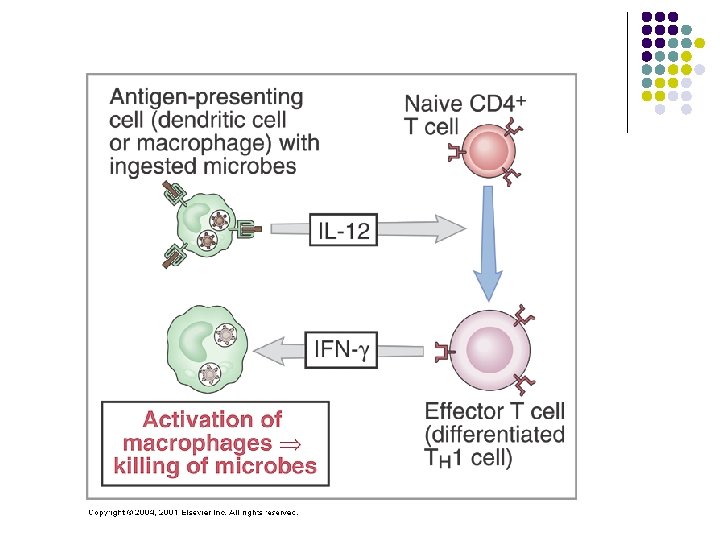
Th 1 cells activate macrophages
IFN-g promotes n. Th 1 cell development nmacrophage activation nantigen presentation n production of opsonizing Ab
Function of IL-2
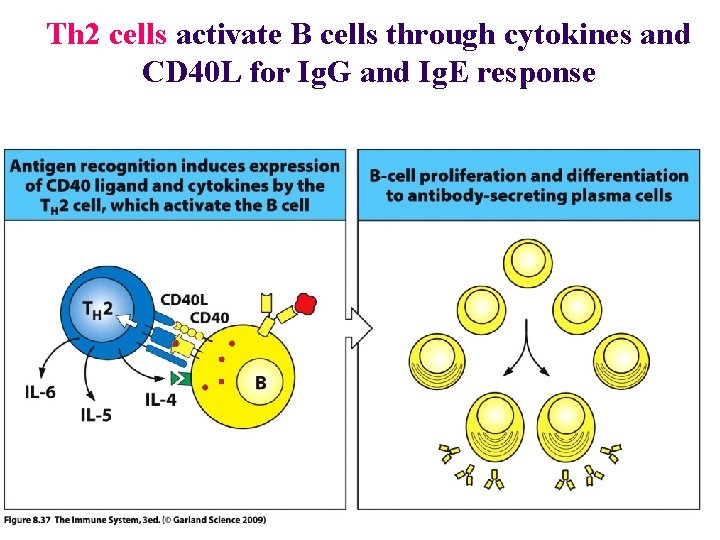
Th 2 cells activate B cells through cytokines and Figure 6 -36 for Ig. G and Ig. E response CD 40 L
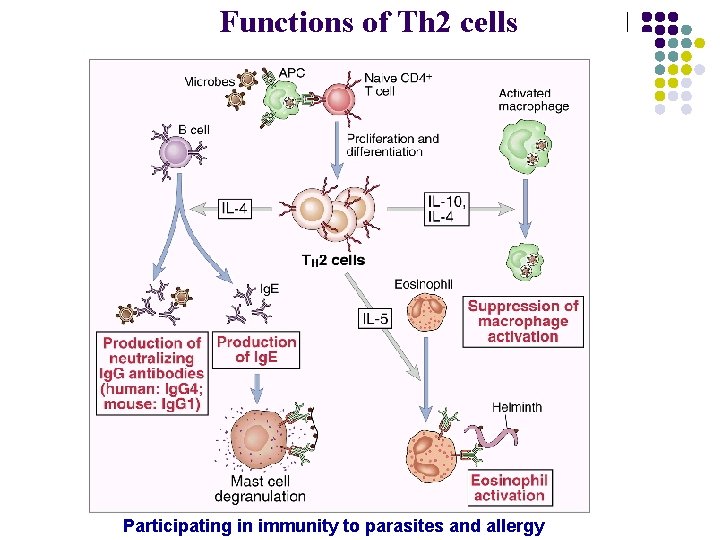
Functions of Th 2 cells Participating in immunity to parasites and allergy
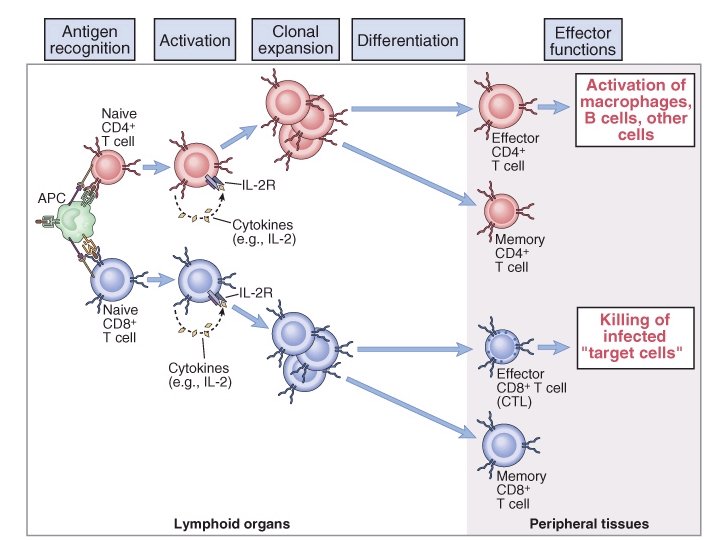
CD 8 T cells differentiate into effector Cells
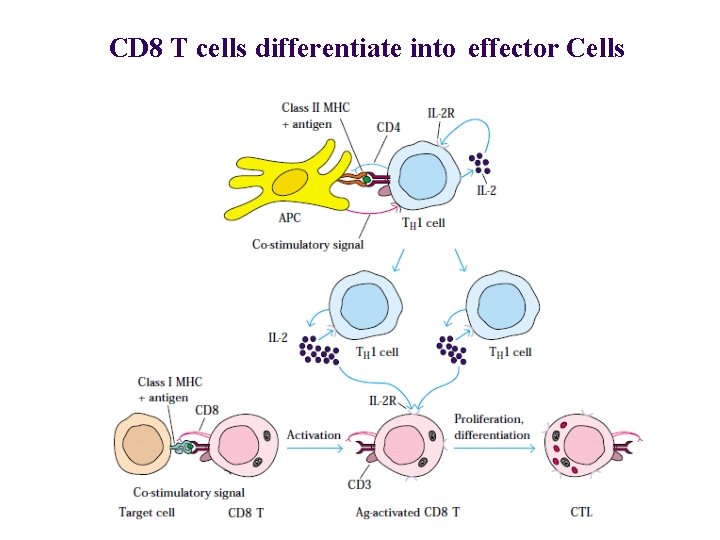
CD 8 T cells differentiate into effector Cells
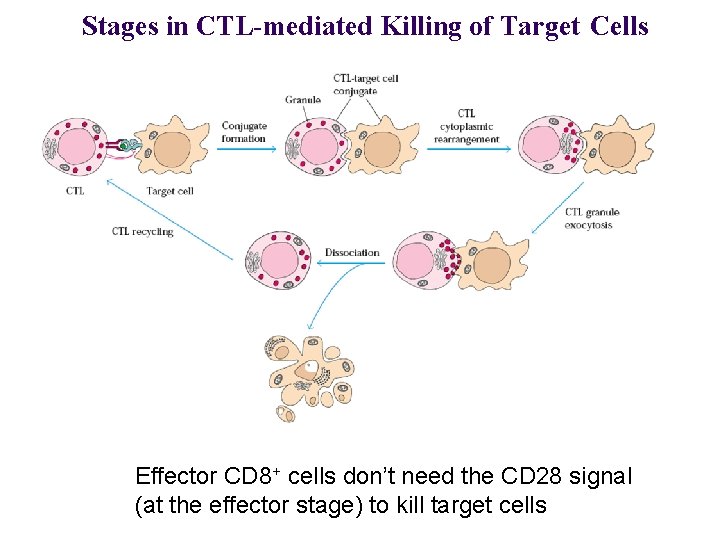
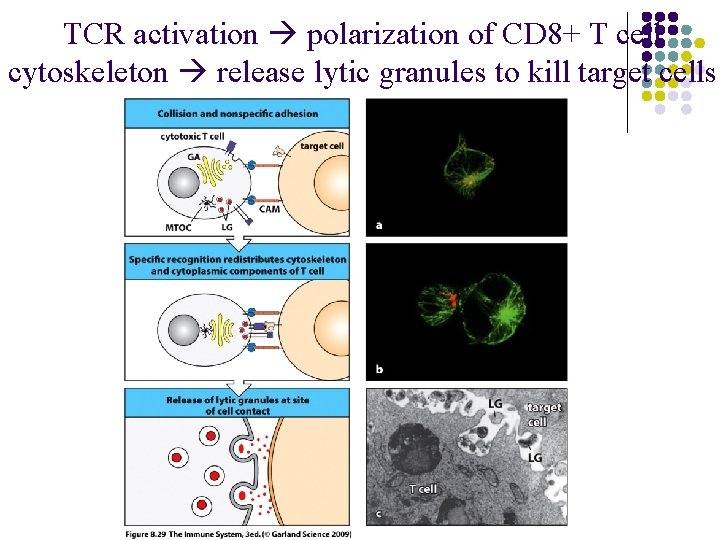
Stages in CTL-mediated Killing of Target Cells Effector CD 8+ cells don’t need the CD 28 signal (at the effector stage) to kill target cells
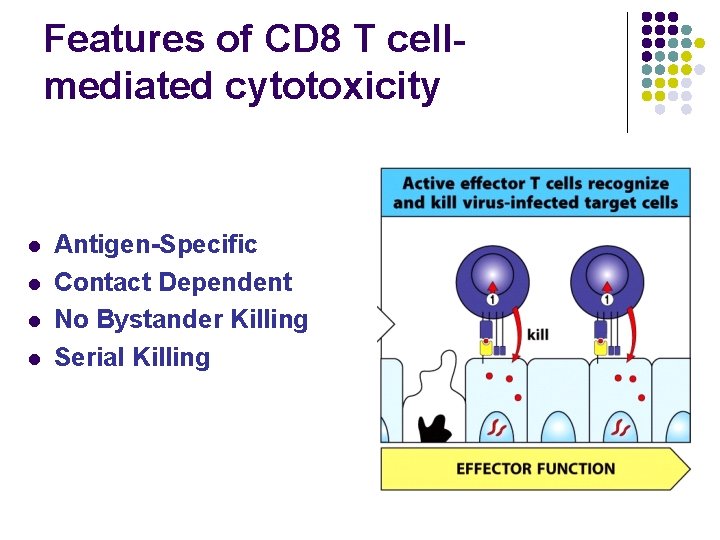
Features of CD 8 T cellmediated cytotoxicity l l Antigen-Specific Contact Dependent No Bystander Killing Serial Killing
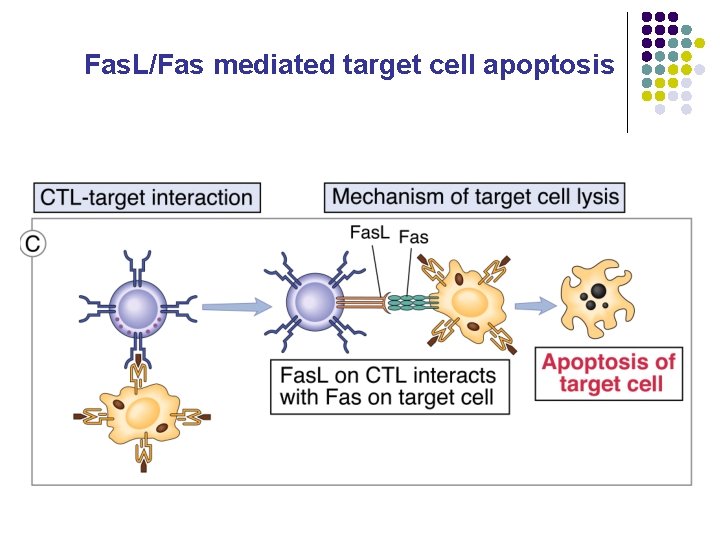
Mechanisms of CTL-mediated lysis l l l Perforin-Mediated “Hole Punching” Granzymes-Apoptosis Fas. L/Fas-Apoptosis
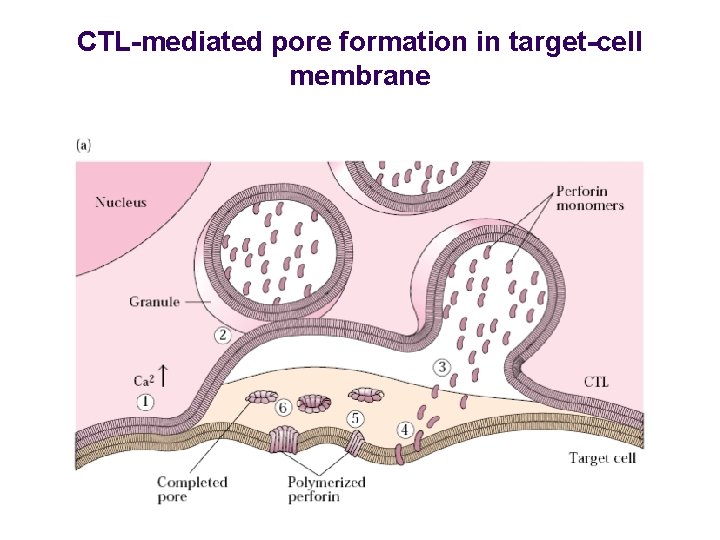
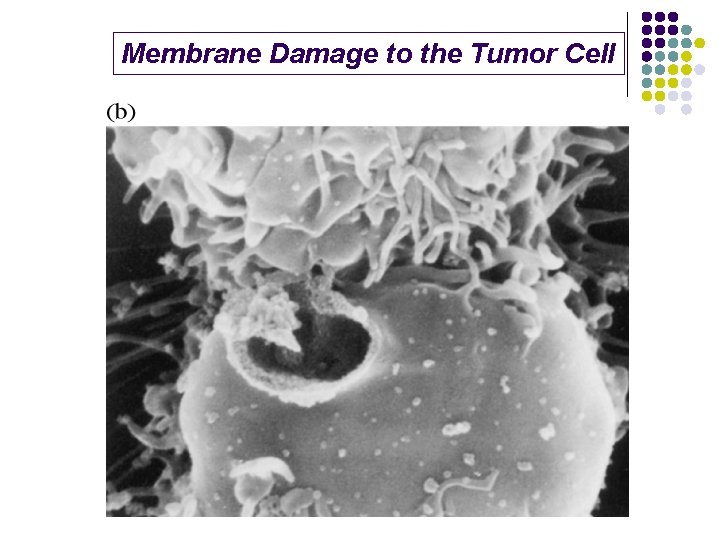
CTL-mediated pore formation in target-cell membrane
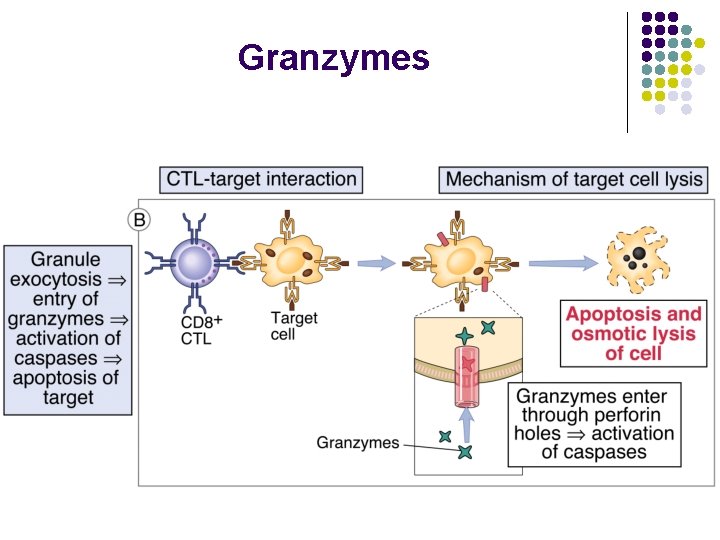
Granzymes
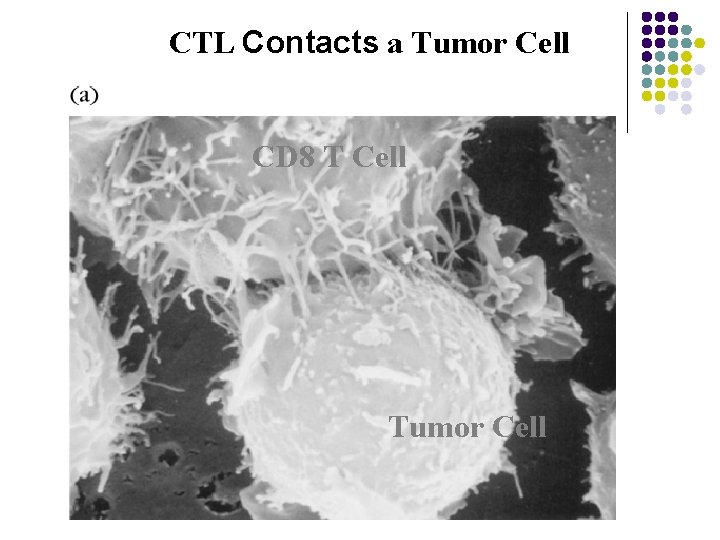
CTL Contacts a Tumor Cell CD 8 T Cell Tumor Cell
Membrane Damage to the Tumor Cell
Fas. L/Fas mediated target cell apoptosis Fas-Fas. L Interactions
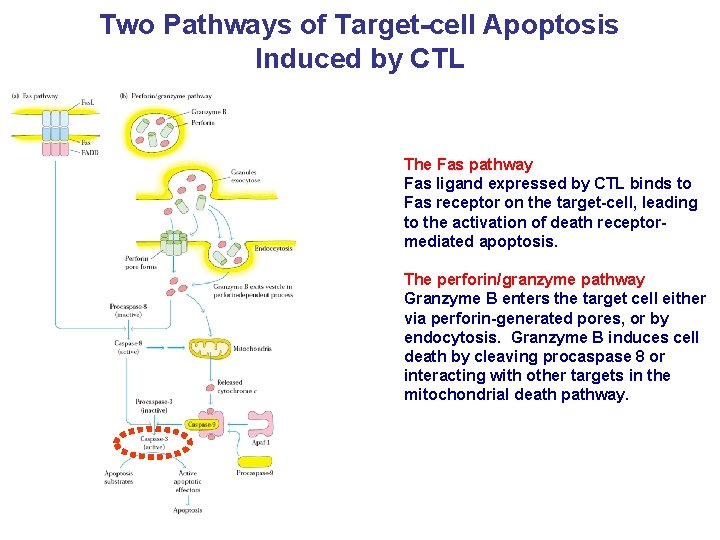
Two Pathways of Target-cell Apoptosis Induced by CTL The Fas pathway Fas ligand expressed by CTL binds to Fas receptor on the target-cell, leading to the activation of death receptormediated apoptosis. The perforin/granzyme pathway Granzyme B enters the target cell either via perforin-generated pores, or by endocytosis. Granzyme B induces cell death by cleaving procaspase 8 or interacting with other targets in the mitochondrial death pathway.
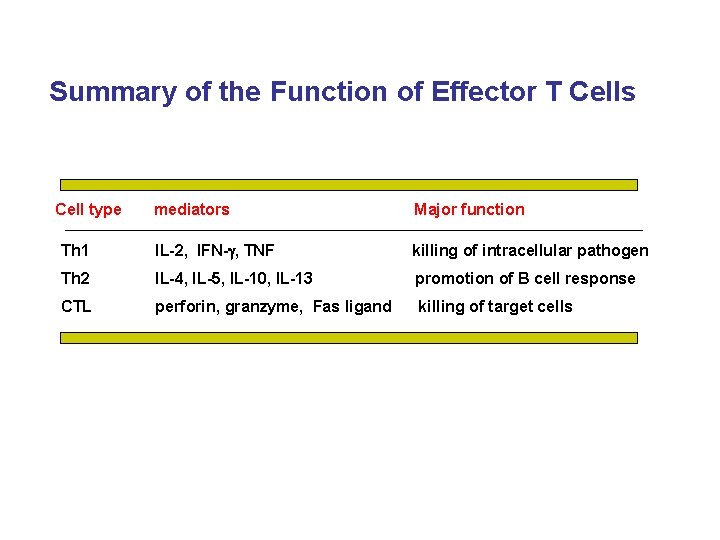
Summary of the Function of Effector T Cells Cell type mediators Major function Th 1 IL-2, IFN-g, TNF killing of intracellular pathogen Th 2 IL-4, IL-5, IL-10, IL-13 promotion of B cell response CTL perforin, granzyme, Fas ligand killing of target cells
What to remember The two signal model for T Cell activation The different subsets of T helper cells and their major functions Mechanisms of CTL action
TCR activation polarization of CD 8+ T cell cytoskeleton release lytic granules to kill target cells