
Pathophysiology Study Tips Frequent quizzes Understand the material


- Slides: 59
Pathophysiology
Study Tips Frequent quizzes Understand the material Read the text Study frequently for short periods Find a study buddy
Classroom Etiquette and rules: Turn off cell phones ! No chewing gums Be considerate of others: Take out what you bring in. Be ontime, No late more than 5 -10 m Talk to me, NOT your neighbor! No absence from exams without prior excuse Do not ask for grades over the phone or internet.
Academic Integrity Ø Use Ø NO: Professional ethics ØPlagiarism ØCheating ØAllowing others to copy from you Ø Penalties can be severe !!
Terminology Pathology – focus on physical changes in diseased organs and tissues Pathophysiology – abnormal functioning of diseased organs and how it applies to medical treatment and patient care
Disease – loss of homeostasis, or when physical or mental capacities cannot be fully utilized (interuption, cessation or disorder in the function of an organ or system). Etiology = cause of the disease When the etiology is unknown, the disease is said to be idiopathic.
Categories of etiology Genetic disease– genes are responsible for a structural or functional defect Congenital disease– genetic information is intact, but the intrauterine environment interferes with normal development Acquired disease – disease is caused by factors encountered after birth (biological agents, physical forces, and chemical agents)
Clinical manifestations – indications that the person is sick Symptoms – unobservable effects of a disease reported by the patient Signs – observable or measurable traits Syndrome - a characteristic combination of signs and symptoms associated with a particular disease.
Diagnosis – identification of the specific disease Therapy – the treatment of the disease to either effect a cure or reduce the patient’s signs and symptoms Prognosis – prediction of a disease’s outcome
Normal Functioning of Cells
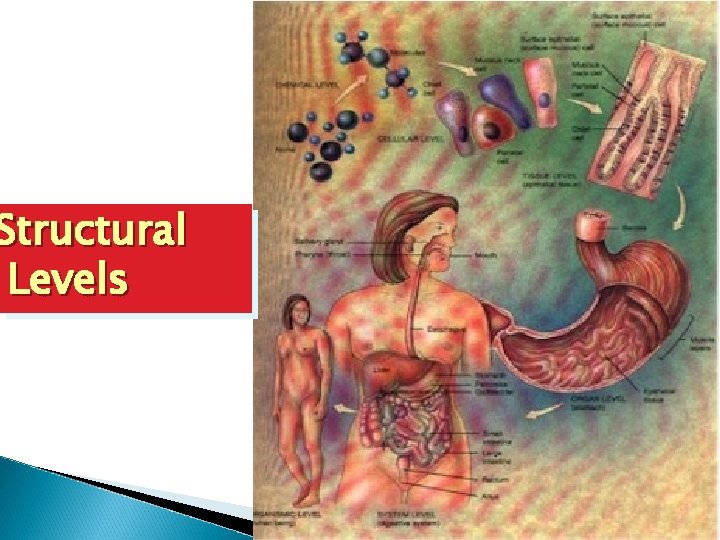
Structural Levels
Cell The cell is the building block of each living organism. Each cell is a self-contained system that undergoes the functions of energy production and usage, respiration, reproduction, and excretion
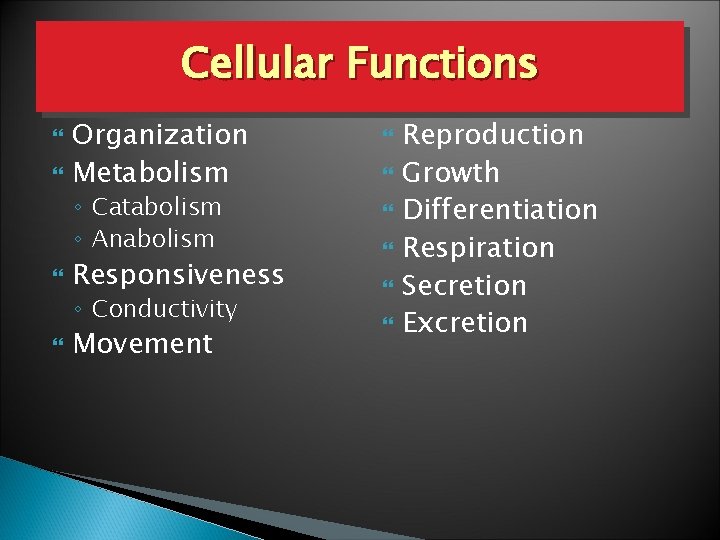
Cellular Functions Organization Metabolism ◦ Catabolism ◦ Anabolism Responsiveness ◦ Conductivity Movement Reproduction Growth Differentiation Respiration Secretion Excretion
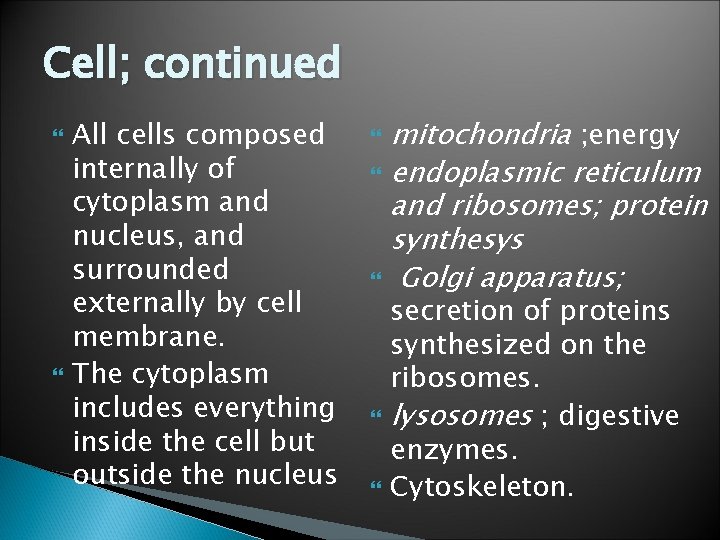
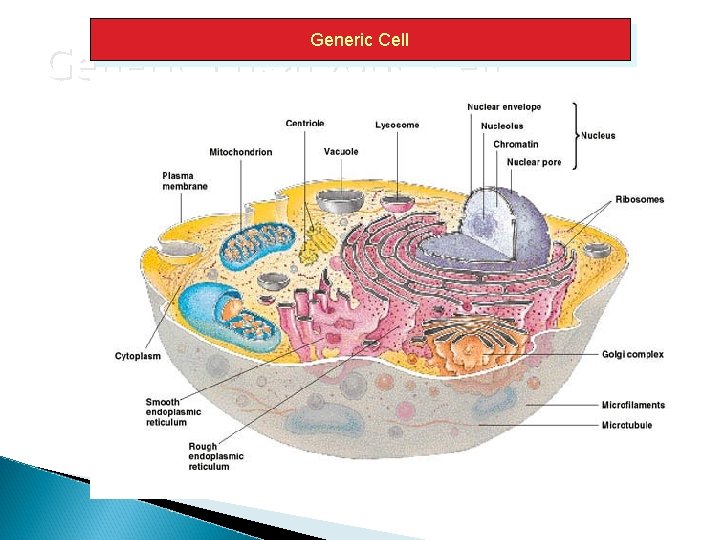
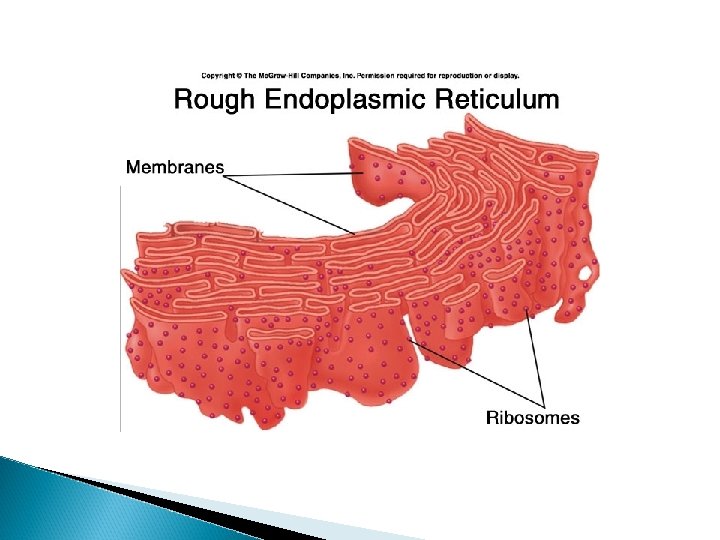
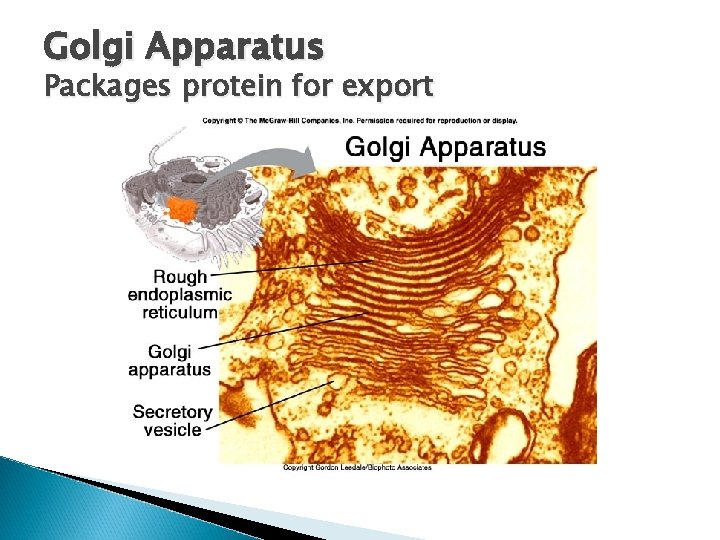
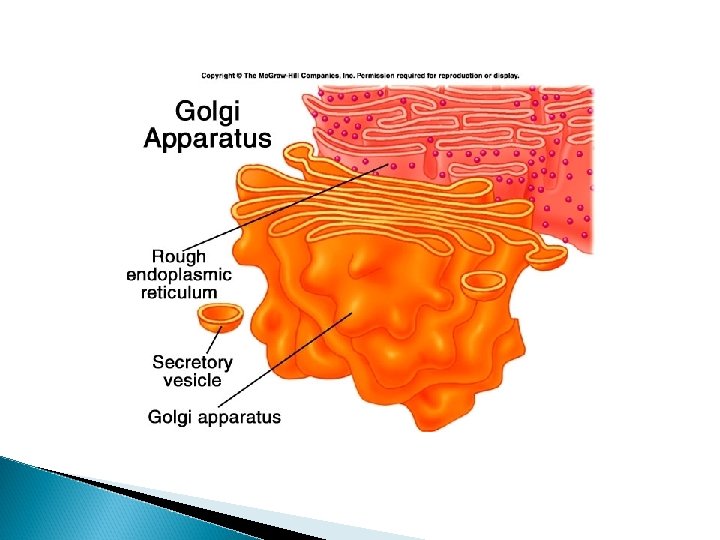
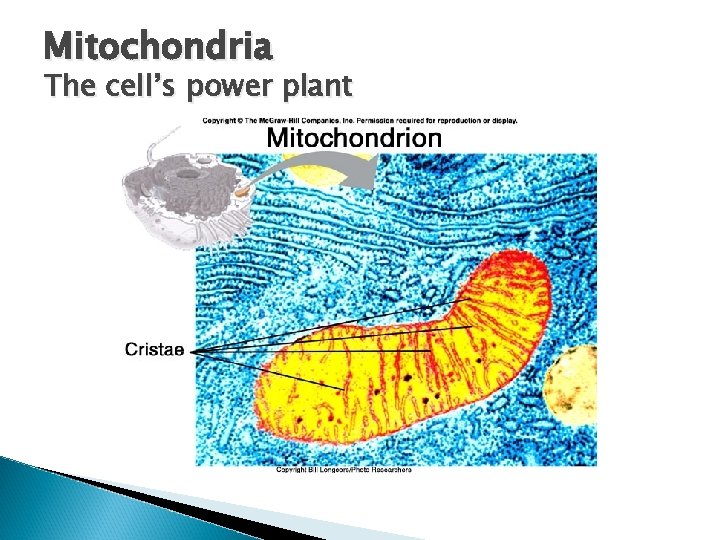
Cell; continued All cells composed internally of cytoplasm and nucleus, and surrounded externally by cell membrane. The cytoplasm includes everything inside the cell but outside the nucleus mitochondria ; energy endoplasmic reticulum and ribosomes; protein synthesys Golgi apparatus; secretion of proteins synthesized on the ribosomes. lysosomes ; digestive enzymes. Cytoskeleton.
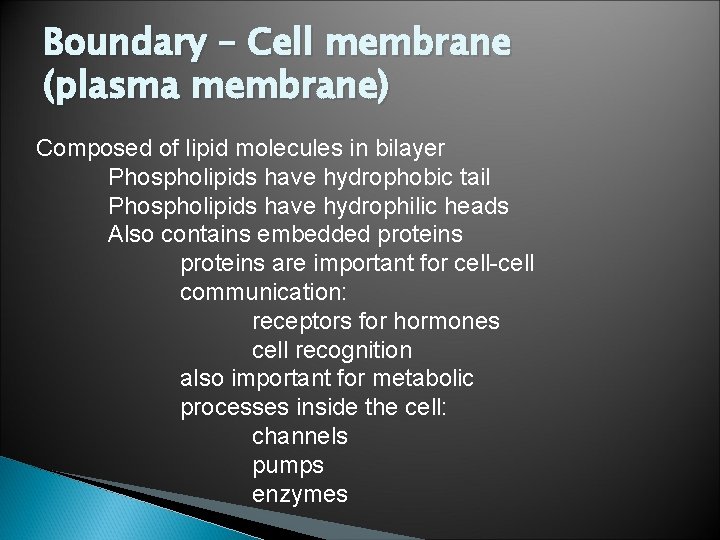
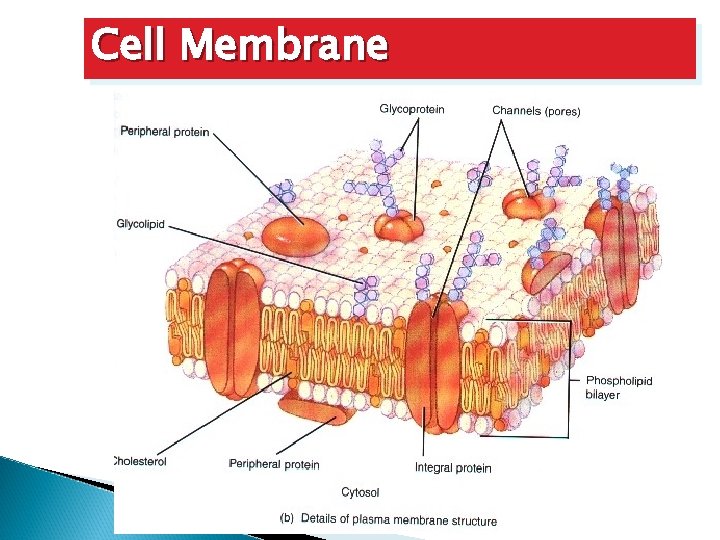
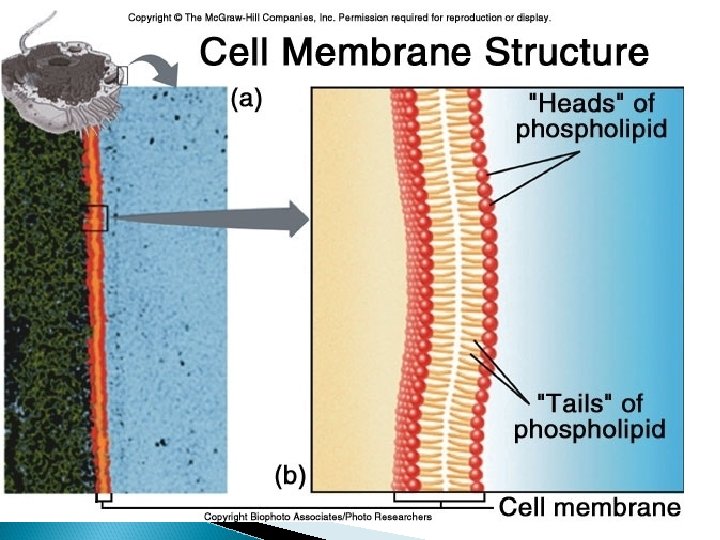
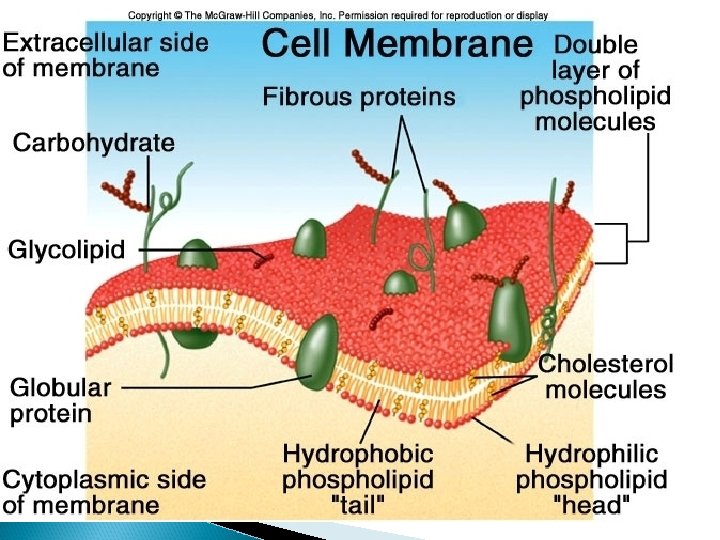
Boundary – Cell membrane (plasma membrane) Composed of lipid molecules in bilayer Phospholipids have hydrophobic tail Phospholipids have hydrophilic heads Also contains embedded proteins are important for cell-cell communication: receptors for hormones cell recognition also important for metabolic processes inside the cell: channels pumps enzymes
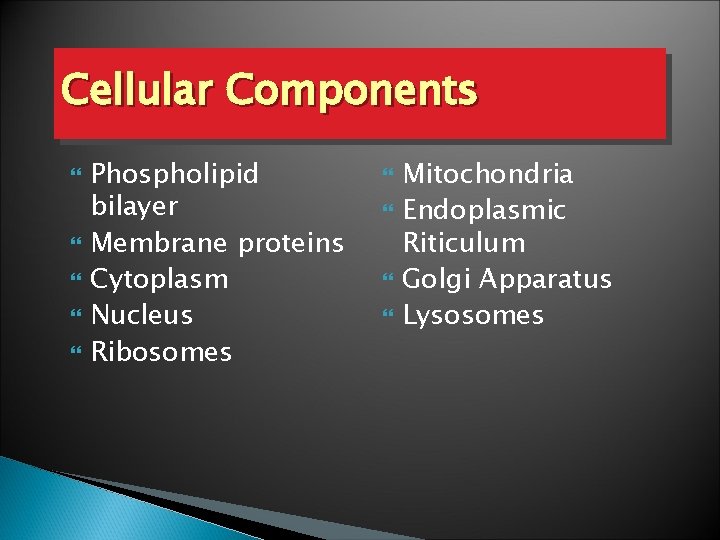
Cellular Components Phospholipid bilayer Membrane proteins Cytoplasm Nucleus Ribosomes Mitochondria Endoplasmic Riticulum Golgi Apparatus Lysosomes
Generic Cell Generic Eukaryotic Cell
Cell Membrane
Cytoplasm Cytosol – aqueous gel-like medium Important metabolic processes occur here Organelles – membrane bound structures Membranes provide compartments for separation of chemical reactions
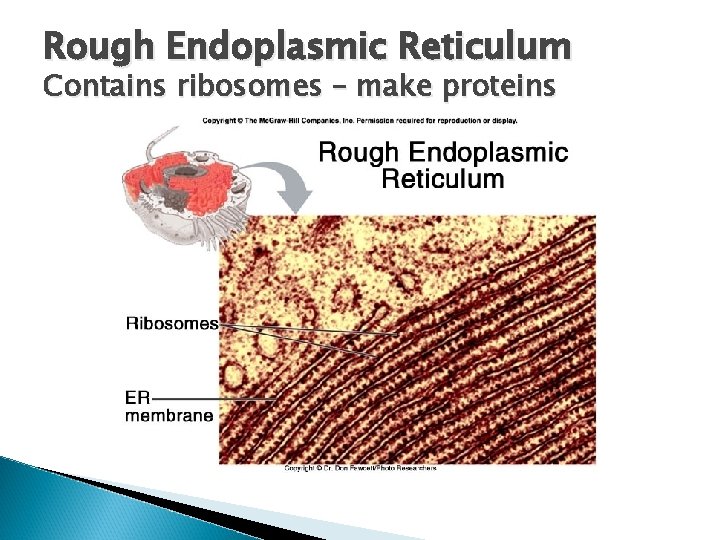
Rough Endoplasmic Reticulum Contains ribosomes – make proteins
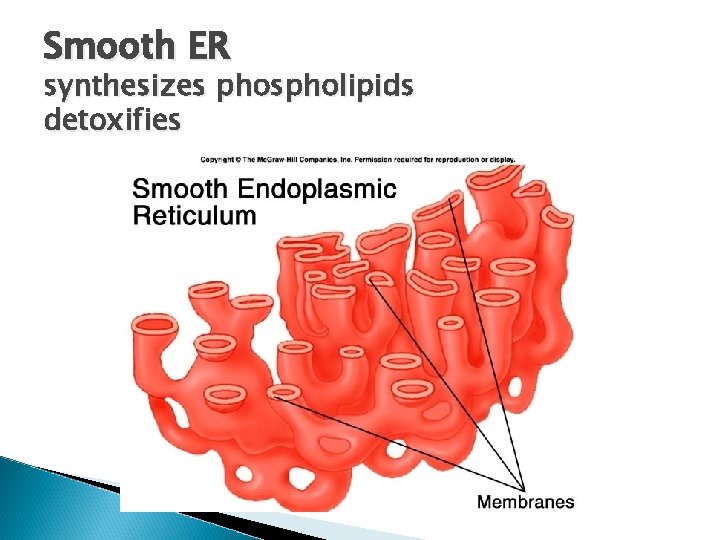
Smooth ER synthesizes phospholipids detoxifies
Golgi Apparatus Packages protein for export
Mitochondria The cell’s power plant
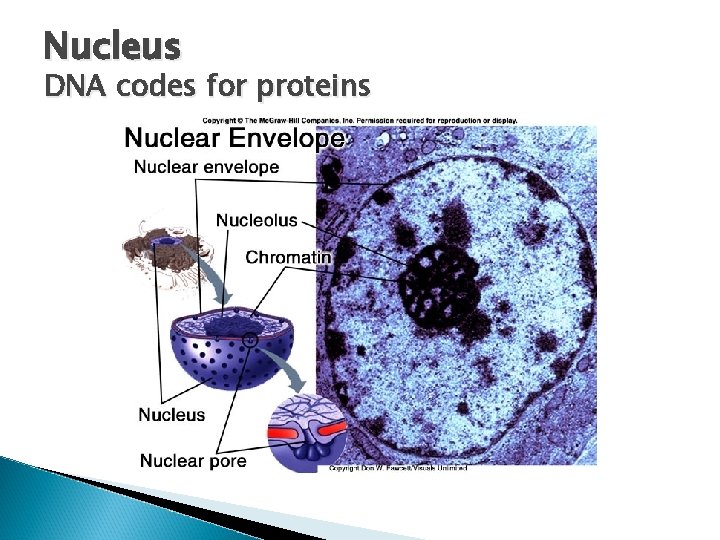
Nucleus large, membrane-bound organelle that contains deoxyribonucleic acid (DNA), the genetic material of the cell. the DNA is folded up inside the nucleus
Nucleus DNA codes for proteins
Movement Through the Membrane Lipid-soluble substances, such as oxygen, carbon dioxide, alcohol, and urea, move across the lipid bilayer by simple diffusion Other substances that; not lipid soluble, i. e most small ions, glucose, amino acids, and proteins, move between the extracellular and the intracellular compartments through pores provided by the integral proteins or through carrier-mediated transport systems. Simple diffusion: osmosis,
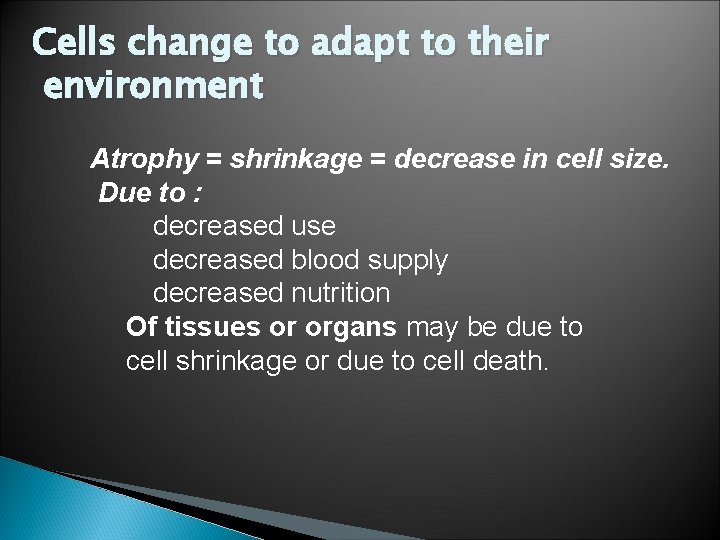
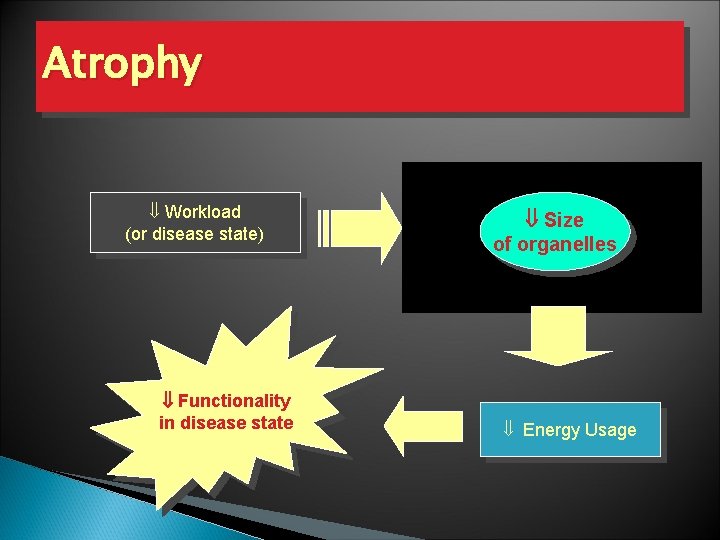
Cells change to adapt to their environment Atrophy = shrinkage = decrease in cell size. Due to : decreased use decreased blood supply decreased nutrition Of tissues or organs may be due to cell shrinkage or due to cell death.
General Response to Injury Cellular Adaptation Mechanisms of Cell Injury Manifestations of Cell Injury Cellular Death
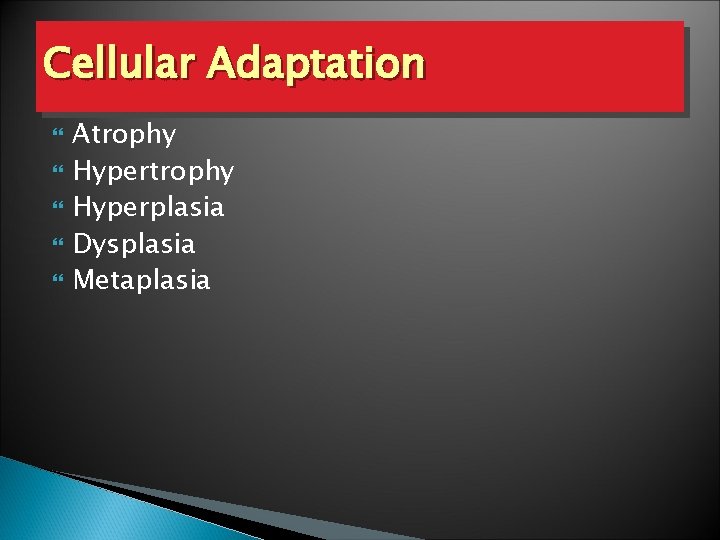
Cellular Adaptation Atrophy Hyperplasia Dysplasia Metaplasia
Atrophy Workload (or disease state) Functionality Efficiency in disease -OR- state Size organelles of oforganelles Energy Usage
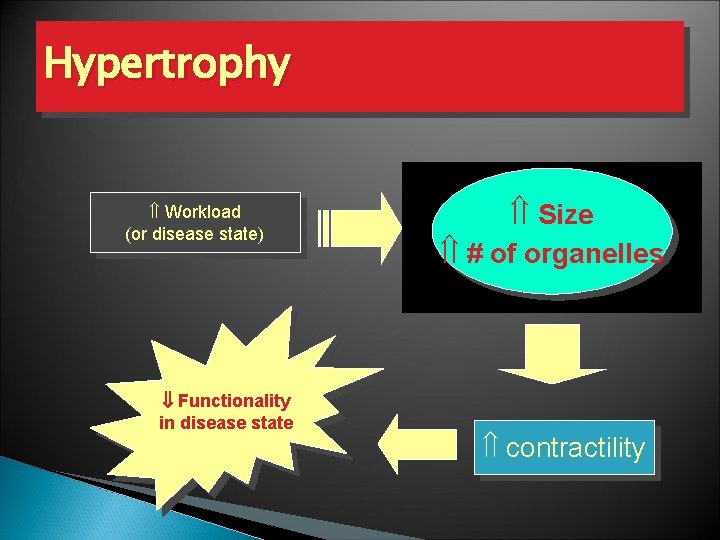
Hypertrophy Workload (or disease state) ability to Functionality meet demands! in disease state -OR- Size # of organelles contractility
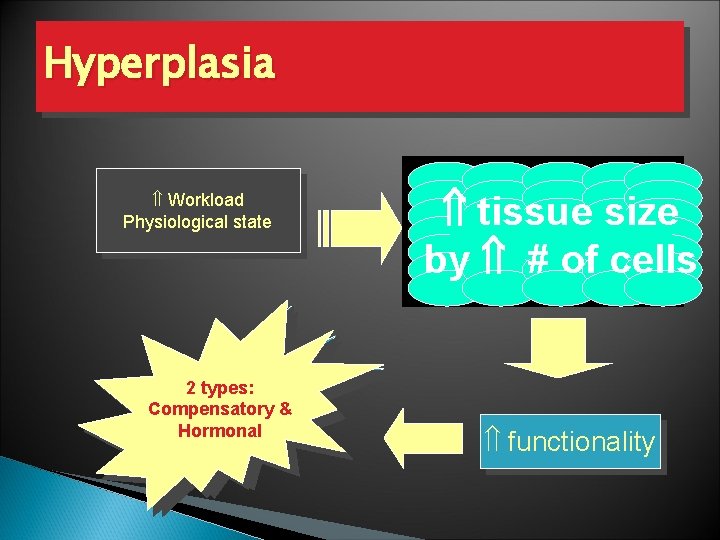
Hyperplasia Workload Physiological state types: to 2 ability Compensatory & meet demands! Hormonal. . . tissue rate ofsize by cell #division of cells functionality
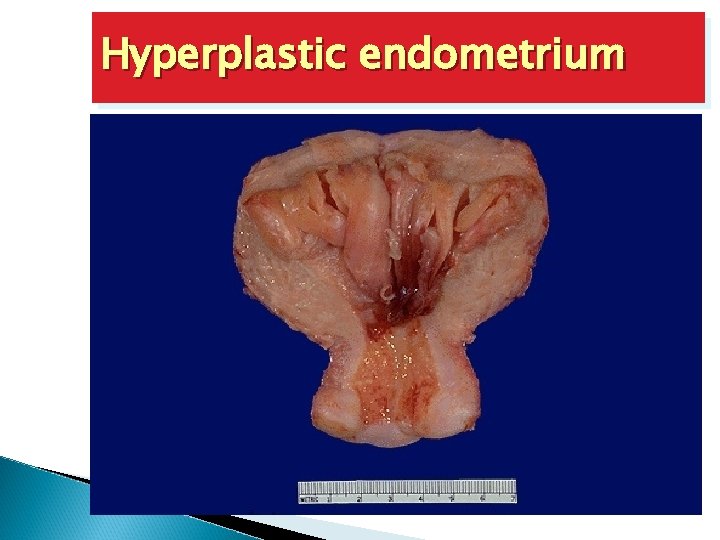
Hyperplastic endometrium
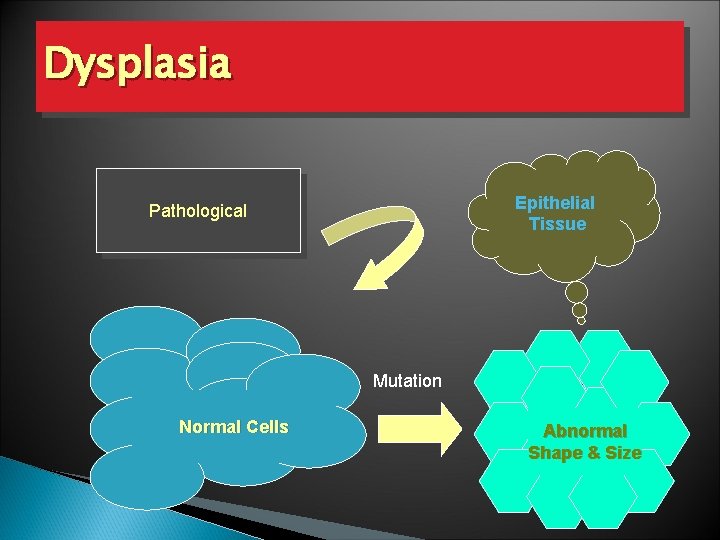
Dysplasia Epithelial Tissue Pathological Mutation Normal Cells Abnormal Shape & Size
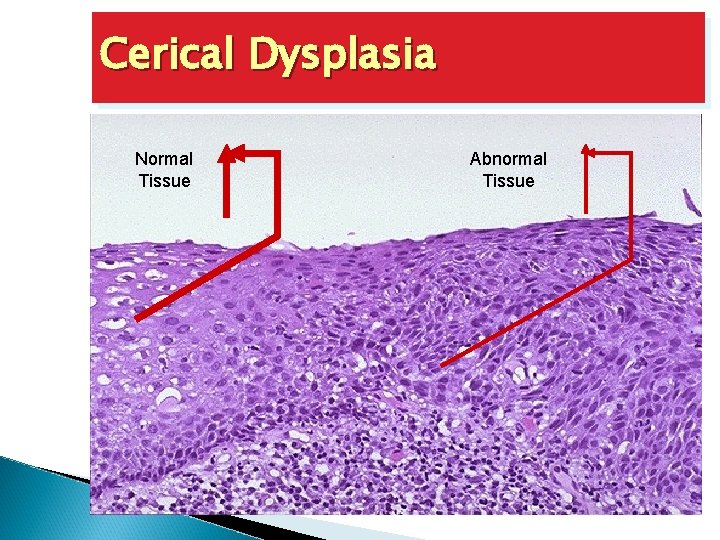
Cerical Dysplasia Normal Tissue Abnormal Tissue
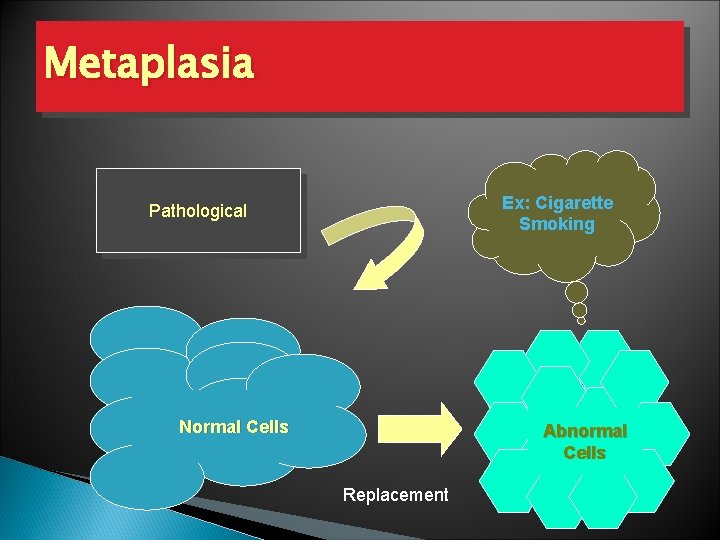
Metaplasia Ex: Cigarette Smoking Pathological Normal Cells Abnormal Cells Replacement
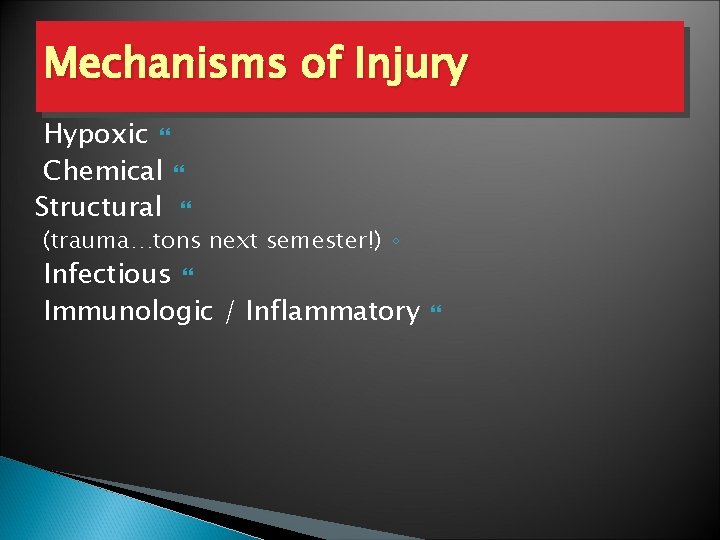
Mechanisms of Injury Hypoxic Chemical Structural (trauma…tons next semester!) ◦ Infectious Immunologic / Inflammatory
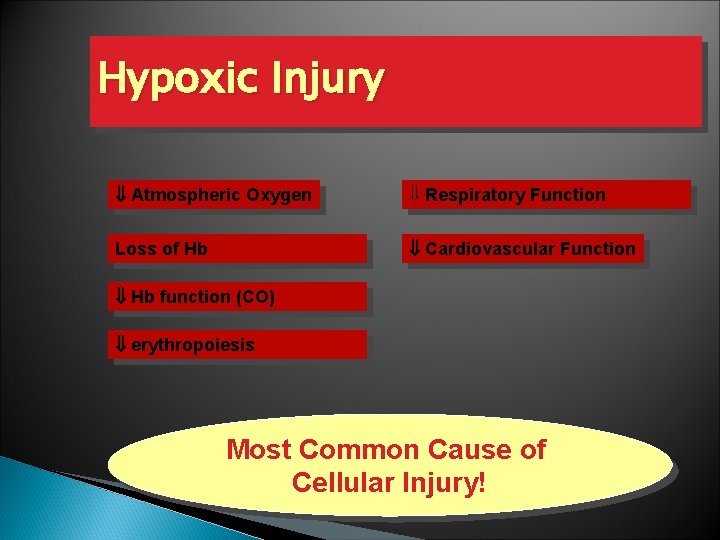
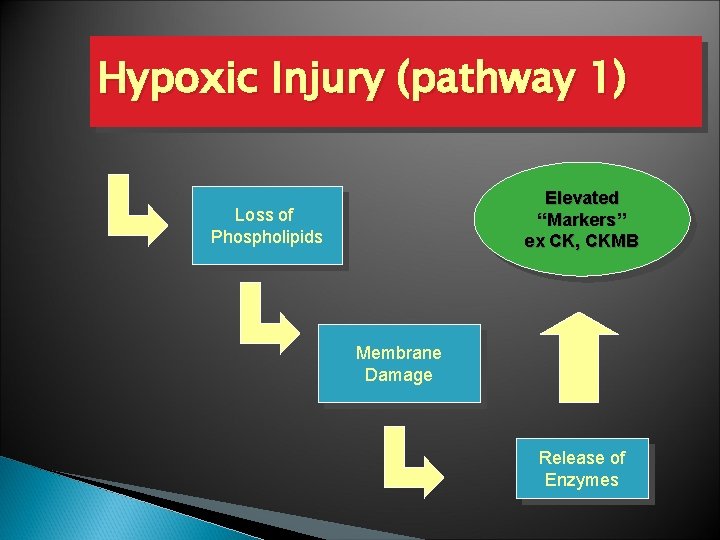
Hypoxic Injury Atmospheric Oxygen Respiratory Function Loss of Hb Cardiovascular Function Hb function (CO) erythropoiesis Most Common Cause of Cellular Injury!
Hypoxic Injury (pathway 1) Elevated “Markers” ex CK, CKMB Loss of Phospholipids Membrane Damage Release of Enzymes
Hypertrophy = increase in cell size We'll see this in heart, kidney (and others) w/ pathology NOT due to increased cell volume or fluid Rather, due to increased protein synthesis within the cell, or decreased protein breakdown Result is increased protein in organelles Hyperplasia = increase in cell number Due to increased cell division Uterus and breast tissue Parathyroid gland in kidney failure Liver (compensatory hyperplasia)
Metaplasia = replacement of one cell type with another Reversible An example: ciliated columnar epithelium replaced by stratified squamous epithelium
Dysplasia = change in cell resulting in abnormal cell size, shape or organization We'll see this in respiratory tract, cervix w/ pathology In mature cells only Immature cells would be expected to change in size, shape as they grow and mature Considered a reversible change Neoplasia = associated with a malignant tumor
Intracellular accumulations Buildup of substances the cell can’t use or dispose of. ◦ Normal body substances ◦ Abnormal products from inside the body (inborn errors of metabolism) ◦ Substances from outside the body (transient or permanent)
Cellular injury – cell unable to maintain homeostasis Causes of cell injury: Deficiency – lack of a substance necessary to the cell Intoxication or poisoning – presence of a toxin or substance that interferes with cell functioning Trauma – physical injury and loss of cell’s structural integrity
Deficiencies: Deficiency in oxygen most important
Hypoxia = deficiency in oxygen at cell Due to : Decreased oxygen in air Decreased hemoglobin or decreased oxygen transported to cells Diseases of the respiratory and/or cardiovascular system
Important to cell because of oxidative phosphorylation, which results in the production of ATP Oxidative: need oxygen to produce ATP: needed by cell for metabolism, cell life
Cellular response to hypoxia Decreased mitochondrial reactions decreased ATP produced decreased energy Ion pumps cease, so can't regulate ions into/out of cell (ATP needed for this) Can't pump Na+ and water out of cell, so get cell swelling organelle swelling cell death
Ischemia is inadequate blood supply to a cell or tissue. Ischemia can cause hypoxia.
Intoxication (or introduction of toxins into the cell) Effect on cell depends on toxin and on cell Some examples: Lead -- injures nervous system CO -- deprives body of oxygen Ethanol -- effects central nervous system
Trauma -- physical disruption of cells Ex: abrasion, cutting, burns, microorganisms etc.
Free radicals : uncharged atom or group of atoms with an unpaired electron Formed by radiation, redox reactions, chemicals Atom is unstable needs to gain or lose an electron can alter chemical bonds in proteins, lipids, carbohydrates and nucleic acids can cause chain reaction in cell
Apoptosis “fallen apart” Regulated cell death During development Worn out cells Diseased cells (tumor suppressor p 53 gene, natural killer or Tc cells)
Necrosis Messy cell death Initiates inflammation Gangrene – large mass of tissue undergoes necrosis
Infections agents Microorganisms can invade and harm cells Cell injury can have effects on the entire body Examples: fever, pain, increased heart rate