
Pathophysiology of asthma and chronic obstructive pulmonary disease
Pathophysiology of asthma and chronic obstructive pulmonary disease M. Tatár
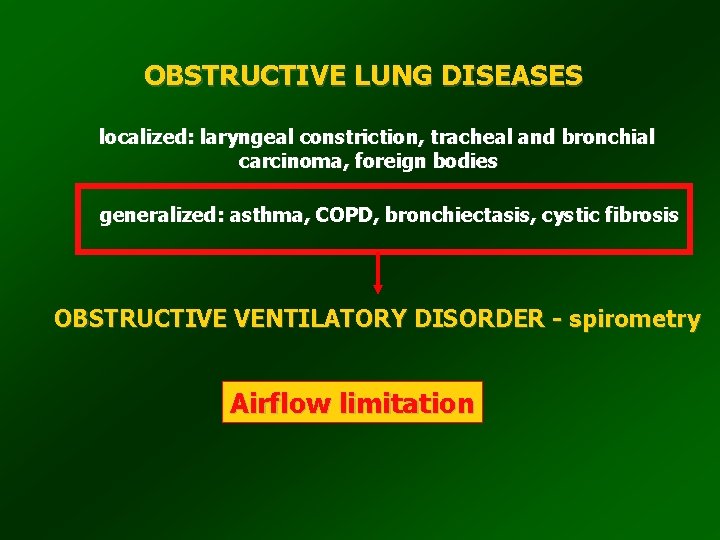
OBSTRUCTIVE LUNG DISEASES localized: laryngeal constriction, tracheal and bronchial carcinoma, foreign bodies generalized: asthma, COPD, bronchiectasis, cystic fibrosis OBSTRUCTIVE VENTILATORY DISORDER - spirometry Airflow limitation
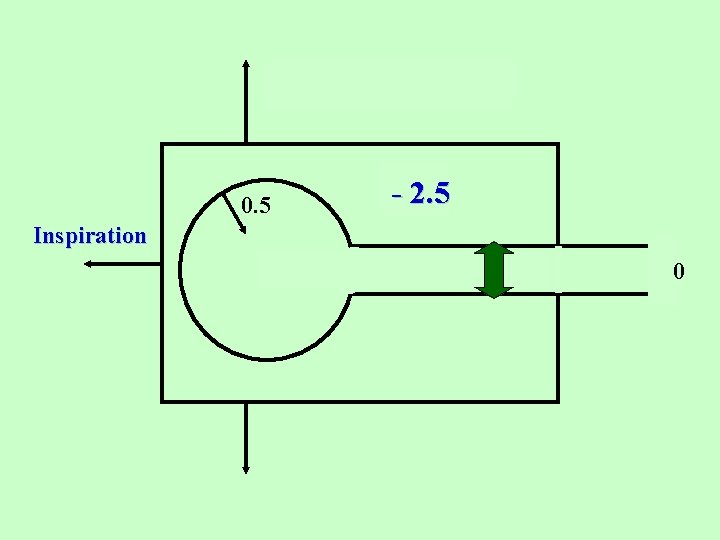
End of quiet expiration -- 0. 5 2. 5 0. 5 Inspiration 0 0 0
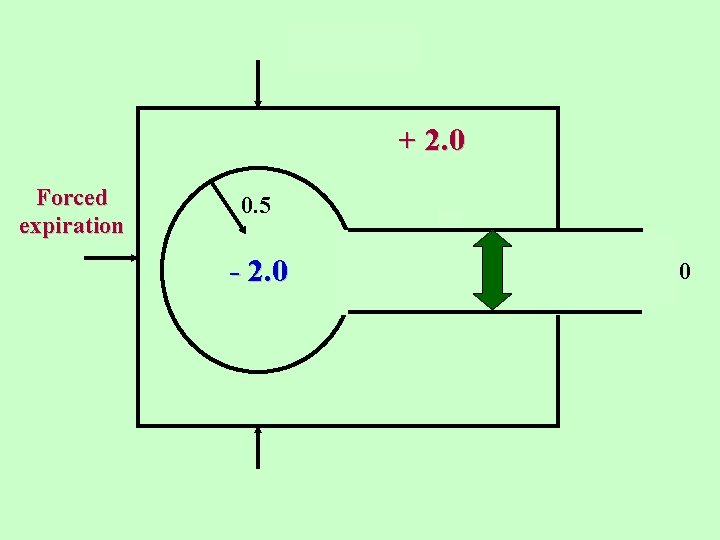
Inspiration +- 2. 5 2. 0 Forced expiration 0. 5 - 2. 0 - 1. 5 - 1. 0 - 0. 5 0
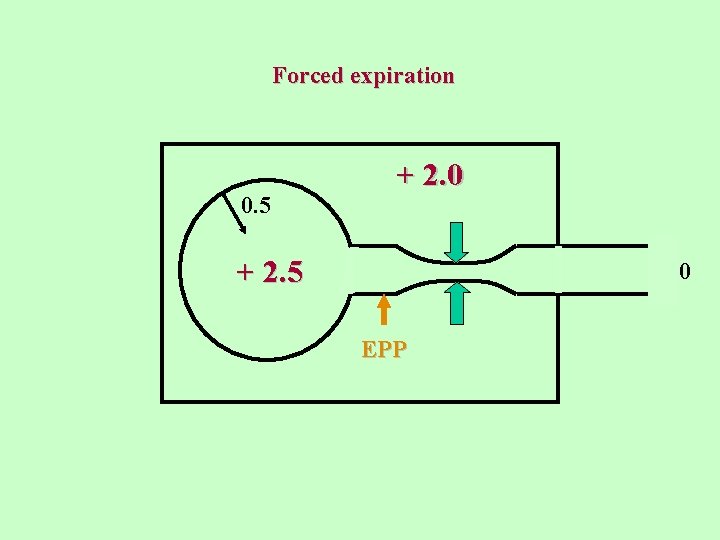
Forced expiration 0. 5 + 2. 0 + 1. 5 + 1. 0 EPP 0
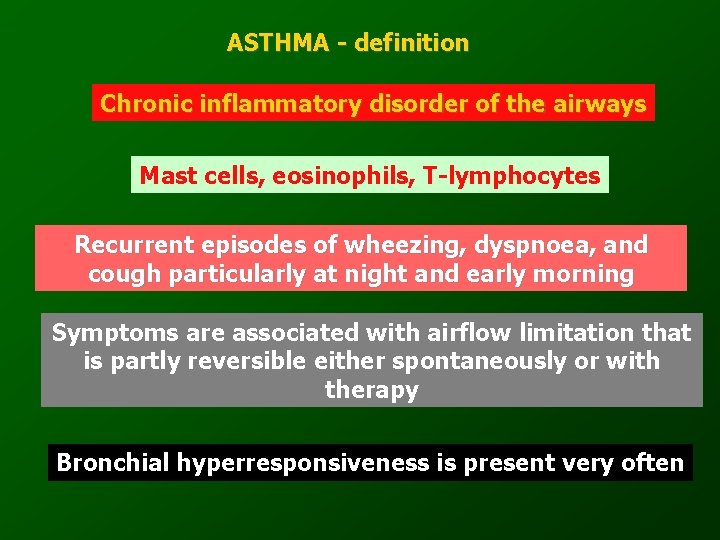
ASTHMA - definition Chronic inflammatory disorder of the airways Mast cells, eosinophils, T-lymphocytes Recurrent episodes of wheezing, dyspnoea, and cough particularly at night and early morning Symptoms are associated with airflow limitation that is partly reversible either spontaneously or with therapy Bronchial hyperresponsiveness is present very often
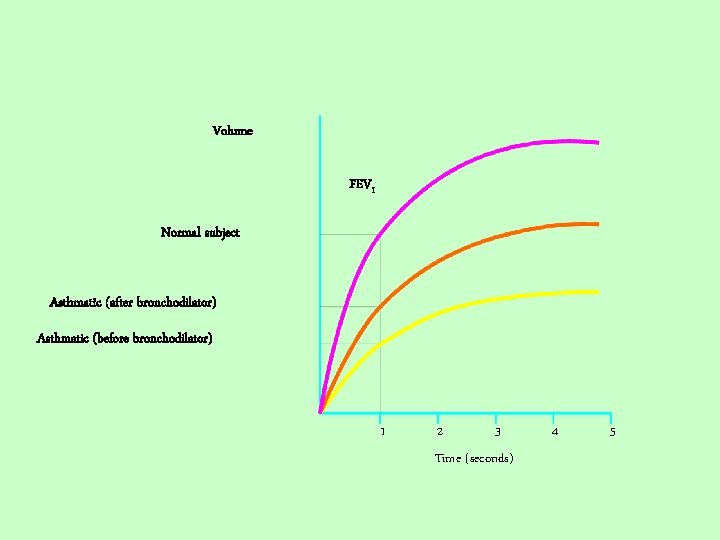
Volume FEV 1 Normal subject Asthmatic (after bronchodilator) Asthmatic (before bronchodilator) 1 2 3 Time (seconds) 4 5
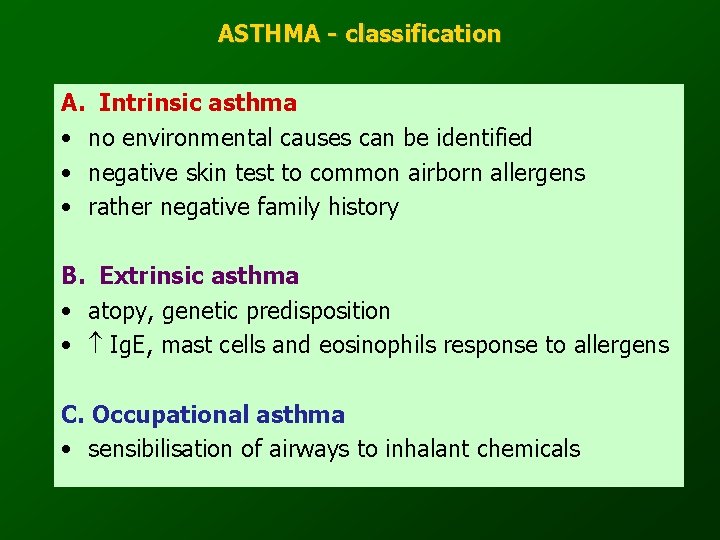
ASTHMA - classification A. Intrinsic asthma • no environmental causes can be identified • negative skin test to common airborn allergens • rather negative family history B. Extrinsic asthma • atopy, genetic predisposition • Ig. E, mast cells and eosinophils response to allergens C. Occupational asthma • sensibilisation of airways to inhalant chemicals
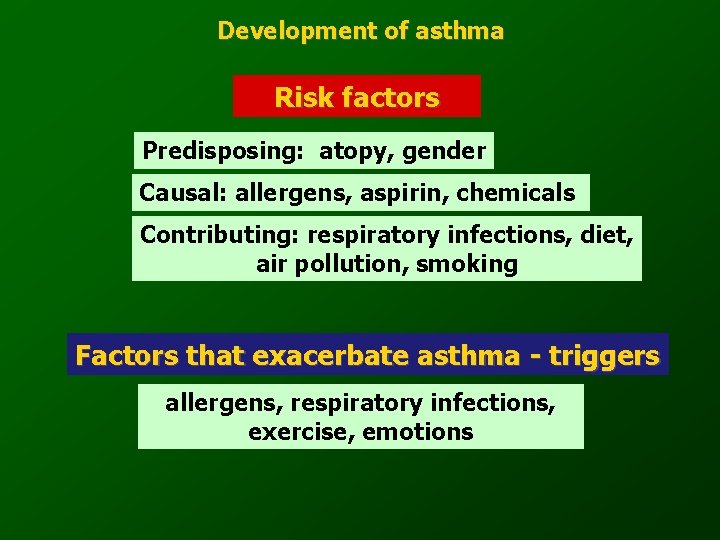
Development of asthma Risk factors Predisposing: atopy, gender Causal: allergens, aspirin, chemicals Contributing: respiratory infections, diet, air pollution, smoking Factors that exacerbate asthma - triggers allergens, respiratory infections, exercise, emotions
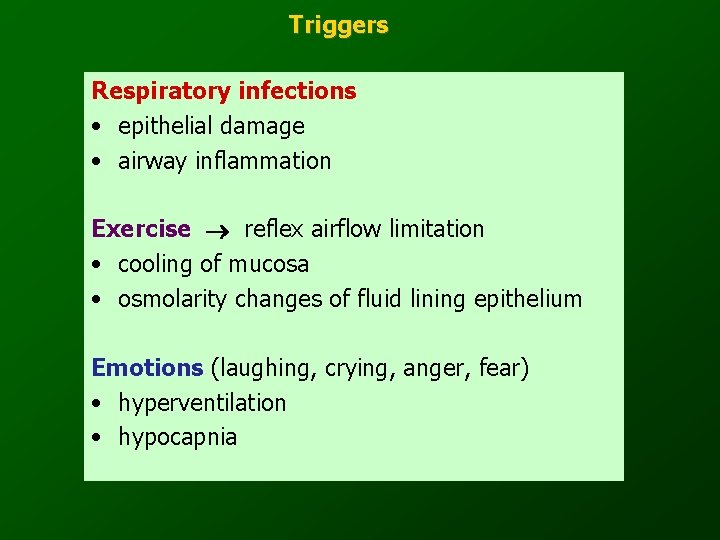
Triggers Respiratory infections • epithelial damage • airway inflammation Exercise reflex airflow limitation • cooling of mucosa • osmolarity changes of fluid lining epithelium Emotions (laughing, crying, anger, fear) • hyperventilation • hypocapnia
Asthma - bronchial hyperresponsiveness Instability of the airways = exaggerated bronchoconstrictor response to a wide variety of stimuli Key factor - airway inflammation Mechanisms: direct and indirect
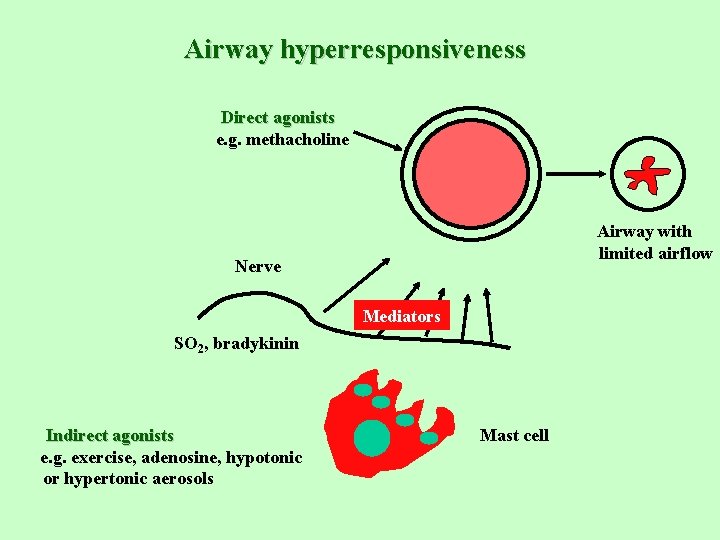
Airway hyperresponsiveness Direct agonists e. g. methacholine Airway with limited airflow Nerve Mediators SO 2, bradykinin Indirect agonists e. g. exercise, adenosine, hypotonic or hypertonic aerosols Mast cell
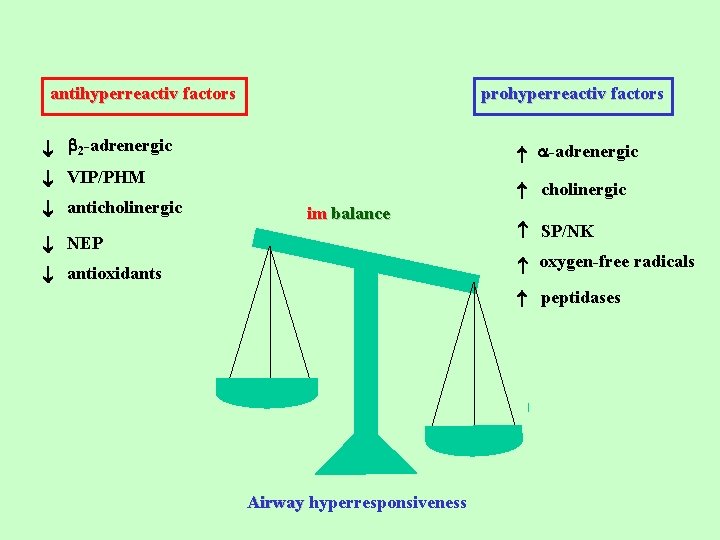
antihyperreactiv factors prohyperreactiv factors 2 -adrenergic VIP/PHM anticholinergic -adrenergic cholinergic im balance NEP antioxidants SP/NK oxygen-free radicals peptidases corticoids Normal airway reactivity Airway hyperresponsiveness
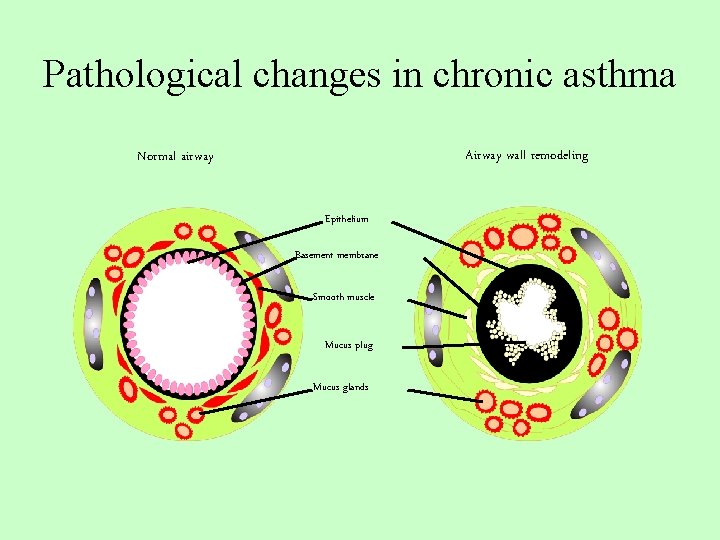
Pathological changes in chronic asthma Airway wall remodeling Normal airway Epithelium Basement membrane Smooth muscle Mucus plug Mucus glands
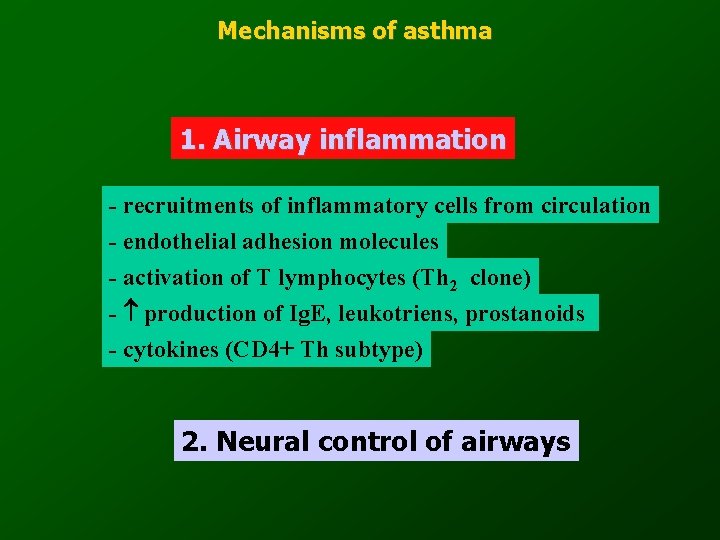
Mechanisms of asthma 1. Airway inflammation - recruitments of inflammatory cells from circulation - endothelial adhesion molecules - activation of T lymphocytes (Th 2 clone) - production of Ig. E, leukotriens, prostanoids - cytokines (CD 4+ Th subtype) 2. Neural control of airways
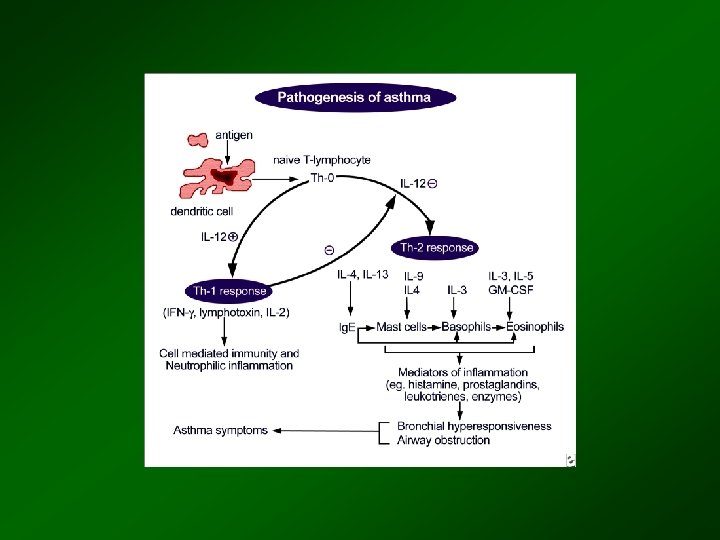
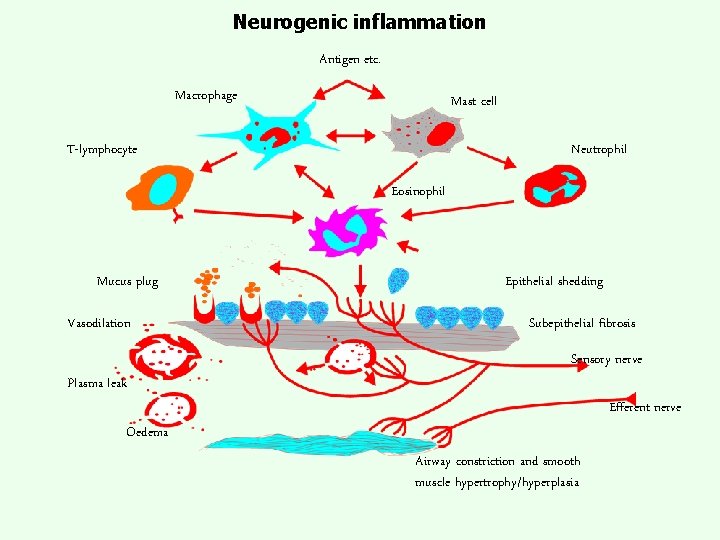
Neurogenic inflammation Antigen etc. Macrophage Mast cell T-lymphocyte Neutrophil Eosinophil Mucus plug Vasodilation Plasma leak Epithelial shedding Subepithelial fibrosis Sensory nerve Efferent nerve Oedema Airway constriction and smooth muscle hypertrophy/hyperplasia
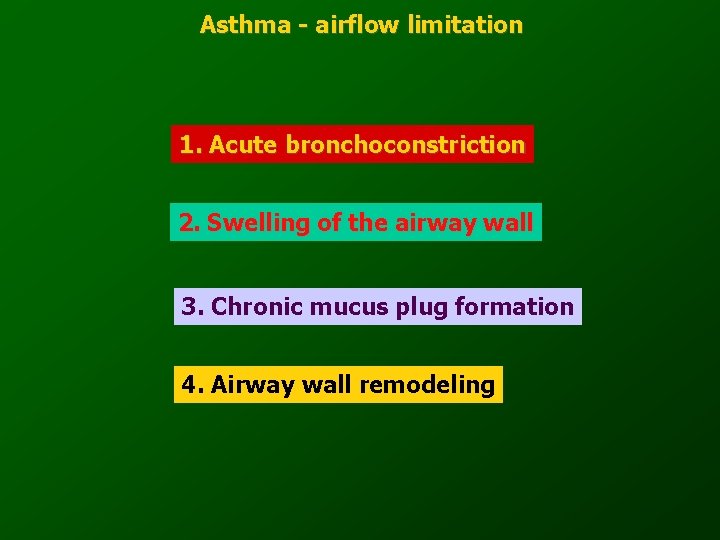
Asthma - airflow limitation 1. Acute bronchoconstriction 2. Swelling of the airway wall 3. Chronic mucus plug formation 4. Airway wall remodeling
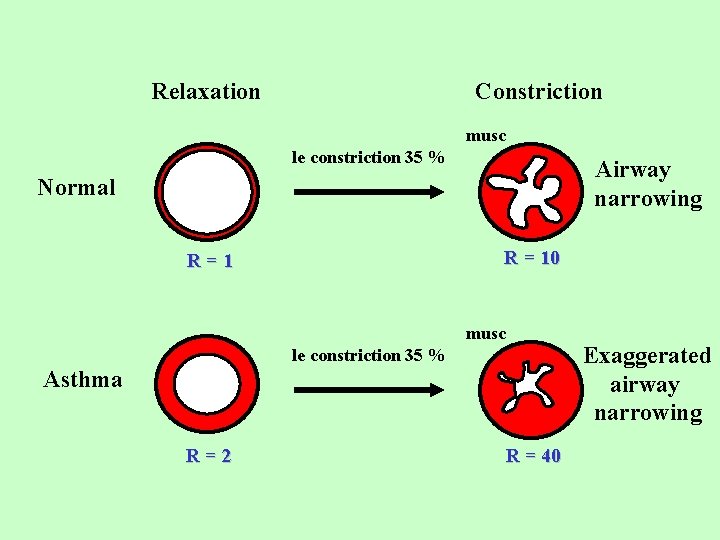
Relaxation Constriction musc le constriction 35 % Airway narrowing Normal R = 10 R=1 musc le constriction 35 % Asthma R=2 R = 40 Exaggerated airway narrowing
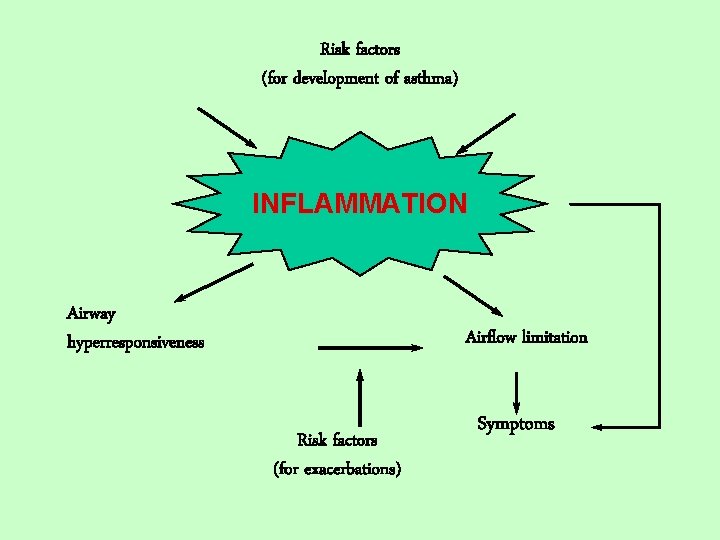
Risk factors (for development of asthma) INFLAMMATION Airway hyperresponsiveness Airflow limitation Risk factors (for exacerbations) Symptoms
Asthma is a highly variable disease Asthma is a chronic inflammatory disease of variable severity. Worsening and exacerbations of asthma are associated with episodes of acute inflammation, which develop on top of persistent underlying chronic inflammation. This acute inflammation causes an increase in symptoms and may also lead to an increased sensitivity to triggers and a worsening in airway hyperresponsiveness. The variability and severity of „real life“ asthma is dependent on a number of factors, including a patient´s adherence to the prescribed treatment.

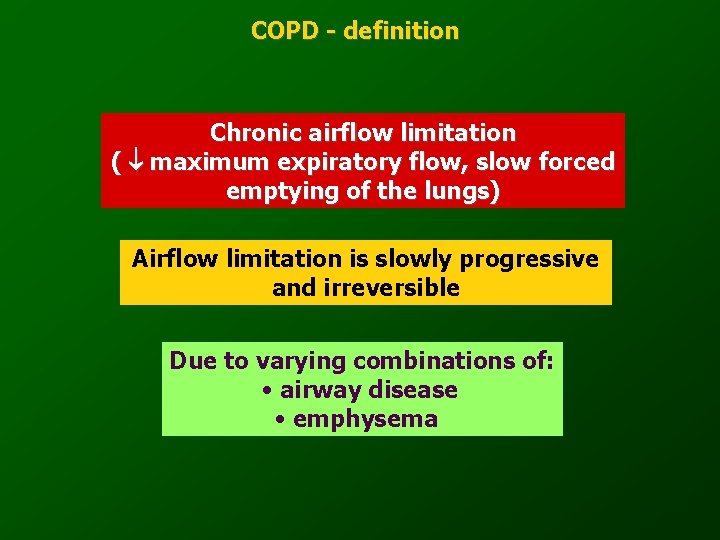
COPD - definition Chronic airflow limitation ( maximum expiratory flow, slow forced emptying of the lungs) Airflow limitation is slowly progressive and irreversible Due to varying combinations of: • airway disease • emphysema
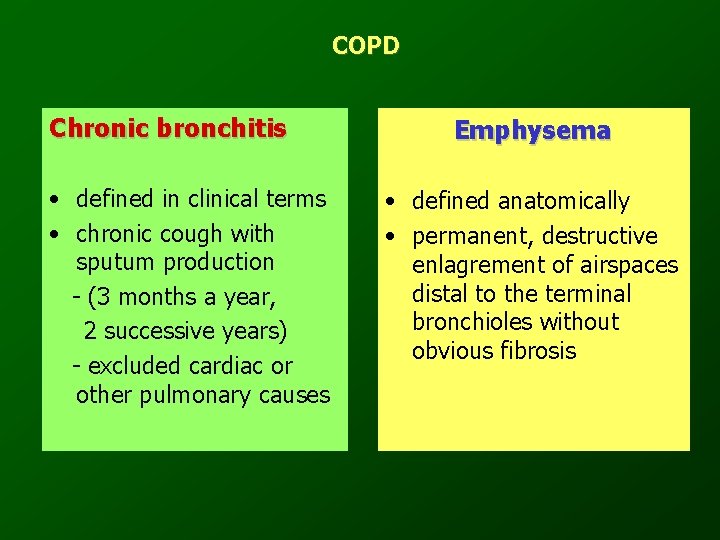
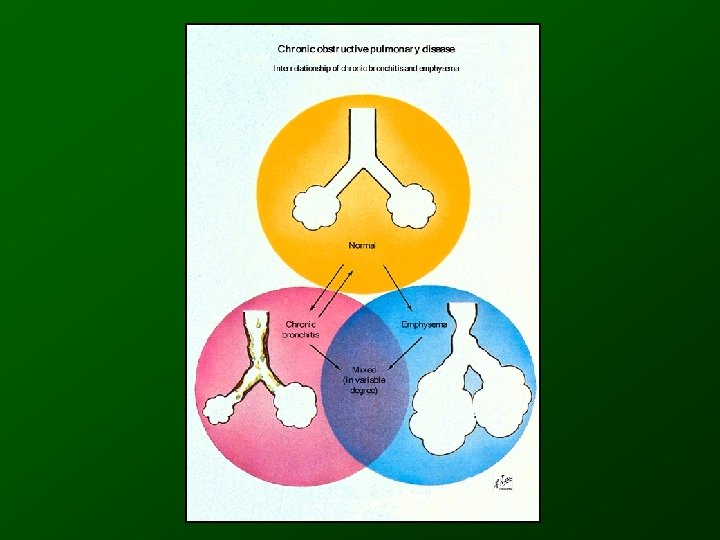
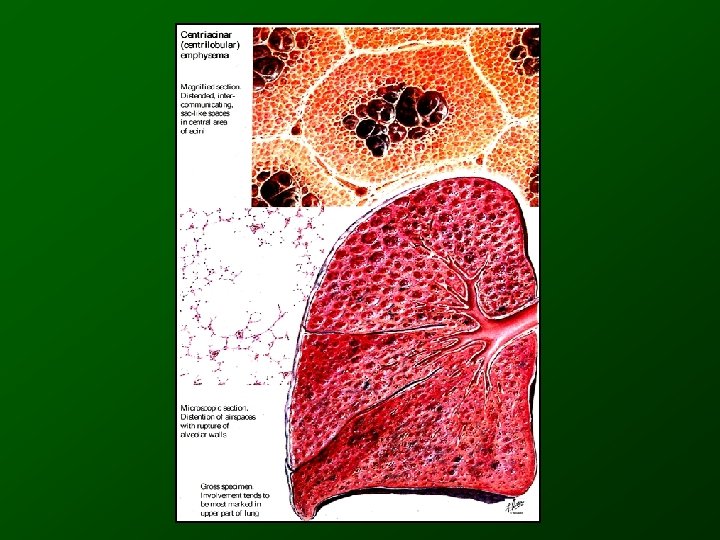
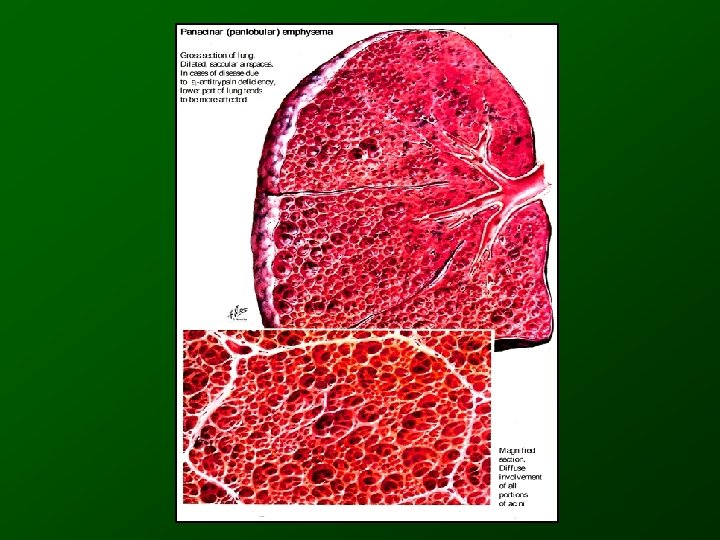
COPD Chronic bronchitis • defined in clinical terms • chronic cough with sputum production - (3 months a year, 2 successive years) - excluded cardiac or other pulmonary causes Emphysema • defined anatomically • permanent, destructive enlagrement of airspaces distal to the terminal bronchioles without obvious fibrosis
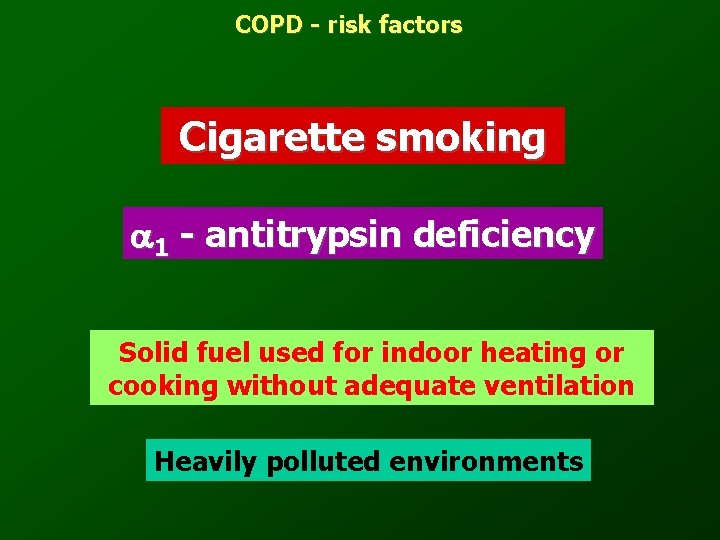
COPD - risk factors Cigarette smoking 1 - antitrypsin deficiency Solid fuel used for indoor heating or cooking without adequate ventilation Heavily polluted environments
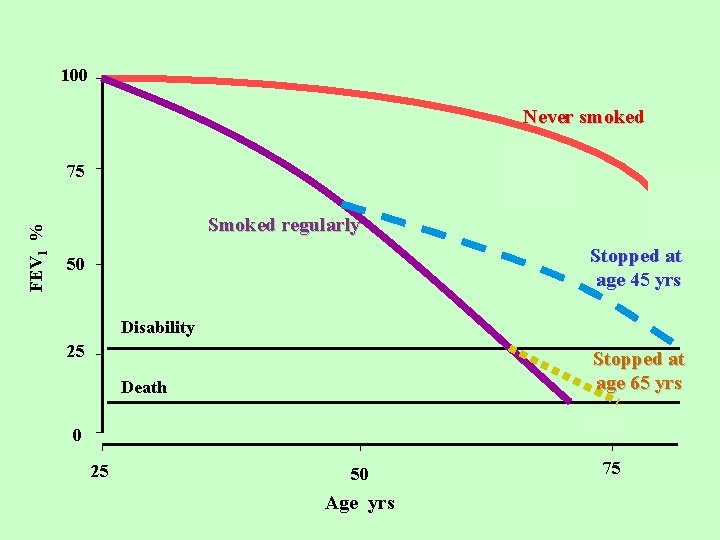
100 Never smoked FEV 1 % 75 Smoked regularly Stopped at age 45 yrs 50 Disability 25 Stopped at age 65 yrs Death 0 25 50 Age yrs 75
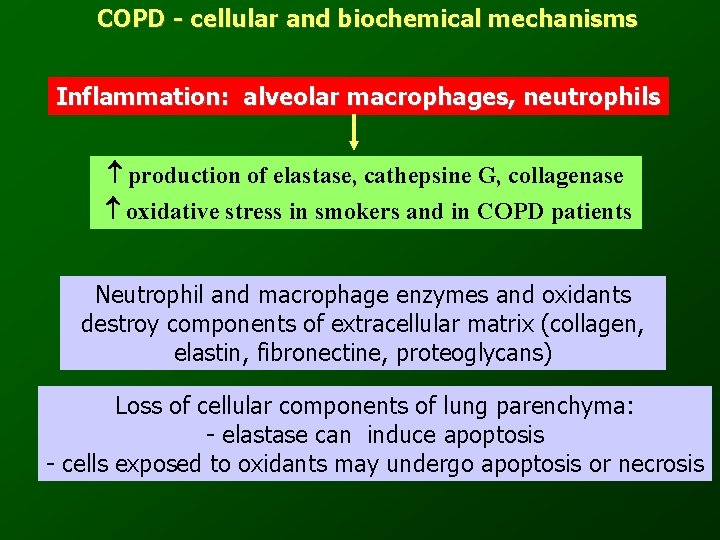
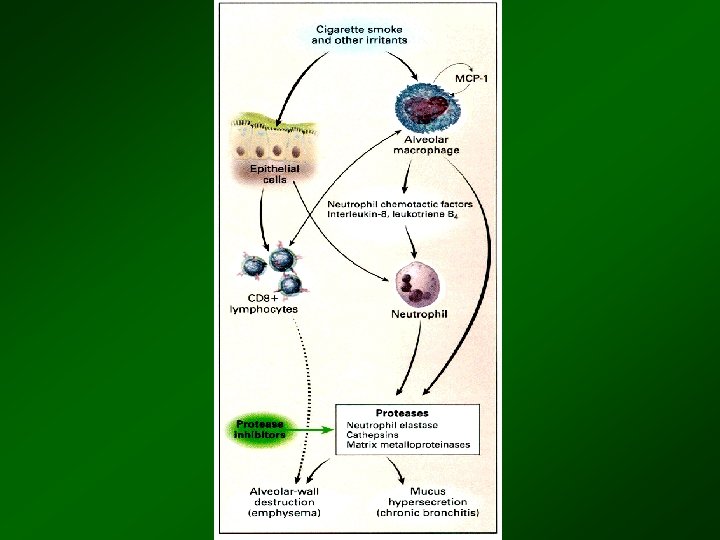
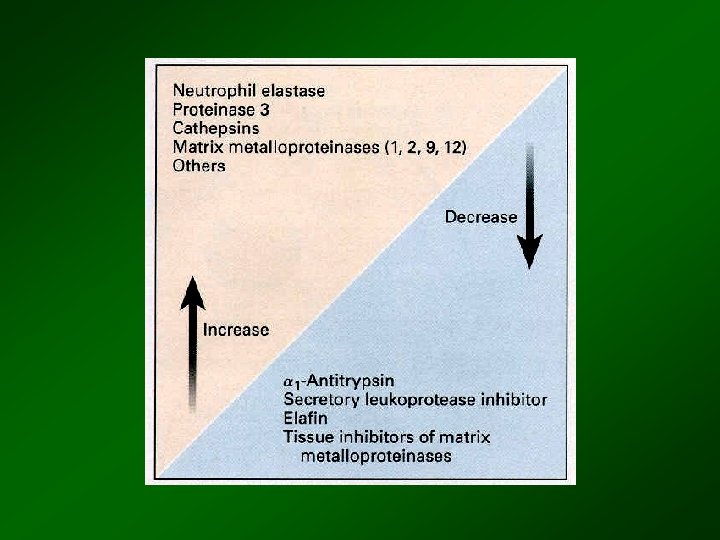
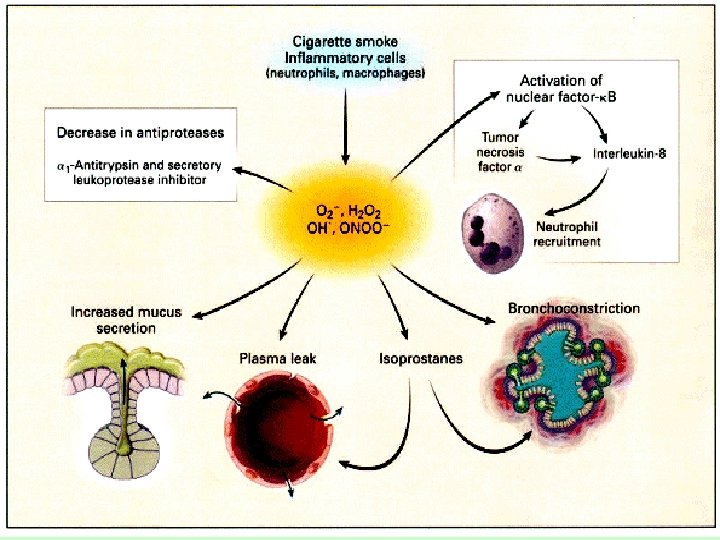
COPD - cellular and biochemical mechanisms Inflammation: alveolar macrophages, neutrophils production of elastase, cathepsine G, collagenase oxidative stress in smokers and in COPD patients Neutrophil and macrophage enzymes and oxidants destroy components of extracellular matrix (collagen, elastin, fibronectine, proteoglycans) Loss of cellular components of lung parenchyma: - elastase can induce apoptosis - cells exposed to oxidants may undergo apoptosis or necrosis
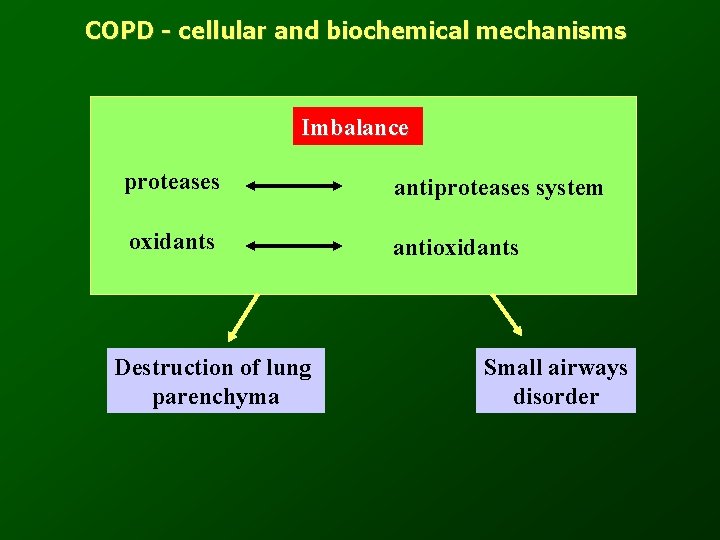
COPD - cellular and biochemical mechanisms Imbalance proteases antiproteases system oxidants antioxidants Destruction of lung parenchyma Small airways disorder
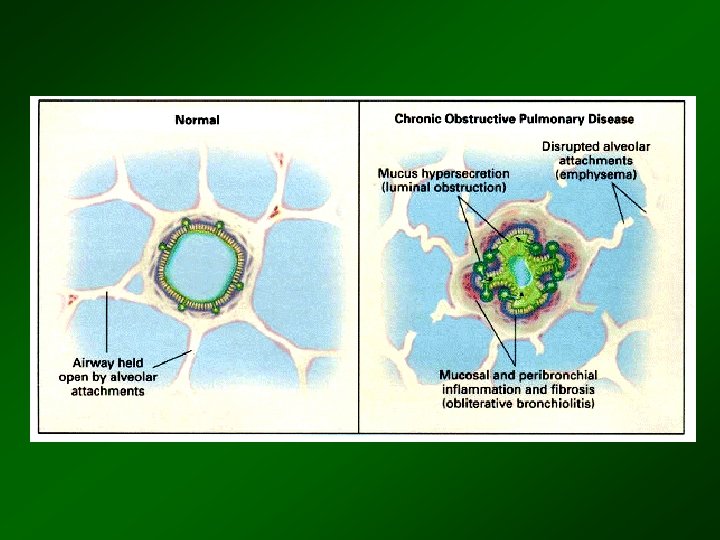
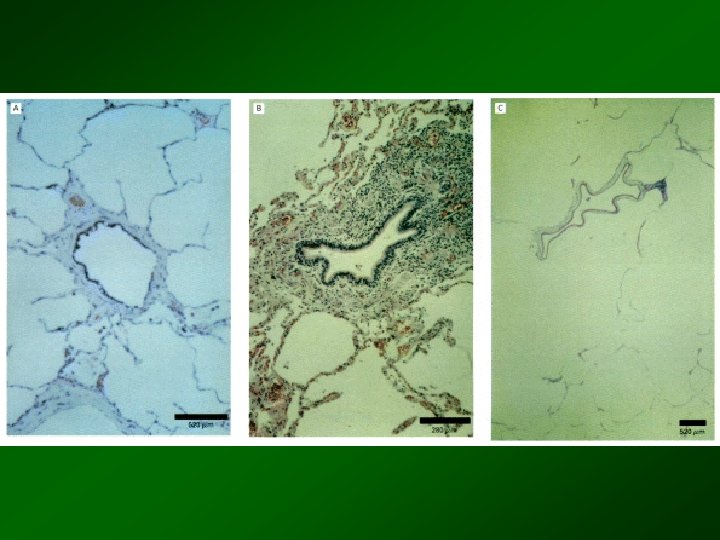
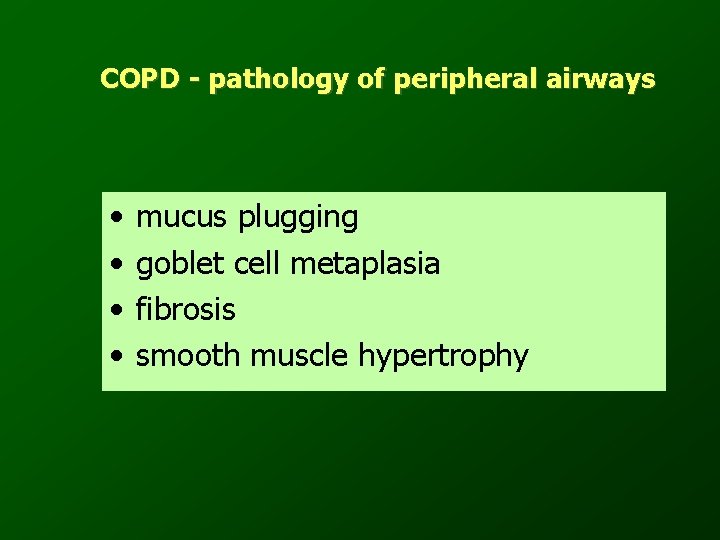
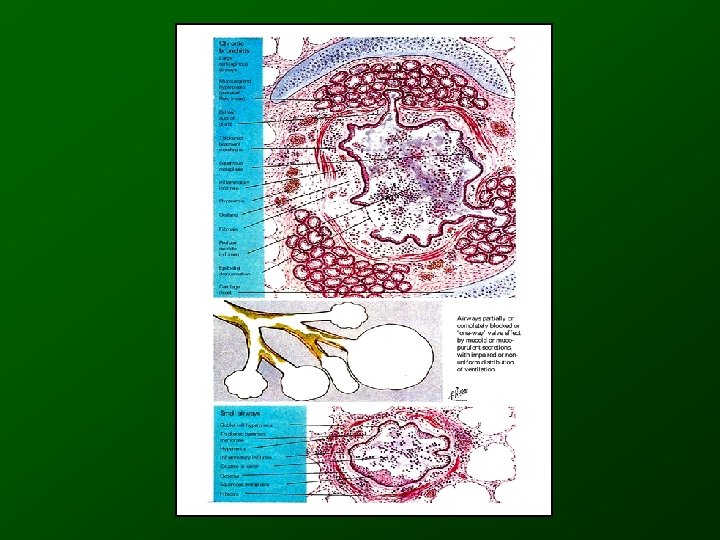
COPD - pathology of peripheral airways • • mucus plugging goblet cell metaplasia fibrosis smooth muscle hypertrophy
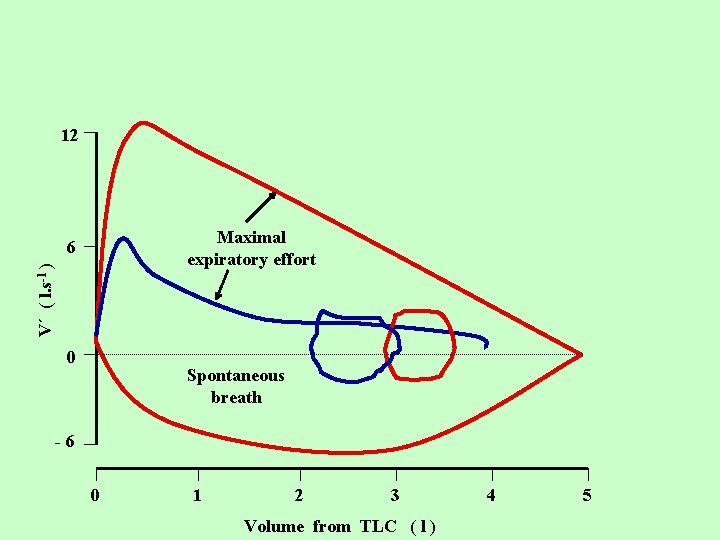
12 Maximal expiratory effort V´ ( l. s-1 ) 6 0 Spontaneous breath -6 0 1 2 3 Volume from TLC ( l ) 4 5
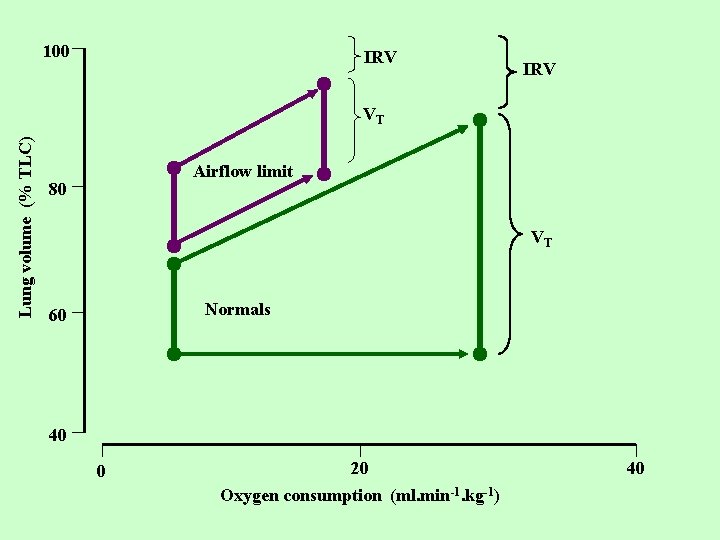
100 IRV Lung volume (% TLC) VT Airflow limit 80 VT Normals 60 40 0 20 Oxygen consumption (ml. min-1. kg-1) 40
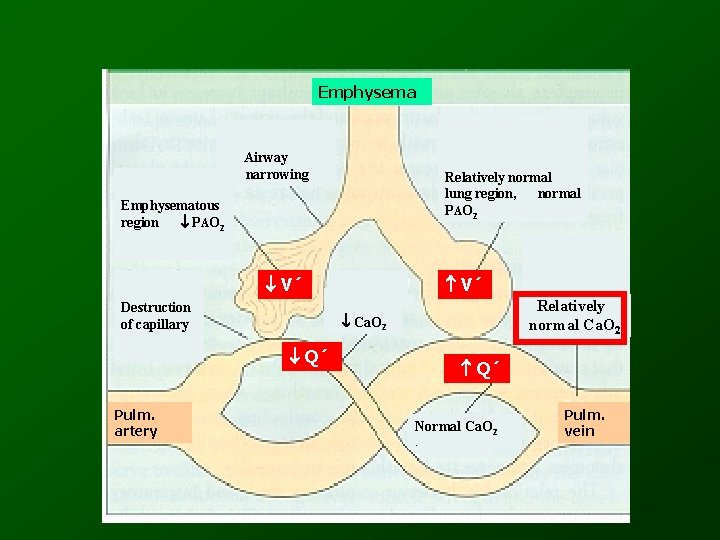
Emphysema Airway narrowing Relatively normal lung region, normal PAO 2 Emphysematous region PAO 2 V´ Destruction of capillary V´ Relatively normal Ca. O 2 Q´ Pulm. artery Q´ Normal Ca. O 2 ´ Pulm. vein
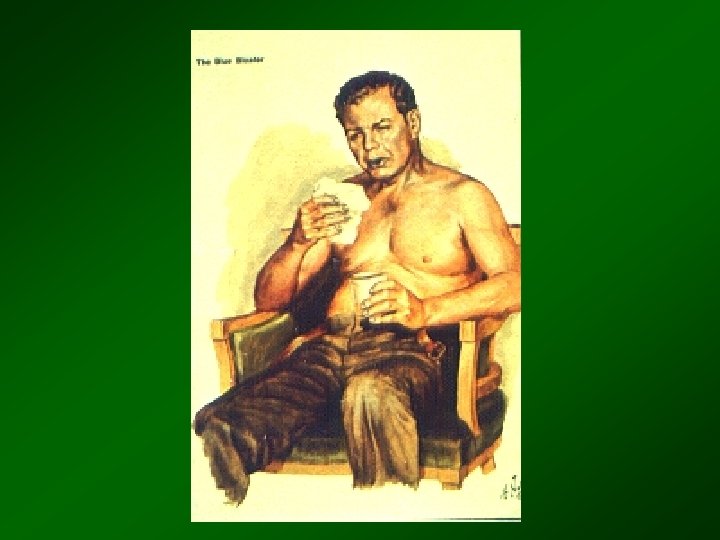
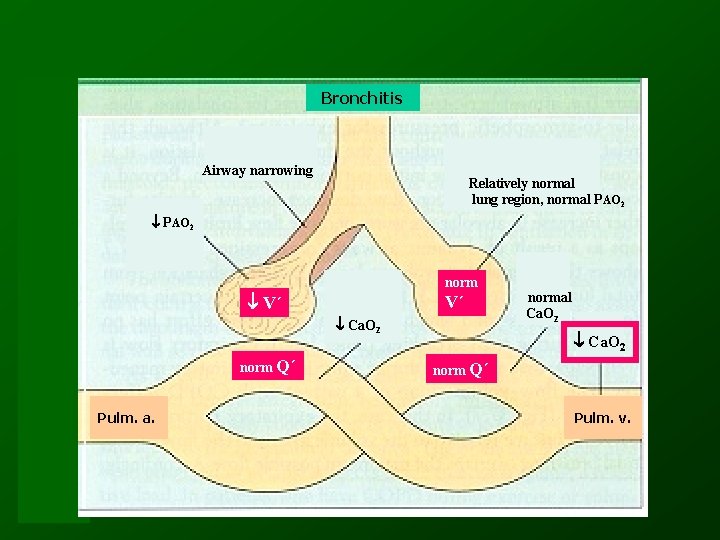
Bronchitis Airway narrowing Relatively normal lung region, normal PAO 2 norm V´ V´ Ca. O 2 norm Q´ Pulm. a. normal Ca. O 2 norm Q´ Pulm. v.
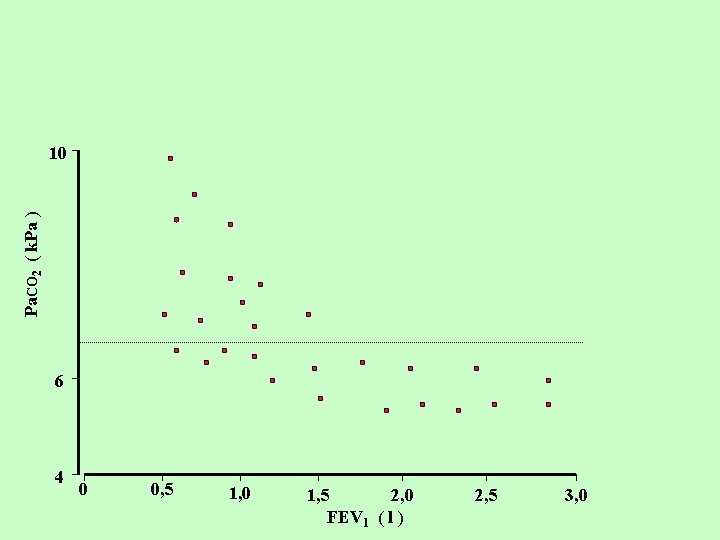
Pa. CO 2 ( k. Pa ) 10 6 4 0 0, 5 1, 0 1, 5 2, 0 FEV 1 ( l ) 2, 5 3, 0
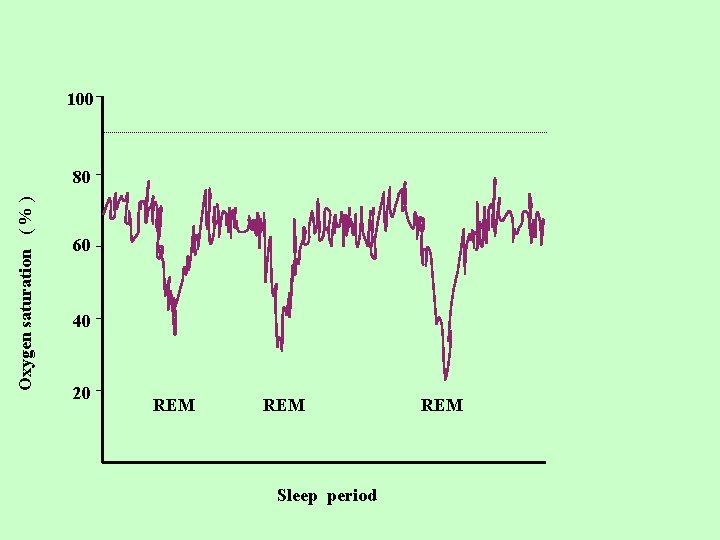
100 Oxygen saturation ( % ) 80 60 40 20 REM Sleep period REM
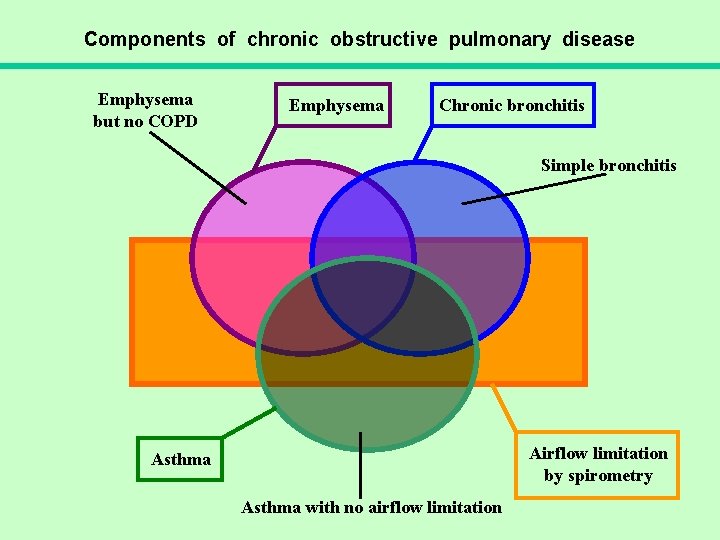
Components of chronic obstructive pulmonary disease Emphysema but no COPD Emphysema Chronic bronchitis Simple bronchitis Airflow limitation by spirometry Asthma with no airflow limitation
- Slides: 50