
Pathophysiology Medial degeneration Intimal tear Epidemiology Knowledge regarding



- Slides: 39
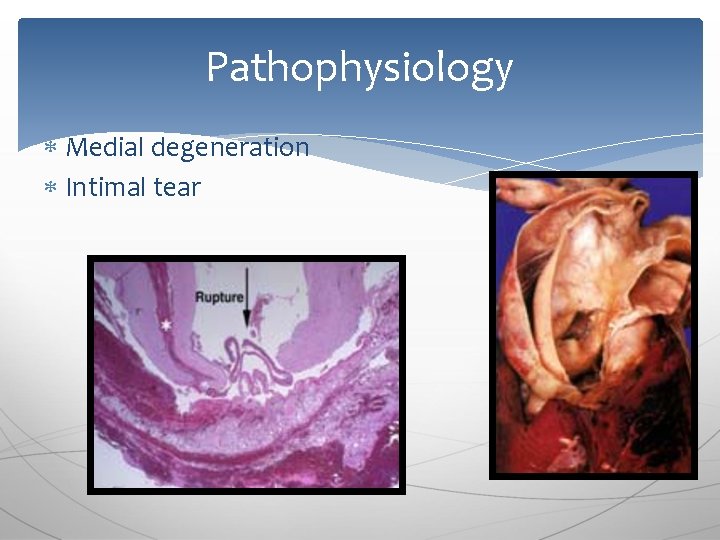
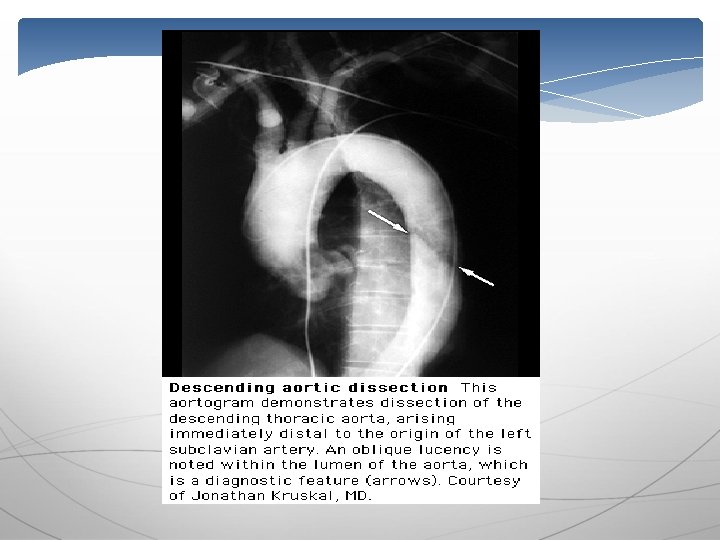
Pathophysiology Medial degeneration Intimal tear
Epidemiology Knowledge regarding the incidence of aortic dissection in the general population is limited. Studies suggest an incidence of 2. 6 to 3. 5 cases per 100000 person-years. In a review of 464 patients from the International Registry of Acute Aortic Dissection (IRAD), two thirds were male, with a mean age for all patients of 63 years. Although less frequently affected by acute aortic dissection, women were significantly older than men, with a mean age of 67 years.
Risk Conditions for Aortic Dissection 1. Long-standing arterial hypertension Smoking, dyslipidemia, cocaine/crack 2. Connective tissue disorders Hereditary vascular disease Marfan syndrome Vascular Ehlers-Danlos syndrome (type 4) Bicuspid aortic valve Coarctation of the aorta Hereditary thoracic aortic aneurysm/dissection 3. Vascular inflammation Giant cell arteritis Takayasu arteritis Behcet’s disease Syphilis Ormond’s disease 4. Deceleration trauma Car accident Fall from height 5. Iatrogenic factors Catheter/instrument intervention Valvular/aortic surgery Side or cross-clamping/aortotomy Graft anastomosis Patch aortoplasty Aortic wall fragility
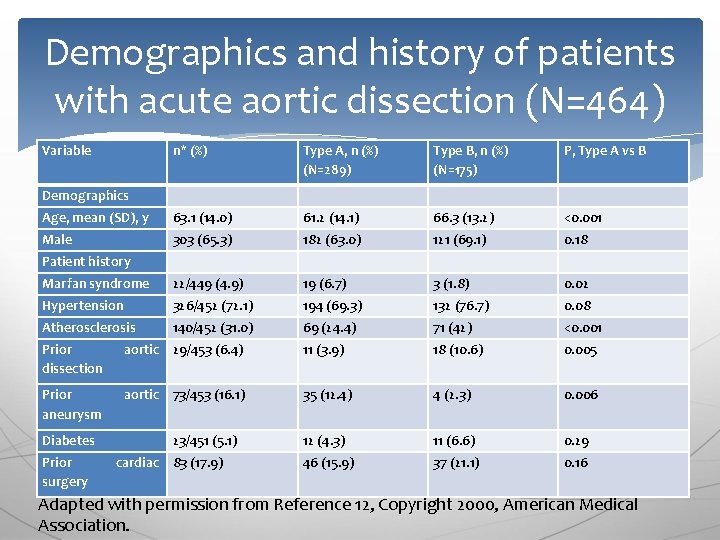
Demographics and history of patients with acute aortic dissection (N=464) Variable n* (%) Type A, n (%) (N=289) Type B, n (%) (N=175) P, Type A vs B Demographics Age, mean (SD), y 63. 1 (14. 0) 61. 2 (14. 1) 66. 3 (13. 2) <0. 001 Male 303 (65. 3) 182 (63. 0) 121 (69. 1) 0. 18 Patient history Marfan syndrome 22/449 (4. 9) 19 (6. 7) 3 (1. 8) 0. 02 Hypertension 326/452 (72. 1) 194 (69. 3) 132 (76. 7) 0. 08 Atherosclerosis 140/452 (31. 0) 69 (24. 4) 71 (42) <0. 001 Prior dissection aortic 29/453 (6. 4) 11 (3. 9) 18 (10. 6) 0. 005 Prior aneurysm aortic 73/453 (16. 1) 35 (12. 4) 4 (2. 3) 0. 006 12 (4. 3) 11 (6. 6) 0. 29 46 (15. 9) 37 (21. 1) 0. 16 Diabetes Prior surgery 23/451 (5. 1) cardiac 83 (17. 9) Adapted with permission from Reference 12, Copyright 2000, American Medical Association.
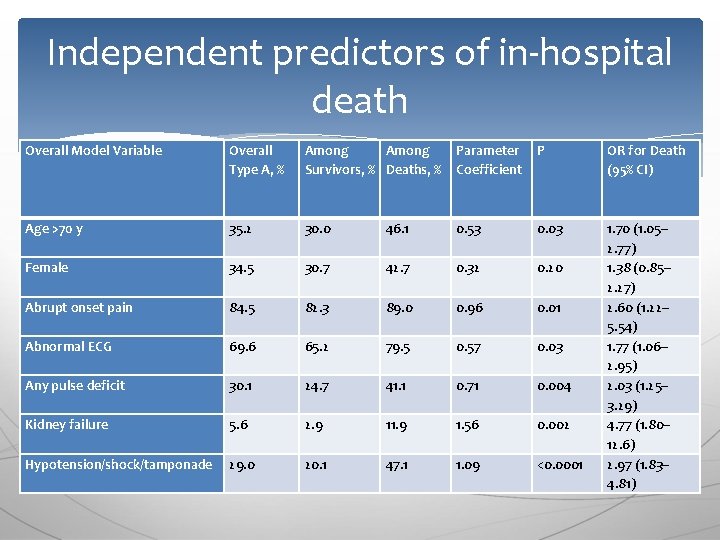
Independent predictors of in-hospital death Overall Model Variable Overall Type A, % Among Survivors, % Deaths, % Parameter Coefficient P OR for Death (95% CI) Age >70 y 35. 2 30. 0 46. 1 0. 53 0. 03 Female 34. 5 30. 7 42. 7 0. 32 0. 20 Abrupt onset pain 84. 5 82. 3 89. 0 0. 96 0. 01 Abnormal ECG 69. 6 65. 2 79. 5 0. 57 0. 03 Any pulse deficit 30. 1 24. 7 41. 1 0. 71 0. 004 Kidney failure 5. 6 2. 9 11. 9 1. 56 0. 002 Hypotension/shock/tamponade 29. 0 20. 1 47. 1 1. 09 <0. 0001 1. 70 (1. 05– 2. 77) 1. 38 (0. 85– 2. 27) 2. 60 (1. 22– 5. 54) 1. 77 (1. 06– 2. 95) 2. 03 (1. 25– 3. 29) 4. 77 (1. 80– 12. 6) 2. 97 (1. 83– 4. 81)
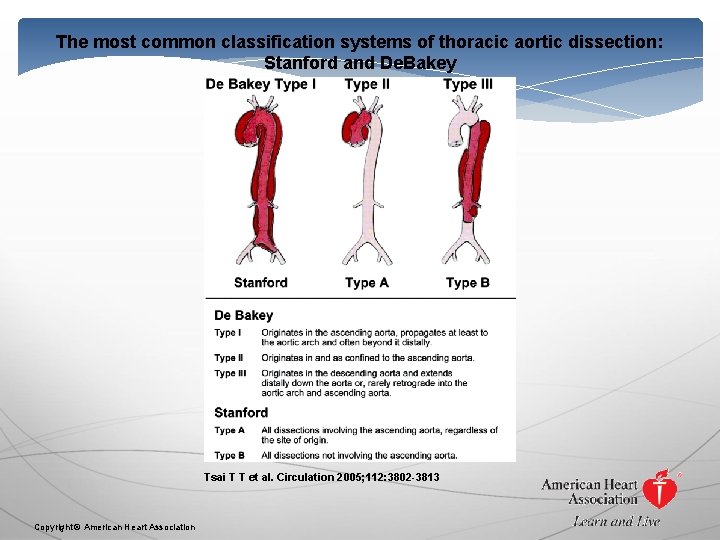
The most common classification systems of thoracic aortic dissection: Stanford and De. Bakey Tsai T T et al. Circulation 2005; 112: 3802 -3813 Copyright © American Heart Association
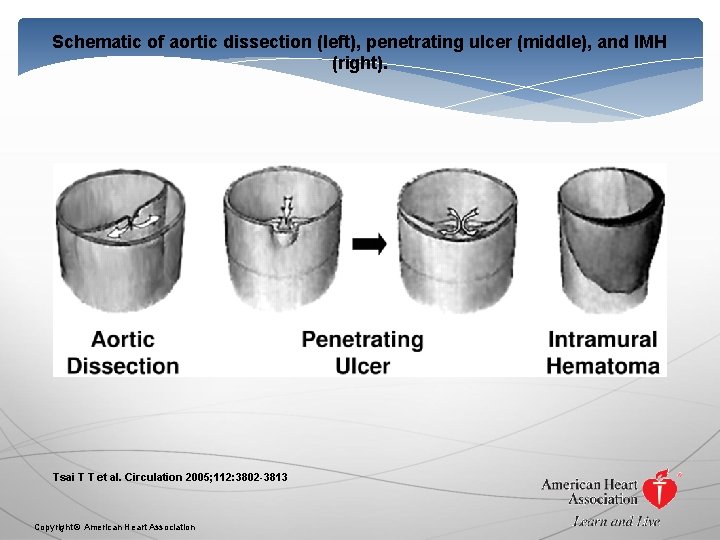
Schematic of aortic dissection (left), penetrating ulcer (middle), and IMH (right). Tsai T T et al. Circulation 2005; 112: 3802 -3813 Copyright © American Heart Association
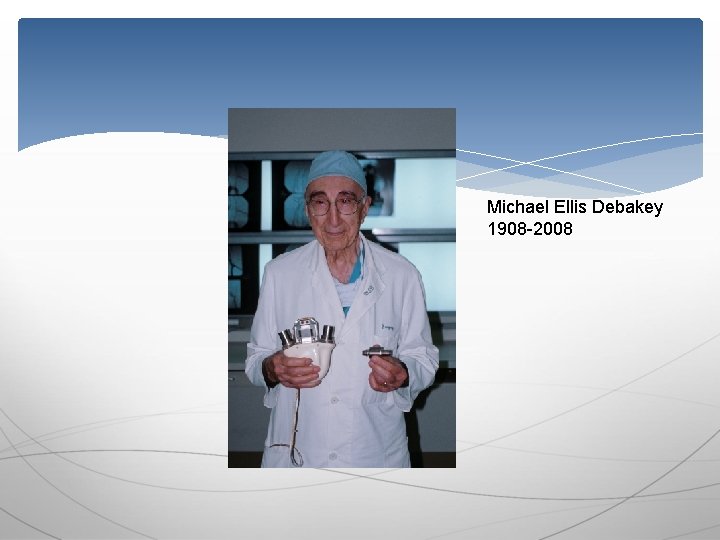
Michael Ellis Debakey 1908 -2008
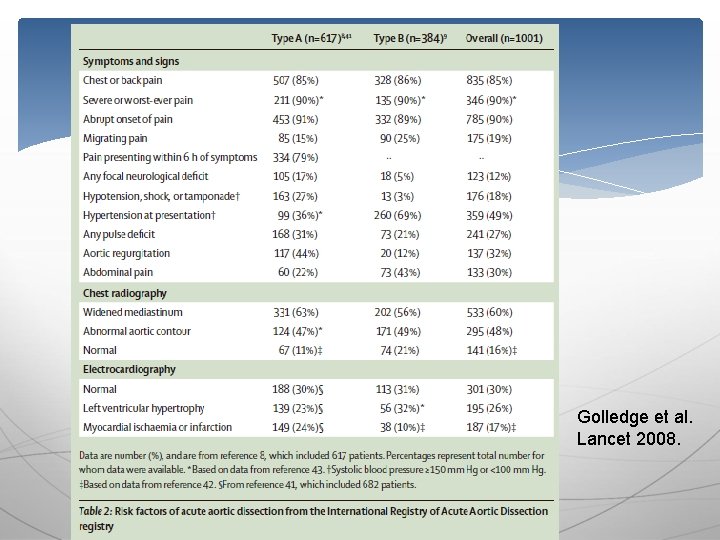
Golledge et al. Lancet 2008.
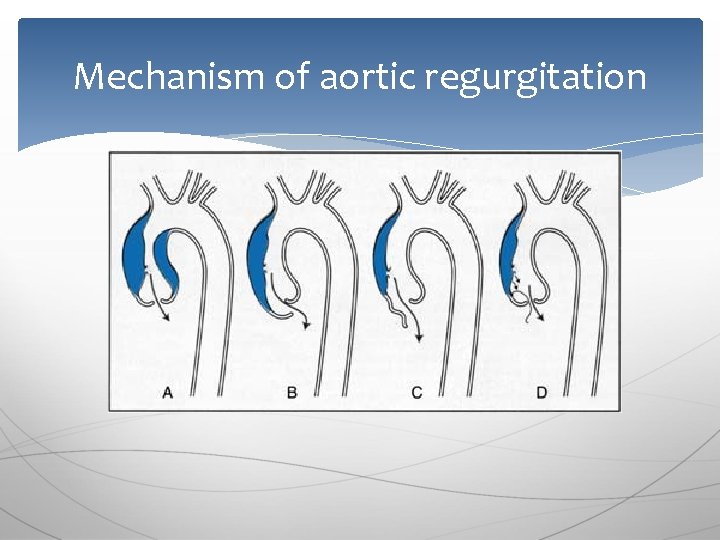
Mechanism of aortic regurgitation
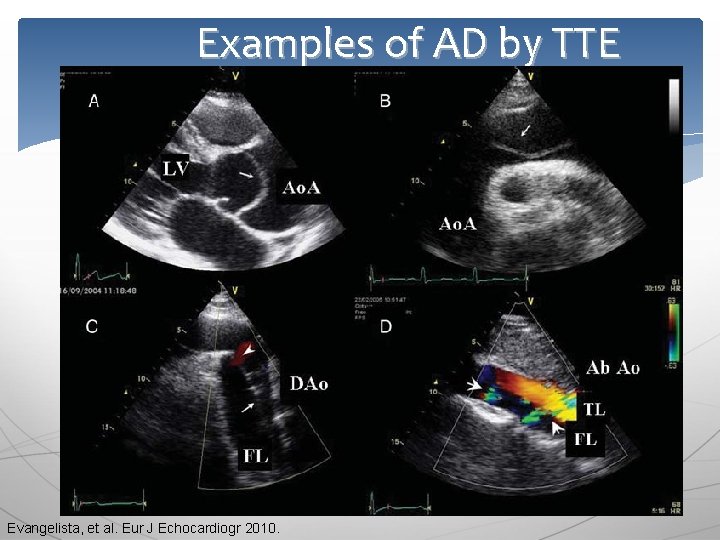
Examples of AD by TTE Evangelista, et al. Eur J Echocardiogr 2010.
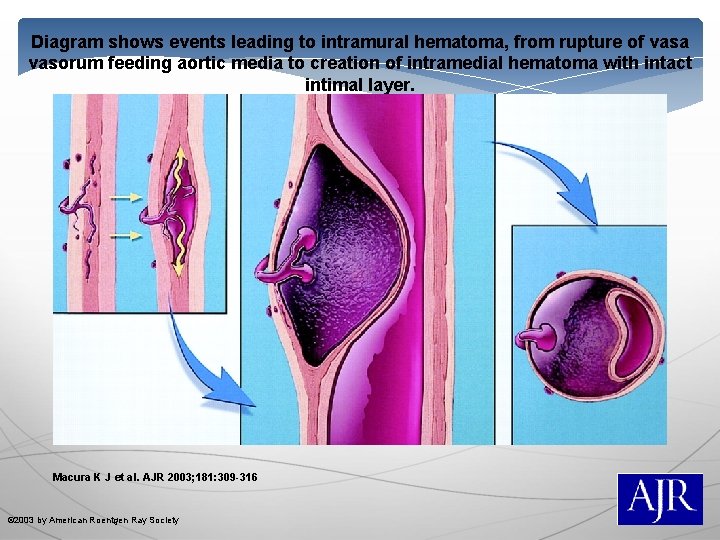
Diagram shows events leading to intramural hematoma, from rupture of vasa vasorum feeding aortic media to creation of intramedial hematoma with intact intimal layer. Macura K J et al. AJR 2003; 181: 309 -316 © 2003 by American Roentgen Ray Society
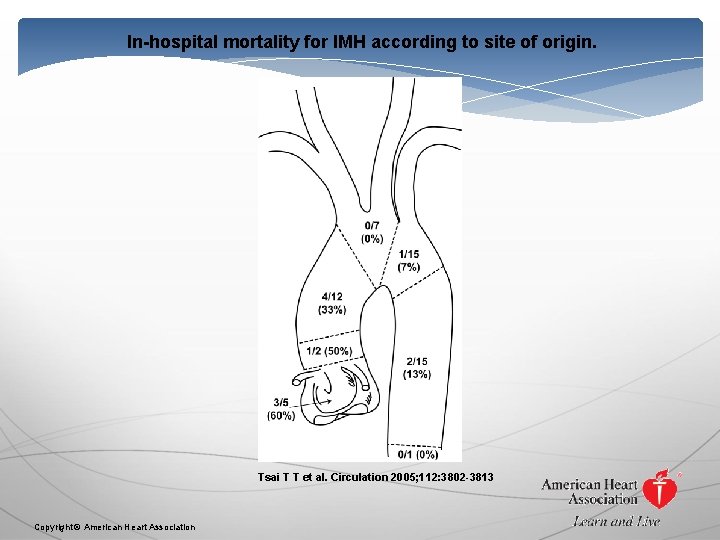
In-hospital mortality for IMH according to site of origin. Tsai T T et al. Circulation 2005; 112: 3802 -3813 Copyright © American Heart Association
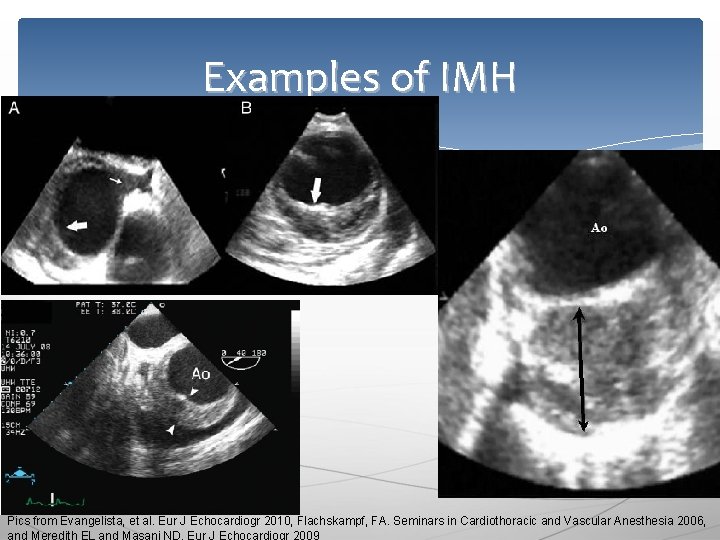
Examples of IMH Pics from Evangelista, et al. Eur J Echocardiogr 2010, Flachskampf, FA. Seminars in Cardiothoracic and Vascular Anesthesia 2006, and Meredith EL and Masani ND. Eur J Echocardiogr 2009
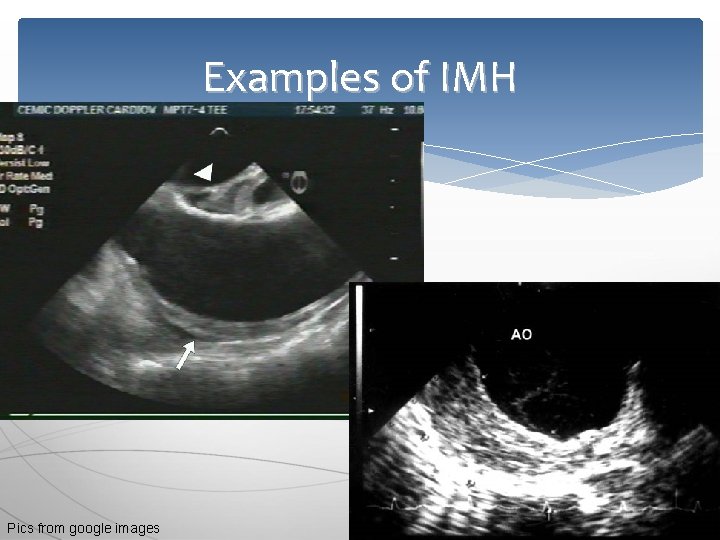
Examples of IMH Pics from google images
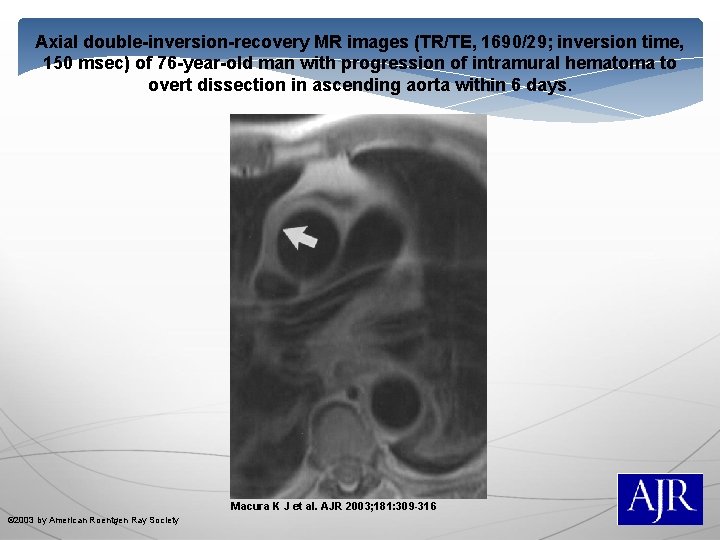
Axial double-inversion-recovery MR images (TR/TE, 1690/29; inversion time, 150 msec) of 76 -year-old man with progression of intramural hematoma to overt dissection in ascending aorta within 6 days. Macura K J et al. AJR 2003; 181: 309 -316 © 2003 by American Roentgen Ray Society
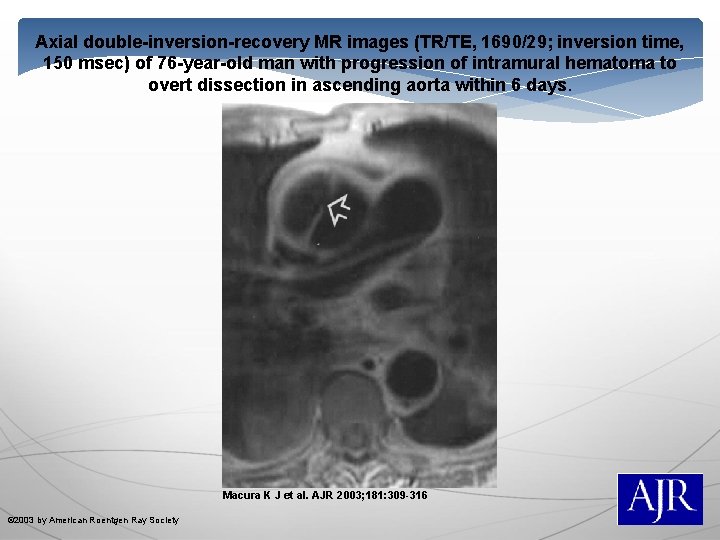
Axial double-inversion-recovery MR images (TR/TE, 1690/29; inversion time, 150 msec) of 76 -year-old man with progression of intramural hematoma to overt dissection in ascending aorta within 6 days. Macura K J et al. AJR 2003; 181: 309 -316 © 2003 by American Roentgen Ray Society
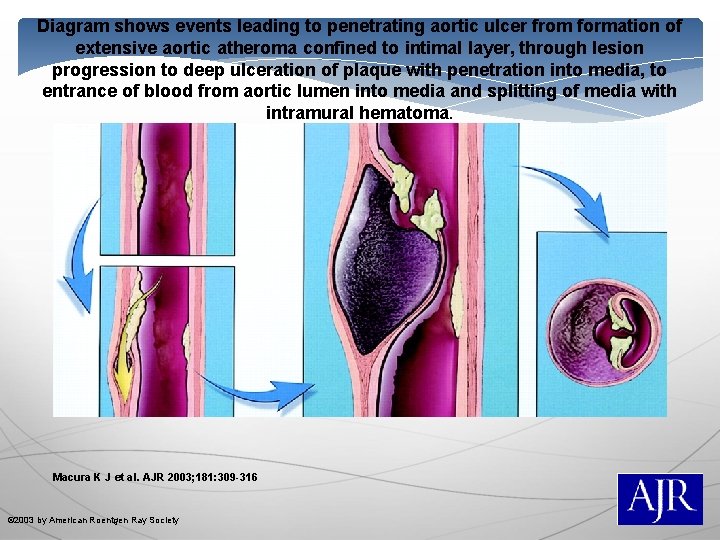
Diagram shows events leading to penetrating aortic ulcer from formation of extensive aortic atheroma confined to intimal layer, through lesion progression to deep ulceration of plaque with penetration into media, to entrance of blood from aortic lumen into media and splitting of media with intramural hematoma. Macura K J et al. AJR 2003; 181: 309 -316 © 2003 by American Roentgen Ray Society
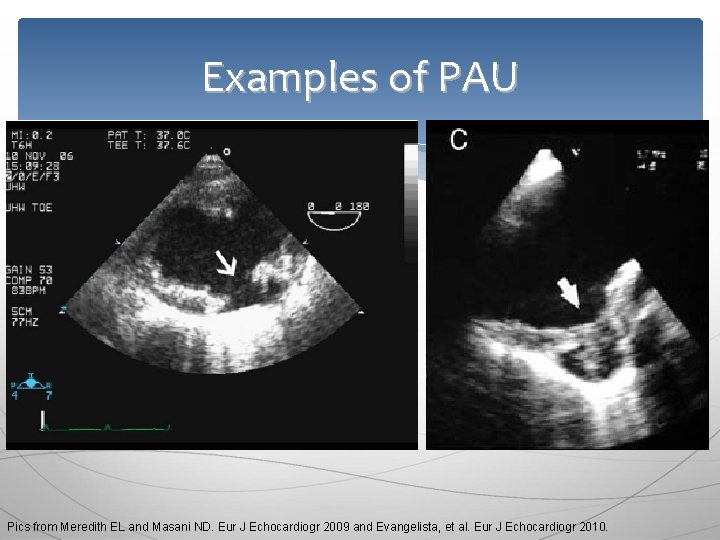
Examples of PAU Pics from Meredith EL and Masani ND. Eur J Echocardiogr 2009 and Evangelista, et al. Eur J Echocardiogr 2010.
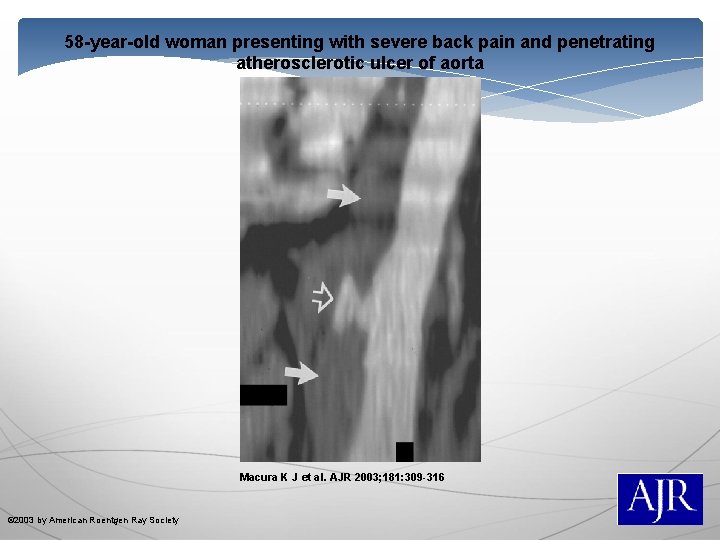
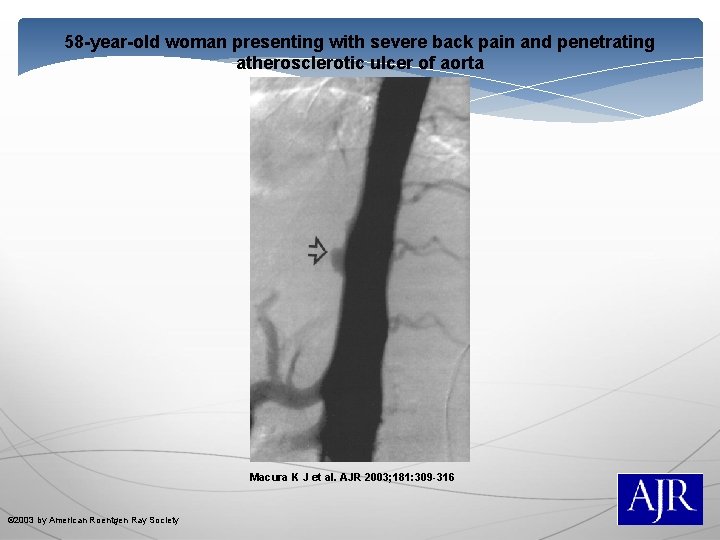
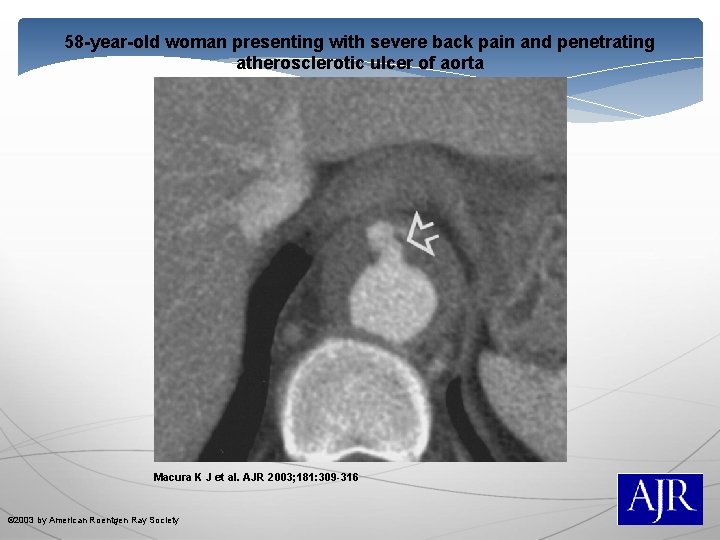
58 -year-old woman presenting with severe back pain and penetrating atherosclerotic ulcer of aorta Macura K J et al. AJR 2003; 181: 309 -316 © 2003 by American Roentgen Ray Society
58 -year-old woman presenting with severe back pain and penetrating atherosclerotic ulcer of aorta Macura K J et al. AJR 2003; 181: 309 -316 © 2003 by American Roentgen Ray Society
58 -year-old woman presenting with severe back pain and penetrating atherosclerotic ulcer of aorta Macura K J et al. AJR 2003; 181: 309 -316 © 2003 by American Roentgen Ray Society
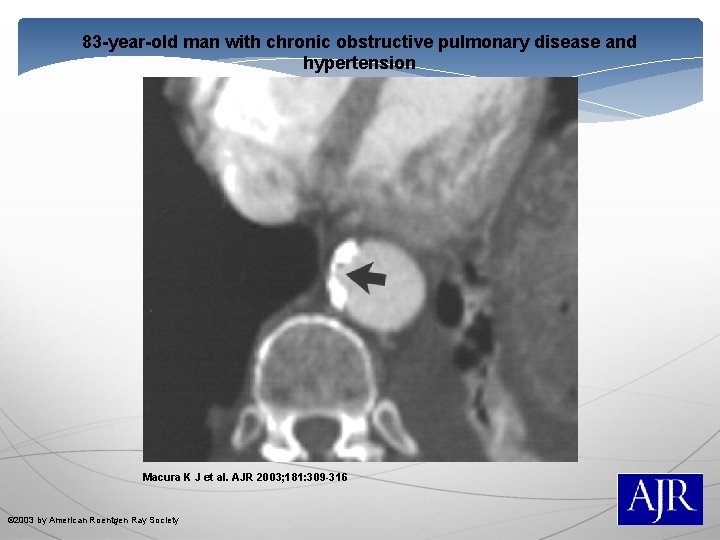
83 -year-old man with chronic obstructive pulmonary disease and hypertension Macura K J et al. AJR 2003; 181: 309 -316 © 2003 by American Roentgen Ray Society
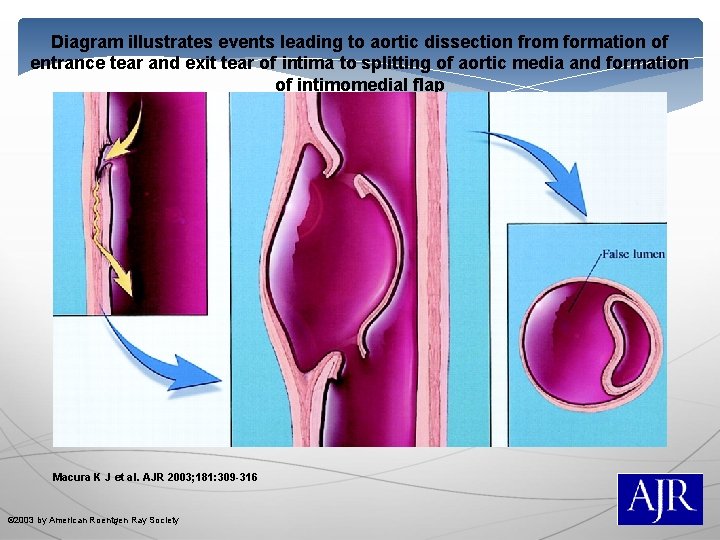
Diagram illustrates events leading to aortic dissection from formation of entrance tear and exit tear of intima to splitting of aortic media and formation of intimomedial flap Macura K J et al. AJR 2003; 181: 309 -316 © 2003 by American Roentgen Ray Society
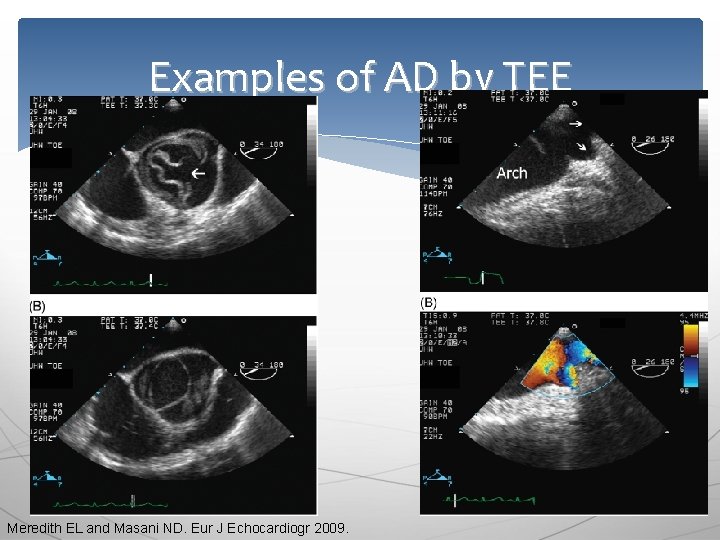
Examples of AD by TEE Meredith EL and Masani ND. Eur J Echocardiogr 2009.
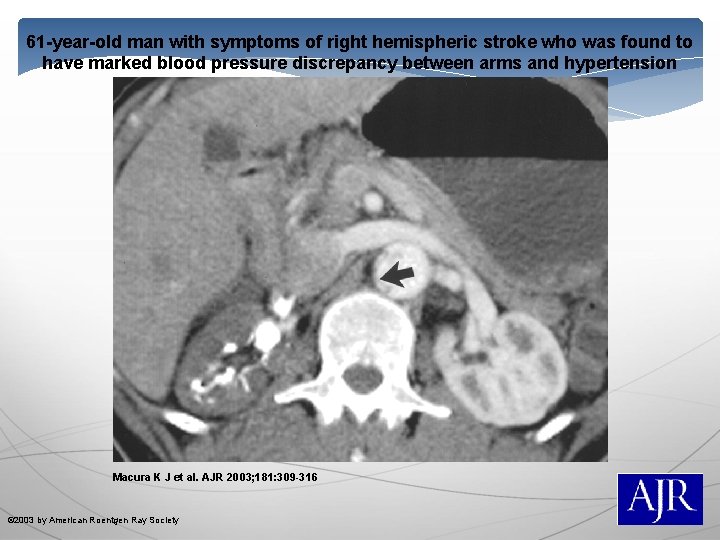
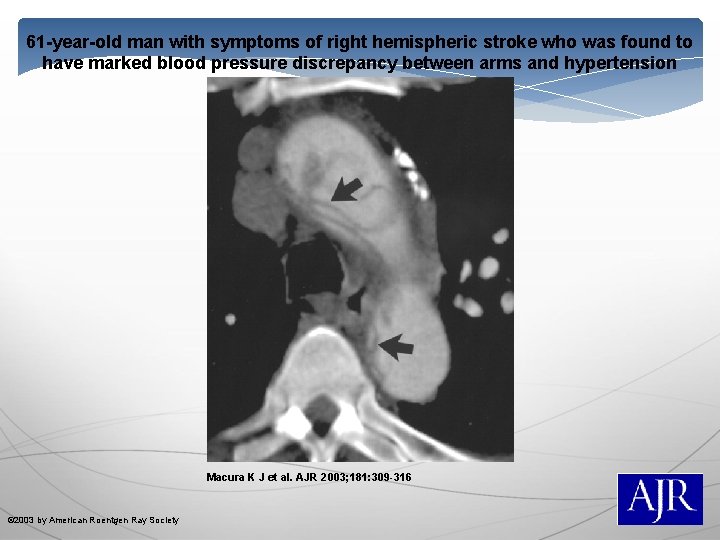
61 -year-old man with symptoms of right hemispheric stroke who was found to have marked blood pressure discrepancy between arms and hypertension Macura K J et al. AJR 2003; 181: 309 -316 © 2003 by American Roentgen Ray Society
61 -year-old man with symptoms of right hemispheric stroke who was found to have marked blood pressure discrepancy between arms and hypertension Macura K J et al. AJR 2003; 181: 309 -316 © 2003 by American Roentgen Ray Society
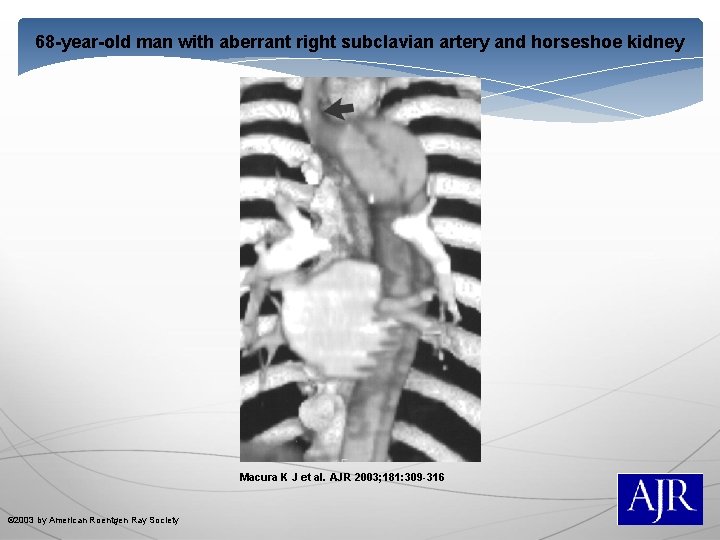
68 -year-old man with aberrant right subclavian artery and horseshoe kidney Macura K J et al. AJR 2003; 181: 309 -316 © 2003 by American Roentgen Ray Society
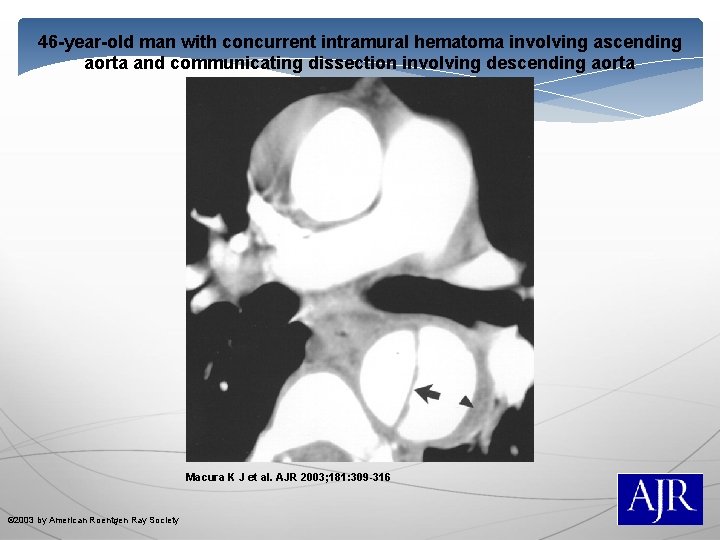
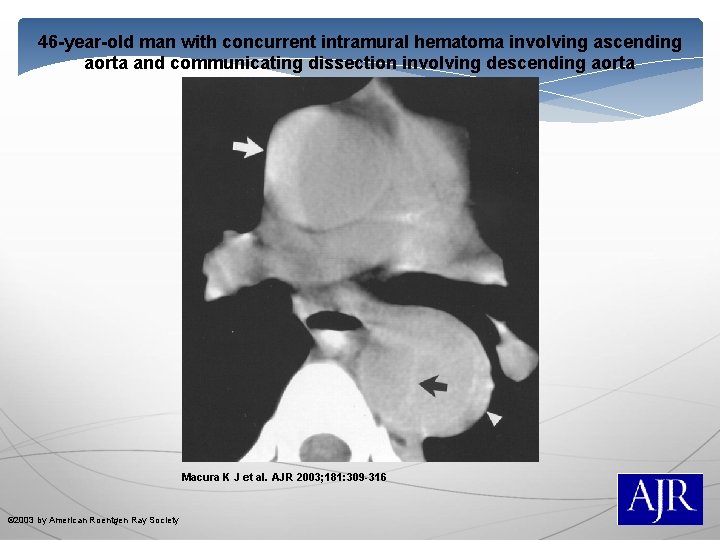
46 -year-old man with concurrent intramural hematoma involving ascending aorta and communicating dissection involving descending aorta Macura K J et al. AJR 2003; 181: 309 -316 © 2003 by American Roentgen Ray Society
46 -year-old man with concurrent intramural hematoma involving ascending aorta and communicating dissection involving descending aorta Macura K J et al. AJR 2003; 181: 309 -316 © 2003 by American Roentgen Ray Society
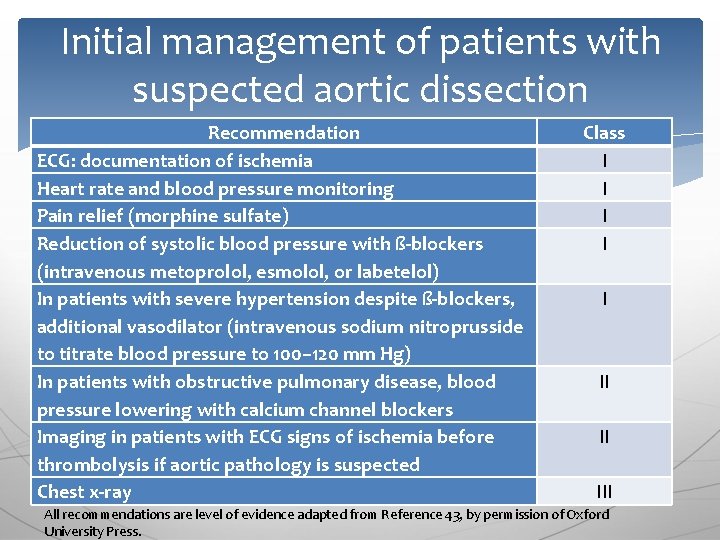
Initial management of patients with suspected aortic dissection Recommendation ECG: documentation of ischemia Heart rate and blood pressure monitoring Pain relief (morphine sulfate) Reduction of systolic blood pressure with ß-blockers (intravenous metoprolol, esmolol, or labetelol) In patients with severe hypertension despite ß-blockers, additional vasodilator (intravenous sodium nitroprusside to titrate blood pressure to 100– 120 mm Hg) In patients with obstructive pulmonary disease, blood pressure lowering with calcium channel blockers Imaging in patients with ECG signs of ischemia before thrombolysis if aortic pathology is suspected Chest x-ray Class I I II II III All recommendations are level of evidence аdapted from Reference 43, by permission of Oxford University Press.
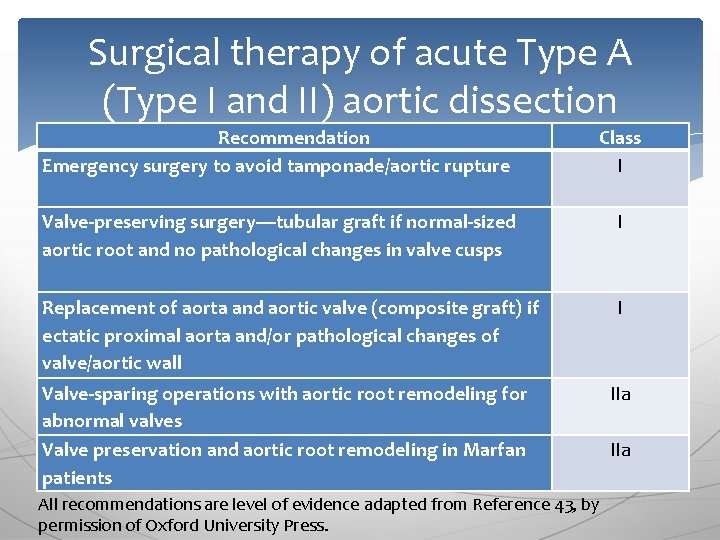
Surgical therapy of acute Type A (Type I and II) aortic dissection Recommendation Emergency surgery to avoid tamponade/aortic rupture Class I Valve-preserving surgery—tubular graft if normal-sized aortic root and no pathological changes in valve cusps I Replacement of aorta and aortic valve (composite graft) if ectatic proximal aorta and/or pathological changes of valve/aortic wall I Valve-sparing operations with aortic root remodeling for abnormal valves Valve preservation and aortic root remodeling in Marfan patients IIa All recommendations are level of evidence аdapted from Reference 43, by permission of Oxford University Press. IIa
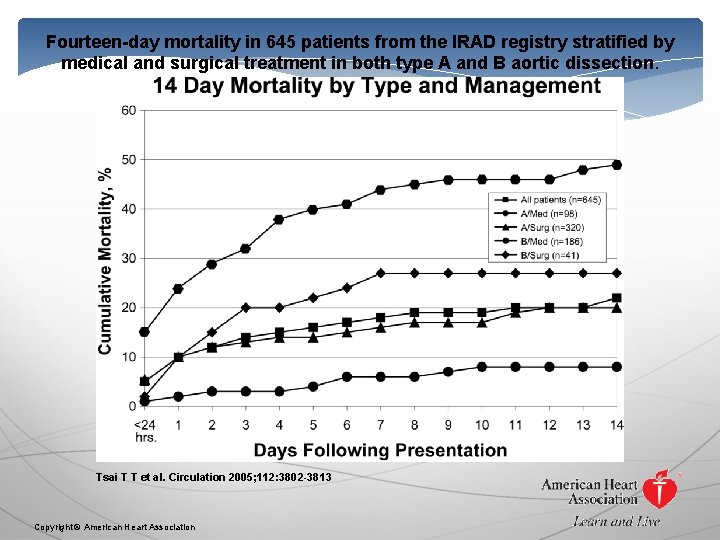
Fourteen-day mortality in 645 patients from the IRAD registry stratified by medical and surgical treatment in both type A and B aortic dissection. Tsai T T et al. Circulation 2005; 112: 3802 -3813 Copyright © American Heart Association