
Pathogenesis of Sjogrens Syndrome Translating Basic Science from
Pathogenesis of Sjogren’s Syndrome: Translating Basic Science from “Bench to Bedside”
Sjogren’s Syndrome • Increased mortality risk, particularly due to lympho-proliferative complications • Quality of life- equated with moderate angina • “Disability” predominantly due to fatigue and cognitive • “Limitations”: • dry eyes (limits work- especially computer) • dry mouth (limits sleep and social interactions around eating) • Out of pocket expense of artificial tears and dental decay

Background-1 Sjogren’s syndrome represents the interface of: a) Immune and exocrine secretory functions (dryness) b) Immune and neural function (neuropathy/cognitive) c) Immune and hypothalamic-adrenal axis (autonomic) d) Autoimmune proliferation and lymphoma a) e) Lupus-like features of vasculitis and immune complex
Background-2 The Danger Signal When we get “flu symptoms” of arthralgia, fatigue, cognitive dysfunction— it is a result of the cytokines/neurotransmitters released by the innate immune system. When these reactions persist due to a vicious cycle perpetuated in genetically predisposed individual by the acquired immune system, the result is autoimmune disease.
Pathogenesis: Take Home Lessons-1 1. Innate and Acquired Immune Systems are targets for current therapy—including TNF, BAFF and IL-6 inhibitors, steroids, traditional DMARD’s and new oral agents (Jak and syk inhibitors). 2. Functional circuit that controls immune and neural function comprises the new “frontier” for therapy from fibromyalgia to depression. The functional circuit is the link between cytokines and symptoms.
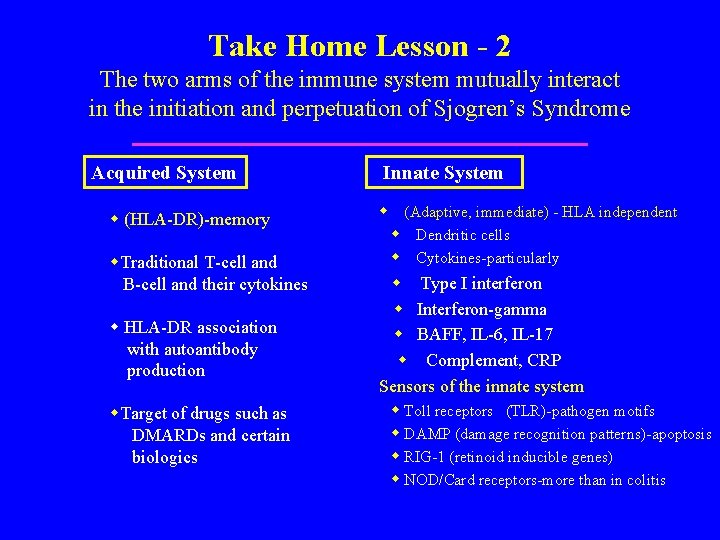
Take Home Lesson - 2 The two arms of the immune system mutually interact in the initiation and perpetuation of Sjogren’s Syndrome Acquired System (HLA-DR)-memory Traditional T-cell and B-cell and their cytokines HLA-DR association with autoantibody production Target of drugs such as DMARDs and certain biologics Innate System (Adaptive, immediate) - HLA independent Dendritic cells Cytokines-particularly Type I interferon Interferon-gamma BAFF, IL-6, IL-17 Complement, CRP Sensors of the innate system Toll receptors (TLR)-pathogen motifs DAMP (damage recognition patterns)-apoptosis RIG-1 (retinoid inducible genes) NOD/Card receptors-more than in colitis
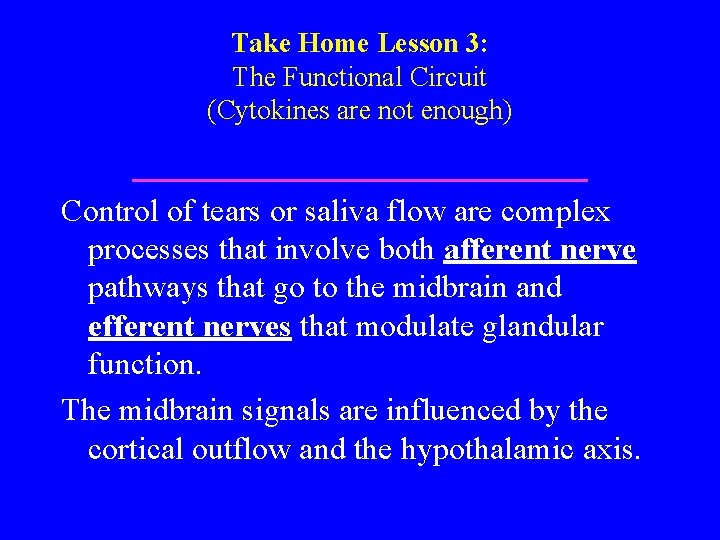
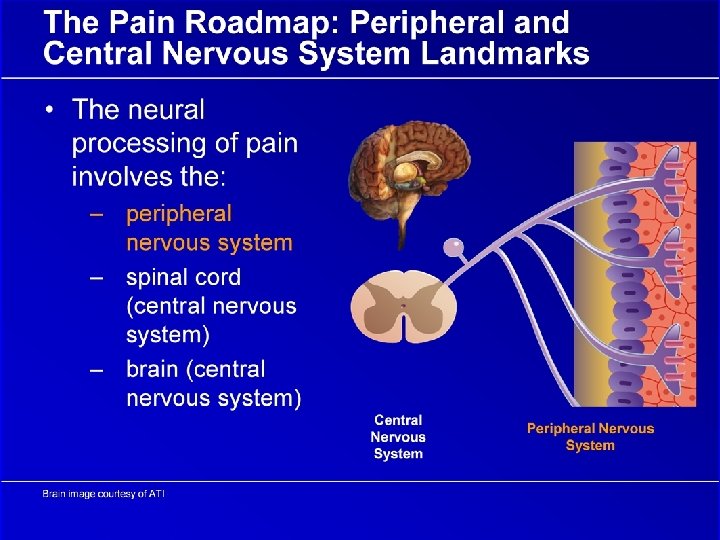
Take Home Lesson 3: The Functional Circuit (Cytokines are not enough) Control of tears or saliva flow are complex processes that involve both afferent nerve pathways that go to the midbrain and efferent nerves that modulate glandular function. The midbrain signals are influenced by the cortical outflow and the hypothalamic axis.
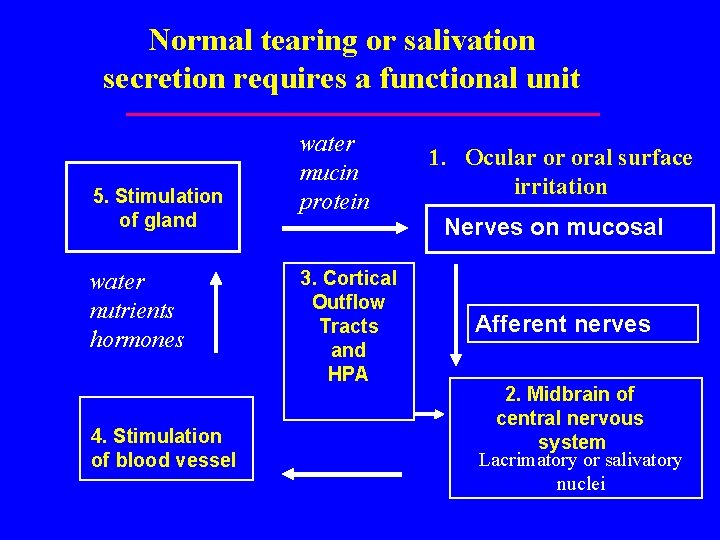
Normal tearing or salivation secretion requires a functional unit 5. Stimulation of gland water nutrients hormones 4. Stimulation of blood vessel water mucin protein 3. Cortical Outflow Tracts and HPA 1. Ocular or oral surface irritation Nerves on mucosal Afferent nerves 2. Midbrain of central nervous system Lacrimatory or salivatory nuclei
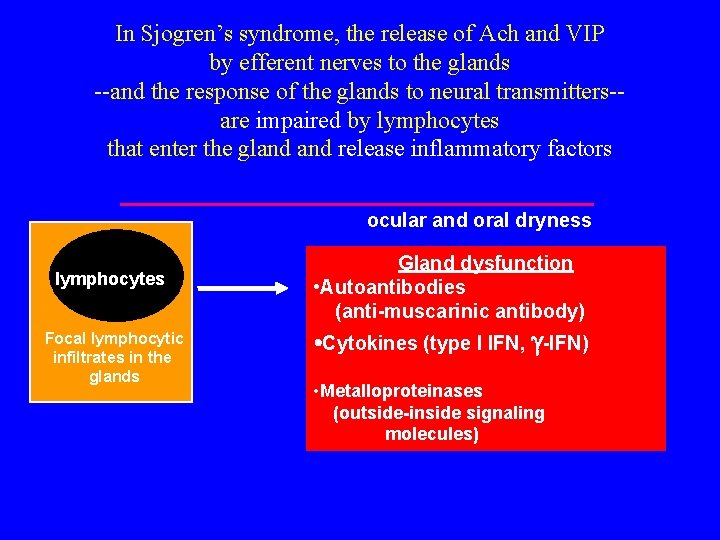
In Sjogren’s syndrome, the release of Ach and VIP by efferent nerves to the glands --and the response of the glands to neural transmitters-are impaired by lymphocytes that enter the gland release inflammatory factors ocular and oral dryness lymphocytes Focal lymphocytic infiltrates in the glands Gland dysfunction • Autoantibodies (anti-muscarinic antibody) Cytokines (type I IFN, g-IFN) • Metalloproteinases (outside-inside signaling molecules)
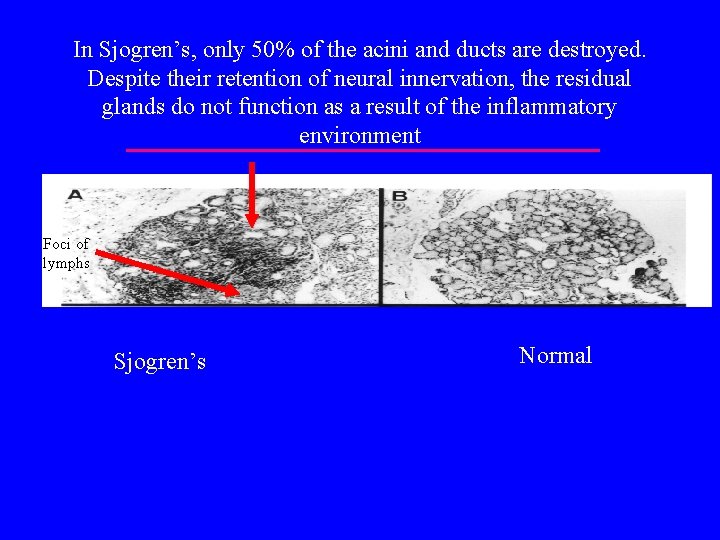
In Sjogren’s, only 50% of the acini and ducts are destroyed. Despite their retention of neural innervation, the residual glands do not function as a result of the inflammatory environment Foci of lymphs Sjogren’s Normal
In Sjogren’s syndrome The residual glandular cells are paralyzed by the local immune reaction. Even though the acini/ducts are 50% present, their innervations and their receptors for neurotransmitters are present.
Thus, the interesting question is: Why are the residual glandular elements not working? This fundamental question of how immune and neural systems interact will be the “holy grail” of neuroscience for the next decade.
We need to keep in mind that the gland is not destroyed but appears “paralyzed”, the release of cytokines has led to dysfunction
This may help us understand a) the functional circuit analogy may also apply to neuropathic pain (poor correlation with nerve biopsy) b) symptoms of dry eyes and dry mouth that do not correlate with either tear or saliva flow measurements
Or Fibromyalgia (Central Sensitization) where symptoms of fatigue and cognitive (executive) function do not correlate with our acute phase reactants or MRI scans
Take home Clinical Lessons 1. When we see a dry eye, when do we need to immediately refer to Ophthalmology? 2. What are the warning signs for lymphoma when we see a swollen parotid gland? 3. What should we do with the patient who has symptoms of neuropathy or fatigue?
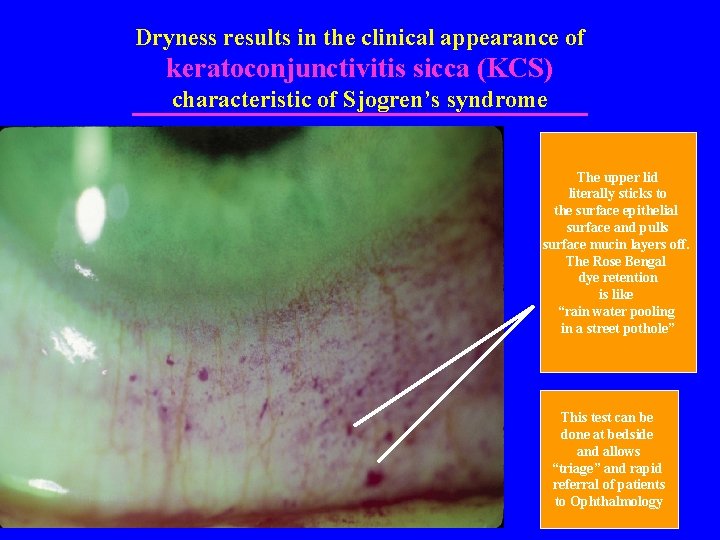
Dryness results in the clinical appearance of keratoconjunctivitis sicca (KCS) characteristic of Sjogren’s syndrome The upper lid literally sticks to the surface epithelial surface and pulls surface mucin layers off. The Rose Bengal dye retention is like “rain water pooling in a street pothole” This test can be done at bedside and allows “triage” and rapid referral of patients to Ophthalmology
For Routine Dry Eye 1. 2. 3. 4. 5. 6. 7. Do not use preserved tears more than 4 times a day Learn to mix and match No Lasik surgery and care with blepharoplasty (exposure keratitis) Use of lubricants at night and lid scrubs in AM Restasis may be useful Punctal Occlusion Lotemax (a soft steroid) may be used together with Restasis for 2 wks
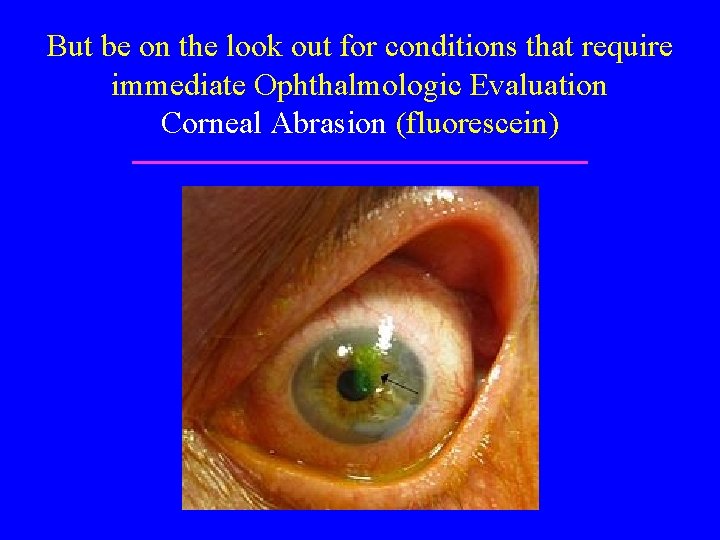
But be on the look out for conditions that require immediate Ophthalmologic Evaluation Corneal Abrasion (fluorescein)
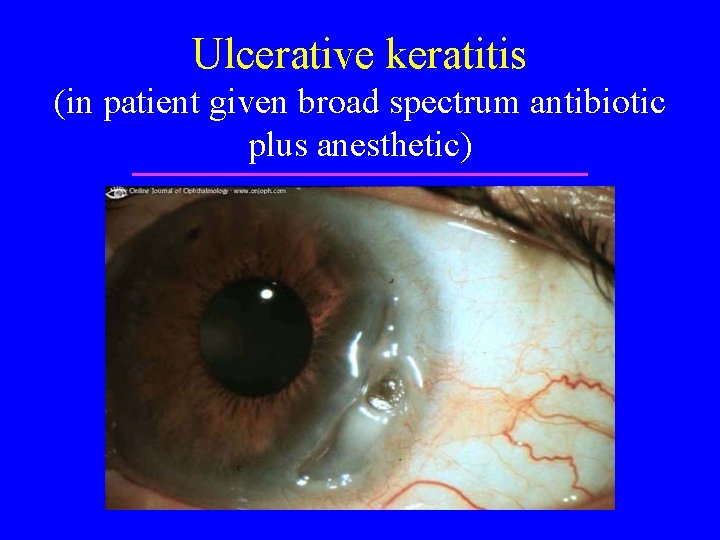
Ulcerative keratitis (in patient given broad spectrum antibiotic plus anesthetic)
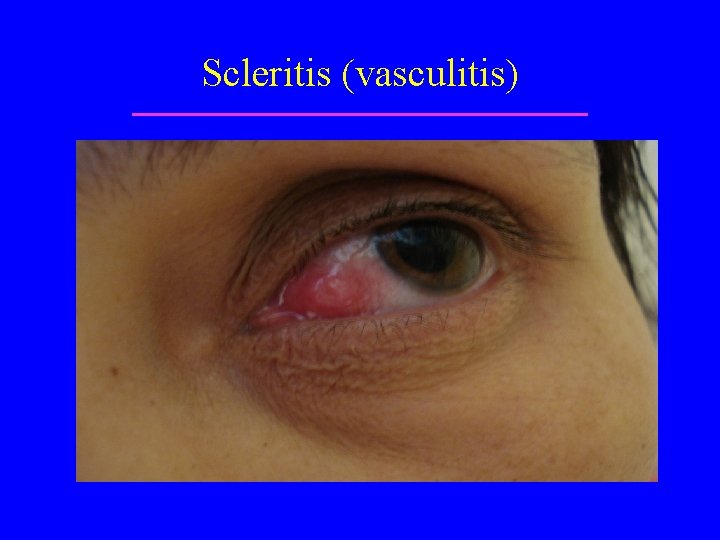
Scleritis (vasculitis)
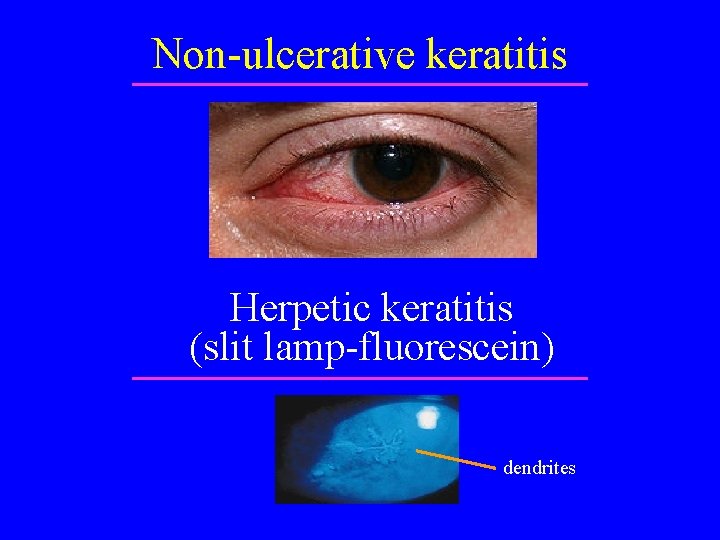
Non-ulcerative keratitis Herpetic keratitis (slit lamp-fluorescein) dendrites
What are the particular oral needs of the SS patient A dry mouth is not necessarily a painful mouth • Yeast infection in the mouth is erythematous candidiasis-esp. on hard palate and buccal recesses • look for angular cheilitis and erythema under the dentures • Fissured tongue and loss of papilla • Poor correlation between symptoms and flow rates
Burning Mouth Syndrome • Mouth symptoms are out of proportion to the objective dryness • May be a localized form of neuropathy • This may respond to a mouth rinse with (klonepin. 5 mg in 2 ml mylanta) for 2 minutes bid • May be due to oral yeast infection
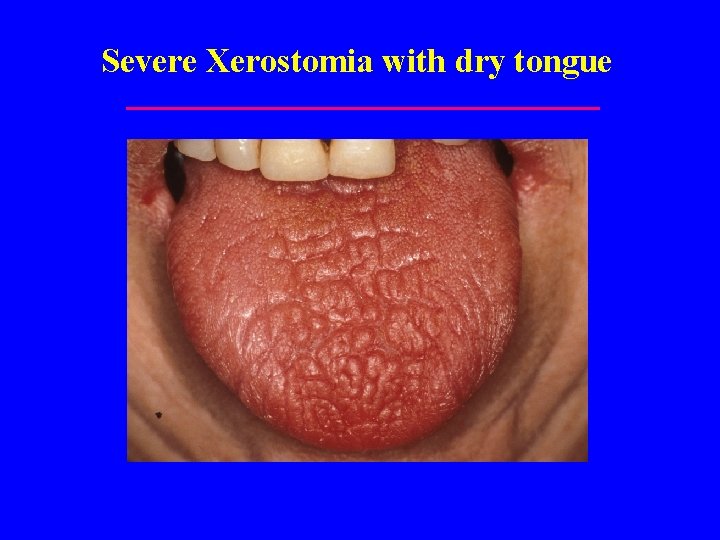
Severe Xerostomia with dry tongue
What are the particular needs at time of dental visit • • • Frequent hygiene visits Avoid full veneers that cover caries Avoid “amateur” tooth whiteners (at malls) Use of fluoride topically and by tray Use of MI Paste by Oral Hygienist Avoid Sugar and acidic beverages
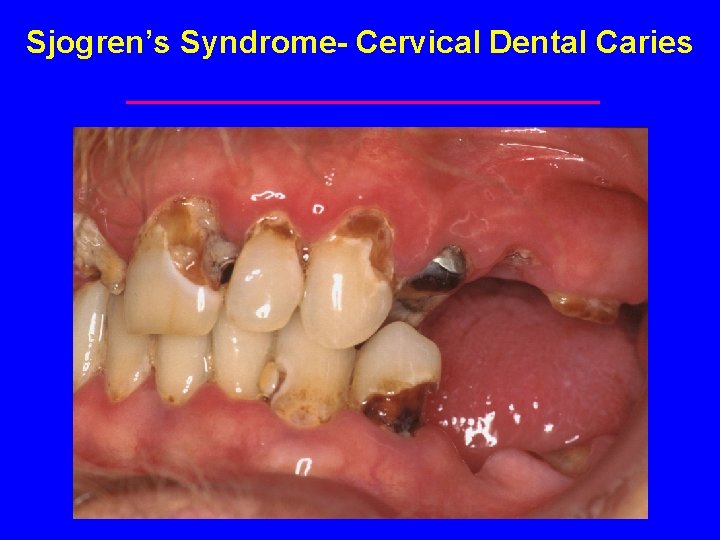
Sjogren’s Syndrome- Cervical Dental Caries
SS has lymphoproliferative properties— it lies on the border between autoimmunity and lymphoma.
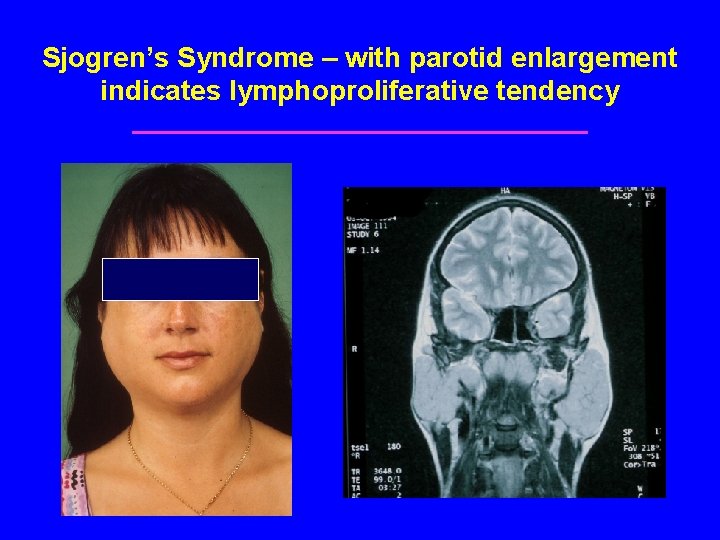
Sjogren’s Syndrome – with parotid enlargement indicates lymphoproliferative tendency
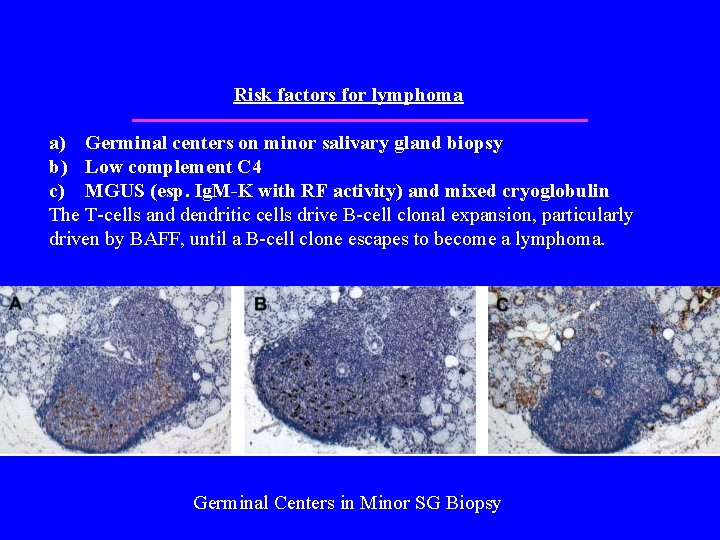
Risk factors for lymphoma a) Germinal centers on minor salivary gland biopsy b) Low complement C 4 c) MGUS (esp. Ig. M-K with RF activity) and mixed cryoglobulin The T-cells and dendritic cells drive B-cell clonal expansion, particularly driven by BAFF, until a B-cell clone escapes to become a lymphoma. Germinal Centers in Minor SG Biopsy
In patients with persistent parotid swelling despite a brief trial of steroids/antibiotics, a) particularly unilaterally for over 6 wks or recur when taper steroids b) Enlarged cervical node next to parotid c) B-symptoms such as fever and weight loss d) Low threshold for needle biopsy to rule out lymphoma
Since over 60% of these lymphomas are MALT’s: • they may be very responsive to B-cell depletion (Rituxan) as is published • we still favor Cytoxan plus Rituxan in MALT’s • If your oncologist wants to give CVPR, go very light on the vincristine due to increased susceptibility of neuropathy
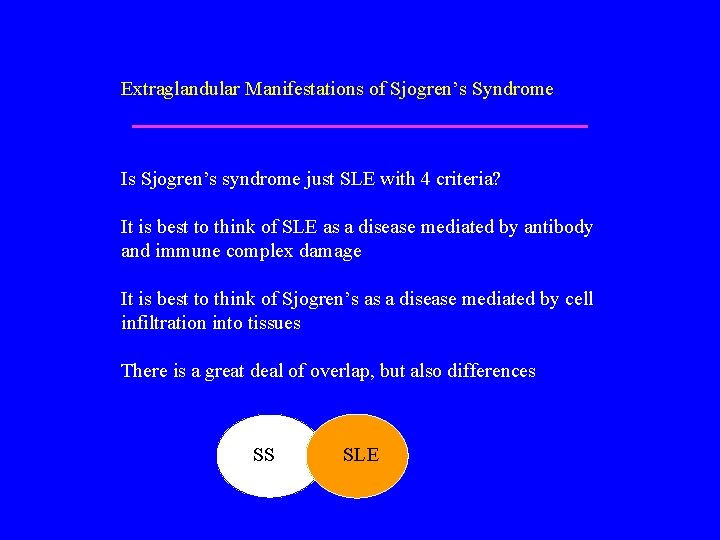
Extraglandular Manifestations of Sjogren’s Syndrome Is Sjogren’s syndrome just SLE with 4 criteria? It is best to think of SLE as a disease mediated by antibody and immune complex damage It is best to think of Sjogren’s as a disease mediated by cell infiltration into tissues There is a great deal of overlap, but also differences S�SS SS SLE
Sjogren’s vs. SLE—extraglandular • The rash of leukocytoclastic vasculitis vs. hyper-globulemic purpura • The lung manifestations of pleurisy vs. interstitial pneumonitis • The renal manifestations of glomeruloneprhtis vs. interstitial nephritis • The increased risk of lymphoma
However, SS and SLE are more similar than dissimilar • The genetics of SS are remarkably similar to a subset of SLE (i. e. . HLA-DR 3) • The pattern of autoantibodies are similar, including SS-A in SLE patients • Most importantly, the response to therapies are similar
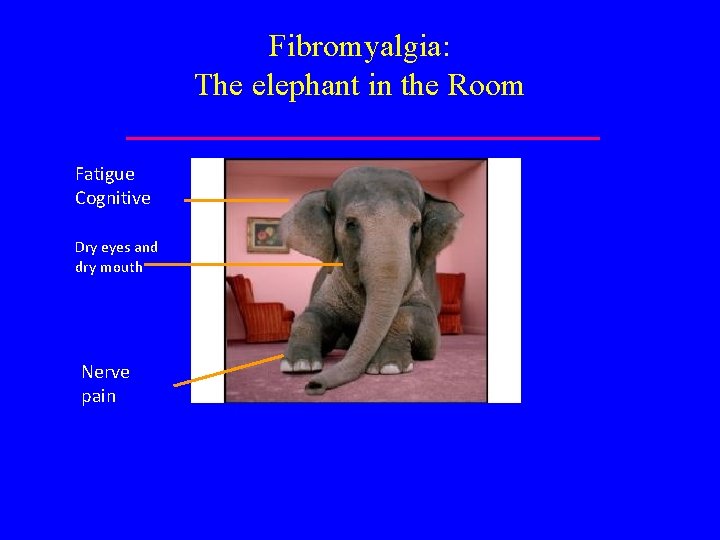
Fibromyalgia: The elephant in the Room Fatigue Cognitive Dry eyes and dry mouth Nerve pain
Our most difficult problems 1. Neuropathy—peripheral and central; 2. Chronic fatigue and vague cognitive impairment; 3. Lymphoproliferation; 4. Accelerated cardiovascular complications.
Neuropathy • Poor correlation between symptoms and objective findings: – Eye pain- does not correlate with tear flow; – Mouth pain-not correlate with saliva; – Peripheral neuropathy-not correlate with nerve biopsy; – Cognitive-not correlate with acute phase reactants.
As rheumatologists • We will need to learn a new vocabulary about the perception of pain and how it is modulated by cytokines. • The key term is the “plasticity” of the nervous system. How the perception of pain is modulated by cytokines of the “stress axis. ”
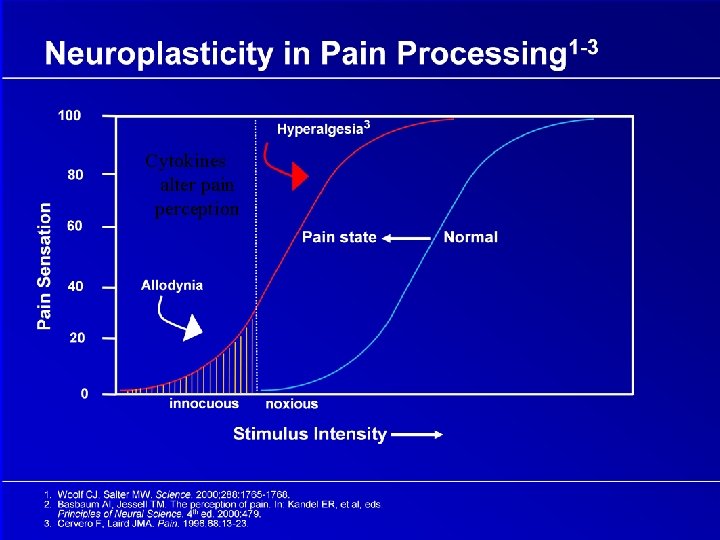
Cytokines alter pain perception
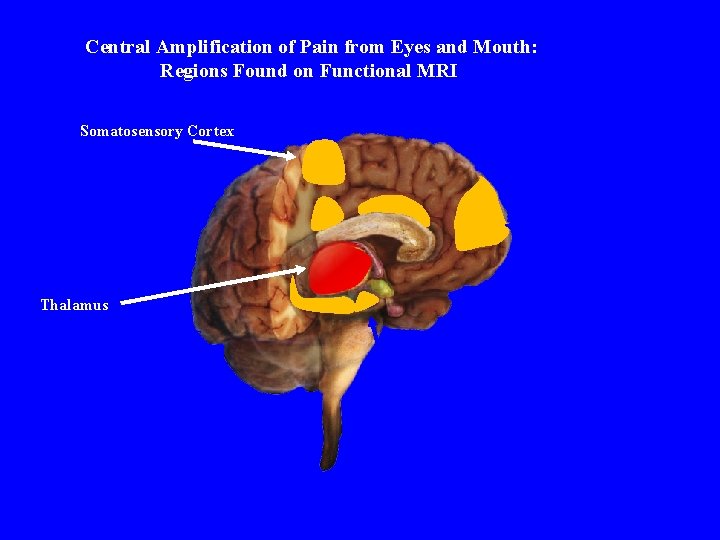
Brain Regions that May Modulate Pain and 1 -4 and Mouth: Central Amplification of. Emotion Pain from Eyes Regions Found on Functional MRI Both Somatosensory Cortex Pain Insular Cortex Prefrontal Cortex Thalamus Hippocampus
Fibromyalgia • We have found the combination of low dose cymbalta (30 -60) plus Lyrica 75 most useful and best tolerated • More cymbalta and GI intolerance • More Lyrica and weight gain
Take Home Lesson 1 1. Topical therapy and ability to stimulate saliva or tears remains inadequate. 2. Treatment of extraglandular manifestations such as arthritis, rashes, hemolytic anemia, or lymphomas is rapidly improving. 3. The treatment of the neuro-endocrine manifestations (cognitive impairment and fatigue) remains inadequate.

Thank you for your time and attention I would be happy to entertain any questions now or later. The slides are available to you for your use at Robert. Fox. MD@mac. com

Treatment of Sjogren’s in 2010: Opportunities and Challenges a) Treatment of Dry Eyes and Mouth b) Treatment of Extraglandular Manifestations- • Lupus like symptoms-arthralgia, rash • Neuropathy (central and peripheral) • Cognitive and myalgia (fibromyalgia) • Lymphoproliferative
Take Home Points-1 1. Topical therapy of dry eyes and dry mouth: new targets include water transport, mucins, and topical small molecules such as jak 3. 2. Dry mouth symptoms may be “burning” mouth and require treatment as a local neuropathy.
Take Home Point-2 1. Poor correlation of symptoms and objective findings of both dryness and neuropathic symptoms. 2. This poor correlation is the greatest challenge since it involves cortical perception of discomfort 3. The neuro-endocrine circuit in Sjogren’s may provide insight into “fibromyalgia”
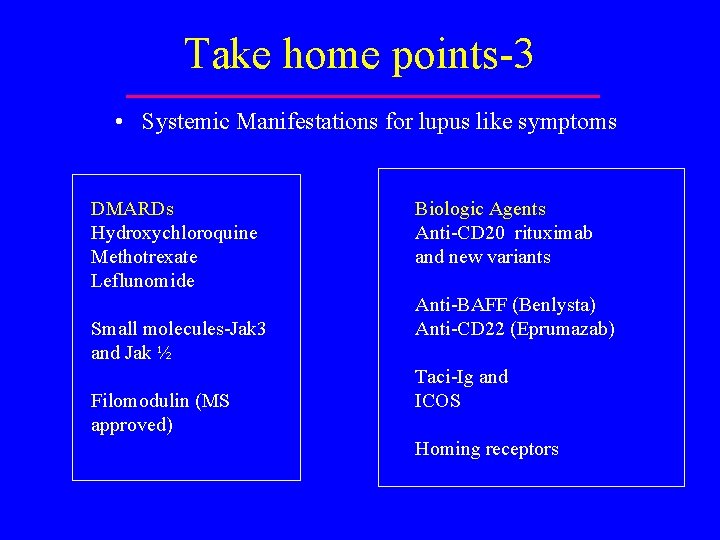
Take home points-3 • Systemic Manifestations for lupus like symptoms DMARDs Hydroxychloroquine Methotrexate Leflunomide Small molecules-Jak 3 and Jak ½ Filomodulin (MS approved) Biologic Agents Anti-CD 20 rituximab and new variants Anti-BAFF (Benlysta) Anti-CD 22 (Eprumazab) Taci-Ig and ICOS Homing receptors
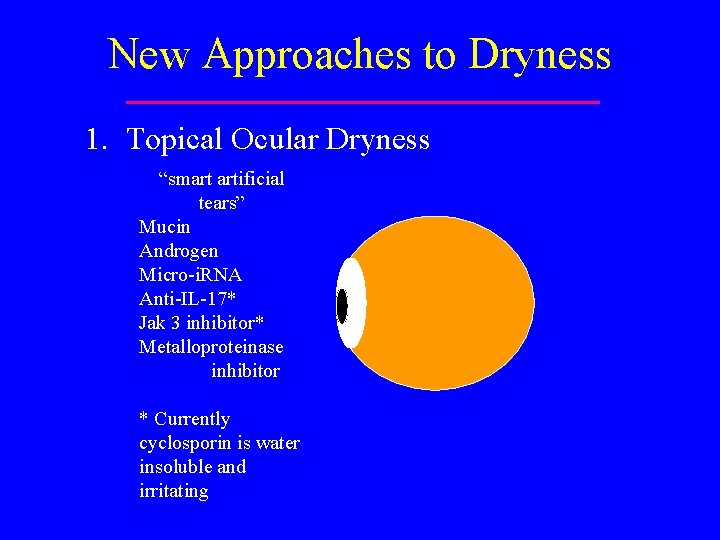
New Approaches to Dryness 1. Topical Ocular Dryness “smart artificial tears” Mucin Androgen Micro-i. RNA Anti-IL-17* Jak 3 inhibitor* Metalloproteinase inhibitor * Currently cyclosporin is water insoluble and irritating
New Approaches to Dryness-2 Oral Agents are better than pilocarpine or cevimeline … since the gland is not destroyed but is paralyzed by cytokines and metalloproteinases • Improved secretagogues (new muscarinic agents in trial) • Anti-cytokine therapy has modest effect only in patients with early disease
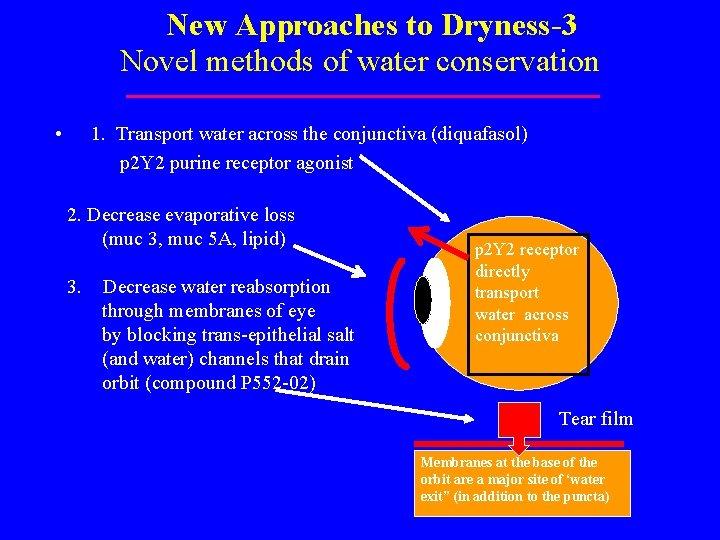
New Approaches to Dryness-3 Novel methods of water conservation • 1. Transport water across the conjunctiva (diquafasol) p 2 Y 2 purine receptor agonist 2. Decrease evaporative loss (muc 3, muc 5 A, lipid) 3. Decrease water reabsorption through membranes of eye by blocking trans-epithelial salt (and water) channels that drain orbit (compound P 552 -02) p 2 Y 2 receptor directly transport water across conjunctiva Tear film Membranes at the base of the orbit are a major site of ‘water exit” (in addition to the puncta)
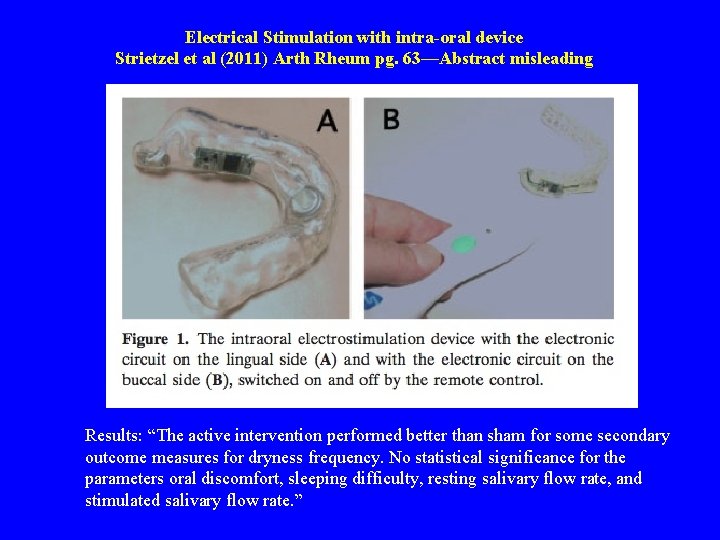
Electrical Stimulation with intra-oral device Strietzel et al (2011) Arth Rheum pg. 63—Abstract misleading Results: “The active intervention performed better than sham for some secondary outcome measures for dryness frequency. No statistical significance for the parameters oral discomfort, sleeping difficulty, resting salivary flow rate, and stimulated salivary flow rate. ”
Reminiscent of Electrical Stimulation (Salitron) in 1980’s Stellar (1988); Daniels (1992) a) b) c) d) Approved by FDA as a “device” Denied by insurance due to “efficacy” Price precluded use by patients About the same benefit as use of a vibrator (used intra-oral) or electric toothbrush to stimulate tongue and buccal mucosa Importance of mechanical stimulation, including the use of lozenges
The standard joke about therapy • Rheumatologists only have one drug: steroids. • The training of a rheumatologists is how to get the patient to a lower dose of steroids or off them entirely.
Systemic Therapies-1 • Traditional DMARDs- alone and combination. • Hydroxychloroquine—works on “antigen processing” by raising p. H of antigen loading compartment. • Hydroxychloroquine is a weak diprotic base that diffuses into compartment for loading and raises the p. H of the “endosome. ” • This effect prevents the “loading” of low affinity (autoantigens) onto nascent DR molecules. • Also, affects the ability to bind to Toll receptors in the lysosome. • Using this model, new through-put screening of new and better drugs
Systemic Therapies-2 • Traditional DMARDs- What is new with methotrexate? • Alone or in combination with hydroxychlorquine to taper steroids; • Methotrexate polyglutamate may predict efficacy and toxicityhowever, methotrexate polyglutamate levels are still in trial in SLE and SS; • Most exciting are the reports of new SNPs to predict methotrexate responsive patients in RA; • (all the SNPs are in the de novo adenosine pathway).
Systemic Therapies-2 Leflunomide and mycophenolic acidboth have mechanism of action that are similar and analogous to methotrexate • Methotrexate works on de novo synthesis for purine ribonucleotide pathway. • Leflunomide and Mycophenolic acid on de novo pyrimidine ribonucleotide pathway. • These ribonucleotides serve as energy source (mostly for glycosylation) that is required for cell division. • Unless, adequate r. UMP, impaired G 1 -S transition.
Take home lesson for Methotrexate, Azathioprine, Leflunomide, mycophenolic acid • All work by inhibiting synthesis of ribonucleotides that serve as an energy source (de novo synthesis pathway) required for G 1 -S transition of maturation. • This pathway links p 52 and p 21 driven apoptosis; p 52 is the “sensor” for adequate ribonucleotide level. • Ribonucleotide synthesis as an energy source for cell membrane synthesis and glycosylation. • In future, it is likely that we can use SNPs to predict response to these agents based on their enzyme polymorphisms.
Systemic Therapies-3 • Traditional steroids: • Prednisolone and methylprednisolone)—cheap and work but side effects • In general, the issue with steroids is the dose (less than prednisone 7. 5 and duration of therapy) • Development of “soft steroids”—lotemax-like for effect on NFK-b ; this was the basis of p 38 map kinase • Novel IKKB inhibitors that lack effect on weight, bone, etc.
Biologics and Cytotoxics • Biologic Agents—the new “holy target” based on success in RA; however, biologics have been disappointing in SLE and SS (we will deal with these later in talk). • Cytotoxics such as cyclophosphamide—although we worry about cyclophosphamide, we need to ask how much is actually justified if we use carefully and limit cycles. • We worry about marrow depletion but yet hematologists use it to mobilize “stem cells” into the periphery. • In order to “cure” immune disease—we must reset the repertoire using cyotkines and growth factors. There will probably be a role for cyclophosphamide in this process.
Available biologic therapy for Sjogren’s-1 • • TNF antagonists- one initial report of success with infliximab* Repeat studies not replicate early success Repeat infliximab study (multi-center, more patients)* Etanercept* • *Refs 43 -47 • •
Rituximab (anti-CD 20 antibody)numerous reports in Sjogren’s that are multi-center and controlled • B-cell depletion efficient in periphery; • Decreased lymphocytes in gland biopsy; • Surprisingly, little change in serum BAFF or Ig. G levels; • Well tolerated.
Rituximab failed the two pivotal FDA trials in lupus— both renal and non-renal • • These trials were poorly designed. The steroid dose was too high. The patients were too heterogeneous. The drug worked, but so did the placebo (standard of care). • The finding of several cases of PML (progressive neurodystrophy due to JC virus).
Rituximab Most Consistent Role for Hematologic Features in SS *lymphadenopathy, *pseudolymphoma, *thrombocytopenia * mixed cryoglobulin *low grade lymphoma As it will not have “FDA label, ” it will be an off-label use, and expense in US will limit its use-- as insurance will not cover.
Rituximab Treatment 1. Only small changes in tear/saliva flow and only in patients with early disease; 2. Changes in salivary gland biopsy with improvement in foci score; 3. B-cell depletion as expected; 4. Change in T-cell repertoire (CD 25+ T-reg) in some patients.
Important lesson about biologics from Rituximab When you deplete B-cells (rituximab): 1. Create an excess of circulating BAFF in comparison to the number of B-cells that bear BAFF-Receptor; 2. This excess of ligand stimulates a round of cell division not only of B-cells but of B-cells; 3. Any round of cell division leads to activation induced cell death (AICD) and opportunity to re-shape the repertoire.
The “cure” of autoimmune disease will depend on changing the repertoire-a) T-regs to modulate auto-immune cells; b) Alteration of homing receptors; c) Regeneration of damaged target organs.
Humanized anti-CD 20 (ocrelizumab) • Higher Affinity for B-cells; • Had Fc receptor for complement and B-cell depletion; • Clinical trials halted due to increased infection (although mostly at non-US sites).
Other Biologics-1 • Anti-BAFF (Benlysta) antibody; • Approved for SLE by FDA; • The SS subset of SLE (SS-A) did not show significant improvement compared to SLE cohort; • Although the Benlysta subset did better than with no treatment, the patient and physician Global Assessment was not significantly different from placebo and marginally different than low dose.
Other Biologics-2 • Anti-CD 22 (Epratuzumab)—another B-cell marker; • Initial clinical trials in SS (and SLE) plagued by production of a uniform product (problems in glycosylation), so 6 different lots needed with interruption of protocol; • New Drug Manufacturer and preliminary studies indicate safety; • Any FDA approval for SS will require increased saliva and tears. Expect at best, results similar to rituximab.
Otherapies in trial (biologic) 1 Anti-CD 22 antibody: initial results inconclusive and repeat trials in progress* 2 Antibody to IFN-a (Medi 545) in SLE* (Dan Wallace at ACR (2007) and recruiting in Japan) 3 Antibody to type II (gamma) IFN (fontolizumab) 5. Antibody to BAFF-R, April and TACI-Ig* 6. Benlysta (free BAFF) and Ly 2127399 (Lilly’s anti. BAFF)(membrane and free) 7. Bortezomib (protesome inhibitor) *Refs 60 -61 and clinicaltrials. gov
Additional Trials • • • Raptiva (stopped) Thalidomide (stopped) DHEA—past NIH trial vs. SLE trial Mycophenolic Acid Rituxan and biogeneric
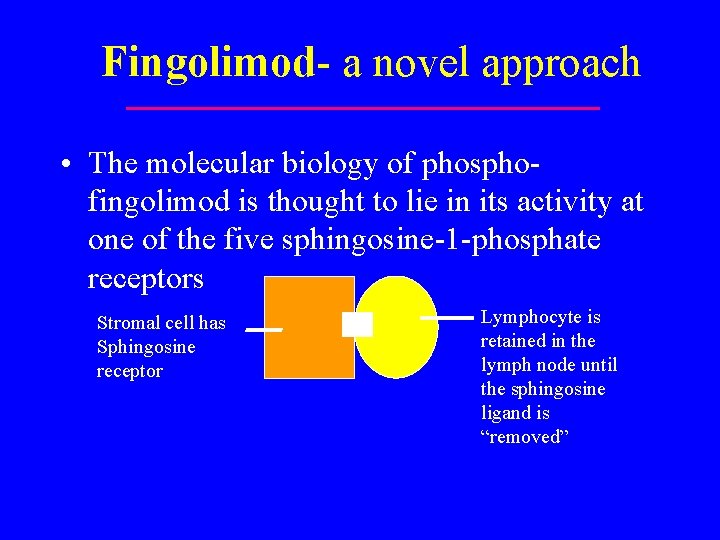
Fingolimod- a novel approach • The molecular biology of phosphofingolimod is thought to lie in its activity at one of the five sphingosine-1 -phosphate receptors Stromal cell has Sphingosine receptor Lymphocyte is retained in the lymph node until the sphingosine ligand is “removed”
Fingolimod-2 (recently approved for multiple sclerosis) • It can sequester lymphocytes in lymph nodes, preventing them from moving to the central nervous system for autoimmune responses in multiple sclerosis, and was originally proposed as a anti-rejection medication indicated posttransplantation. • It has been reported to stimulate the repair process of glial cells and precursor cells after injury. • Fingolimod has also been reported to be useful in murine lupus and Sjogren’s.
Problem will again be the risk of PML— a rare but devastating complication • May be acceptable in life threatening diseases such as multiple sclerosis; • Unclear if the FDA will approve such drugs for “quality of life” issues such as dryness or fatigue; • The global assessment by physician and patient has been the huge limitation in FDA approval.
- Slides: 77