
Passive seismic reflection imaging on the earth and
- Slides: 31
Passive seismic reflection imaging, on the earth and on the moon Kees Wapenaar Delft University of Technology
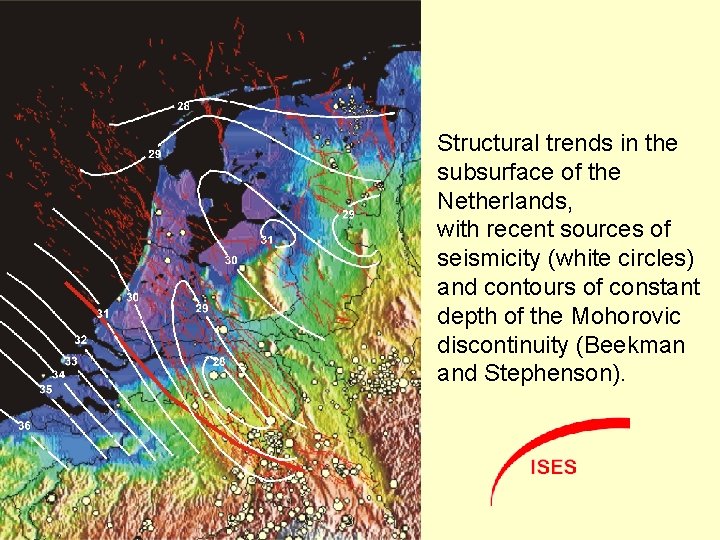
Structural trends in the subsurface of the Netherlands, with recent sources of seismicity (white circles) and contours of constant depth of the Mohorovic discontinuity (Beekman and Stephenson).
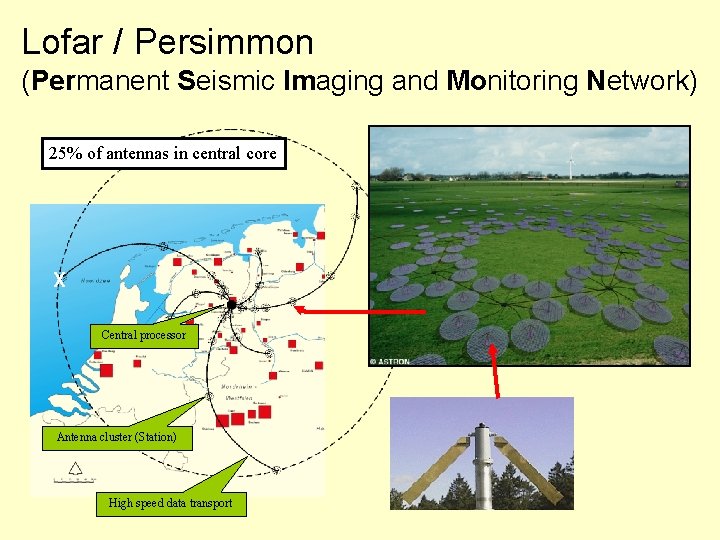
Lofar / Persimmon (Permanent Seismic Imaging and Monitoring Network) 25% of antennas in central core X Central processor Antenna cluster (Station) High speed data transport
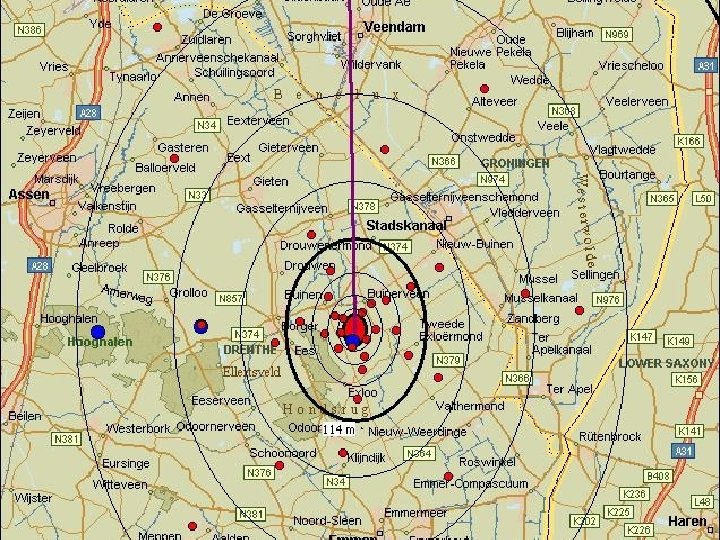
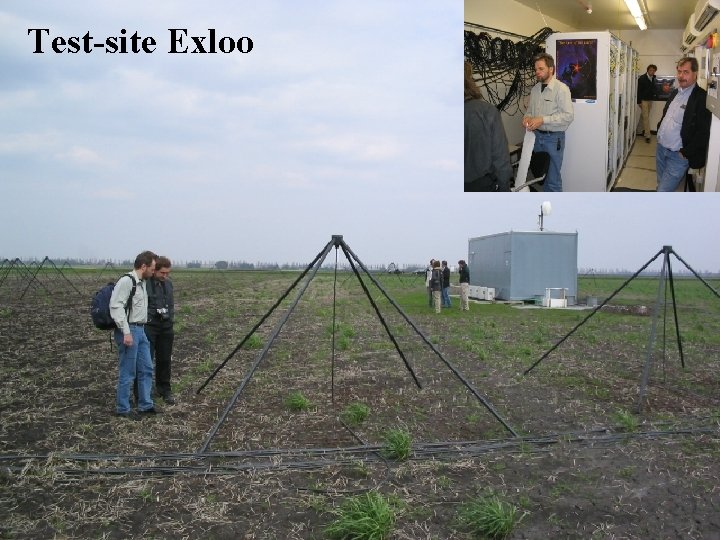
Test-site Exloo
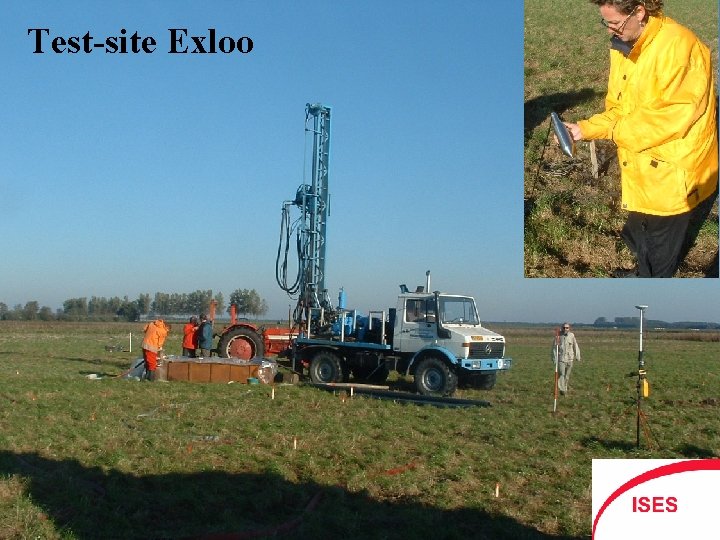
Test-site Exloo
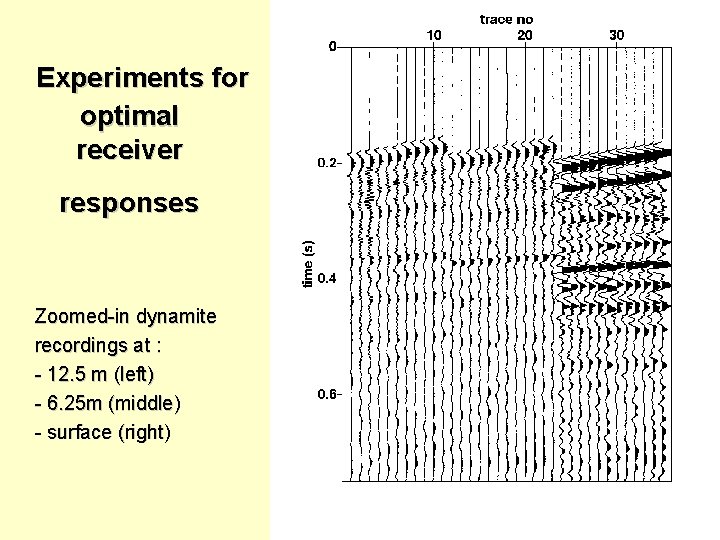
Experiments for optimal receiver responses Zoomed-in dynamite recordings at : - 12. 5 m (left) - 6. 25 m (middle) - surface (right)
Lofar / Persimmon (Permanent Seismic Imaging and Monitoring Network) Partners: • Delft University of Technology • Free University of Amsterdam • Utrecht University • TNO-NITG • KNMI • NAM • Shell • MIT
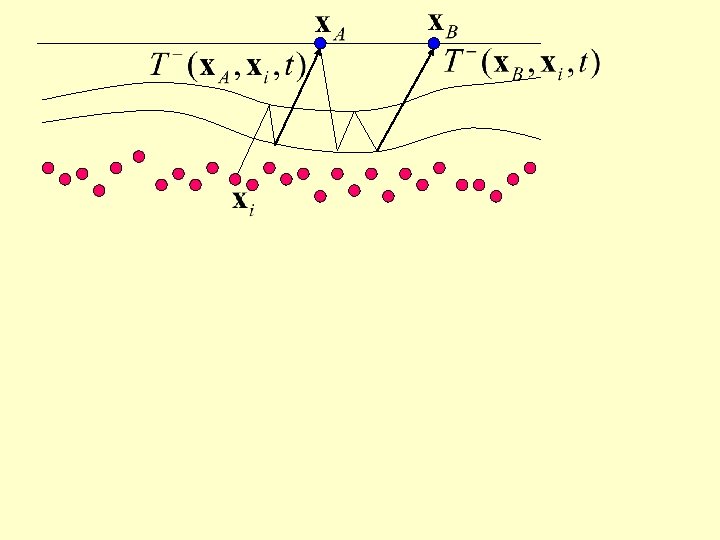
Lofar / Persimmon (Permanent Seismic Imaging and Monitoring Network) • Delft University of Technology Seismic Interferometric Imaging
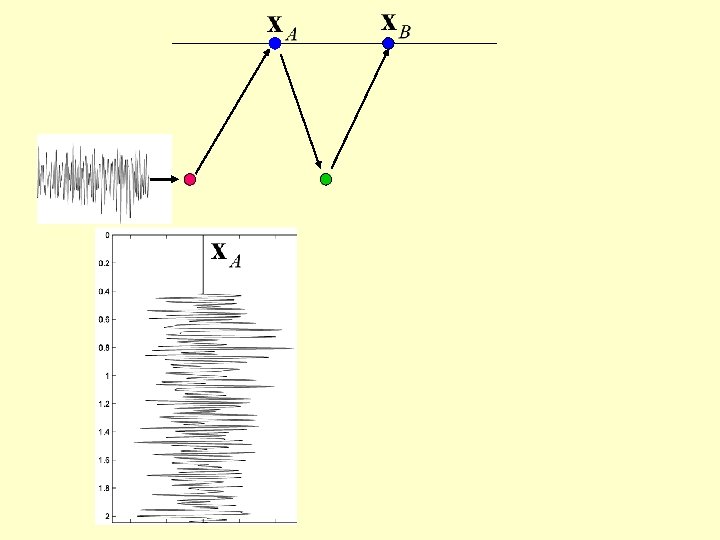
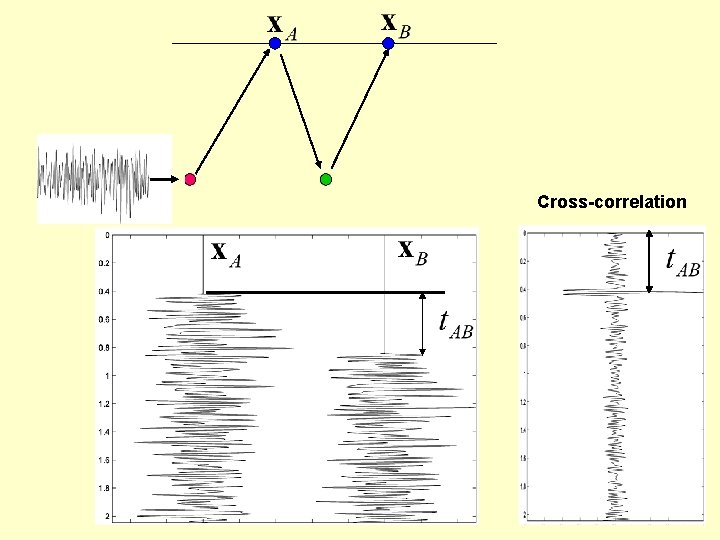
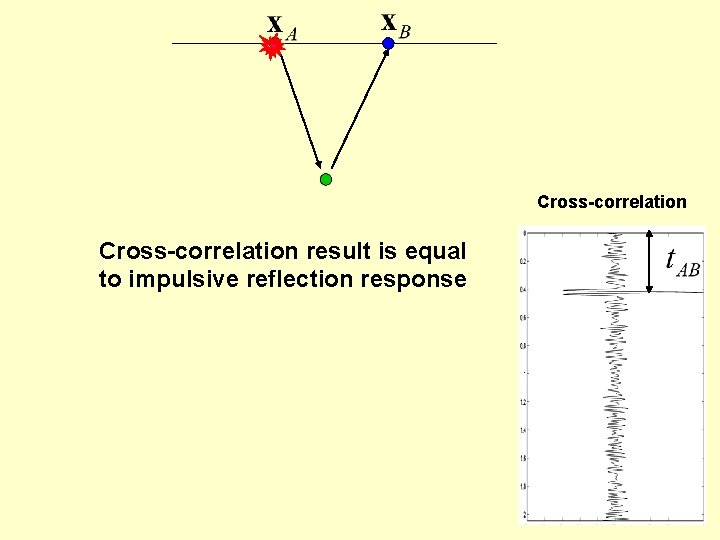
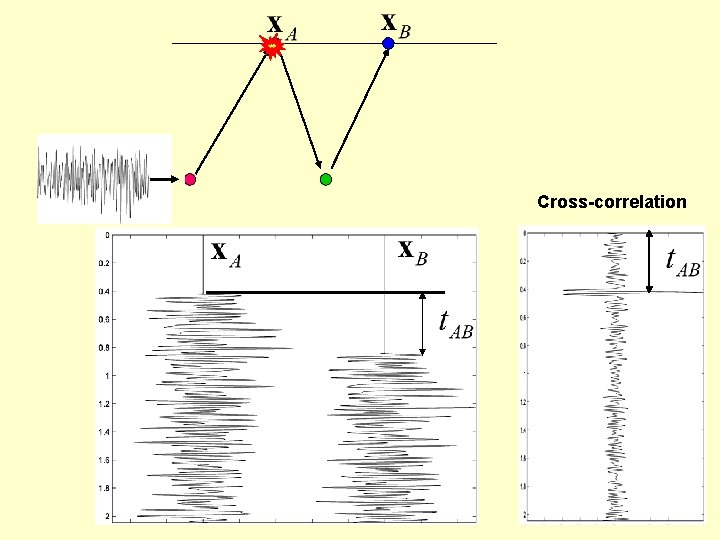
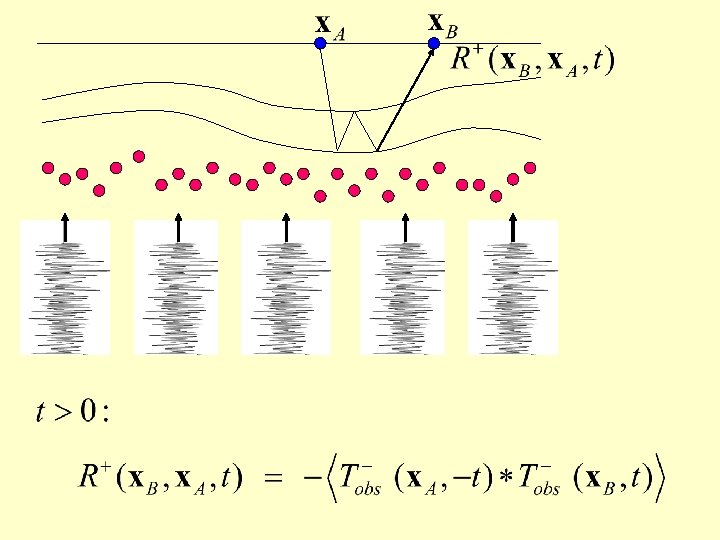
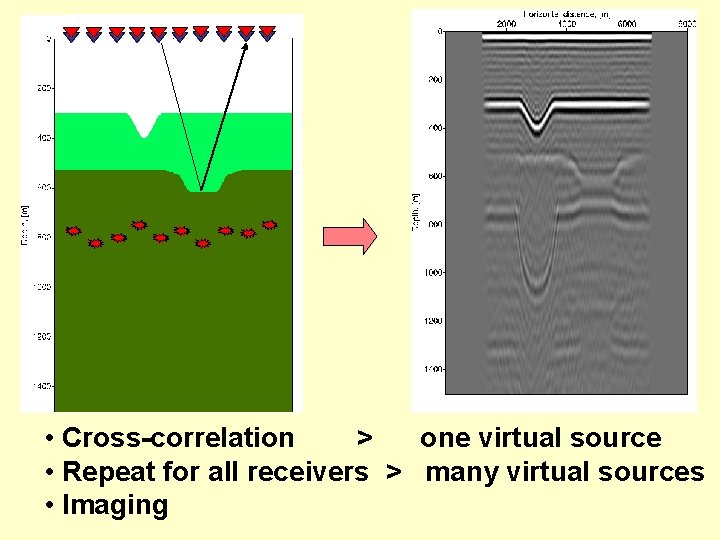
Cross-correlation
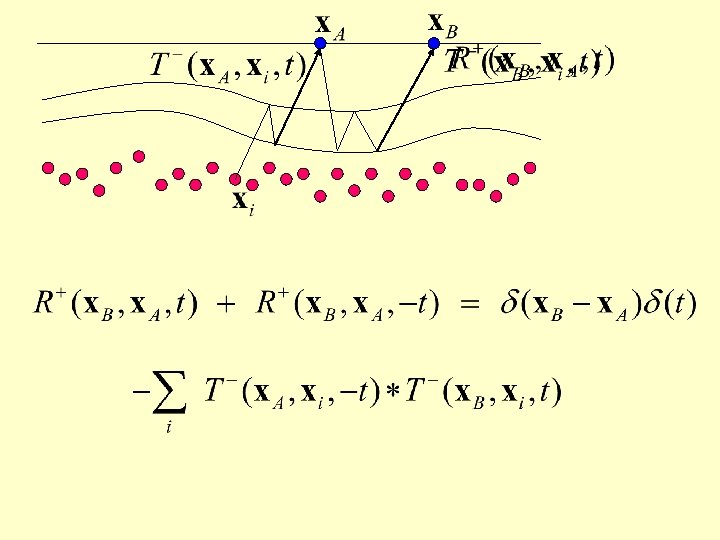
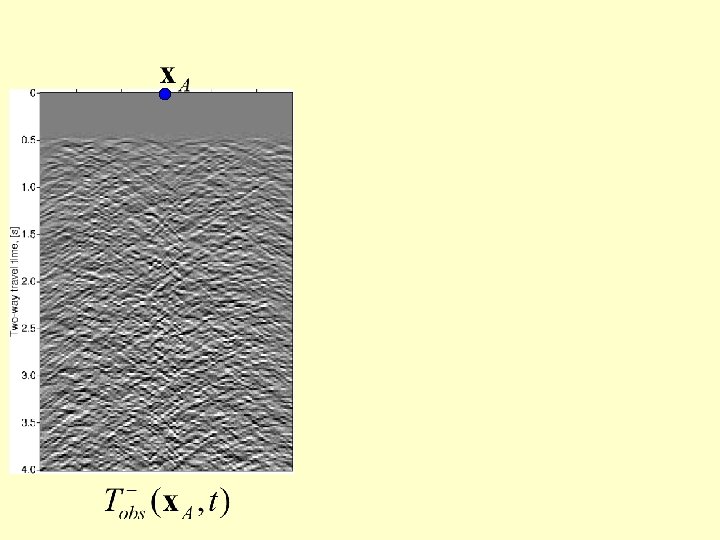
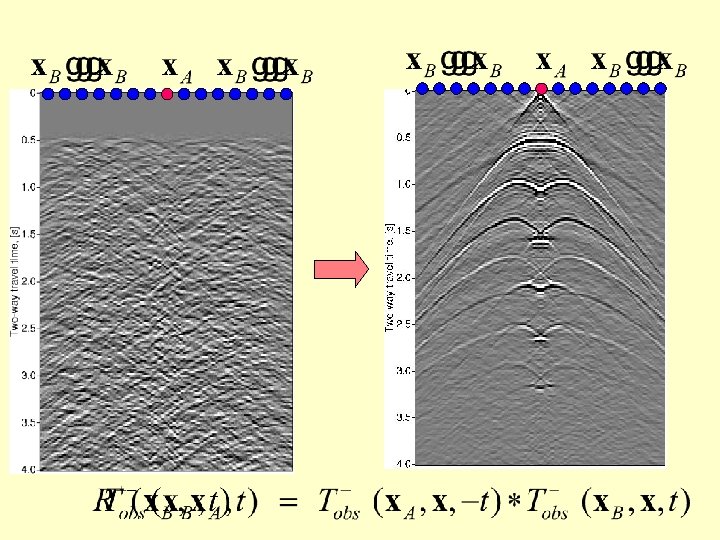
Cross-correlation result is equal to impulsive reflection response
Cross-correlation
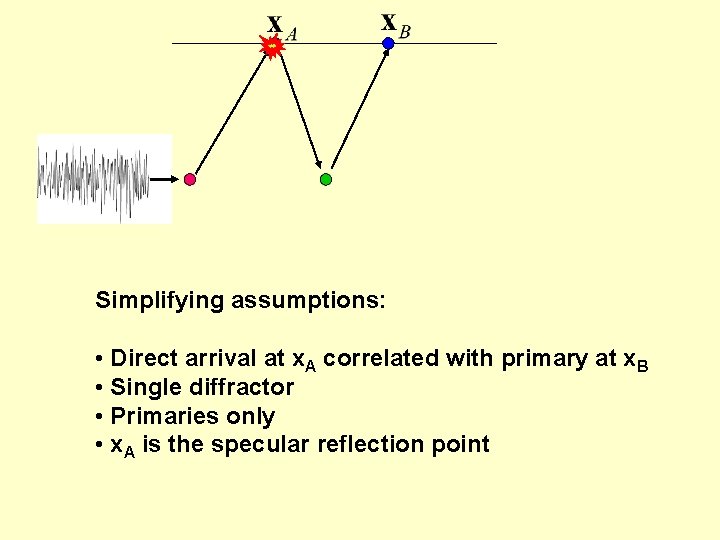
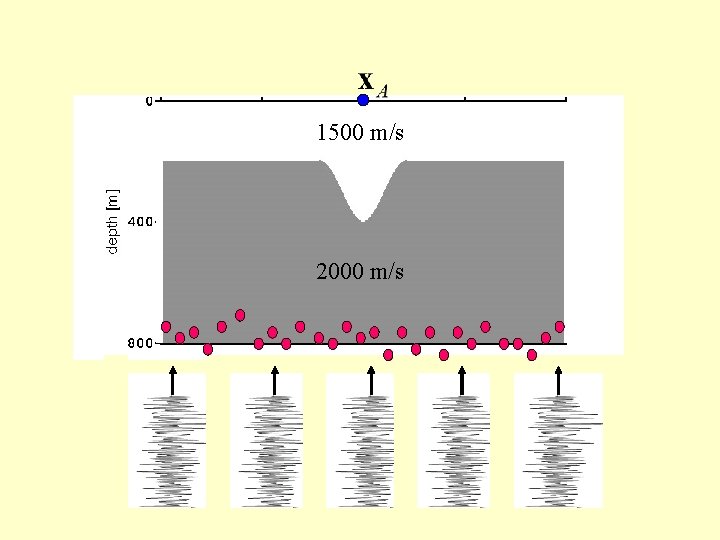
Simplifying assumptions: • Direct arrival at x. A correlated with primary at x. B • Single diffractor • Primaries only • x. A is the specular reflection point
1500 m/s 2000 m/s
• Cross-correlation > one virtual source • Repeat for all receivers > many virtual sources • Imaging
Applications • Persimmon • Basin analysis • Global seismology • Lunar seismology ?
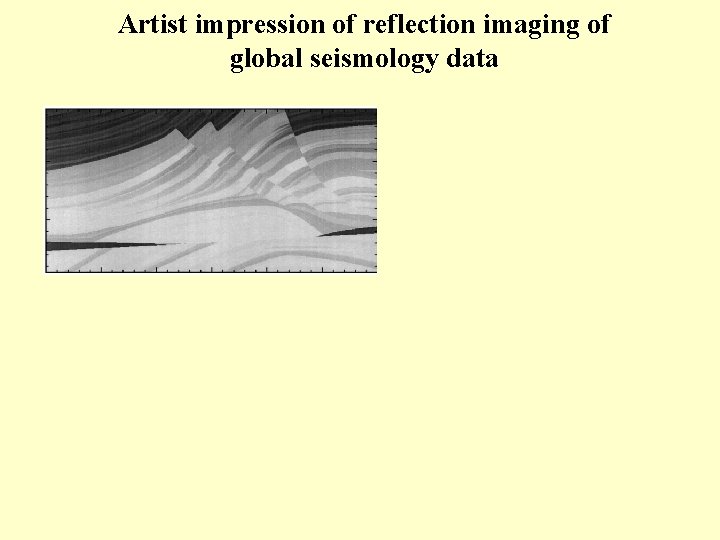
Artist impression of reflection imaging of global seismology data
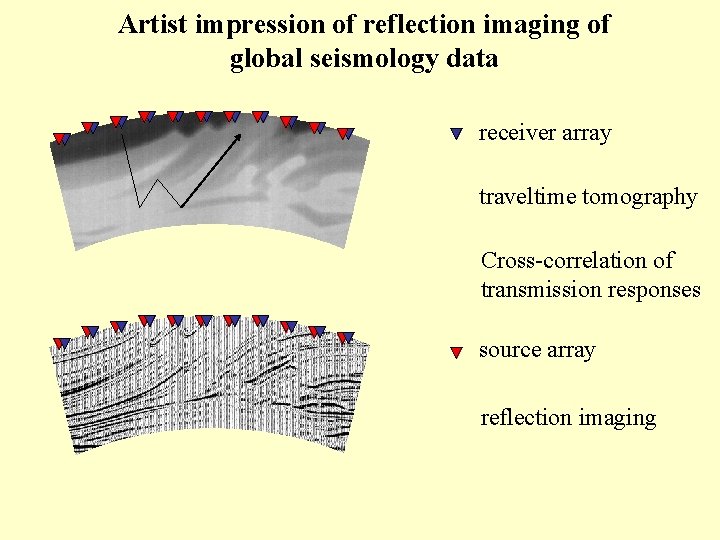
Artist impression of reflection imaging of global seismology data receiver array traveltime tomography Cross-correlation of transmission responses source array reflection imaging
Applications • Persimmon • Basin analysis • Global seismology • Lunar seismology ?
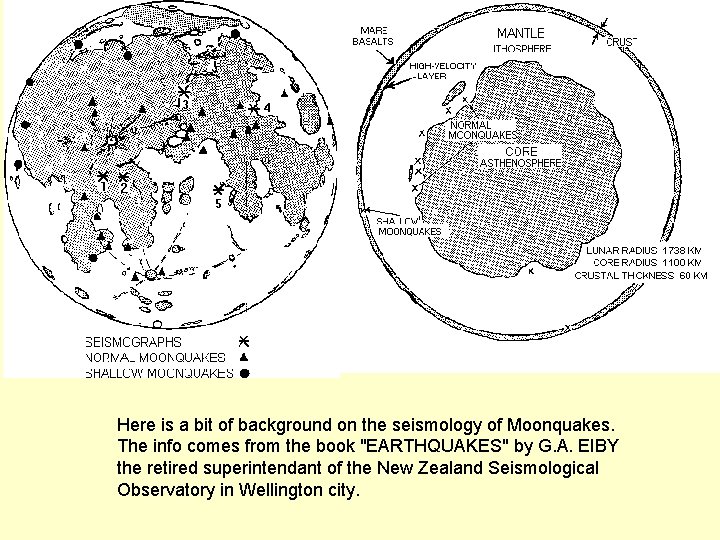
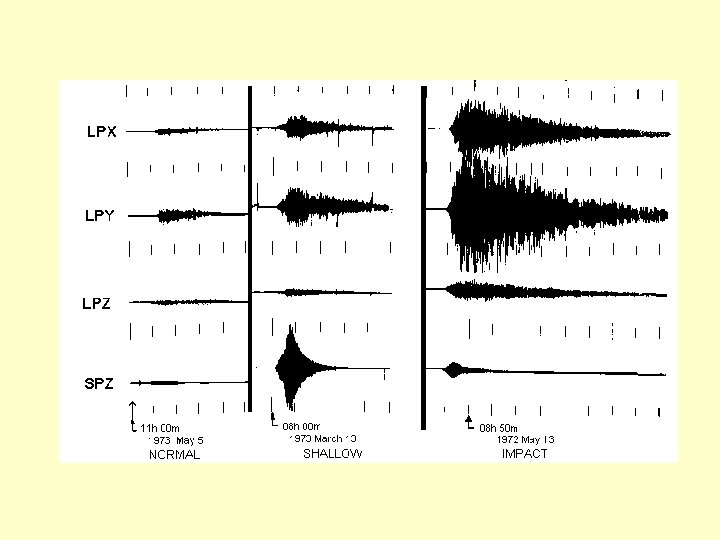
Here is a bit of background on the seismology of Moonquakes. The info comes from the book "EARTHQUAKES" by G. A. EIBY the retired superintendant of the New Zealand Seismological Observatory in Wellington city.
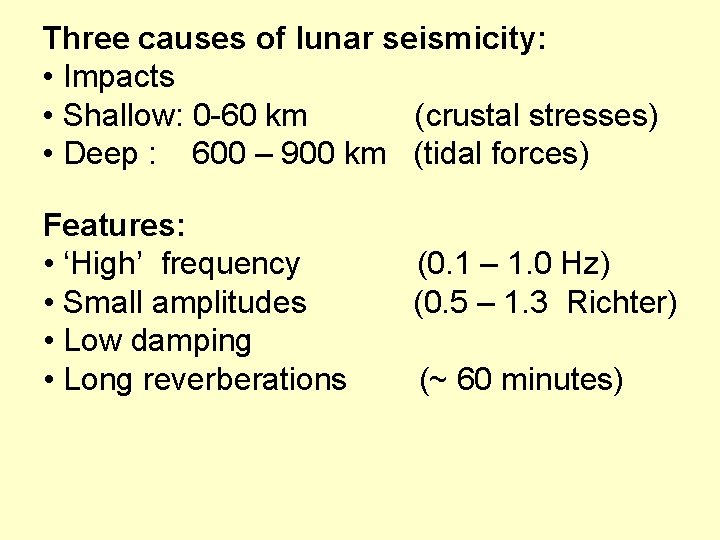
Three causes of lunar seismicity: • Impacts • Shallow: 0 -60 km (crustal stresses) • Deep : 600 – 900 km (tidal forces) Features: • ‘High’ frequency • Small amplitudes • Low damping • Long reverberations (0. 1 – 1. 0 Hz) (0. 5 – 1. 3 Richter) (~ 60 minutes)
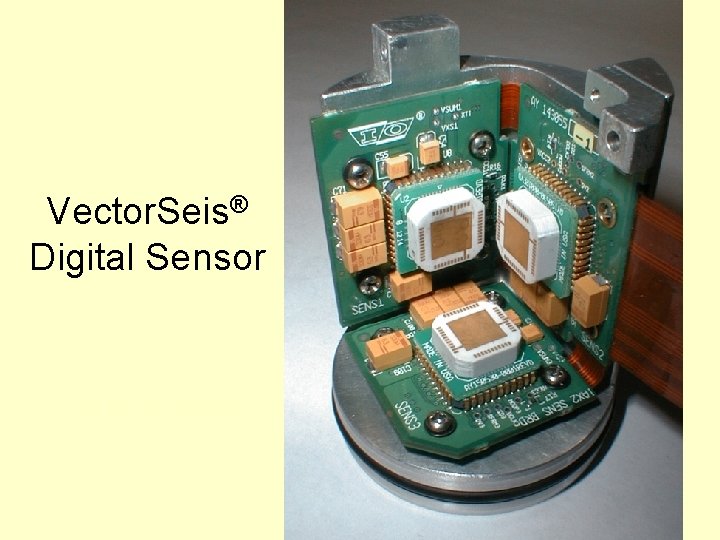
Vector. Seis® Digital Sensor - No tilt limitations
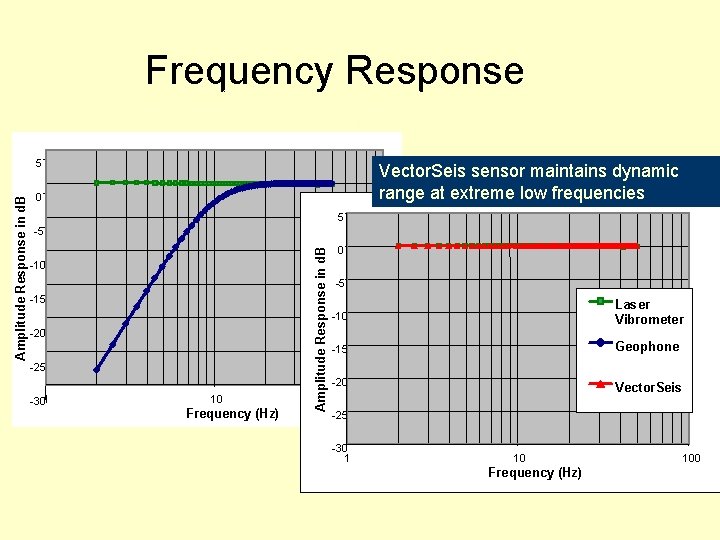
Frequency Response Geophone & Vector. Seis® simultaneously shaken, table motion measured by Laser Vibrometer, Geophone and Vector. Seis outputs normalized to Vibrometer Vector. Seis sensor maintains dynamic range at extreme low frequencies 0 5 -5 -10 -15 -20 -25 -301 10 Frequency (Hz) Amplitude Response in d. B 5 0 -5 -10 Laser Vibrometer -15 Geophone -20 Vector. Seis 100 -25 -30 1 10 Frequency (Hz) 100
Applications • Persimmon • Basin analysis • Global seismology • Lunar seismology ?