
Parts and Functions of Eukaryotic Cells Ms Lew
- Slides: 22
Parts and Functions of Eukaryotic Cells Ms. Lew
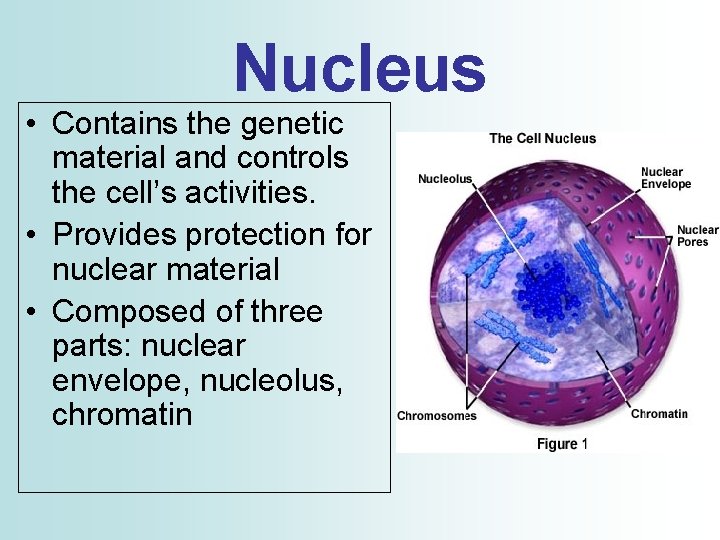
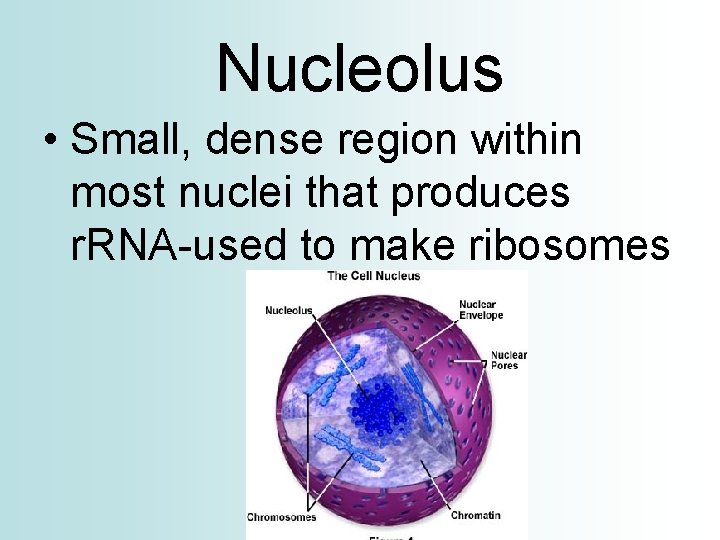
Nucleus • Contains the genetic material and controls the cell’s activities. • Provides protection for nuclear material • Composed of three parts: nuclear envelope, nucleolus, chromatin
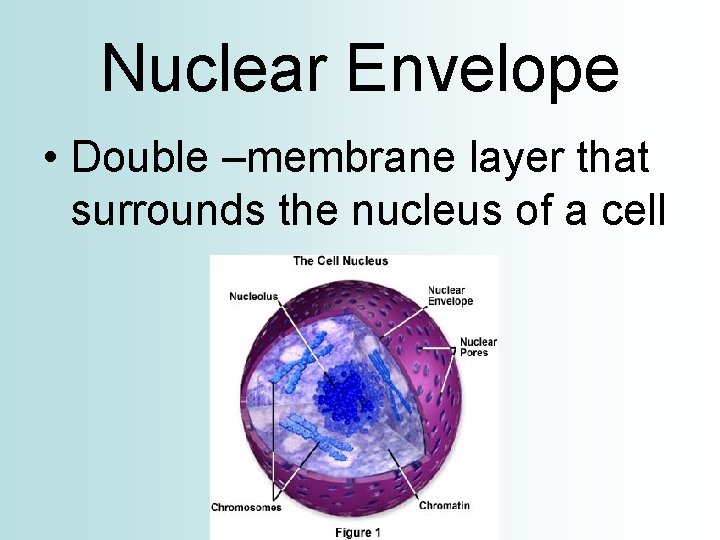
Nuclear Envelope • Double –membrane layer that surrounds the nucleus of a cell
Nucleolus • Small, dense region within most nuclei that produces r. RNA-used to make ribosomes
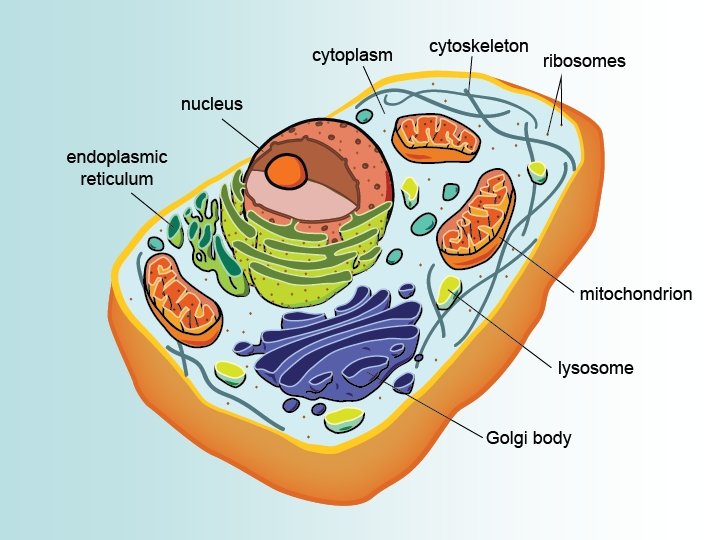
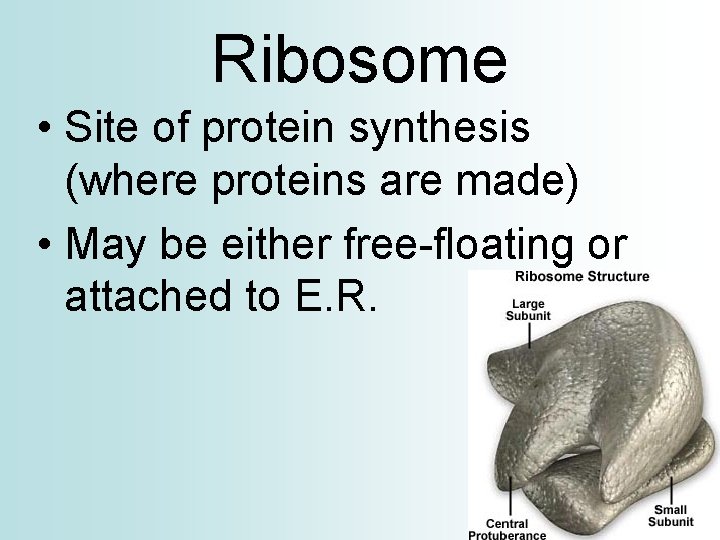
Ribosome • Site of protein synthesis (where proteins are made) • May be either free-floating or attached to E. R.
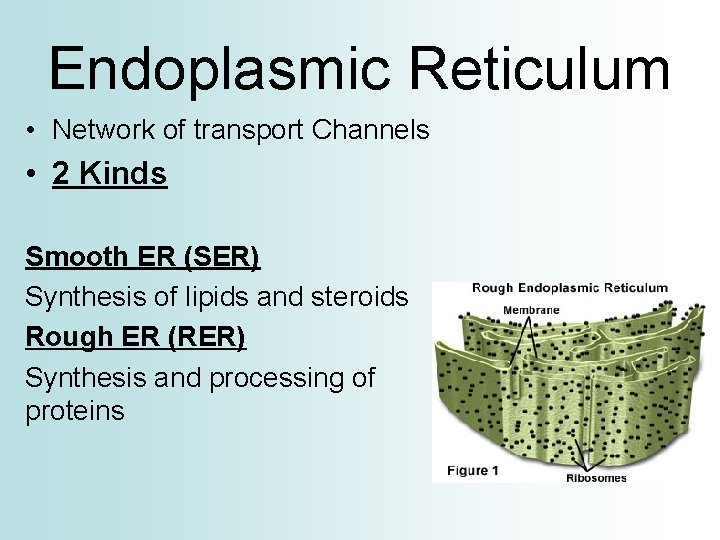
Endoplasmic Reticulum • Network of transport Channels • 2 Kinds Smooth ER (SER) Synthesis of lipids and steroids Rough ER (RER) Synthesis and processing of proteins
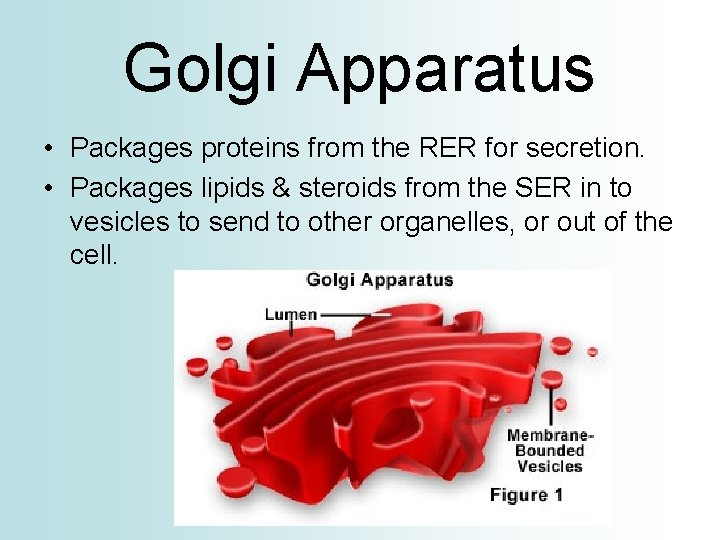
Golgi Apparatus • Packages proteins from the RER for secretion. • Packages lipids & steroids from the SER in to vesicles to send to other organelles, or out of the cell.
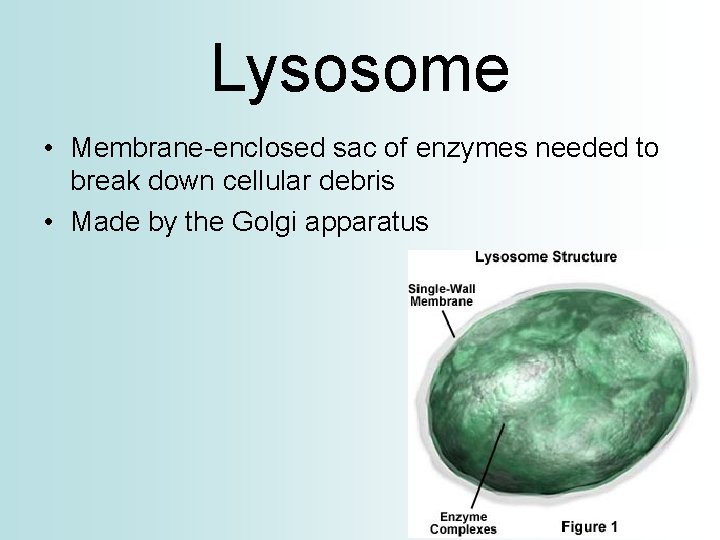
Lysosome • Membrane-enclosed sac of enzymes needed to break down cellular debris • Made by the Golgi apparatus
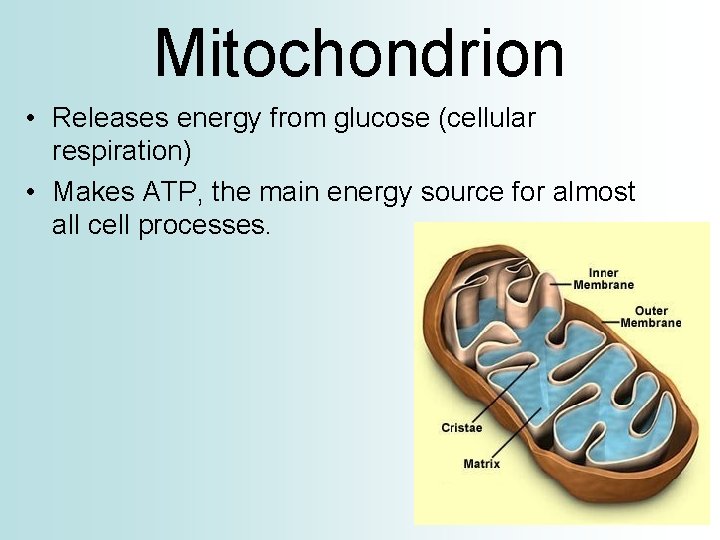
Mitochondrion • Releases energy from glucose (cellular respiration) • Makes ATP, the main energy source for almost all cell processes.
Cytoplasm • Contents of a cell inside the cell membrane but outside of the nucleus. • The gel-like substance in the cytoplasm is called cytosol
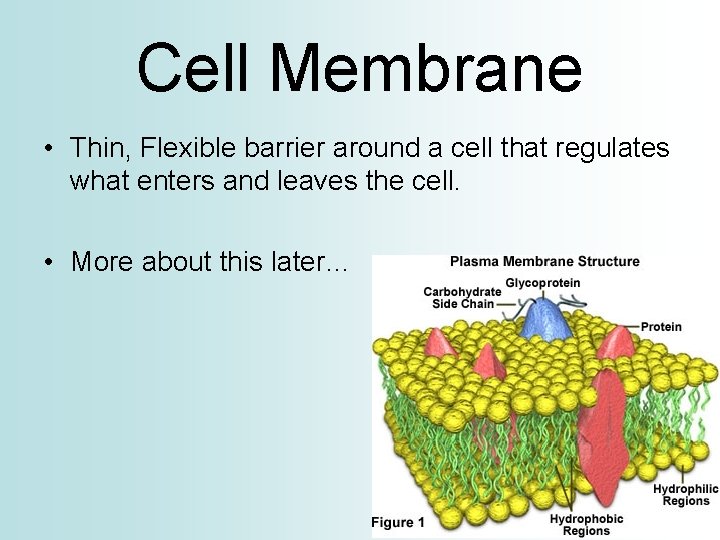
Cell Membrane • Thin, Flexible barrier around a cell that regulates what enters and leaves the cell. • More about this later…
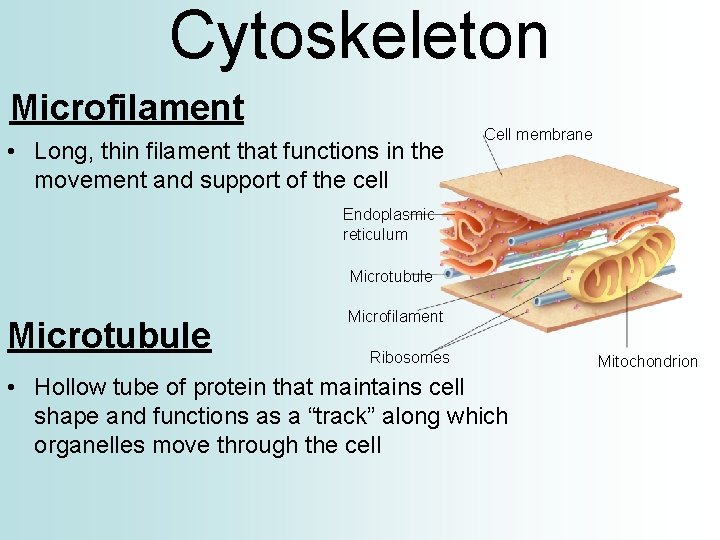
Cytoskeleton Microfilament • Long, thin filament that functions in the movement and support of the cell Cell membrane Endoplasmic reticulum Microtubule Microfilament Ribosomes • Hollow tube of protein that maintains cell shape and functions as a “track” along which organelles move through the cell Mitochondrion
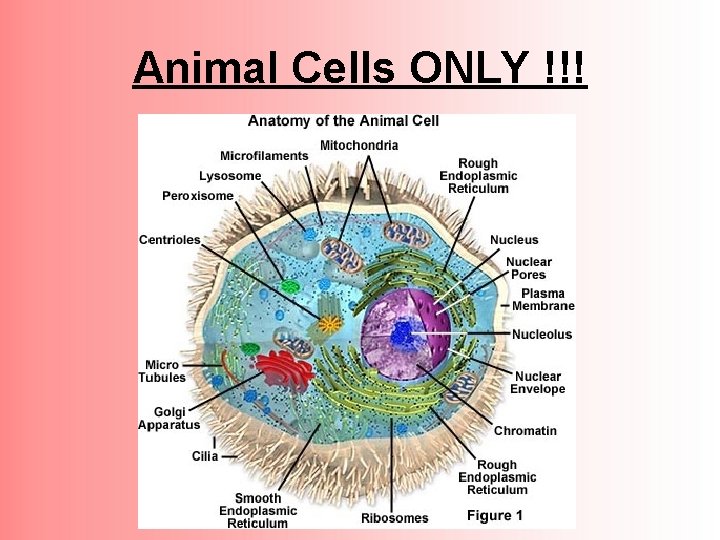
Animal Cells ONLY !!!
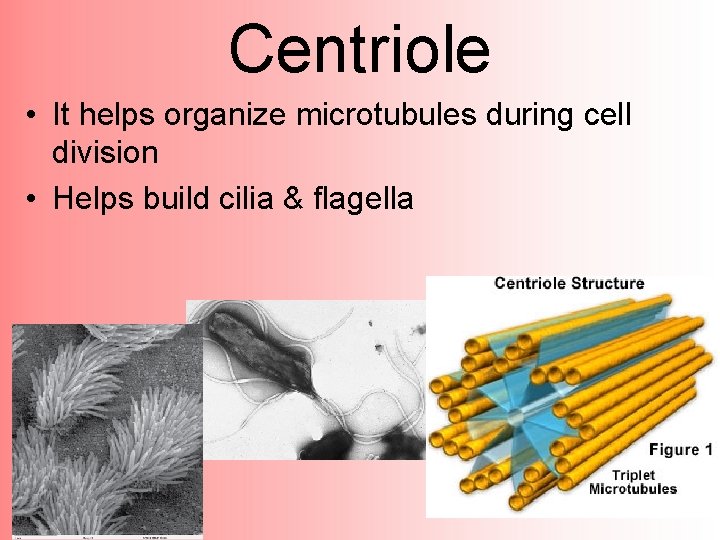
Centriole • It helps organize microtubules during cell division • Helps build cilia & flagella
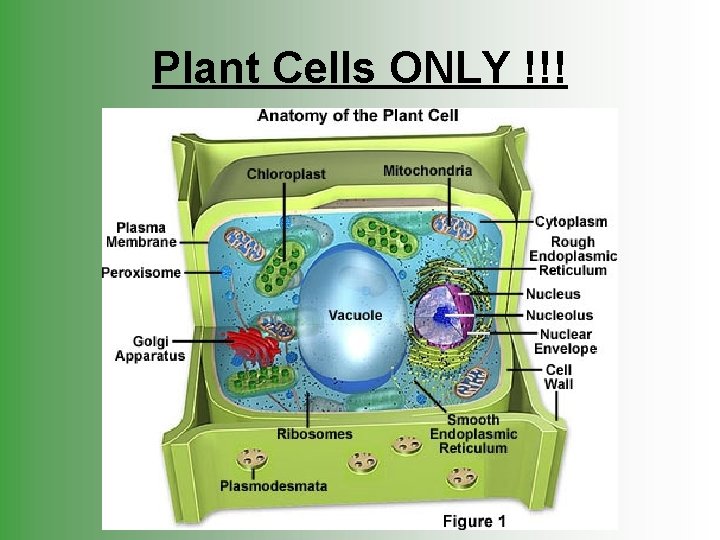
Plant Cells ONLY !!!
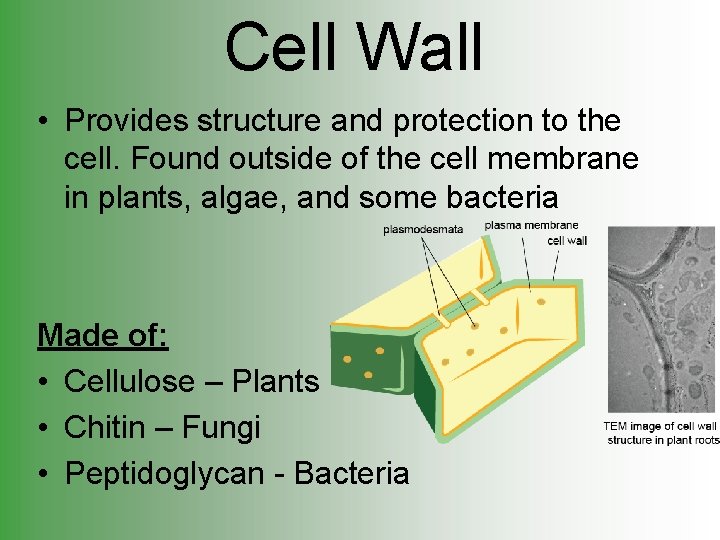
Cell Wall • Provides structure and protection to the cell. Found outside of the cell membrane in plants, algae, and some bacteria Made of: • Cellulose – Plants • Chitin – Fungi • Peptidoglycan - Bacteria
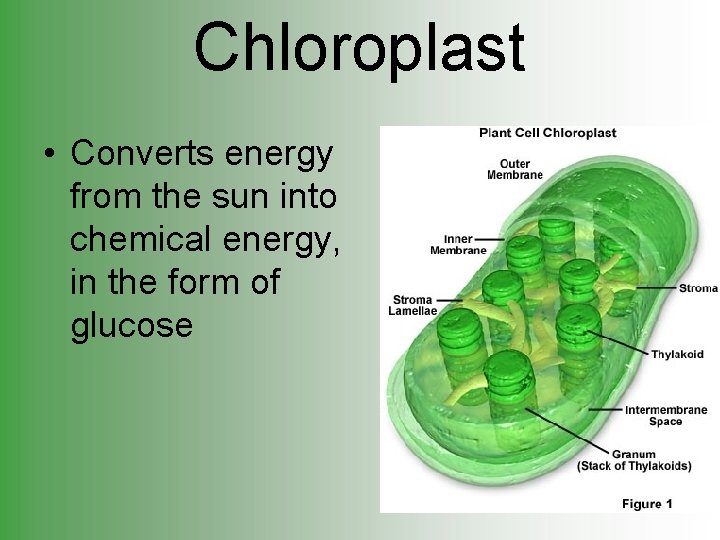
Chloroplast • Converts energy from the sun into chemical energy, in the form of glucose
Plant AND Animal cells, but more prevalent/large in Plant cells… VACUOLE
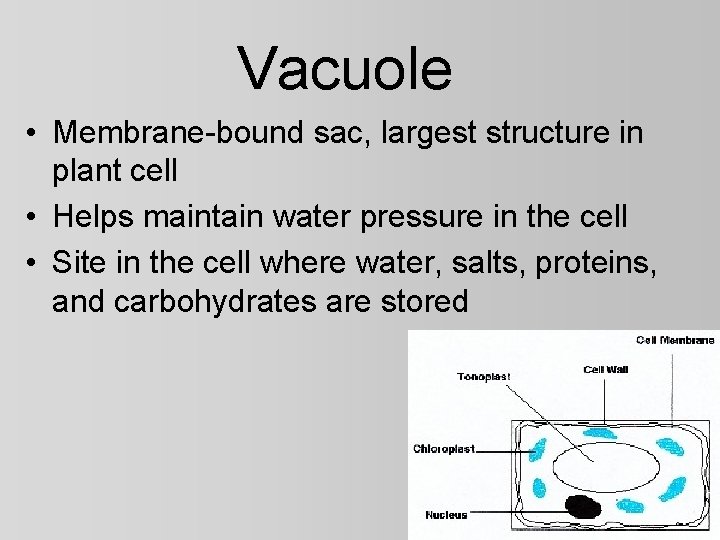
Vacuole • Membrane-bound sac, largest structure in plant cell • Helps maintain water pressure in the cell • Site in the cell where water, salts, proteins, and carbohydrates are stored
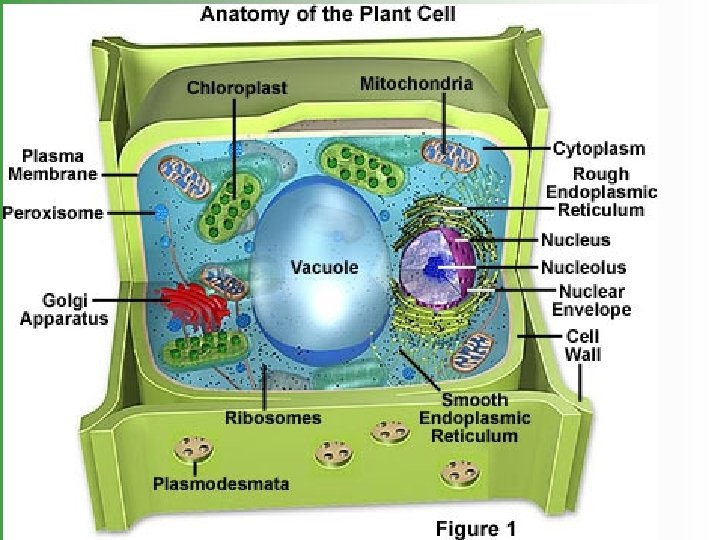
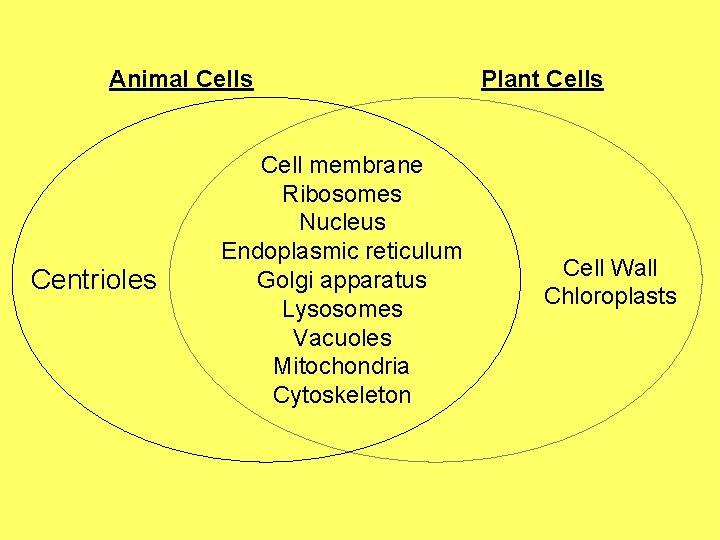
Animal Cells Centrioles Cell membrane Ribosomes Nucleus Endoplasmic reticulum Golgi apparatus Lysosomes Vacuoles Mitochondria Cytoskeleton Plant Cells Cell Wall Chloroplasts