
Parts and Functions of Eukaryotic Cells Chapter 7

- Slides: 24
Parts and Functions of Eukaryotic Cells Chapter 7
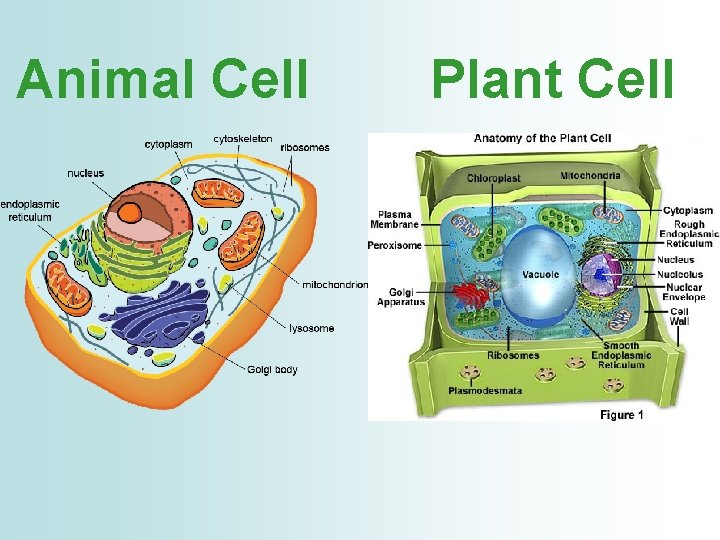
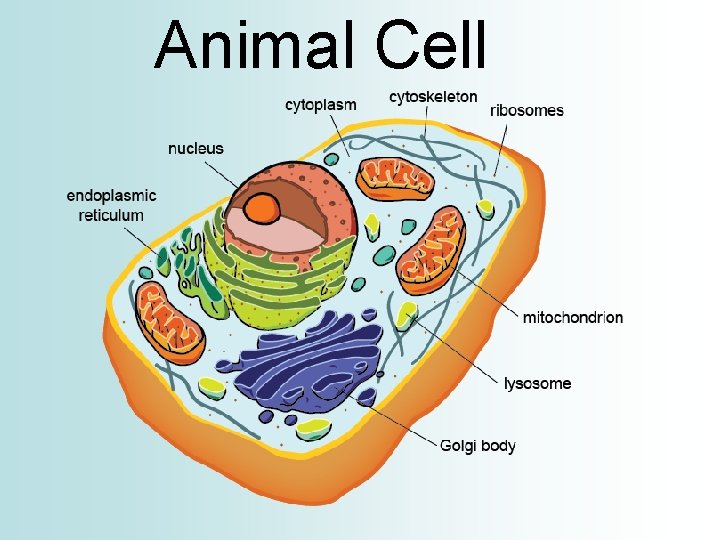
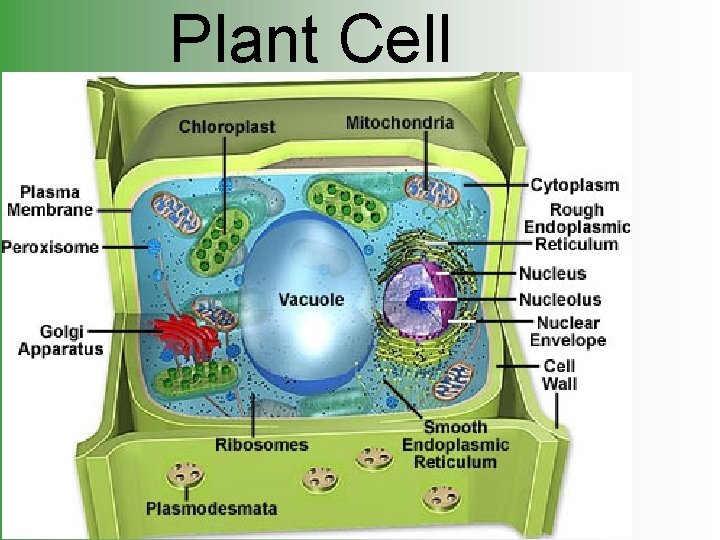
Animal Cell Plant Cell
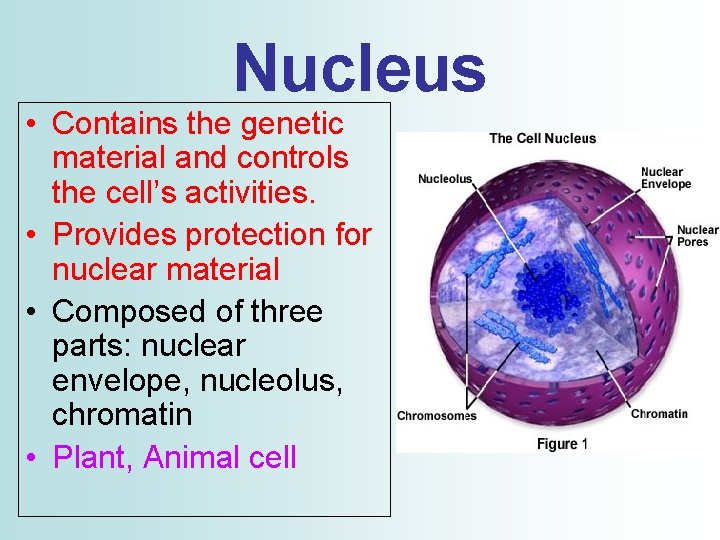
Nucleus • Contains the genetic material and controls the cell’s activities. • Provides protection for nuclear material • Composed of three parts: nuclear envelope, nucleolus, chromatin • Plant, Animal cell
Nuclear Envelope • Double –membrane layer that surrounds the nucleus of a cell
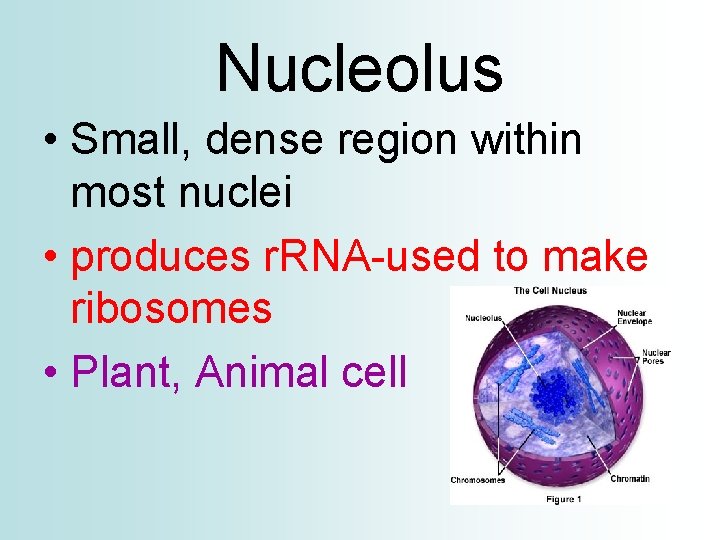
Nucleolus • Small, dense region within most nuclei • produces r. RNA-used to make ribosomes • Plant, Animal cell
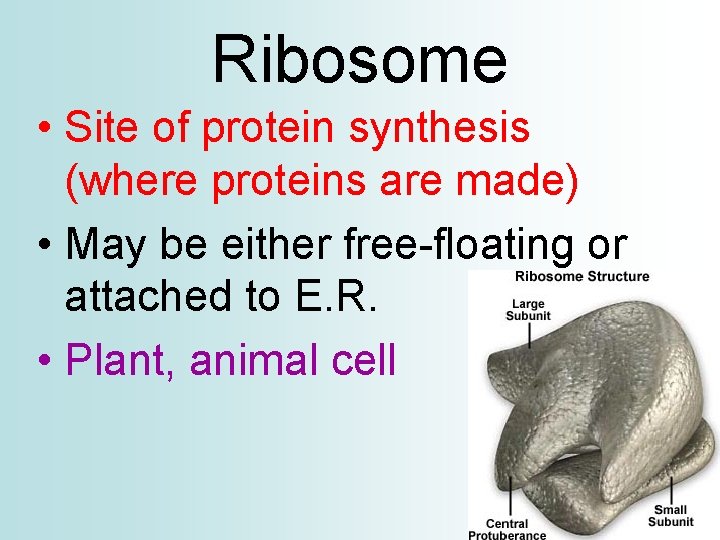
Ribosome • Site of protein synthesis (where proteins are made) • May be either free-floating or attached to E. R. • Plant, animal cell
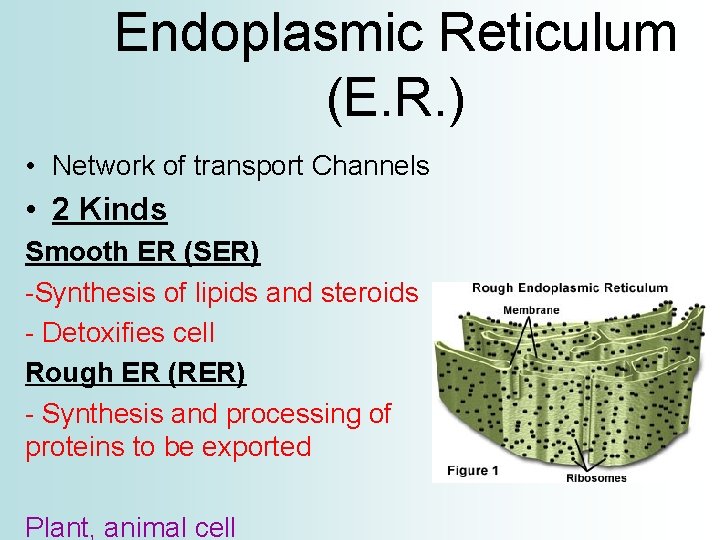
Endoplasmic Reticulum (E. R. ) • Network of transport Channels • 2 Kinds Smooth ER (SER) -Synthesis of lipids and steroids - Detoxifies cell Rough ER (RER) - Synthesis and processing of proteins to be exported Plant, animal cell
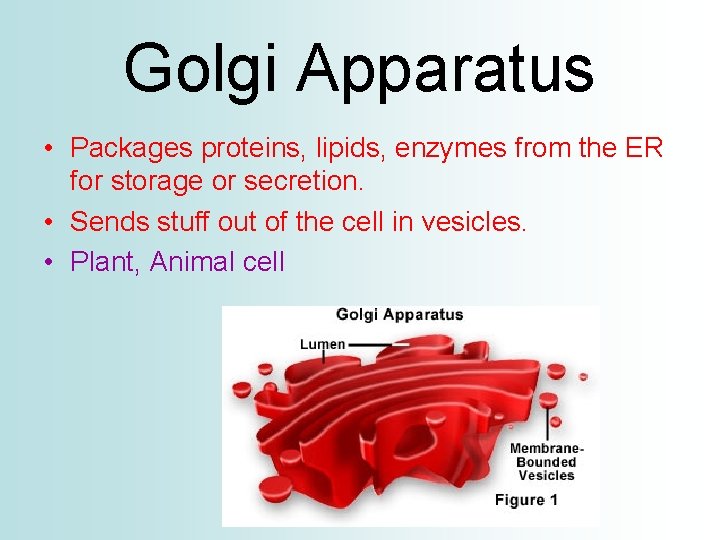
Golgi Apparatus • Packages proteins, lipids, enzymes from the ER for storage or secretion. • Sends stuff out of the cell in vesicles. • Plant, Animal cell
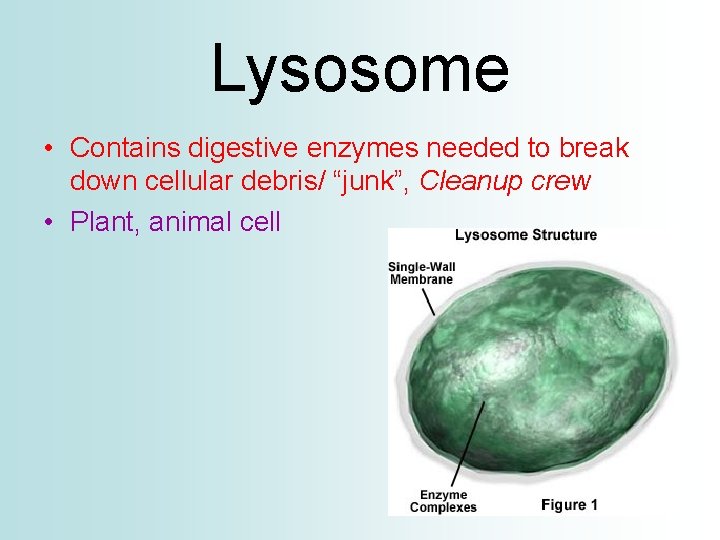
Lysosome • Contains digestive enzymes needed to break down cellular debris/ “junk”, Cleanup crew • Plant, animal cell
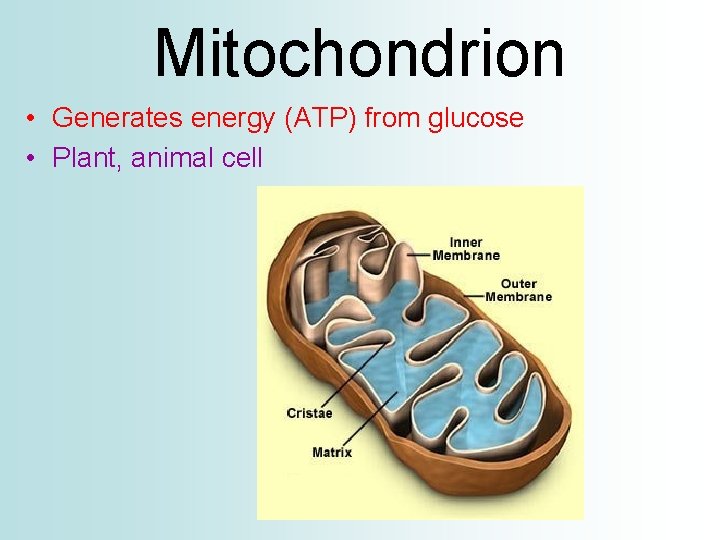
Mitochondrion • Generates energy (ATP) from glucose • Plant, animal cell
Cytoplasm • Area between the cell membrane and the nucleus. • The gel-like substance in the cytoplasm is called cytosol • Plant, animal cell
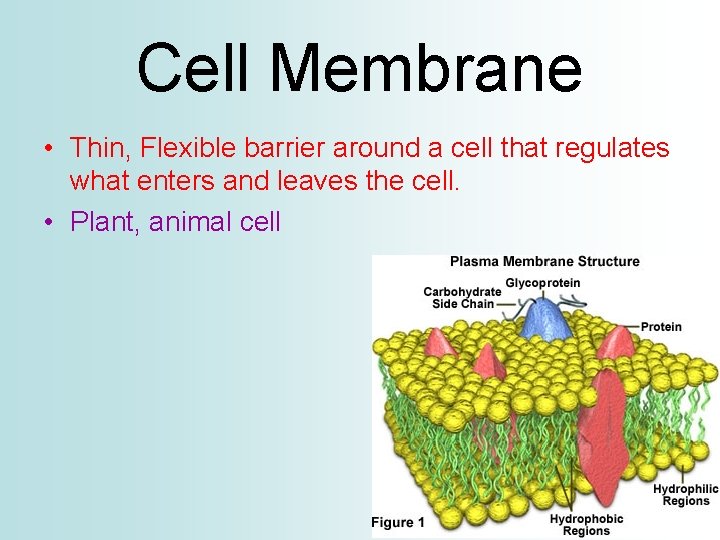
Cell Membrane • Thin, Flexible barrier around a cell that regulates what enters and leaves the cell. • Plant, animal cell
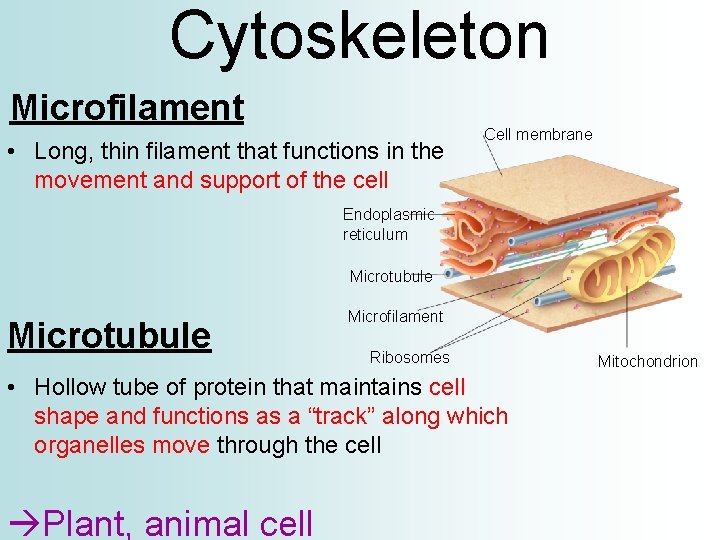
Cytoskeleton Microfilament • Long, thin filament that functions in the movement and support of the cell Cell membrane Endoplasmic reticulum Microtubule Microfilament Ribosomes • Hollow tube of protein that maintains cell shape and functions as a “track” along which organelles move through the cell Plant, animal cell Mitochondrion
The following are found in ANIMAL cells ONLY
Cilia • A form of microtubule • Short, hair-like projections that allow cells to move • Animals cell Flagella • A form of microtubule • Long, hair-like projections that allow cells to move • Animals cell
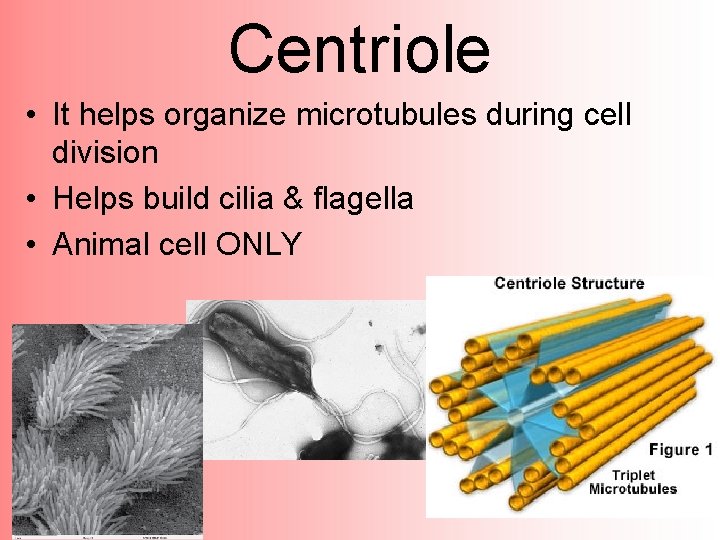
Centriole • It helps organize microtubules during cell division • Helps build cilia & flagella • Animal cell ONLY
The following are found in PLANT cells ONLY
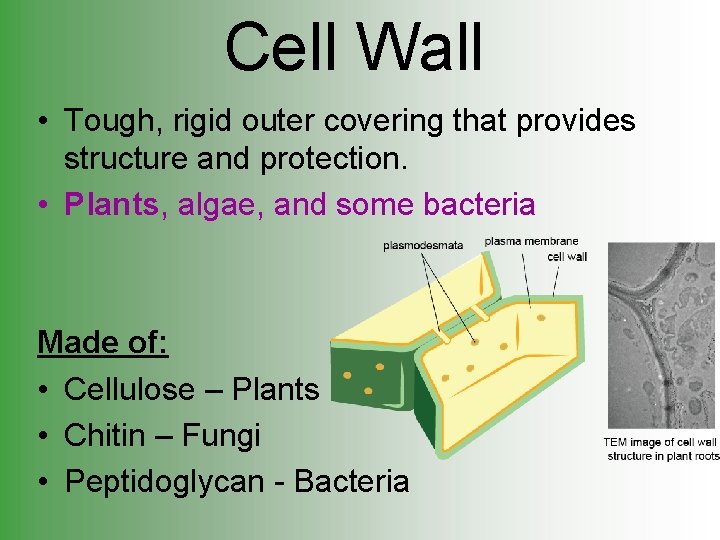
Cell Wall • Tough, rigid outer covering that provides structure and protection. • Plants, algae, and some bacteria Made of: • Cellulose – Plants • Chitin – Fungi • Peptidoglycan - Bacteria
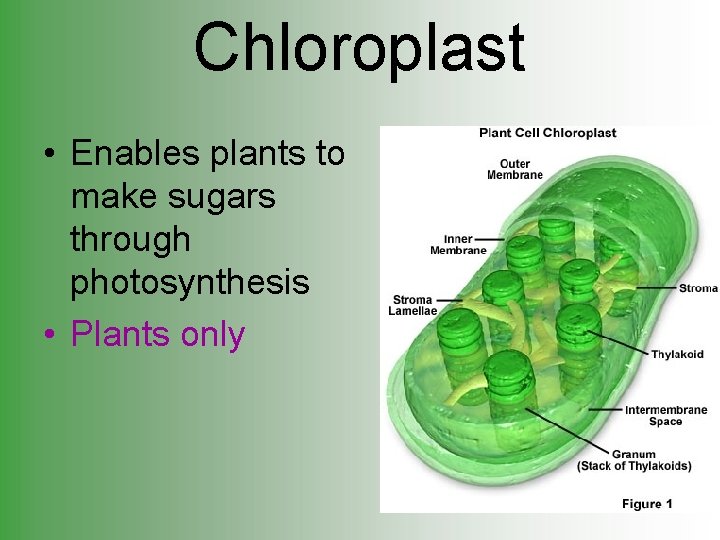
Chloroplast • Enables plants to make sugars through photosynthesis • Plants only
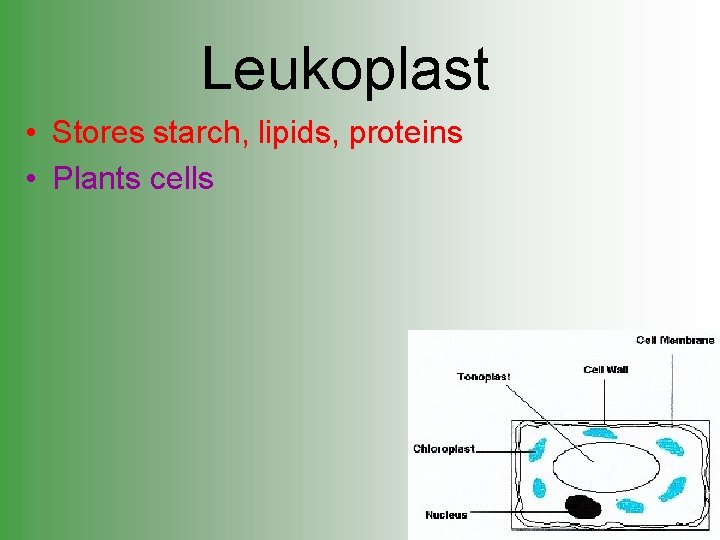
Leukoplast • Stores starch, lipids, proteins • Plants cells
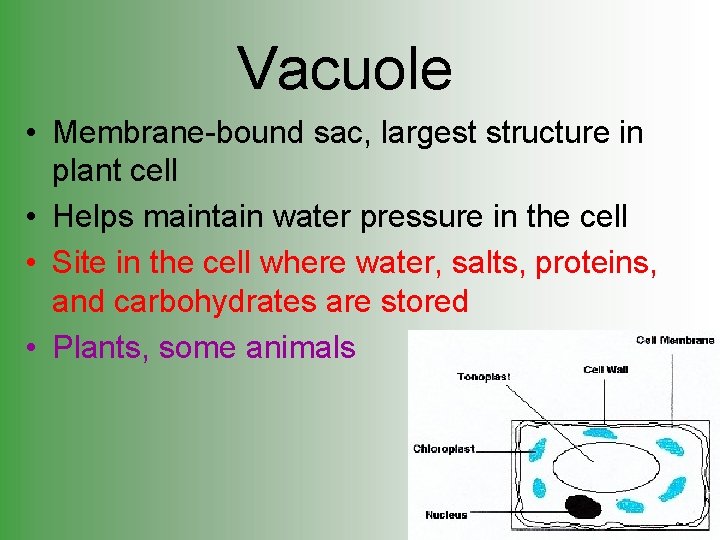
Vacuole • Membrane-bound sac, largest structure in plant cell • Helps maintain water pressure in the cell • Site in the cell where water, salts, proteins, and carbohydrates are stored • Plants, some animals
Animal Cell
Plant Cell
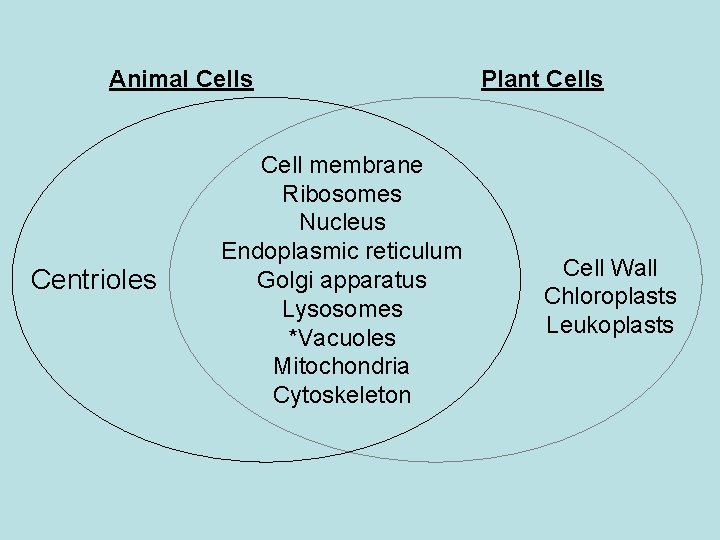
Animal Cells Centrioles Cell membrane Ribosomes Nucleus Endoplasmic reticulum Golgi apparatus Lysosomes *Vacuoles Mitochondria Cytoskeleton Plant Cells Cell Wall Chloroplasts Leukoplasts