
particle physics nuclear atomic laser solid state astro



































- Slides: 129
particle physics nuclear … atomic … laser … solid state … astro … cosmology
7
8
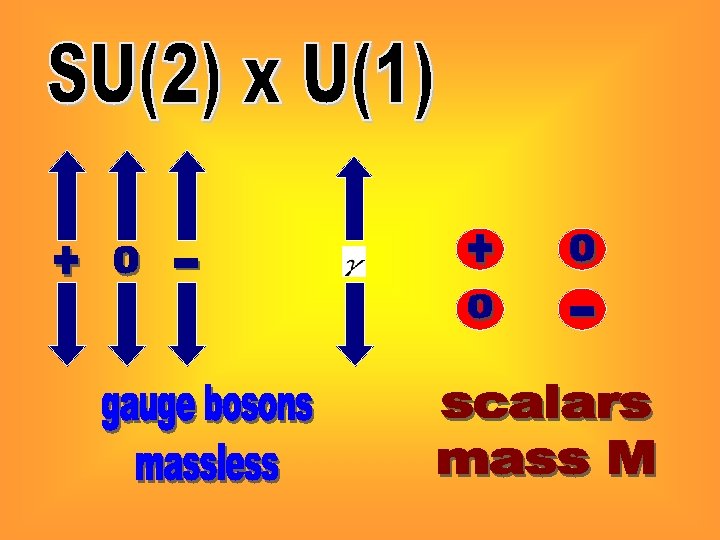
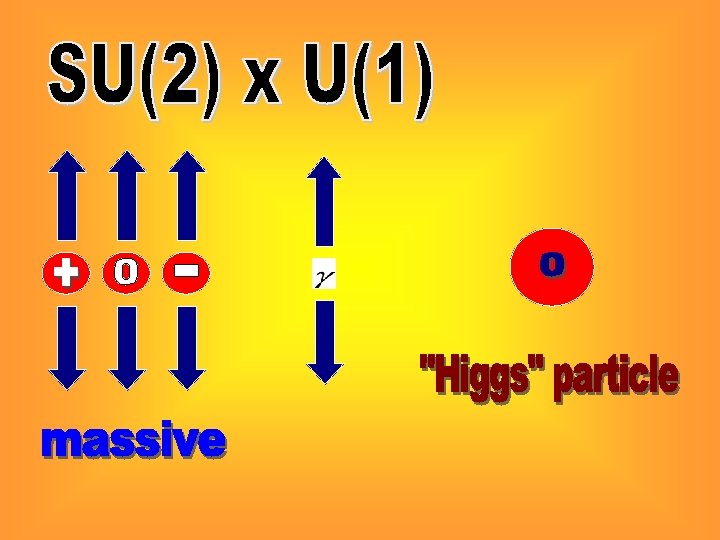
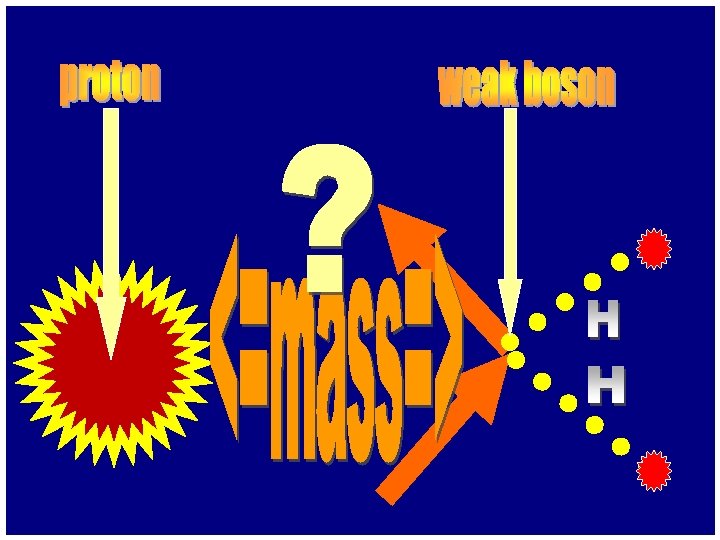
W(+) W(-) Z photon
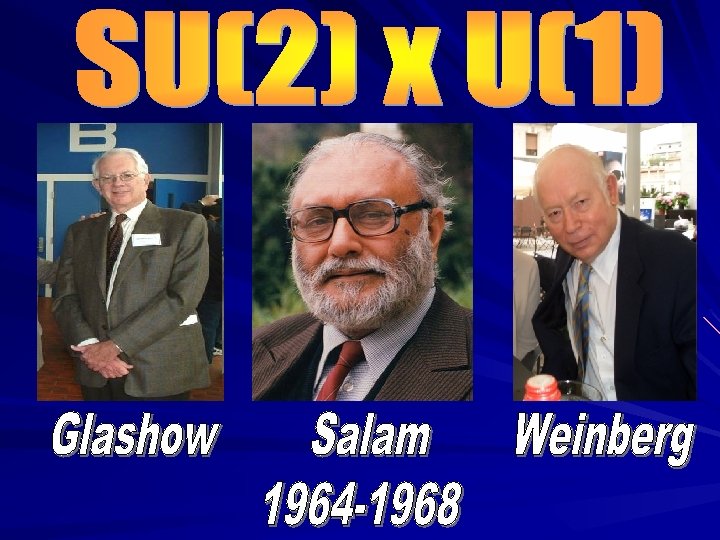
SU(2) x U(1)
Mexican hat potential
Fermi constant
30
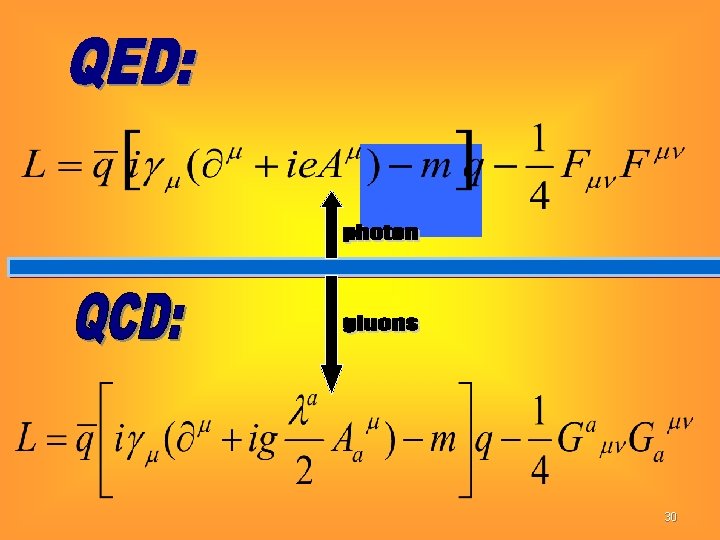
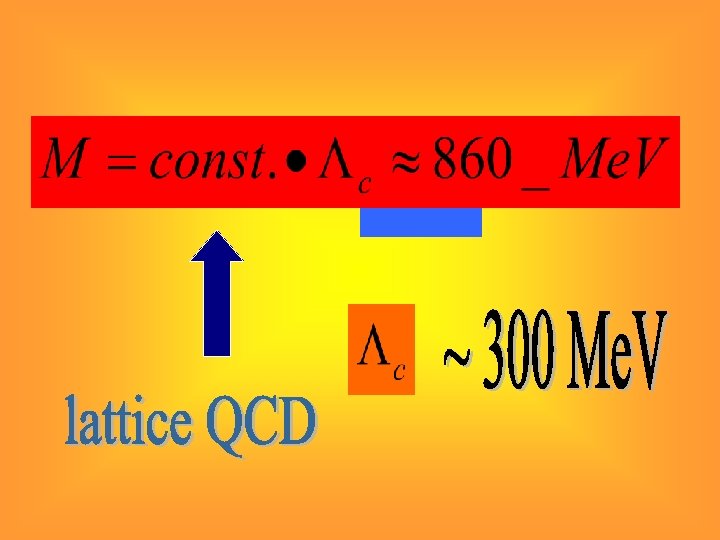
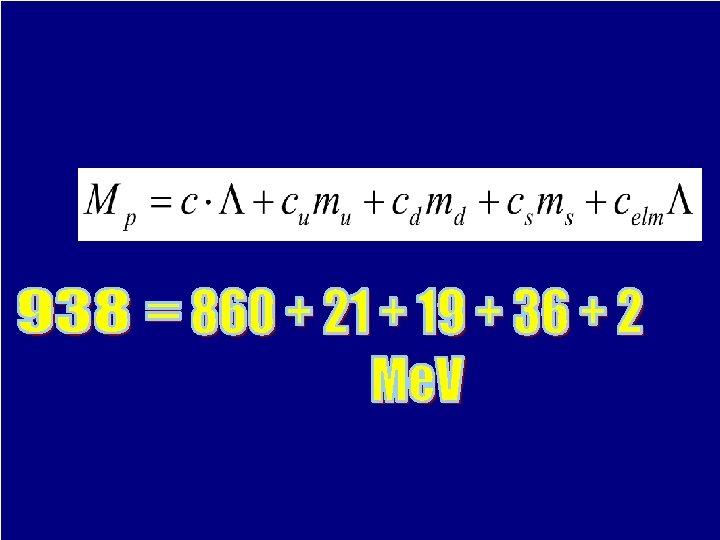
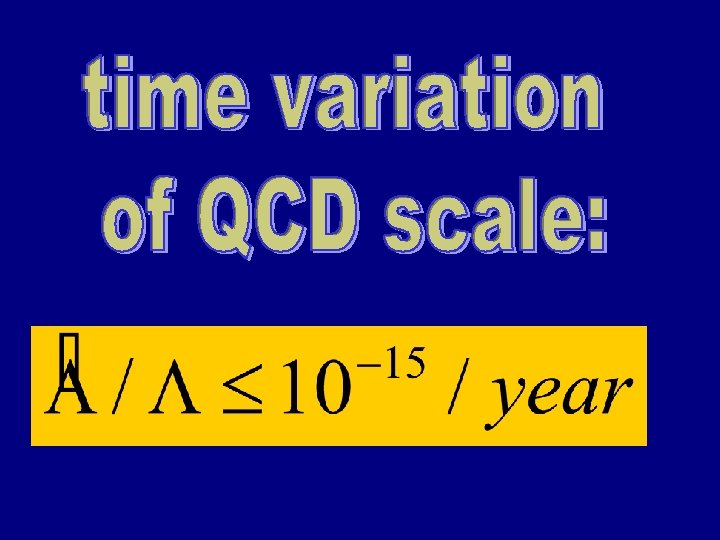
QCD scale
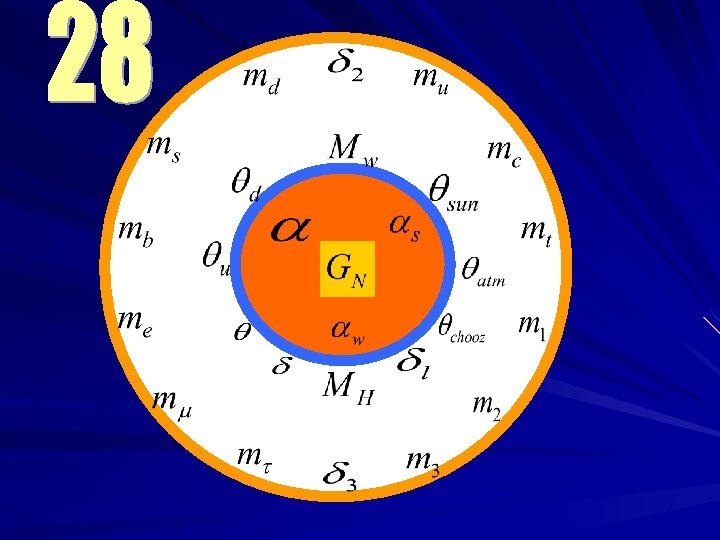
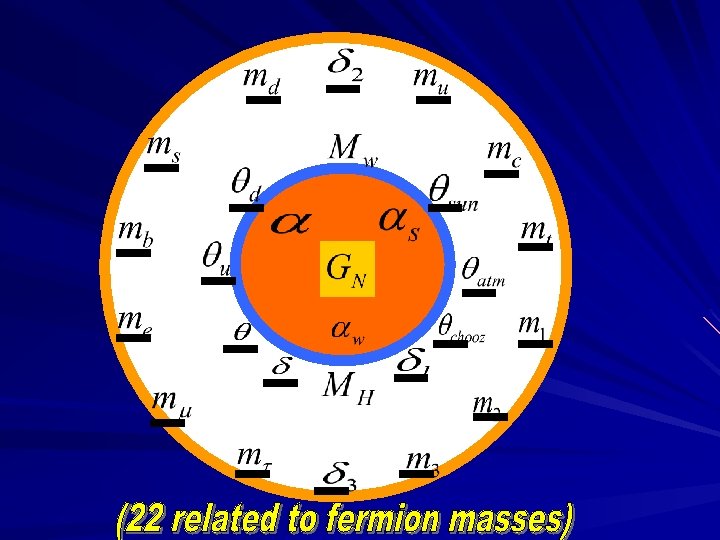
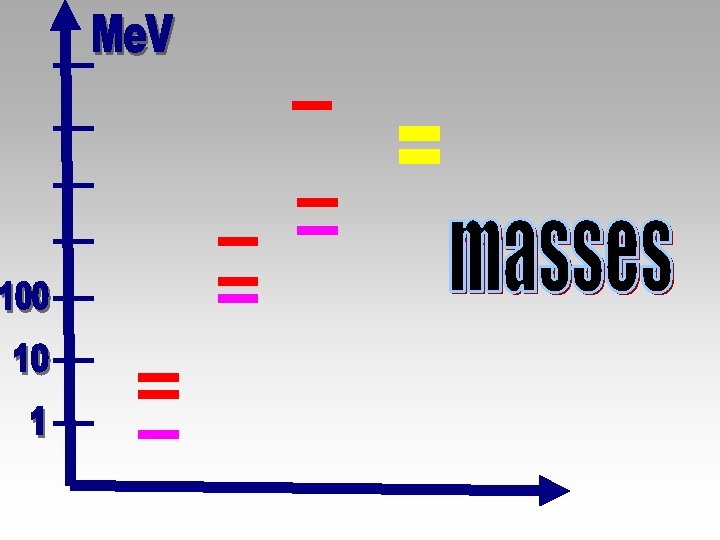
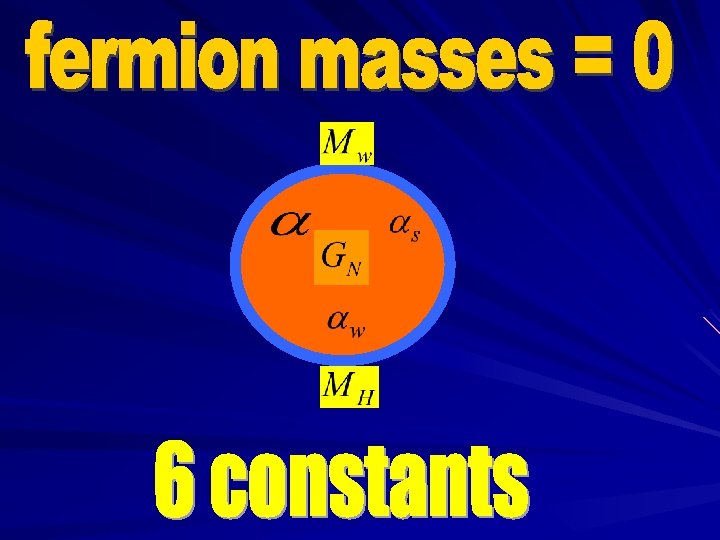
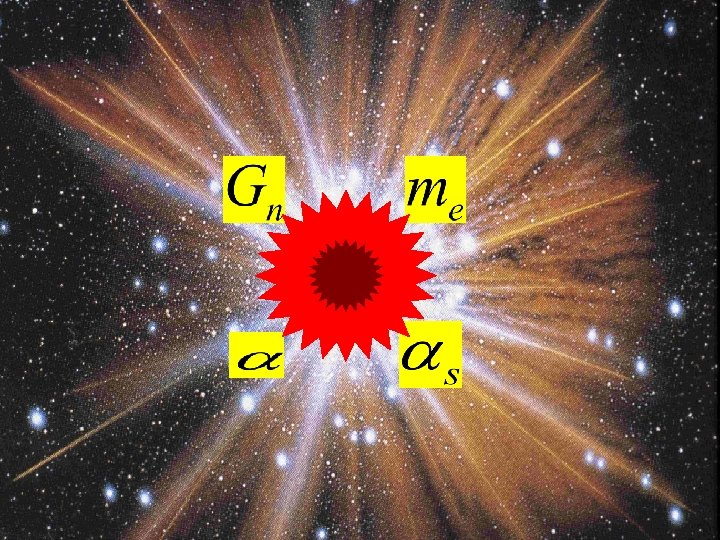
Newtons constant G fine structure constant coupling constant of strong interaction coupling constant of weak interaction mass of W boson mass of Higgs boson masses of 6 quarks and 6 leptons flavor mixing of quarks flavor mixing of leptons 1 1 1 12 4 6
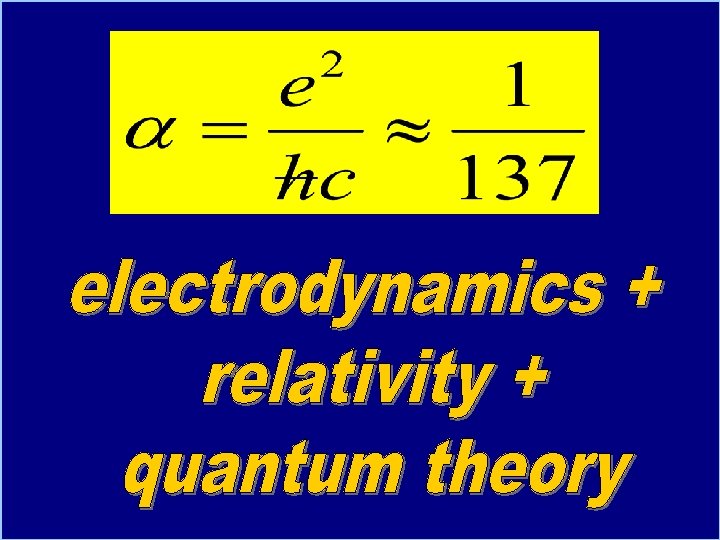
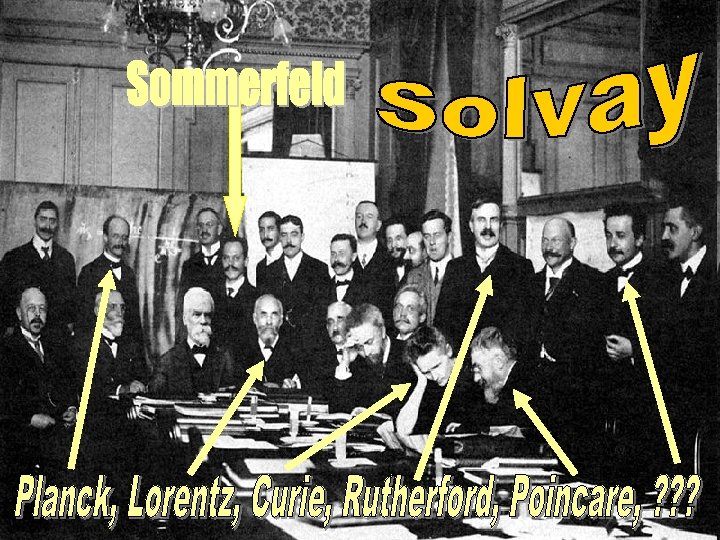
Arnold Sommerfeld, 1916
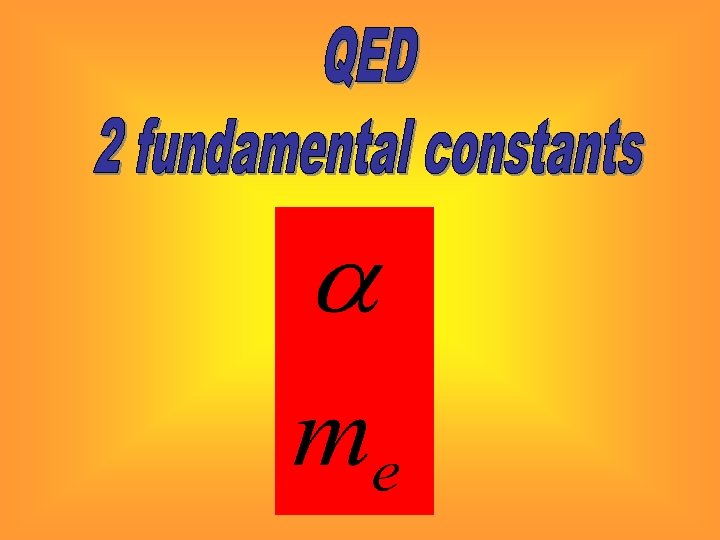
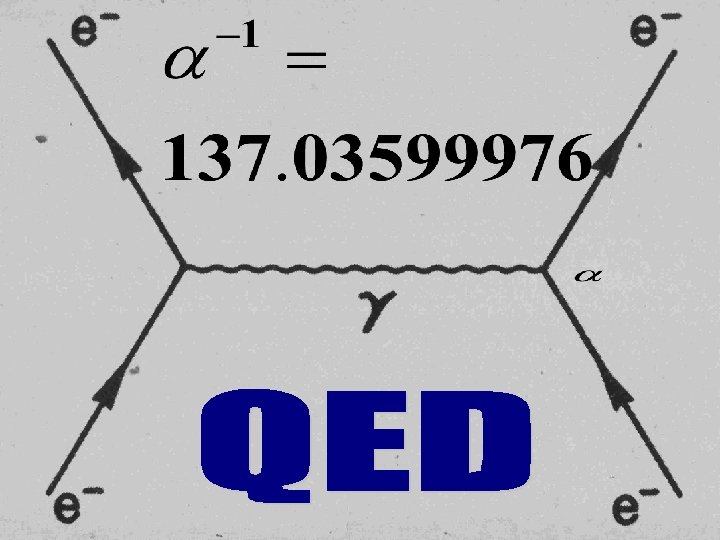
fine-structure constant =0. 00729735253
Pauli (1958): Nr 137, Zürich. . .
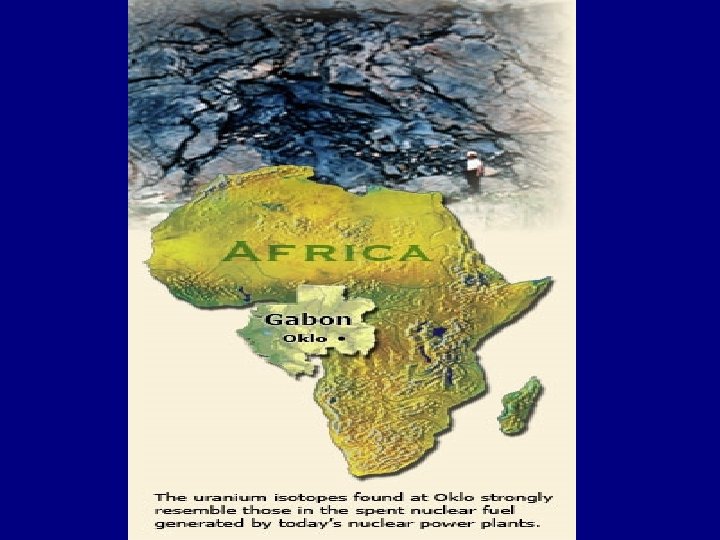
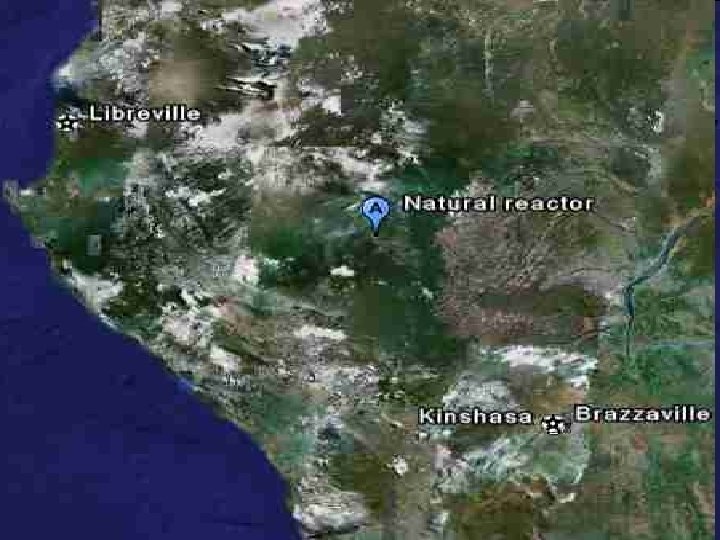
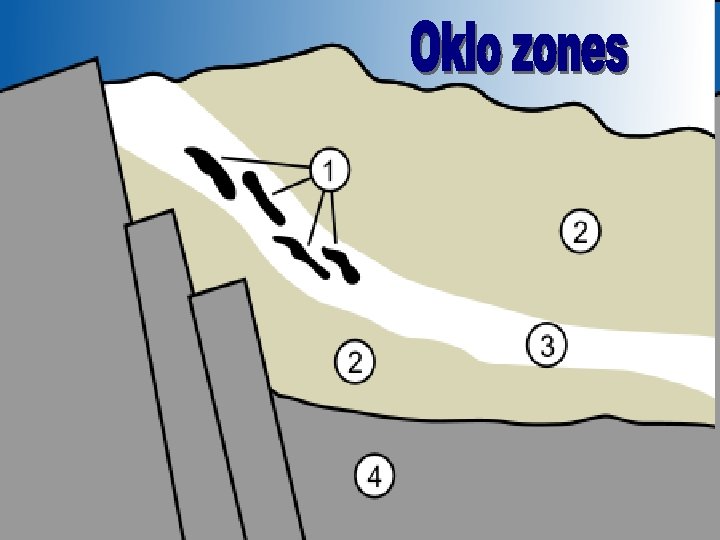
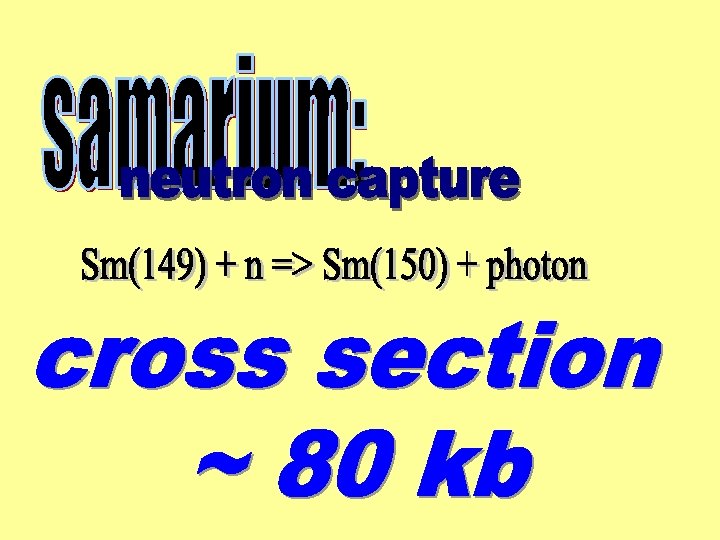
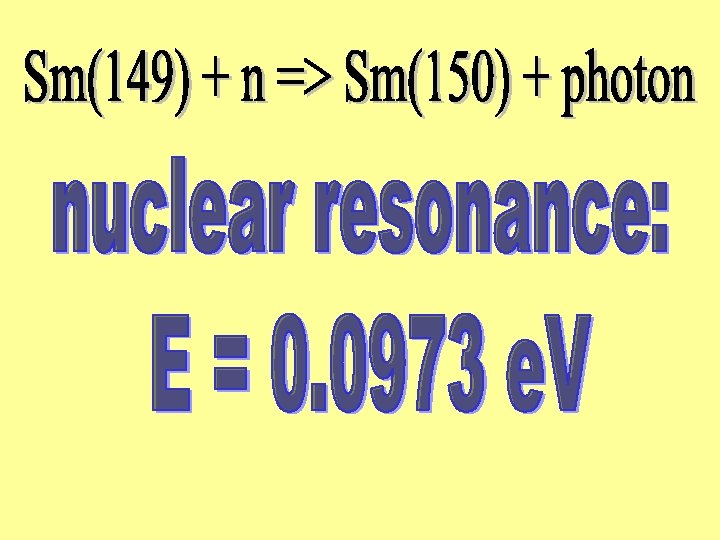
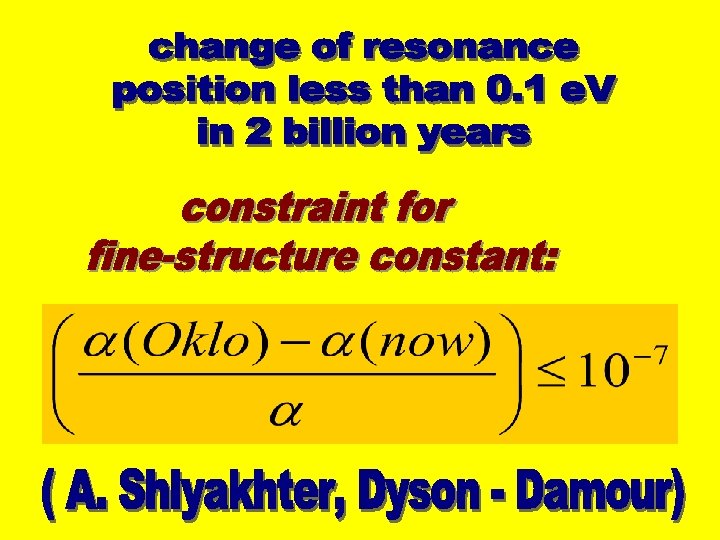
About 1. 8 billion years ago, in Gabon, Westafrika. Natural Reactor, which operated about 100 million years. High concentration of uranium 3. 7% U 235 at that time (today 0. 72 %) Moderator: water from river Oklo
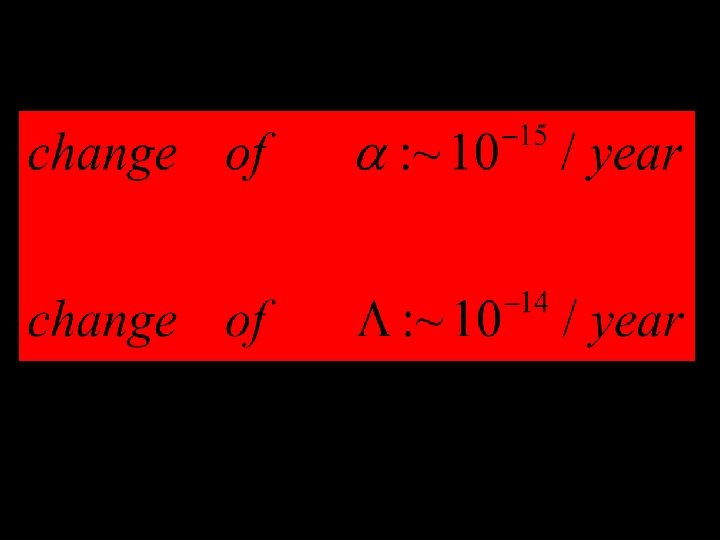
Change of alpha per year must be less than per year (if no other parameters change) ==>constraint questionable
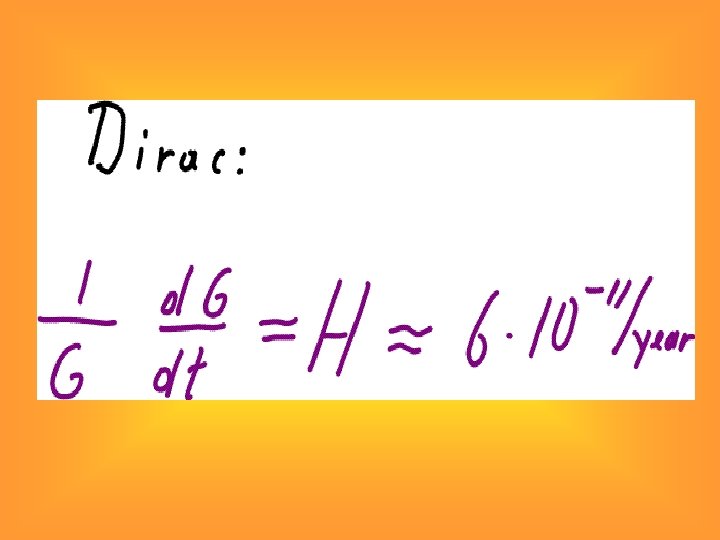
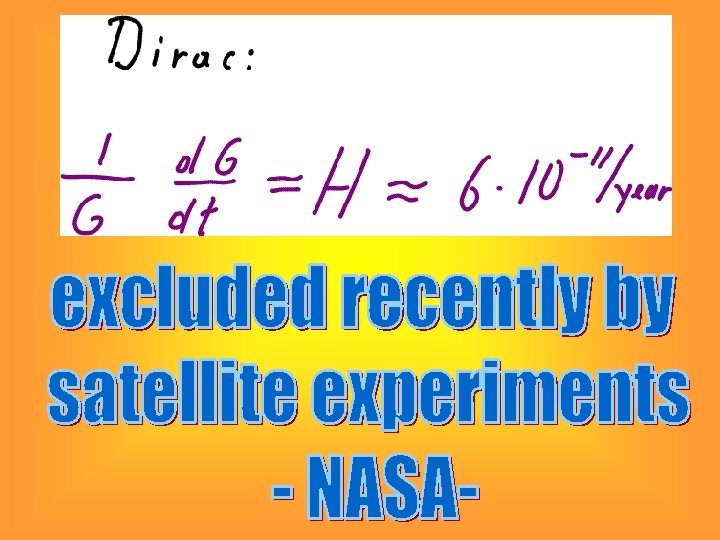
Dirac (~1930)
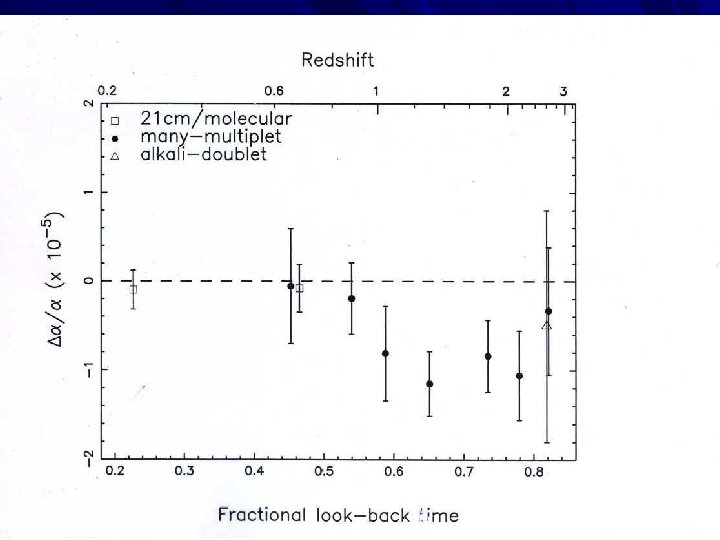
Observation of fine structure of atomic levels Quasars 5 -7 billion years back
Quasar absorption spectra Light
Fine structure of Fe, Ni, Mg, Sn, A Quasars, back to 11 bn years in time
Electroweak theory: SU(2) x U(1)
Calmet, Fritzsch - Langacker, Segre (2002)
Magnetic moments of atomic nuclei would change accordingly, per year
If only the scale of unification changes, the sign changes:
Time: measured by Cesium clocks Hyperfine transition magnetic moment of the cesium nucleus. Would be affected by time change of QCD scale
Difference: 3 CS oscillations per day
Difference: 3 CS oscillations per day
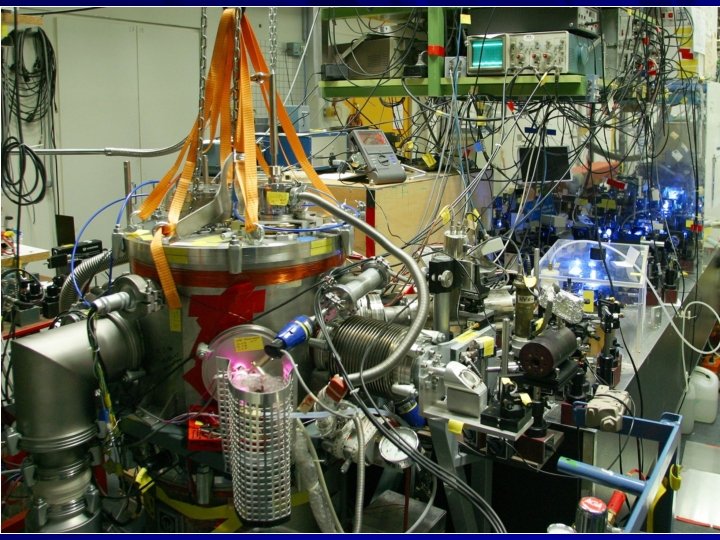
MPQ-Experiment 486 nm dye laser in hydrogen spectrometer Reference: cesium clock Pharao LPTF Paris Hydrogen: 1 s-2 s transition 2 466 061 413 187 127 (18) Hz
Expected in simple model: about 10 times more
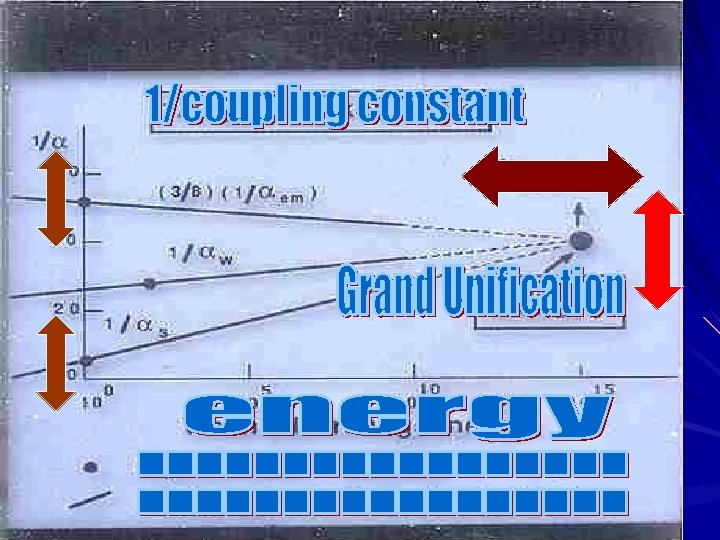
Simultaneous change of the unified coupling constant and the unification scale?
Simultaneous change of unif. coupling and unif. scale Partial Cancellation of effect? (expected in superstring models)
Indication for effect in the new experiment at the MPQ:
Reinhold et al. , 2006 VLT Chile
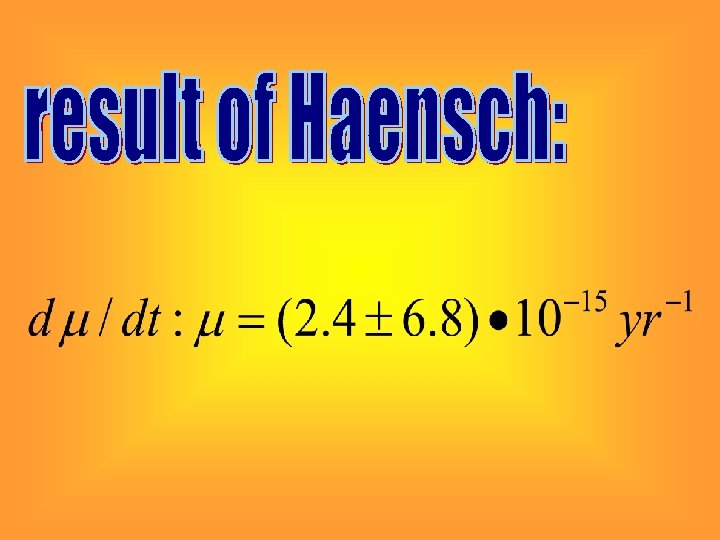
Reinhold et al. PRL 96 (2006) 2 quasars, 12 bn. years away time variation of ratio proton mass / electron mass One finds:
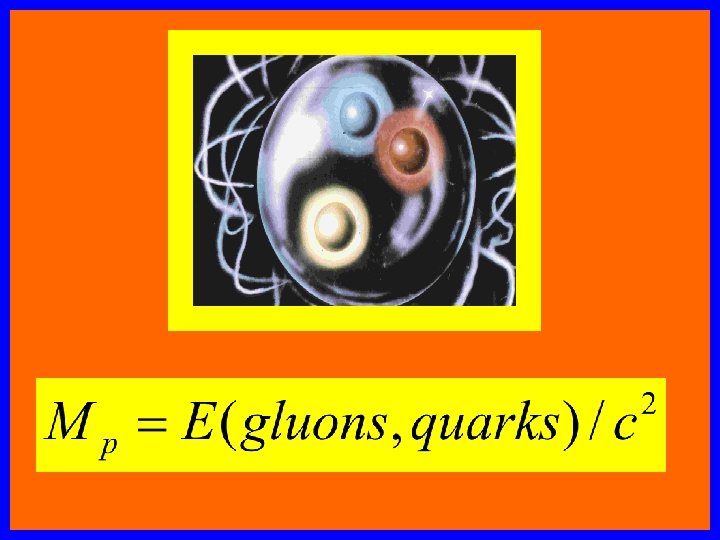
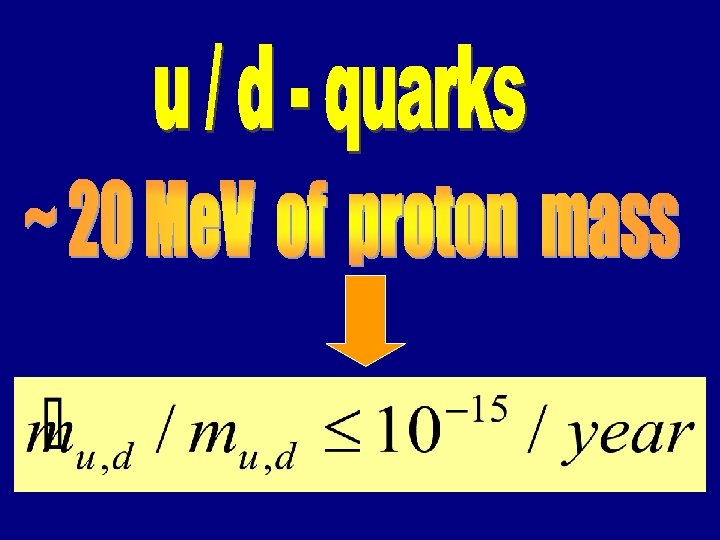
The masses of atomic nuclei will depend on time!
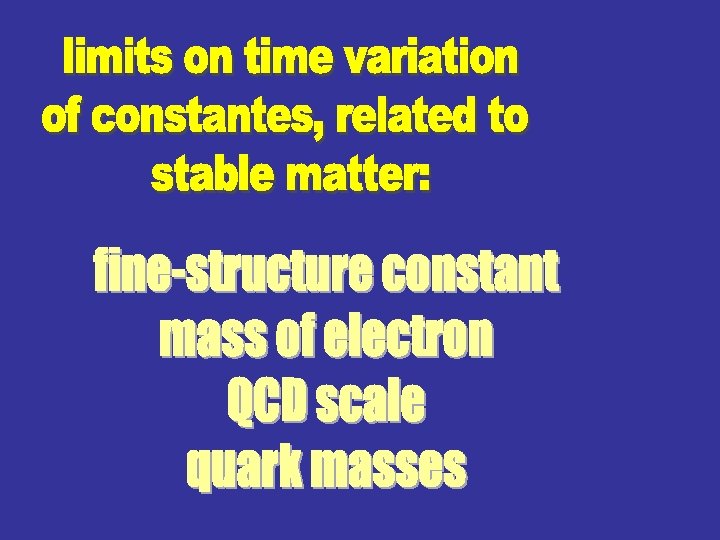
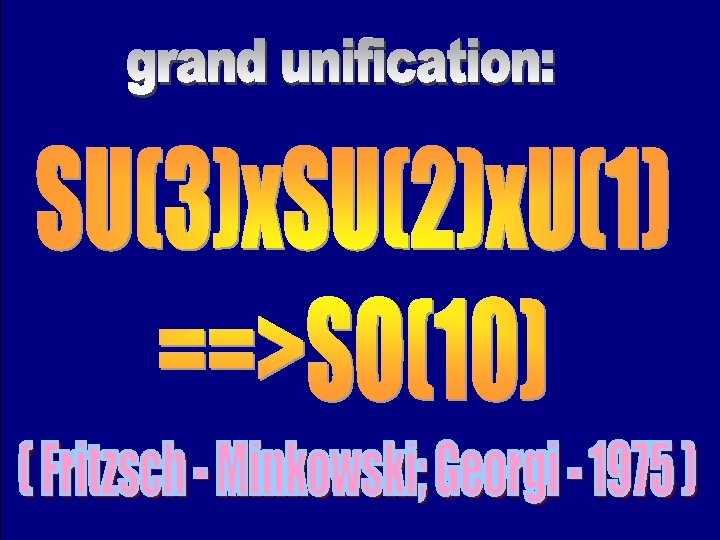
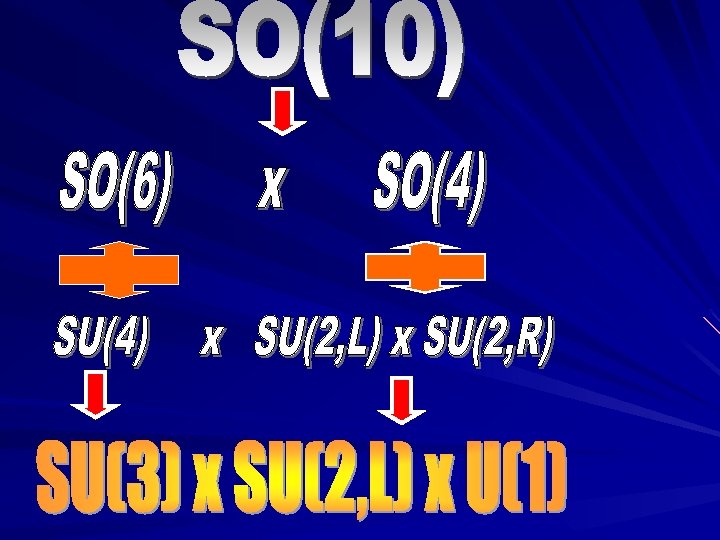
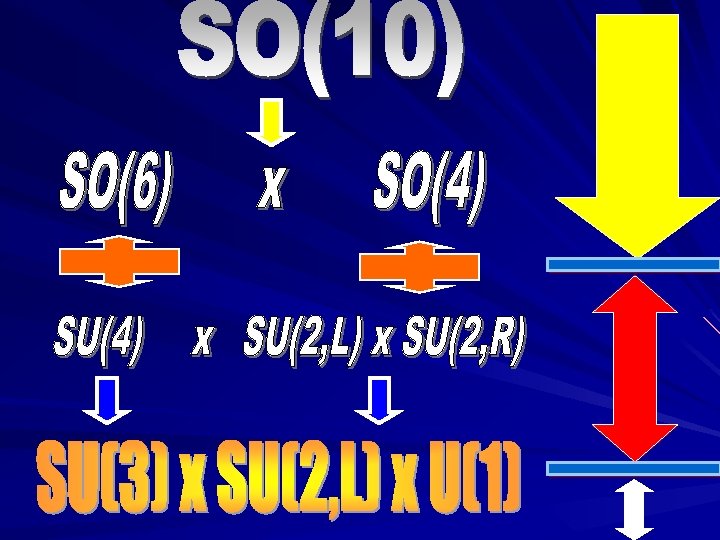
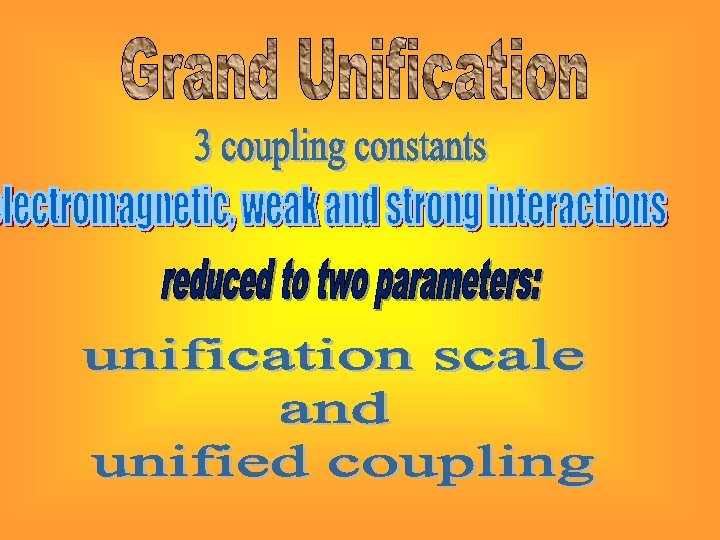
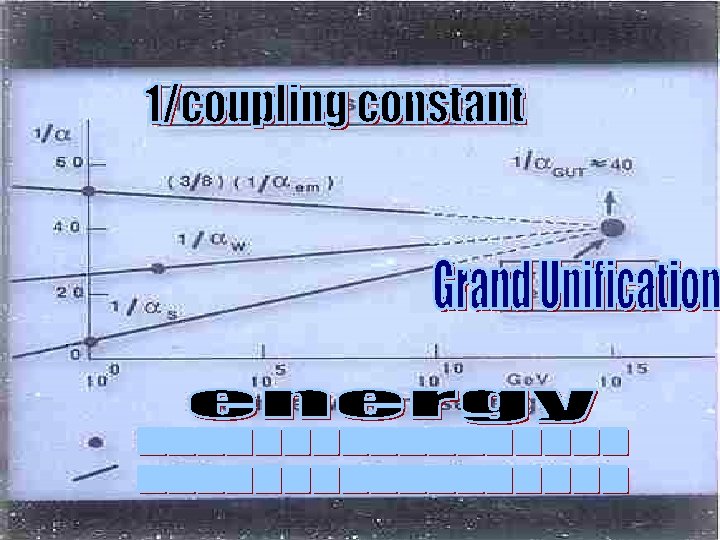
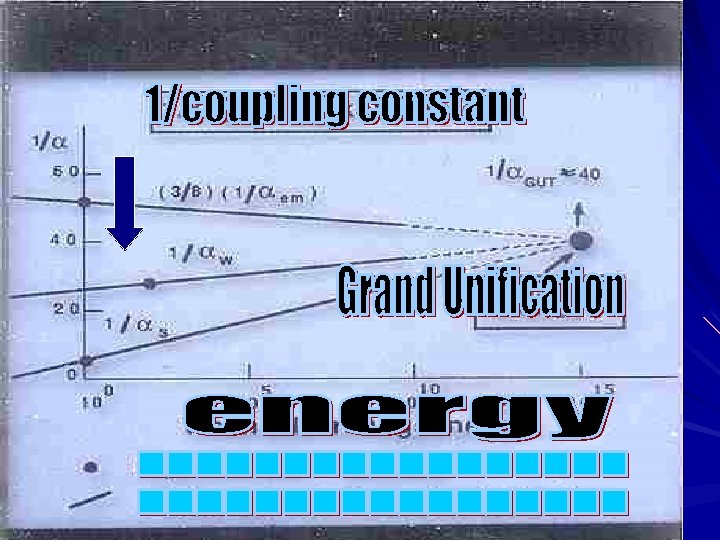
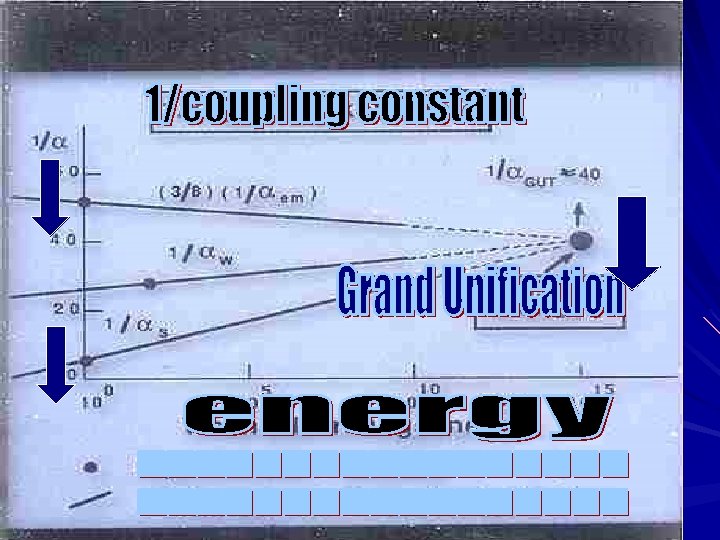
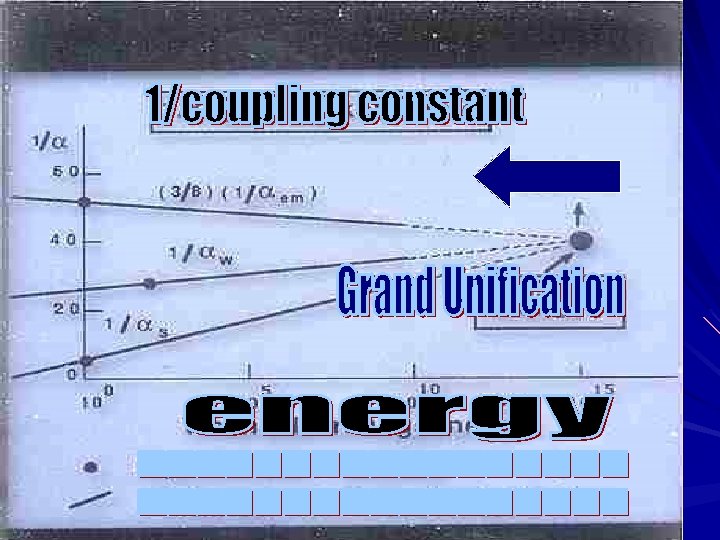
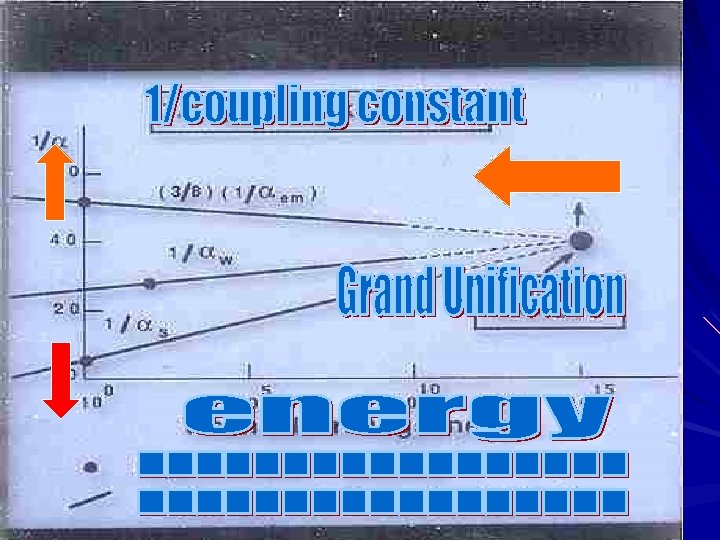
28 constants of nature 24 constants mass parameters Grand unification relates the elm. , strong and weak interactions.
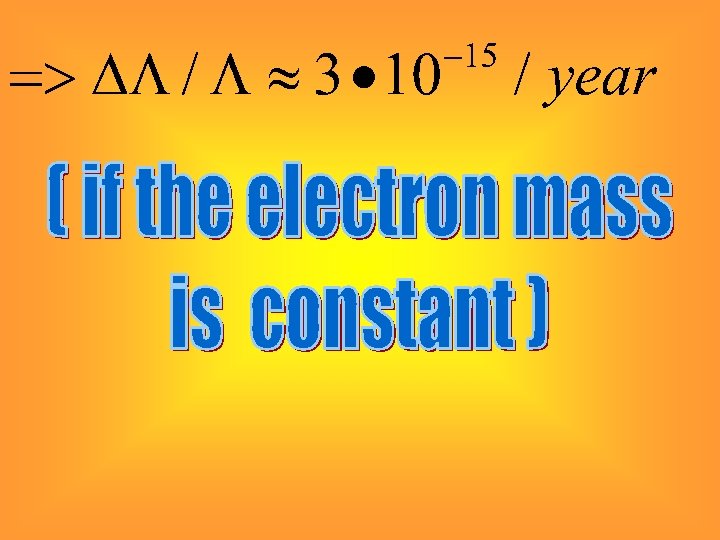
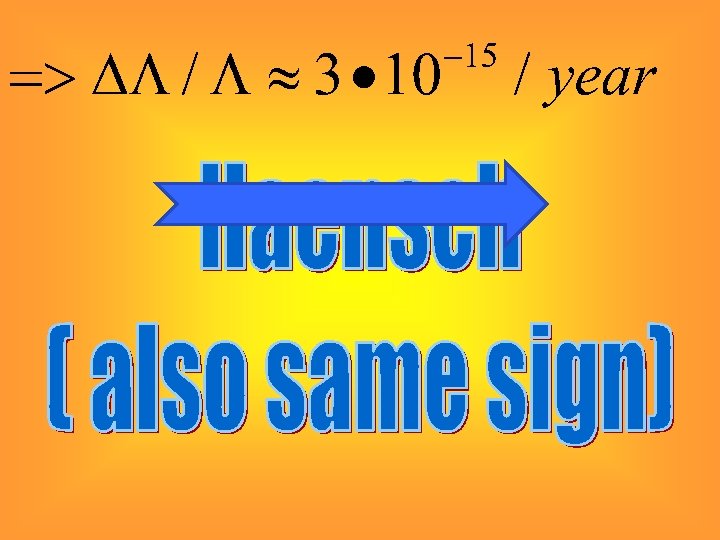
The time variation of alpha leads to a time variation of the QCD scale. The MPQ Experiment rules out the simplest model. An effect seems to be present, about a factor 10 less than naively expected, consistent with the observed variation of the electronproton mass ratio.
Necessary: Both unification scale and the unified coupling constant must change in time. (expected in superstring models)
All fundamental constants are not constant, but functions of time?